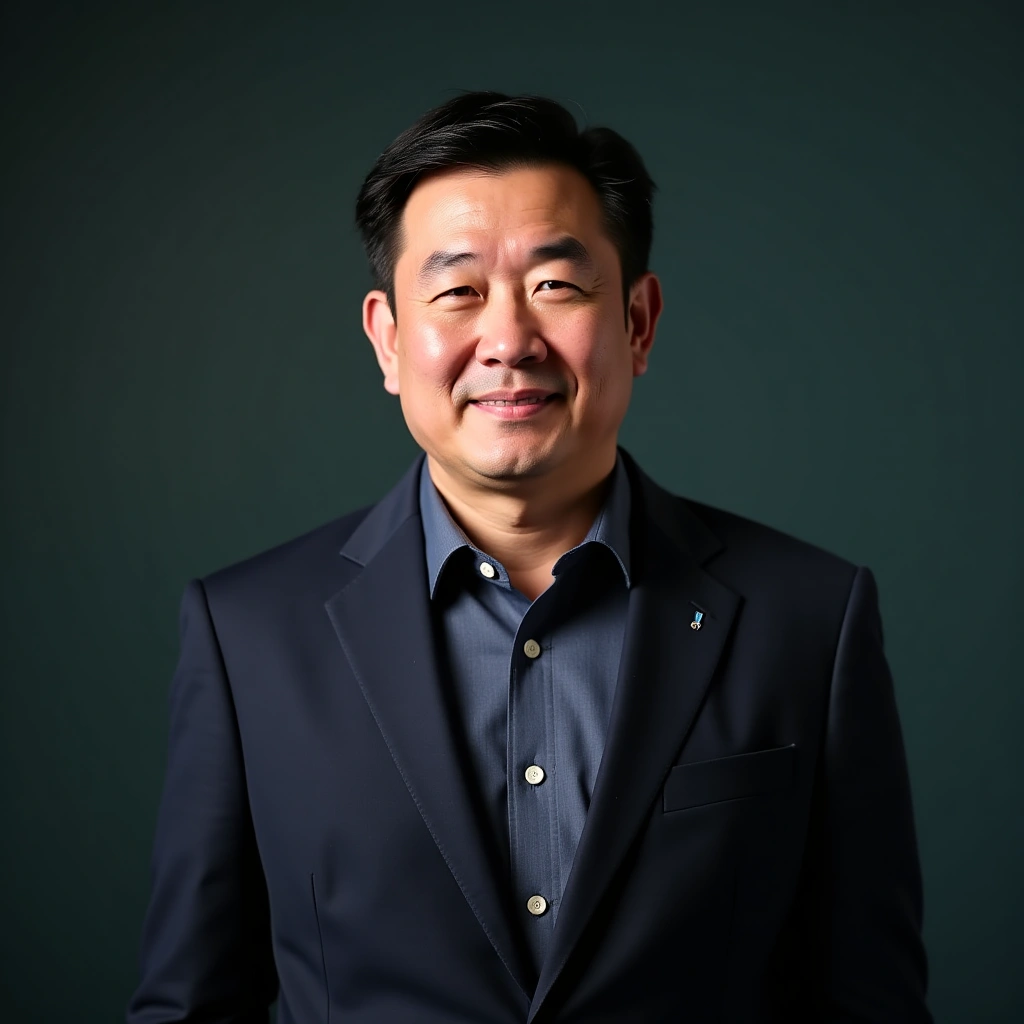
Nov 17 (Reuters) – Nvidia said on Tuesday it has established a new board-level committee to oversee its national security policies, export control compliance and global trade risk management .
Some weeks in tech news are about faster GPUs and bigger benchmark charts. Other weeks are about board committees, export controls, and the phrase “national security.” This is one of the second kind.
According to reports from The Wall Street Journal, Hindustan Times, and Salem Radio Network News, Nvidia has formed a new board committee to oversee national security and export controls. The reports tie the move to the departure of founder Jensen Huang, who, according to the submitted summary of this coverage, resigned over an affair with a woman U.S. officials suspect was working for Chinese intelligence.
That is a heavy claim about a real person, so a quick note before we go further. This post is based on the headlines and the brief summary provided with them. I have not independently verified the details, and I’m not going to fill gaps with guesses. If you want specifics, such as who said what, when, and on what evidence, go to the original reporting. What follows sticks to what has been reported and why it matters.
The Headline Version
All three outlets agree on the core development: Nvidia’s board has created a committee focused on national security and export controls. The Hindustan Times framed it as a response to what it called a “spy link row.” SRN News put it more plainly as a committee to “oversee national security, export controls.” The Wall Street Journal connected it directly to Huang’s exit.
So the corporate news is simple: a new committee exists. The context around it is anything but simple.
Why a Chip Company Needs a National Security Committee
If you’ve spent the past few years assuming Nvidia sells graphics cards to gamers who argue about frame rates, it’s time for an update. Nvidia’s chips now sit at the center of the AI industry, and that makes them a matter of geopolitics as much as commerce.
Advanced AI chips have been subject to U.S. export controls aimed at limiting access by certain countries, China most prominently. Nvidia has spent a lot of energy dealing with those rules, including designing products intended to stay within them. When your product is something governments treat as strategically important, you can’t run compliance as a side task handled by whoever has a free afternoon.
A dedicated board committee is the governance equivalent of saying, “We are taking this very seriously, and we have a committee to prove it.” That may sound cynical. Committees are the corporate world’s favorite way to look busy. But in this case there’s a real point: a board-level body gives national security and export issues direct oversight, a defined owner, and a place on the agenda that can’t easily be pushed aside.
Why the Timing Matters
Companies don’t usually create national security committees on a quiet Tuesday because someone came across a governance blog. According to these reports, this one followed the departure of the company’s founder under circumstances that, by their own description, involve U.S. officials’ suspicions about Chinese intelligence.
Whatever the full facts turn out to be, the board’s move reads as an attempt to reassure several audiences at once:
– Regulators and policymakers, who care a great deal about where advanced chips go and who might have influence over the people making decisions.
– Investors, who prefer that the most valuable names in AI not appear in stories that use the word “spy.”
– Customers and partners, especially those working with governments, who need confidence that Nvidia’s internal controls are solid.
– Employees, who would probably like to get back to building chips without refreshing the news every ten minutes.
In short, the committee is partly about oversight and partly about signaling. Both matter.
The Founder Problem
Nvidia has been closely identified with Jensen Huang for its entire existence. He co-founded the company, led it through its rise into AI, and became one of the most recognizable executives in tech, along with his famous leather jacket.
When a company is that closely tied to one person, that person’s departure isn’t only a staffing change. It raises questions about succession, strategy, and who speaks for the company with governments. When the reported reason for the exit involves national security concerns, those questions get sharper.
That’s where a formal committee helps. Founder-led companies often rely on the founder’s judgment and relationships. Committees are slower and less charismatic, but they don’t depend on any one individual. If the goal is to show that national security oversight is part of the institution rather than something resting on one person’s shoulders, this is a reasonable way to do it.
What a Committee Like This Might Actually Do
The reports describe the committee’s purpose as overseeing national security and export controls. They don’t spell out its exact charter, so I won’t invent one. Generally, though, board committees with a mandate like this tend to:
– Review how the company complies with export control rules.
– Oversee risk related to foreign influence and sensitive relationships.
– Make sure management reports regularly on these issues to the board.
– Act as a point of accountability if something goes wrong.
Whether this committee does all of that, and how aggressively, is something we’ll learn over time. A committee is only as useful as the questions it asks and the authority it actually has.
The Bigger Picture
Take away the personal drama and a broader trend is clear: AI chipmakers are being treated less like ordinary tech vendors and more like strategic national assets. That brings scrutiny that most companies never face, covering who they sell to, who they partner with, and now, apparently, who is in the orbit of their leadership.
Other companies in sensitive tech sectors will likely watch this closely. If one of the most powerful firms in AI decides it needs board-level national security oversight, it gets harder for peers to argue they don’t.
The Bottom Line
Here’s what we can say with reasonable confidence based on the reporting: Nvidia has formed a board committee to oversee national security and export controls, and multiple outlets link that decision to Jensen Huang’s exit and to concerns raised by U.S. officials.
Here’s what we should be careful about: the personal details, the strength of any intelligence-related suspicions, and what happens next. Those deserve close attention to the original reporting, not speculation from a blog post, this one included.
In the meantime, Nvidia now has one more committee. In corporate America, that’s often how you know something serious has happened.
Inspired by: “Nvidia Forms National Security Committee After Huang’s Exit” (r/World)