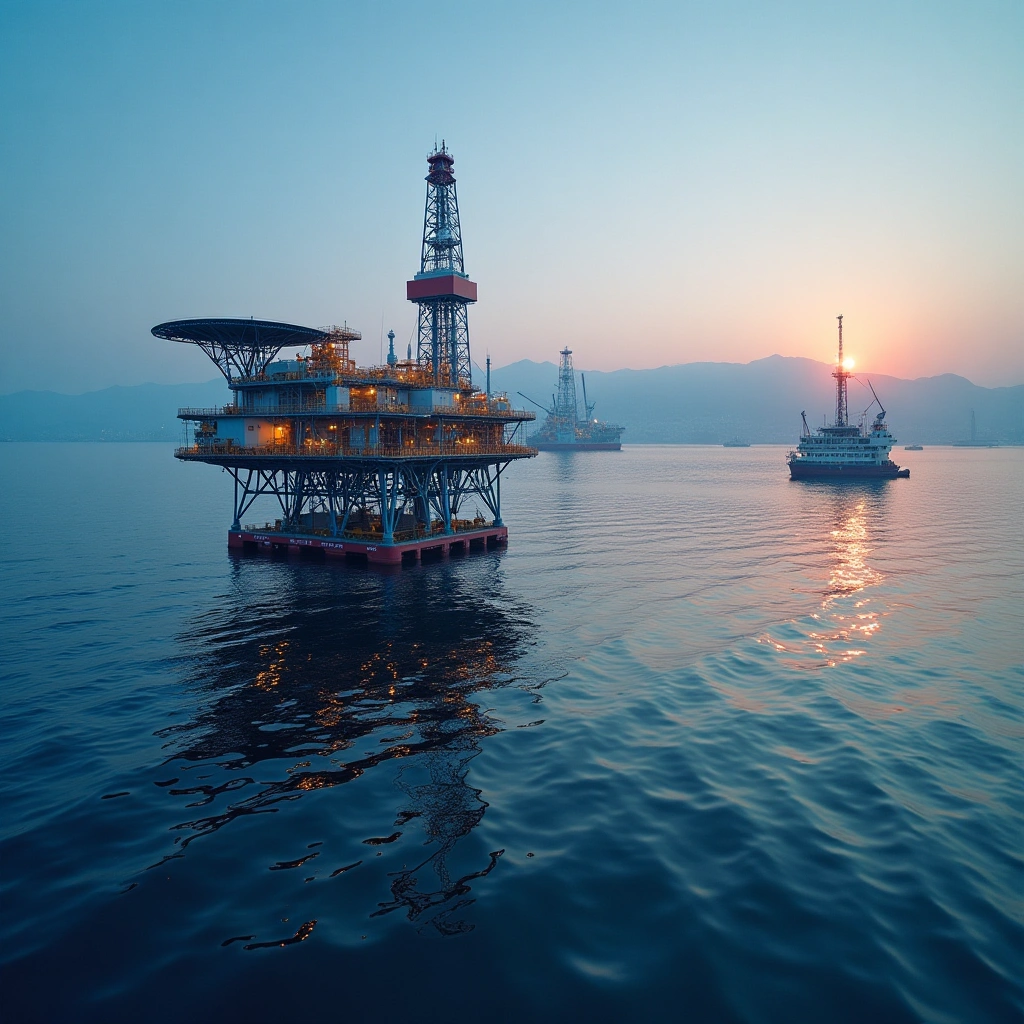
Japanese Prime Minister Sanae Takaichi has proposed the creation of an Asian energy agency to help countries in the region cope with oil crises , such as the shocks from the Iran war.
There are two classic ways to deal with an oil crisis. The first is to panic, refresh fuel price charts every eleven minutes, and hope it sorts itself out. The second is to build an organization ahead of time that helps everyone respond calmly. Japan would like Asia to try option two.
Japanese Prime Minister Sanae Takaichi has proposed creating an Asian energy agency, described as an “Asian version” of the International Energy Agency. She made the pitch at a meeting on the sidelines of the Association of Southeast Asian Nations (ASEAN) summit in Manila. The idea was reported by outlets including The Independent, The Seattle Times, WTOP News, the Times of India and Rappler, so this is not a rumor overheard at the coffee station.
What Japan Is Actually Proposing
Based on the reporting, the proposal has a few main parts:
– A new Asian energy body, modeled on the International Energy Agency.
– An oil security task force focused on preparing for and responding to supply shocks.
– A Japan-based home for the new entity, so Tokyo would effectively host this regional IEA.
The stated goal is to help the region deal with potential oil crises, including the kind that can come from conflicts involving Iran. That is the polite diplomatic way of saying: “Things in the Middle East have a habit of getting tense, and our tankers would prefer not to find out the hard way.”
Wait, Doesn’t the IEA Already Exist?
It does. The International Energy Agency was set up in the 1970s after the oil shocks of that decade made it painfully clear that importing countries needed to coordinate. Its core job has long been energy security, including coordinating emergency oil stock releases when supply gets disrupted. It is based in Paris, and its membership has historically leaned toward wealthier, mostly Western economies.
So why would Asia need its own version? The framing of an “Asian IEA” suggests Japan sees a gap. Many Asian economies are huge energy consumers and importers, yet they are not all plugged into the same emergency coordination system. When a crisis hits, a patchwork of national responses is a lot less reassuring than a coordinated plan. Picture a group project where nobody shared the Google Doc.
Why the Iran Angle Matters
The proposal specifically points to the risk of oil crises linked to conflicts involving Iran. A lot of the oil Asian economies buy comes from the Middle East, and much of it travels through shipping routes that get nervous whenever regional tensions spike. If those flows are disrupted, even briefly, import-dependent countries feel it fast in prices, supply planning, and general blood pressure.
Japan in particular has very limited domestic oil production, which makes it acutely aware of how exposed it is to events thousands of kilometers away. Proposing a regional framework is a way of saying, “We’re all in the same boat, possibly literally, so let’s agree on what to do before the boat gets stuck.”
Why Pitch It at ASEAN?
The venue makes sense. The ASEAN summit in Manila brings Southeast Asian leaders together along with partner countries like Japan. Southeast Asia contains a mix of energy producers and importers, fast-growing economies, and countries whose fuel demand only seems to go in one direction. If you want a regional energy security body to mean anything, you need these countries on board.
Pitching it on the sidelines of a major summit also follows the time-honored diplomatic tradition: the official speeches happen on stage, and the actual ideas get floated in side meetings over carefully arranged chairs.
What an Oil Security Task Force Might Do
The reporting doesn’t spell out the operational details, so it’s worth being careful here. But in general terms, an oil security task force is the kind of group that focuses on preparedness: thinking through supply disruption scenarios and how participating countries could respond together rather than individually scrambling. That’s roughly the spirit of what the original IEA was built for, which is presumably why Japan keeps using it as the reference point.
Anything beyond that, like who would join, how it would be funded, how decisions would be made, and how it would relate to the existing IEA, are questions the proposal will have to answer as it moves forward. And if international organizations are known for anything, it’s spending a very long time answering questions like those.
The Obvious Challenges
Let’s be honest: “Let’s create a new regional institution” is the easy sentence. The hard part is everything after it.
– Getting buy-in. Asia is not a single bloc with a single set of interests. Countries have different energy mixes, different relationships with oil producers, and different appetites for joining something headquartered in Japan.
– Avoiding duplication. A new agency needs to add something the IEA doesn’t already provide, or it risks becoming a very expensive group chat.
– Making it real. Energy security frameworks only matter if they can act when there’s an actual crisis. A beautifully worded charter does not refill anyone’s fuel tanks.
None of that means the idea is doomed. It just means this is the opening move, not the finished product.
Why It’s Still a Smart Conversation to Have
Even with the hurdles, the logic is pretty straightforward. Asia consumes a massive amount of energy. Much of it depends on supply routes that are vulnerable to geopolitical shocks. And the region has historically had less of its own coordinated machinery for handling oil emergencies than you might expect given how much is at stake.
Japan’s proposal is essentially an attempt to fix that before the next crisis rather than during it. That’s a refreshingly proactive approach in a world where emergency planning often begins roughly five minutes after the emergency.
The Bottom Line
Prime Minister Sanae Takaichi wants Asia to have its own version of the International Energy Agency, complete with an oil security task force and a home base in Japan. The pitch, made at the ASEAN summit in Manila, is aimed squarely at preparing for oil crises like those that could stem from conflicts involving Iran.
Whether it becomes a real institution or joins the long list of promising summit ideas depends on how other countries respond. But as proposals go, “let’s prepare for the oil crisis before it happens” is hard to argue with. Even the people who refresh fuel price charts every eleven minutes would probably agree.
Inspired by: “Japan proposes creation of ‘Asian’ IEA” (r/World)