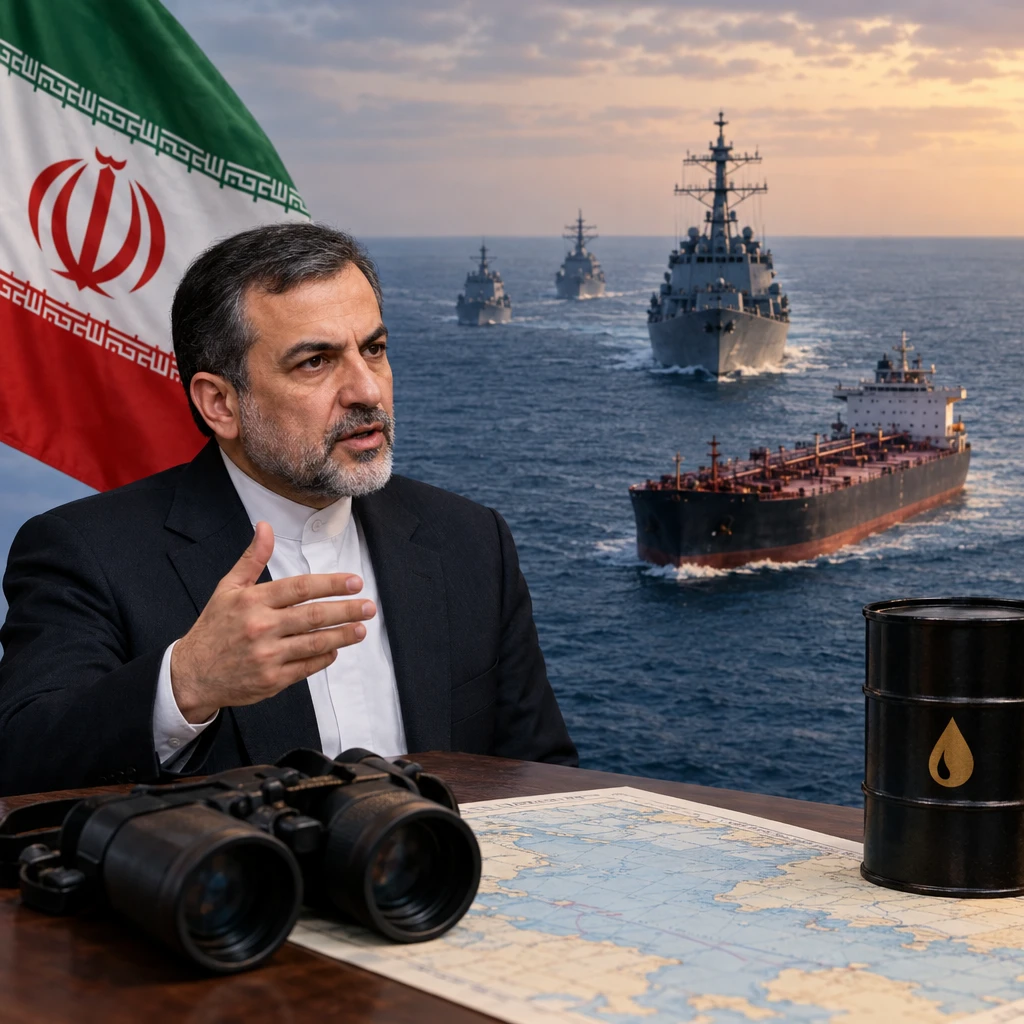
DUBAI, Nov 23 (Reuters) – Iran will use all available tools to confront the US naval blockade , Iran's Foreign Ministry spokesperson Esmaeil Baghaei said in a weekly news conference on Monday.
If you’ve been scrolling through headlines lately, you’ve probably seen some version of the same message: Iran says it will use all available tools to confront what it calls a US naval blockade on its oil exports. Several outlets ran nearly identical stories, which tells you this is the kind of statement governments make when they want the world to pay attention.
So what’s actually going on? Let’s walk through it without the jargon.
The basic story
Iran’s Foreign Ministry spokesperson said the country will use every tool at its disposal to push back against the blockade. The restriction was first imposed in April. It was briefly lifted in June, which many people hoped might signal a thaw. Then it came back in July, after an agreement with Washington fell apart. That is a lot of back-and-forth for a policy that is supposed to be a clear-cut measure.
Iranian officials see the blockade as a form of aggression, and they insist they have the right to defend themselves. That framing matters. When a country describes something as aggression, it is signaling that it sees its response as justified, not escalatory.
What a naval blockade actually does
If you’ve never thought about naval blockades, the idea is pretty simple. A naval force positions ships to stop or restrict vessels from entering or leaving a particular coastline or port. In this case, the focus is on oil exports. Oil is the economic lifeblood for many producers, so restricting shipments can hit government revenue, trading partners, and global energy markets all at once.
Blockades are also a bit of a tricky tool. They are meant to pressure without going to full-scale war, which is why they’re popular. The catch is that they can still create friction, because ships and crews are operating in close proximity, and any incident at sea can spiral quickly.
Why the ‘all available tools’ line is worth a second look
This phrase is intentionally broad. It doesn’t spell out what those tools are, and that vagueness is the point. Governments often use open-ended language to keep options on the table while avoiding commitments they might later regret. Some reports also noted warnings of retaliation if US forces attack, which suggests the message is aimed at deterrence as much as it is at describing current policy.
In plain English: Iran is saying, ‘Don’t push this too far, because we won’t just sit quietly.’ Whether that’s a bluff, a warning, or a genuine plan is something analysts will be debating for a while.
The pattern of on-again, off-again
The timeline itself is worth paying attention to. A restriction imposed, lifted, and reinstated within a few months suggests that diplomacy has been fragile. An agreement collapsing is never a small event, and the reinstated blockade reflects how quickly things can change when trust is low.
It also highlights a familiar frustration in international relations. Deals are announced with great fanfare, but they only work if both sides keep their word and continue talking. When one side walks away, the other tends to respond with new measures, and the cycle picks up speed.
The bigger picture
This isn’t just a story about two governments trading statements. Oil markets watch developments like this closely, because even the possibility of disruption can move prices. Regional partners and global observers also tend to get nervous, since a standoff at sea has a way of becoming a much bigger problem if someone miscalculates.
The honest takeaway is that this situation remains unsettled. Iran has made its position clear, and the US blockade remains in place according to these reports. What happens next will depend on whether both sides step back from rhetoric or continue down a path where every new measure triggers a new response.
So, should you worry?
Not in a panic-button sense, but it’s worth staying informed. Headlines about ‘all available tools’ can sound dramatic, and they often are. Still, the best approach is to read beyond the first line, check multiple sources, and remember that official statements are usually carefully worded for an audience. Think of this as a story to follow, not one to resolve with a single article.
As for the politicians? Let’s just say their talking points are going to get a lot of airtime before anyone gets a clear answer.
Inspired by: “Iran says it will use all available tools to confront US naval blockade” (r/News)