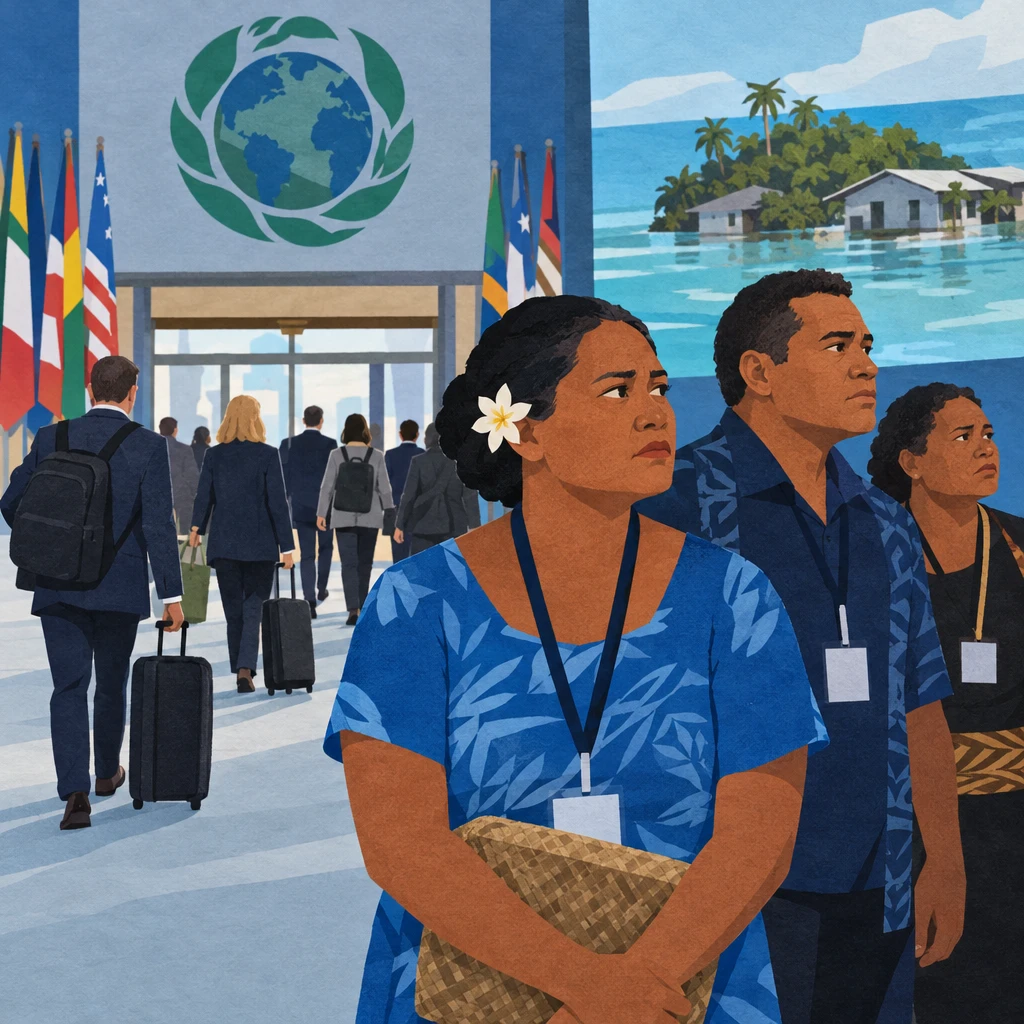
SYDNEY/ANTALYA, Turkey – The … leading them, while the Pacific island nations most at risk expressed their despair over the failure of countries to collectively address global warming ….
Let’s start with the headline fact, because it’s a big one. For the first time since the 2009 meeting in Copenhagen, the COP climate conference failed to reach a final agreement. After two weeks of talks, delegates packed their bags without the sort of consensus document that these gatherings are built to produce. If you’ve followed international climate diplomacy for a while, you know that a deal is never guaranteed. Still, a failure to agree at all lands differently, and the reaction has been loud.
For anyone who hasn’t spent late nights reading negotiation drafts, here’s the basic idea. COP stands for Conference of the Parties, the annual summit where countries that signed the UN climate framework try to agree on how to cut emissions, help vulnerable nations adapt, and pay for it all. The process runs on consensus, which is a polite way of saying that every country has to say yes. That makes things slow, sometimes painfully so. It also means that a single holdout, or a group of them, can stall the whole thing. Diplomats are very good at saying “we’re disappointed but we remain committed,” and they said it plenty this time.
The backlash in Australia has been especially sharp. Commentators and climate advocates have argued that the country, which has been positioning itself as a serious player on emissions and as a partner to Pacific neighbours, needed to deliver more than it did. Critics questioned whether the government’s rhetoric matched the outcome in the room. Supporters pointed out that getting 190-plus countries to align on anything is an enormous task, and that blaming one nation misses the bigger picture. Both sides have a point, which is exactly what makes these debates so exhausting. Nobody gets to be the hero of a story where everyone is partly at fault.
The mood among Pacific nations is more sombre. For island states, climate change isn’t an abstract policy debate. Rising sea levels threaten homes, freshwater supplies, farmland and, for some low-lying countries, the very question of whether their territory will remain habitable. Pacific delegates have repeatedly described their situation as existential, and they have asked wealthier, high-emitting countries to move faster on cutting emissions and funding adaptation. When a summit ends without a firm agreement, the message they hear is that their urgency has not yet been matched by the powers that could act. That’s a hard thing to swallow, especially for nations that contributed least to the problem.
It’s worth noting how often the same frustrations come up. Each year, the same tensions appear: developed countries are pressed to fund loss and damage, major emitters are asked to commit to tougher targets, and fossil fuel producers resist language that would phase their industries down. The COP process has produced real progress over the past decade and a half, including the Paris Agreement, which set a goal of limiting warming well below 2 degrees Celsius. But progress on paper and progress in the real world are not the same, and the gap between them is where the anger lives.
So what happens next? The usual answer is that negotiators will regroup, technical talks will continue, and the next summit will be the one where things finally click. That may well happen. But the lack of an agreement this time sends a signal that the political will behind climate action is being tested, and that the consensus model is under strain. Whether that leads to reform of how these talks work, or simply to another round of frustrated press releases, remains to be seen.
For now, the takeaway is simple. A failed COP is not the end of climate diplomacy, but it is a reminder that the process depends on countries choosing to cooperate, and that the people most at risk are often the ones with the least power at the table. If you’re keeping score at home, the Pacific nations are not impressed, and honestly, it’s hard to blame them.
Inspired by: “COP flop triggers backlash in Australia as Pacific nations express despair” (r/World)