Category: Nature

  • Marine Heat Waves: The Ocean’s Unwelcome Hot Flashes

    Marine Heat Waves: The Ocean’s Unwelcome Hot Flashes

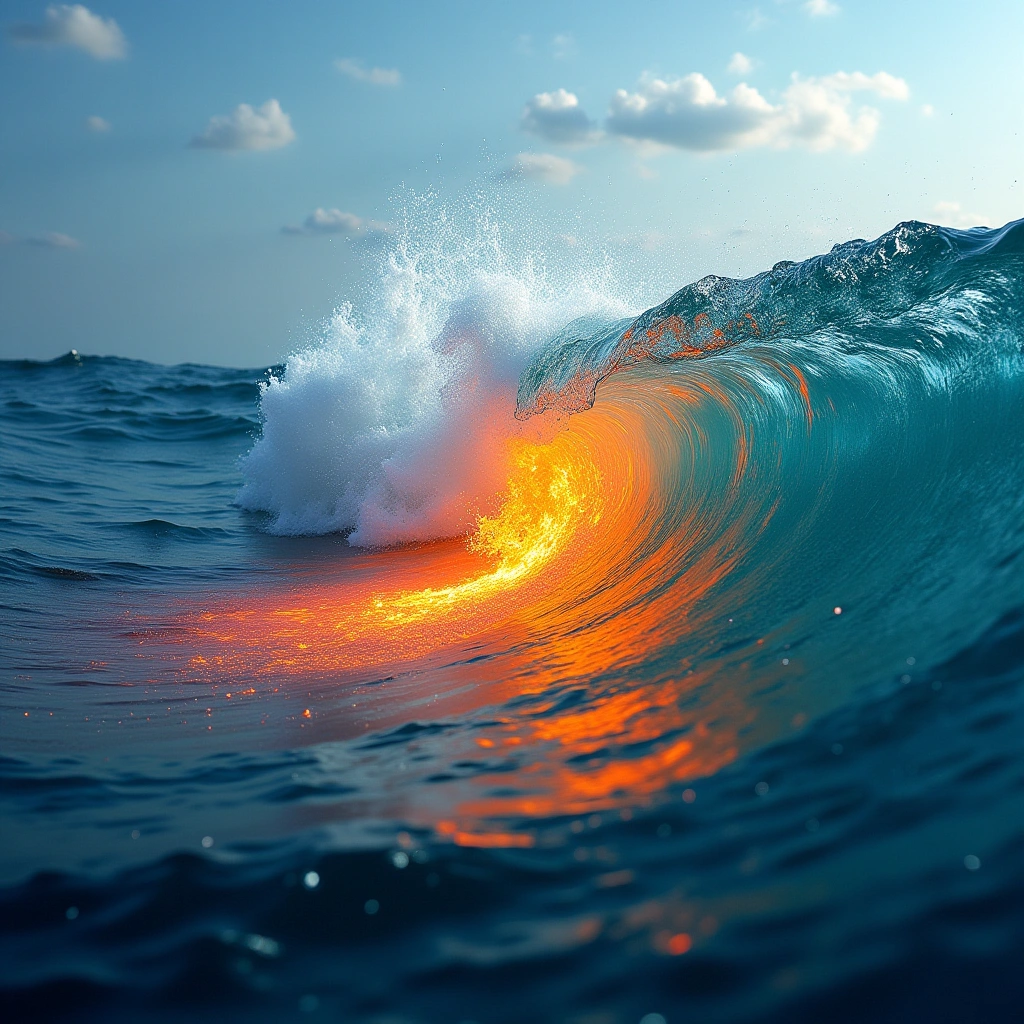
    Marine heatwaves are prolonged periods of abnormally high sea surface temperatures, typically defined as exceeding the 90th percentile of historical averages for at least five consecutive days. Driven by climate change, which has caused oceans to absorb 90% of excess global heat, these events are now occurring 50% more frequently over the past decade and are becoming increasingly severe. They pose a critical threat to marine biodiversity, triggering mass coral bleaching, kelp forest die-offs, and significant economic disruptions to global fisheries and tourism.

    Ah, the ocean. Vast, mysterious, and home to an incredible array of marine life—from the tiniest plankton to the magnificent blue whale. But wait! What’s this? A surge of marine heat waves is threatening to scramble ocean life as we know it. Thanks to climate change and a little something called El Niño, our oceans are heating up faster than a summer day in Phoenix.

    So, what exactly is a marine heat wave? Imagine the ocean throwing a temper tantrum, getting hotter and hotter, and making all the fish and sea creatures wonder if they accidentally swam into a sauna. These heat waves occur when sea surface temperatures rise significantly above average for an extended period. And trust me, when the ocean starts to feel like a hot tub, the critters living in it start to panic.

    Recent reports indicate that these marine heat waves are not just a passing phase. They are becoming more frequent and intense, which is basically the ocean’s way of saying, “I’m not feeling great, and neither are my fishy friends.” This is largely due to the ongoing effects of climate change, exacerbated by a strengthening El Niño—an oceanic phenomenon that can raise sea temperatures and disrupt weather patterns. It’s like the ocean’s version of a mood swing, but one that lasts for months.

    So, what’s the real impact of these heat waves? Well, buckle up, because it’s not pretty. When ocean temperatures rise, it can lead to coral bleaching, where corals lose their vibrant colors and become more susceptible to disease. It’s like when you forget to water your houseplants and they turn brown—only, you know, with marine ecosystems that took thousands of years to develop.

    Fish species are also feeling the heat—literally. Many fish rely on specific temperature ranges to thrive. When the water gets too warm, they may start to migrate to cooler areas, which can disrupt local fishing industries and ecosystems. Imagine a bunch of fish packing their bags and moving to cooler waters, leaving fishermen scratching their heads and wondering why their usual catch has suddenly decided to go on an extended vacation.

    And let’s not forget about the impact on plankton, the foundation of the marine food web. Warmer waters can alter plankton populations, which can have cascading effects on the entire ocean food chain. It’s like a game of Jenga, where pulling out one piece can cause the whole thing to come crashing down. And we all know how fun it is to clean up after a Jenga disaster.

    The consequences of these marine heat waves extend beyond the ocean. Coastal communities that rely on fishing and tourism could see significant economic impacts. If the fish are gone, so are the fishermen’s livelihoods, and those beach resorts might find themselves a little less crowded. So, if you thought your next beach vacation was going to be all sun and fun, you might want to check if the fish are still swimming before you book that hotel.

    In summary, marine heat waves are a big deal. They are not just a temporary blip on the radar; they pose serious threats to ocean life and the communities that depend on it. As we continue to grapple with climate change, it’s crucial that we pay attention to these alarming trends. The ocean is trying to tell us something, and if we don’t listen, we might find ourselves in a world where our oceans are more like boiling cauldrons than the cool, refreshing waters we know and love.

    So next time you think about jumping into the ocean, just remember: it might feel great, but it’s also getting a little too hot to handle. Let’s hope we can cool things down before our marine friends start throwing their own version of a hot flash party!


    Inspired by: “A Surge of Marine Heat Waves Threatens to Scramble Ocean Life” (r/climatechange)

  • El Niño: The Climate Event that Just Won’t Quit

    El Niño: The Climate Event that Just Won’t Quit

    El Niño is the warm phase of the El Niño-Southern Oscillation (ENSO), a natural climate cycle in the tropical Pacific that disrupts global weather patterns every two to seven years. Currently, the National Oceanic and Atmospheric Administration (NOAA) has declared that a significant El Niño event is underway, with sea surface temperatures rising sharply after the recent La Niña phase ended. This event is projected to be among the strongest on record, potentially triggering a "super" El Niño that could push global temperatures to unprecedented levels in 2026 and 2027. The persistence of this climate phenomenon is exacerbated by existing human-caused global warming, which amplifies its impacts on weather extremes, food supplies, and economies worldwide.

    Ah, El Niño. That delightful climate phenomenon that has decided to crash our party and stick around longer than your awkward uncle at Thanksgiving. Scientists are now warning us that this year’s El Niño is not just a regular-sized serving of weather chaos; it’s been supersized! Yes, folks, it’s firmly established and on track to wreak havoc until at least February. So, buckle up, because things are about to get a little wild.

    For those of you who might not be familiar with El Niño (perhaps you’ve been living under a rock or just avoiding the news), it’s a climate pattern that occurs when the surface waters of the Pacific Ocean warm up significantly. This warming can disrupt weather patterns across the globe, leading to everything from heavier rainfall in some areas to droughts in others. Basically, if you thought your weather was unpredictable before, El Niño is here to remind you that you ain’t seen nothing yet.

    The current El Niño is making headlines not just because it’s back, but because it seems to be making a grand entrance with all the bells and whistles. Scientists are observing that this event is more intense than usual, and they’re not shy about letting us know. They’re using terms like “firmly established” and “devastating,” which is a bit like your doctor saying you need to start eating more vegetables—nobody wants to hear it, but we know it’s true.

    Now, let’s break down what this means for us everyday folks. If you live in the western United States, you might want to prepare for a wetter-than-usual winter. Think of it as Mother Nature’s version of a surprise party, except instead of cake, you get floods. Meanwhile, parts of the southern U.S. could experience drought conditions, which is just fantastic if you’re trying to grow anything other than tumbleweeds.

    And let’s not forget about our friends across the globe. The impacts of El Niño aren’t confined to just one area; they ripple out like a bad joke at a family reunion. Countries in Southeast Asia and Australia might face increased risks of wildfires, while South America could see changes in their fishing industries, which, let’s be honest, is not ideal when you’re trying to enjoy a nice seafood dinner.

    So, what can we do about this? Well, aside from stocking up on canned goods and building an ark (just kidding, sort of), it’s crucial that we pay attention to the ongoing research and reports coming from scientists. They’re working hard to predict the impacts of this El Niño and to help us prepare for its effects. Knowledge is power, after all—especially when it comes to unpredictable weather patterns.

    In conclusion, the current El Niño is not just a passing phase; it’s here for the long haul, and it’s bringing some serious weather drama with it. So, whether you’re a weather enthusiast or just someone trying to plan your next barbecue, keep your eyes peeled for updates. And remember, if things start to get a little too crazy outside, you can always blame it on El Niño. After all, it’s the ultimate scapegoat for all your weather woes.


    Inspired by: “El Niño is being supersized before our eyes: Scientists warn the devastating climate event is ‘firm…” (r/climatechange)

  • Navigating Eco-Anxiety: Finding Calm in a Chaotic Climate

    Navigating Eco-Anxiety: Finding Calm in a Chaotic Climate

    Eco-anxiety is defined as a chronic fear of environmental doom, characterized by persistent feelings of fear, guilt, or helplessness regarding climate change and ecological destruction. Unlike irrational phobias, it is a reasonable response to real-world evidence such as extreme weather events and scientific predictions, affecting up to 68% of U.S. adults. While not a formal mental disorder, it can manifest as panic attacks, insomnia, or paralysis, yet it also serves as a catalyst for ecological citizenship and mindful action.

    Hey there, fellow earthlings! Today, we’re diving into a topic that’s been weighing heavily on many of our minds: eco-anxiety. Yes, that delightful cocktail of worry, dread, and existential crisis that seems to be the unofficial mascot of our climate reality. If you’ve ever felt like the world is crumbling around you while you’re just trying to enjoy a nice cup of coffee, you’re not alone.

    Recently, a Reddit user shared their struggles with eco-anxiety, expressing feelings of hopelessness and despair after hearing that we might surpass that oh-so-important 1.5 degrees Celsius threshold. At just 22, they’re facing what feels like an insurmountable wall of doom, questioning whether a normal, happy life is even possible. Spoiler alert: it is! But let’s unpack this a bit, shall we?

    What is Eco-Anxiety?

    Eco-anxiety isn’t just a fancy term for worrying about the planet; it’s a real psychological phenomenon. It’s that sinking feeling in your stomach when you read the latest climate report or see another news story about melting ice caps. It’s the nagging dread that seeps into your daily life, making you feel like you’re living in a dystopian novel with no happy ending in sight. And let’s be honest, who wouldn’t feel a bit anxious when faced with the prospect of a future where our biggest worries might include how to survive without air conditioning?

    The Emotional Toll

    The emotional toll of eco-anxiety can be overwhelming. It can lead to feelings of depression, isolation, and even thoughts of giving up—like our Reddit friend who contemplated taking a handful of Advil. But hold on there! Before you start Googling “how to curl up in a ball and disappear,” let’s explore some healthier ways to cope.

    Finding Your Ground

    1. Acknowledge Your Feelings: First off, it’s essential to recognize that feeling anxious about climate change is completely valid. You’re not alone in this boat (although it might feel like it’s sinking). Acknowledging your emotions is the first step toward managing them.

    2. Take Action: One of the best antidotes to anxiety is action. Whether it’s reducing your plastic use, joining a local environmental group, or simply planting a tree, taking steps—no matter how small—can help you feel empowered. Plus, it gives you something to focus on other than the impending doom we’ve all been reading about.

    3. Limit Your News Intake: While it’s great to stay informed, there’s a fine line between being knowledgeable and being overwhelmed. Consider setting boundaries on how much climate news you consume daily. Maybe limit yourself to one doomscrolling session a day—your sanity will thank you.

    4. Connect with Others: Find your tribe! Connect with friends or join online communities (like the one on Reddit) where you can share your feelings and experiences. You’ll be surprised at how much lighter you feel when you realize you’re not the only one grappling with these thoughts.

    5. Practice Self-Care: Don’t forget to take care of yourself! Engage in activities that bring you joy, whether it’s hiking, painting, or binge-watching your favorite show (hey, we all need a break). Remember, it’s okay to enjoy life even in the face of climate challenges.

    6. Seek Professional Help: If your eco-anxiety is severe and affecting your daily life, it might be time to talk to a professional. Therapists can provide coping strategies and a safe space to express your fears. It’s like having a personal cheerleader who helps you tackle the big bad world out there.

    In Conclusion

    So, my anxious friends, while the climate crisis is undeniably serious, it’s crucial to find a balance between awareness and self-preservation. Remember, it’s okay to feel anxious, but don’t let it consume you. The world needs your passion, your laughter, and yes, even your joy. After all, we can’t save the planet if we’re curled up in a ball, right? Let’s take a deep breath, roll up our sleeves, and get to work—one small step at a time.

    Stay hopeful, stay active, and most importantly, stay sane! 🌍💚


    Inspired by: “Eco anxiety- need help” (r/climatechange)

  • The Great Magpie Scare: How One Bird Encounter Ruined My Walks

    The Great Magpie Scare: How One Bird Encounter Ruined My Walks

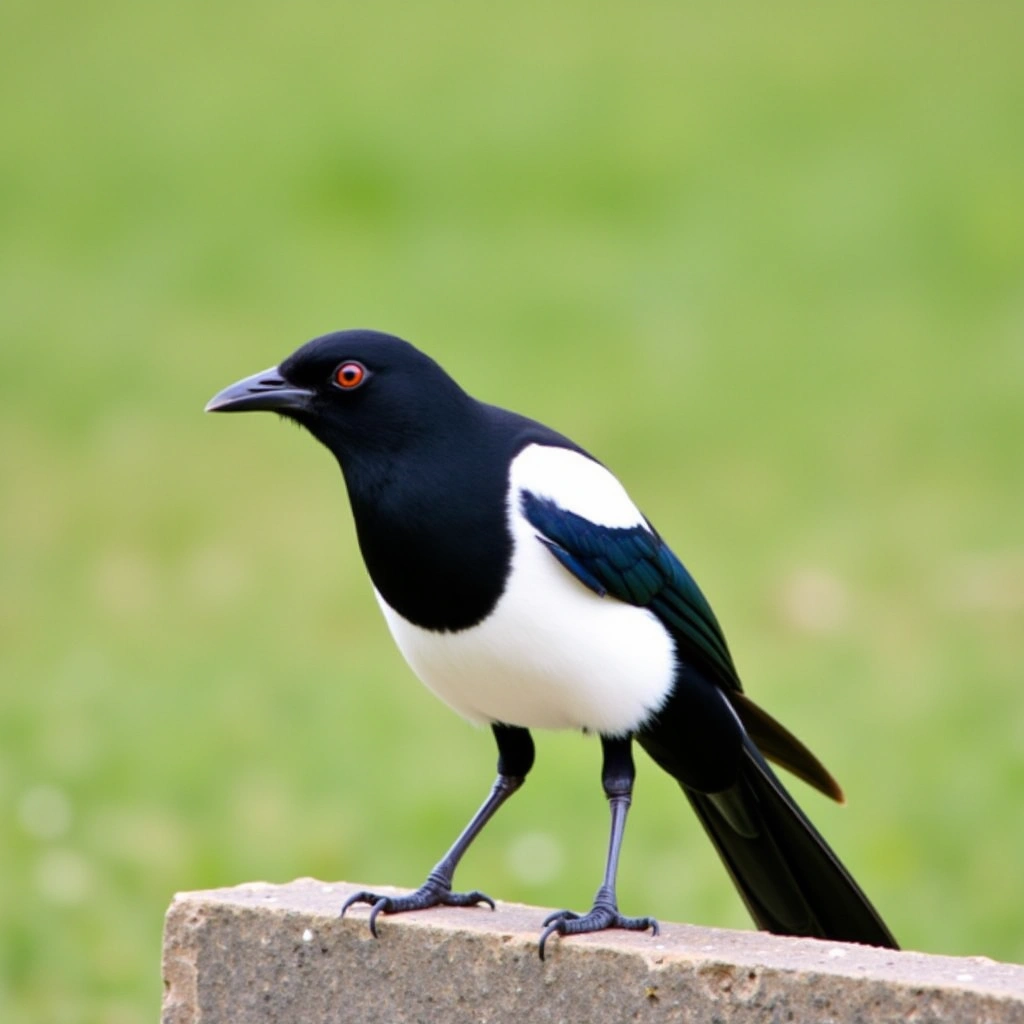
    Magpies are highly intelligent birds known for recognizing human faces and holding grudges, which can lead to targeted harassment if they perceive a threat. During breeding season in spring, they become particularly defensive, often swooping at humans they associate with danger to their nests. This behavior, while startling, is a protective instinct rather than aggression, and birds typically stop targeting individuals once the nesting period ends.

    So, picture this: you’re out for a peaceful stroll, enjoying the fresh air, perhaps contemplating the mysteries of life or maybe just what to have for dinner. Suddenly, out of nowhere, three magpies swoop down on you like they’re part of an elite bird squadron, intent on turning your leisurely walk into a scene from a horror movie. Welcome to my life!

    Yes, dear readers, this is not just a bad dream; it’s my new reality after being ambushed by a trio of magpies. I mean, who knew that the local birds had such a vendetta against innocent pedestrians? I thought we had an understanding—me mowing the lawn while they followed me around like little feathered minions, happily munching on bugs. Apparently, they had other plans.

    Let’s set the scene: I’m casually walking down the street, minding my own business, when suddenly I feel the rush of air as a magpie zooms past me. It’s like a scene from a movie where the protagonist gets caught in an unexpected twist. But wait, there’s more! As I try to escape, I’m met with another magpie, and then another, all taking turns to dive at me like I’m the main character in a horror flick filled with avian antagonists.

    To make matters worse, a kind stranger had to come to my rescue, sprinting alongside me back to safety like a scene out of an action movie. I mean, how embarrassing is that? “Hey, what’s your superpower? Oh, I can run away from birds!”

    Now, you’d think I’d be able to shake it off and go for another walk the next day, right? Wrong! I tried to muster up the courage to go out again, but I could only manage about ten minutes before the anxiety took over. I was on high alert, scanning the skies like I was in a war zone, convinced that every bird was plotting my demise. I’ve developed a new skill: bird watching, but not in the fun way. More like a paranoid detective keeping an eye out for any sign of impending doom.

    So, what’s a person to do when faced with the fear of our feathered friends? I turned to the internet, of course, in search of tips from fellow bird-swooping survivors. Here’s what I’ve gathered:

    1. Wear a Hat: Apparently, magpies are less likely to swoop if you look like you mean business. A hat can give you that air of authority that says, “I’m not afraid of you, bird!” Plus, it’s a great way to keep the sun out of your eyes—double win!

    2. Walk with a Friend: There’s safety in numbers! If you have someone with you, the birds might think twice about launching their aerial attacks. Plus, you can bond over your shared trauma afterward.

    3. Avoid Their Territory: If there’s a particular area where the swooping happens, maybe it’s time to find a new walking route. Who knew I’d have to plan my walks like I’m navigating a minefield?

    4. Stay Calm: Easier said than done, right? But if you can keep your cool, it might just deter those magpies. After all, they thrive on chaos and panic.

    5. Embrace the Fear: And if all else fails, just accept that you now have a new fear: the fear of birds. It’s a unique niche, and who doesn’t want to be known as the person who’s afraid of magpies?

    So, here I am, trying to reclaim my walks while simultaneously plotting my escape route from any potential aerial attacks. If you see me walking down the street with a hat, a friend, and a look of sheer determination, just know I’m fighting the good fight against the magpie menace. Stay strong out there, fellow walkers! And remember, if you hear the sound of flapping wings behind you, it’s probably not the wind. It’s those tricky magpies, ready for round two!


    Inspired by: “Got swooped so bad I’m now too anxious to go on my walks” (r/melbourne)

  • Going Back to School for Climate Work: A Guide to Making a Difference

    Going Back to School for Climate Work: A Guide to Making a Difference

    Human activities are the root cause of climate change, primarily through the release of greenhouse gases like carbon dioxide and methane from burning fossil fuels and industrial agriculture. To reverse this trend, global efforts focus on reaching net-zero emissions by 2050, requiring a transition away from fossil fuels toward clean energy sources like wind, solar, and hydro. Educational institutions play a critical role in this transition, as schools generate significant carbon pollution but also serve as hubs for developing the "green skills" and civic engagement necessary for climate action. Pursuing a career in this space involves addressing systemic drivers, such as energy-intensive transport and industry, while building a climate-resilient society through innovation and policy.

    So, you’ve heard the news that we might have missed the boat on keeping global warming below 1.5°C, and now you’re feeling the weight of the world on your shoulders. But hey, don’t throw in the towel just yet! If you’re asking yourself what you can do to make a difference—no matter how small—you’re definitely not alone. Let’s dive into some options for pursuing a career in climate work, because let’s be real: we could all use a little help saving the planet.

    First off, let’s talk about your current situation. You’re 24, fresh out of social sciences, and working in auto sales. While it may not seem like your job is directly linked to climate work, hang tight. The auto industry is in the midst of a major transformation, so you might already be closer to the climate conversation than you think. But if you’re feeling the itch to go back to school, let’s explore your options.

    1. Environmental Science or Studies

    If you want to dive deep into the nitty-gritty of climate change, consider a degree in Environmental Science or Environmental Studies. These programs typically cover everything from ecology to pollution control and even sustainable development. Plus, you’ll be armed with the knowledge to explain to your friends why they shouldn’t use plastic straws (and maybe even convince them to switch to reusable ones).

    2. Renewable Energy Programs

    With the world increasingly shifting toward renewable energy, enrolling in a program focused on solar, wind, or sustainable energy sources could be a smart move. Many colleges offer shorter programs or certifications in renewable energy technology, so you won’t have to commit to a full four years of textbooks and late-night cramming. Just think about it: you could be the person who helps install solar panels while your friends are still trying to figure out how to change a lightbulb.

    3. Climate Policy and Advocacy

    If you’re more of a people person and less into the science-y stuff, a degree in Public Policy or Environmental Policy could be your jam. This path will equip you with the skills to influence legislation and advocate for climate action. Plus, it gives you the chance to be the person at parties who can throw down some impressive stats about carbon emissions—everyone loves a good conversation starter, right?

    4. Urban Planning

    Urban planners are crucial in creating sustainable cities. If you’re interested in how communities can adapt to climate change while minimizing their carbon footprint, this might be the route for you. Urban planning programs often include courses in sustainable development and environmental impact assessments, which are essential skills as cities adapt to climate challenges. Plus, you might get to design the next eco-friendly metropolis. No pressure!

    5. Short Courses and Certifications

    If the thought of committing to another lengthy degree is too daunting (or you simply don’t want to drown in student debt), consider short courses or certifications. Many universities and online platforms offer programs that focus on specific aspects of climate work, such as sustainability management, carbon accounting, or environmental law. These can often be completed in a matter of months, allowing you to jump into the action quicker than you can say “climate crisis.”

    6. Volunteer or Intern

    Before you dive headfirst into another degree, consider volunteering or interning with organizations focused on climate work. This could be a great way to gain experience, network, and see what areas resonate with you. Plus, it looks great on a resume and can help you decide what you want to study if you do decide to go back to school.

    The Bottom Line

    At the end of the day, it’s great that you’re thinking about how to contribute to climate work. Remember, every little bit helps, and there are many paths you can take to make a difference. Whether it’s through education, advocacy, or just being the friend who reminds everyone to recycle, you have the power to create change. And who knows? You might inspire someone else to follow in your footsteps. Now that’s a legacy worth leaving behind!

    So, grab that student loan paperwork, dust off your backpack, and let’s get to work making this planet a better place—one degree at a time!


    Inspired by: “If I were to go back to school for a career in climate work, what should I do?” (r/climatechange)

  • When Feelings Trump Facts: The Surprising Science of Climate Policy Support

    When Feelings Trump Facts: The Surprising Science of Climate Policy Support

    Research indicates that discrete emotions like worry, hope, and anger are stronger predictors of climate policy support than cultural worldviews or sociodemographic factors. Specific feelings drive distinct policy preferences: guilt motivates support for personally costly policies, anger favors regulatory measures, and hope encourages proactive investments. Consequently, effective climate communication must strategically engage these emotional signatures to sustain public backing for ambitious climate action.

    If you’ve ever tried to convince a friend that climate change is real using a PowerPoint presentation filled with graphs and statistics, you might have noticed something peculiar: their eyes glazed over faster than a donut in a bakery. Well, it turns out you might have been barking up the wrong tree. A recent meta-study suggests that when it comes to climate policy support, feelings—not facts—are what really get people on board.

    Yes, you read that right. Apparently, we’re living in a world where emotional appeals can be more persuasive than hard data. Who knew?

    The study, which aggregated findings from various research efforts, found that emotional engagement is key to swaying public opinion on climate issues. This means that instead of throwing numbers at people like confetti, we might be better off sharing heartfelt stories about the impact of climate change. Think less “2 degrees Celsius increase” and more “look at this adorable polar bear struggling to find ice.”

    Now, before you start planning a TED Talk where you sob about melting glaciers, let’s unpack why emotions are so influential. Humans are inherently emotional beings. We make decisions based on feelings and then justify them with facts. It’s like how we all know that eating a whole pizza isn’t great for our health, but when that cheesy goodness is staring us in the face, logic takes a backseat.

    The meta-study emphasizes that feelings of hope, concern, and even fear can motivate people to support climate policies. For example, a hopeful message about renewable energy can inspire optimism and action, while fear-based messaging about catastrophic climate events can spur immediate concern. It’s a delicate balance, though—too much doom and gloom might just send people into a Netflix binge instead of motivating them to pick up a reusable shopping bag.

    This doesn’t mean facts should be thrown out the window. After all, we still need to know that rising sea levels aren’t just a plot twist in a disaster movie. But rather than leading with statistics about carbon emissions, we might find more success by framing the conversation around personal stories and relatable experiences.

    Imagine a community meeting where someone shares their experience of losing their home to flooding. Suddenly, it’s not just data about climate change; it’s a human story that resonates on an emotional level. And let’s be honest, who wouldn’t feel compelled to act after hearing that?

    So, what does this mean for climate activists and policymakers? It’s time to embrace our inner storytellers. Let’s paint a vivid picture of a sustainable future filled with thriving ecosystems and clean air. And maybe, just maybe, we can also sprinkle in a few facts here and there—like how investing in green technology can create jobs.

    In conclusion, the next time you’re trying to rally support for climate policy, remember: it’s not just about the facts; it’s about how you make people feel. So, go ahead and craft those emotional narratives. Who knows? You might just inspire someone to ditch their gas-guzzler for a shiny new electric car—just as long as you don’t bore them to tears with another pie chart.

    Stay passionate, stay informed, and most importantly, stay emotional (in a good way)!


    Inspired by: “Meta-study finds feelings, not facts, best for spurring support for climate policy” (r/climatechange)

  • Nepal’s Bold Stand: Compensation Over Charity in the Face of Climate Change

    Nepal’s Bold Stand: Compensation Over Charity in the Face of Climate Change

    Following catastrophic flash floods in late August 2026 that killed over 1,000 people, Nepal shifted its diplomatic stance from seeking humanitarian aid to demanding climate compensation from major emitters. Foreign Minister Shisir Khanal explicitly labeled post-disaster support as a "moral liability, not charity," arguing that nations with high historical emissions bear legal responsibility for the climate crisis. China, the US, and India were specifically identified as the top emitters with a duty to compensate, as Nepal contributes negligible greenhouse gas emissions yet faces disproportionate impacts like rapid glacier melt. The government has formally submitted claims to the Fund for Responding to Loss and Damage and is considering raising the issue at the UN, framing the crisis as a matter of civilizational survival for South Asia’s water security.

    Climate change is like that uninvited guest who crashes your party, eats all the snacks, and then leaves you to clean up the mess. And if anyone knows about this mess, it’s Nepal. With its stunning landscapes and rich culture, Nepal is also on the front lines of climate change, facing devastating floods that seem to be becoming more frequent and severe. Recently, Nepal has decided to take a stand, calling for compensation from neighboring countries like India and China, as well as the United States, instead of relying on charity. Yes, you heard that right—Nepal wants a paycheck!

    So, what’s the deal? Floods in Nepal have been wreaking havoc, displacing thousands and destroying infrastructure. It’s a situation that’s hard to ignore, especially when your country’s natural beauty is being swept away by monsoon rains that seem to have gotten the memo to go rogue. Nepal is saying enough is enough. They’re shifting the narrative from ‘let’s help the poor country’ to ‘hey, we need to talk about accountability here.’ This isn’t just about charity; it’s about justice and responsibility.

    Now, let’s break down why Nepal is making this bold request. For starters, the country’s geography makes it particularly vulnerable to climate change. It’s nestled in the Himalayas, which are not only beautiful but also act like a giant water tower for the region. When those glaciers melt and the monsoons hit, it’s a recipe for disaster. So, it’s not just a bad day for Nepal; it’s a catastrophe that has ripple effects across the region.

    But here’s where it gets interesting. Countries like India and China have a significant role in the environmental policies that affect Nepal. They contribute to pollution and climate change, which, let’s be honest, is like setting your neighbor’s house on fire and then offering them a glass of water. Nepal is essentially saying, “If you’re going to play a part in this mess, you should also help clean it up.” It’s a fair point, right?

    And then there’s the United States, often considered the world’s biggest polluter. Nepal is looking at them and saying, “Hey, we’re not asking for a handout; we’re asking for some accountability here.” This is a call for global responsibility, and it’s about time someone said it.

    Now, some might roll their eyes and think, ‘Oh, here we go again with the blame game,’ but let’s face it—climate change isn’t a solo act. It’s a group project, and some countries are definitely slacking off. Nepal’s request for compensation is a way of reminding the world that those who contribute to the problem should also contribute to the solution.

    Of course, there are challenges. Negotiating compensation isn’t like splitting the bill at a restaurant—”Oh, you had the salad, I’ll cover the steak.” It involves complex discussions about responsibility, accountability, and, let’s not forget, the logistics of how to actually get that money flowing. But if we don’t start these conversations, we might just find ourselves in an endless cycle of disaster recovery, relying on charity instead of addressing the root causes of the problem.

    In conclusion, Nepal’s stance is a refreshing change in the narrative surrounding climate change. It’s not just about being a recipient of aid; it’s about holding other countries accountable for their role in contributing to climate-related disasters. So, let’s raise a glass (of water, preferably) to Nepal for standing up and saying, “Compensation, not charity!” It’s a bold move, and one that we should all pay attention to as we navigate this increasingly complex climate crisis.


    Inspired by: “’Compensation, Not Charity’: Nepal Wants India, China, US To ‘Pay’ For Floods” (r/climatechange)

  • Chernobyl: A Wildlife Sanctuary 40 Years in the Making

    Chernobyl: A Wildlife Sanctuary 40 Years in the Making

    Forty years after the 1986 nuclear disaster, the Chernobyl Exclusion Zone has transformed into an unintended wildlife sanctuary where the absence of human activity has allowed populations of wolves, bears, and bison to thrive despite ongoing radiation. Studies indicate that the removal of hunting, agriculture, and development has had a more positive impact on biodiversity than the negative effects of the radioactive contamination. This area now serves as a unique ecological laboratory, demonstrating how nature can rebound when human pressure is eliminated, even in a contaminated environment.

    Ah, Chernobyl. The name alone brings to mind images of abandoned buildings, eerie landscapes, and, of course, the infamous nuclear disaster of 1986. But, believe it or not, this site has transformed into something of a wildlife paradise over the past 40 years. Yes, you heard that right! While humans may have fled the area due to radiation concerns, nature has taken the opportunity to reclaim its turf—and it’s thriving in ways we might not have expected.

    Let’s take a moment to appreciate the irony here. The very place where a catastrophic reactor explosion once sent shockwaves across the world has now become a sanctuary for wildlife. Wolves, lynx, deer, Przewalski’s horses (yes, those are a real thing, and no, they’re not just a fancy breed of horse), and wild boar are now roaming the exclusion zone in densities seven times higher than before the disaster. Talk about a comeback story!

    So, what gives? How did we go from a radioactive wasteland to a thriving ecosystem? Well, it turns out that when you remove human pressure from an area, nature tends to bounce back quite impressively. It’s almost like nature’s version of ‘you snooze, you lose.’ With people out of the picture, these large mammals have found a safe haven to live, breed, and do all the wild things that animals do when we’re not watching (and thank goodness for that!).

    The exclusion zone, which stretches over 1,600 square kilometers, has essentially become a giant wildlife reserve. The absence of hunting, habitat destruction, and pollution has allowed species to flourish. In fact, studies have shown that biodiversity is actually increasing in the area. Who would have thought that a nuclear disaster could lead to such a positive outcome for wildlife? It’s almost like a plot twist in a really bizarre movie.

    But let’s not forget the elephant in the room—or should I say, the radioactive boar in the woods? While the wildlife is thriving, the radiation levels are still a concern. Animals in the area have been exposed to higher levels of radiation, and researchers are still studying the long-term effects of this exposure. It’s a bit of a mixed bag, really. On one hand, we have a flourishing ecosystem; on the other hand, we have the very real risks associated with radiation. It’s like getting a great deal on a used car but finding out it’s got a mysterious ticking noise.

    Despite the risks, the story of Chernobyl serves as a powerful reminder of nature’s resilience. It shows us that when we step back, the natural world can heal and adapt in ways we often underestimate. Maybe there’s a lesson in all of this for us as we face climate change and habitat destruction—perhaps we should let nature take the reins a little more often?

    So, the next time you hear someone mention Chernobyl, don’t just think about the disaster. Think about the wolves howling in the distance, the deer prancing around, and the Przewalski’s horses living their best lives in a place once deemed uninhabitable. Who knew that a nuclear disaster could end up being a wildlife success story? Nature, you truly are a master of the unexpected.


    Inspired by: “40 years after the catastrophic Chernobyl reactor explosion, wolves, lynx, deer, Przewalski’s horse…” (r/climatechange)

  • The Doomer Dilemma: Are Scientists Really Telling Us to Give Up on Climate Change?

    The Doomer Dilemma: Are Scientists Really Telling Us to Give Up on Climate Change?

    Climate doomism is the belief that global warming is irreversible and humanity is doomed, a perspective that has gone viral online and even influenced some scientists who view current policy failures as proof of inevitable collapse. However, major climate organizations and the IPCC explicitly reject this narrative, emphasizing that while the window to limit warming to 1.5°C is closing, rapid emission cuts can still avoid the worst impacts and societal extinction. Experts warn that doomerism is counterproductive, as it fosters paralysis and inaction rather than driving the urgent mitigation efforts needed to secure a livable future.

    So, you’ve been diving into the vast ocean of climate change content, right? Watching videos, reading articles, and probably wondering if you accidentally stumbled into a pessimism convention instead of a climate change discussion. You might have noticed a recurring theme: the ‘doomers’. These are the folks who, bless their hearts, seem to think the best course of action is to toss in the towel, wave goodbye, and embrace the impending apocalypse with open arms. But wait! Is that really what scientists are saying? Or is it more like a bad game of telephone?

    Let’s unpack this, shall we? First off, it’s crucial to recognize that climate change is serious business. I mean, we’re not just talking about a bad hair day or a Netflix show getting canceled; we’re discussing the future of our planet. So, it’s understandable that some people might lean toward the darker side of things. However, if you’re expecting scientists to don their doomer hats and preach hopelessness from the mountaintop, you might be in for a surprise.

    Most scientists, bless their lab coats, are not out there going, “Hey, just give up already!” In fact, many of them are quite the opposite. They’re actively researching, advocating for policy changes, and trying to inspire action. Their message is often one of urgency but not despair. They want you to know that while the situation is dire, it’s not too late to make a difference. Individual actions do matter, even if sometimes it feels like you’re trying to fill a bathtub with a teaspoon.

    Now, let’s address the ‘doomers’ for a second. These are the people who seem to have taken a permanent residence in the dark alley of climate conversations. They often argue that personal actions are futile and that we’re all just on a fast track to doom. While it’s important to acknowledge that systemic change is critical, dismissing individual efforts can be, well, a bit nihilistic, don’t you think? It’s like saying that because you can’t eat the entire pizza in one go, you might as well not have a single slice.

    Here’s the kicker: giving up is not good advice. It’s like telling someone who’s trying to lose weight that they should just eat cake because, you know, why bother? Sure, the cake is delicious, but it’s not going to help in the long run. Similarly, if we all adopt a ‘what’s the point?’ mentality, we’re essentially signing up for a front-row seat to a very grim show featuring climate disasters.

    So, what can we do? For starters, let’s not let the doomer mindset hijack our motivation. Instead of succumbing to despair, let’s channel our inner climate warriors. Whether it’s reducing waste, advocating for sustainable policies, or simply educating ourselves and others, every little bit helps. And hey, if you feel overwhelmed, remember that it’s okay to take breaks from the doom and gloom. Sometimes, a little humor and a positive outlook can be the best antidote to despair.

    In conclusion, while the climate crisis is indeed serious and requires urgent action, the message from scientists is not to give up. Instead, it’s a call to arms (or at least a call to recycle). So, let’s keep our heads up, roll up our sleeves, and tackle this challenge together. Because if there’s one thing we can agree on, it’s that giving up is not an option. Now, who’s ready to save the world one compost bin at a time?


    Inspired by: “Do scientists actually go around telling people to give up and that nothing matters regarding clima…” (r/climatechange)

  • Nepal: A Call for Climate Justice Over Pity

    Nepal: A Call for Climate Justice Over Pity

    Nepal is demanding climate compensation rather than charity following the August 26, 2026 Himalayan Tsunami, which killed approximately 900 people and was triggered by a glacial ice-rock collapse. The government argues that as a nation contributing negligible greenhouse gas emissions, it has a legal and moral right to reparations from top emitters like China, the USA, and India for climate-induced disasters. This shift reframes aid as justice, emphasizing that vulnerable mountain nations should not bear the ultimate price for a global crisis they did not create.

    When we think of the countries most affected by climate change, we often picture vast deserts or tropical islands disappearing beneath the waves. But nestled in the embrace of the Himalayas is Nepal—a country that, despite contributing a mere 0.02% to global CO2 emissions, finds itself on the front lines of climate disaster. Yes, you read that right: while giants like China (31%), the USA (12%), and India (8%) are busy puffing out greenhouse gases like they’re in a competition to see who can ruin the planet fastest, Nepal is quietly suffering the consequences. Talk about unfair!

    Now, let’s take a moment to appreciate the irony here. Nepal, a country that’s covered in about 40% forest land and is famous for its stunning landscapes, is facing catastrophic floods and landslides that are not only wreaking havoc on its environment but are also claiming lives. Just recently, floods have swept through the nation, leading to over 1,000 deaths and leaving more than 10,000 people missing. And for what? Because someone a thousand miles away decided that their private jet was a necessity rather than a luxury? It’s enough to make you want to throw your hands up in despair.

    But here’s where it gets even more frustrating. While the world’s superpowers continue to belch out CO2 like there’s no tomorrow, Nepal is doing its best to combat climate change with sustainable practices. The country is actively promoting reforestation and working to maintain its natural beauty. Yet, despite these commendable efforts, it’s still left holding the bag when it comes to the fallout from climate inaction by larger nations.

    So, what does Nepal need? Well, it certainly doesn’t need pity or charity. I mean, who wants to be the recipient of a ‘feel sorry for you’ handout? Instead, Nepal deserves climate justice. This means holding those responsible for the emissions accountable and ensuring that they contribute to solutions that help those who are disproportionately affected by climate change.

    Imagine if the countries responsible for the bulk of emissions were required to invest in climate resilience projects in nations like Nepal. This could include funding for flood defenses, sustainable agriculture initiatives, and community education programs designed to help people adapt to the changing climate. Now that sounds a whole lot better than just tossing a few bucks at the problem and calling it a day.

    In conclusion, it’s time for us to recognize that climate change isn’t just a buzzword; it’s a harsh reality for many, especially for countries like Nepal. Let’s shift the narrative from one of charity to one of justice. Because at the end of the day, climate justice isn’t just about making amends; it’s about ensuring that everyone has the opportunity to thrive, regardless of where they are on the map. So, let’s advocate for those who are suffering the consequences of others’ actions. Nepal deserves better, and it’s high time we start giving it to them.


    Inspired by: “Nepal deserves climate justice not charity or pitty.” (r/climatechange)