Category: Nature

  • When Climate Deniers Find Their Holy Grail: A Study Gone Awry

    When Climate Deniers Find Their Holy Grail: A Study Gone Awry

    The phrase likely references the Climategate scandal of 2009, where hacked emails from the University of East Anglia were used by climate deniers to allege scientific fraud and data manipulation. Although multiple independent investigations cleared the researchers of misconduct, the event was leveraged to sow doubt and intensify attacks on climate science credibility. This incident exemplifies the broader strategy of casting doubt on established science to delay regulation, a tactic historically similar to those used by the tobacco industry.

    Ah, the internet. A place where opinions are as plentiful as cat videos, and facts are often as elusive as a unicorn. Recently, a study has surfaced that climate deniers are using as their shiny new toy to support their questionable beliefs. Let’s dive into this treasure chest of misinformation and see what’s really going on.

    First off, the study in question has sparked quite a ruckus in the climate change community, and not in a good way. It’s like that one kid in school who always tries to argue that the Earth is flat, even when presented with ample evidence to the contrary. The climate deniers have apparently latched onto this research as if it was a life raft in a sea of scientific consensus.

    Now, you might be thinking, “What’s the big deal? A study is a study, right?” Well, not exactly. The problem with the study is that, upon further inspection—thanks to our trusty friend, AI—it appears to have some serious flaws. Think of it like that time you tried to bake a cake and forgot the sugar. Sure, you can still call it a cake, but let’s be real, it’s just a sad pile of flour and eggs.

    The submitter of the Reddit post, u/Icy-Feeling-528, did a commendable job raising awareness about these issues. It’s crucial to discuss and dissect research, especially when it’s being used to promote an agenda that runs counter to decades of scientific evidence. The fact that AI was involved in uncovering these problems is a bit like having a super-smart friend who can point out when you’re about to make a fool of yourself at a party.

    But let’s get back to our climate deniers. They love to cherry-pick data, and this study is no exception. It’s like going to an all-you-can-eat buffet and only filling your plate with dessert. Sure, it might be delicious, but you’re ignoring the vital nutrients you need to actually survive. By focusing on this one study, they’re conveniently overlooking the mountains of research that demonstrate the reality of climate change—research that’s not just a random collection of observations, but a robust body of work involving thousands of scientists around the globe.

    This situation shines a spotlight on the importance of critical thinking and scientific literacy. We can’t just take information at face value, especially when it’s being wielded like a sword in a culture war. Instead, we need to ask questions, look for additional sources, and, dare I say, engage in a little bit of fact-checking. Yes, I know it sounds tedious, but it’s a lot more productive than arguing with a stranger on the internet.

    In conclusion, while climate deniers may think they’ve struck gold with this study, the reality is that it’s more akin to fool’s gold. It’s shiny and tempting, but ultimately worthless. So, let’s keep the conversation going, keep questioning, and most importantly, keep advocating for the truth. After all, the planet is counting on us, and we wouldn’t want to let it down over a poorly constructed study, now would we?

    So, what do you think? Is it time to call out the climate deniers on their latest shiny object, or should we just let them have their moment in the sun—pun intended? Let’s keep the discussion rolling!


    Inspired by: “Climate Deniers Use this Study to Support their Position” (r/climatechange)
  • Nepal Tragedy: The Unspoken Word in Climate Change

    Nepal Tragedy: The Unspoken Word in Climate Change

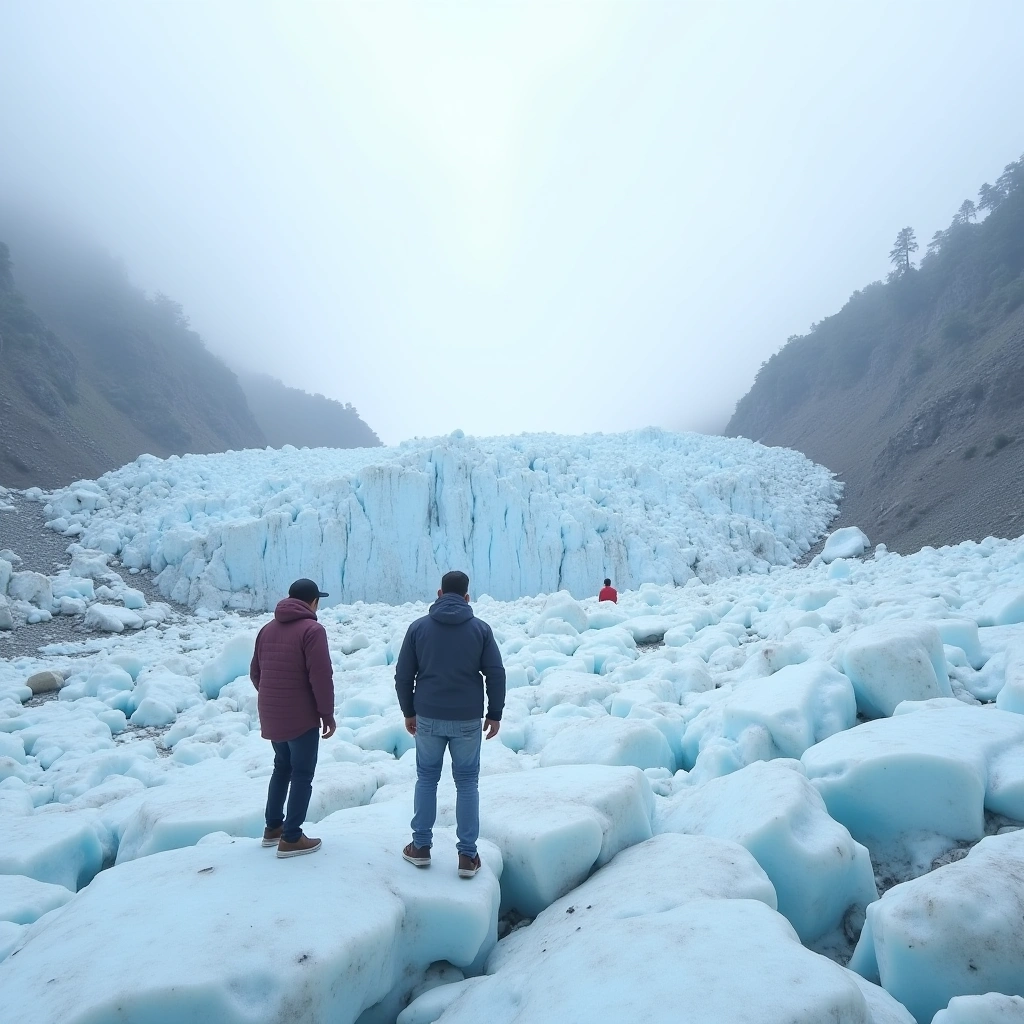
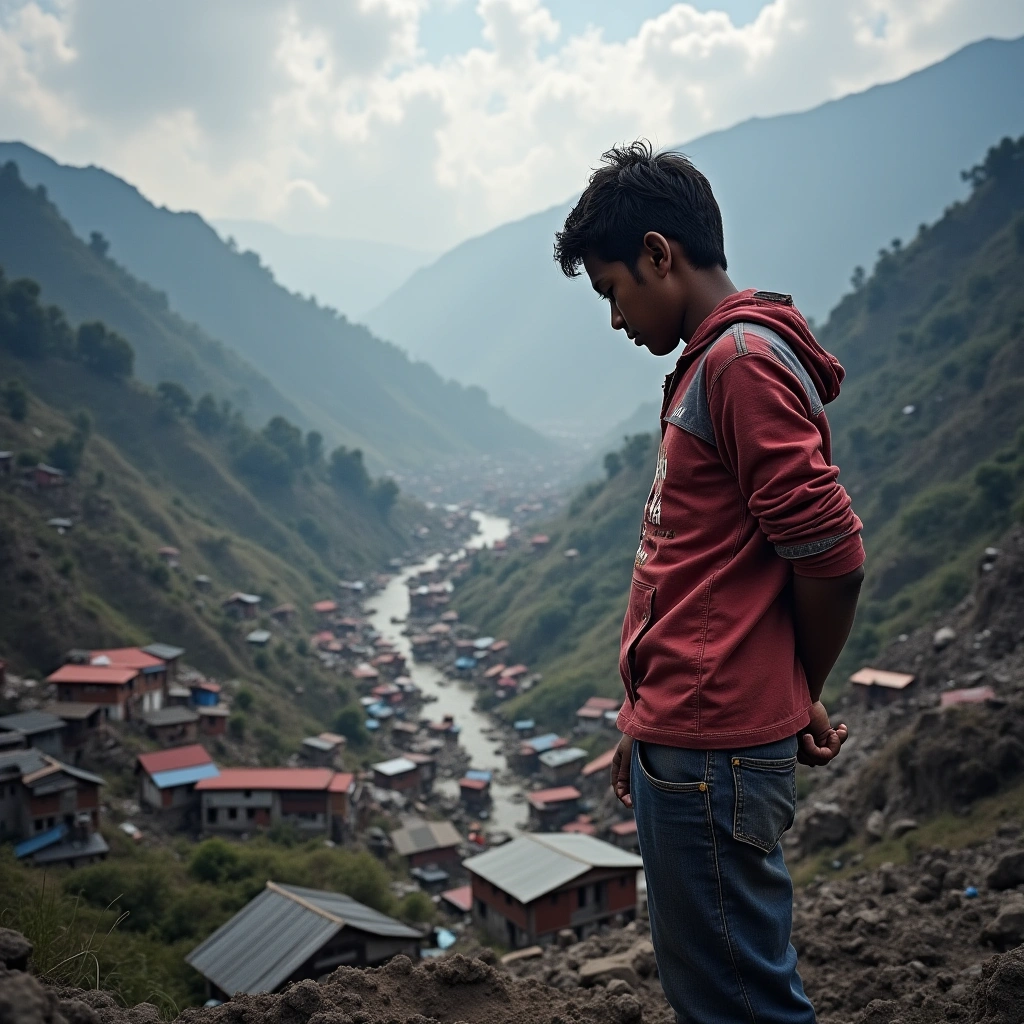
    The August 26, 2026 disaster in Nepal and Tibet was triggered by a glacial collapse on Langtang Lirung, which created a massive debris flow that dammed and then burst a river, killing hundreds. While formal attribution of this specific event to climate change is premature, experts confirm that human-caused warming has destabilized Himalayan glaciers and permafrost, significantly increasing the likelihood of such failures. Nepal, a nation with negligible historical emissions, faces disproportionate risks as its glaciers melt at accelerating rates, highlighting the severe climate justice implications for vulnerable mountain regions. The tragedy underscores the urgent need for improved cross-border early warning systems and international climate adaptation funding, as local infrastructure and monsoon-focused alerts proved inadequate for this type of rapid-onset hazard.

    Alright, folks, let’s talk about something that’s been floating around like a bad smell at a picnic: climate change. You know, the thing that’s causing glaciers to melt faster than ice cream on a summer day? Yeah, that. Recently, a post on Reddit caught my eye, titled “Nepal Tragedy: The One Word No One Wants to Say.” Now, I’ll admit, my curiosity was piqued. What’s the word? Is it ‘global warming’? ‘Apocalypse’? Or maybe just ‘oops’?

    Turns out, the word in question is ‘climate change’ itself. Yes, it’s the big bad wolf of environmental discussions, and many seem to avoid it like the plague. But why? Is it because it makes us feel uncomfortable, like that weird uncle who shows up at family gatherings and insists on telling everyone about his conspiracy theories?

    In Nepal, the effects of climate change are particularly stark. The majestic Himalayas are not just a pretty sight; they’re a lifeline for many communities. But as temperatures rise, glaciers are retreating, and the impact is devastating—think landslides, floods, and a whole lot of displaced people. It’s like Mother Nature decided to play a game of Jenga, and let me tell you, she’s not being gentle about it.

    But back to that elusive word: climate change. It’s like the elephant in the room that no one wants to acknowledge. People are quick to share their thoughts on the weather—‘Oh, it’s so hot today!’ or ‘Wow, look at that snow!’—but when it comes to the underlying issue? Crickets. It’s almost as if saying ‘climate change’ out loud will summon a demon or something.

    So why the hesitation? I can only assume it’s because, deep down, we all know that acknowledging climate change means we have to actually do something about it. And let’s be real, doing something usually involves a lot of effort, like recycling, reducing our carbon footprint, or—heaven forbid—changing our lifestyles. Who wants to give up their beloved plastic straws, right?

    But ignoring the problem won’t make it go away. If anything, it’s like ignoring that check engine light in your car. Sure, it’s annoying, but eventually, it’s going to lead to a much bigger problem.

    The Reddit post highlights the tragedy in Nepal as a direct consequence of climate change. With rising temperatures and erratic weather patterns, communities are facing challenges they’ve never had to deal with before. It’s a harsh reality that’s hard to swallow, but it’s one we need to face head-on.

    So, what can we do? First, let’s start by saying the word—yes, ‘climate change.’ It’s not going to bite you. Next, let’s educate ourselves and others. Share information, discuss solutions, and don’t shy away from the tough conversations. And while we’re at it, let’s stop treating climate change like that weird uncle. Instead, let’s embrace it, tackle it, and make some real changes. Because if we don’t, we might just find ourselves in a situation that’s worse than a family reunion gone wrong.

    In conclusion, the tragedy in Nepal is a wake-up call, and it’s high time we answer it. Let’s stop avoiding the elephant in the room and start taking steps to make a difference. After all, a little effort today can lead to a much brighter tomorrow—one that doesn’t involve dodging floods or landslides. So, let’s get to work, shall we?


    Inspired by: “Nepal Tragedy: The One Word No One Wants to Say” (r/climatechange)

  • Nepal’s Glacier Catastrophe: A Chilling Reminder of Climate Change

    Nepal’s Glacier Catastrophe: A Chilling Reminder of Climate Change

    A massive glacier collapse in the Himalayas triggered devastating flash floods in Nepal and Tibet, killing hundreds and highlighting the urgent risks of climate-driven mountain instability. Scientists warn that rapidly melting permafrost and glacial ice are weakening the geological "glue" holding high-altitude rock faces together, making such catastrophic debris flows increasingly likely. This disaster underscores a broader trend where human-caused global warming is destabilizing cryosphere regions, threatening millions of people living downstream in vulnerable mountainous areas.

    So, let’s talk about glaciers. You know, those massive blocks of ice that make you feel like you’re living in a winter wonderland? Well, if you thought they were just there for our Instagram photos and to keep polar bears in business, think again! The recent glacier catastrophe in Nepal has a lot more to say about our way of life than we might like to admit.

    First off, let’s set the stage. Nepal’s glaciers are melting at an alarming rate, and while it may sound like the plot of a new disaster movie, this is real life. These beautiful ice formations are crucial not just for the stunning views they provide but also for the water supply for millions of people. When they melt, they can trigger catastrophic events like landslides and flash floods. Cue the ominous music!

    Now, you might be sitting there sipping your coffee, thinking, “This doesn’t affect me!” Well, my friend, you might want to reconsider that attitude. The implications of these glacier disasters reach far beyond the borders of Nepal. The Himalayan glaciers feed rivers that flow into several countries, including India and Bangladesh. So, if you ever thought the phrase ‘what happens in Nepal stays in Nepal’ was true, you might want to think again. It’s more like ‘what happens in Nepal can lead to a whole lot of chaos for everyone else.’

    One of the terrifying lessons from this is that climate change is not just a distant threat; it’s a current reality. The glaciers are melting faster than a popsicle on a hot summer day, and this accelerated melting is a direct result of rising global temperatures. If that doesn’t send a chill down your spine, I don’t know what will.

    You might wonder, how do we get from melting glaciers to our daily lives? Well, let’s connect the dots. The water that these glaciers provide is essential for agriculture, drinking, and sanitation. With their disappearance, we could see water shortages and food insecurity. Imagine a world where you can’t even trust your water bottle to be filled with anything other than empty promises. Sounds delightful, right?

    And let’s not forget about the economic impact. Countries that rely on these water sources for agriculture and tourism could face significant setbacks. If you think your favorite trekking routes in Nepal will still be Instagram-worthy after a few more years of climate neglect, you might want to recalibrate your expectations.

    So what can we do? Well, it’s time to stop scrolling past climate change articles as if they were the latest celebrity gossip. It’s time to take action. Whether it’s reducing our carbon footprint, supporting sustainable practices, or simply being more conscious about our consumption, every little bit helps. Yes, even that reusable coffee cup you insist on bringing everywhere counts!

    In conclusion, the glacier catastrophe in Nepal is more than just a headline; it’s a wake-up call for all of us. The lessons we learn from this disaster are not just about glaciers but about our very existence and how we treat our planet. So next time you think about climate change, remember that it’s not just about the ice — it’s about our future. Let’s make sure it’s a bright one, not a melted one.


    Inspired by: “Why Nepal Glacier Catastrophe Has Terrifying Lessons For Our Way Of Life” (r/climatechange)

  • Decoding the CMIP7 Emissions Scenarios: What’s Cooking for Our Climate’s Future?

    Decoding the CMIP7 Emissions Scenarios: What’s Cooking for Our Climate’s Future?

    The CMIP7 emissions scenarios, published in 2026 by the ScenarioMIP team, replace the previous SSP-based framework with seven pathways defined by their emissions trajectories rather than radiative forcing levels. These scenarios reflect a narrower range of plausible futures, featuring significantly lower high-end emissions due to renewable energy costs, while acknowledging that 1.5°C overshoot is now unavoidable even in the lowest emission pathways. This shift moves climate modeling toward emissions-driven simulations, allowing Earth system models to dynamically simulate carbon cycle feedbacks and better assess risks associated with policy rollbacks or delayed mitigation.

    Alright folks, gather around because we’re diving deep into the fascinating world of climate modeling—specifically the CMIP7 emissions scenarios. Now, before you roll your eyes and click away, let me assure you that this is not just a dry lecture on numbers and graphs. We’re here to make sense of why these emissions scenarios matter and what they mean for our planet. Spoiler alert: it’s not all doom and gloom, but it’s certainly eye-opening.

    First off, let’s break down what CMIP7 even is. CMIP stands for Coupled Model Intercomparison Project. Sounds fancy, right? Essentially, it’s a collaborative effort among climate scientists to create and compare climate models. The seventh iteration, CMIP7, aims to refine our understanding of climate change and its impacts. Think of it as the latest software update for climate models, but instead of fixing bugs, it’s trying to predict how much hotter your summer vacation will get in the next few decades.

    So, why do we need emissions scenarios? Well, they’re the crystal balls of climate science. They help us envision different futures based on various levels of greenhouse gas emissions. Imagine you’re at a buffet (who doesn’t love a good buffet?). The emissions scenarios represent the different plates you could fill up: one with a mountain of bacon (high emissions), another with a colorful salad (low emissions), and everything in between. Depending on your choices, your climate future will look drastically different.

    CMIP7 presents several scenarios, each reflecting different assumptions about how society might evolve, how technologies might develop, and how our policies might change (or, let’s be real, how they might not change at all). Some scenarios assume we’ll all suddenly start hugging trees and using bicycles, while others are a bit more pessimistic—think of it as a reality check for those of us who still can’t seem to give up plastic straws.

    One of the key features of CMIP7 is its integration of socio-economic factors. This means it’s not just about the emissions we produce but also about how our decisions as a society impact those emissions. For example, if we all decided to switch to renewable energy sources, we could see a significant reduction in emissions. On the flip side, if we keep our fossil fuel addiction going strong, well, let’s just say the planet might start sending us some serious warning signals.

    But let’s not get too bogged down in the heavy stuff. The beauty of the CMIP7 scenarios is that they also help us understand potential solutions. They give us a roadmap, highlighting paths we can take to mitigate climate change. It’s like having a GPS that not only tells you how to get somewhere but also warns you about the traffic jams and road closures ahead. And who doesn’t love a good detour?

    Now, here’s where the mild sarcasm comes in: you might be wondering why we need all these scenarios when we could just, you know, stop polluting the planet altogether. If only it were that simple! The reality is that our world is complex, and our emissions are tied to everything from our daily commutes to the energy we use to power our homes. So while we can dream of a utopian future, we also need to be realistic about the challenges we face.

    In conclusion, the CMIP7 emissions scenarios are not just a bunch of graphs and charts gathering dust in a research library. They’re critical tools that help us understand our potential climate futures and the choices we must make to steer away from the worst outcomes. So, the next time you hear someone mention CMIP7, don’t just nod your head and pretend to understand. Dive in, ask questions, and remember that our choices today will shape the world of tomorrow. And who knows? Maybe one day, we’ll all be riding bicycles to the buffet, guilt-free about our emissions and ready to enjoy that salad!


    Inspired by: “Explainer: The CMIP7 emissions scenarios – and how they explore future climate change” (r/climatechange)

  • Shouldn’t Earth Be a Few Degrees Warmer by Now? A Look at Climate Patterns

    Shouldn’t Earth Be a Few Degrees Warmer by Now? A Look at Climate Patterns

    Earth has naturally warmed and cooled through ice age cycles over the last million years, driven by variations in solar geometry and amplified by greenhouse gas feedbacks. However, current warming is occurring roughly 10 times faster than post-ice age natural rates and is now warmer than at any point in the last 100,000 years. This unprecedented acceleration is primarily caused by human activities, specifically the rapid increase in atmospheric carbon dioxide and other greenhouse gases since the Industrial Revolution.

    Ah, the age-old question: why isn’t Earth a bit toastier right now if it’s been gradually warming for the last half a million years? You might think that by now we’d be lounging on tropical beaches year-round, but here we are, still bundled up in our winter coats. Let’s dive into this climate conundrum and see if we can make sense of it without losing our collective minds.

    First off, let’s clarify what we mean by the Earth’s temperature trends over the last half a million years. The planet has indeed experienced cycles of warming and cooling, largely driven by natural forces like volcanic activity, solar radiation, and yes, even the Earth’s own orbit. These cycles have led to ice ages and warmer periods, often referred to as interglacial periods. So, if we follow this logic, shouldn’t we be in for a little more warmth right now?

    Well, yes and no. While it’s true that natural patterns suggest we could be warming, it’s essential to understand that the climate system is a bit more complex than just a straightforward thermometer reading. Enter human activities. Yes, humans, the ultimate party crashers of the climate system. Our relentless burning of fossil fuels, deforestation, and industrial activities have all contributed to an unprecedented increase in greenhouse gases in the atmosphere, leading to what we now call climate change.

    Now, before you start picturing a world where we’re all roasting marshmallows over our own sun-baked backs, let’s get real. The increase in carbon dioxide and other greenhouse gases is causing more than just a few degrees of warming. It’s also leading to shifts in weather patterns, rising sea levels, and all sorts of other delightful surprises, like more extreme weather events. Mother Nature clearly has a sense of humor, and she’s not afraid to use it.

    But let’s get back to the original question: why aren’t we feeling the heat as much as we might expect? One reason could be that while global averages are increasing, regional climates can behave quite differently. Some areas may experience cooler temperatures or even more extreme winters, thanks to disruptions in weather patterns. So, while the globe is warming, you might still need that cozy sweater if you live in certain parts of the world. Lucky you.

    Additionally, the Earth’s climate system has built-in feedback mechanisms that can either amplify or dampen warming effects. For example, melting ice caps reduce the Earth’s albedo, meaning less sunlight is reflected back into space, which could lead to more warming. On the flip side, increased cloud cover from warming can reflect sunlight away, acting like a natural air conditioner. It’s like the climate is playing a game of tug-of-war with itself.

    So, while it might seem reasonable to assume that we should be basking in a few more degrees of warmth based on ancient patterns, the reality is much more complicated. Climate science is like a giant puzzle, and we’re still missing a few pieces. What we do know is that human influence is a significant factor in the current warming trend, and it’s not one we can just ignore.

    In conclusion, the question of whether Earth should be warmer right now is a bit like asking if your favorite sitcom should have had a different ending. Sure, it could have gone that way, but reality has a way of throwing in plot twists. So, while we might not be experiencing the warmth we expect on a geological timescale, it’s crucial to recognize our role in shaping the climate we live in today. And who knows? Maybe we’ll all get our tropical paradise eventually, as long as we keep our environmental impact in check. Until then, grab that sweater and enjoy the ride!


    Inspired by: “To continue the existing half a million year old pattern, shouldn’t Earth currently be a few degree…” (r/climatechange)

  • Colorado on Fire: The Supreme Court’s Upcoming Climate Change Showdown

    Colorado on Fire: The Supreme Court’s Upcoming Climate Change Showdown

    The city of Boulder and Boulder … a novel lawsuit the Supreme Court is considering in October, Boulder is asking for damages from Exxon Mobil and Suncor Energy ….

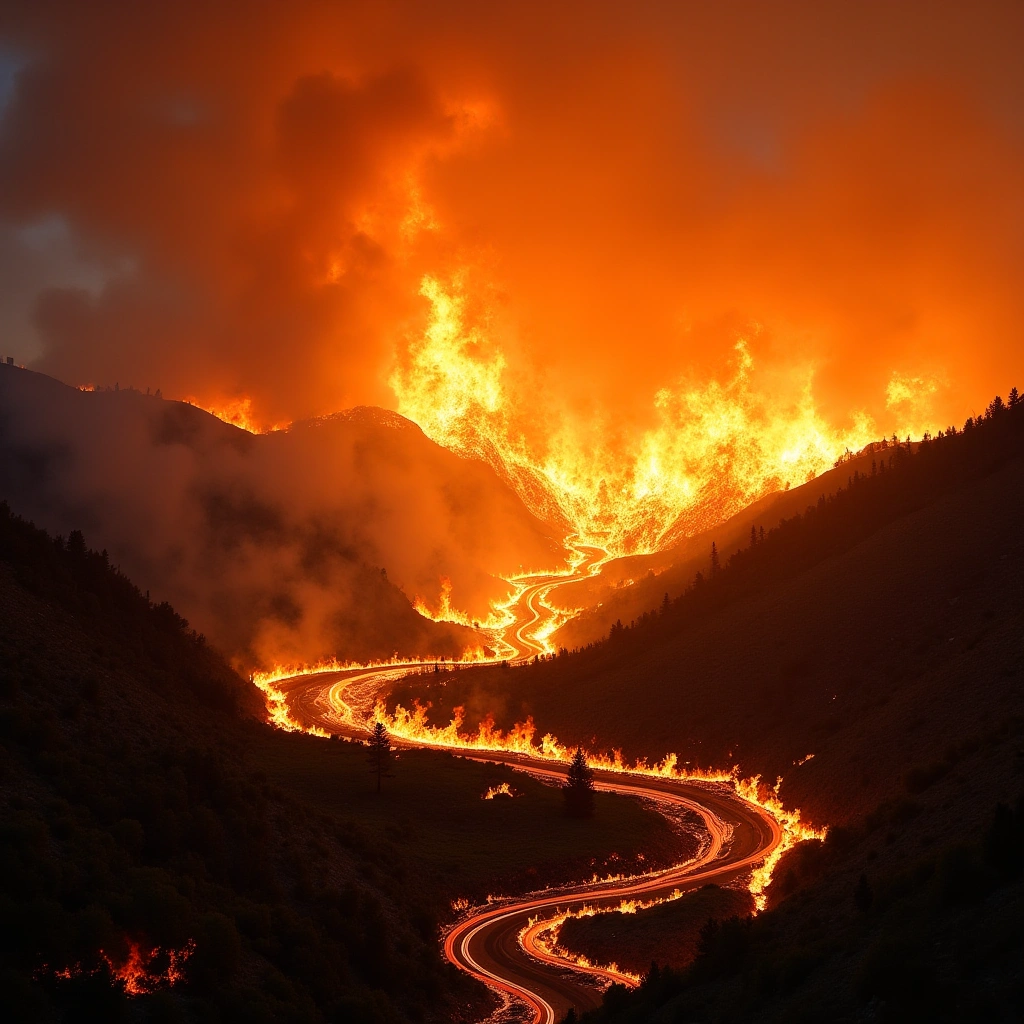
    So, it seems like Colorado is having a bit of a rough patch lately. You know, just the usual: wildfires, smoke-filled skies, and a climate crisis that’s making everyone wonder if Mother Nature is having a meltdown. But amidst the flames and chaos, there’s a legal battle brewing that could change the game for climate change accountability: a novel lawsuit against oil companies is headed to the Supreme Court.

    Now, this isn’t just your run-of-the-mill lawsuit where someone slips on a banana peel and sues the grocery store. Oh no, this one is much juicier. The state of Colorado is taking a stand against major oil companies, claiming that their actions have directly contributed to climate change, which in turn has exacerbated the wildfires that are currently wreaking havoc. It’s like a courtroom drama, but instead of lawyers shouting “Objection!” over a stolen cookie, we’re talking about the fate of our planet.

    The lawsuit argues that the fossil fuel industry has known for decades about the harmful effects of greenhouse gas emissions but chose to ignore the evidence for profit. Shocking, right? Who would’ve thought that big oil companies would prioritize their bottom line over the health of our planet? It’s almost as if they looked at the melting ice caps and said, “Nah, let’s keep drilling.”

    As these flames continue to lick at the foothills of Colorado, this case is particularly timely. The plaintiffs are seeking damages for the destruction caused by wildfires, which they argue are intensified by climate change. It’s like a twisted game of Jenga: pull out enough pieces (or in this case, fossil fuels) and the whole thing comes crashing down.

    Now, let’s talk about the Supreme Court. With a case like this, you might be wondering if the justices are ready to take a stand on climate change. After all, they’ve been known to make some pretty landmark decisions. This could be one of those moments when the highest court in the land finally acknowledges that climate change isn’t just a passing fad, like fidget spinners or avocado toast.

    However, it’s not all sunshine and rainbows. The oil companies are expected to fight back tooth and nail, arguing that they cannot be held responsible for climate change because, well, it’s complicated. They might even pull out the ol’ “everyone else is doing it” defense, which is always a classic. It’s hard to predict how this will all shake out, but if the justices side with Colorado, it could set a precedent that opens the floodgates for similar lawsuits across the country. Imagine a world where states can actually hold these companies accountable! What a concept!

    In the meantime, as Colorado continues to battle the flames, it’s a good reminder that climate change isn’t just a distant threat; it’s here, it’s now, and it’s affecting real people. Whether you’re a climate activist, a casual observer, or someone who just enjoys a good barbecue without the added flavor of smoke, this case is worth keeping an eye on. Who knows, it might just be the wake-up call we all need to finally address the elephant in the room—the one that’s too busy melting to notice us.

    So, grab your popcorn (or maybe some fireproof marshmallows) because this trial is bound to be a spectacle. And let’s hope that when the smoke clears, we’ll be left with a clearer path toward accountability and a healthier planet. Because let’s face it, we could all use a little less fire and a lot more fresh air.


    Inspired by: “As Colorado burns, a novel climate change lawsuit seeking damages from oil companies heads to the S…” (r/climatechange)

  • El Niño: The Climate Party Crasher That’s Now Stronger Than Ever

    El Niño: The Climate Party Crasher That’s Now Stronger Than Ever

    According to the study, El Niño events in the last four decades were stronger than any in the 1,000 years prior to about 1850 , when humans began impacting the climate with greenhouse gases.

    If you thought your last family reunion was chaotic, wait until you hear about El Niño. Recent studies have found that this climate phenomenon is now stronger than at any point in the last 1,000 years. Yes, you read that right—1,000 years! So, grab your surfboards and hold onto your hats because things are about to get a little wild.

    First, let’s break down what El Niño actually is. For those who may not have paid attention in science class (or just blocked it out due to trauma), El Niño is a climate pattern characterized by the warming of ocean surface temperatures in the central and eastern tropical Pacific. It’s like the ocean decided to throw a beach party, and everyone’s invited, whether they like it or not. This phenomenon doesn’t just affect the Pacific; it has far-reaching impacts on weather patterns globally, causing everything from increased rainfall in some areas to droughts in others. Talk about a mixed bag of tricks!

    Now, the fact that El Niño is stronger than ever is a bit concerning. This isn’t just another weather report telling you to carry an umbrella; it’s a serious climate event that could lead to more extreme weather. Think of it as the overzealous party guest who brings too much punch and ends up knocking over the snack table. With El Niño cranking up the heat, we could see more hurricanes, floods, and droughts—so if you’ve ever wanted to experience all four seasons in a single week, this might be your chance!

    But why is El Niño stronger now than it has been in the last millennium? Scientists suspect that climate change is playing a significant role. As our planet warms, it’s like we’re adding fuel to the fire (or, in this case, the ocean). The increased temperatures can amplify the effects of El Niño, making it more intense and more unpredictable. It’s like giving a toddler a sugar rush and expecting them to sit still; it just isn’t going to happen.

    So, what does this mean for us? Well, if you live in an area prone to flooding or hurricanes, it’s time to batten down the hatches. For those in drought-prone regions, the news may not be much better, as El Niño can lead to prolonged dry spells. It’s a bit like playing a game of roulette—sometimes you hit the jackpot, and sometimes you’re left with a dry well.

    And let’s not forget about the ecological impacts. Wildlife can be greatly affected by changes in weather patterns, leading to shifts in habitats and food availability. So, if you’ve been meaning to visit your local aquarium, you might want to hurry before the fish start packing their bags for a tropical getaway.

    In conclusion, El Niño is no longer just a fun term to throw around at parties to impress your friends; it’s a serious climate phenomenon that we need to pay attention to. The fact that it’s now stronger than ever should serve as a wake-up call for all of us. So, whether you’re a climate activist, a casual observer, or just someone who likes to complain about the weather, it’s time to buckle up and prepare for the ride ahead. Because if there’s one thing we can count on, it’s that El Niño is here to stay—and it’s ready to party.


    Inspired by: “El Niño is now stronger than at any point in the last 1,000 years, study finds” (r/climatechange)

  • El Niño: The Climate Change Party Crasher We Didn’t Invite

    El Niño: The Climate Change Party Crasher We Didn’t Invite

    The prevailing easterly winds that help drive the upwelling can also weaken or even reverse. When the eastern tropical Pacific warms substantially, that is fundamentally El Niño. But the reason it matters globally is that ENSO performs something like a thermostat function in the global climate system.

    Ah, El Niño, the climate phenomenon that feels like the weather equivalent of a surprise guest at a party—unexpected and a little too rowdy. For those who might not be familiar with this meteorological mischief-maker, El Niño refers to the periodic warming of ocean surface temperatures in the central and eastern Pacific. Think of it as Mother Nature’s way of shaking things up and keeping us on our toes.

    Now, let’s address the elephant in the room: climate change. The big, hairy, and slightly terrifying beast that seems to be lurking behind every weather pattern and seasonal shift. As we’re seeing the effects of climate change ramp up, the question arises: Is this extreme El Niño event just a one-time wild party, or is it a sign of a new normal? Spoiler alert: it could be the latter.

    First, let’s talk about what makes this El Niño particularly noteworthy. Experts have been scratching their heads and consulting their crystal balls, and many are suggesting that this event might not just be a fluke. Instead, it could be a glimpse into a future where extreme weather becomes the norm rather than the exception. Great, right? Just what we needed—more chaos in our already chaotic lives.

    The warming of ocean waters due to climate change can intensify El Niño events. It’s like adding extra fuel to a fire that’s already blazing. Higher sea temperatures can lead to increased evaporation, more moisture in the atmosphere, and ultimately, more extreme weather events. So, if you thought last year’s weather was wild, buckle up—things might get even wilder.

    Now, you might be wondering, “What does this mean for me?” Well, if you enjoy your summer vacations without the threat of hurricanes or droughts ruining your plans, you might want to pay attention. El Niño can lead to a range of weather impacts, from heavy rainfall and flooding in some regions to droughts in others. It’s like a weather roulette, and unfortunately, not everyone wins.

    But it’s not all doom and gloom. Understanding the relationship between El Niño and climate change can help us better prepare for the weather events that lie ahead. Knowledge is power, after all. By studying these patterns, scientists can improve their predictions and provide communities with the necessary tools to adapt to the changing climate. So, while we might not be able to stop the party crasher, we can at least know when to stock up on snacks and prepare for the unexpected.

    In conclusion, the current extreme El Niño might just be a taste of what’s to come in a climate-changed world. It’s a reminder that while we can’t control the weather, we can control how we respond to it. So, let’s keep the conversation going, stay informed, and maybe, just maybe, we can turn this wild party into a more manageable gathering—one where everyone knows what to expect and comes prepared. And if nothing else, we’ll have a good story to tell about that one time the climate decided to throw a surprise El Niño bash. Cheers to that!


    Inspired by: “El Niño and climate change” (r/climatechange)

  • The Purrplexing Problem of Cat Overpopulation: Why Fostering is Just the Tip of the Iceberg

    The Purrplexing Problem of Cat Overpopulation: Why Fostering is Just the Tip of the Iceberg

    spay/neuter and vaccinate these cats/kittens or lack of space/foster homes or both. [17][32] These cats face two · cumbersome hurdles—they are viewed with limited perceived value in our communities and there are thousands upon · thousands of felines competing for a limited number of homes. … In a study conducted by J. Levy and P. Crawford, it was reported that 82% of all kittens born are born to feral cats.[32] “Feral cats likely represent the single most important source of cat overpopulation; there are numerous proposals to

    Hey there, fellow cat enthusiasts and occasional cat wranglers! Today, let’s dive into a topic that’s been scratching at the back of my mind (pun absolutely intended): cat overpopulation. Yes, I know, discussing the plight of our feline friends isn’t as cute as watching a cat video, but it’s a conversation we need to have. So grab a snack, maybe a catnip toy, and let’s chat about why fostering cats is merely a band-aid on a much larger problem.

    First off, let’s address the elephant—or should I say, the litter box—in the room. There are way too many cats needing homes. It’s like every time I turn around, there’s another fluffy face begging for my attention. The sweet little furballs I’ve fostered have all found their forever homes (yay!), but the truth is, for every cat that gets adopted, there are countless others waiting in shelters and on the streets. And this isn’t just a Melbourne issue; it’s a global crisis.

    Now, I know what you’re thinking: “But they’re just so cute! How can we not help them?” And I get it, I really do. Cats have a way of worming their way into our hearts, and it’s hard to resist the urge to feed that stray cat who looks like it could use a snack (or five). But here’s the kicker: by feeding strays, we might be enabling a vicious cycle of overpopulation. I mean, cats reach reproductive age faster than I can finish a Netflix series, and before you know it, you’ve got a colony of kitties.

    So, what’s the solution? Well, it starts with prevention. We’ve all heard the slogans: “adopt, don’t shop” and “desex your cat.” But we need to dig deeper than just slapping these catchy phrases on bumper stickers and calling it a day. Desexing is crucial. It may not be as glamorous as rescuing a kitten from a tree, but preventing the next litter from being born is one of the most important rescues of all.

    And let’s not forget about the shelters. Many folks have reservations about taking strays to organizations like the RSPCA or Lost Dogs’ Home due to the fear of euthanasia. While it’s a heartbreaking reality, it’s essential to understand that shelters didn’t cause the overpopulation problem; they’re merely dealing with the fallout. They have limited resources, and they’re often left holding the bag when it comes to animals that have nowhere else to go.

    Now, let’s clear the air: not all shelters are created equal. There are smaller, strictly no-kill rescues out there doing fantastic work. They can afford to be picky about which animals they take in, while larger organizations often have to make tough decisions. So, before throwing shade at a shelter for their choices, let’s consider the context.

    Here’s where you come in. If you’re a cat lover (and let’s be real, who isn’t?), there are plenty of ways you can help tackle this issue:

    1. Desex Your Cats: Seriously, it’s like giving your kitty a little spa day while saving the world at the same time.

    2. Community Cats: If you’re feeding strays, look into getting them desexed. It’s a win-win situation, and you’ll feel like a superhero.

    3. Microchip and Register Your Pets: This way, if they do escape (because let’s face it, they’re sneaky), you’ll have a better chance of getting them back.

    4. Adopt or Foster: If you can, open your home to a cat in need. It’s rewarding and comes with countless purrs.

    5. Support Organizations: Find local programs that focus on desexing and community cat management and pitch in. A little support goes a long way.

    In an ideal world, I wouldn’t need to foster cats because there wouldn’t be a flood of them needing rescue. But until we tackle the root of the problem, we’ll keep seeing those adorable faces looking for homes. So let’s get proactive, folks! Together, we can make a difference—one spayed or neutered cat at a time. And who knows, maybe we’ll even get to enjoy more cat videos without the pangs of guilt. 🐾


    Inspired by: “I foster cats, and I wish I didn’t need to” (r/melbourne)

  • Shame on Big Countries: The Climate Crisis and Nepal’s Struggle

    Shame on Big Countries: The Climate Crisis and Nepal’s Struggle

    Nepalis and Tibetans must not pay the price – with their lives, livelihoods and money meant for education and health – for global heating caused by wealthy states , says Kathmandu-based climate policy specialist Sunil Acharya

    Let’s talk about something that’s been weighing heavily on my mind lately: the catastrophic events in Nepal and Tibet, resulting from a glacier collapse and subsequent flooding. Over 900 lives lost, thousands missing, and an entire country facing devastation. But here’s the kicker—Nepal, a country that has contributed very little to the global climate crisis, is now bearing the brunt of it. And who do we have to thank for this? The big, polluting countries that seem to think throwing a few bucks at the problem after the fact is enough to absolve them of responsibility. Spoiler alert: it’s not.

    Nepal is like that friend who always shows up to help you move, but never asks for anything in return. It’s rich in forests and renewable hydropower, and it’s even making strides toward electric vehicles. Yet, here they are, facing the consequences of a crisis they didn’t create. It’s as if the world’s biggest historical emitters are playing a game of climate roulette, and Nepal is the one stuck holding the bag.

    Let’s break this down. The big polluting countries continue to pump out carbon emissions like they’re running a factory for bad decisions. They burn fossil fuels, contribute to global warming, and then, when disaster strikes, they swoop in with donations and a pat on the back. “Hey, we care! Here’s some cash!” But what good is money when the very environment that sustains communities is crumbling beneath them? Rebuilding homes and roads is great, but if we keep heading down this path, we’re just setting the stage for another disaster. Rinse and repeat, right?

    The Himalayas are changing, folks. Glaciers are retreating faster than my motivation on a Monday morning. Snow and ice are disappearing, and the communities that have thrived beneath these majestic mountains are becoming increasingly vulnerable. If we don’t change our course, there may come a day when money won’t be enough to rebuild what’s been lost—because, spoiler alert, the planet doesn’t have an endless supply of resources to throw at our problems.

    Humanitarian aid is vital, don’t get me wrong. But let’s not kid ourselves; money after destruction isn’t a substitute for action before destruction. It’s like waiting until your house is on fire before buying a fire extinguisher—pretty ineffective, if you ask me.

    So, what’s the solution? Well, it starts with accountability. The countries that have historically contributed the most to the climate crisis need to take responsibility. They need to rapidly reduce their fossil fuel use and greenhouse gas emissions. Enough with the empty promises and performative donations. Nepal doesn’t need sympathy after every disaster; it needs climate justice before the next one strikes.

    In a world where the largest polluters can still call themselves climate leaders while spewing carbon into the atmosphere, it’s time for a wake-up call. We can’t afford to let vulnerable countries like Nepal suffer for emissions they didn’t produce. It’s not just about saving a country; it’s about saving our planet. So let’s stop the cycle of destruction and donations and start taking real action.

    If you care about the future of our planet, it’s time to join the fight for climate justice. Let’s stop carbon emissions, save the Himalayas, and protect Nepal. Because in the end, we’re all in this together. #ShameOnPolluters #ClimateJustice #Nepal #SaveTheHimalayas #GlobalWarming #ClimateChange #CarbonEmissions #ActOnClimate


    Inspired by: “Shame on big countries” (r/climatechange)