Category: Nature

  • Climate Hopium: A Glimmer of Hope in the Face of Climate Change

    Climate Hopium: A Glimmer of Hope in the Face of Climate Change

    This latter type of coping is sometimes colloquially referred to as hopium, a portmanteau of “hope” and “opium” reflecting the possibility for hope to exert a pleasant yet sedating, demotivational effect (e.g., see Martin, 2021).

    Hey there, fellow climate warriors! Welcome to the latest installment of our weekly Climate Hopium thread, where we take a deep breath, sip on some optimism-infused coffee, and share the good news amidst the doom and gloom of climate change discussions. Yes, I know—climate change is a serious issue, but if we don’t take a moment to celebrate the progress we’ve made, we might just drown in despair. So, grab a seat and let’s dive into the bright side of our fight against this global crisis.

    First off, let’s address the elephant in the room: the severe weather events that have been wreaking havoc around the globe. While it’s easy to throw up our hands and say, “Why bother?” it’s crucial to remember that these challenges are precisely why our efforts matter. Sure, climate change is a severe, compounding issue, but with concerted efforts, we can manage it. And guess what? The worst-case scenarios are looking a little less grim these days.

    Skeptics, take note: the infamous RCP 8.5 high emission scenario has officially been retired. Yes, you heard it right! The prediction that we’d be living in a scorched +4°C world by 2100 is no longer considered plausible. Progress, my friends! The Climate Action Tracker has shown a notable reduction in predicted temperatures, with current policies pointing toward a more manageable increase of around +2.4 to +2.6°C. That’s right—our collective action is paying off and emissions growth has slowed to about 1% per year. It’s like we’re finally getting the hang of this whole ‘not destroying the planet’ thing.

    In fact, renewable energy is stepping up its game. The International Renewable Energy Agency (IRENA) reports that our renewable energy efforts have already sidestepped a whopping 8.4 gigatons of CO2 emissions by 2025. That’s equivalent to a whole lot of hot air not being released into the atmosphere! Thanks to a massive shift away from coal, renewables are now challenging fossil fuels head-on. We’re on the brink of solar and wind overtaking natural gas for global electricity production—cue the confetti!

    Let’s take a moment to appreciate China, which has seen its CO2 emissions drop by 1% year-on-year in Q2 2026. Oil consumption fell by around 9%, and electric vehicles (EVs) are leading the charge, literally. They’ve displaced an estimated 36 million tonnes of oil equivalent in the first half of 2026. Imagine that—a country that used to be synonymous with coal is now making strides in solar energy and EV adoption. Talk about a plot twist!

    And while we’re on the subject of renewable energy, let’s not forget Europe. Germany’s coal plants are exiting the market faster than anticipated, and the continent has added a staggering 8.8 GW of new wind capacity just in the first half of 2026. That’s nearly a third more than last year! Meanwhile, electric vehicles are becoming the norm, with battery-electric cars commanding around 30% of UK registrations in August. Who knew saving the planet could be so trendy?

    Now, let’s not ignore the industrial sector. Canada’s Algoma Steel is reducing its carbon emissions by about 70% through innovative electric-arc-furnace technology. And in South Africa, mining companies are contracting renewable electricity to reduce their reliance on coal. These developments show that even the most stubborn industries are starting to see the light.

    But wait, there’s more! Turkmenistan is finally addressing its methane leaks, which were detected by satellite. While they’ve only responded to 20% of alerts, it’s a start! Methane super-emitters are now on the radar, and fixing these leaks is one of the quickest ways to cut warming—so let’s keep our fingers crossed.

    And just when you think we’ve covered it all, the world’s first battery-powered self-unloading bulk carrier has set sail in Australia. This vessel, the MV Yampu, is expected to save over 500,000 liters of diesel a year. Who knew shipping could get an eco-friendly makeover?

    In summary, while the challenges of climate change remain daunting, we have every reason to be hopeful. From the plateauing of global emissions to the rapid growth of renewable energy, we’re making strides that suggest a brighter future is possible. So, let’s keep pushing forward, share the good news, and maybe—just maybe—turn this climate hopium into a full-blown revolution of green energy and sustainable practices. Together, we can make a difference, one optimistic post at a time!


    Inspired by: “Climate Hopium thread #10” (r/climatechange)

  • The Himalayas Didn’t Cause the Climate Crisis. So Why Is Nepal Suffering?

    The Himalayas Didn’t Cause the Climate Crisis. So Why Is Nepal Suffering?

    I think Nepal is asking the world to answer with responsibility. The Himalayas belong to Nepal, but they are not only Nepal’s. The water they store sustains Asia. The climate they are experiencing is the product of a global atmosphere .

    Ah, the Himalayas. Towering peaks, breathtaking views, and a great place for a selfie—if you can handle the altitude. But while these majestic mountains are often the poster children for climate change discussions, it turns out they didn’t actually cause the problem. So, why is Nepal, nestled in the lap of these giants, paying the price for a crisis it didn’t create?

    Let’s break it down. First off, the climate crisis is a global issue, driven primarily by industrialization, fossil fuel consumption, and, let’s face it, our collective inability to stop binge-watching Netflix long enough to turn off the lights. Countries with the biggest carbon footprints—looking at you, developed nations—are the ones that have contributed most to this crisis. But, as is often the case, it’s the smaller, less industrialized countries that are left holding the bag when things go south.

    Nepal, with its breathtaking landscapes and rich culture, is one of those countries. Despite contributing a minuscule amount to global greenhouse gas emissions, it is experiencing the brunt of climate impacts. Rising temperatures, erratic weather patterns, and melting glaciers are not just unfortunate side effects; they are existential threats for many communities in Nepal.

    Let’s talk about those glaciers for a moment. The Himalayas house some of the largest glaciers outside of the polar regions. They act as natural water towers for millions of people in the region. But as global temperatures rise, these glaciers are retreating faster than your friend who claims they’ll join you for a workout but always opts for the couch instead. This melting is causing a double whammy: initial flooding from glacial melt followed by severe water shortages as the glaciers recede. It’s like a bad breakup—lots of drama at first, then you’re left feeling empty.

    And if you think that’s bad, consider the agriculture sector. Farmers in Nepal depend heavily on predictable weather patterns. But climate change is throwing a wrench into that plan. Erratic rainfall and unpredictable seasons are making it increasingly difficult to grow crops. So, while the rest of us are fretting about whether to order takeout or prepare a home-cooked meal, farmers in Nepal are facing the very real threat of food insecurity. Talk about a tough dinner decision.

    The irony is thick here. Countries like Nepal, which are least responsible for climate change, are often the first to feel its effects. It’s like being blamed for a party you didn’t even attend. And as Nepal grapples with these challenges, the world continues to emit greenhouse gases at an alarming rate, often prioritizing short-term gains over long-term sustainability.

    So, what can be done? While it’s easy to throw our hands up in despair, there are steps that can be taken. International cooperation and funding for climate adaptation and resilience are crucial. Developed nations need to step up and support countries like Nepal in building infrastructure that can withstand climate impacts. After all, it’s the least we can do when our collective actions have put them in this precarious position.

    In conclusion, while the Himalayas might not be the villains in the climate crisis narrative, they are certainly part of the story. And Nepal, with its stunning landscapes and resilient people, deserves more than just sympathy. It deserves action. So, the next time you’re admiring those snow-capped peaks from a distance, remember that they’re not just a pretty backdrop; they’re a reminder of the urgent need for global accountability and support in the face of climate change. Let’s make sure we do better—because if we don’t, we might just find ourselves on the wrong side of history, and nobody wants to be that guy.


    Inspired by: “The Himalayas Didn’t Cause the Climate Crisis. Why is Nepal Paying the Price?” (r/climatechange)

  • The ‘Voldemort’ of Climate Policy: Time to Talk About Geoengineering?

    The ‘Voldemort’ of Climate Policy: Time to Talk About Geoengineering?

    SRM is so controversial it's sometimes called the "Voldemort of climate policy." While it could reduce global temperatures, it does not limit carbon emissions, and the ecological effects of deployment are uncertain .

    As the world collectively grips its metaphorical pearls over the alarming rise in global temperatures—currently heading towards a not-so-charming 1.8°C—there’s a term floating around that’s as controversial as it is necessary: geoengineering. Or, as some prefer to call it, the ‘Voldemort’ of climate policy. Why? Because, like the infamous dark wizard from Harry Potter, it’s a topic everyone knows exists but is often too scared to discuss openly.

    Now, before we delve deeper into this, let’s get one thing straight: geoengineering isn’t some magic wand that will fix everything. It’s more like a double-edged sword that could either save us or make things infinitely worse. But with the planet heating up faster than a microwave burrito, maybe it’s time we had a serious chat about it.

    What is Geoengineering Anyway?

    In simple terms, geoengineering refers to large-scale interventions in Earth’s natural systems to combat climate change. This can include methods like solar radiation management (think of it as putting sunglasses on the planet) or carbon capture and storage (basically vacuuming CO2 out of the atmosphere like it’s a bad smell).

    The idea is to either cool the planet or remove greenhouse gases. Sounds great, right? Well, let’s pump the brakes for a moment. While it sounds like a neat solution, the risks and unknowns are as plentiful as the number of cat videos on the internet.

    The Risks: Why Aren’t We Talking About This?

    Here’s where things get a little dicey. While geoengineering could potentially buy us some time, it comes with a laundry list of risks. For starters, we don’t fully understand the long-term impacts of these interventions. What if we start messing with the climate and end up creating weather patterns that make the Great Flood look like a light drizzle?

    Additionally, there’s the issue of governance. Who gets to decide how and when we geoengineer? It’s a bit like letting toddlers play with matches—someone’s bound to get burned. And let’s not even start on the ethical implications. What right do we have to play god with the planet?

    The Climate Policy Dilemma

    So, why is geoengineering the Voldemort of climate policy? Because discussing it makes everyone uncomfortable. Environmentalists often see it as a distraction from reducing emissions, while skeptics worry it could lead to complacency. It’s like that friend who suggests a crazy idea at dinner—everyone goes silent, and suddenly the breadsticks become the most interesting topic on the table.

    But here’s the kicker: ignoring geoengineering won’t make it disappear. As global temperatures rise and climate disasters become more frequent, we might find ourselves in a position where geoengineering is the only option left on the table. And trust me, that’s not a fun table to be at.

    A Balanced Approach

    So, what’s the solution? Well, it’s probably not as simple as waving a wand and calling it a day. A balanced approach is essential. This means continuing to push for significant emissions reductions while also exploring geoengineering as a potential tool in our climate toolbox. Think of it as a backup plan, not the main event.

    We need to have open discussions about the risks and benefits of geoengineering, rather than treating it like a dirty little secret. After all, if we don’t have these conversations now, we might find ourselves in dire straits in the future, wishing we had at least considered the ‘Voldemort’ lurking in the shadows.

    Conclusion

    As the temperature keeps creeping up, it’s clear that traditional climate policies aren’t enough. It’s time to face our fears—yes, even the Voldemort of climate policy. Let’s talk about geoengineering, weigh the pros and cons, and figure out if it can play a role in our fight against climate change. Because if we don’t, we might just end up in a world where the only thing hotter than the climate is our panic over what to do about it.


    Inspired by: “As global heating heads to 1.8°C, is it time to consider the ‘Voldemort’ of climate policy?” (r/climatechange)

  • Desperate Times Call for Drastic Measures: A Serious Look at Climate Action

    Desperate Times Call for Drastic Measures: A Serious Look at Climate Action

    They are very similar and often used interchangeably, but there is a subtle difference in tone. ‘ Desperate ‘ emphasizes the emotional intensity and feeling of being out of options, while ‘ drastic ‘ focuses more on the forcefulness and severity of the action being taken — both versions, however, communicate that an extreme situation justifies an extreme response.

    Alright folks, let’s talk about the elephant in the room: climate change. Or should I say, the mammoth-sized disaster that’s slowly but surely suffocating our planet? It seems like we’ve hit the +1.5 °C milestone, and if that doesn’t send chills down your spine, I don’t know what will. We’ve been talking about climate action for decades, yet here we are, still waiting for the cavalry to arrive. Spoiler alert: the cavalry is late, and it’s time to roll up our sleeves and get to work.

    First things first: we need to stop the production and extraction of fossil fuels. Like, immediately. Unless you’re making pharmaceuticals, in which case you can keep the oil flowing—because let’s face it, we all need our meds. But for everything else? Shut it down! No more drilling, no more fracking, and definitely no more coal mining. The planet is not a giant fossil fuel buffet, people. It’s time to convert everything that uses fossil fuels into renewable sources. If that sounds tough, well, it is! But tough times call for tough measures.

    And let’s not even get started on the mega-corporations that want you to believe carbon capture is just a money pit. They’re not fooling anyone. We can capture carbon emissions and release them in manageable amounts, allowing our lovely trees to do their thing. And speaking of trees, let’s make tree planting a national pastime. Seriously, every citizen should be out planting trees like it’s the latest TikTok trend. Why not? We’ve got to turn that Sahara desert into a forest somehow, right?

    But wait, there’s more! We need to establish “sacred areas” around the globe. Imagine the Amazon, Antarctica, and parts of Canada being declared off-limits to human activity. It’s like a nature-themed exclusive club where only Mother Nature gets to hang out. We need to keep these areas pristine and untouched, except for the occasional preservation work.

    Now, let’s talk about the concrete jungle we’ve built. Cement and asphalt are so last century. We need to find eco-friendly alternatives and start swapping them out. Those abandoned buildings? They’re just taking up space and suffocating the soil. Let’s demolish them and plant gardens instead. And if you’re still clinging to the idea of offices, well, guess what? Online work has made them obsolete. More gardens, less concrete, and a lot more enjoyment in our lives.

    And just when you thought we were done, let’s dive into cloud seeding. Yes, you heard that right. The government should make cloud seeding a mandatory program for the next century. We’re in dire need of water, and natural rains are not cutting it. If we can create artificial rains, let’s do it! Sure, there might be collateral effects, but have you ever experienced a drought? Trust me, people will choose a little cloud seeding over parched earth any day.

    Finally, we need to consider geoengineering. While we’re planting trees and seeding clouds, we also need to cool the Earth down. The symptoms of climate change are here and they’re hitting us hard. We need to give ourselves a fighting chance to save this planet while addressing the immediate consequences of climate change.

    In conclusion, the situation is indeed desperate, but that doesn’t mean we should throw our hands up in defeat. It’s time to stop talking and start acting. We have the power to make a difference, but it’s going to take all of us—yes, even you, sitting on your couch scrolling through memes. So let’s rally together, plant those trees, and save our planet before it’s too late. Because if we don’t, the only thing left for future generations might just be a sad collection of memes about how we let it all slip away. And that, my friends, would be the ultimate tragedy.


    Inspired by: “The situation is desperate, immediate and drastic action is needed.” (r/climatechange)

  • Choosing the Right Degree to Tackle Climate Change: A Guide for Future Eco-Warriors

    Choosing the Right Degree to Tackle Climate Change: A Guide for Future Eco-Warriors

    You can help by studying Agriculture or a related degree, and focusing on sustainable farming solutions . There are all kinds of related degrees to choose from, including ones that specialise in sustainability and food security.

    So, you’re heading off to university and you want to make a difference in the fight against climate change? First off, kudos to you! It takes a special kind of person to think about the planet while everyone else is busy trying to figure out how to get a selfie with a cat. But here’s the million-dollar question: what should you study?

    You’ve already dipped your toes into the engineering pool, which is a great start. Engineering is like the Swiss Army knife of degrees; it’s versatile, practical, and can help you tackle real-world problems—like, you know, saving the planet. But with so many branches, how do you choose? Let’s dive into a couple of options: Electrical Engineering and Materials Engineering.

    Electrical Engineering: Powering the Future

    Let’s talk about Electrical Engineering first. This field is all about electricity, electronics, and electromagnetism, which sounds super fancy but, in layman’s terms, it’s how we get our gadgets to work. Why is this important for climate change? Well, think renewable energy sources like solar and wind power. Electrical engineers are the masterminds behind turning those sunbeams and gusts of wind into usable electricity.

    Imagine designing the next big solar panel or creating a super-efficient wind turbine. Not only will you be the hero who helps reduce carbon emissions, but you’ll also get to wear a hard hat and possibly look cool while doing it. Who doesn’t want that?

    Materials Engineering: Building a Better Tomorrow

    Now, let’s switch gears and talk about Materials Engineering. This field focuses on the properties and applications of materials, which sounds about as thrilling as watching paint dry until you realize how crucial it is. Everything around us is made from materials—yes, even that questionable pizza you had last night.

    In the context of climate change, Materials Engineers are working on developing sustainable materials that can replace the environmentally harmful ones we currently rely on. Think biodegradable plastics, super-efficient batteries, or even materials that can capture carbon dioxide from the atmosphere. You could be the one to revolutionize how we build and manufacture products, making them more eco-friendly in the process. Plus, you can impress your friends by casually dropping terms like “thermodynamics” at parties.

    So, Which One Is Better?

    It’s like choosing between pizza and tacos—both are delicious, but it really depends on your taste. If you’re more into working with electricity, circuits, and renewable energy systems, Electrical Engineering might be your jam. On the other hand, if you’re fascinated by materials and want to innovate how we use resources, then Materials Engineering could be your calling.

    Consider Other Options

    And hey, don’t forget there are plenty of other paths that can contribute to climate solutions. Environmental Science, Sustainable Design, and even Policy Studies are all critical areas that can lead to impactful careers. You could be the one crafting the policies that put those engineering solutions into action, or you could be the scientist discovering the next big breakthrough in renewable energy technology.

    Final Thoughts

    Ultimately, the best degree is the one that aligns with your interests and strengths. Take a moment to reflect on what excites you the most. Do you want to play with circuits or experiment with materials? Can you see yourself in a lab, on a construction site, or in a policy office?

    Whatever path you choose, remember that you’re not just picking a major; you’re choosing a way to contribute to the planet’s future. And who knows? One day, you might just be the person who saves the world from climate change—no pressure, right?

    Good luck, future eco-warrior! Your degree might just be the key to a greener future.


    Inspired by: “going to uni and dont know what to study to help the climate” (r/climatechange)

  • Podcasts That Make Climate Change Sound Less Like a Doomscroll

    Podcasts That Make Climate Change Sound Less Like a Doomscroll

    As She Rises brings together local poets and activists from throughout North America to depict the effects of climate change on their home and their people. Each episode carries the listener to a new place through a collection of voices, local …

    So, you’re scrolling through your social media, and it feels like every post is a reminder that the planet is on fire—literally and metaphorically. I get it; the climate crisis news can be a real buzzkill. But fear not, my eco-friendly friends! There’s a whole universe of podcasts out there that not only address the climate crisis but also highlight the hopeful stories and innovative solutions that are being implemented right now. Grab your headphones, and let’s dive into some podcasts that will make you feel a little less like the world is ending and a bit more like we can actually do something about it.

    1. The Climate Reality Project Podcast

    If you’re looking for a podcast that serves up a healthy dose of optimism, this one’s for you! The Climate Reality Project Podcast features activists, scientists, and everyday heroes who are making a difference. They tackle serious topics but focus on solutions and success stories. It’s like a warm hug for your ears, reminding you that there are people out there fighting the good fight.

    2. Outrage + Optimism

    As the name suggests, this podcast strikes a balance between outrage over the current state of the world and optimism about the future. Hosted by former Obama administration official Christiana Figueres, the show features engaging conversations with leaders in the climate movement. You’ll hear about innovative solutions and the progress being made, all while trying to keep your sanity intact. It’s like a therapy session but without the couch.

    3. How to Save a Planet

    This podcast is for those who want actionable steps they can take to help combat climate change. Hosted by journalist Alex Blumberg and scientist Dr. Ayana Elizabeth Johnson, each episode dives into a specific issue and explores potential solutions. They make it fun and accessible, which is a nice change from the usual doom and gloom.

    4. The Wild Podcast

    If you’re particularly interested in rewilding and conservation efforts, check out The Wild Podcast. It’s all about reconnecting with nature and understanding how to restore ecosystems. You’ll hear stories about people making a difference, from building coral reefs to reintroducing native species. It’s like nature’s version of a feel-good movie.

    5. No Place Like Home

    This podcast focuses on the intersection of climate change and housing, exploring how communities can adapt to a changing environment. It showcases innovative ideas and solutions that can help us build resilient homes and neighborhoods. You’ll come away with a newfound appreciation for the importance of sustainable living—and maybe even some ideas for your next home improvement project.

    6. The Green Dreamer Podcast

    For those who want to explore how to live more sustainably while supporting a thriving planet, The Green Dreamer Podcast is a great choice. The host, Kamea Chayne, interviews a wide range of guests who share their insights on sustainable living, regenerative practices, and the importance of community. You might even find yourself inspired to make a few changes in your own life.

    A Little Positivity Goes a Long Way

    In a world where it often feels like bad news is the only news, these podcasts remind us that there are people out there working hard to create positive change. Listening to these shows can help shift your perspective from despair to hope, and who couldn’t use a little more of that in their life?

    So, if you’re tired of scrolling through your feed filled with doom and gloom, give these podcasts a listen. They’ll not only inform you about climate change but also leave you feeling inspired and ready to take action. Who knows? You might just become the next climate hero in your community. And remember, the planet may be in trouble, but that doesn’t mean we can’t laugh a little along the way. Happy listening!


    Inspired by: “Podcasts on climate change” (r/climatechange)

  • Searching for Silver Linings in the Climate Crisis

    Searching for Silver Linings in the Climate Crisis

    We have the science, the tools, and the resources. What we need now is the collective will—grounded in the values we all share—to act. The silver lining of today’s debates is the reminder that nature gives us common ground .

    Ah, the climate crisis. A topic that can turn even the sunniest of dispositions into a cloud of existential dread faster than you can say “global warming.” It’s like that dark cloud following you around in cartoons, except instead of rain, it’s just a constant drizzle of doom and gloom. But let’s take a moment to breathe, shall we? In a world where it sometimes feels like we’re all just waiting for the next natural disaster to take center stage, it’s about time we dig for some good news regarding our planet’s health.

    Now, before you roll your eyes and click away thinking, “Good news? What’s that?” let’s explore a few glimmers of hope that might just brighten your day, or at least help you not to feel like you’re living in a dystopian novel.

    Renewable Energy Revolution

    First off, let’s talk about renewable energy. The numbers are in, and they’re looking pretty good! According to recent reports, renewable energy sources like solar and wind are taking over the show. In fact, some countries are generating more electricity from renewables than from fossil fuels. Can you believe it? The sun and the wind are finally getting their moment to shine (pun absolutely intended). This shift not only helps to reduce greenhouse gas emissions but also creates jobs in the green energy sector. So, if you’re looking to switch careers, maybe consider becoming a solar panel installer or a wind turbine technician. Who wouldn’t want a job that allows them to feel like a superhero for saving the planet?

    Innovations in Technology

    Next up, let’s chat about technology. Remember when the idea of electric cars was just a sci-fi dream? Well, buckle up because they’re zooming onto our roads faster than you can say “range anxiety.” Major car manufacturers are now investing heavily in electric vehicles (EVs), and the infrastructure to support them is growing like weeds in a garden. With advancements in battery technology, we’re getting closer to the day when we can drive across the country without worrying about running out of juice. Plus, let’s be real, who wouldn’t want to feel like they’re driving the future?

    Youth Activism

    Oh, and let’s not forget about the youth. They’re not just busy scrolling through TikTok; they’re also rallying together for climate action like it’s the hottest trend of the season. Young activists are raising their voices and demanding action from leaders around the globe. They’re making sure that climate change isn’t just a boring subject in a textbook but a priority on the global agenda. If that doesn’t give you hope, I don’t know what will! Honestly, these kids are more organized than I was at their age, and I’m still trying to find my other sock.

    Nature’s Resilience

    And here’s a fun fact: nature is pretty resilient. Despite the doom and gloom we often hear about, ecosystems around the world are showing remarkable signs of recovery when given a chance. For example, the ozone layer is healing, thanks to the global commitment to phase out harmful substances. If the ozone can pull off a comeback, maybe there’s hope for the rest of us, too!

    Community Action

    Lastly, let’s not underestimate the power of community. People are coming together to plant trees, clean up beaches, and educate one another about sustainable practices. Local initiatives are popping up like mushrooms after a rainstorm, proving that grassroots efforts can make a difference. So, if you’re feeling a bit hopeless, why not join a local group? You might just find that doing something tangible can help lift that heavy cloud off your shoulders.

    In conclusion, while it’s easy to get lost in the overwhelming sea of climate despair, remember that there are indeed rays of hope breaking through the clouds. Whether it’s the rise of renewable energy, the innovation of technology, the passion of youth activists, nature’s resilience, or the power of community, there’s good news to be found. So, take a deep breath, sip that organic, ethically-sourced coffee, and let’s keep pushing for a brighter, greener future. Because if there’s one thing we can agree on, it’s that we’d prefer to stick around for a bit longer than 20-30 years, preferably without suffering from heat exhaustion!


    Inspired by: “Could I please hear some good news regarding the climate?” (r/climatechange)

  • Texas Takes a Step Back: The Great Climate Change Class Cut

    Texas Takes a Step Back: The Great Climate Change Class Cut

    Texas education officials adopted changes to internal guidance on textbooks that could steer schools to buy books that misinform students about global warming

    Well, folks, it looks like Texas is at it again, making headlines for all the wrong reasons. In a move that’s left many scratching their heads (and some shaking their fists), the Texas A&M University System Board of Regents decided to cut over 250 courses from the core curriculum across 11 universities. Yes, you heard that right—250 courses! That’s a lot of academic knowledge being tossed aside like yesterday’s leftovers.

    So, what’s the reason behind this mass exodus of educational content? Apparently, a new state law requires all general education classes to be deemed “foundational and fundamental.” Sounds fancy, right? But hold on to your hats, because what this really means is that courses on climate change, women and gender studies, and even Black and Latino history have been deemed less important than, say, your basic math class or an introductory course on the art of folding laundry. I mean, who wouldn’t want to major in that?

    Now, before you start throwing your coffee cups at the screen, let’s break this down a bit. The Trump Administration has been known for pushing universities to adopt similar policies, which is like watching a game of hot potato—but instead of a potato, it’s valuable knowledge we’re tossing around. The idea that climate change classes, which provide essential information on one of the biggest challenges facing our planet, are not “foundational” is baffling, to say the least. If only our planet could just take a class on how to be less hot and bothered.

    And while these courses can still be taken as electives—because why wouldn’t you want to take a class on climate change as an extra, optional activity?—the reality is that cutting them from the core curriculum could lead to a significant drop in enrollment. Let’s face it: if students can avoid taking a class on climate change in favor of something that sounds more exciting, like “Advanced Spreadsheet Management,” they might just choose the latter. Who wouldn’t want to learn how to make a pie chart instead of understanding the melting ice caps?

    But wait, there’s more! The consequences of this decision extend beyond just the classroom. By minimizing the importance of climate education, we’re also sending a message about the value we place on understanding the world around us. It’s like saying, “Hey, future leaders, don’t worry about the environment; just focus on your GPA and getting that degree!”

    In a time when the effects of climate change are becoming more pronounced—think wildfires, hurricanes, and floods—it’s crucial that our educational institutions prepare students to tackle these issues head-on. Cutting climate change courses from the core curriculum is akin to teaching a swimming class without ever getting in the pool. Spoiler alert: it’s not going to end well.

    So, where do we go from here? Well, if you’re a student in Texas, it might be time to start a petition, rally your fellow classmates, and demand that climate change classes be reinstated as core requirements. Because let’s be real: ignoring climate change is like ignoring a bear in your backyard—it’s not going to go away just because you pretend it’s not there.

    In conclusion, while Texas may be cutting classes, let’s hope they don’t cut out the conversation about climate change. The world is counting on the next generation to step up, and they need all the foundational knowledge they can get. So let’s keep talking, keep learning, and most importantly, keep fighting for a future where climate education is front and center. Because if we don’t, we might just find ourselves in a core curriculum that includes more about how to avoid reality than how to save it.


    Inspired by: “In Texas, They Are Cutting Classes in Climate Change” (r/climatechange)

  • The Deep-Sea Methane Filter: Nature’s Speedy Solution to Climate Change

    The Deep-Sea Methane Filter: Nature’s Speedy Solution to Climate Change

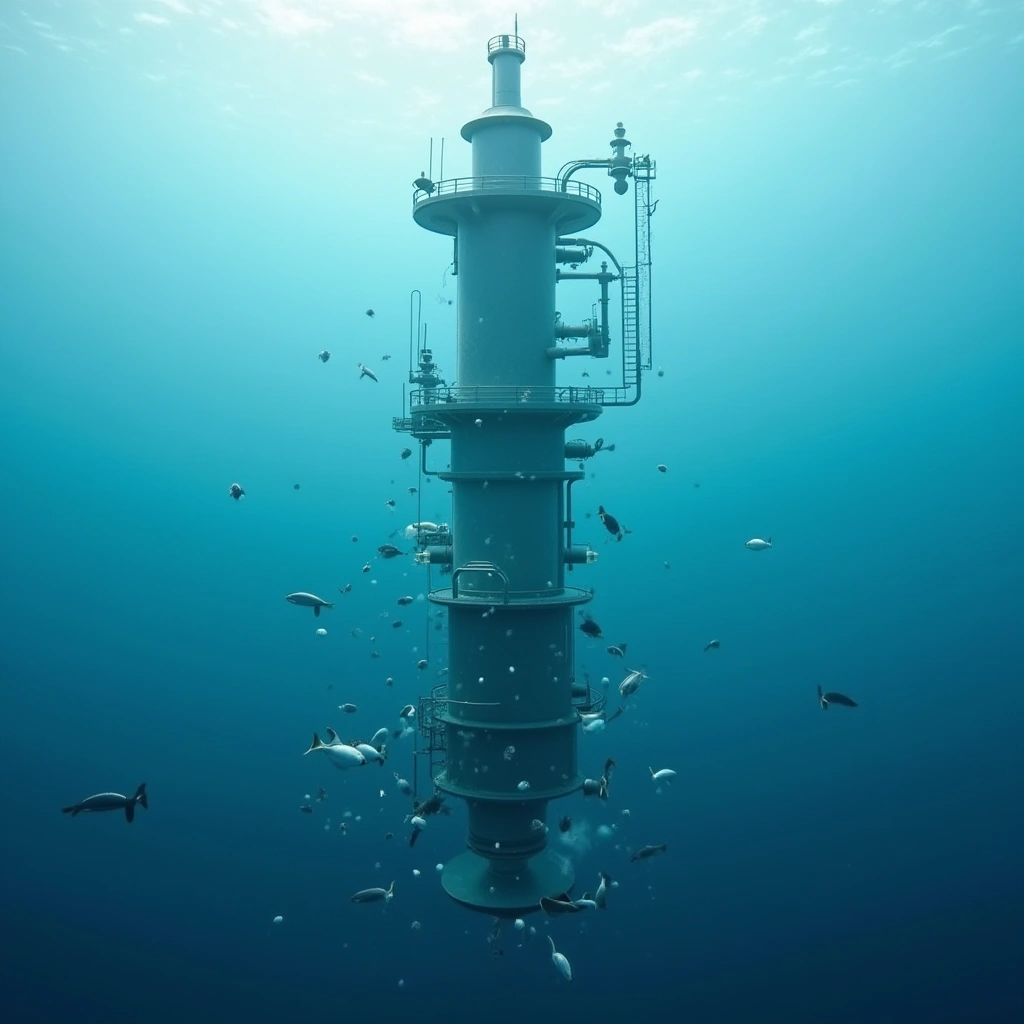
    A biological methane filter on the seafloor can form much faster than scientists previously believed . An international research team including a University of Bremen researcher observed this over six years at a newly formed methane seep in the …

    If you’ve ever thought the ocean was just a giant swimming pool for fish and mysterious sea creatures, think again. It turns out, beneath those waves, Mother Nature has been hard at work, developing a deep-sea methane filter that’s growing faster than your neighbor’s weeds in the spring. Yes, you heard that right! This is not just another science fiction plot; it’s real, and it’s happening in the depths of our oceans.

    So, what’s the big deal with this methane filter? Well, first off, let’s talk about methane. It’s a potent greenhouse gas—about 25 times more effective than carbon dioxide at trapping heat in the atmosphere over a 100-year period. Yikes! If we don’t find a way to manage methane emissions, we could be in for a world of hurt. But fear not! Our deep-sea buddies have got our backs.

    According to recent findings, the development of this methane filter in the deep sea is progressing much faster than scientists previously anticipated. Researchers initially thought it would take eons for this natural process to kick into high gear, but it seems the ocean has other plans. Like that friend who insists on ordering dessert before dinner, the deep-sea ecosystem is moving right along.

    The filter works through a combination of microbial activity and geological processes. Essentially, certain bacteria thrive in methane-rich environments and break down these gases before they can rise to the surface and wreak havoc on our atmosphere. It’s like having a super-efficient vacuum cleaner at the bottom of the ocean, sucking up all that nasty methane before it can do any damage. Who knew bacteria could be such overachievers?

    But here comes the fun part—why are we just now realizing that this process is happening faster than we thought? Well, folks, it’s a classic case of scientists needing to keep up with nature. Research in this area has been limited, and the ocean is notoriously hard to study. I mean, have you ever tried diving to the depths of the ocean? Spoiler alert: it’s not exactly a picnic.

    As we learn more about this deep-sea methane filter, it’s crucial to consider its implications for climate change strategies. If the ocean can regulate methane more efficiently than we can with our fancy technology, maybe we should be investing more in ocean health. Think of it as giving a raise to the unsung heroes of the climate crisis—the microbes! They’re the real MVPs here.

    Of course, while this news is encouraging, it’s not a magic bullet. We can’t just sit back and let the ocean do all the heavy lifting. We still need to cut down on methane emissions from human activities, like agriculture and fossil fuel extraction. Plus, as climate change continues to alter ocean conditions, we can’t be certain how these microbial processes will hold up. It’s a bit like trusting a cat to stay off the kitchen counter—good luck with that!

    In conclusion, the discovery of a rapidly developing deep-sea methane filter is a glimmer of hope in the ongoing battle against climate change. It’s a reminder that nature often has its own solutions, even if we’re not always paying attention. So, let’s give a shout-out to those tiny bacteria doing their part in the deep blue sea. They might just save our planet—one methane molecule at a time. And who knows? Maybe they’ll even inspire a new superhero movie. Picture it: The Incredible Microbes! Coming to a theater near you!


    Inspired by: “Deep-sea methane filter develops faster than previously thought” (r/climatechange)

  • Heathrow Expansion: A Flight in the Wrong Direction for Climate Goals

    Heathrow Expansion: A Flight in the Wrong Direction for Climate Goals

    There is no credible scenario in which expansion at Heathrow can go ahead without blowing a hole in the UK's legally binding climate targets , new modeling published today by the Tyndall Centre for Climate Change Research at The University of …

    Ah, Heathrow Airport, the bustling gateway to London and a prime contender for the title of ‘Most Stress-Inducing Airport.’ But now, it seems it’s not just travelers who are feeling the pressure—our climate is too. The recent expansion plans for Heathrow have sparked a heated debate, with climate activists claiming that this expansion “blows a hole” in our climate goals. And honestly, who can blame them?

    Let’s break this down, shall we? The expansion of Heathrow aims to add a third runway, which, on the surface, sounds like a great idea for alleviating congestion and making travel more accessible. But here’s the kicker: more runways mean more flights, and more flights mean more carbon emissions. It’s like trying to lose weight by adding an all-you-can-eat buffet to your diet. Spoiler alert: it doesn’t work.

    The UK has made some ambitious commitments to reduce greenhouse gas emissions, aiming for net-zero by 2050. But allowing one of the busiest airports in the world to expand is akin to saying, “I’ll start my diet tomorrow” while standing in front of a cake display case. It’s a classic case of mixed signals.

    The environmentalists have been waving their flags—figuratively and literally—pointing out that the expansion could lead to a significant increase in air traffic, which could result in an additional 25 million passengers flying through Heathrow each year. That’s a lot of people, and with them comes a lot of jet fuel.

    But wait, there’s more! The construction of the new runway itself is not exactly a walk in the park for Mother Earth. We’re talking about tons of concrete, which, as we all know, doesn’t exactly have a small carbon footprint. It’s like trying to save the planet while simultaneously building a fortress made of bricks.

    And let’s not forget about the noise pollution. Residents near Heathrow have been complaining for years about the constant roar of airplanes overhead, and expanding the airport is likely to make things worse. So, while travelers might be excited about shorter layovers and more flight options, those living near the airport might be longing for a quieter time—perhaps even considering earplugs as a new fashion statement.

    Now, the government has tried to reassure us that they are taking climate change seriously. They’ve introduced measures to improve technology and fuel efficiency in aviation. But let’s be real: how many times have we heard that technology will save the day? It’s like promising that flying cars are just around the corner. Sure, it sounds great, but until I’m zipping around in a hovercraft, I’m not holding my breath.

    In conclusion, the Heathrow expansion is a classic example of how we often talk a big game about climate goals while simultaneously making decisions that contradict those very goals. It’s a bit like saying you want to be healthy while ordering a double cheeseburger with extra bacon. So, what’s the takeaway? Maybe it’s time we start thinking about alternative solutions that don’t require us to sacrifice our planet for the sake of convenience. Because in the end, the only thing that should be expanding is our commitment to a sustainable future, not our airports.


    Inspired by: “Heathrow expansion ‘blows hole’ in climate goals” (r/climatechange)