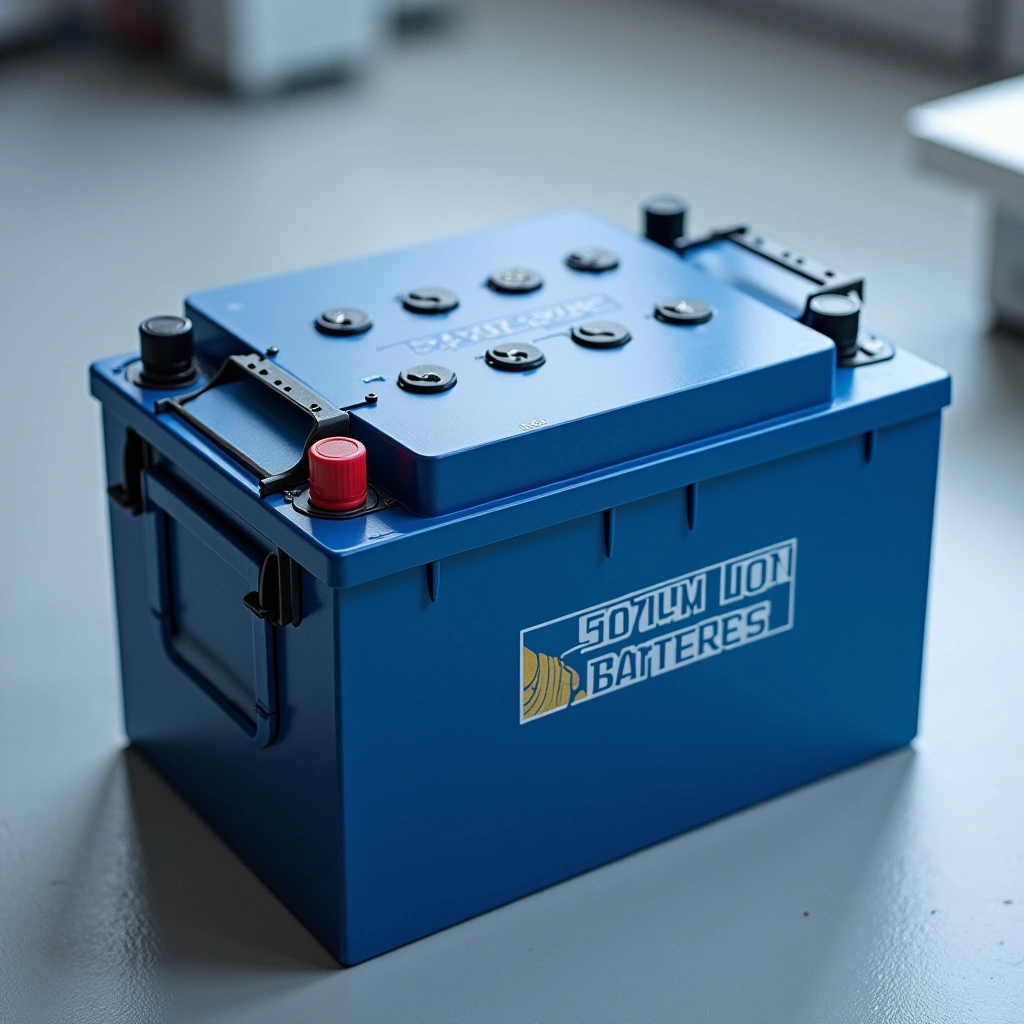
For much of the last decade, perovskites have been promised to be the future of solar panels, but commercialization has been slow, and only a few manufacturers are willing to test pilot lines. A new technology in the energy storage market is having the opposite experience — just as quickly as sodium-ion designs have been suggested as suitable alternatives to lithium batteries, manufacturers are setting up and securing orders.
Alright folks, gather around! It seems we have a new contender stepping into the ring of renewable energy storage, and it’s packing some serious punch. Enter sodium-ion batteries—the underdog ready to take on the heavyweight champion, lithium-ion batteries. And trust me, it’s not just talk; these little powerhouses are gearing up for world domination.
Let’s start with the basics. Sodium-ion batteries are not just a fancy new tech buzzword; they’re a game changer. Why, you ask? Well, for starters, they’re cheaper and easier to produce. That’s right—while lithium-ion batteries have been hogging the limelight, sodium-ion technology is quietly working behind the scenes, ready to steal the show. It’s like the introvert at a party who suddenly breaks out into a killer dance move—unexpected but oh-so-impressive.
One of the biggest advantages of sodium-ion batteries is their use of abundant, nontoxic materials. You see, sodium is like that friendly neighbor who constantly offers you cookies—it’s everywhere and doesn’t cost an arm and a leg. In contrast, lithium—while still important—can be a bit of a diva, requiring more resources and sometimes leading to some questionable mining practices. Sodium, on the other hand, is practically waving its hands in the air, saying, “Pick me! I’m here, I’m safe, and I won’t ruin your day!”
But wait, there’s more! These batteries can handle extreme temperatures without the need for fancy cooling or heating systems. Imagine a battery that doesn’t throw a tantrum when the temperature dips or soars. It’s like that one friend who remains calm during a crisis, while the rest of us are sweating bullets. This characteristic opens the door for longer-term applications, which is a fancy way of saying we can use them in a wider variety of situations without worrying about them melting down or freezing up.
Now, let’s talk about the production side of things. Sodium-ion batteries are already moving into multi-gigawatt-hour production. That’s a mouthful, but essentially, it means they’re not just a concept anymore—they’re being made in serious quantities. If you thought the rise of electric vehicles was impressive, just wait until sodium-ion batteries start powering everything from your smartphone to your refrigerator. It’s like watching the birth of a superhero franchise, and we’re all just sitting here with popcorn waiting for the next installment.
In a world increasingly focused on climate change and sustainability, the emergence of sodium-ion batteries could be the breath of fresh air we need. They’re not just a stopgap measure; they represent a shift toward more responsible energy storage solutions that don’t compromise on performance. And let’s be honest, who wouldn’t want to root for the underdog? It’s like cheering for the little engine that could, only this time, it’s not just chugging along—it’s gearing up to power the whole train.
So, as we stand on the brink of this new energy revolution, let’s keep an eye on sodium-ion batteries. They might just be the solution we’ve been waiting for, and who knows, they could very well lead the charge (pun absolutely intended) towards a cleaner, more sustainable future. In the battle of batteries, it looks like sodium-ion might just have what it takes to win the day.
Now, if only they could also do our laundry, we’d really be onto something!
Inspired by: “Sodium-ion batteries are ready for world domination: they make storing clean energy cheaper and eas…” (r/climatechange)