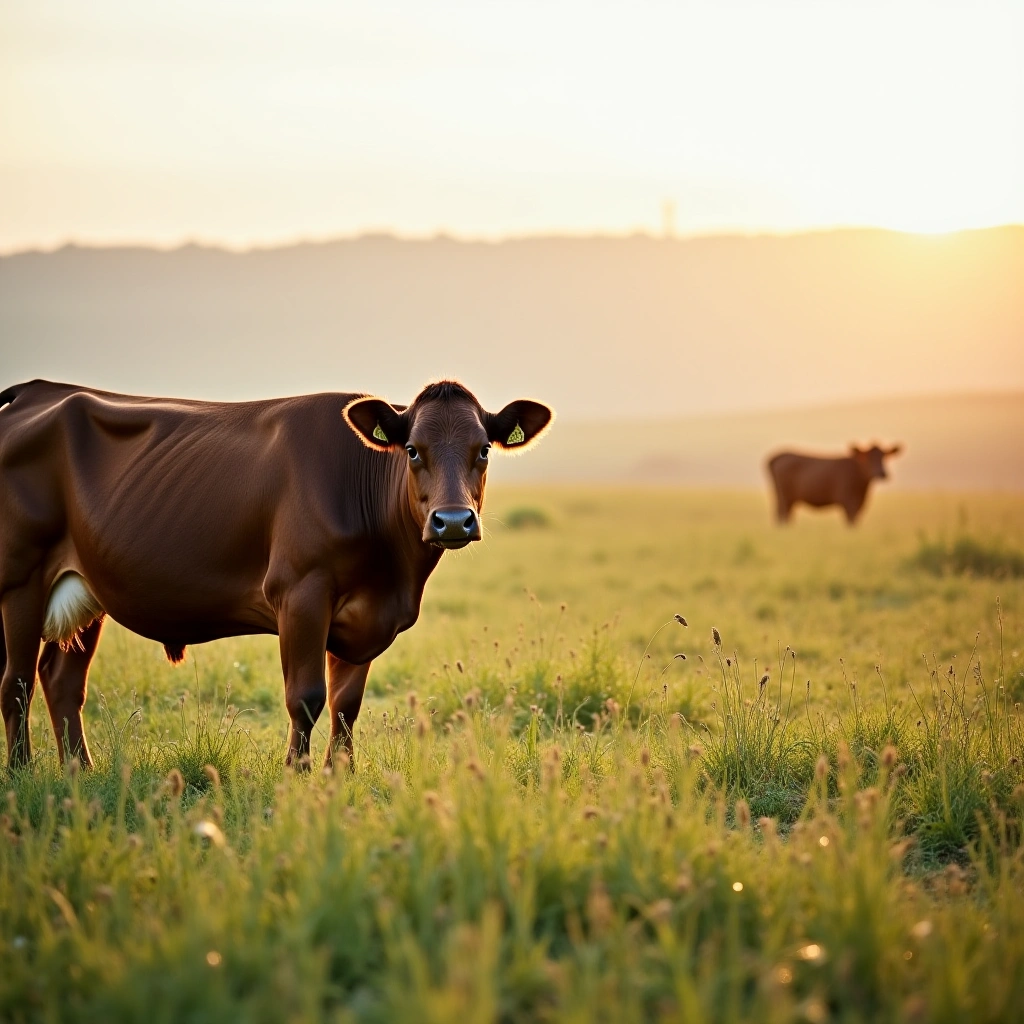
Regenerative grazing takes more land – and carbon . Regenerative grass-fed beef production can take more land – around 2–3 times more land in some cases – than conventional grass-to-grain-fed methods.
If you’ve been following the climate change debate, you’ve probably heard the buzzwords “regenerative grazing” thrown around like confetti at a parade. It sounds great, right? Cows munching grass in a way that’s supposed to heal the planet and make beef production all warm and fuzzy for the environment. But hold onto your grass-fed burgers, folks—there are some serious reasons that this rosy picture might be a bit too good to be true. Here are eight reasons why regenerative grazing might not be the climate-friendly hero we’re looking for.
1. The Carbon Sequestration Myth: One of the main selling points of regenerative grazing is that it can sequester carbon in the soil. While that sounds fantastic, the reality is much more complicated. The amount of carbon that actually gets stored can vary widely based on soil type, climate, and management practices. So, while some farmers may be able to pull it off, many are just as likely to be spinning their wheels—or hooves—in the mud.
2. Not All Grass is Created Equal: You might think that all types of grass are equally beneficial for grazing, but let me introduce you to the concept of biodiversity. Some grasses are better than others at sequestering carbon and supporting wildlife. So, if a rancher is just grazing their cattle on a monoculture of grass that’s as exciting as watching paint dry, they’re not doing the environment any favors.
3. Land Use Changes: Switching to regenerative grazing often means converting land that could have been used for other sustainable practices, like growing crops for human consumption. So, while you’re busy patting yourself on the back for saving the planet with your pasture-raised beef, you might be inadvertently contributing to food insecurity elsewhere. Oops.
4. Methane Emissions Remain: Let’s not forget that cows are still cows. They produce methane—a greenhouse gas that’s like carbon’s more obnoxious cousin. Regenerative grazing doesn’t magically make cows stop burping and farting. In fact, some studies suggest that increased grazing can actually lead to higher methane emissions. So, unless you’ve got a miracle cow that can hold it in, we’re still dealing with a gas problem.
5. Water Use Woes: Cattle need water, and a lot of it. Regenerative grazing often requires large tracts of land, which can lead to increased water usage. In areas where water is already scarce, this could exacerbate existing problems. So, while your beef might be “sustainable,” it could also be contributing to a drought somewhere else. Who knew being eco-friendly could be so complicated?
6. Economic Viability: Let’s get real for a second. Regenerative grazing can be more labor-intensive and may require more knowledge and skill than conventional methods. This can make it economically unfeasible for many farmers, especially smaller operations. So while big corporations might be able to invest in these practices, the little guy might just be left in the dust—or the mud.
7. Consumer Demand: As much as we’d like to think that consumers are on board with sustainable beef, the reality is that many people are still more concerned about price than planet-saving practices. Until we see a significant shift in consumer behavior, regenerative grazing may not be able to scale up enough to make a meaningful impact. So, good luck getting that average burger-lover to pay extra for a cow that lived its best life.
8. Complexity of Ecosystems: Nature is complicated, and ecosystems are interconnected in ways we’re still trying to understand. Regenerative grazing could potentially disrupt existing ecosystems or lead to unintended consequences. So while it sounds nice in theory, in practice, it could be like trying to solve a Rubik’s cube blindfolded.
In conclusion, while regenerative grazing has some potential benefits, it’s not the silver bullet for making beef climate-friendly. It’s a complex issue that requires a multi-faceted approach. So, before you take that next bite of a grass-fed steak thinking you’re saving the world, it might be worth doing a little more digging. Because sometimes, the grass isn’t always greener on the other side—especially if it’s being grazed by a cow that’s just as confused about its role in climate change as we are.
Inspired by: “Eight reasons regenerative grazing can’t make beef climate-friendly” (r/climatechange)