Category: Nature

  • Australia’s Pilungah Reserve: A Win for Nature and Culture

    Australia’s Pilungah Reserve: A Win for Nature and Culture

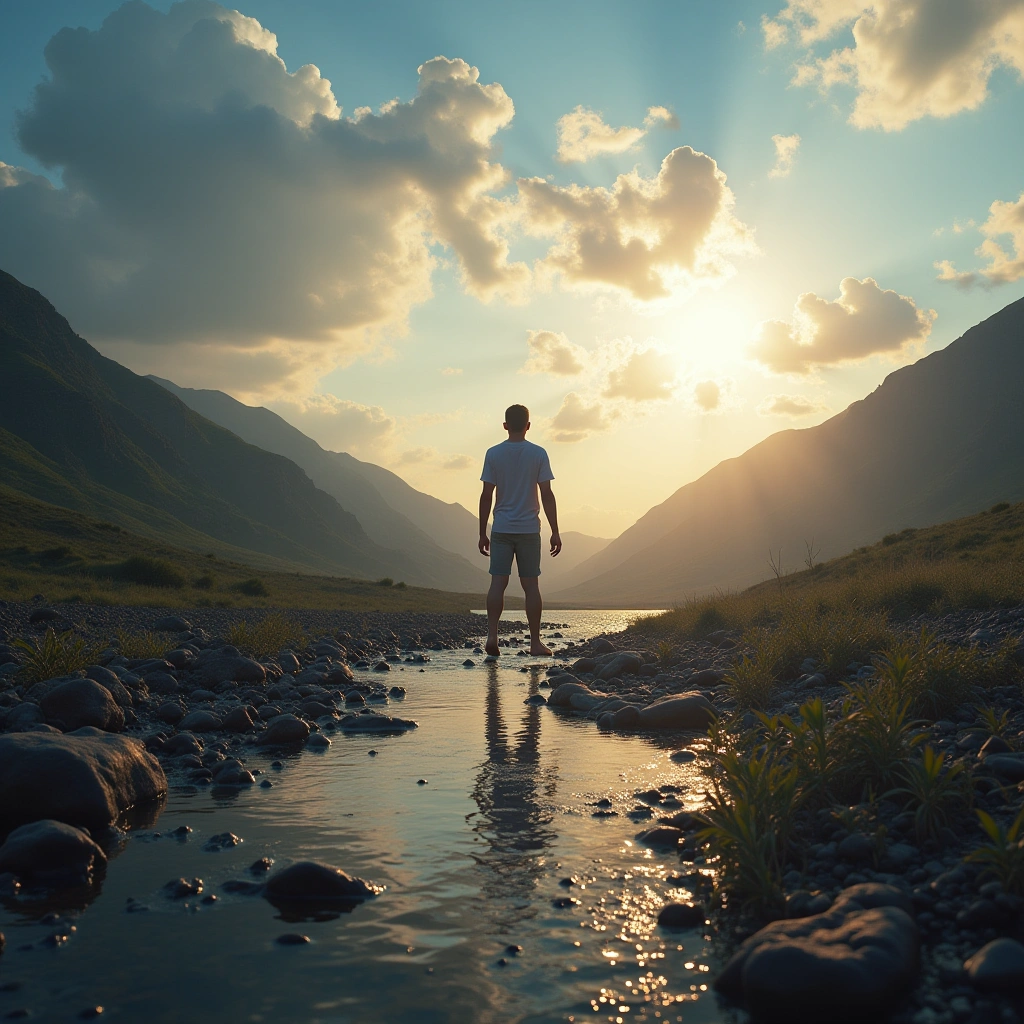
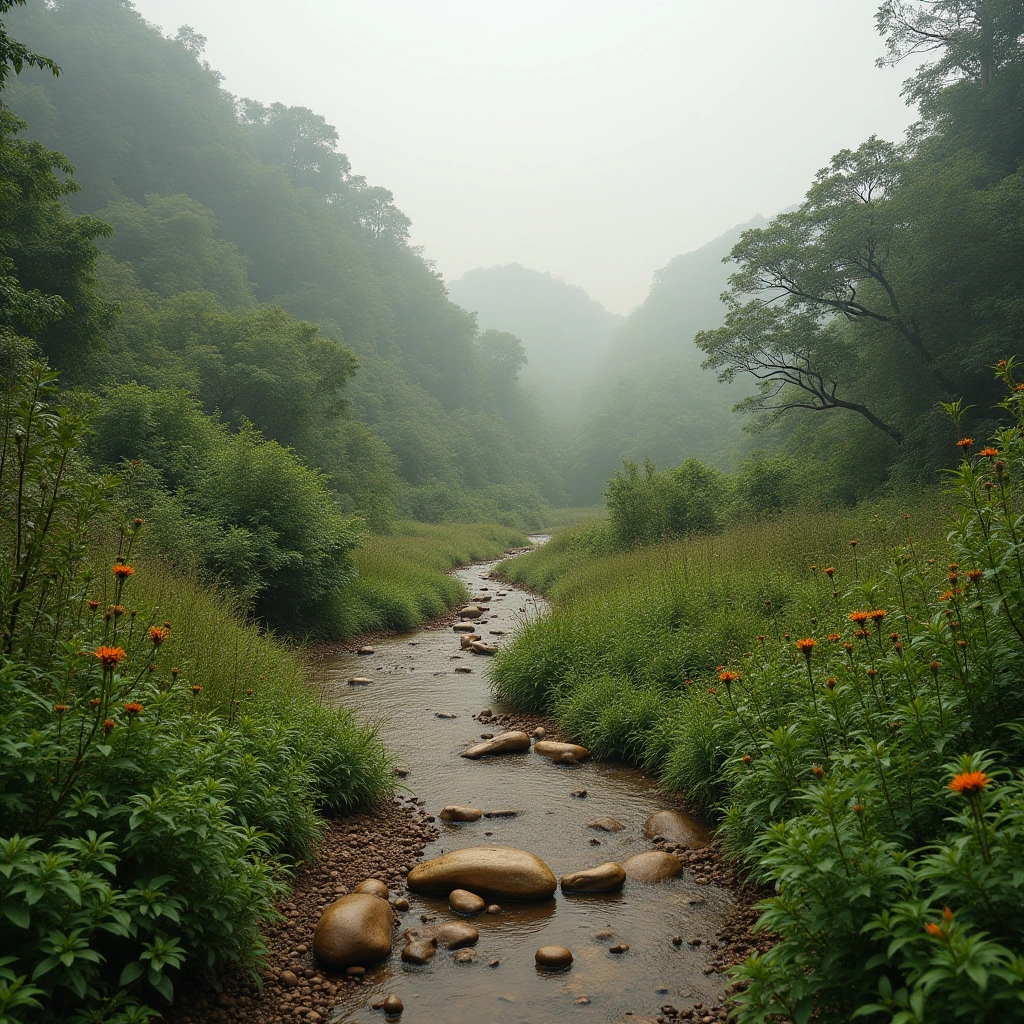
    Bush Heritage Australia chief executive Rachel Lowry described Pilungah Reserve as " a vast and remote beauty, whose irreplaceable cultural heritage and extraordinary ecosystems deserve the highest level of protection possible ".

    Ah, Australia. The land of kangaroos, koalas, and now, a shiny new reserve that’s got the environmentalists clapping like seals at a circus. Enter the Pilungah Reserve, located on the Wangkamahdla Country, which has just received the equivalent protection of a national park. That’s right, folks! Over 220,000 hectares of pristine land are now permanently protected from the usual suspects: mining, logging, and grazing. It’s like putting a big ‘Do Not Disturb’ sign on nature’s door.

    Now, let’s break down what this means because, let’s be honest, the environmental jargon can sometimes feel like reading the instructions to a complicated IKEA furniture assembly. The protection of the Pilungah Reserve is not just a win for the trees and the cute native critters; it’s also a huge leap in safeguarding the irreplaceable cultural heritage of the Wangkamahdla people. Imagine being able to walk through a place that holds the stories and traditions of generations before you. That’s some serious cultural real estate!

    So, what’s going to happen in this newly protected area? Picture it: no chainsaws roaring, no bulldozers rumbling, and no cattle munching their way through delicate ecosystems. Instead, we can expect a thriving habitat for native species. You know, the ones that are actually supposed to be there, unlike the invasive species that show up uninvited and eat all the snacks.

    This move is particularly crucial in a time when the climate crisis is knocking at our door louder than your neighbor’s dog at 3 AM. With habitats disappearing faster than you can say ‘climate change,’ protecting areas like Pilungah is a step in the right direction. It’s a reminder that we can indeed put our foot down when it comes to preserving our planet.

    And let’s not forget the economic aspect. By protecting the reserve, Australia is signaling that it values its natural resources and cultural heritage over short-term profits from logging and mining. It’s like choosing to keep your grandma’s vintage jewelry instead of selling it for a quick buck. Sure, you could buy a new phone with that cash, but at what cost?

    In conclusion, the Pilungah Reserve is a shining example of what can happen when we prioritize the environment and cultural heritage over profit. It’s a big win for the Wangkamahdla people, the native species that call this area home, and anyone who believes that we can coexist with nature instead of bulldozing our way through it. So, here’s to more reserves, more protection, and hopefully, a little less mining and logging. Cheers to that!


    Inspired by: “Australia’s Pilungah Reserve on Wangkamahdla Country received equivalent protection as a national p…” (r/climatechange)
  • Harvesting Change: How Climate Change is Speeding Up Europe’s Crops

    Harvesting Change: How Climate Change is Speeding Up Europe’s Crops

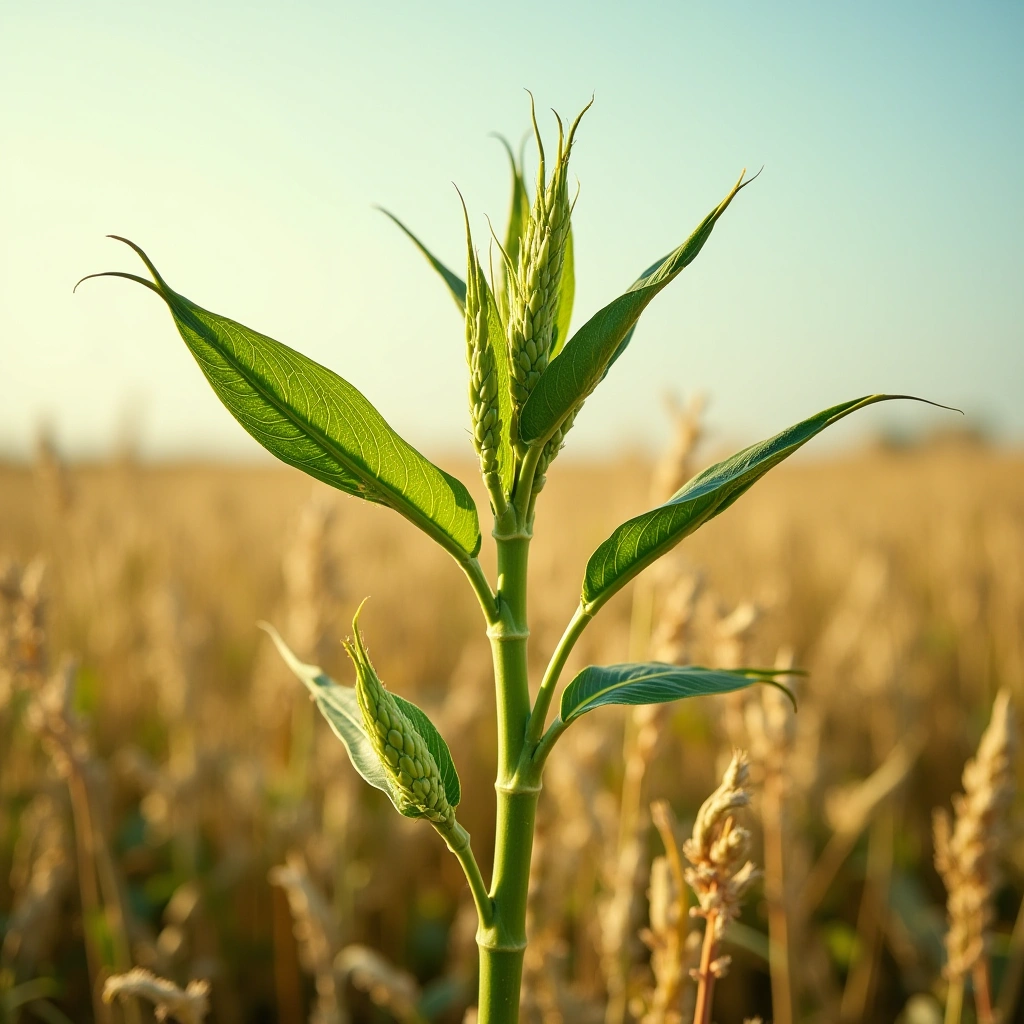
    European crops like winter wheat are reaching maturity up to 20 days earlier than in 2000, with similar patterns for rapeseed and maize.

    Hey there, fellow earthlings! Let’s talk about something that’s been on everyone’s mind lately—climate change. Yes, the not-so-mysterious villain that seems to be taking over the world, one crop at a time. And guess what? Recent data shows that Europe’s crops are maturing earlier than usual, and it’s all thanks to our good old friend, climate change.

    Now, before you start picturing a bunch of confused farmers wondering why their tomatoes are ready for harvest in June instead of July, let’s dive deeper into what this actually means.

    According to a recent discussion on Reddit (yes, I’m one of those people who get their news from social media—don’t judge), scientists have observed that climate change is causing shifts in agricultural cycles across Europe. The data suggests that warmer temperatures are leading to earlier maturation of various crops. This is not just a minor inconvenience; it’s a big deal. We’re talking about potential impacts on food supply, agricultural practices, and, of course, the economy.

    So, why exactly are these crops getting their act together sooner than expected? Well, the warmer temperatures are essentially tricking plants into thinking it’s time to bloom. It’s like when you wake up on a Saturday and think, ‘Wow, I should really start my day early!’ only to realize it’s still 6 AM and you have no idea why you’re awake. Crops, apparently, don’t have the luxury of hitting the snooze button.

    This phenomenon can lead to a variety of consequences. On one hand, earlier harvests might sound like a great idea. Farmers could potentially reap the benefits of longer growing seasons and increased yields. However, there’s always a catch, isn’t there? This shift can also lead to a mismatch between crop maturation and pollinator activity, which is crucial for many plants. If the bees are still sleeping in when the flowers are out, we might have a problem on our hands—one that could make us rethink our favorite summer salads.

    Moreover, the economic implications could be significant. Crops that mature too early might not align with market demands, leading to potential losses for farmers who can’t sell their produce at the right time. Imagine trying to sell a Christmas tree in July—it’s just not going to happen, folks. And while some might argue that earlier crops could mean lower prices due to surplus, others might find themselves with a lot of unsold produce just sitting there, collecting dust (or worse, rotting).

    Now, let’s not forget about the environmental impact. Earlier maturation could lead to increased water usage, as crops might need more irrigation to cope with the rising temperatures. This could exacerbate water scarcity issues in regions that are already struggling. It’s like a vicious cycle: climate change causes crops to mature earlier, which leads to more water usage, resulting in even more strain on our already overworked planet.

    So, what’s the takeaway here? While it might be tempting to think of earlier-maturing crops as a win for farmers and consumers alike, the reality is far more complicated. Climate change is throwing a wrench into the agricultural machine, and we’re all along for the ride.

    In conclusion, as we continue to navigate the ups and downs of climate change, let’s not forget to pay attention to our crops. They might be maturing earlier, but that doesn’t mean we should let our guard down. After all, if we want to keep enjoying our favorite foods without the added anxiety of climate-induced chaos, it’s time to take action. So, let’s keep the conversation going—what are your thoughts on this early crop maturation phenomenon? Let me know in the comments below!


    Inspired by: “Europe’s crops mature earlier due to climate change, data shows” (r/climatechange)

  • The Unraveling Reliability of Nuclear Power in the Age of Climate Change

    The Unraveling Reliability of Nuclear Power in the Age of Climate Change

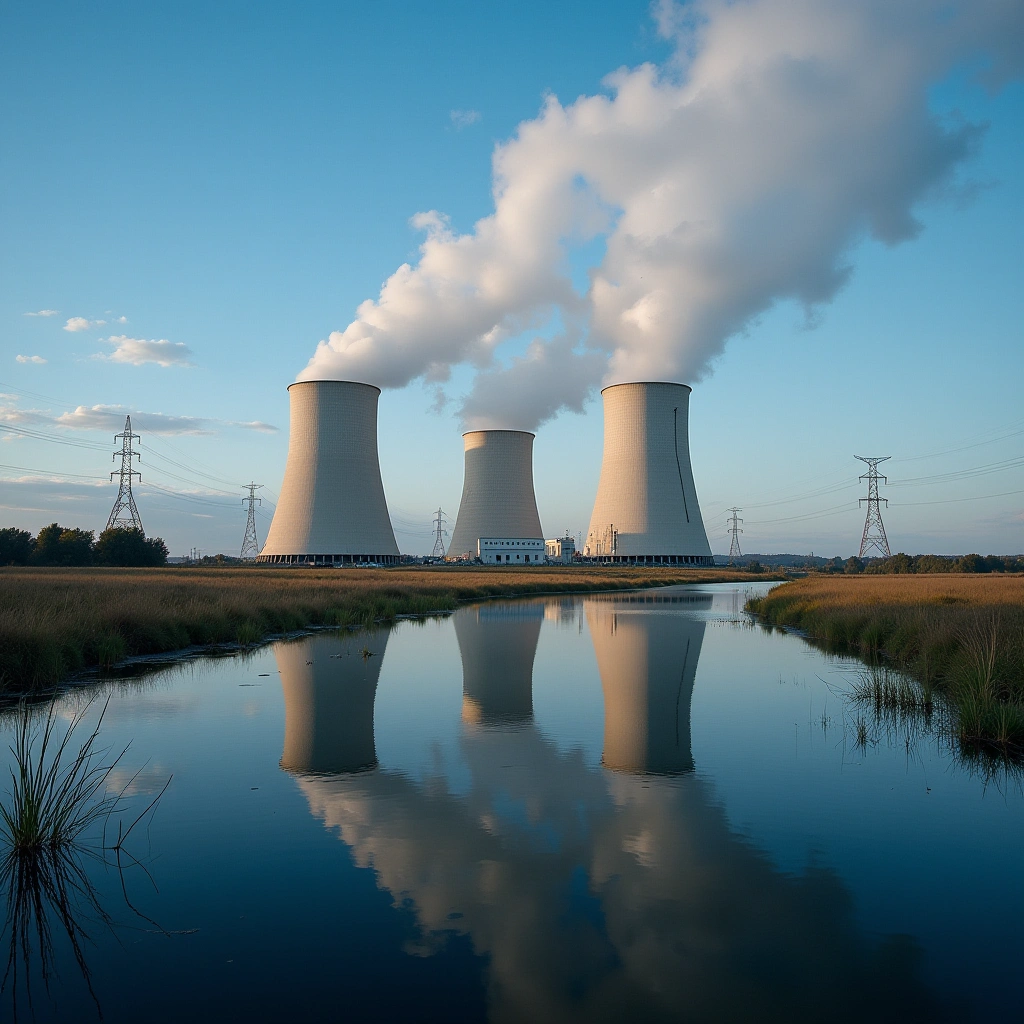
    Since then, heatwaves have forced … in nine of the past 20 years. A 2021 study found climate-related outages at nuclear power plants increased dramatically between the 1990s and 2010s ….

    Ah, nuclear power! That shiny, controversial energy source that promises to light up our homes while also giving us the occasional existential crisis. As the world grapples with climate change, it turns out that nuclear power is facing its own set of reliability issues. Who would have thought? Let’s dive into this topic and see what’s cooking (hopefully not in a reactor).

    First, let’s address the elephant in the room: nuclear power is often hailed as a low-carbon energy source. It’s like the hipster of energy sources—everyone loves it for its potential to save the planet while sipping on organic lattes. But, as climate change ramps up, it exposes some pretty glaring weaknesses in this seemingly perfect energy solution.

    One of the most significant issues is the impact of extreme weather on nuclear facilities. As we all know, climate change is throwing Mother Nature into a bit of a tizzy. We’re witnessing more intense storms, heatwaves, and floods than ever before. These events can wreak havoc on nuclear plants, which are often built near water bodies for cooling purposes. Flooding? Not great for a nuclear reactor. Picture a scene reminiscent of a bad disaster movie, where the reactor’s cooling systems fail because of rising water levels. Spoiler alert: it doesn’t end well.

    Then there’s the issue of heatwaves. Nuclear plants are designed to operate within specific temperature ranges. When the water used for cooling gets too warm, it’s like trying to take a hot shower when the water heater is on the fritz. You just can’t get the temperature right. This has led to plants having to reduce their output or, in some cases, shut down entirely during heatwaves. So much for providing a steady power supply!

    Let’s not forget the aging infrastructure of many nuclear plants. Some of them are older than your average millennial’s taste in music. These facilities were built decades ago, and as climate change accelerates, they’re struggling to keep up with the new normal. Maintenance costs are skyrocketing, and let’s face it, no one wants to invest in a facility that might be one storm away from a meltdown.

    And while we’re on the topic of meltdowns, let’s talk about public perception. The nuclear industry has long battled with the stigma of past disasters like Chernobyl and Fukushima. As climate change intensifies, communities are becoming even more wary of nuclear energy. After all, who wants to live next to a facility that might not be able to handle a little rain?

    So, what’s the solution? The answer might be a mix of rethinking our energy policies and investing in newer, more resilient technologies. We need to embrace renewable energy sources like wind and solar, which have their own challenges but don’t come with the same baggage as nuclear power.

    In conclusion, while nuclear power has its merits, the reliability issues exposed by climate change are hard to ignore. It’s time to face the music (or the reactor hum) and reconsider our energy strategies. After all, we want to light up our homes without also lighting up the world in a nuclear disaster. Let’s keep the lights on, but maybe not with a potential meltdown waiting to happen in the background.


    Inspired by: “Climate change is exposing nuclear power’s reliability problem” (r/climatechange)

  • Tackling Rising Ocean Levels: A (Not So) Serious Proposal

    Tackling Rising Ocean Levels: A (Not So) Serious Proposal

    Restoration plans should consider the impacts of sea-level rise and development on future ecosystem distribution. Successful strategies may also consider rolling easements and other measures identified by the U.S. Environmental Protection Agency's Climate Ready Estuaries program. Integrate climate-related risks into capital improvement plans · Plans to build or expand infrastructure should consider the vulnerability of the proposed locations to inland flooding, sea level rise, storm surge and other impacts associated with climate change.

    So, it’s 3 AM and someone just had a lightbulb moment about rising ocean levels, and guess what? They decided to share it with the world on Reddit. What a time to be alive! You might be wondering, what could possibly come out of a sleep-deprived mind at that hour? Well, let’s dive into this idea (pun intended) and explore the implications of tackling ocean levels with a sprinkle of humor.

    First off, let’s address the elephant in the room—or in this case, the glacier. Our friend from Reddit, who hilariously admits to having a D in chemistry, brought up the concept of the ‘doomsday glacier.’ Sounds dramatic, right? But the truth is, if that bad boy melts, we could be looking at a 10-foot rise in sea levels. Yes, you heard that right! So, while we may not be around to witness it, it’s still a bit concerning.

    Now, onto the idea of desalination. We all know that drinking water is becoming as rare as a unicorn sighting, but desalination plants have been popping up to turn ocean water into something that won’t make you gag. The catch? They leave behind a lot of salt—like, a LOT. If we just dumped that salt back into the ocean, we’d be playing a game of environmental roulette. And let’s be honest, with all the issues facing our oceans (thanks, climate change), we don’t need to add brine levels to the list of things that are killing marine life.

    But here’s where our Redditor got a little creative. What if we used electrolysis to separate sodium and chlorine from that salty brine? Now we’re talking! Sodium could be the next big thing in nuclear reactor cooling—who knew? And chlorine? Well, it could help disinfect water. Sounds like a win-win, right?

    But hold your horses! While this idea sounds fantastic on paper, let’s take a moment to consider the logistics. First, we need to address the minor detail of costs. Electrolysis isn’t exactly cheap. It’s like trying to buy a luxury yacht with your pocket change. Plus, there’s the energy required to run these processes, which might just negate the whole ‘clean energy’ thing we’re aiming for.

    And then there’s the little issue of our oceans themselves. If we start removing vast amounts of salt, what’s going to happen to the marine ecosystem? Will we end up creating a bizarre underwater desert? Not to mention, if we really did manage to hydrate the entire world, we might just run out of ocean entirely. Goodbye, beach vacations!

    So, while it’s easy to laugh off this idea as a sleep-deprived ramble, it does raise an important point about innovation and thinking outside the box. Sometimes, the best solutions come from the most unexpected places, even if they’re wrapped in a layer of sarcasm and a hint of absurdity.

    In conclusion, while our Reddit friend might not be a chemistry whiz, their idea has sparked a conversation about how we can approach rising sea levels and the water crisis. So, let’s keep the dialogue going, shall we? After all, the ocean isn’t going to save itself, and we could all use a little more creativity in our climate change discussions. Now, if only we could figure out how to turn that creativity into a practical solution before it’s too late!


    Inspired by: “How do we combat rising ocean levels? I have an idea!” (r/climatechange)

  • Finding Hope in the Climate Crisis: Yes, It’s Possible!

    Finding Hope in the Climate Crisis: Yes, It’s Possible!

    You can shift your mindset and take small actions to combat climate anxiety and despair , according to our Science of Happiness podcast guests.

    Let’s be honest, climate change can feel like a load of bricks on your chest. You’re scrolling through Reddit, trying to enjoy a bit of online banter, and suddenly you tumble down the rabbit hole of doom and gloom. One moment you’re laughing at cat memes, and the next, you’re convinced that the world is ending, and you forgot to buy a survival kit. I get it. It’s overwhelming. So let’s take a breather and find some positive notes amid the climate chaos.

    First off, it’s totally normal to feel anxious about the state of the planet. If you’re not worried, you might want to check your pulse. But here’s the thing: while the challenges are real and urgent, so are the solutions and the efforts being made around the globe.

    1. People Are Getting Involved

    We’re witnessing a global wave of activism like never before. Young people, in particular, are stepping up to raise their voices. From climate strikes to community clean-ups, there’s a generation out there who refuse to sit back and watch the world burn (literally). They’re demanding change, and they’re making a difference. So if you ever feel like giving up, just remember: there’s a whole squad of eco-warriors out there fighting for a sustainable future.

    2. Innovations Are Blooming

    The tech world is on fire—figuratively, of course. Innovations in renewable energy are popping up like daisies. Solar panels are becoming more efficient, wind turbines are spinning faster, and electric cars are zooming off the production lines. We’re not just talking about small potatoes here; we’re talking about game-changers. And guess what? The more we invest in these technologies, the more affordable they become. So, let’s keep our fingers crossed for that sweet, sweet future where charging your car is as easy as plugging in your phone.

    3. Nature Is Resilient

    Despite the doom scrolling, nature has a remarkable ability to bounce back. Just look at the reforestation efforts happening worldwide. From the ambitious plan to plant millions of trees to local initiatives restoring wetlands, Mother Nature is getting some much-needed TLC. If we give her a little help, she might just surprise us with her resilience. Who knew that a little love could go a long way?

    4. Policy Changes Are Happening

    Governments around the world are starting to take climate change seriously. Sure, it’s like watching a toddler learn to walk—lots of stumbling and wobbling—but progress is being made. Many countries are committing to net-zero emissions, and some are even investing in green job creation. It’s not perfect, but it’s a step in the right direction. So, let’s give a slow clap for those who are pushing for policy changes. They deserve it.

    5. You Have Power

    Believe it or not, you can make a difference too! Every little action counts. Whether it’s reducing plastic use, supporting local farmers, or advocating for climate-friendly policies, your choices matter. It’s like being a superhero but without the spandex. So, put on your cape (or just your favorite hoodie), and get involved in your community. The power of one can spark a movement!

    In conclusion, while it’s easy to spiral into despair when reading about climate change, remember that there’s a lot of good happening too. The collective efforts of individuals, communities, and organizations are creating ripples of hope. So take a deep breath, maybe step away from Reddit for a bit, and focus on the positive changes you can contribute to. The planet may be in trouble, but together, we can be part of the solution. And who knows? The next five years might just surprise you in the best way possible!


    Inspired by: “I’m spiralling, please say something positive.” (r/climatechange)

  • How to Get Clients on MadPaws: A Guide for Aspiring Pet Sitters

    How to Get Clients on MadPaws: A Guide for Aspiring Pet Sitters

    I'm a new beginner pet sitter. Just recently downloaded mad paws, made an account, had it verified. I'm experienced with dogs and cats since I've had…

    So, you’ve downloaded MadPaws, set up your account, and are now sitting on the edge of your seat, eagerly waiting for clients to come rolling in like a pack of excited puppies. You might even be refreshing your notifications every five minutes, hoping for a booking. Spoiler alert: it might take a bit longer than that. But fear not, dear pet lover! I’m here to guide you through the wild world of pet sitting and dog walking, with a sprinkle of humor and a dash of sarcasm.

    The Waiting Game

    First things first, how long does it usually take to get those bookings? Well, that’s a bit like asking how long it takes for a cat to decide it actually wants to sit on your lap. It varies. Some people get clients within days, while others might feel like they’re waiting for a snail to cross the road. If you’ve just joined MadPaws, it’s normal to feel a bit like you’re shouting into the void.

    Police Check Shenanigans

    You mentioned waiting for your police check to be accepted. Ah yes, the thrilling bureaucratic adventure that is the police clearance process. Depending on where you live, this can take anywhere from a few days to a few weeks. Just remember, patience is a virtue, especially when it comes to red tape. In the meantime, focus on building your profile and preparing for when those bookings do start rolling in.

    Promote Yourself Like You’re the Next Dog Whisperer

    Now, about advertising on your local Facebook page—yes, yes, and yes! This is where you can shine. Create a cute post featuring some adorable animals (preferably yours, but no judgment if you borrow your neighbor’s dog for a photo shoot). Share your services, your passion for pets, and maybe a funny story about your own furry friend.

    Join local community groups on Facebook as well. The more you engage and promote yourself, the more people will start to recognize your name. Just be sure to follow group rules; we don’t want you getting kicked out faster than a cat from a dog park.

    Pricing Strategies

    You mentioned your prices are “cheap asf.” While being affordable can attract clients, don’t undervalue yourself! Consider what you bring to the table (or, in this case, the dog bed). If you’re experienced, have great references, or offer special services (like dog yoga or spa days, just kidding), you can charge more. And let’s be honest, if you’re desperate, you might want to throw in a few extra treats or a free walk for first-time clients to get the ball rolling.

    Building Your Profile

    Your MadPaws profile is your digital business card. Make it shine! Use high-quality photos of yourself with pets (bonus points if they’re wearing cute accessories). Write an engaging bio that showcases your love for animals—after all, people want to feel confident that their furry friends are in good hands.

    Testimonials and Reviews

    Once you start getting clients, ask them for reviews. Positive testimonials can be your golden ticket to gaining more clients. It’s like having a cheer squad, but instead of pom-poms, they have tails wagging in approval.

    Network, Network, Network

    Don’t forget to network! Talk to other pet sitters, dog walkers, and even pet owners in your area. You never know when a fellow pet enthusiast might have a lead for you. Attend local pet events, and if you’re feeling adventurous, consider volunteering at animal shelters. You’ll not only meet potential clients but also gain valuable experience.

    Final Thoughts

    In conclusion, while waiting for those bookings might feel like watching paint dry, there are plenty of things you can do in the meantime to increase your chances of getting clients on MadPaws. Be proactive, market yourself, and don’t be afraid to show off your personality and love for pets. Before you know it, you’ll be knee-deep in puppy cuddles and doggy playdates—and hopefully, making that extra cash you were hoping for. Now go out there and unleash your inner pet whisperer!


    Inspired by: “how to get clients on madpaws?” (r/melbourne)

  • Protecting Nature: The Fight Against Resort Development in India’s National Parks

    Protecting Nature: The Fight Against Resort Development in India’s National Parks

    Former Chief Justice of India B.R. … The court declared that the unbridled growth of resorts near protected forests for sheer commercial gains had destroyed the delicate ecological balance of the area ….

    Ah, the great outdoors! Fresh air, stunning landscapes, and the delightful sound of nature. It’s a shame some people think it’s a great idea to pave paradise and put up a parking lot—especially when that paradise is a national park in India. Yes, you heard me right. There’s a proposal on the table to build a resort right in the heart of a national park, home to rhinoceroses and other majestic wildlife. Talk about a vacation destination that’s a bit too close to nature, if you catch my drift.

    First things first, let’s talk about what’s at stake here. This national park isn’t just any old patch of grass; it’s a UNESCO World Heritage Site! That’s right—this place is recognized internationally for its outstanding natural beauty and biodiversity. It’s like the VIP section of nature, and now some folks want to crash the party with a resort. I mean, who needs to see elephants and rhinos in their natural habitat when you can enjoy a cocktail by the pool, right?

    Now, if you’re wondering why anyone would think this is a good idea, let’s just say that the allure of profit often clouds judgment. The promise of big bucks from tourism can be tempting, but at what cost? Destroying habitats, displacing wildlife, and ruining the ecosystem are just a few of the side effects of such a development. Imagine a rhino trying to figure out why its favorite mud pit is now a fancy swim-up bar. Not exactly the serene life they signed up for.

    But fear not, dear readers! Not all hope is lost. There are passionate individuals and organizations rallying to protect this beautiful place from becoming a playground for the wealthy. A petition has been launched to halt the construction, and it’s gaining traction. Because, let’s face it, who wouldn’t want to sign a petition to save adorable animals and breathtaking landscapes?

    So, what can you do to help? Well, for starters, you can sign that petition. It’s quick, easy, and a great way to feel like you’re making a difference from the comfort of your couch. Plus, you can impress your friends with your newfound activism.

    In addition to signing petitions, spreading the word is crucial. Share this issue on social media, talk about it with friends, or even write a strongly worded letter to your local representatives. Because if there’s one thing politicians love, it’s being reminded that their constituents care about the environment.

    In closing, let’s remember that nature is not just a backdrop for our vacations; it’s a vital part of our planet’s health and beauty. We need to stand up against those who think it’s okay to destroy irreplaceable ecosystems for a quick buck. Let’s keep those rhinoceroses roaming free and our national parks intact. Because if we don’t, we might just find ourselves in a world where nature is nothing but a distant memory—and that’s a reality no one wants to face. So grab your virtual pens and let’s save the day, one petition at a time!


    Inspired by: “They are trying to destroying a nation park in india to built a resort!!!” (r/climatechange)

  • Banding Together for Climate Action: Because Tiny Acts Aren’t Cutting It

    Banding Together for Climate Action: Because Tiny Acts Aren’t Cutting It

    This is a classic collective action problem: Everyone would be much better off if we all took some action, but everyone individually has a strong incentive not to, and each person’s contribution won’t matter unless a lot of people do it. Thus, the only way we can really encourage people to cut their emissions is if we reliably show that many other people are doing the same, so there will in fact be collective payoff for individual sacrifices. Because climate is a collective action problem, we should keep a few things in mind:

    Alright, folks, let’s have a chat about climate action. You know, that thing we all nod our heads about while scrolling through our feeds, but then promptly forget when the latest cat video pops up? Yeah, that one. A recent Reddit post in the climatechange subreddit has sparked a rallying cry for us to band together and actually do something about the impending doom that is climate change. And honestly, it’s about time we stop just talking about it and start acting like we actually care!

    So, here’s the deal: tiny personal acts, like bringing your reusable bag to the grocery store (you know, the one you always forget in the car), just aren’t cutting it anymore. While we’re busy feeling good about our eco-friendly choices, the politicians are doing… well, let’s just say they’re spending more time pushing pipelines than pushing for policies that could actually help. And the oligarchs? They’re laughing all the way to the bank while the planet burns. So, what’s a concerned citizen to do?

    First off, we need to make some noise. And I mean NOISE. Heather Cox Richardson, in her infinite wisdom, mentions that we’re in the middle of a political realignment. So let’s take advantage of that and keep the conversation about climate change alive and kicking. We need to talk about it EVERY DAY. Not just during Earth Day or when the weather suddenly turns extreme. Podcasts, social media, media interviews—let’s flood the airwaves with our demands.

    And let’s not forget the big polluters. Those companies, like BP Oil and Enbridge Gas, are responsible for the wildfires, heatwaves, and hurricanes we’re all so tired of hearing about. It’s like they’re the villains in a really bad superhero movie—only instead of capes, they wear suits and ties. We need to connect the dots for people, showing them that just as smoking causes cancer, oil companies are causing a climate disaster.

    Protests are another way to get this issue into the public consciousness. Think about it: overpasses, theatrical die-ins, and marches are effective ways to visually communicate our fears and frustrations. They show people that they’re not alone in their anger and despair about the state of the world. And yes, it’s a bit theatrical, but sometimes you need a little drama to get people’s attention.

    Now, let’s talk about the elephant in the room: the idea of individual carbon footprints. You know, that charming little concept that was invented by the oil and gas lobby to shift responsibility away from themselves and onto us, the little people? Yeah, that one. Instead of feeling guilty about our personal habits, let’s focus on holding the biggest emitters accountable. Find out who they are in your area and plan a demonstration outside their gates. Sure, they know they’re responsible for the mess, but it’s about making sure everyone else knows too.

    And hey, let’s also connect our climate conversation to the larger discussion about the oligarchy. Because guess what? They’re all in this together, and it’s time we shine a light on their role in perpetuating the climate crisis.

    We can look to the Indigenous communities who have physically blocked pipelines as a model of action. They’ve delayed and halted projects, making them less profitable for shareholders. And if you can’t be on the front lines, that’s okay! Find out how you can support those efforts from a distance. Every bit helps, and every day of delay is a win for the planet.

    So, if you’re feeling just as fed up as I am, let’s band together! Comment below if you’re interested, and I’ll create a space for us to connect and strategize. Because let’s face it: we’re stronger together. Even if we don’t win, at least we’ll have tried. And honestly, trying is a whole lot better than sitting back and watching the world burn.

    So, who’s with me? Let’s get this climate action party started!


    Inspired by: “We need to band together and force them to act” (r/climatechange)

  • Conservoltaics: A Bright Idea for Nature and Renewable Energy

    Conservoltaics: A Bright Idea for Nature and Renewable Energy

    No such scheme, however, exists … the concept of conservoltaic systems to identify and exploit opportunities to combine solar energy production and biodiversity conservation ….

    Let’s talk about the magic of conservoltaics—yes, I know it sounds like a fancy term you’d hear at a hipster coffee shop, but stick with me! This concept is all about finding that sweet spot where solar energy production and nature conservation can coexist.

    Picture this: vast fields of solar panels soaking up the sun, while underneath, nature is having its own little party. That’s right! The land that often gets overlooked in the name of renewable energy could be transformed into biodiversity hubs. Not only can we harness the power of the sun, but we can also give Mother Nature a much-needed hug.

    So, what exactly are we talking about when we say ‘untended lands’? These are areas that, for various reasons, haven’t been cultivated or developed. Think of them as the introverted cousin at the family reunion—just sitting there, waiting for someone to notice them. By placing solar panels on these lands, we can create a win-win situation. The panels soak up sunlight, and the land below can be used to promote the growth of native plants and habitats for local wildlife.

    Now, I know what you’re thinking: “But won’t the solar panels block the sunlight from reaching the ground?” Well, fear not! Solar panels can be designed to allow enough light to filter through, enabling plants to thrive underneath. It’s like giving plants a little sunbathing spot while they enjoy the shade.

    This isn’t just about looking good on paper; it’s a practical solution to a pressing problem. With the world racing toward net-zero emissions, we need to find ways to maximize our renewable energy infrastructure without sacrificing our natural ecosystems. And that’s where conservoltaics comes in, like a superhero swooping in to save the day.

    But wait, there’s more! These solar farms can also act as artificial reefs. I know, I know—how do solar panels become reefs? Well, when we think of reefs, we often imagine vibrant underwater worlds full of life. Similarly, solar farms can become habitats for various species. Birds can nest, insects can buzz about, and maybe even a few small mammals will decide to call it home. Just imagine a solar panel covered in a delightful assortment of flowers—a true Instagram-worthy moment for the wildlife!

    Of course, this isn’t just a ‘set it and forget it’ scenario. For conservoltaics to truly thrive, we need thoughtful planning and a commitment to prioritizing nature. This means involving ecologists in the design process and ensuring that the biodiversity we’re trying to support isn’t just a box we check off on an environmental impact report. It’s about creating real habitats that work alongside our renewable energy goals.

    So, the next time someone tells you we can’t have our cake and eat it too when it comes to renewable energy and nature, you can confidently tell them about conservoltaics. We can indeed have both a greener planet and a clean energy future. It’s all about finding that balance and giving nature a seat at the table—or, in this case, a patch of land under some solar panels.

    In conclusion, conservoltaics is more than just a catchy term; it’s a revolutionary idea that can help us achieve our climate goals while nurturing biodiversity. So let’s roll up our sleeves, put on our thinking caps, and get to work—because the future is bright, and it’s time to make sure nature shines along with it!


    Inspired by: “Conservoltaics: There is enough land for nature restoration needs, while building the renewable ene…” (r/climatechange)

  • Navigating the Intersection of Computer Science and Climate Science: Your Future Career Awaits!

    Navigating the Intersection of Computer Science and Climate Science: Your Future Career Awaits!

    The union of these two areas unlocks enormous possibilities in what our future alumni can accomplish.” · Students pursuing the joint major in computer science and climate complete foundational coursework in the principles of computer science, data structures, discrete mathematics, and professional computing practices as well as either computer systems or algorithms, and select computer science electives that support their intended career path.

    Hey there, future climate warrior! So, you’re diving into your second year of university, and you’re already thinking about how to use your Computer Science degree to save the planet. Kudos to you! Not everyone has that kind of foresight—some people are still trying to figure out how to change a light bulb. But you, my friend, are on a mission to tackle climate change head-on.

    First off, let’s get one thing straight: the climate science field is not just for people in lab coats measuring the temperature of icebergs. Nope! There’s a whole world out there where your coding skills can contribute to saving the planet. So, let’s explore some exciting career options that combine your tech skills with climate science.

    1. Data Scientist for Climate Research

    If you enjoy wrangling data more than your roommate enjoys binge-watching reality TV, then this might be your calling. Climate scientists are drowning (pun intended) in data—from satellite imagery to climate models. They need data scientists who can sift through all that information and make sense of it. You’ll be the Sherlock Holmes of climate data, except instead of solving mysteries about who stole the cookie from the cookie jar, you’ll be figuring out patterns in climate changes.

    2. Software Developer for Environmental Tech

    Do you have a knack for coding? Then consider becoming a software developer focused on environmental technology. This could mean anything from developing apps that help people track their carbon footprint to creating software that optimizes renewable energy systems. Think of it as being like Tony Stark, but instead of building Iron Man suits, you’ll be building tools that help save the Earth. No pressure, right?

    3. Climate Modeler

    If you’ve ever wondered how scientists predict the weather (and why it’s always wrong), you might want to dive into climate modeling. This involves creating simulations of climate systems, which can help predict future climate changes. Your computer science skills will come in handy here, as it requires programming skills to develop and run complex models. Just think: you could be the reason we know whether to pack an umbrella or sunscreen 50 years from now!

    4. Geospatial Analyst

    Do you like maps? If yes, then being a geospatial analyst could be right up your alley. This role involves using Geographic Information Systems (GIS) to analyze spatial data related to climate change. You’ll be mapping out the impact of climate change on various regions and helping decision-makers understand where to focus their efforts. Plus, you can impress your friends by casually saying you work with geospatial data. Sounds fancy, right?

    5. Renewable Energy Analyst

    With the world increasingly shifting towards renewable energy, there’s a growing demand for professionals who can analyze data related to energy production and consumption. You could work with solar farms, wind turbine projects, or even help optimize energy distribution networks. Your computer science skills will come in handy when it comes to analyzing data trends and improving efficiencies. And who knows? You might just help push us closer to a world powered entirely by renewable energy!

    What You Can Do Now

    Alright, so you’re probably wondering what you can do right now to get your foot in the door. Here are a few tips:

    – Get involved in relevant projects: Look for internships or volunteer opportunities that focus on climate science or renewable energy. The more experience you have, the better.

    – Join clubs or organizations: Many universities have clubs focused on environmental issues. Joining these can help you network and learn more about the field.

    – Take relevant courses: Look for electives in environmental science, data analysis, or renewable energy technologies. Every little bit helps!

    – Build your portfolio: Work on personal projects that relate to climate science. Whether it’s an app, a website, or a data analysis project, having tangible examples of your work can set you apart.

    In conclusion, as a Computer Science major, you have a fantastic opportunity to make a real impact in the field of climate science. From data analysis to software development, there’s no shortage of paths you can take. So, get out there, start exploring, and who knows? You might just be the next big name in climate science. And let’s be honest, the planet could really use all the help it can get right now. Happy coding!


    Inspired by: “What career can I get into as a Computer Science major in the field of climate science?” (r/climatechange)