Category: Nature

  • AI and Climate Change: A Double-Edged Sword

    AI and Climate Change: A Double-Edged Sword

    AI can enhance climate action but needs ethical regulation and greener tech to prevent risks and inequalities .

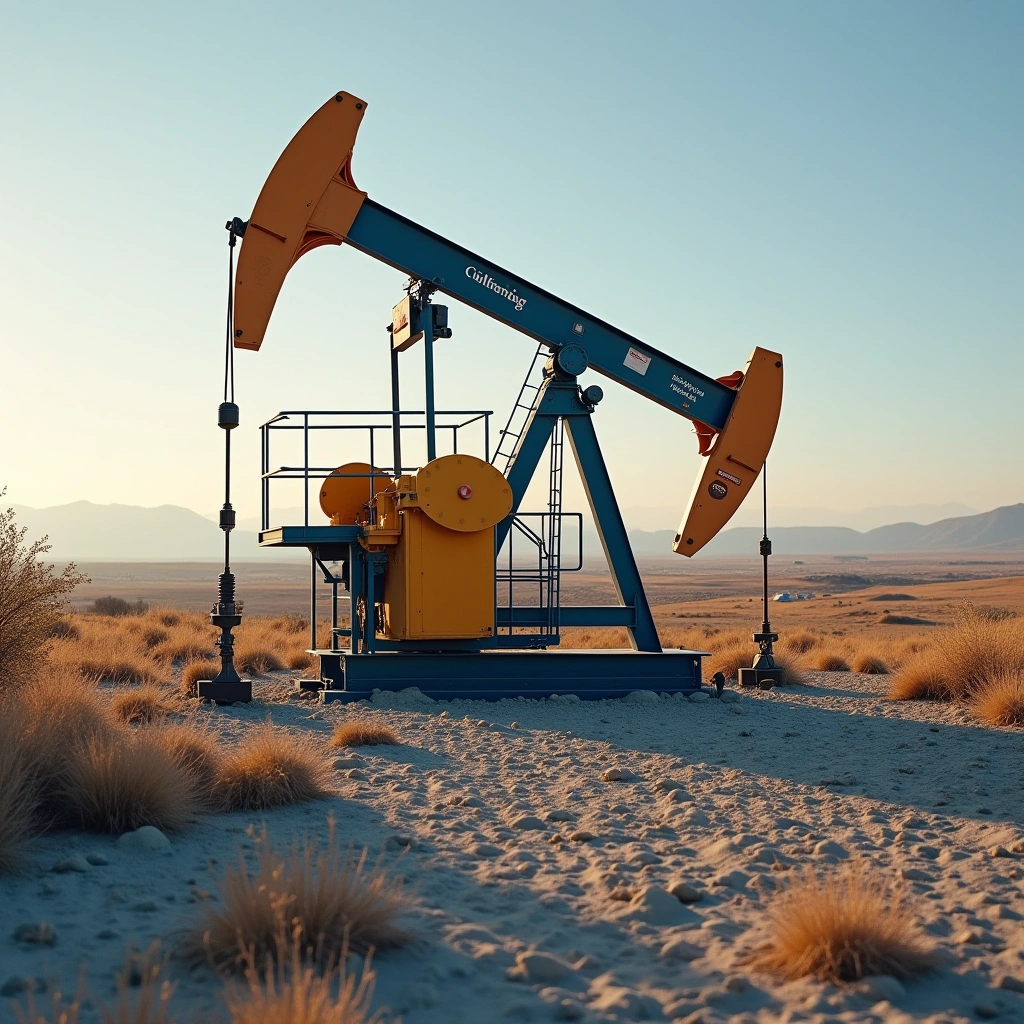
    Have you ever thought that artificial intelligence (AI) might just be the superhero we need to save the planet? Well, hold your horses, because a new study has thrown a wrench into that optimistic narrative. According to research co-authored by two former Microsoft employees, the carbon emissions from AI’s data centers may not be the biggest environmental concern after all. Instead, it turns out that Big Oil is using AI to crank up oil and gas production, potentially creating emissions that dwarf those from powering AI itself. Yes, you heard that right—Big Oil is taking a page out of the AI playbook, and it’s not exactly good news for our planet.

    So, what’s the deal? The study estimates that the emissions from AI-enhanced oil and gas production could be anywhere from 3.3 to 13.3 times greater than the total emissions produced by running AI technologies. Just let that sink in for a moment. While we’re all busy worrying about our cloud storage and the energy consumption of our favorite streaming services, Big Oil is over there doing its thing—using AI to find more fossil fuels to burn. Talk about a plot twist!

    Now, before you start envisioning an army of robots drilling for oil, let’s break this down. AI is being used to optimize drilling processes, predict oil reserves, and even manage supply chains more efficiently. Sounds great, right? Well, it’s kind of like giving a kid a shiny new toy and then realizing they’re using it to break things instead of clean their room. The potential for AI to reduce emissions exists, but the reality is that it’s currently being harnessed to extract more fossil fuels, and that’s where the real problem lies.

    Imagine if that same intelligence was focused on renewable energy solutions instead! But, alas, the allure of short-term profits seems to have a stronger gravitational pull than the long-term health of our planet. Who needs clean air and a stable climate when you can have a few extra bucks in your pocket now?

    This situation is a classic case of unintended consequences. Companies racing to adopt AI technology might believe they’re being innovative and forward-thinking. However, they might just be accelerating the very crisis they claim to want to solve. It’s like trying to put out a fire with gasoline—sure, you might get a little more light for a while, but you’re definitely not solving the problem.

    So, what can we do? First, awareness is key. Understanding the impact of AI on industries like oil and gas is crucial for pushing for regulations that could steer these technologies towards more sustainable paths. We need to advocate for policies that encourage the use of AI to enhance renewable energy sources instead of fossil fuels. After all, if we can use AI to predict the best places to drill for oil, surely we can use it to optimize solar or wind energy production too!

    In conclusion, while AI has the potential to be a powerful ally in the fight against climate change, we must be cautious of how it’s currently being deployed. If we don’t keep a close eye on how AI is used in industries like Big Oil, we might just end up trading one set of problems for an even bigger one. Let’s channel our inner environmentalists and ensure that the future of AI is not just about making profits but also about making a positive impact on our planet. Because, at the end of the day, we all want to live on a planet that isn’t a giant carbon-emitting ball of chaos, right?


    Inspired by: “The climate impact of AI’s carbon emissions extend far beyond its massive data centers. A new peer…” (r/climatechange)

  • Finding Balance: Navigating the Middle Ground in Climate Discourse

    Finding Balance: Navigating the Middle Ground in Climate Discourse

    The middle-ground perspective seeks to balance environmental responsibility with economic stability , advocating for practical, incremental changes that address climate change without undermining economic growth.

    In the ever-evolving conversation around climate change, it often feels like we’re stuck in a tug-of-war between the overly optimistic and the decidedly pessimistic. On one side, we have the eternal optimists, who believe that technology will save us all with a magical sprinkle of innovation. On the other, we have the pessimists, who are convinced that we’re all doomed, and that the best we can do is prepare for the inevitable apocalypse. But what if I told you there’s a middle ground?

    Let’s take a moment to acknowledge both sides. The optimists tout advancements in renewable energy, electric cars, and carbon capture technologies like they’re the superheroes of climate change. And sure, these innovations are impressive. But let’s not kid ourselves—technology alone won’t save us if we don’t change our consumption habits and political frameworks.

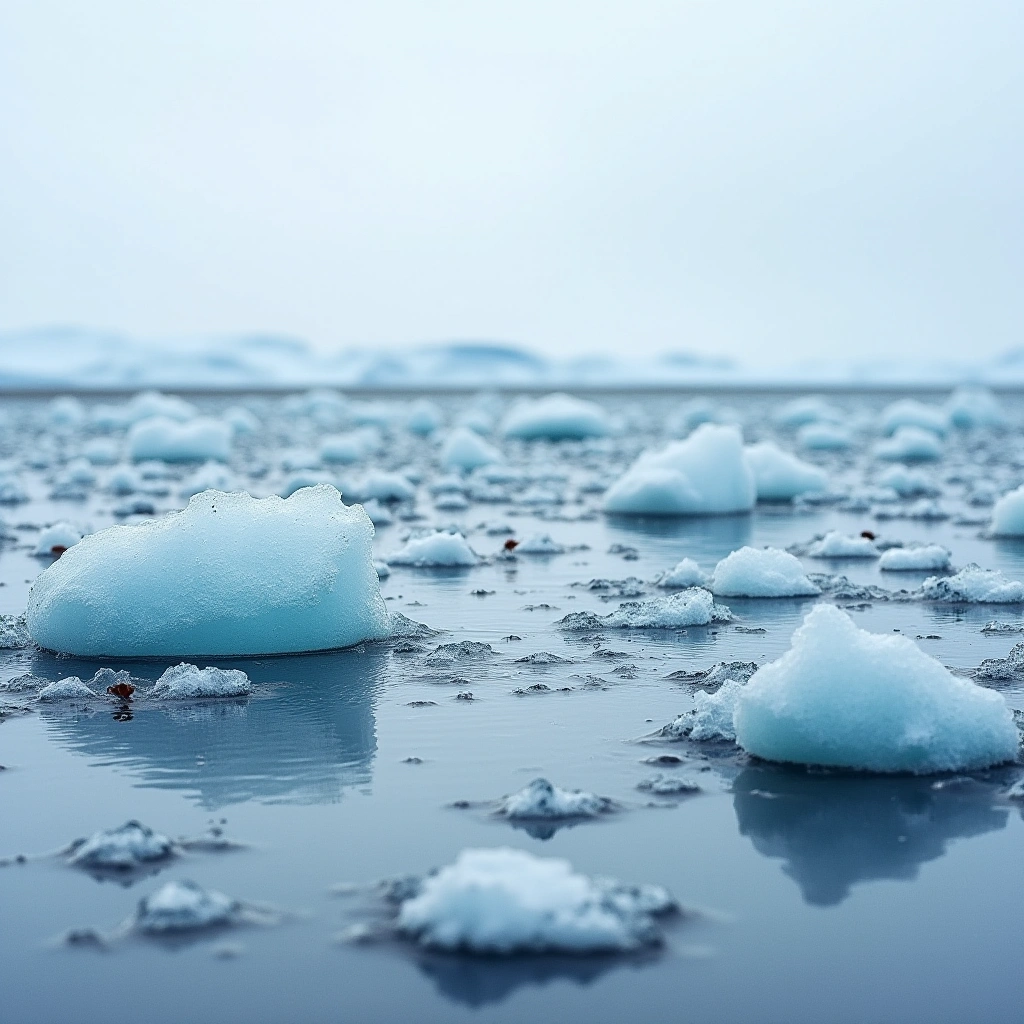
    Then there are the pessimists, who seem to have a permanent frown and a penchant for doomsday scenarios. They point to melting ice caps, rising sea levels, and the fact that it’s October and I still can’t find my favorite pumpkin spice latte without a line that stretches to the horizon. They’re right to be concerned, but their approach can often lead to a paralyzing sense of hopelessness.

    So, what’s the solution? It’s simple really: we need to move beyond these extremes and embrace a more nuanced perspective. This is where the magic of solidarity comes into play. When we gather together—whether it’s through community action, local initiatives, or just sharing memes about climate change—we create a supportive environment that encourages action rather than despair.

    Imagine a world where optimists and pessimists hold hands (not literally, please—let’s keep it hygienic) and work together. The optimists can inspire the pessimists with their hopeful visions, while the pessimists can ground the optimists with a healthy dose of reality. It’s like a buddy cop movie, but instead of solving crimes, they’re saving the planet.

    In practical terms, this means fostering conversations that acknowledge the gravity of the situation without succumbing to despair. It’s about finding comfort in community and recognizing that while the challenges are real, so too are the solutions. We can work on policies that drive meaningful change, support local sustainable businesses, and advocate for responsible consumption without feeling like we’re all just waiting for the world to end.

    So, dear readers, let’s aim for a balanced approach. Let’s embrace the optimism that comes with progress while keeping a realistic perspective on the challenges ahead. Together, we can find comfort in our collective efforts and solidarity in our shared goals. And who knows, maybe one day we’ll look back at this time and laugh—assuming, of course, that we’ve solved the climate crisis and are sipping our lattes on a beautiful, sustainable planet.

    In conclusion, let’s ditch the extremes and find our middle ground. Because if we don’t, we might just end up on the wrong side of history—or worse, stuck in an endless debate about whether or not pineapple belongs on pizza. And that, my friends, is a fate worse than rising sea levels.


    Inspired by: “Beyond Climate Optimism, Beyond Climate Pessimism” (r/climatechange)

  • Absolute Zero Fossil Fuels: A Radical but Necessary Approach to Climate Change

    Absolute Zero Fossil Fuels: A Radical but Necessary Approach to Climate Change

    GD: In the age of climate emergency, one of the central myths that breeds complacency is that breakthrough technologies will gallop to the rescue, when instead we require radical action. In your words, this is the “comfort blanket of techno-optimism". So, oil and coal can be burnt because we’ll capture and store all the carbon; or biomass can be burnt and all the carbon stored; transport can switch from fossil fuels to hydrogen; planes can fly on biofuels and batteries.

    When it comes to tackling climate change, we’ve all heard the buzzwords: “net zero carbon” is the phrase of the moment. Everyone’s talking about it, from politicians to your eco-conscious aunt who insists on sending you links to documentaries about the dangers of plastic straws. But let’s pause for a second and consider a bolder proposition: what if we aimed for absolute zero fossil fuels? Yes, you heard me right—no oil, no gas, no coal. Just pure, unadulterated clean energy. Sounds radical, doesn’t it? But let’s think about it.

    According to some climate scientists, to keep global warming below 1.5 °C, a staggering 60% of oil and gas reserves and 90% of coal need to stay underground. That’s right—locked away like your high school diary. So, if we’re serious about this whole climate thing, we must cap our remaining oil and gas production to only 40% of what’s left. In simpler terms, we need to stop digging up new fossil fuels, which includes halting projects like the Rosebank and Jackdaw developments in the UK.

    Now, let’s break this down a bit more. Imagine a world where we set a cap on oil and gas production right now, tapering it down to zero by 2050 or whenever we run out of that precious 40%. Sounds great in theory, but is it actually possible?

    First off, let’s talk about the logistics. Transitioning to absolute zero fossil fuels would mean a massive overhaul of our energy systems. We’d need to ramp up renewable energy sources faster than you can say “solar panel”—which, let’s be honest, is a mouthful. Wind, solar, geothermal, and other clean alternatives must become our primary energy sources. It’s like trying to switch from a flip phone to the latest smartphone overnight; doable, but definitely not without a few hiccups.

    Now, there’s also the economic aspect. The fossil fuel industry is a giant cash cow, and many governments rely heavily on it for revenue. So, asking them to stop the gravy train might feel like asking a toddler to give up their favorite toy. But here’s the kicker: investing in renewable energy could create jobs and stimulate economic growth. It’s not just about saving the planet; it’s also about creating a sustainable economy that doesn’t rely on outdated practices.

    Of course, there are skeptics. Some will argue that absolute zero fossil fuels is just a pipe dream—a utopian fantasy that ignores the realities of our current energy needs. But let’s not forget that the longer we wait to take drastic action, the worse the consequences will be. If we keep waiting for the perfect moment to make a change, we might as well be waiting for pigs to fly.

    In the end, the conversation about climate change needs to shift from merely achieving net zero carbon to truly addressing the root of the problem: fossil fuels. It’s time to have the tough conversation about absolute zero. Can we do it? Well, if we can convince everyone to stop using single-use plastics, I’d say we have a fighting chance. Let’s roll up our sleeves and get to work—because the planet isn’t going to save itself.

    So, what do you think? Are you ready to dive into the world of absolute zero fossil fuels? Or would you rather stick to the comforting embrace of net zero? Either way, the clock is ticking, and Mother Earth is watching.


    Inspired by: “Forget Net Zero Carbon – lets talk about Absolute Zero Fossil Fuels” (r/climatechange)

  • What Kind of World Are We Leaving Behind? A Deep Dive into Climate Change Concerns

    What Kind of World Are We Leaving Behind? A Deep Dive into Climate Change Concerns

    The extreme droughts, devastating wildfires, massive floods, deadly hurricanes, and widespread famines that we’re seeing more and more of these days will cease to be statistical anomalies and instead be more like seasonal markers, as regular as the changing of the leaves. If such imagery shocks, the time line stuns. To avoid global catastrophe, according to the report, we’ll need to reduce global carbon emissions by as much as 40 percent by 2030. Despite all the evidence at our feet showing that climate change is an indelible part of our present-day lives, there are still some people who think of it as something far-off—a problem primarily for future generations to solve.

    Let’s take a moment to ponder a question that seems to be hanging over our heads like a rain cloud on a sunny day: what kind of world are we leaving behind for future generations? If you’re anything like me, you’ve probably had moments of existential dread while scrolling through social media, wondering how we managed to screw things up so badly. Spoiler alert: it’s not looking great.

    Climate change and global warming aren’t just buzzwords tossed around at dinner parties anymore; they are a reality we are living in. We’re not talking about the distant future here, folks. The consequences of our actions (or lack thereof) are already knocking on our doors, and let me tell you, they’re not bringing cookies. Instead, they’re bringing wildfires, floods, and heatwaves that make you question why you ever thought it was a good idea to live in a place that is essentially a giant oven.

    Now, let’s take a step back and think about what this means for future generations. Imagine your grandchildren looking at you with wide eyes, asking, “Why didn’t you do anything when you had the chance?” And then, just for dramatic effect, they might add, “Do you even care?” Ouch, right? It’s like the ultimate guilt trip, and I can already feel the weight of their disappointed stares.

    So, what’s the deal here? Are we really just going to sit back and watch as our planet becomes a hot mess—literally? It’s like we’re the main characters in a dystopian movie, but instead of fighting back against the impending doom, we’re binge-watching Netflix and pretending everything is fine. I mean, who doesn’t love a good distraction?

    But here’s the kicker: we still have time to change course. Yes, it might feel like we’ve already gone too far, like trying to put out a fire with a squirt gun, but there’s still hope! We can still make a difference, even if it feels like we’re swimming against a tsunami. Small actions, like reducing waste, using public transport, or even just having conversations about climate change, can add up to something significant. It’s like the butterfly effect, but instead of butterflies, we’re hoping for a world that doesn’t resemble a scene from Mad Max.

    Let’s not forget about the power of collective action. When we come together, we can create change on a larger scale. So, whether it’s marching in protests, supporting sustainable businesses, or simply being more mindful of our choices, every little bit helps. It’s like the old saying goes, “Many hands make light work”—or in this case, many hands can help save the planet.

    In conclusion, the world we leave behind isn’t just a future problem; it’s very much a present issue. And while it might seem daunting, we have the power to change the narrative. So, let’s not just sit back and watch the world burn (literally). Let’s take action, have those difficult conversations, and maybe—just maybe—leave a world that our kids and grandkids won’t look back on with disdain. After all, who wants to be remembered as the generation that could’ve done something but chose to binge-watch instead? Not me, that’s for sure!


    Inspired by: “Sometimes I genuinely wonder what kind of world we’re leaving behind.” (r/climatechange)

  • Ospreys Over the MCG: A Bird’s Eye View of Melbourne’s Iconic Ground

    Ospreys Over the MCG: A Bird’s Eye View of Melbourne’s Iconic Ground

    1 photograph : print on card mount ; mount 9 x 18 cm (stereograph format)

    If you’ve ever been to the Melbourne Cricket Ground (MCG), you know it’s not just a sporting venue; it’s a cultural landmark, a shrine to Australian rules football, and a place where you can accidentally step on someone’s foot while trying to get to your seat. But recently, it seems that the MCG has attracted some feathered visitors that are stealing the spotlight – ospreys! Yes, those magnificent birds of prey are soaring above the hallowed grounds, and it’s not just for the popcorn.

    Thanks to a recent post on Reddit by user /u/legit_candidate, we got a glimpse of these stunning creatures captured in a photo taken at 850nm. Now, if you’re like me, you’re probably wondering, “What in the world does 850nm mean?” Well, it’s a wavelength used in infrared photography that can make things look a bit funky – and by funky, I mean it gives the image a surreal vibe that’s almost otherworldly. So, if you’re expecting a National Geographic level of clarity, think again. But hey, who doesn’t love a little artistic flair?

    So, why are ospreys hanging out over the MCG, you ask? It’s not because they’ve suddenly developed an interest in cricket or footy. These birds are known for their impressive hunting skills, often diving into water to catch fish. With the Yarra River nearby, it’s like they’ve found the ultimate buffet. Who wouldn’t want to grab a quick snack while enjoying the sights of excited fans cheering for their favorite team?

    Ospreys are fascinating creatures. They’re known for their distinctive white head and dark eye patches, which give them a somewhat grumpy look – like they just found out their favorite fish restaurant is closed. They’re also quite large, with wingspans that can reach over six feet. So, if you’re sitting in the stands and one of these majestic birds swoops overhead, just remember: it’s not a sign that you need to duck; it’s just Mother Nature flexing her muscles.

    The sighting of ospreys over the MCG is more than just a cool photo opportunity; it’s a reminder of the wildlife that exists in and around our urban spaces. Melbourne is a city that prides itself on being vibrant and full of life, and sometimes that life comes in the form of beautiful birds soaring through the sky. It’s almost poetic, really, a juxtaposition of nature and sport.

    So, next time you find yourself at the MCG, take a moment to look up. You might just catch a glimpse of an osprey, and who knows – you might even feel a little envious of their freedom as they glide effortlessly above the chaos of the game. Just remember, if you see one dive-bombing toward the ground, it’s probably not for a cricket catch; it’s just looking for lunch.

    In conclusion, ospreys over the MCG is not just a quirky title for a Reddit post; it’s a reminder that even in the heart of a bustling city, nature finds a way to thrive. So, here’s to the ospreys – may they continue to soar high and keep the MCG lively with their presence. Just maybe bring a little less funkiness next time, yeah?


    Inspired by: “Ospreys over the MCG” (r/melbourne)

  • Warming-Induced Emissions: The Overlooked Factor in Climate Change Models

    Warming-Induced Emissions: The Overlooked Factor in Climate Change Models

    Rising temperatures are set to drive up emissions from wildfires, fermenting wetlands, and melting permafrost , but these feedback loops are poorly captured in climate models. Scientists are racing to make sense of these emissions to gauge how …

    Ah, climate change—our favorite topic that keeps giving us reasons to worry. If you thought you had a handle on the warming situation, hold on to your reusable coffee cups because new research is here to throw a wrench in the gears. It turns out that warming-induced emissions (WIE) of greenhouse gases, which are emitted from natural sources as the planet heats up, might be the ultimate party pooper in our climate models.

    So, what are these WIE emissions? Well, it’s not a new trendy drink you’ll find at your local café. Instead, these emissions are the result of natural processes that kick in as temperatures rise. Think of it like a vicious cycle—warmer temperatures lead to more greenhouse gases being released from soil, permafrost, and even oceans. It’s like Mother Nature decided to join the climate change party but forgot to bring snacks and instead brought a whole lot of extra CO2 and methane.

    According to a post on Reddit, which I stumbled upon while trying to distract myself from my existential dread, scientists have projected that these warming-induced emissions could add an additional 0.2 °C to 0.4 °C to global warming by the year 2100. That’s not just a minor hiccup; that’s a significant bump in the road. And let’s be real, we’re already at a point where every fraction of a degree matters.

    The study suggests that this added warming could split evenly between carbon dioxide and methane emissions, which is just fantastic news for those of us who enjoy the smell of burnt toast—oh wait, that’s just the methane. This means that the post-2020 anthropogenic warming could be amplified by 20% to 30%. Just when you thought we were getting a grip on things, Mother Nature throws us a curveball.

    Now, here’s where it gets a bit hairy. Most climate models currently in use don’t account for these warming-induced emissions. Why? Well, because the scientific community is still busy trying to figure out how to model a planet that seems to be throwing tantrums on an unprecedented scale. Ignoring these emissions might lead to a systematic underestimation of future warming and an overestimation of the carbon budgets we have left. In simpler terms, we might think we have more time to fix things than we actually do.

    The uncertainties in the projections are also worth noting. The added warming could vary by ±0.2 °C, and the amplification of warming could fluctuate by ±10% to 30%. So, if you’re a fan of math, you might enjoy figuring out just how many degrees of warming we could be in for—assuming, of course, that you’re not already too busy trying to remember where you left your sanity.

    In conclusion, if it feels like we’re playing a game of climate roulette, it’s because we are. As we continue to grapple with the realities of climate change, it’s crucial to keep an eye on factors like warming-induced emissions. They may not be the most glamorous topic at the climate change cocktail party, but they’re certainly one of the most important. So, the next time you hear someone say, “It’s just a little warming,” remember that every little bit counts, and sometimes those little bits come from unexpected places—like warming-induced emissions. Cheers to that!


    Inspired by: “Projected amplification of global warming by warming-induced greenhouse gas emissions” (r/climatechange)

  • When Climate Change Hits Home: The Reality of Nepal’s Floods and Landslides

    When Climate Change Hits Home: The Reality of Nepal’s Floods and Landslides

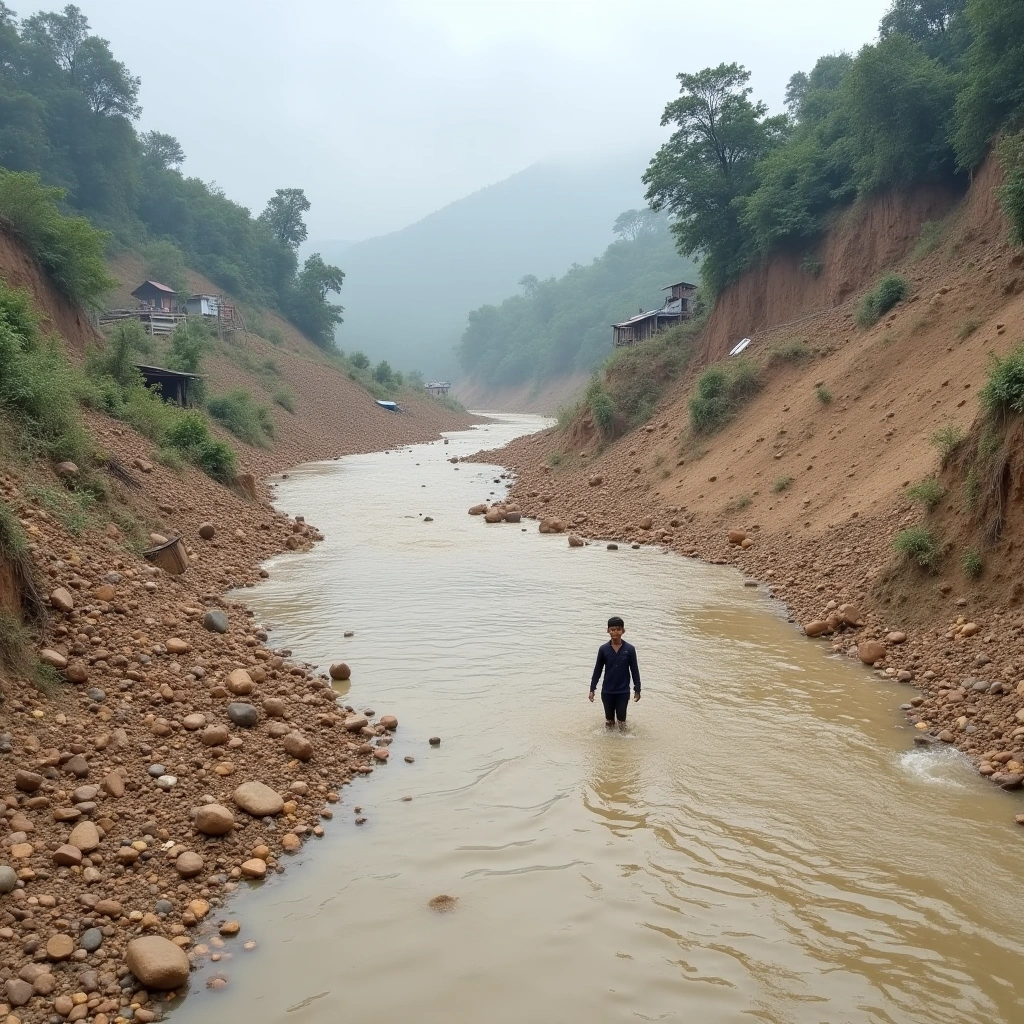
    The Himalayas – spanning Nepal, India, China, Bhutan and Pakistan – are warming twice as fast as the global average, putting the region at increased risk of avalanches, landslides and floods .

    Is climate change starting to feel more real? Well, if you’re living in Nepal, the answer is a resounding yes. It’s not just about glaciers melting or summers getting hotter; it’s about the increasing floods and landslides that seem to be becoming a regular guest at the party of natural disasters. And trust me, nobody wants that party invite.

    Nepal has long been vulnerable to the whims of nature, with its stunning mountains and valleys that are as beautiful as they are precarious. But now, as extreme rainfall events become more frequent, the situation is getting downright alarming. Imagine trying to enjoy your morning chai while the sky opens up and decides to unleash a monsoon that could drown a small village. Not exactly the peaceful morning you envisioned, right?

    Floods and landslides are not just inconvenient; they are life-threatening. They displace communities, destroy homes, and wreak havoc on agriculture, which is the lifeblood of many rural areas in Nepal. And as climate change continues to rear its ugly head, these events are likely to become more intense and more common. So, while some of us might be worried about that extra scoop of ice cream, people in Nepal are worrying about whether their home will still be standing after the next storm.

    Let’s break it down a bit. The science behind climate change tells us that warmer air holds more moisture, which can lead to heavier rainfall. Combine that with Nepal’s mountainous terrain and you’ve got a recipe for disaster. The already fragile ecosystem is being stretched to its limits, and communities that have survived for generations are now facing challenges that feel insurmountable.

    But it’s not all doom and gloom. Awareness is crucial, and discussions around climate change are more necessary than ever. People from the region are starting to notice these changes, and that’s a good first step. It’s like finally realizing that your favorite shirt is two sizes too small; you can’t ignore it anymore. There’s a growing understanding that we need to adapt and prepare for these changes, whether it’s through better infrastructure or sustainable farming practices.

    So, what can be done? Well, for starters, we need to support local initiatives that aim to tackle climate change. This could mean anything from helping farmers adopt more sustainable practices to advocating for better water management systems that can handle extreme weather. And let’s not forget about the importance of global cooperation. Climate change doesn’t care about borders; it affects us all. So, it’s time to put aside our differences and start working together as if our lives depend on it—because they do.

    In conclusion, climate change is not just a distant threat; it’s knocking on the door, and in places like Nepal, it’s already barged in and made itself comfortable. The floods and landslides are a clear indicator that we need to take action—yesterday. So, the next time you hear someone dismissing climate change as a hoax, just remember that for many, it’s a daily reality. And while you’re at it, maybe offer them a nice cup of tea to cool off their hot takes. Because at the end of the day, we’re all in this together, whether we like it or not.


    Inspired by: “Is climate change starting to feel more real?” (r/climatechange)

  • Diving Into the Bookshelf: Your Guide to Understanding Climate Change

    Diving Into the Bookshelf: Your Guide to Understanding Climate Change

    This book offers a visual guide to the major topics in climate science, presented in an easy-to-read question and answer format . Dire Predictions is very useful for gaining an accurate big-picture understanding of the most important findings. It’s also terrific as a guide for discussing climate …

    Hey there, fellow Earthlings! If you’re worried about climate change—and let’s be honest, who isn’t?—you’re probably looking for some solid reading material that goes beyond the endless scroll of Instagram reels and TikTok dances about the impending doom of our planet. Fear not, because I’ve got your back!

    First off, let’s acknowledge the elephant in the room: climate change is a big deal. It’s not just a topic for a heated debate at your next family dinner or a passing trend that will fade away like last year’s fashion. Nope, it’s a reality that requires our attention, understanding, and, yes, action. So, if you’re ready to swap those short videos for some good old-fashioned reading, here are some must-read books that will help you make sense of this global crisis.

    1. “This Changes Everything: Capitalism vs. The Climate” by Naomi Klein

    This book is like a wake-up call with a side of coffee. Klein dives deep into how our economic systems contribute to climate change and challenges the notion that we can continue business as usual. Spoiler alert: we can’t. It’s a thought-provoking read that might make you rethink your next online shopping spree (sorry, Amazon!).

    2. “The Uninhabitable Earth: Life After Warming” by David Wallace-Wells

    If you’re looking for a book that’s a bit of a reality check, this one is it. Wallace-Wells paints a picture of what our world might look like if we don’t take action. It’s not all doom and gloom, but it’s a stark reminder that we need to get our act together—like yesterday.

    3. “Field Notes from a Catastrophe: Man, Nature, and Climate Change” by Elizabeth Kolbert

    Kolbert takes us on a journey across the globe, exploring how climate change is affecting different regions. Think of it as a travelogue, but instead of picturesque beaches, you get a front-row seat to the impacts of global warming. It’s educational, engaging, and might just inspire you to travel to places that are still beautiful—before they’re not!

    4. “The Sixth Extinction: An Unnatural History” by Elizabeth Kolbert

    Yes, Kolbert again! She’s kind of a big deal in the climate change literature scene. This Pulitzer Prize-winning book discusses the current mass extinction event caused by human activity. If you want to impress your friends at parties, just casually drop that you’re reading a book about the end of biodiversity.

    5. “Our Final Warning: Six Degrees of Climate Emergency” by Mark Lynas

    Lynas explores what happens as global temperatures rise, degree by degree. It’s like a temperature gauge for our collective fate. If you’re looking for a bit of a thriller vibe with your climate facts, this book will keep you on the edge of your seat.

    6. “The Climate Crisis: An Introductory Guide to Climate Change” by David G. Victor and others

    For those who appreciate a straightforward approach, this book breaks down the science and policy surrounding climate change. It’s perfect for anyone who wants to understand the nitty-gritty without feeling like they’re drowning in technical jargon.

    7. “How to Avoid a Climate Disaster: The Solutions We Have and the Breakthroughs We Need” by Bill Gates

    Yes, that Bill Gates. He’s not just about tech; he’s got some pretty solid ideas on how to tackle climate change as well. This book is a mix of optimism and practicality, making it a good choice if you’re looking for solutions rather than just problems.

    So, there you have it! A list of books that will not only inform you about climate change but might also spark some serious conversations (or arguments, depending on your family). Just remember, knowledge is power, and reading these books is a step towards understanding and ultimately addressing the climate crisis. Now, go forth, grab a book, and become the climate change guru of your friend group. You can thank me later!


    Inspired by: “Books to understand climate change better?” (r/climatechange)

  • Unlocking Positive Tipping Points: The Climate Solutions That Could Save Us All

    Unlocking Positive Tipping Points: The Climate Solutions That Could Save Us All

    Tim Lenton, Professor of Climate Change and Earth System Science at the University of Exeter, says positive tipping points, such as the shift to electric vehicles , can save our climate.

    Hey there, fellow earthlings! Let’s talk about something that’s been on all our minds lately—climate change. I know, I know, it’s a heavy topic, but stick with me; I promise we’ll sprinkle in some humor along the way. So, scientists have recently revealed some climate solutions that are most likely to reach what they call ‘positive tipping points.’ Sounds fancy, right? But what does it actually mean?

    First off, a positive tipping point is that magical moment when small changes lead to significant shifts in the system. Think of it like when you finally manage to convince your friends to try that new taco place. At first, it’s just you, but before you know it, everyone’s obsessed with tacos, and you’re the hero of the day (or at least until someone finds a better taco joint).

    So, what are these climate solutions that could potentially create our very own taco moment in the fight against climate change? Well, let’s dive in!

    1. Renewable Energy: This one’s a no-brainer. Solar and wind energy are like that reliable friend who always shows up on time. They’re clean, sustainable, and can help us transition away from fossil fuels. If we can ramp up investments in renewables, we could see a massive reduction in greenhouse gas emissions. Plus, who doesn’t want to live in a world where we’re not choking on smog while sipping our lattes?

    2. Reforestation: Trees are basically nature’s air filters. They absorb carbon dioxide and release oxygen, which is kind of essential for us humans. Scientists are advocating for large-scale reforestation efforts, and honestly, it’s time we start hugging more trees (not just the ones in our backyard). Imagine a world where we plant enough trees to rival the number of avocado toast enthusiasts. Now that’s something to strive for!

    3. Sustainable Agriculture: Let’s face it, our current agricultural practices are about as sustainable as a paper straw. By adopting more sustainable farming methods, we can reduce emissions from agriculture, which accounts for a significant chunk of our carbon footprint. Think less tilling and more cover crops. And yes, your local farmer’s market will thank you!

    4. Energy Efficiency: You know that feeling when you finally remember to turn off the lights before leaving the room? Yeah, we need to channel that energy on a larger scale. Improving energy efficiency in buildings and transportation can lead to significant reductions in energy consumption. So, let’s all agree to stop leaving the fridge door open while we ponder life’s biggest questions, shall we?

    5. Carbon Capture Technology: Okay, this one sounds like something straight out of a sci-fi movie, but it’s real! Carbon capture technology involves capturing carbon dioxide emissions from sources like power plants and storing it underground. It’s like putting a lid on your overflowing trash can—just a lot more complicated and way less smelly.

    Now, it’s important to note that while these solutions show promise, they require a collective effort. The key takeaway here is that we all have a role to play. Whether it’s voting for eco-conscious policies, supporting sustainable businesses, or simply educating ourselves and others about climate issues, every little bit helps.

    In conclusion, while we may feel like we’re standing on the edge of a climate cliff, there’s still hope. By focusing on these positive tipping points, we can create a ripple effect that leads to a healthier planet. So let’s roll up our sleeves, put on our eco-friendly capes, and get to work! After all, if we don’t, who will?

    And remember, saving the planet doesn’t have to be all doom and gloom. It could be a taco party waiting to happen!


    Inspired by: “Climate solutions most likely to reach ‘positive tipping points’ revealed by scientists” (r/climatechange)

  • The Permafrost Predicament: Why We Should Pay Attention to Climate Feedback Loops

    The Permafrost Predicament: Why We Should Pay Attention to Climate Feedback Loops

    Current climate models often underestimate the magnitude and rate of carbon release from thawing permafrost , leading to uncertainties in future climate projections. Several factors contribute to this underestimation:

    So, it looks like we have another study telling us that the climate crisis is, well, a bit more complicated than we thought. Shocking, right? According to a new study that’s making waves (or maybe just ripples, depending on how you feel about climate news), the feedback mechanisms from permafrost and other sources are not getting the attention they deserve. And by ‘not getting enough attention,’ I mean they’re about to crash the climate party in a big way, possibly adding an extra 0.2 to 0.4 degrees Celsius of heating by 2100.

    Let’s break that down. First, permafrost is like Earth’s frozen sponge, holding onto a vast amount of carbon that’s been tucked away for ages. When it thaws, which it inevitably will because, you know, global warming, all that carbon gets released into the atmosphere. And surprise, surprise, that carbon is like the party crasher who shows up uninvited and starts hogging the karaoke machine—except instead of singing off-key, it’s warming the planet.

    Now, if you’re thinking, “Oh great, just what we need, more warming,” you’re not alone. The study highlights that previous models of climate change might have underestimated this feedback loop. So, the next time someone tells you that climate change is under control, just nod and smile, but maybe also roll your eyes a little. Because it seems like we’re in a bit of a pickle.

    The researchers behind this study pointed out that many climate models didn’t fully account for these feedback mechanisms. It’s like doing your taxes but forgetting to include half of your income—suddenly, you owe a lot more than you thought. And considering that we’re already dealing with rising sea levels, extreme weather events, and the general chaos of climate change, the last thing we need is more surprises.

    So, what does this mean for us regular folks? Well, if you’re planning on visiting the beach in 2100, you might want to check your local real estate listings for waterfront properties—because they might be underwater by then. Or if you’re hoping for a nice winter vacation in the Arctic, better book your tickets soon; those icy landscapes might be less icy and more… well, watery.

    But let’s not just throw our hands in the air and give up. This study, while alarming, can also serve as a wake-up call. It underscores the importance of taking climate change seriously, investing in renewable energy, and maybe even listening to those scientists who have been trying to warn us for years (thanks, guys!).

    In conclusion, as we continue to grapple with climate change, let’s keep our eyes peeled for these feedback loops that might just be the wild cards in our climate predictions. Because if there’s one thing we’ve learned from this whole situation, it’s that ignoring the problem doesn’t make it go away. Let’s hope we can figure this out before we’re all living in a giant sauna.

    So, buckle up, folks. The climate ride is about to get a bit bumpier, and we need to be prepared—preferably with some sunscreen and a good pair of floaties.


    Inspired by: “New study claims climate feedback from permafrost and other sources underrepresented, suggests this…” (r/climatechange)