Category: Nature

  • What Europe’s Summer Emergency Can Teach Australia About Climate Preparedness

    What Europe’s Summer Emergency Can Teach Australia About Climate Preparedness

    It affects the postcodes of Sydney, Melbourne, Brisbane, Adelaide and Perth differently, but is now a national test of whether our homes, cities and services are ready for the climate we have .

    Ah, summer in Europe—where the sun shines, the beaches beckon, and wildfires rage like a teenager’s emotions. This past summer, Europe faced a climate crisis that served as a glaring warning sign, not just for its own residents but for countries like Australia, which might as well be taking notes while sitting in a sauna. With temperatures soaring and extreme weather events becoming the new norm, it’s time for Australia to pay attention before it finds itself in a similar pickle.

    So, what exactly happened in Europe? Well, picture this: heatwaves, droughts, and wildfires that made everyone wonder if they were accidentally living in a post-apocalyptic movie. Countries like Greece, Spain, and Italy were battling not just the heat, but also the devastating consequences it brought with it—think scorched earth and a serious toll on agriculture and ecosystems.

    Now, let’s connect the dots to Australia. Just like Europe, Australia has its fair share of climate challenges. Remember those bushfires that seemed to last forever a few years back? Yeah, they weren’t a one-off event. The land down under is already feeling the heat (literally and figuratively) and if Europe’s summer emergency is any indication, we better start taking notes.

    First off, let’s talk about preparedness. Europe’s crisis highlighted the importance of having a solid plan in place. Think of it as a fire drill, but instead of a school, it’s your entire country. Australia needs to ramp up its emergency response strategies, invest in infrastructure that can withstand extreme weather, and ensure that local communities are equipped to deal with the worst-case scenarios. Because let’s be honest, nobody wants to be caught with their pants down when the heat turns up.

    Next up, we have the lovely topic of agriculture. Europe’s farmers faced massive crop failures due to the extreme conditions, which is about as fun as stepping on a Lego in the dark. Australia, with its agricultural sector already under pressure, needs to adapt to changing weather patterns. Crop rotation, drought-resistant crops, and smart irrigation practices should be on every farmer’s to-do list. Let’s make sure our food supply doesn’t go the way of the dodo, shall we?

    And speaking of adaptation, let’s not forget about our ecosystems. Europe saw wildlife struggling to cope with the heat, and Australia’s unique flora and fauna are equally at risk. Deforestation, habitat loss, and climate change are already wreaking havoc on our beloved critters. It’s time to prioritize conservation efforts and create more protected areas. After all, we need something to show future generations other than just a bunch of selfies with a koala.

    Now, let’s address the elephant in the room: climate change is not going away. It’s like that one friend who keeps showing up uninvited to every gathering. Ignoring it won’t make it disappear, and pretending it’s not affecting us is a recipe for disaster. Australia needs to take bold steps to reduce greenhouse gas emissions and transition to renewable energy sources. If Europe can tackle these issues, so can we.

    In conclusion, Europe’s summer emergency serves as a wake-up call for Australia. The lessons learned from their struggles should not be ignored. We need to be proactive, not reactive. Let’s invest in our future, protect our environment, and ensure that we don’t find ourselves in a fiery mess when the next heatwave hits. Because trust me, no one wants a front-row seat to that show. So, grab your water bottles, put on some sunscreen, and let’s get to work! The future is hot, and we better be ready for it.


    Inspired by: “Europe’s summer emergency was a dire warning for Australia. What can be learned before it’s too lat…” (r/climatechange)
  • Alfa Laval Joins the Carbon Capture Crusade: A Game Changer for Europe’s Climate Goals

    Alfa Laval Joins the Carbon Capture Crusade: A Game Changer for Europe’s Climate Goals

    14, 2026 /PRNewswire/ — Alfa Laval … with Carbon Capture and Storage) project to supply heat transfer equipment for one of Europe's largest bioenergy carbon capture facilities ….

    In a world where climate change discussions often feel like a broken record—same old warnings, same old doom and gloom—it’s refreshing to hear some good news once in a while. Enter Alfa Laval, a company that has just been selected by Saipem to provide heat transfer technology for one of Europe’s largest carbon capture projects. Yes, you heard that right! A carbon capture project that could actually make a difference in the fight against climate change. I mean, it’s not every day you get to hear about a project that might help save the planet and not just your local hipster coffee shop’s recycling efforts.

    So, what does this mean, and why should we care? Well, let’s break it down. Carbon capture and storage (CCS) is one of those fancy tech terms that sounds like it belongs in a sci-fi movie but is very much rooted in reality. Essentially, it’s a process that captures carbon dioxide emissions from sources like power plants and industrial processes, preventing them from entering the atmosphere. Then, instead of letting that CO2 just hang out in the air like an uninvited guest, it’s stored underground or used in various applications. Talk about a glow-up for emissions!

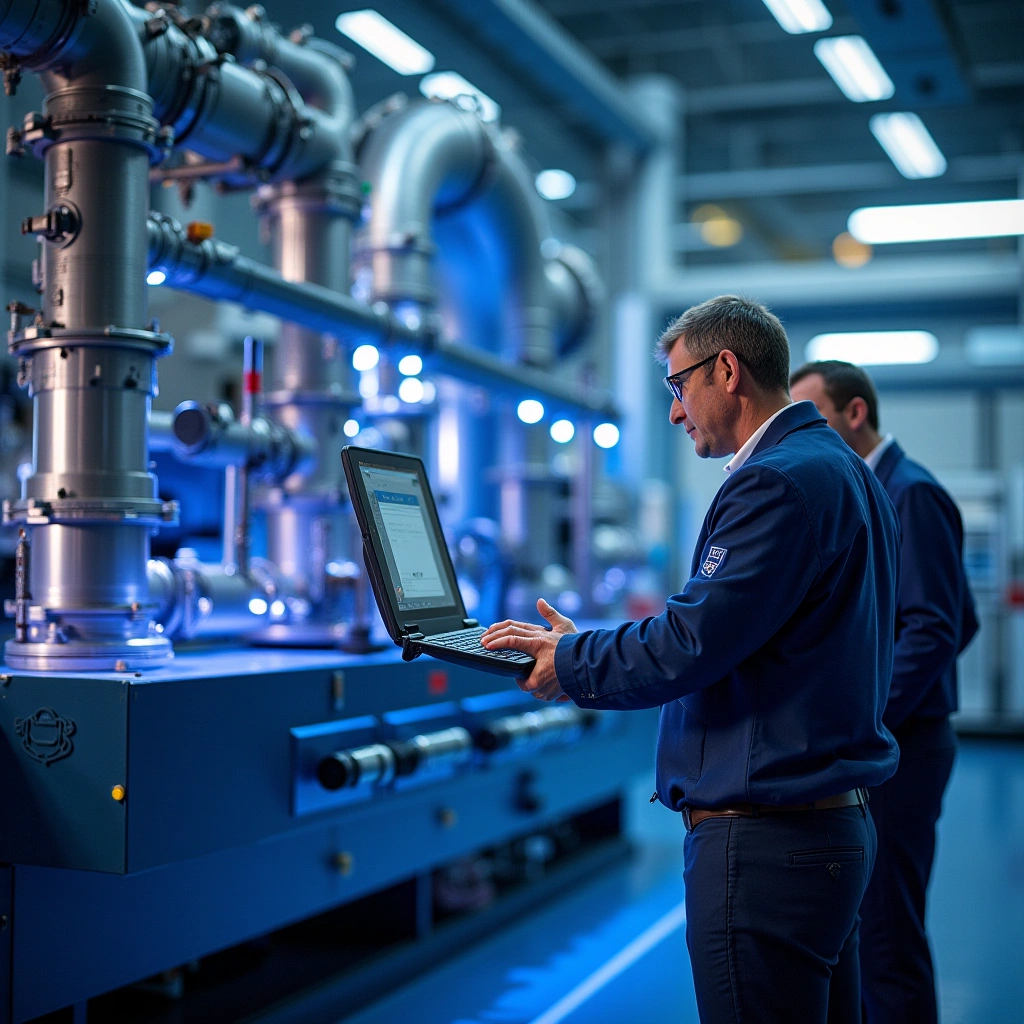
    Now, Alfa Laval is stepping up to the plate with its heat transfer technology. Heat transfer might not sound like the most exciting topic—after all, it’s not like we’re talking about the latest Marvel movie—but it plays a crucial role in making carbon capture more efficient. Think of it as the unsung hero of the climate change battle. Without effective heat transfer solutions, the entire carbon capture process could end up being about as useful as a chocolate teapot.

    By partnering with Saipem, a global leader in engineering and construction, Alfa Laval is getting a front-row seat to one of the most ambitious carbon capture projects in Europe. This project aims to significantly reduce CO2 emissions and is part of the broader effort to meet the European Union’s climate targets. You know, those targets that sometimes seem as far away as a unicorn on a rainbow.

    What’s particularly exciting about this collaboration is its potential scale. If successful, it could pave the way for more carbon capture initiatives across Europe and beyond. Imagine a future where carbon capture isn’t just a buzzword thrown around at conferences but a reality that helps mitigate the effects of climate change. It’s like dreaming of a world where we can all drink coffee without guilt because it’s sustainably sourced and fair trade. A girl can dream, right?

    Of course, not everyone is on board with carbon capture technology. Critics argue that it could allow fossil fuel companies to continue their operations without making significant changes to reduce emissions. It’s a valid concern, and we absolutely need to keep an eye on how these technologies are implemented. After all, we don’t want to be in a situation where we’re just putting a Band-Aid on a bullet wound.

    Still, the partnership between Alfa Laval and Saipem is a step in the right direction. It shows that companies are willing to invest in innovative technologies that could help us transition to a more sustainable future. And let’s be real: we could all use a little more optimism these days. So, here’s to heat transfer technology, carbon capture, and the hope that maybe—just maybe—we can turn this ship around before it sinks.

    In conclusion, while we may not have solved climate change overnight, projects like this give us a glimmer of hope. Let’s keep our fingers crossed that Alfa Laval and Saipem can deliver on their promises and help us take a giant leap toward a greener planet. Because if we don’t, we might just find ourselves in a world where climate change is the only thing we have to talk about—like that one friend who always shows up to the party and talks about their cat’s diet. No thanks, I’m good!


    Inspired by: “Alfa Laval selected by Saipem to supply heat transfer technology for one of Europe’s largest carbon…” (r/climatechange)

  • Is the Pacific Ocean Heating Up? What Does That Mean for 2027?

    Is the Pacific Ocean Heating Up? What Does That Mean for 2027?

    Forecasters are almost certain … months. El Niño is strengthening rapidly in the Pacific Ocean, raising the prospect of months of extreme heat, floods, drought, and disruptive weather around the globe ….

    Ah, the Pacific Ocean—our planet’s largest body of water and, apparently, the world’s biggest thermostat. If you’ve been paying attention (or even if you haven’t but have a pulse), you might have heard that the Pacific is heating up, and it’s raising some eyebrows. So, should we be worried about what 2027 has in store for us? Let’s dive in, shall we?

    First off, let’s talk about this little phenomenon called El Niño. For those who aren’t familiar, El Niño is like that friend who shows up uninvited, turns up the music too loud, and leaves a mess behind. It’s a climate pattern that occurs when the Pacific Ocean’s surface temperatures rise significantly, which can cause some serious disruptions in weather patterns across the globe. Think of it as the ocean’s version of cranking up the heat in the middle of summer—everyone’s going to feel it.

    According to the World Meteorological Organization (WMO), there’s a nearly 100% chance that this heat wave will stick around until February 2027. That’s right, folks, mark your calendars! With ocean temperatures already 2.2 to 2.6 degrees Celsius above normal, it’s pretty much a guarantee that we’re in for a wild ride. We’re talking more heat, more droughts, more floods—basically, the weather is about to get as unpredictable as your uncle at a family reunion.

    Now, you might be wondering, “What does that mean for me?” Well, it depends on where you live. If you’re in a drought-prone area, you might want to stock up on water and start practicing your rain dance. If you live in a region that’s prone to flooding, maybe consider investing in a boat or a really good pair of galoshes. And if you’re just trying to enjoy a nice day at the beach, well, good luck with that.

    But let’s take a step back. Is 2027 really going to be a year of weather chaos? Or are we just being dramatic? The truth is, climate change is already causing unusual weather patterns, and the heating of the Pacific could amplify those effects. People are noticing strange weather already! From unseasonably warm winters to unexpected downpours, our climate is throwing us curveballs left and right. It’s like Mother Nature is trying to keep us on our toes, and honestly, I’d prefer a little less exercise.

    So, what can we do? Well, aside from preparing for the worst, we can also advocate for more sustainable practices and push for policies that address climate change. It’s like trying to convince that friend to leave the party early—sometimes you just have to speak up and hope they listen.

    In conclusion, while we can’t predict the future with absolute certainty, it’s safe to say that the heating of the Pacific is something we should keep an eye on. Whether it leads to a year of weather chaos in 2027 or just a few more awkward family gatherings with unpredictable weather, it’s better to be prepared than to be caught off guard. So, stay informed, stay safe, and maybe invest in that rain dance class after all. You never know when you might need it!


    Inspired by: “The Pacific is heating up. Should we be worried about 2027?” (r/climatechange)

  • The Emotionally Charged Dilemma: Why Anger, Hope, and Compassion Aren’t Boosting Climate Donations

    The Emotionally Charged Dilemma: Why Anger, Hope, and Compassion Aren’t Boosting Climate Donations

    The research demonstrates that anger, compassion and hope play vital roles in helping shape people's understanding of climate change. But alone, they are not sufficient to produce actual, measurable change .

    If you’ve ever found yourself in a heated debate about climate change, you probably felt a surge of anger, a flicker of hope, or a wave of compassion wash over you. You might have thought, ‘Surely, these emotions will spur people into action!’ But hold on to your reusable straws, because a recent study suggests that these feelings might not be the magic keys we thought they were when it comes to opening the floodgates of climate donations.

    Yes, you heard that right. According to the study, emotions like anger, hope, and compassion do little to actually encourage more people to reach for their wallets and donate to climate causes. I can hear the collective gasp from environmentalists everywhere. It’s like finding out that your favorite superhero doesn’t have superpowers after all.

    Let’s break this down a bit. The idea behind using emotions to drive donations is pretty straightforward. You’d think that making people mad about climate inaction would make them want to donate to a solution. Or that sharing hopeful stories about renewable energy would inspire people to contribute. And hey, who doesn’t feel all warm and fuzzy when they hear about someone saving a whale, right? Yet, it turns out that these emotional triggers aren’t as effective as one might expect.

    So, what’s going on here? Are we just a bunch of emotionless robots when it comes to climate donations? Not exactly. The study indicates that while these emotions can spark conversations and awareness, they don’t necessarily translate into cold, hard cash. Maybe it’s because when people feel angry, they’re more likely to vent on social media rather than whip out their credit cards. And while hope sounds nice, it might not be as motivating as we’d like to believe.

    Compassion, on the other hand, might lead to a warm feeling in your heart but not necessarily a donation in your bank account. It’s like when you see those adorable puppy videos online. You feel the urge to adopt every single one of them, but then reality hits, and you remember that you can barely take care of yourself, let alone a puppy.

    So, what does this mean for climate organizations? Well, it could be time to rethink their emotional messaging strategy. Instead of pulling at heartstrings or igniting righteous fury, they might need to focus on practical appeals. Perhaps highlighting the tangible impacts of donations or showcasing specific projects that need funding could be more effective. You know, information that makes potential donors think, ‘Wow, my money could actually make a difference!’ rather than just feeling a surge of emotions that dissipate like the last bit of summer sun.

    It’s a tough pill to swallow for those of us who believed in the power of feelings. But hey, at least we can still get angry about climate change, right? Just maybe don’t expect that fury to fill up the donation box. So, the next time you feel that righteous anger, channel it into something productive—like a petition, a conversation with your friends, or maybe just a good old-fashioned rant over coffee. Just don’t forget to leave your wallet at home; apparently, it’s not invited to this emotional party.

    In conclusion, while emotions are a crucial part of the human experience, they may not be the driving force we hoped for when it comes to climate donations. It looks like it’s time to swap out the emotional appeals for some solid, practical messaging. Because if there’s one thing we can agree on, it’s that we need all hands on deck to tackle climate change—and that includes our wallets too!


    Inspired by: “Study: Anger, hope and compassion do little to spur more climate donations” (r/climatechange)

  • Australia’s Climate Goals: Why Doubling Down is the Only Option

    Australia’s Climate Goals: Why Doubling Down is the Only Option

    To curb climate change, we must rapidly transition away from their use . Australia committed to this goal at COP28 in 2023, at COP30 by signing the Belém Declaration and at the Santa Marta conference in April 2026.

    Ah, Australia. Home to kangaroos, koalas, and a climate crisis that’s starting to resemble a bad movie sequel—one that no one asked for but we all seem to be starring in. A recent study suggests that to meet our climate targets, Australia needs to double down. And by ‘double down,’ I don’t mean putting all your chips on red at the roulette table; I mean seriously ramping up our efforts to combat climate change.

    So, what’s the big deal? Well, it turns out that our beloved sunburnt country is facing some serious environmental challenges. Rising temperatures, extreme weather events, and a whole lot of sad coral reefs are just a few things on the list. If we don’t take action, we might just find ourselves in a climate pickle that no amount of Vegemite can fix.

    The study highlights that Australia is currently not on track to meet its climate goals. And let’s be honest—this is about as surprising as finding out that Sydney traffic is terrible. We’ve seen plenty of promises and plans, but the execution has been, shall we say, lackluster? It’s like saying you’ll go to the gym, but instead, you end up on the couch with a bag of chips. Spoiler alert: the chips win every time.

    So how can Australia double down? First, it’s time to get serious about renewable energy. Wind and solar power are not just trendy buzzwords; they’re the future! Investing in these technologies will not only help reduce emissions but also create jobs. That’s right, folks—clean energy can be a win-win. And let’s face it, who wouldn’t want to work in a field that doesn’t involve sitting in an office all day?

    Next up, let’s talk about carbon emissions. Australia has a reputation for being one of the highest per capita emitters in the world. That’s like being the kid in class who always has the highest score in the ‘worst excuses’ category. We need to cut down emissions from industries, transportation, and yes, even those backyard barbecues (sorry, mate!).

    Moreover, we can’t forget about our natural ecosystems. Protecting our forests and oceans is crucial. They’re like the lungs of our planet—except instead of breathing in fresh air, they’re just desperately trying to filter out our pollution. Supporting conservation efforts and sustainable practices will help ensure that our beautiful landscapes remain intact for future generations. And who doesn’t want their kids to enjoy a trip to the Great Barrier Reef without having to wear a snorkel to avoid the plastic?

    Now, you might be thinking, “But what can I do? I’m just one person!” Well, let me tell you, every little bit counts. Whether it’s reducing your waste, using public transport, or simply being more conscious of your carbon footprint, your actions matter. Plus, you can always join local climate action groups to amplify your voice. Because let’s be real, shouting into the void is not as effective as rallying with your community.

    In conclusion, Australia has a choice to make. We can either step up and double down on our climate commitments or sit back and watch as our beautiful country faces the consequences of climate inaction. The clock is ticking, and while it might feel daunting, the alternative is far scarier. So let’s get our act together, shall we? Because if we don’t, our future may end up looking like one of those dystopian movies—and nobody wants to live in a Mad Max sequel.

    Let’s make sure that Australia doesn’t just survive but thrives in a sustainable future. After all, we owe it to ourselves, our kids, and, most importantly, the kangaroos.


    Inspired by: “Australia must double down to meet our climate targets, new study shows how” (r/climatechange)

  • Time is Ticking: The Urgent Need to Save US Forests

    Time is Ticking: The Urgent Need to Save US Forests

    Together, we’re urging important decision makers to take action to protect older forests and trees on public lands in the United States from logging , and to ensure federal agencies work to recover these carbon rich landscapes for their climate, …

    Hey there, nature lovers and tree-huggers! Today, we’re diving into a topic that’s as urgent as your morning coffee: saving US forests. Yes, you heard it right—those majestic green giants that give us shade, clean air, and the occasional squirrel sighting are in a bit of a pickle.

    You might be thinking, “Why should I care about forests? I can get my oxygen from a can of soda, right?” Wrong! While soda may bubble up your energy levels temporarily, it won’t help you breathe easier in the long run. Our forests are crucial for maintaining a healthy ecosystem, and the clock is ticking faster than a toddler on a sugar rush.

    So, what’s the deal with US forests? Well, they cover about 30% of the land in the United States, which is roughly the size of Texas, but with fewer cowboys and more trees. They provide habitat for countless species, help regulate our climate, and are the original source of that lovely wood we love to turn into furniture (and by furniture, I mean IKEA assembly projects).

    However, according to recent discussions on platforms like Reddit, time is running out. Deforestation, climate change, and wildfires are wreaking havoc on these vital ecosystems. It’s like nature’s version of a horror movie, and spoiler alert: we’re the ones in trouble.

    You might be wondering, “What can I do? I’m just one person!” Well, my friend, every little bit helps! Here are a few ideas to get you started:

    1. Educate Yourself: Knowledge is power! Read up on forest conservation efforts. You might even impress your friends at your next dinner party with your newfound wisdom.

    2. Support Local Conservation Groups: There are numerous organizations dedicated to saving forests. Donating a few bucks or volunteering your time can make a huge difference. Plus, who doesn’t love a good excuse to spend time in nature?

    3. Reduce, Reuse, Recycle: It’s not just a catchy slogan; it’s a way of life! By being mindful of your consumption, you can reduce the pressure on forests. Remember, every time you reuse that coffee cup, a tree gets a little happier.

    4. Advocate for Change: Write to your local representatives and let them know you care about forest conservation. Trust me, they love getting letters—especially when they’re not just filled with complaints about potholes.

    5. Plant Trees: If you have the space and resources, why not plant a tree yourself? It’s a fun activity, and you get to watch it grow, which is way more rewarding than watching your houseplants slowly die.

    In conclusion, saving US forests isn’t just a noble cause; it’s a necessity. As we face the challenges of climate change and environmental degradation, we need to rally together and take action before it’s too late. So, let’s put on our superhero capes (or at least some comfy shoes) and get to work! Remember, if we don’t save the forests, who will? The trees can’t exactly march to Congress on their own.

    So, what do you say? Are you in? Let’s make sure future generations can enjoy the beauty and benefits of our forests. Because a world without trees? Well, that sounds like a pretty sad place to live.


    Inspired by: “Save US forests! Time is running out” (r/climatechange)

  • Navigating the World of Climate Adaptation Masters Programs

    Navigating the World of Climate Adaptation Masters Programs

    Climate change adaptation and resiliency refer to the strategies and actions taken to reduce vulnerability to climate impacts while enhancing the capacity of human and natural systems to recover and thrive amid ongoing environmental changes. Adaptation involves proactive steps such as updating infrastructure, shifting agricultural practices, or implementing early warning systems, while resiliency emphasizes the ability to absorb shocks, maintain core functions, and evolve in response to stressors like rising sea levels or extreme weather. Together, they form a foundation for sustainable develo

    So, you’ve got a bachelor’s degree in Environmental Studies and Government. Congratulations! You’re officially part of the club that knows how to spell ‘sustainability’ and can throw around terms like ‘carbon footprint’ without breaking a sweat. But now, you’re eyeing a master’s program in climate adaptation. You’re not just looking to add another piece of paper to your wall; you want something that actually makes a difference. Let’s dive into what you should be considering when searching for the perfect program.

    First off, let’s talk about the elephant in the room: the fluff degrees. You know what I’m talking about – programs that sound impressive but leave you wondering what exactly you can do with them. You don’t want to graduate only to find out that your degree qualifies you for a job as a professional coffee drinker (not that there’s anything wrong with that, but it’s not exactly what you’re aiming for, right?). You’re looking for something with a technical edge, something that will set you apart in the job market.

    Now, when it comes to climate adaptation, you want to look for programs that offer a blend of science, policy, and practical skills. After all, climate change isn’t just a bunch of charts and graphs; it’s about real-world impacts and solutions. Here are some key components to look for:

    1. Interdisciplinary Approach: Climate adaptation is a multifaceted challenge. You’ll want a program that combines elements of environmental science, policy analysis, urban planning, and even economics. This way, you can equip yourself with a holistic understanding of the issues at hand.

    2. Hands-On Experience: Look for programs that offer internships, fieldwork, or practical projects. You don’t want to spend two years in a classroom only to emerge with a head full of theory and no real-world skills. Plus, who doesn’t love a good field trip?

    3. Technical Skills: Whether it’s GIS (Geographic Information Systems), data analysis, or climate modeling, having some technical skills under your belt will make you a hot commodity in the job market. Employers love candidates who can not only talk about climate change but also crunch the numbers behind it.

    4. Networking Opportunities: Check if the program has connections with organizations, NGOs, or government agencies. The climate adaptation field is all about who you know, so make sure you’re getting access to those networks.

    5. Reputation and Alumni Success: Do some sleuthing on where alumni of the program have ended up. If they’re landing jobs in reputable organizations and making a real impact, that’s a good sign.

    Now, let’s get to the nitty-gritty: where to find these programs. A few schools in the U.S. are known for their strong focus on climate adaptation and related fields. Some notable mentions include:

    – University of California, Berkeley: Their Master of City Planning program has a strong focus on sustainability and climate resilience.

    – Columbia University: The Earth Institute offers programs that integrate climate science with policy and management.

    – Duke University: Known for its Nicholas School of the Environment, which offers various programs focusing on environmental science and policy.

    Of course, this is just the tip of the iceberg. There are plenty of other programs out there, and the best one for you will depend on your specific interests and career goals. So, do your homework, reach out to current students or alumni, and maybe even take a campus tour or two (because who doesn’t love a good excuse to visit a new city?).

    In conclusion, pursuing a master’s in climate adaptation is a fantastic way to turn your passion for the environment into a meaningful career. Just remember to keep an eye out for those fluff degrees and focus on programs that offer the technical skills and real-world experience you need to make an actual impact. Happy hunting!


    Inspired by: “Interested in climate adaptation masters programs” (r/climatechange)

  • Building Climate-Resilient Transport Systems: The Road Ahead

    Building Climate-Resilient Transport Systems: The Road Ahead

    The climate crisis is growing more urgent and the government is committed to accelerating to net zero. However, in recent years, we have witnessed an increase in the frequency and intensity of extreme weather events due to climate change. Our changing climate is already adversely impacting UK transport. Increasingly frequent and severe flooding, heatwaves, storms and sea-level rise are damaging assets, disrupting services and reducing reliability across transport modes. For example, rails buckle in extreme heat, roads are washed out by heavy rainfall and ports and airports face rising disruption. These impacts are reducing the wider resilience of our transport system and are no longer rare – they are affecting performance, safety and investment decisions today. A well-functioning transport system is integral to growth. So, whilst we continue to decarbonise the transport system, we must also ensure it is resilient to the impacts of climate change. Disruption from extreme weather creates costs to the sector and wider economy. This includes repair and lost revenue costs to transport operators and infrastructure owners and journey disruption and cancellation costs to users. This can have wider consequences, including inhibiting the movement of goods and preventing people from accessing jobs and services. Early investment in climate adaptation can reduce costs and induce wider growth benefits and should be focused on where it is most economically efficient to do so. Adapting to our changing climate is a long-term process, shaped by uncertainty. This strategy sets out our vision for a climate-resilient transport system that underpins growth, keeps people and goods moving, and supports every part of the UK economy. It describes a dual track of actions and policies to help address climate risks now, alongside defining what a climate-resilient transport system looks like over the next few years. This strategy does not aim to present all the solutions to this complex and evolving challenge. However, it provides clarity, a clear direction of travel, and takes great strides forward, building on the knowledge within the sector and innovations that our partners are already delivering. Keir Mather MP Parliamentary Under-Secretary of State (Minister for Aviation, Maritime and Decarbonisation)

    Alright folks, let’s talk about something that’s as essential as a good cup of coffee on a Monday morning: climate-resilient transport systems. You might be wondering, what on Earth does that even mean? Well, in a nutshell, it’s about making our transportation networks tough enough to withstand the whims of climate change. Spoiler alert: this isn’t just about slapping a few extra coats of paint on the roads and calling it a day.

    First off, let’s set the stage. Climate change is not just a buzzword thrown around at your local coffee shop; it’s a reality that’s already shaking things up—literally. Think hurricanes, floods, wildfires, and those pesky heatwaves that make you question your life choices while standing in a traffic jam. Our beloved transport systems are facing some serious challenges and if we don’t start making them more resilient, we’re going to be in a world of hurt.

    So, how do we build these climate-resilient transport systems? Grab your hard hats, because here’s the plan:

    1. Assess the Risks: Before we dive headfirst into construction, we need to figure out what we’re up against. This means analyzing vulnerabilities in our current transport systems. Are certain roads prone to flooding? Is your train line at risk of being buried under a landslide? Knowing these risks is like having a map to navigate a minefield—absolutely essential.

    2. Invest in Smart Infrastructure: This isn’t just about pouring concrete and calling it a day. We need to invest in smart infrastructure that can adapt to changing conditions. Think elevated roads in flood-prone areas, or train tracks made of materials that can withstand extreme heat. Basically, we want our infrastructure to be as tough as your grandma’s meatloaf—capable of withstanding anything.

    3. Use Technology Wisely: Let’s face it, we live in a tech-savvy world. So why not use technology to our advantage? From real-time weather monitoring systems to AI that predicts traffic patterns, leveraging technology can help us make informed decisions about our transport systems. Because who doesn’t want to know when to avoid the road that’s about to become a river?

    4. Sustainable Materials: Remember that time you tried to build a treehouse with your friends and ended up using whatever scrap wood you could find? Yeah, let’s not do that with our transport systems. We need to use sustainable materials that can withstand the test of time and the elements. Plus, it’s a great way to reduce our carbon footprint. Win-win!

    5. Community Engagement: We can’t forget about the people who actually use these transport systems. Engaging with communities to understand their needs and concerns can lead to better design and implementation. Plus, it’s a great way to ensure that everyone is on board with the changes—because let’s be real, nobody wants to deal with a bunch of angry commuters.

    6. Plan for the Future: Finally, we need to think long-term. Climate change isn’t going anywhere, so we need to build transport systems that can adapt over time. This means flexible designs that can evolve as conditions change. Think of it as a transport system that’s like a fine wine—it gets better with age.

    In conclusion, building climate-resilient transport systems is no small feat, but it’s absolutely necessary. It requires a combination of foresight, innovation, and a dash of humor to navigate the challenges ahead. So, let’s roll up our sleeves and get to work because the last thing we want is to be stuck in traffic on a road that’s washed out.

    Remember, folks, the future of our transport systems is in our hands—let’s make sure it’s a resilient one!


    Inspired by: “How to build climate-resilient transport systems” (r/climatechange)

  • Blocking Out the Sun: Elon Musk’s Bright Idea to Combat Climate Change

    Blocking Out the Sun: Elon Musk’s Bright Idea to Combat Climate Change

    “Earth has been a snowball many times in the past.” · Blocking out the Sun to mitigate climate change, a concept known as solar geoengineering — or solar radiation modification, to be particularly technical — is a matter of serious …

    Ah, the age-old struggle between humanity and climate change. It’s like a bad soap opera that just won’t end. Enter Elon Musk, our favorite billionaire with a penchant for rocket ships and electric cars. Recently, he has been associated with the idea of solar geoengineering, which sounds fancy and futuristic—like something out of a sci-fi movie where humans are battling the elements with lasers. But in reality, it’s about blocking sunlight to cool the planet. Yes, you heard that right: blocking sunlight. Because who needs a sunny day when you can have a cool, dystopian future?

    So, what’s the deal with solar geoengineering? According to an article by Acharya Prashant, the concept involves using satellites to reduce the amount of sunlight that reaches Earth. You might be thinking, “Wow, that sounds like a great way to get a permanent cloudy day!” And you wouldn’t be wrong. The idea is to offset some of the warming caused by our beloved carbon emissions. But here’s the kicker: can we really rely on technology to fix the mess we’ve made, or are we just distracting ourselves from the real problem?

    Let’s break it down. On one hand, the potential benefits of solar geoengineering are hard to ignore. If we can effectively reduce global temperatures, it could help mitigate some of the severe impacts of climate change, like extreme weather events, rising sea levels, and the potential extinction of our favorite animal species (looking at you, polar bears). It’s like putting a Band-Aid on a gaping wound—sure, it might help for a bit, but it’s not really addressing the underlying issue, is it?

    On the other hand, the risks are significant. For starters, who gets to control the satellites? Are we handing over the keys to the sun to a billionaire or a tech company? I can already picture the board meetings: “Let’s block the sun over the rival country—just for a bit of fun!” Plus, there’s the whole issue of unintended consequences. What if blocking sunlight leads to a sudden and dramatic shift in weather patterns? We could end up creating new problems while trying to solve the old ones. It’s like trying to fix a leaky faucet by smashing the bathroom sink.

    And let’s not forget about the moral implications. Are we saying that we can keep polluting and just throw some tech at the problem? “Don’t worry, guys! Just keep driving your gas-guzzlers and we’ll figure out how to block the sun!” It’s a slippery slope, and one that could lead to complacency in addressing carbon emissions. It’s like saying, “I can eat all the cake I want because I have a gym membership!” Spoiler alert: that only works until it doesn’t.

    So, what’s the takeaway here? While solar geoengineering is an interesting concept that could potentially buy us some time, it’s no substitute for reducing carbon emissions. We need to focus on transitioning to renewable energy, improving energy efficiency, and changing our consumption habits. Because at the end of the day, we can’t just block the sun and pretend everything’s fine. We need to face the music, and that music is a little too high-pitched for comfort.

    In conclusion, while the idea of blocking sunlight is certainly intriguing, it’s a reminder that we can’t just rely on technology to save us from our own mistakes. Let’s not forget to address the root cause of climate change while we’re busy discussing the merits of solar geoengineering. After all, the sun has been around a lot longer than we have, and it might just be a little peeved at being blocked by a bunch of satellites. Let’s hope it doesn’t decide to retaliate!


    Inspired by: “Elon Musk and the idea of blocking sunlight to counter climate change” (r/climatechange)

  • What About the Ones Who Can’t Adapt? A Conversation on Disability and Climate Change

    What About the Ones Who Can’t Adapt? A Conversation on Disability and Climate Change

    We can pass on what we know about listening to our bodies, especially with people becoming impacted by environmental illness or long Covid. They may not currently feel a sense of belonging to the disability community. These honest conversations serve as an entry point to disability-centred ways of understanding our inherent value and place in a world not made for us. This piece is a labour of love, from a disabled climate activist whose understanding of climate justice has gained so much from shared disabled wisdom.

    Climate change is a hot topic—pun absolutely intended. Everyone seems to have a plan, a strategy, or at least a meme about how to adapt to our planet’s increasingly unpredictable behavior. But amidst all this chatter about sustainability, solar panels, and composting, there’s a group that often gets overlooked: people with disabilities.

    Now, before you roll your eyes and think, “Oh great, another ‘let’s be sensitive’ lecture,” hear me out. The reality is that while many of us can hop on the climate change bandwagon and make lifestyle adjustments—like switching to reusable straws or biking to work—there’s a substantial portion of the population that can’t just ‘adapt’ like the rest of us.

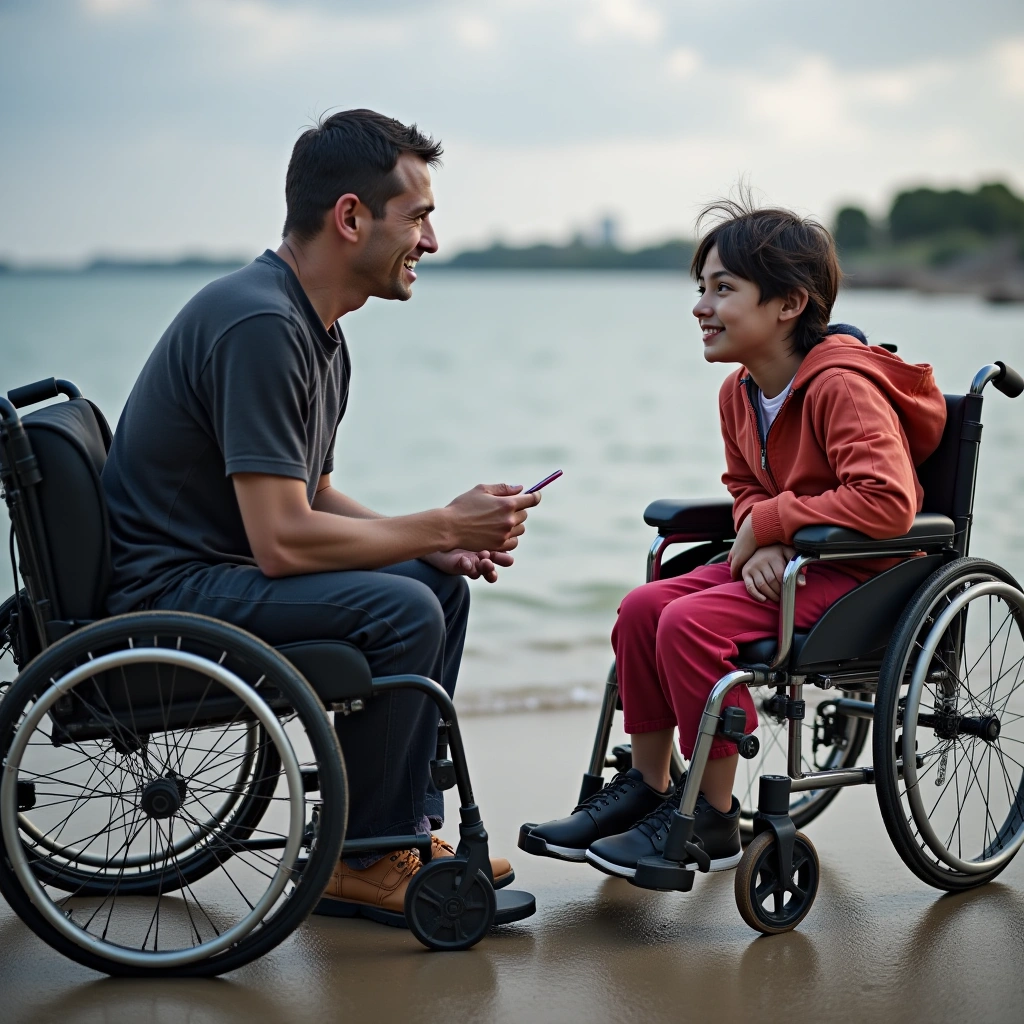
    Let’s take a moment to acknowledge that adapting often requires certain physical capabilities. For instance, if you’re a full-time wheelchair user, like the insightful poster in a recent Reddit thread, you might find that many suggestions for climate resilience aren’t exactly designed with you in mind. Sure, it’s great to talk about rebuilding society and prepping for the worst, but what does that look like for someone who can’t weight bear without fatiguing?

    The conversation around climate change needs to be inclusive. It’s not enough to say, “Just be adaptable!” when the reality is that many people are already facing barriers that make simple adaptations incredibly challenging. For those who rely on mobility aids, the thought of extreme weather events or infrastructural changes can be downright terrifying. Let’s face it: trying to navigate a flooded street in a wheelchair is not exactly a walk in the park—if you catch my drift.

    So, what can we do? First, we need to start by acknowledging that the climate crisis affects everyone differently. This means that solutions should be tailored to include the voices of people with disabilities. It’s not just about building ramps or accessible public transport, although those things are essential. It’s about considering the unique challenges faced by disabled individuals in climate action plans.

    Policy-makers and community leaders need to prioritize accessibility in their climate initiatives. This could involve ensuring that disaster preparedness plans account for people with disabilities, or that green spaces are designed to be inclusive. Imagine a community garden where everyone can participate, regardless of their mobility. Now that’s a climate action plan I can get behind!

    Moreover, we should encourage conversations that include those who are often left out of the climate dialogue. Social media platforms, community forums, and even good old-fashioned town hall meetings should be spaces where everyone’s voice is valued. When discussing climate action, let’s not just focus on the trendy solutions that make for great Instagram posts. Let’s also talk about how those solutions can be implemented in a way that doesn’t leave anyone behind.

    In conclusion, while it’s easy to get caught up in the excitement of climate change solutions, we must remember that adaptability is not a one-size-fits-all approach. The climate crisis is a challenge we all face, but it’s essential to recognize that not everyone has the same tools to navigate it. Let’s strive for a future where everyone, regardless of their abilities, can contribute to and benefit from our collective efforts to save the planet. After all, a truly resilient society is one that includes everyone—wheelchairs and all.

    So, as we continue the conversation about climate change, let’s make sure it’s a conversation that includes all voices, especially those of our friends who might not have the luxury of adaptability. Because at the end of the day, we’re all in this together, whether we can walk, roll, or scoot our way through it.


    Inspired by: “The one thing that worries me about it all.” (r/climatechange)