Category: Nature

  • Fishing for Change: How Climate Change is Moving Our Fisheries North

    Fishing for Change: How Climate Change is Moving Our Fisheries North

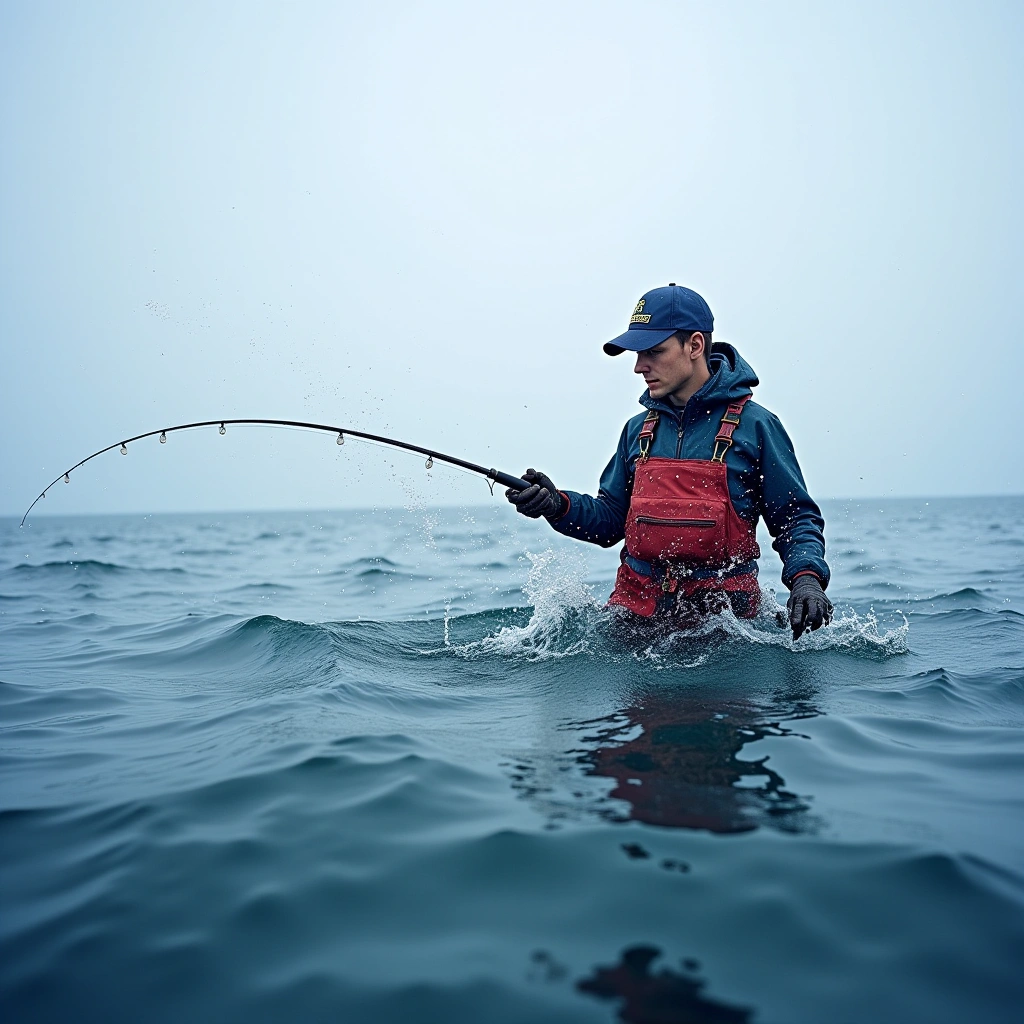
    Here are two examples of fish stocks affected by climate change: There has been a rapid change in Atlantic mackerel distribution since 2007. Stocks have moved northward as sea temperatures rise .

    Ah, climate change – the hot topic that keeps on giving. From melting ice caps to the occasional existential crisis, it seems like every day brings a new reason to be concerned about our planet’s future. One of the more intriguing developments in this saga is how climate change is pushing fisheries polewards. Yes, you heard that right. Fish are literally packing their bags and heading north, and it’s all thanks to our warming planet.

    So, what does it mean when we say fisheries are moving polewards? Essentially, as ocean temperatures rise, marine species are seeking cooler waters. This means fish that were once happily swimming in warm southern seas are now migrating to the chillier northern latitudes. If you’ve ever tried to escape a hot summer day by heading to the beach, you might relate to their plight. But while you’re looking for a refreshing dip, these fish are just trying to survive.

    Now, let’s address the elephant in the room: what does this mean for us land-bound water bodies? Well, it’s a bit of a mixed bag. On one hand, the shift in fish populations could lead to new fishing opportunities in northern regions. Fishermen in places like Alaska might find themselves in a veritable seafood bonanza as new species arrive in their waters. Think of it as a surprise party, but instead of cake, you get a new catch of the day.

    On the flip side, though, these changes can have significant implications for ecosystems and local communities. Species that have been staples in certain regions may decline or even disappear, leading to a ripple effect throughout the food chain. Imagine if your favorite restaurant suddenly ran out of your go-to dish – not cool, right? The same goes for local fishermen who depend on specific fish populations for their livelihood. If those fish decide to take an extended vacation in cooler waters, it could spell trouble.

    Moreover, this shift isn’t just affecting marine life. It has broader implications for coastal communities that rely on fishing for economic stability. If fish populations move north, it could disrupt local economies that are already feeling the strain from climate change. So, while some fishermen might be reeling in new catches, others could be left high and dry, wondering where all their fish buddies went.

    And let’s not forget about the land-bound water bodies. As fish migrate, it can alter the dynamics of freshwater ecosystems. For example, if certain species start to invade lakes and rivers, it could lead to competition with native species, which, let’s be honest, is not something we want to see. Imagine a bunch of rowdy newcomers crashing a quiet party – it’s bound to get messy.

    So, what can we do about this fishy situation? Well, for starters, we can’t just sit back and watch the fish do their thing. It’s important to support sustainable fishing practices and conservation efforts to ensure that both our oceans and land-bound water bodies can thrive despite these changes. After all, we might want to enjoy our fish and chips for years to come, and that requires a bit of foresight and responsibility on our part.

    In conclusion, while climate change is pushing fisheries polewards, it’s crucial to recognize the broader implications for ecosystems and the people who depend on them. So, the next time you sit down to enjoy a delicious seafood dinner, take a moment to appreciate the journey those fish have made – and maybe raise a glass to the brave fishermen adapting to this ever-changing world. Cheers to that!


    Inspired by: “Climate change may push fisheries polewards, with implications for land-bound water bodies” (r/climatechange)


  • Coal Demand is Back, Baby! But Is It a Step Back for Climate Change?

    Coal Demand is Back, Baby! But Is It a Step Back for Climate Change?

    These coordinated actions reflect … ongoing global shift toward cleaner energy sources. The pursuit of coal is a giant step backwards in the fight against climate change , but there is still time to switch to clean energy …

    Well, folks, it seems like we’re back to square one—or at least square two—when it comes to our battle against climate change. Recent reports indicate that global coal demand has hit a record high, and it’s not just because everyone suddenly decided to take up a hobby in coal mining. No, this spike in demand is largely attributed to the ongoing war in Iran and the subsequent cuts in gas supplies. Who knew that geopolitical conflicts could have such a direct impact on our planet’s health?

    Let’s break this down a bit. On one hand, we have nations scrambling to keep their lights on and their industries running, and on the other, we have the ever-looming specter of climate change reminding us that burning coal is about as good for the planet as throwing a birthday party for a cactus in the middle of a desert.

    Now, I know what you’re thinking: “But wait! Didn’t we see a rise in renewable energy demand as a response to the war?” Yes, you’re absolutely right! It’s almost like a twisted game of tug-of-war where one side is pulling for clean energy while the other is yanking on the coal supply. It’s a real nail-biter, folks.

    The situation is particularly concerning because it implies that many countries are dusting off their old coal infrastructure. You know, the kind they promised to retire back when they were feeling all warm and fuzzy about renewable energy. It’s like finding your old high school yearbook and realizing you’re still wearing that horrendous haircut.

    So, what does this mean for our planet? Well, if countries can restore their oil and gas supplies, or if they decide to embrace renewables with a little more enthusiasm, we might see a drop in coal demand again. But let’s be real: it’s like hoping that your favorite TV show will get a proper ending after it’s already been canceled. The reality is that the resurgence of coal could very well neutralize some of the progress we’ve made in reducing global emissions.

    And while we’re all for a good comeback story, this is definitely not the one we wanted to see. The increased reliance on coal could lead to a significant rise in global emissions, which is like adding fuel to the fire—literally. We’ve been trying to put out this fire for years, and now it feels like we’re just throwing more logs on it.

    So, what can we do? Well, aside from throwing our hands up in despair, we could advocate for policies that encourage a quicker transition to renewable energy. Let’s face it, if we can rally together to binge-watch an entire season of a show in one weekend, surely we can muster the energy to push for a greener future.

    In conclusion, the record high in coal demand is a wake-up call. It’s a reminder that while we’re making strides toward renewable energy, we can’t afford to take our foot off the gas—or should I say, off the coal? The fight against climate change is ongoing, and we need to keep our eyes on the prize. So, let’s keep pushing for cleaner energy solutions and hope that one day, we can all look back at coal demand with a sense of nostalgia—like an old yearbook photo that we can laugh at, but definitely not want to repeat.


    Inspired by: “Global coal demand hits record high as Iran war cuts gas supplies” (r/climatechange)

  • The Ocean’s Mood Swing: From CO2 Sink to Source by the 22nd Century

    The Ocean’s Mood Swing: From CO2 Sink to Source by the 22nd Century

    There is no evidence that the rising atmospheric CO2 concentrations have had a measurable impact on biological processes in the ocean . The growth rate of the primary producers in the ocean (phytoplankton) is generally limited by either light or nutrient availability, not carbon.

    Alright, folks, gather around because we need to talk about something that’s as serious as it is mind-boggling: the future of our oceans and their role in the fight against climate change. Picture this: it’s the mid-22nd century, and after years of hard work, we finally hit net-zero emissions. Cue the confetti, right? But hold your horses! Because the oceans, those beautiful blue expanses that we all love, might just decide to throw a curveball and become a small source of CO2 instead. Let’s dive into this ocean of information and see what’s going on.

    First off, let’s break down what net-zero really means. In a nutshell, it’s when the amount of greenhouse gases we emit is equal to the amount we remove from the atmosphere. Sounds great! But what happens when we stop pumping CO2 into the atmosphere like it’s our job? Well, according to some experts, the oceans might have a little surprise waiting for us.

    The oceans have been our planet’s trusty sidekick in the battle against climate change. They’ve absorbed about a third of the CO2 we’ve released since the Industrial Revolution. Yes, they’ve been the unsung heroes, taking one for the team while we continue to do our best impression of a polluting species. However, here comes the twist: as the climate warms, the oceans could reach a tipping point.

    You see, warmer waters hold less CO2. It’s like that one friend who can only handle so much pizza before they start to feel sick. Eventually, those oceans might just say, ‘Enough is enough!’ and start releasing some of that stored CO2 back into the atmosphere. This could lead to a temporary situation where the oceans transition from being a carbon sink to a carbon source. And let’s be honest, that’s not the kind of transition we were hoping for.

    So, what can we do about this impending oceanic identity crisis? Well, it all starts with reducing emissions now. If we want to keep our oceans from staging a rebellion, we need to combat climate change with everything we’ve got. This means switching to renewable energy, cutting down on fossil fuels, and, yes, maybe even recycling that plastic bottle instead of tossing it in the trash.

    But wait, there’s more! It’s not just about emissions. We also need to focus on protecting marine ecosystems. Coral reefs, for instance, are like the rainforests of the ocean, and they’re currently facing their own set of challenges. By preserving these ecosystems, we can help the oceans continue to function as carbon sinks. It’s a win-win—save the reefs, save ourselves!

    In conclusion, the idea that our oceans might flip from being a carbon sink to a source is a stark reminder of how interconnected everything is in our climate system. It’s like a complicated web of relationships, and if one part starts to misbehave, the whole thing could come crashing down. So, let’s roll up our sleeves, stay informed, and do our part to keep those oceans happy. Because trust me, we don’t want to be the generation that let our oceans down.

    And remember, while the mid-22nd century might seem far away, the choices we make today will ripple through time like a stone thrown into a pond. Let’s make sure those ripples are positive ones!


    Inspired by: “After net zero, by the mid-22nd century, the ocean may become a small CO2 source for a period” (r/climatechange)

  • Your Guide to Helping with Climate Change: Because the Planet Needs You!

    Your Guide to Helping with Climate Change: Because the Planet Needs You!

    The Sustainable Development Goals spell out how we can protect our environment and slow climate change, from forests to oceans to everywhere in between . Think about your electricity use and your travel.

    Hey there, fellow earthlings! So, you’ve had a light bulb moment about climate change and want to do something about it? First off, kudos to you! Not everyone has the courage to face the reality that our planet is in a bit of a pickle. But don’t worry; you’re not alone in this, and you definitely don’t have to carry the weight of the world on your shoulders. Let’s dive into some fun and practical ways you can help save the planet!

    1. Educate Yourself (and Others!)

    Knowledge is power, my friend! Start by educating yourself about climate change. Read articles, watch documentaries, or listen to podcasts. Once you’re armed with knowledge, spread the word! Talk to your friends, your family, or even that random person in the coffee shop who looks like they need a reality check. Just be careful not to come off as the world’s most annoying climate change evangelist; nobody likes that guy.

    2. Reduce, Reuse, Recycle

    You’ve heard this a million times, but it’s worth repeating! Reduce your waste, reuse what you can, and recycle like a pro. Invest in reusable bags, water bottles, and containers. Not only will you be saving the planet, but you’ll also look super trendy while doing it. Who doesn’t want to be known as the eco-warrior of the group?

    3. Go Green with Your Commute

    If you’re still driving everywhere like it’s 1999, it’s time to rethink your transportation options. Consider biking, walking, carpooling, or using public transport. Not only will you be helping reduce carbon emissions, but you might even get some exercise—who knew saving the world could also help you shed those quarantine pounds?

    4. Support Sustainable Brands

    Next time you’re shopping, think about where your money is going. Support brands that prioritize sustainability and ethical practices. Yes, it might be tempting to buy that five-dollar shirt from a fast fashion retailer, but remember that you’re not just buying a shirt; you’re buying into a whole lot of environmental damage. Spend a little more on quality items that will last longer and have a smaller carbon footprint. Your closet (and the planet) will thank you!

    5. Get Involved in Local Initiatives

    Don’t underestimate the power of local action! Join community groups focused on environmental issues, participate in clean-up events, or even start your own initiative. Getting involved is a great way to meet like-minded people who also want to save the world—bonus points if you can find someone cute to share your eco-conscious adventures with!

    6. Advocate for Change

    Use your voice! Write to your local representatives, sign petitions, and engage in discussions about climate policies. You might not think your voice matters, but collectively, we can make a difference. Plus, it’s a great way to practice your persuasive skills—who knows, you might just become the next climate change influencer!

    7. Be Mindful of Your Diet

    Believe it or not, what you eat can impact the planet. Consider reducing your meat and dairy consumption or trying out more plant-based meals. Not ready to go full vegan? No problem! Even cutting back a little can help. Plus, you might discover some delicious new recipes along the way. Win-win!

    8. Stay Positive!

    Finally, remember that change takes time, and it’s easy to feel overwhelmed. Stay positive and focus on the small victories. Celebrate your progress, whether it’s convincing a friend to go green or successfully reducing your plastic use. And if you ever find yourself feeling down about the state of the planet, just think of all the amazing people like you who are taking action!

    So there you have it! You don’t need to be a superhero to make a difference in the fight against climate change. Just take it one step at a time, and before you know it, you’ll be well on your way to saving the planet. Now, go out there and show the world what you’ve got! 🌍💚


    Inspired by: “What can i do to help with climate change” (r/climatechange)

  • Sodium-Ion Batteries: The Underdog Ready to Shock the Energy World

    Sodium-Ion Batteries: The Underdog Ready to Shock the Energy World

    For much of the last decade, perovskites have been promised to be the future of solar panels, but commercialization has been slow, and only a few manufacturers are willing to test pilot lines. A new technology in the energy storage market is having the opposite experience — just as quickly as sodium-ion designs have been suggested as suitable alternatives to lithium batteries, manufacturers are setting up and securing orders.

    Alright folks, gather around! It seems we have a new contender stepping into the ring of renewable energy storage, and it’s packing some serious punch. Enter sodium-ion batteries—the underdog ready to take on the heavyweight champion, lithium-ion batteries. And trust me, it’s not just talk; these little powerhouses are gearing up for world domination.

    Let’s start with the basics. Sodium-ion batteries are not just a fancy new tech buzzword; they’re a game changer. Why, you ask? Well, for starters, they’re cheaper and easier to produce. That’s right—while lithium-ion batteries have been hogging the limelight, sodium-ion technology is quietly working behind the scenes, ready to steal the show. It’s like the introvert at a party who suddenly breaks out into a killer dance move—unexpected but oh-so-impressive.

    One of the biggest advantages of sodium-ion batteries is their use of abundant, nontoxic materials. You see, sodium is like that friendly neighbor who constantly offers you cookies—it’s everywhere and doesn’t cost an arm and a leg. In contrast, lithium—while still important—can be a bit of a diva, requiring more resources and sometimes leading to some questionable mining practices. Sodium, on the other hand, is practically waving its hands in the air, saying, “Pick me! I’m here, I’m safe, and I won’t ruin your day!”

    But wait, there’s more! These batteries can handle extreme temperatures without the need for fancy cooling or heating systems. Imagine a battery that doesn’t throw a tantrum when the temperature dips or soars. It’s like that one friend who remains calm during a crisis, while the rest of us are sweating bullets. This characteristic opens the door for longer-term applications, which is a fancy way of saying we can use them in a wider variety of situations without worrying about them melting down or freezing up.

    Now, let’s talk about the production side of things. Sodium-ion batteries are already moving into multi-gigawatt-hour production. That’s a mouthful, but essentially, it means they’re not just a concept anymore—they’re being made in serious quantities. If you thought the rise of electric vehicles was impressive, just wait until sodium-ion batteries start powering everything from your smartphone to your refrigerator. It’s like watching the birth of a superhero franchise, and we’re all just sitting here with popcorn waiting for the next installment.

    In a world increasingly focused on climate change and sustainability, the emergence of sodium-ion batteries could be the breath of fresh air we need. They’re not just a stopgap measure; they represent a shift toward more responsible energy storage solutions that don’t compromise on performance. And let’s be honest, who wouldn’t want to root for the underdog? It’s like cheering for the little engine that could, only this time, it’s not just chugging along—it’s gearing up to power the whole train.

    So, as we stand on the brink of this new energy revolution, let’s keep an eye on sodium-ion batteries. They might just be the solution we’ve been waiting for, and who knows, they could very well lead the charge (pun absolutely intended) towards a cleaner, more sustainable future. In the battle of batteries, it looks like sodium-ion might just have what it takes to win the day.

    Now, if only they could also do our laundry, we’d really be onto something!


    Inspired by: “Sodium-ion batteries are ready for world domination: they make storing clean energy cheaper and eas…” (r/climatechange)

  • Debunking the Myths: Reform UK’s 45 False Claims About Climate and Energy

    Debunking the Myths: Reform UK’s 45 False Claims About Climate and Energy

    Unlike the CCC figures, this includes avoided climate damages. It is not clear where Farage’s false claim comes from. The 2024 Reform UK manifesto included a similar false claim that the “cost of net-zero has been estimated by the National Grid and others at some £2tn or more”. In reality, the then-National Grid Electricity System Operator – now Neso – had said in 2020 that the cost of building and operating the UK energy system would be “broadly the same”, with or without net-zero.

    Ah, the world of politics and climate change—where facts often play hide and seek, and misinformation can sometimes feel like the main course at a dinner party. Recently, a Reddit post caught my eye, detailing a fact-check of Reform UK’s claims about climate and energy, specifically pointing out a staggering 45 false or misleading statements. Buckle up, folks, because we’re diving into the murky waters of climate misinformation.

    Let’s face it: navigating the climate conversation can feel like trying to assemble IKEA furniture without the instructions. You’ve got a bunch of parts that don’t seem to fit together, and you’re just praying you don’t end up with a shelf that’s more wobbly than a three-legged table. Reform UK seems to have taken a rather creative approach to the facts surrounding climate change, and it’s time to set the record straight.

    The Claims

    The Reddit post, submitted by the user Simpleximo (who I assume is anything but simple), outlines various claims made by Reform UK that have been categorized as false or misleading. Now, without diving too deep into the nitty-gritty of each claim—because let’s be honest, who has the time?—we can summarize some of the more outrageous ones.

    1. Climate Change Is Overblown: One of the claims suggests that climate change isn’t as severe as scientists say. This is akin to saying your house isn’t on fire because you can’t see the flames from the living room. Spoiler alert: If the smoke alarm is going off, it’s probably time to take action.

    2. Renewable Energy Is a Fad: Another claim posits that renewable energy sources are just a passing trend. If you think about it, that’s like saying the internet is just a phase. Sorry, but the sun isn’t going to stop shining anytime soon, and neither is wind energy.

    3. Economic Doom: There are claims that transitioning to green energy will lead to economic collapse. Newsflash: Ignoring climate change is like ignoring a ticking time bomb. The longer you wait, the bigger the explosion.

    The Reality Check

    So, what does the fact-checking say? Well, it’s safe to say that the majority of these claims have been thoroughly debunked by scientists, researchers, and—gasp—actual data. The overwhelming consensus in the scientific community is that climate change is real, it’s caused by human activity, and it’s something we need to address urgently.

    For those who enjoy a good plot twist, the fact that misinformation is rampant in climate discussions isn’t shocking. It’s almost as if some people believe that if they just keep repeating falsehoods, they’ll magically become truths. Spoiler alert: it doesn’t work that way.

    The Importance of Fact-Checking

    This Reddit post is a reminder of why fact-checking is crucial in today’s world. In an age where information spreads faster than a cat video going viral, it’s essential to discern fact from fiction. We owe it to ourselves and future generations to ensure that discussions about climate change are rooted in reality.

    Conclusion

    In conclusion, while Reform UK may have thrown a lot of claims into the ring, it’s clear that the facts don’t back them up. Climate change is not just a political talking point; it’s a pressing issue that demands our attention and action. So, the next time you hear a dubious claim about climate and energy, remember to reach for the fact-checking toolkit. Because let’s be real: the only thing that should be misleading is the weather forecast, not the information we rely on to make informed decisions.

    And with that, let’s all raise a glass (of renewable energy!) to facts!


    Inspired by: “Factcheck: Reform UK’s 45 false or misleading claims about climate and energy” (r/climatechange)

  • Get Ready for Amy’s Great Ocean Road Gran Fondo: What You Need to Know

    Get Ready for Amy’s Great Ocean Road Gran Fondo: What You Need to Know

    The next Amy’s Great Ocean Road Gran Fondo will be a public recreational ride & Age Group Race, held on the 13th of September 2026 .

    Hey there, fellow Melburnians! If you’ve got plans to hit the Great Ocean Road on September 13th, you might want to reconsider your route—or at least pack some snacks and a good audiobook. Why? Because the Great Ocean Road will be hosting Amy’s Great Ocean Road Gran Fondo, which sounds like a fancy Italian dish but is actually a cycling event that’s about to cause some traffic delays.

    Now, let’s break this down. Picture this: cyclists in their spandex glory, zooming past breathtaking views of the ocean, while you’re stuck in your car, wondering if you should have just stayed home and binge-watched that new series everyone’s talking about. The event will run from Skenes Creek to Lorne, then inland to Deans Marsh, and back to Lorne via Forrest and Skenes Creek. Sounds like a lovely scenic route, doesn’t it? Just not when you’re behind the wheel.

    So, what does this mean for you? If you’re planning to drive through this area, be prepared for some serious delays. Think of it as a chance to practice your patience, or better yet, an opportunity to perfect your playlist for the next road trip. You might even discover some hidden gems along the way, like that one café you’ve always said you’d try but never did. (Spoiler alert: it’s probably closed on Sundays.)

    Here’s a pro tip: if you can, try to avoid the area altogether. Maybe take a different route, or if you’re feeling adventurous, hop on a bike and join the fun (just don’t forget your helmet and some sunscreen). Seriously, the last thing you want is to end up in a cycling traffic jam while wearing flip-flops and a beach towel instead of spandex.

    In conclusion, if you’re going to be in the Great Ocean Road area on September 13th, be prepared for delays and a bit of chaos. But hey, isn’t that just part of the fun of living in Melbourne? So grab your snacks, charge your phone, and maybe download a few podcasts. You’ll need something to entertain you as you watch the cyclists whiz by, wishing you had joined them instead of sitting in your car. Happy travels, and may the odds be ever in your favor!


    Inspired by: “Amy’s Great Ocean Road Gran Fondo 13/09” (r/melbourne)

  • A Platypus Sighting in the Yarra: Nature’s Oddball Makes a Splash!

    A Platypus Sighting in the Yarra: Nature’s Oddball Makes a Splash!

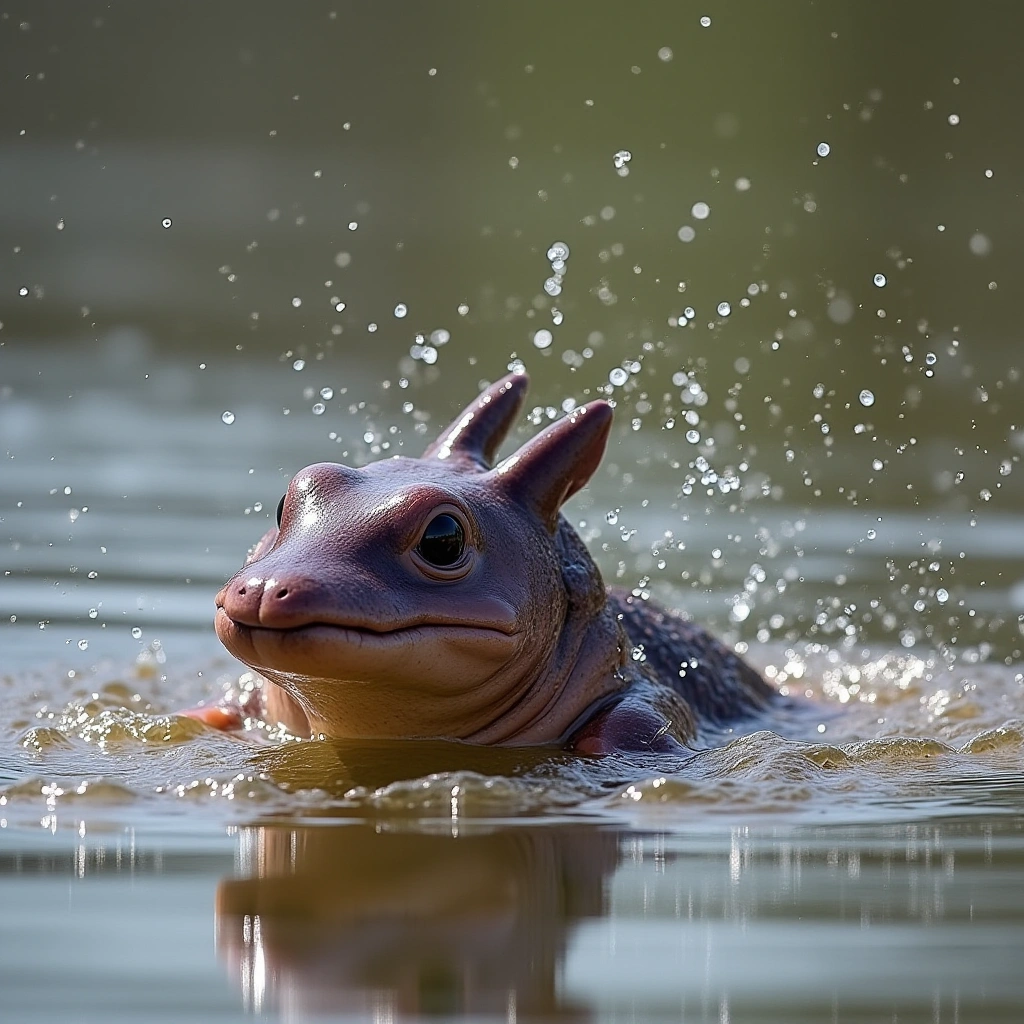
    The most distinctive feature of the platypus is its bill, which resembles that of a duck. This bill is not just for show; it contains sensitive receptors that help the platypus detect prey in murky waters.

    So, picture this: you’re strolling along the Yarra River, minding your own business, perhaps contemplating life’s big questions, like why your coffee always tastes better when someone else makes it. Suddenly, out of the corner of your eye, you spot a platypus. Yes, a platypus! In the Yarra! If that doesn’t make you do a double-take, I don’t know what will.

    For those who may not be familiar, the platypus is one of nature’s delightful oddities. It’s a mammal that lays eggs, has a bill like a duck, webbed feet, and a tail reminiscent of a beaver. If you were to design an animal using leftover parts from other animals, the platypus would be your masterpiece. And here it is, just chilling in the Yarra, probably wondering why humans feel the need to wear shoes.

    Now, why is a platypus in the Yarra? Well, these quirky creatures are native to Australia, and while they’re more commonly found in freshwater rivers and streams, they do enjoy a good swim in the Yarra when the mood strikes. And let’s be honest, who wouldn’t want to take a dip in such a picturesque river?

    But let’s take a moment to appreciate the fact that seeing a platypus in the wild is like winning the nature lottery. These elusive critters are notoriously shy. They’re basically the introverts of the animal kingdom, preferring to avoid the spotlight and hang out under the water’s surface, only surfacing for brief moments to catch a breath. So if you see one, consider yourself lucky. You might as well get a selfie while you’re at it—just don’t expect it to smile back.

    As for the Yarra River itself, it has had its ups and downs over the years. Once upon a time, it was known for its murky waters and not-so-pleasant odors, but thanks to numerous conservation efforts, it’s become a much healthier habitat for our furry friends. So, seeing a platypus in the Yarra is a great sign that the river is thriving. Who knew that a little creature could be such a barometer for environmental health?

    Of course, as exciting as this sighting is, let’s not forget about the importance of respecting wildlife. Platypuses are protected species, so if you’re lucky enough to spot one, remember to maintain a safe distance. We don’t want to scare them away or cause any undue stress. They’re not here for a meet-and-greet; they’re just trying to live their best life, one swim at a time.

    In conclusion, if you find yourself near the Yarra River and hear someone exclaiming about a platypus sighting, don’t just roll your eyes and keep walking. Take a moment to appreciate the wonder of nature. After all, it’s not every day you see a creature that looks like it was put together by a committee of confused animals. So grab your camera, keep your distance, and enjoy the show. Who knows? You might just be the next lucky one to spot a platypus making a splash in the Yarra!


    Inspired by: “Platypus in the Yarra Today” (r/melbourne)

  • Why Regenerative Grazing Isn’t the Climate-Savior Beef Producers Hoped For

    Why Regenerative Grazing Isn’t the Climate-Savior Beef Producers Hoped For

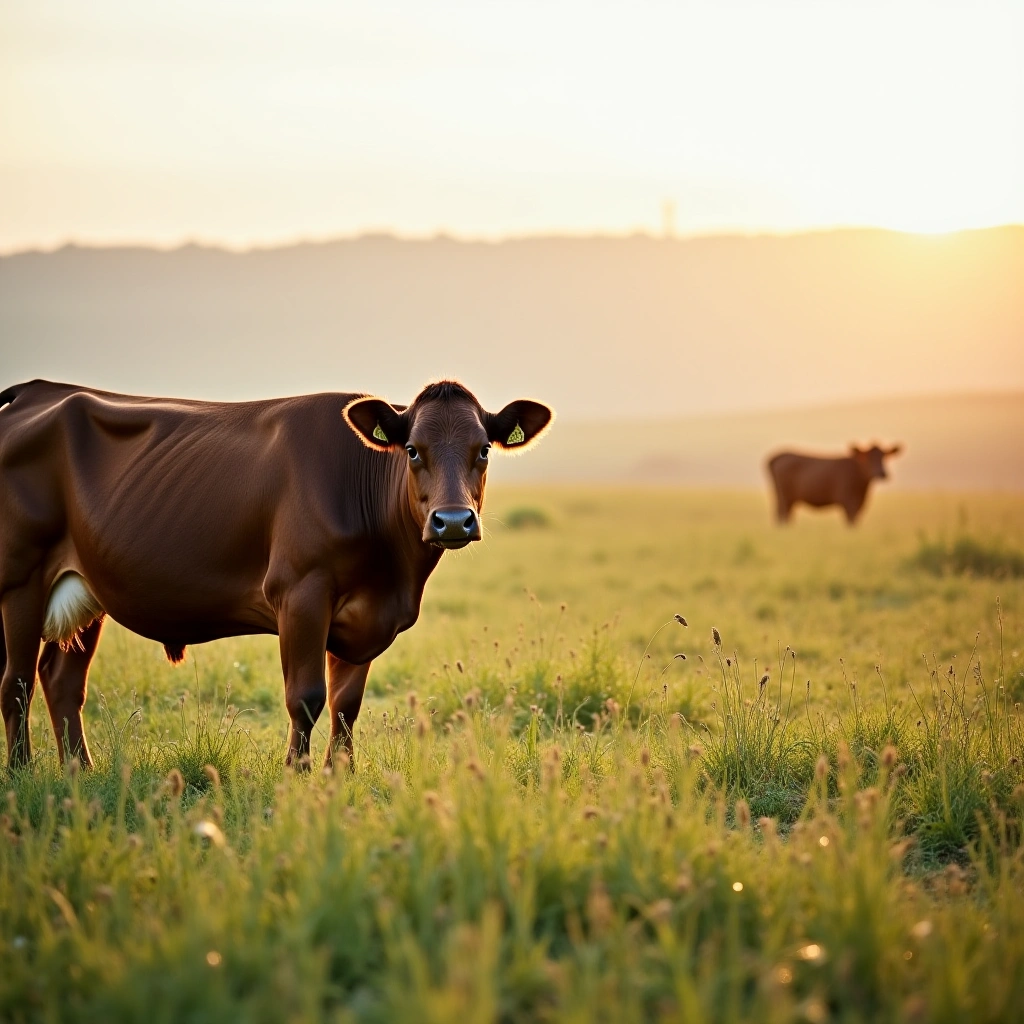
    Regenerative grazing takes more land – and carbon . Regenerative grass-fed beef production can take more land – around 2–3 times more land in some cases – than conventional grass-to-grain-fed methods.

    If you’ve been following the climate change debate, you’ve probably heard the buzzwords “regenerative grazing” thrown around like confetti at a parade. It sounds great, right? Cows munching grass in a way that’s supposed to heal the planet and make beef production all warm and fuzzy for the environment. But hold onto your grass-fed burgers, folks—there are some serious reasons that this rosy picture might be a bit too good to be true. Here are eight reasons why regenerative grazing might not be the climate-friendly hero we’re looking for.

    1. The Carbon Sequestration Myth: One of the main selling points of regenerative grazing is that it can sequester carbon in the soil. While that sounds fantastic, the reality is much more complicated. The amount of carbon that actually gets stored can vary widely based on soil type, climate, and management practices. So, while some farmers may be able to pull it off, many are just as likely to be spinning their wheels—or hooves—in the mud.

    2. Not All Grass is Created Equal: You might think that all types of grass are equally beneficial for grazing, but let me introduce you to the concept of biodiversity. Some grasses are better than others at sequestering carbon and supporting wildlife. So, if a rancher is just grazing their cattle on a monoculture of grass that’s as exciting as watching paint dry, they’re not doing the environment any favors.

    3. Land Use Changes: Switching to regenerative grazing often means converting land that could have been used for other sustainable practices, like growing crops for human consumption. So, while you’re busy patting yourself on the back for saving the planet with your pasture-raised beef, you might be inadvertently contributing to food insecurity elsewhere. Oops.

    4. Methane Emissions Remain: Let’s not forget that cows are still cows. They produce methane—a greenhouse gas that’s like carbon’s more obnoxious cousin. Regenerative grazing doesn’t magically make cows stop burping and farting. In fact, some studies suggest that increased grazing can actually lead to higher methane emissions. So, unless you’ve got a miracle cow that can hold it in, we’re still dealing with a gas problem.

    5. Water Use Woes: Cattle need water, and a lot of it. Regenerative grazing often requires large tracts of land, which can lead to increased water usage. In areas where water is already scarce, this could exacerbate existing problems. So, while your beef might be “sustainable,” it could also be contributing to a drought somewhere else. Who knew being eco-friendly could be so complicated?

    6. Economic Viability: Let’s get real for a second. Regenerative grazing can be more labor-intensive and may require more knowledge and skill than conventional methods. This can make it economically unfeasible for many farmers, especially smaller operations. So while big corporations might be able to invest in these practices, the little guy might just be left in the dust—or the mud.

    7. Consumer Demand: As much as we’d like to think that consumers are on board with sustainable beef, the reality is that many people are still more concerned about price than planet-saving practices. Until we see a significant shift in consumer behavior, regenerative grazing may not be able to scale up enough to make a meaningful impact. So, good luck getting that average burger-lover to pay extra for a cow that lived its best life.

    8. Complexity of Ecosystems: Nature is complicated, and ecosystems are interconnected in ways we’re still trying to understand. Regenerative grazing could potentially disrupt existing ecosystems or lead to unintended consequences. So while it sounds nice in theory, in practice, it could be like trying to solve a Rubik’s cube blindfolded.

    In conclusion, while regenerative grazing has some potential benefits, it’s not the silver bullet for making beef climate-friendly. It’s a complex issue that requires a multi-faceted approach. So, before you take that next bite of a grass-fed steak thinking you’re saving the world, it might be worth doing a little more digging. Because sometimes, the grass isn’t always greener on the other side—especially if it’s being grazed by a cow that’s just as confused about its role in climate change as we are.


    Inspired by: “Eight reasons regenerative grazing can’t make beef climate-friendly” (r/climatechange)

  • Sip Cocktails Surrounded by Nature: Your Guide to Leafy Melbourne Evenings

    Sip Cocktails Surrounded by Nature: Your Guide to Leafy Melbourne Evenings

    And even higher time (no pun intended) that our drinks were delivered to us by way of zipline. Enter: Arcane Fairies , a strange, theatrical and all-together otherworldly late-night bar that's just fluttered down onto Lonsdale Street.

    Ah, Melbourne—home to hipster cafes, bustling laneways, and the occasional kangaroo sighting (just kidding, that’s more of a rural thing). But let’s focus on what really matters: cocktails! If you’re anything like our friend CaptainTelos, you’re itching to enjoy a refreshing drink in a leafy oasis under the warm evening sky. So, let’s explore some fabulous spots outside the CBD where you can sip cocktails while surrounded by nature.

    1. The Arbory Bar & Eatery

    Located along the Yarra River, this place is practically a botanical garden with a bar attached. With a stunning view of the water and lush greenery, you can enjoy cocktails like their famous ‘Arbory Spritz’ while feeling like you’re on a mini-vacation. Just don’t forget to wear your best ‘I’m-so-relaxed’ face; it’s a requirement here.

    2. The Glasshouse

    Nestled in the Royal Botanic Gardens, The Glasshouse offers a unique experience where nature meets mixology. Surrounded by, you guessed it, glass walls, you can sip on exquisite cocktails while admiring the plants—because nothing says ‘I’m sophisticated’ like drinking a cocktail surrounded by foliage. Just try not to get too distracted by the flora; you might end up talking to a fern.

    3. The Botanical

    This venue is aptly named because it’s set in the heart of the Botanical Gardens. Picture yourself on a lovely terrace, cocktail in hand, while the sun sets behind the trees. They have a great cocktail menu, and you can even order some snacks to go with your drink. Just be careful not to spill anything on the plants; they might judge you.

    4. The Yarra Valley

    Okay, I know this one is a bit of a trek, but hear me out. The Yarra Valley is home to some stunning wineries and distilleries. You can find various places offering cocktails made with local ingredients. Plus, you get to enjoy the scenic drive, which is basically a two-for-one deal: nature and cocktails! Just remember to designate a sober driver, or you might end up singing karaoke with a bunch of grapes.

    5. Rooftop Bars with a Twist

    While technically still in urban spaces, some rooftop bars in Melbourne offer a touch of greenery. Places like Rooftop at QT and Naked for Satan feature plants and trees that make you feel like you’re on top of the world—literally and figuratively. Enjoy a cocktail with a view, and if anyone asks about the plants, just nod wisely as if you know all about botany.

    6. Outdoor Markets

    If you’re feeling adventurous, check out local outdoor markets that often have food stalls serving cocktails. Places like the South Melbourne Market or Queen Victoria Market sometimes offer pop-up bars where you can grab a cocktail and stroll through the market, cocktail in hand, like you own the place. Bonus points if you snag a tasty snack to go with it.

    7. Local Parks

    If you’re looking for something a bit more casual, why not grab some takeout cocktails from a local bar and head to a nearby park? Whether it’s Fitzroy Gardens or Albert Park, you can kick back on the grass and enjoy your drinks while pretending you’re at a fancy picnic. Just don’t forget to bring a blanket—unless you want grass stains on your pants.

    In conclusion, Melbourne has no shortage of leafy spots to sip cocktails while basking in warm evening weather. Whether you choose a fancy bar, a winery in the Yarra Valley, or a simple picnic in the park, the key is to relax and enjoy the moment. So gather your friends, grab a cocktail, and embrace the beauty of Melbourne’s outdoor spaces. Cheers to good drinks and great company!


    Inspired by: “Where to get a cocktail in leafy surroundings on a warm evening like tonight?” (r/melbourne)