Category: Nature

  • Turning Flood-Prone Land into a Wildlife Wonderland: The Oregon Farmer’s Bold Move

    Turning Flood-Prone Land into a Wildlife Wonderland: The Oregon Farmer’s Bold Move

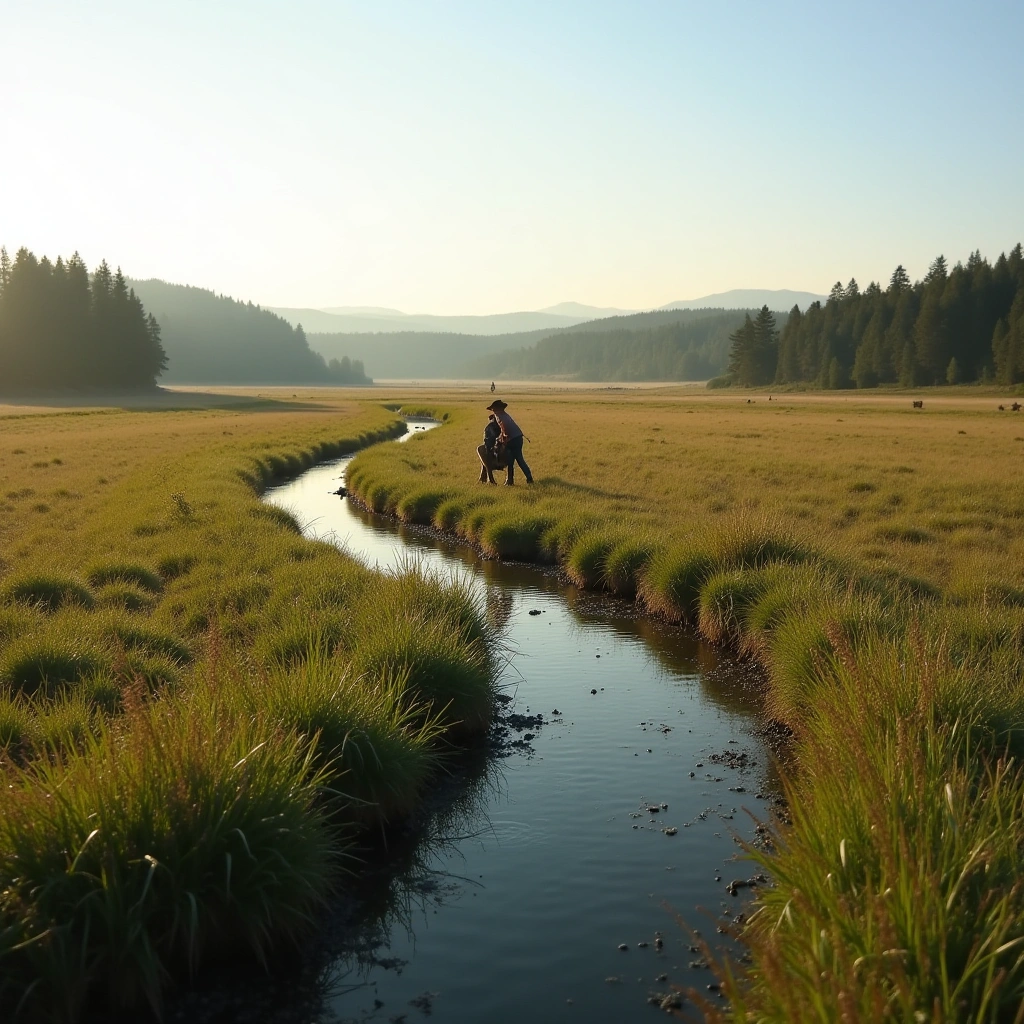
    A farmer in southern Oregon transformed 70 acres of his 400-acre barley farm into a wetland in 2021 , creating an unexpected refuge for wildlife while helping address agricultural water pollution.

    In a world where climate change seems to be the only constant (and not the good kind), it’s refreshing to hear some positive news. Enter a farmer from southern Oregon who decided to take matters into his own hands—or rather, his own 400-acre barley farm. In 2021, he transformed 70 flood-prone acres into a wetland, and let me tell you, it’s not just a win for the environment, but also for the wildlife that now calls this place home.

    You might be wondering, why would a farmer, who presumably spends his days worrying about crops and yields, choose to turn part of his farm into a wetland? Well, it turns out that those flood-prone areas weren’t exactly helping his barley business. Instead of letting water sit around like a lazy couch potato, he decided to create a new ecosystem. And boy, did he hit the jackpot!

    The result? A thriving habitat for no less than 140 bird species. That’s right—140! It’s like a feathered convention out there, with species you probably didn’t even know existed. From ducks to egrets, it’s a birdwatcher’s dream come true. Plus, the wetlands have attracted some charming furry friends too. Otters, beavers, and muskrats are now frolicking around like they own the place. Talk about a real estate upgrade!

    But wait, there’s more! This wetland is not just a pretty face. It’s also playing a crucial role in addressing agricultural water pollution. Wetlands are nature’s own water filters, soaking up excess nutrients and pollutants that would otherwise make their way into rivers and streams. So, while our farmer friend is busy cultivating barley, he’s also helping to clean up the water. It’s like he’s wearing a superhero cape, but instead of saving the world from villains, he’s saving it from pollution.

    And let’s not forget about the endangered fish that have found refuge in this newly created ecosystem. It’s a bit like a fishy version of a retirement home—safe, serene, and with plenty of aquatic activities to keep them occupied. Who knew that a farmer’s initiative could lead to such a diverse and thriving community?

    Now, I can hear some of you skeptics out there saying, “Sure, this sounds great, but what about the barley?” Well, the good news is that the farmer hasn’t abandoned his barley dreams. Instead, he’s found a way to coexist with nature. By creating a wetland, he’s not only diversified his farm but also embraced sustainable practices that could inspire other farmers to do the same. It’s a win-win situation!

    So, the next time you think about farming, remember this Oregon farmer who decided to think outside the box—or perhaps, outside the field. He’s not just growing barley; he’s cultivating a haven for wildlife while simultaneously tackling water pollution. If that’s not a reason to raise a glass of barley juice (or whatever you prefer to drink), I don’t know what is. Here’s to more farmers taking a page from this guy’s book and making our planet a little greener—one wetland at a time!


    Inspired by: “A farmer in southern Oregon transformed 70 flood-prone acres of his 400-acre barley farm into a wet…” (r/climatechange)
  • The El Niño Effect: What It Means for Galápagos Wildlife and Us

    The El Niño Effect: What It Means for Galápagos Wildlife and Us

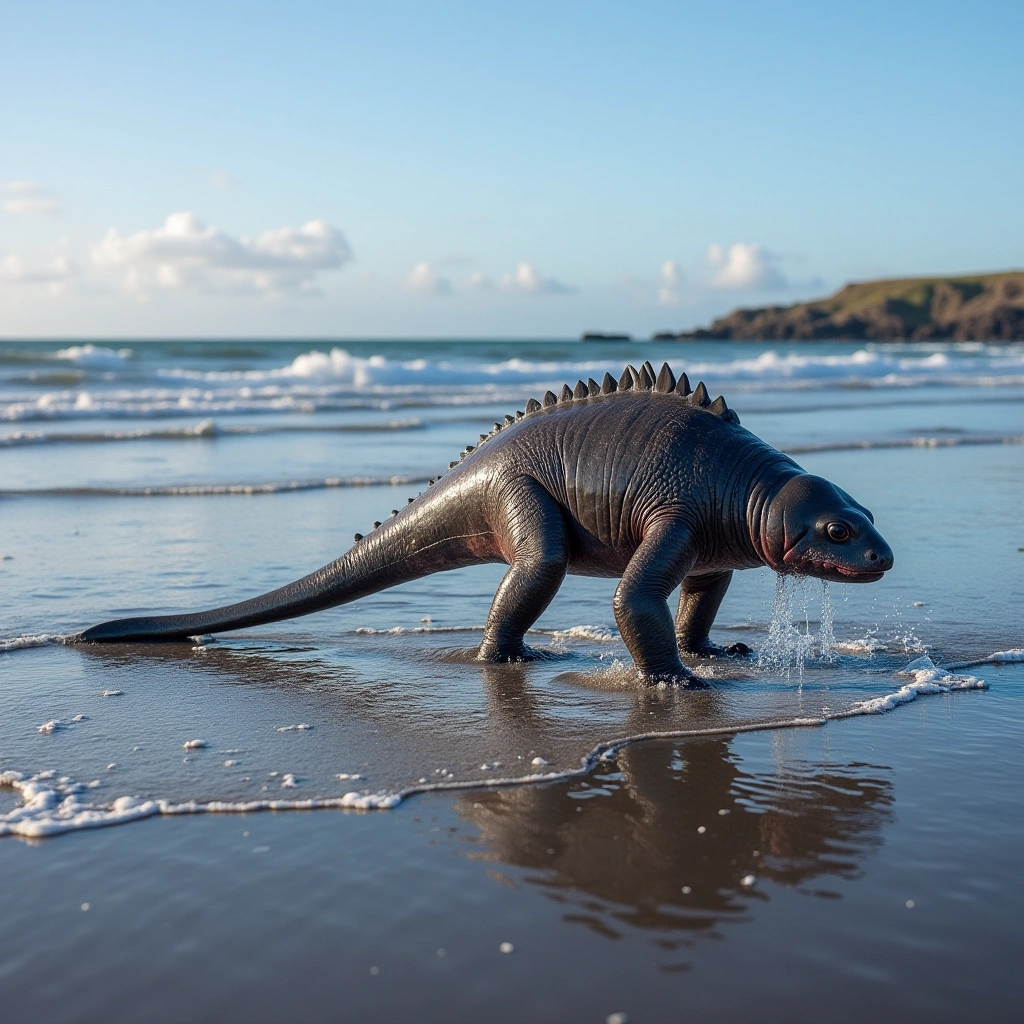
    QUITO, Ecuador — The prediction that this season’s El Nino phenomenon will be stronger than normal has alarmed the Ecuadorian scientific community, which has warned of its impact on the flora and fauna of the Galapagos Islands, home to the highest concentration of species not found elsewhere on Earth.

    Ah, El Niño. That weather phenomenon that sounds like it should be a dance move but is actually a climate event that has scientists raising their eyebrows and wildlife in the Galápagos scratching their heads (or fins, or whatever). Recently, a stronger-than-normal El Niño has been making waves—literally and figuratively—causing quite a stir among scientists who are worried about how this will impact the unique wildlife of the Galápagos Islands.

    So, what exactly is El Niño? In short, it’s a periodic climate pattern characterized by warmer sea surface temperatures in the central and eastern Pacific Ocean. This phenomenon can lead to a variety of weather changes worldwide—including increased rainfall in some regions and droughts in others. It’s like Mother Nature’s way of keeping us all on our toes. Or maybe she just enjoys a good plot twist.

    Now, let’s talk about the Galápagos Islands, which are home to some of the most unique wildlife on the planet. Think tortoises that can live for over 100 years, marine iguanas that swim, and blue-footed boobies that are more fashionable than most of us. These creatures have evolved in isolation for millions of years, and their delicate ecosystems are finely tuned to their environment. Enter a stronger-than-normal El Niño, and you’ve got a recipe for potential chaos.

    During a typical El Niño event, warmer ocean waters can disrupt the food chain by altering the distribution of marine life. Fish, which are the main food source for many Galápagos species, might decide to take a vacation to cooler waters, leaving the locals hungry and confused. Picture a bunch of hungry blue-footed boobies pacing the beach, wondering where all their fish friends have gone. It’s not exactly a scene from a wildlife documentary; it’s more like a sitcom episode gone wrong.

    Scientists are particularly concerned about the impact on the Galápagos’ endemic species. For instance, the Galápagos penguin, the only penguin species found north of the equator, is already at risk due to habitat loss and climate change. A stronger El Niño can exacerbate these issues, leading to decreased breeding success and increased mortality rates. It’s like a double whammy for these adorable little guys—first, they have to deal with climate change, and now they have to dodge warmer waters too. Talk about a tough life.

    But it’s not just the penguins who are at risk. The iconic giant tortoises and various species of finches could also be affected by changes in their habitats and food availability. The whole ecosystem is interconnected, so when one piece of the puzzle is disrupted, the entire picture can start to look a bit fuzzy.

    Scientists are monitoring the situation closely, and while they might not have a magic wand to fix everything, they are working to understand the implications of this stronger El Niño. Conservation efforts are crucial, and every little bit helps. Whether it’s through research, habitat restoration, or simply raising awareness, there’s a lot we can do to help protect these incredible creatures.

    In conclusion, while El Niño might sound like a fun beach party, it’s actually a serious climate event that can have significant impacts on wildlife, especially in delicate ecosystems like the Galápagos Islands. So, the next time you hear about El Niño, remember that it’s not just a weather pattern—it’s a reminder of how interconnected our world is and how much we need to take care of it. Because if we don’t, we might find ourselves with a lot more sad blue-footed boobies, and nobody wants that.

    Stay tuned for updates, and let’s hope that this El Niño doesn’t turn into an El No-Thank-You!


    Inspired by: “A stronger-than-normal El Nino alarms scientists over Galápagos wildlife” (r/climatechange)

  • How Do We Stop Climate Change? A Teen’s Guide to Saving the Planet (No Pressure!)

    How Do We Stop Climate Change? A Teen’s Guide to Saving the Planet (No Pressure!)

    Please be respectful of copyright. Unauthorized use is prohibited. Wear a warm sweater instead of turning up the heat, and open your windows and turn on a fan instead of blasting the air conditioner .

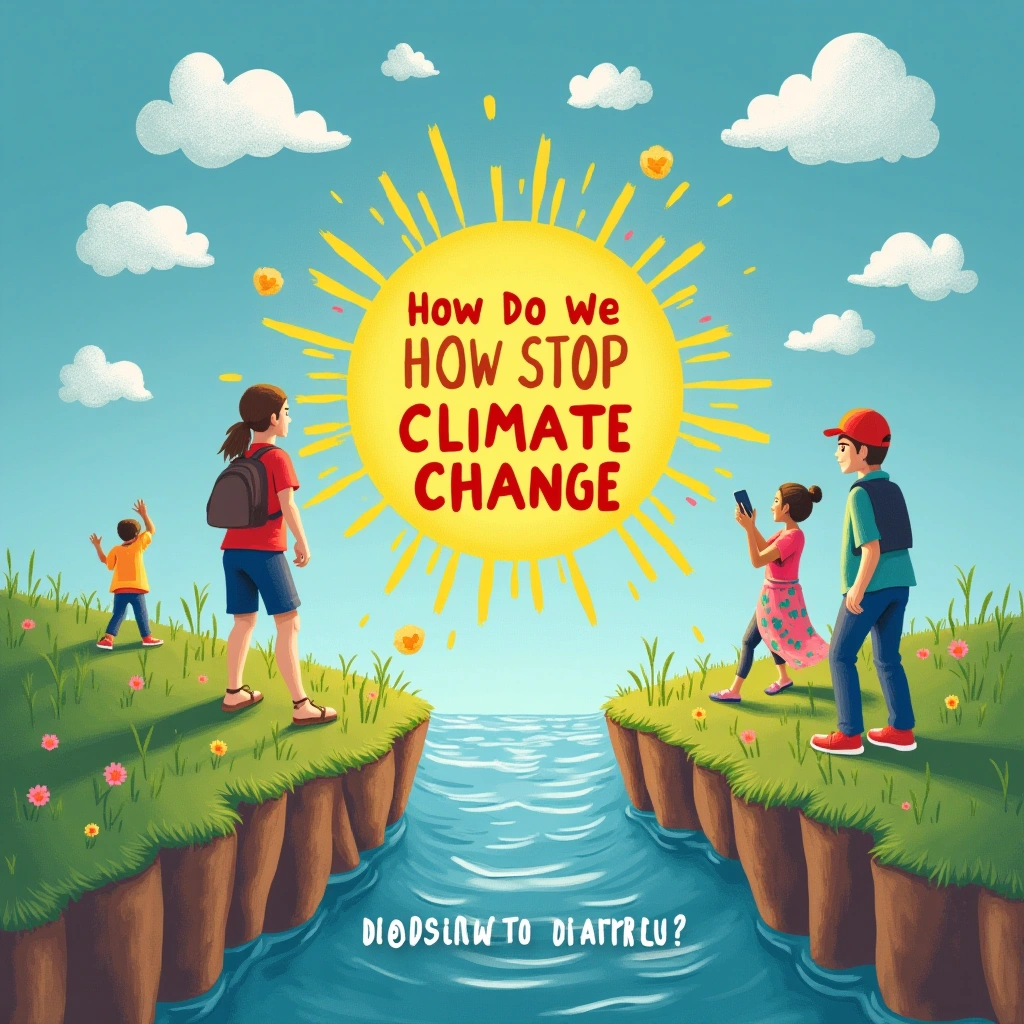
    Hey there, young environmental warriors! So, you’re 14 and already worried about graduating into a world that feels like it’s on fire—literally and figuratively. First off, let me assure you, you’re not alone. Many of us are feeling the weight of climate change on our shoulders, and it can be pretty daunting. But before you toss your graduation cap into the air while simultaneously planning your escape to Mars, let’s chat about how we can tackle this issue together.

    Why Should We Care?

    Let’s start with the basics. Climate change isn’t some distant problem; it’s happening right now. Rising temperatures, crazy weather patterns, and melting ice caps are just a few of the symptoms of our planet’s fever. And while it might feel overwhelming, remember that every big problem is just a series of smaller problems waiting for a solution. You’ve got this!

    Small Differences Make a Big Impact

    You mentioned wanting to make small differences, and that’s a fantastic mindset. Every little action counts! Here are some easy-peasy ways you can contribute:

    1. Reduce, Reuse, Recycle: I know, I know—everyone says this. But seriously, it works! Start by reducing waste in your daily life. Bring reusable bags to the store, opt for a stainless-steel water bottle instead of plastic, and yes, recycle those pizza boxes (even if they’re a bit greasy).

    2. Plant a Tree (or Five): Trees are like nature’s air filters. They suck up carbon dioxide, give us oxygen, and provide shelter for wildlife. So, grab a shovel and get planting. Bonus points if you name them!

    3. Educate Yourself and Others: Knowledge is power. The more you know about climate change, the better equipped you are to make informed decisions. Plus, you can spread the word to friends and family. Who knows? You might start a mini-revolution at school!

    4. Use Your Voice: Write to your local representatives about climate policies, or even start a petition. Social media is a powerful tool, so use it to advocate for change. Just be sure to keep the cat videos to a minimum—balance is key!

    5. Support Sustainable Brands: When you shop, look for brands that prioritize sustainability. It’s like voting with your wallet! You can feel good about your purchases while helping the planet.

    Why Everything Will Be Fine (If We Keep Trying)

    Now, you might be wondering, “Will it really work?” And that’s a fair question. The good news is that many people are already working on solutions. Scientists are developing renewable energy sources, governments are implementing policies to reduce emissions, and communities are coming together to create sustainable practices.

    It’s like a big, messy puzzle, and while it might look chaotic now, every piece that fits into place brings us closer to a solution. And guess what? You’re part of that puzzle! Your generation has the power to drive change, and history has shown that young people can lead the way.

    Conclusion

    So, as you gear up for graduation in 2030, take a deep breath. The world may feel like it’s spiraling, but with your passion and determination, you can make a difference. Remember, it’s not about being perfect; it’s about progress. Each small action contributes to a larger movement, and together, we can create a healthier planet for future generations.

    Now go out there and save the world—no pressure! And remember, if things get tough, there’s always the option to start a podcast about your climate crusade. Who wouldn’t want to listen to a 14-year-old saving the planet one episode at a time?


    Inspired by: “How will we stop it?” (r/climatechange)

  • The Great Name Change: From Global Warming to Climate Change

    The Great Name Change: From Global Warming to Climate Change

    We use the less appealing " climate change ." Why? To a scientist, global warming describes the average global surface temperature increase from human emissions of greenhouse gases.

    Ah, the age-old question: when did we stop saying ‘global warming’ and start saying ‘climate change’? It’s almost like a game of linguistic hide-and-seek, and spoiler alert: we’re still trying to find the right words!

    Let’s rewind the clock a bit. Back in the day (and by that, I mean the late 20th century), ‘global warming’ was the phrase that was on everyone’s lips. It painted a pretty clear picture: our planet was heating up, and if we didn’t do something quick, we’d all be roasting marshmallows over the remains of our once-beautiful Earth. Sounds alarming, right? Well, it probably was too alarming for some.

    Enter stage left: ‘climate change.’ This term began to gain traction in the late 1990s. The shift in nomenclature has been the topic of much debate. Some say it was a strategic move to make the issue seem less menacing. After all, ‘climate change’ sounds more like a weather forecast than an impending doom scenario. You know, something you can casually discuss over coffee rather than a life-or-death situation.

    But who exactly was behind this change? Was there a secret committee of climate scientists huddled in a dimly lit room, debating the merits of one term over another? Or was it just a group of PR specialists trying to spin the narrative? The truth is likely a mix of both. The phrase ‘climate change’ encompasses a broader range of issues than just the warming of our planet. It includes everything from rising sea levels to more extreme weather patterns. So, in a way, it’s like calling a buffet a ‘culinary experience’—it sounds fancy and covers more ground!

    Now, let’s talk politics. Of course, this name change didn’t escape the eyes of our beloved politicians. Some argue that using ‘climate change’ made it easier for certain parties to adopt the issue without sounding too alarmist. It’s like saying, ‘Hey, it’s not that bad; it’s just a little climate change!’ Meanwhile, the ice caps are like, ‘Excuse me, we’re melting here!’

    Now, if we were to come up with a more fitting term, what would it be? How about ‘planetary mood swings’? It captures the essence of the chaos without making it sound like we should all panic and start building an ark. Or maybe ‘Mother Nature’s tantrum’? It’s catchy and relatable, especially if you’ve ever seen a toddler throw a fit.

    In conclusion, whether we call it global warming, climate change, or something entirely different, the reality remains: we need to pay attention to what’s happening to our planet. It might not be as catchy as a pop song, but it’s certainly a topic worth discussing—preferably over a cup of coffee, where we can debate the merits of terminology and maybe even solve the world’s problems one sip at a time. So, what do you think? Should we stick with ‘climate change,’ or do we need a new name altogether? Let me know in the comments below!


    Inspired by: “When did we stop saying global warming?” (r/climatechange)

  • India’s Fuel Demand Takes a Dive: What It Means for the Climate

    India’s Fuel Demand Takes a Dive: What It Means for the Climate

    The largest contributor to the … comparing the first half of 2025 with the years 2021-23. Oil demand growth slowed sharply as well, contributing 20% of the slowdown ….

    So, let’s talk about India’s fuel demand in August. Spoiler alert: it’s not exactly breaking records. In fact, it’s fallen to its lowest level in two whole years. Now, before you start picturing a dramatic scene of empty gas stations and people crying over their gas-guzzling vehicles, let’s unpack what this really means for the economy, the environment, and your next road trip.

    First off, the numbers. According to recent reports, India’s fuel demand in August dropped month-on-month. This is significant because it’s not just a blip on the radar; it’s the lowest fuel demand we’ve seen in two years. What caused this? Was it a sudden surge in public transport usage? A nationwide campaign to ride bicycles? Or maybe, just maybe, people are realizing that their cars aren’t exactly the best way to get around in a climate crisis.

    In all seriousness, there are a few factors at play here. The monsoon season typically brings a dip in fuel consumption. It’s like a natural excuse for people to stay home, sip chai, and binge-watch their favorite series instead of hitting the road. Plus, with rising fuel prices, many are probably thinking twice before filling up their tanks—because who wants to pay an arm and a leg for a tank of gas? Not me, that’s for sure.

    Now, let’s connect the dots. Lower fuel demand could mean fewer emissions. And fewer emissions are good news for the climate, right? It’s like a small victory in the ongoing battle against climate change. So, while we may not be popping champagne just yet, it’s a step in the right direction. If this trend continues, we could see significant shifts in how India approaches energy consumption and climate policies.

    But hold your horses! Before we start celebrating too early, we need to remember that these numbers can fluctuate. One month of low demand doesn’t mean we’re out of the woods. It’s like that one time you went to the gym for a week and thought you could skip workouts forever. Spoiler alert: it didn’t work out that way.

    Moreover, there’s the economic angle. Lower fuel demand can impact the economy in various ways. For one, it can affect the revenue of the government, which relies on fuel taxes. It’s a bit like realizing that your favorite pizza place is closing down because they ran out of dough. Not fun for anyone involved.

    So, what does this mean for the average person? Well, if you’re a fan of sustainable living, this is good news! Lower fuel demand could lead to more investment in renewable energy sources and innovations in public transport. And who knows? Maybe it will inspire a new trend of eco-friendly travel options. Imagine hopping on a solar-powered bus to your next vacation destination. Sounds dreamy, right?

    In conclusion, while August’s dip in India’s fuel demand may not be a cause for an all-out celebration, it’s certainly something to keep an eye on. It reflects changing habits, economic realities, and perhaps even a growing awareness of our environmental responsibilities. So, let’s keep our fingers crossed that this trend continues—because who wouldn’t want a cleaner, greener future? And hey, if it means more time on the couch with a good series, I’m all for it!


    Inspired by: “India’s August fuel demand falls month-on-month to lowest level in two years” (r/climatechange)

  • Navigating the Climate Change Maze: Understanding Risks and How to Tackle Them

    Navigating the Climate Change Maze: Understanding Risks and How to Tackle Them

    Climate risk management is the process of identifying, assessing, and responding to the financial, operational, and strategic risks that arise from climate change — including physical hazards like floods and heatwaves, transition risks like carbon pricing and regulatory change, and liability risks from inadequate disclosure. It matters because climate-related financial losses are growing rapidly: the world’s largest companies alone report almost $1 trillion at risk from physical climate impacts, and regulatory disclosure requirements are expanding to cover a wider range of businesses every yea

    Hey there, fellow climate warriors! So, you’ve decided to dive deep into the murky waters of climate change. You’re not just interested in the usual doom and gloom headlines; you want to understand the nitty-gritty details of how climate change is shaking up our world and what we can do about it. Bravo! Grab your metaphorical snorkel, because we’re about to explore this complex subject.

    First things first: let’s talk about the chain of events that turns our cozy planet into a hot mess. It starts with climate change itself—thanks to human activities like burning fossil fuels, deforestation, and, let’s be honest, our obsession with plastic. This leads to physical hazards like extreme weather events, rising sea levels, and heatwaves that make even the most loyal sunbather reconsider their life choices.

    Now, these hazards don’t just float around in the atmosphere like a bunch of confused balloons. Nope, they come crashing down on us, exposing our vulnerabilities. Think about it: cities built on coastlines? They’re basically asking for trouble as sea levels rise. Water resources? Good luck finding a clean glass of water when droughts become the new normal. And our beloved infrastructure? Well, let’s just say it’s not exactly built to withstand a hurricane-level tantrum.

    So, what’s the next step in this delightful chain reaction? Risks and impacts. When the physical hazards meet our vulnerabilities, it’s like a bad reality TV show—drama ensues! We’re talking about economic losses, health risks, and social upheaval. Not exactly the kind of plot twist anyone wants in their lives.

    But don’t worry! This is where we get to the good part: the solutions. Yes, there are mechanisms we can put in place to manage these risks. We can adapt, build resilience, and craft effective governance and public policy. You know, things that actually make sense rather than just crossing our fingers and hoping for the best.

    Now, you mentioned wanting to learn from the ground up. That’s fantastic! There are plenty of resources out there that can help you get a solid understanding of climate risk and environmental policy—because yes, that’s what this field is generally called. Here’s a little starter pack for your educational journey:

    1. Textbooks: Start with books like “Climate Change: A Very Short Introduction” by Mark Maslin. It’s short, sweet, and won’t put you to sleep.

    2. Online Courses: Check out platforms like Coursera or edX. They have courses from universities like Yale and Stanford that cover climate change and its impacts comprehensively. Plus, you can binge-watch them in your pajamas.

    3. Lectures: YouTube is a treasure trove of lectures. Look for TED Talks or university lectures on climate change. They’re informative and often come with engaging visuals.

    4. Reports: The Intergovernmental Panel on Climate Change (IPCC) releases extensive reports. They’re like the Bible of climate science—just with fewer miracles and more graphs.

    5. Networking: Join forums or local groups that focus on climate issues. You can learn a lot from discussions and meet like-minded folks who are just as passionate.

    As you dive deeper, you might find yourself specializing in specific areas like climate risk assessment, environmental science, or policy development. The world is your oyster, or should I say, your sustainable seaweed?

    In conclusion, embarking on this educational journey about climate change is not only admirable but necessary. The more you understand the risks and the mechanisms to manage them, the better equipped you’ll be to make a difference. So, roll up those sleeves and get ready to become a climate change aficionado! And remember, every little bit helps—even if it’s just reminding your friends to recycle. Happy learning!


    Inspired by: “Interested in understanding how climate change creating risks, and mechanisms needed to manage thos…” (r/climatechange)

  • Beyond the Tailpipe: Rethinking Climate Change and Lifecycle Impacts

    Beyond the Tailpipe: Rethinking Climate Change and Lifecycle Impacts

    We identified that lithium manganese cobalt oxide and lithium nickel cobalt aluminum oxide batteries, despite their high energy density, exhibit higher GHGs (20–394 kgCO2 eq./kWh) because of the cobalt and nickel production .

    When it comes to the climate change debate, we often find ourselves fixated on one key player: operational emissions. You know, the stuff that billows out of tailpipes and smokestacks, making us feel all warm and fuzzy (or not) about our environmental impact. It’s like obsessing over the calories in a slice of cake while ignoring the fact that you just devoured the whole thing. But what if I told you that the real story is much bigger than that? Spoiler alert: it is!

    Let’s take a step back and talk about lifecycle analysis. This is where the fun begins! Lifecycle analysis looks at the entire journey of a product, from the moment it’s just a glimmer in a mining engineer’s eye to its sad little end-of-life fate in a landfill or recycling plant. It’s like watching a movie that spans multiple genres, with plot twists you never saw coming. Here are some of the key chapters we often overlook:

    1. Mining Raw Materials: Before your shiny solar panel or wind turbine can even think about generating clean energy, we need to dig up a whole lot of raw materials. Think lithium, cobalt, nickel, and rare earth metals—sounds fancy, right? But the mining process can be environmentally devastating, especially in poorer countries where regulations are less stringent. So, are we just shifting pollution from our urban centers to the global south?

    2. Processing and Refining: Once we’ve extracted these precious metals, they need to be processed and refined—another energy-intensive step. It’s like getting a makeover for your raw materials, but instead of looking fabulous, they often leave a trail of environmental destruction in their wake.

    3. Manufacturing Complexity: After all that mining and processing, we finally reach the manufacturing stage. This is where complexity kicks in. Think about all the waste generated during production. It’s like the confetti from a birthday party—great in theory, but a total mess to clean up.

    4. Infrastructure Build-Out: Now, if we want to actually use these renewable technologies, we need to upgrade our infrastructure. This includes everything from grid upgrades to storage solutions. It’s not just a matter of slapping a solar panel on your roof and calling it a day. We need a robust system to support these technologies, and that costs energy, too.

    5. Decommissioning and Recycling: Finally, let’s not forget about what happens when these technologies reach the end of their lives. Decommissioning and recycling can be tricky business, and if we don’t plan for it, we might end up with heaps of waste that we can’t handle.

    Now that we’ve set the stage, let’s dive into some burning questions that deserve more airtime in the climate change conversation:

    – How long does it really take for solar panels and wind turbines to offset their initial energy and emissions costs? You might be surprised to learn that it’s not as straightforward as you’d think. What about replacement cycles and degradation? Do we even know how long these technologies last?

    – Are we moving pollution upstream? If we’re simply relocating environmental harm to other regions, is that really a win for the planet? It’s like playing a game of environmental whack-a-mole.

    – Does intermittent generation reduce total system emissions? With all the backup generation and redundancy needed, are we actually making a dent in overall emissions? Or are we just kidding ourselves?

    – Are we measuring success in the right way? If we’re focused on emissions optics rather than net planetary impact, we might be missing the bigger picture. Are we really solving climate change, or just making ourselves feel good about it?

    In conclusion, let’s not fall into the trap of simplistic thinking. Climate change is a complex issue that requires nuanced solutions. If we truly view it as an existential threat, we need to judge our solutions based on their net impact, not just what looks good on paper or fits neatly into a political agenda. So, to all the energy systems experts, materials scientists, mining professionals, lifecycle assessors, and grid engineers out there—let’s hear the full story, stripped of ideology and packed with data. It’s time to roll up our sleeves and get into the nitty-gritty of climate change because, let’s face it, the planet isn’t going to save itself.


    Inspired by: “Are we oversimplifying climate change by ignoring full lifecycle energy costs and material impacts?” (r/climatechange)

  • Why Electric Bikes and Mopeds Are the Unsung Heroes of the Climate Battle

    Why Electric Bikes and Mopeds Are the Unsung Heroes of the Climate Battle

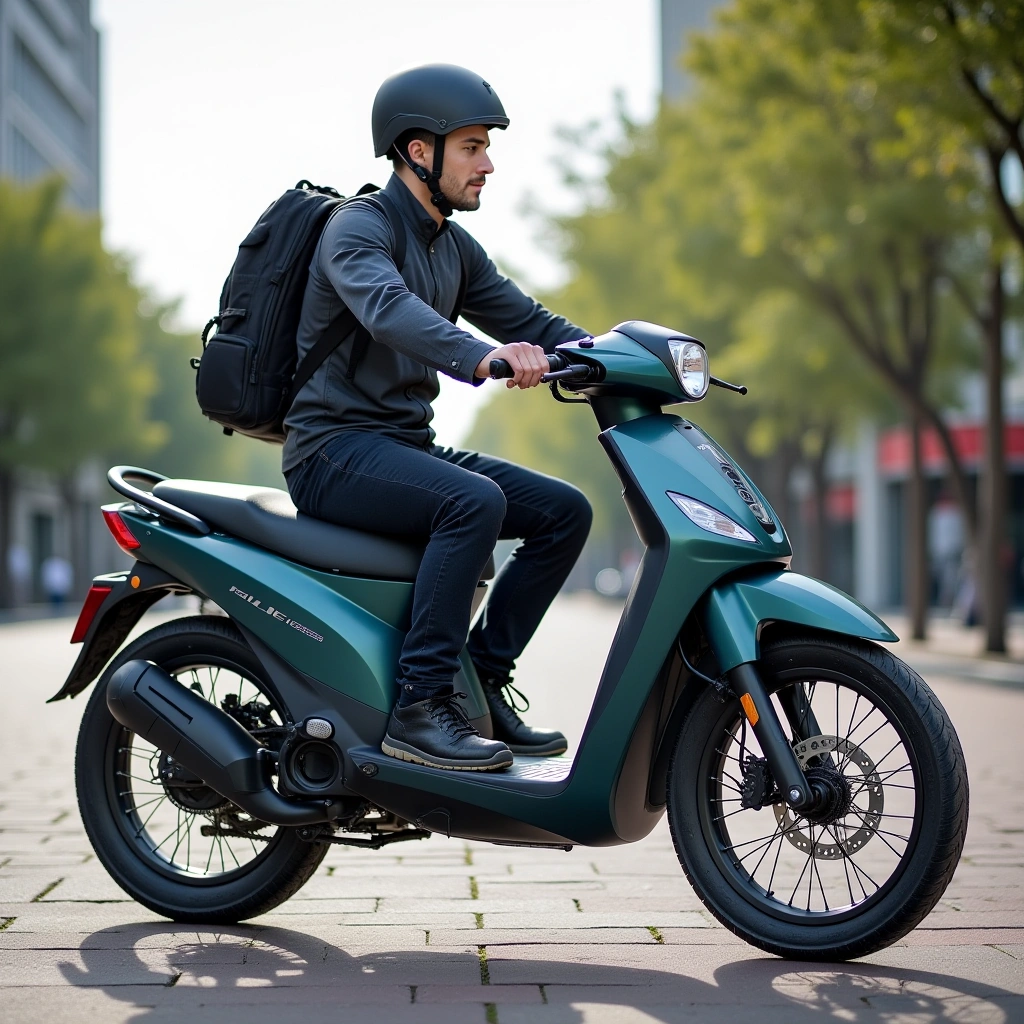
    But it’s more than that – they are actually displacing four times as much demand for oil as all the world’s electric cars at present, due to their staggering uptake in China and other nations where mopeds are a common form of transport .

    When we think about electric vehicles (EVs), our minds often race to sleek Teslas zipping down the highway, or perhaps a futuristic vision where everyone is gliding around in their own personal flying machine (cue the Jetsons theme music). But hold your horses— or should I say, hold your electric cars? It turns out that electric bikes and mopeds are quietly doing a much better job at reducing oil demand than their four-wheeled counterparts.

    According to recent reports, there are a whopping 280 million electric bikes and mopeds in the world. Yes, you read that right—280 million! That’s a number that would make even the most ambitious car manufacturer weep with envy. While electric cars are certainly making headlines and turning heads, these two-wheeled wonders are making a significant impact without all the fanfare.

    So, what’s the deal? Why are electric bikes and mopeds so effective at cutting down oil demand? Firstly, let’s consider how people actually use them. Most urban dwellers aren’t commuting from suburbia to the city in a Tesla. Instead, they’re running errands, commuting short distances, or just trying to beat that pesky traffic. Enter the electric bike or moped, which can zip around with the agility of a squirrel on caffeine.

    Not only do they take up less space (hello, parking problems!), but they also require significantly less energy to operate compared to electric cars. According to some estimates, electric bikes can be up to 10 times more efficient than electric cars in terms of energy consumption per mile. So, if you’re looking to cut down on your oil dependency while also getting a little cardio in (because riding a bike is exercise, right?), it’s hard to argue against hopping on an electric bike.

    Now, let’s not forget about the environmental impact. Electric bikes and mopeds tend to have smaller batteries than electric cars, which means less mining for those precious lithium resources. And since they’re lighter, they require less energy to manufacture and transport. It’s like the eco-friendly version of the tortoise and the hare—slow and steady wins the race.

    But wait, there’s more! The joy of riding an electric bike or moped goes beyond just the environmental benefits. Imagine gliding through city streets, the wind in your hair, and the sweet sound of silence—no engine roar, just the gentle hum of your electric motor. Plus, you can avoid all those awkward small talk moments in an elevator with your co-workers. Who needs that when you can arrive at work with a built-in excuse for being slightly disheveled?

    However, before you rush out to buy an electric bike, let’s be real for a second. They do come with their own set of challenges. For instance, how do you keep your bike from being stolen? (Hint: invest in a good lock, or consider adopting a pet rock—because a pet rock can’t be stolen!) Also, let’s not forget about the weather. Riding in the rain can be a bit of a challenge unless you enjoy a free shower while you’re commuting.

    In conclusion, while electric cars are undoubtedly a step in the right direction, we can’t overlook the significant role that electric bikes and mopeds play in reducing oil demand and promoting a greener future. They’re like the underdog of the climate movement—small but mighty. So, the next time you think about going electric, consider ditching the car for a bike. Just remember to wear a helmet and maybe a raincoat, just in case Mother Nature decides to throw a curveball.

    So, let’s give a round of applause to our two-wheeled friends. They may not be as glamorous as the latest EVs, but they’re certainly making a difference. And who knows, you might even enjoy the ride!


    Inspired by: “The world’s 280 million electric bikes and mopeds are cutting demand for oil far more than electric…” (r/climatechange)

  • Solo Road Trippin’ the Great Ocean Road: A Journey Worth Taking

    Solo Road Trippin’ the Great Ocean Road: A Journey Worth Taking

    Yes, and it is one of the best ways to do it. The road is sealed and well-maintained. Standard campervans (under 3m tall) fit everywhere. There are free camping spots at Johanna Beach and Aire River, plus powered sites at every major town. Fill up on fuel in Colac or Apollo Bay — the gap between servos can catch you out.

    Ah, the Great Ocean Road. A stretch of scenic coastline that has tempted many a traveler to leave their couch and embark on an adventure. If you’re considering a solo road trip from Melbourne, let me tell you, it’s not just a good idea; it’s a great one! And no, it won’t be boring—unless you count the occasional existential crisis as boring.

    First things first, let’s talk about timing. You’ve got a solid four to five days from Thursday to Monday. Perfect! That’s just enough time to soak in the sights without feeling like you’re on a mad dash to see everything in the world. Plus, who doesn’t love a long weekend? It’s like the universe is giving you a high-five for not working yourself to death.

    Now, you might be wondering, “Is it safe to go solo?” Well, let me assure you, solo travel can actually be quite liberating. You can blast your favorite tunes without judgment (sorry, not sorry, Taylor Swift), stop at every quirky roadside attraction, and eat as many meat pies as your heart desires. The only company you’ll have is the stunning coastline and the occasional seagull judging your life choices.

    As for the route, the Great Ocean Road is about 243 kilometers long, stretching from Torquay to Allansford. You’ll want to hit up some of the major stops like the Twelve Apostles, Loch Ard Gorge, and the charming town of Lorne. Trust me, the Instagram opportunities are endless. Just remember, if you don’t take a picture of it, did it even happen?

    Now, let’s discuss the elephant in the room: boredom. Sure, solo travel can sometimes feel like a one-person show, but it’s all about how you approach it. Bring along a good podcast or an audiobook to keep you entertained during those stretches of road that make you question your life choices. Or, you could engage in some good old-fashioned self-reflection. Nothing like a long drive to ponder the mysteries of the universe—or why you didn’t pack more snacks.

    Food is another highlight on this journey. Make sure to stop at local eateries along the way. I mean, who can resist fresh seafood in Apollo Bay? Or a good coffee in Lorne? If you’re going to be alone, you might as well treat yourself to some culinary delights. Just remember, if you see a sign that says “best fish and chips,” it’s likely a trap. Approach with caution.

    Accommodation-wise, you have plenty of options. From cozy B&Bs to budget hostels, or even camping if you’re feeling adventurous (or just want to embrace your inner Bear Grylls). Just don’t forget your bug spray if you go the camping route—trust me, you’ll thank me later.

    As you wind your way along the coast, take the time to stop at lookouts and breathe in that ocean air. It’s good for the soul, or at least that’s what the motivational quotes on Instagram would have you believe. Who knows, you might even meet fellow travelers at some of the viewpoints, and you can bond over your shared love of the stunning scenery and the not-so-stunning price of gas.

    In conclusion, my friend, a solo road trip along the Great Ocean Road is not just a viable option; it’s a fantastic way to unwind, recharge, and maybe even discover a new side of yourself. So pack your bags, grab your playlist, and hit the road. Adventure awaits, and who knows? You might even find out that you’re pretty good company after all. Just don’t forget to take the obligatory selfies along the way!


    Inspired by: “Any advice on solo Great ocean road trip starting from Melbourne?” (r/melbourne)

  • Turning Dollars into Green: The $15 Return on Climate Action

    Turning Dollars into Green: The $15 Return on Climate Action

    Nairobi, 07 September 2026 – Every US$1 invested in tackling climate change and air pollution together can generate around US$15 in economic benefits , according to a report published today by the UN Environment Programme (UNEP) and the Climate …

    Have you ever heard the phrase “you have to spend money to make money”? Well, it turns out that when it comes to climate action, the math is even more impressive. According to a recent UN-backed report, for every dollar spent on pollution and climate action, we could see a whopping return of $15. Yes, you heard that right—$15! If only my investments in crypto had such a return…

    Now, before you start dreaming about how to spend your newfound wealth, let’s unpack this a bit. First off, what exactly does it mean to invest in climate action? It’s not just about planting trees and hugging them—though that’s certainly part of it. We’re talking about investments in renewable energy, energy efficiency, sustainable agriculture, and all those other buzzwords that make you sound environmentally savvy at parties.

    So, why should we care? Well, aside from the obvious benefits of reducing pollution and mitigating climate change, this report highlights the economic advantages of making these investments. Imagine transforming our economy into a greener, cleaner version of itself while also reaping financial rewards. Sounds like a win-win to me!

    But let’s get real for a second. You might be thinking, “$15 for every dollar? That sounds like a fairy tale!” And I get it; it does seem a tad optimistic. But the report backs it up with some solid reasoning. For instance, investing in renewable energy not only creates jobs but also reduces health care costs associated with pollution. Less smog means fewer people wheezing their way to the hospital, which is a win for both our lungs and our wallets.

    Moreover, transitioning to a more sustainable economy can lead to innovation and technological advancements. Think about it: when we invest in clean tech, we’re not just fighting climate change; we’re paving the way for new industries that could be the next big thing. Move over, Silicon Valley—hello, Solar Valley!

    Now, let’s address the elephant in the room: the initial cost. Yes, there’s the upfront investment that can make you feel like you’re emptying your pockets faster than you can say “carbon footprint.” But the long-term savings and benefits far outweigh those initial expenses. Just like that gym membership you bought last January, the benefits come with time (and maybe a little sweat).

    In conclusion, the UN-backed report provides a glimmer of hope in the fight against climate change. With a potential $15 return for every dollar invested, it’s clear that the path to a sustainable future is not only necessary but also economically viable. So, let’s roll up our sleeves, dig into our wallets, and start making some green investments. Who knows? Maybe we’ll all be rolling in the dough while saving the planet. And if that’s not a good reason to get involved, I don’t know what is!


    Inspired by: “UN-backed report reveals a $15 return for every $1 spent on pollution and climate action” (r/climatechange)