Category: Nature

  • Europe’s Climate Crisis: What You Need to Know and How to Prepare

    Europe’s Climate Crisis: What You Need to Know and How to Prepare

    … Preventing flooding through urban adaptation measures , like new locks in Albert Kanaal in Flanders, Belgium. Saving energy and reducing emissions with nature-based solutions, like green roofs.

    Hey there, climate warriors! Let’s talk about something that’s a little less fun than binge-watching your favorite show: climate change in Europe. Spoiler alert: it’s not looking great. The continent is experiencing a full-blown climate crisis, and if you thought it was just a passing phase like that one haircut you regret, think again. Europe is warming faster than any other continent, and the consequences are as dramatic as a reality TV show finale.

    First off, let’s set the scene. Europe’s forests are literally going up in flames. Yes, you read that right. Those picturesque landscapes that look like they belong in a postcard are now looking more like something out of a disaster movie. Wildfires are becoming more frequent and intense, and if that’s not alarming enough, farmland is drying up faster than your favorite plant when you forget to water it for a week.

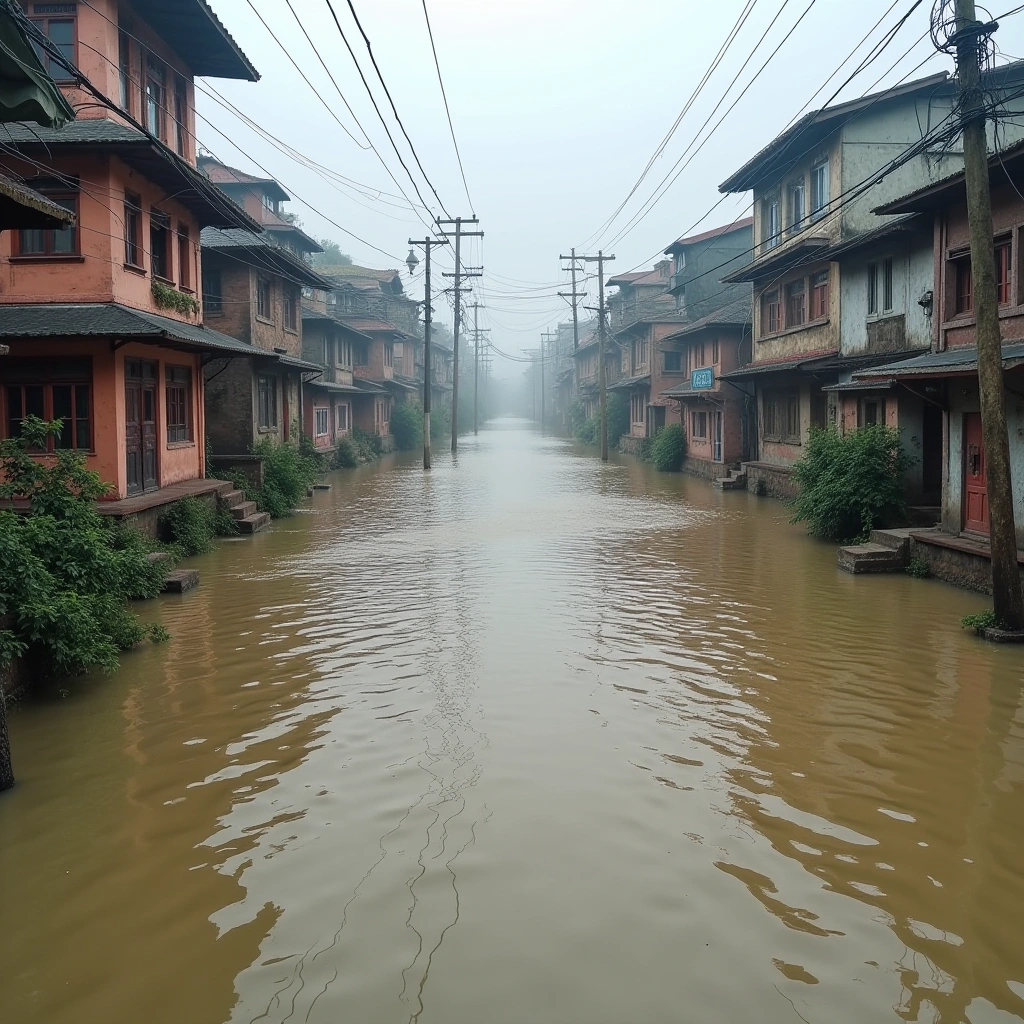
    And just when you think it couldn’t get any worse, towns across Europe are being hit by severe flooding. You know, the kind that makes you wonder if you should invest in a kayak just to get to the grocery store. It’s a rollercoaster of climate impacts, and unfortunately, it’s not the fun kind with cotton candy and prizes.

    But don’t just take my word for it. The European Environment Agency (EEA) has launched a platform that’s a treasure trove of information about climate impacts and preparedness. You can check it out here: [EEA Climate Preparedness](https://discomap.eea.europa.eu/ClimatePreparedness2026/). It’s like a guidebook for surviving the climate apocalypse, minus the zombies.

    Now, you might be asking, “What can I do about it?” Well, I’m glad you asked! First, stay informed. Knowledge is power, and in this case, it might just save your home or your favorite park. Second, get involved in local climate initiatives. Whether it’s planting trees, advocating for sustainable practices, or just reducing your own carbon footprint, every little bit helps.

    And if you’re feeling particularly adventurous, why not invest in some climate-friendly tech? Solar panels, rainwater collection systems, and electric vehicles are all the rage. Plus, they’ll give you the added bonus of feeling like a superhero every time you reduce your impact on the planet.

    In conclusion, Europe is facing some serious climate challenges, but with awareness and action, we can all play a part in turning things around. So, grab your reusable shopping bags and put on your thinking caps, because we’re in this together. And remember, if all else fails, at least you can always laugh about it with your friends—because nothing says “we’re doomed” like a good sense of humor.


    Inspired by: “Climate Impacts and Preparedness in Europe” (r/climatechange)

  • Why Organizing Politically is the Next Big Step in the Fight Against Climate Change

    Why Organizing Politically is the Next Big Step in the Fight Against Climate Change

    The politics of climate change results from different perspectives on how to respond to climate change. Global warming is driven largely by the emissions of greenhouse gases due to human activity, especially the burning of fossil fuels, certain industries like cement and steel production, and …

    If you thought buying an electric vehicle (EV) and installing a heat pump were the ultimate ways to save the planet, think again! According to one of the masterminds behind the Inflation Reduction Act, the next step is to roll up your sleeves and get political. Yes, folks, it’s time to trade in your eco-friendly driving gloves for a political campaign button!

    Now, before you start picturing yourself in a political rally with a sign that reads “Save the Earth, Vote for Me!” let’s break down what this really means.

    First off, let’s acknowledge that purchasing an EV and a heat pump are commendable steps toward reducing your carbon footprint. Kudos to you if you’ve made the switch! But let’s face it, the impact of individual actions, while important, is often overshadowed by larger systemic issues. It’s like trying to fill a bathtub with a teaspoon while someone is busy removing the plug.

    So, what’s the deal with organizing politically? Well, it’s about harnessing the collective power of individuals who care about climate change. Imagine a group of passionate people, each with their own unique skills and ideas, coming together to advocate for policies that make a real difference. It’s kind of like forming a superhero team, but instead of capes, we’re armed with facts, statistics, and an unwavering belief in a sustainable future.

    Political organization means pushing for legislation that supports renewable energy, sustainable agriculture, and responsible consumption. It’s about ensuring that our leaders take climate change seriously—because let’s be honest, some of them still think it’s a debate rather than a scientific consensus.

    Moreover, engaging politically can lead to more significant funding for green initiatives, better regulations for polluting industries, and incentives for businesses to adopt sustainable practices. Without political pressure, we risk being left with policies that are more focused on short-term gains than long-term sustainability.

    Now, you might be thinking, “But I’m just one person! Can I really make a difference?” Well, yes, you can! Remember that every big movement starts with a handful of passionate individuals. Plus, when you gather a bunch of like-minded folks, you can amplify your voice. Think of it as a climate change choir where everyone sings in harmony for a greener future.

    So, how do you start? First, get informed about local and national climate policies. Join advocacy groups or attend town hall meetings. You could even start a book club focused on climate literature—because who doesn’t love a good read while saving the world?

    And let’s not forget about social media. Use your platforms to raise awareness, share information, and mobilize your friends and family. Just be careful not to turn into that person who posts about their breakfast every day, or you might lose credibility faster than a politician dodging a tough question.

    In conclusion, while buying an EV and a heat pump are excellent personal choices, they are just the tip of the iceberg. To truly combat climate change, we need to organize politically and push for systemic change. So, put on your political hat (or whatever you prefer to wear) and get involved. Together, we can make a difference—one vote at a time!


    Inspired by: “One of the architects of the Inflation Reduction Act says after buying an EV and a heat pump, the n…” (r/climatechange)

  • Nepal’s Catastrophic Flood: A Wake-Up Call for Climate Change Awareness

    Nepal’s Catastrophic Flood: A Wake-Up Call for Climate Change Awareness

    On the morning of 26 August 2026, a series of flash floods and debris flows destroyed the Gyirong checkpoint on the China–Nepal border and struck dozens of settlements along a 72 km (45 mi) stretch of the Trishuli River in Nepal. At least 1,287 deaths and 5,083 missing persons were confirmed …

    Ah, Nepal. The land of majestic mountains, rich culture, and now, catastrophic floods that would make even Mother Nature shake her head in disbelief. If you thought the Himalayas were just about breathtaking views and trekking adventures, think again. They’re now also playing host to some serious weather drama.

    Recently, Nepal experienced a deluge that shocked even the most seasoned climate scientists. And let’s be honest, these folks have seen some stuff. When scientists are left with their jaws on the floor, you know it’s bad. The sheer volume of rain, the speed at which it fell, and the resulting chaos was a perfect recipe for disaster. It’s like Mother Nature decided to throw a surprise party, but forgot to send out the invitations.

    But why should we care about a flood halfway around the world? Well, buckle up, because this isn’t just a local problem—it’s a global one. The catastrophic flood in Nepal is a glaring reminder of what climate change looks like when it decides to make an entrance with a bang. We are living in an age where climate extremes are becoming more frequent and more severe. If you thought the weather was just being moody, think again. It’s having a full-on meltdown.

    Climatologists are warning us that this is just the beginning. As if we needed another reason to panic! The floods in Nepal are not an isolated incident; they’re part of a larger pattern of climate-induced disasters that are sweeping the globe. If we don’t change our ways, we might find ourselves in a never-ending cycle of weather-related catastrophes. Think of it as the world’s least fun rollercoaster ride—one you can’t get off of.

    Now, let’s talk about the aftermath. The immediate response to such disasters is crucial, but it often feels like putting a band-aid on a bullet wound. Communities are devastated, infrastructure is destroyed, and the long-term effects on the ecosystem are yet to be fully understood. It’s a mess, and it’s a mess that we’re all a part of, whether we like it or not.

    So, what can we do? First off, we can stop pretending that climate change is a distant problem. It’s here, and it’s knocking on our doors. We need to start taking action—like, yesterday. This means supporting policies that prioritize sustainability, investing in renewable energy, and holding corporations accountable for their environmental footprints. And yes, that means saying no to single-use plastics and yes to reusable bags, even if it means you have to remember to bring them (which, let’s be honest, is a struggle for most of us).

    In conclusion, the catastrophic flood in Nepal is a wake-up call that we can no longer afford to snooze. It’s a signal that we need to take climate change seriously before we’re all caught in a real-life disaster movie. So let’s put on our superhero capes and do our part to save the planet—or at least, try not to make it worse. Because at this point, we really can’t afford to ignore the signs. Let’s hope the next time Mother Nature decides to throw a party, it’s not one that leaves us all underwater.


    Inspired by: “Nepal’s Catastrophic Flood Heralds a New Age of Disasters” (r/climatechange)

  • Navigating the Climate Job Market: Is It a Dead End or a Goldmine?

    Navigating the Climate Job Market: Is It a Dead End or a Goldmine?

    Here in Looking Forward, we’ve covered several resources that exist to connect job seekers with climate-related opportunities — and when I first started working on this story, I thought it might be useful to compile those into a resource guide for people impacted by federal job and funding cuts. But as I began talking with sources, I found that the reality is more complicated than just knowing where to look for new positions. For both job seekers and coaches, navigating this moment means grappling with anxiety, uncertainty, and some heavy emotions about how the landscape has shifted, even while staying open to where the next opportunity might emerge.

    Let’s talk about jobs in the climate space. If you’ve been following the conversation on Reddit, you might have stumbled upon a post by someone who’s been working in the climate arena in India for a solid five years. They raised some pretty valid concerns about the state of this field. Are we witnessing the gradual demise of climate-related jobs, or is there still hope for those of us who want to save the world?

    First off, let’s address the elephant in the room: the funding crunch. It’s like trying to find a unicorn in a desert out there. Funding for think tanks has taken a nosedive, and low to mid-tier consulting firms seem to be filled with folks who are more interested in their next coffee break than in actual climate solutions. Seriously, if you’ve ever wanted to experience a gathering of the intellectually incurious, just drop by one of these firms. You’ll feel like the smartest person in the room—until you realize that’s not saying much.

    Now, before you throw your hands up in despair and decide to pivot to a career in interpretive dance (which, let’s be honest, could be just as impactful in terms of raising climate awareness), let’s explore what’s still out there in the climate job market. Spoiler alert: it’s not all doom and gloom!

    1. The Rise of Green Startups

    While traditional think tanks might be shrinking, the startup scene is buzzing with innovative ideas. Green startups are popping up like mushrooms after a rainstorm, and they’re often looking for passionate individuals who want to make a difference. Think renewable energy, sustainable agriculture, and eco-friendly technologies. These companies often have a more dynamic work culture and can offer you the chance to wear multiple hats, which is great if you enjoy variety (or if you just can’t commit to one role).

    2. NGOs and Nonprofits

    If the corporate world feels a bit too stale for your taste, consider looking into NGOs and nonprofits. These organizations are often more focused on impact than profit, which means you might find yourself working with some genuinely passionate people. Plus, you can feel good about your job, knowing you’re contributing to something greater than just the bottom line. Just be prepared to work with a budget that makes your college ramen diet look extravagant.

    3. Government and Policy Work

    Let’s not forget about the government sector. Yes, I know, the thought of working in bureaucracy might make you want to run screaming into the sunset, but hear me out. Government jobs can provide stability, benefits, and the chance to influence policy on a larger scale. Plus, there’s nothing quite like the thrill of watching your carefully crafted climate policy become a reality (or at least get stuck in committee for three years).

    4. Academia and Research

    If you’ve got a penchant for research and don’t mind the occasional existential crisis that comes with it, academia could be your jam. While it might not be the most lucrative option, you’ll have the chance to contribute to groundbreaking studies that could shape the future of climate science. Just make sure you’re ready to deal with the endless cycle of grant applications and peer reviews—think of it as a rite of passage.

    5. Networking and Skill Development

    Lastly, don’t underestimate the power of networking. Sometimes, it’s not what you know but who you know. Attend conferences, webinars, and workshops to meet others in the field. You might just stumble upon that perfect opportunity. Plus, it’s a great excuse to wear your ‘I love the planet’ t-shirt in public without judgment.

    Conclusion

    So, is the climate space a dying field? Not necessarily. It’s evolving, and while some areas may be struggling, others are thriving. If you’re passionate about making a difference and willing to adapt, there’s still plenty of room for you in this ever-changing landscape. Just remember to keep your chin up, your resume polished, and maybe invest in a good pair of walking shoes—because you never know when you’ll need to run after that next big opportunity!


    Inspired by: “Jobs in the climate space” (r/climatechange)

  • Spain’s Bold Move: Making Climate Resilience a Must-Have EU Policy

    Spain’s Bold Move: Making Climate Resilience a Must-Have EU Policy

    Spain is urging the EU to establish a dedicated climate adaptation fund and set binding adaptation targets to address the increasing costs and risks from climate change.

    So, it seems Spain is throwing down the gauntlet in Brussels, and honestly, it’s about time! The country is pushing for climate resilience to become a binding and funded policy across the EU, and guess what? They want oil and gas profits to foot the bill. Now, I know what you’re thinking: ‘Isn’t that like asking a cat to babysit a bunch of mice?’ But hear me out.

    Spain’s proposal is rooted in a pretty straightforward idea: if we’re going to tackle climate change, we need serious resources and a plan that actually has some teeth. The climate crisis isn’t just a passing trend like avocado toast or TikTok dances; it’s a full-blown emergency that requires urgent action. So, why not tap into the cash flow of oil and gas companies? After all, they’ve been swimming in profits while the rest of us are trying to keep our heads above water—literally.

    Now, let’s break this down a bit. Climate resilience refers to the ability of communities and ecosystems to withstand and recover from climate-related shocks. Think of it as the superhero cape we all need to put on as we face the impending doom of rising sea levels, extreme weather, and all those other delightful gifts climate change has in store for us. Spain wants to ensure that this cape is not just a fashion statement but a well-funded necessity.

    The idea of making this a binding policy means that EU member states would be required to take climate resilience seriously. No more half-hearted measures or vague promises that fizzle out like a bad soda. With funding from oil and gas profits, the EU could invest in infrastructure, renewable energy, and sustainable agriculture. It’s like taking the money from the cookie jar of the kid who keeps stealing cookies and using it to buy healthy snacks for everyone else.

    Now, let’s talk about the potential backlash. Of course, the oil and gas industry isn’t going to take this lying down. They might argue that they’re being unfairly targeted, that they provide jobs, and that we need them to keep the lights on (literally and figuratively). And while that’s true, it’s also true that they’ve contributed significantly to the climate crisis. So, it’s time they chip in for the cleanup, don’t you think?

    Spain’s initiative could set a precedent for how the EU tackles climate change moving forward. If successful, it could pave the way for other countries to follow suit. Imagine a Europe where climate resilience isn’t just a buzzword thrown around at conferences but a fundamental aspect of policy-making. It’s a lofty goal, but hey, someone has to dream big, right?

    In conclusion, Spain’s push for binding climate resilience policies funded by oil and gas profits is a bold and necessary step in the fight against climate change. It’s about time we start holding those who have profited from this crisis accountable. So, let’s raise a glass (of renewable energy, please) to Spain for leading the charge. Here’s hoping the rest of the EU will catch on and join the movement. Because, at the end of the day, we all want a planet that’s more resilient, sustainable, and, you know, not on fire.


    Inspired by: “Spain wants Brussels to make climate resilience a binding, funded EU policy and wants oil and gas p…” (r/climatechange)

  • The Next 50 Years: How Climate Change Will Reshape Europe

    The Next 50 Years: How Climate Change Will Reshape Europe

    Climate change has resulted in an increase in temperature of 2.3 °C (4.14 °F) (2022) in Europe compared to pre-industrial levels. Europe is the fastest warming continent in the world. Europe’s climate is getting warmer due to anthropogenic activity. According to international climate experts, …

    Ah, Europe! The land of croissants, castles, and climate conundrums. If you’ve ever wondered what the next half-century holds for this beloved continent, you’re not alone. Many of us are curious about how climate change and pollution will play out on the European stage. Spoiler alert: it’s not all baguettes and beer.

    First off, let’s talk about the obvious—temperatures are rising. According to various scientific studies, Europe is expected to warm at a rate faster than the global average. So, if you thought summer was hot this year, just wait until that sun is blasting you at an extra degree or two in 2073. You might want to start investing in industrial-sized fans and a lifetime supply of sunscreen.

    But it’s not just about the heat. Climate change is like the uninvited guest at a party who also happens to be a tornado. It brings along a host of side effects, including more extreme weather events. Think increased rainfall in some areas (hello, floods) and prolonged droughts in others (looking at you, Mediterranean). This means that your future European vacations might involve dodging floods in one city while trying to find water in another. Talk about a mixed bag!

    Now, let’s consider the impact on agriculture. With changing weather patterns, farmers will have to adapt or risk losing their livelihoods. Crops that once thrived in certain regions may no longer be viable. Imagine vineyards in France grappling with grape varieties that just can’t handle the heat. The horror! This could lead to shifts in what we eat and drink. So, if you had your heart set on that perfect French wine, you may need to start expanding your palate to whatever crops can survive the new climate.

    And let’s not forget about the rising sea levels. Coastal cities like Venice and Amsterdam are already dealing with the consequences of encroaching waters. In 50 years, we might have to change the name of Venice to “The City of Canals” because, well, it might just be underwater. And while swimming in the canals might sound refreshing, I don’t think the gondoliers will appreciate the extra splash.

    Oh, and speaking of cities, urban areas are going to feel the heat—literally. The urban heat island effect means that cities will become even warmer than their rural counterparts. So, if you thought it was too hot to handle in the urban jungle now, just wait until you’re sweating like a sinner in church while waiting for the bus in 2073.

    On a more serious note, climate change also means that biodiversity will take a hit. Species that can’t adapt to the new climate will face extinction. So, if you’ve been hoping to see certain animals in their natural habitats, you might want to book your tickets sooner rather than later. The next generation could be left with a much less diverse ecosystem, and that’s just a sad thought.

    So, what can be done? Well, Europe is already taking steps to combat climate change. The Green Deal aims to make Europe the first climate-neutral continent by 2050. That’s a tall order, but if anyone can do it, it’s the land of innovation and, let’s be honest, delicious pastries.

    In conclusion, the next 50 years in Europe due to climate change will be a mixed bag of challenges and adaptations. From hotter summers and extreme weather to changes in agriculture and biodiversity, the landscape will look quite different. So, buckle up, folks! The future is coming, and it’s going to be a bumpy ride. But hey, at least we’ll have some great stories to tell—if we can remember them through all the sweat and tears!


    Inspired by: “How Europe is changing in the next 50 years due to climate change?” (r/climatechange)

  • Navigating Climate Anxiety: Finding the Silver Linings in a Sea of Despair

    Navigating Climate Anxiety: Finding the Silver Linings in a Sea of Despair

    Pupils hear lectures from climate leaders and work through a series of exercises to better manage their stress and anxiety . It’s been so successful that it will be offered at 10 U.C. campuses in the coming months.

    Ah, climate anxiety—the delightful cocktail of dread, disbelief, and a sprinkle of existential crisis! If you’ve been scrolling through your social media feeds, you might feel like the world is one bad meme away from total meltdown. From billionaires playing environmental dodgeball to the latest video of marine life doing the backstroke in plastic, it’s no wonder folks are feeling a bit on edge. But before you throw in the towel and start crafting your bunker out of recycled materials, let’s take a moment to sift through the doom and gloom for some hopeful nuggets.

    First off, let’s address the elephant in the room: the billionaires. Yes, those fine folks who seem to have more money than sense, and who often prioritize profit over planet. You’d think with all that cash, they’d invest in saving the world instead of, I don’t know, buying a second yacht or launching themselves into space for a joyride. It’s enough to make anyone throw their hands up in frustration. But here’s a thought—while they may be the loudest voices in the room, they aren’t the only ones.

    There are actually a plethora of individuals and organizations working tirelessly to combat climate change. Take, for example, the surge in renewable energy initiatives. Wind and solar power are no longer just the quirky hobbies of a few eco-warriors; they’re becoming mainstream. According to the International Renewable Energy Agency (IRENA), the number of jobs in the renewable energy sector has been skyrocketing, with millions of people employed worldwide. Who knew saving the planet could also be a job creator?

    And speaking of jobs, let’s chat about the rise of sustainable businesses. Companies are beginning to realize that being eco-friendly isn’t just good for the planet; it’s also good for their bottom line. From fashion brands creating clothes out of recycled materials to tech companies designing energy-efficient gadgets, the marketplace is shifting. Sure, it might feel like a slow crawl sometimes, but progress is progress, right?

    Now, let’s not forget about grassroots movements. Local communities are making waves (pun intended) with initiatives to clean up beaches, plant trees, and promote sustainable practices. These grassroots efforts often don’t make the headlines, but they’re the lifeblood of change. Ever heard of the term ‘think globally, act locally’? It’s not just a catchy phrase; it’s a call to action. And it’s happening all around us!

    As for the fear of extinction—while it’s a valid concern, let’s remember that humanity has faced daunting challenges before and emerged stronger. Yes, the Paris climate agreement was a setback, but many states, cities, and businesses are still committed to reducing emissions and fostering sustainability, regardless of what’s happening at the federal level.

    Now, I get it. Sometimes it feels like good news about climate initiatives is buried under a mountain of bad news, like a sad little plant trying to grow in the shade of a skyscraper. But the truth is, there are success stories out there that deserve our attention. Countries like Denmark and Sweden are leading the charge in renewable energy and have set ambitious goals for carbon neutrality. And let’s not forget about the global youth movement, with young activists rallying for change and demanding accountability from those in power. They’re like the superhero squad we didn’t know we needed, and they’re not backing down anytime soon.

    So, if you’re feeling like a nihilistic misanthrope, take a deep breath and remember that while the challenges are immense, they’re not insurmountable. The world is full of people—yes, even billionaires—who are making strides toward a more sustainable future. Maybe it’s time to shift our focus from the doom scrolling to the do-gooding. Let’s celebrate the small victories, support the people making a difference, and keep the conversation going. After all, the planet may be in a bit of a pickle, but together, we might just find a way to turn it into a delicious salad.

    In the end, it’s all about balance. Embrace the anxiety, but don’t let it consume you. There’s hope out there, even if it feels like it’s hiding behind a dumpster fire sometimes. So, let’s roll up our sleeves and get to work—because the planet isn’t going to save itself, and we definitely don’t want to end up as the punchline in the universe’s greatest joke.


    Inspired by: “Pretty bad climate anxiety. Any good news?” (r/climatechange)

  • Narwhals: The Unexpected Heroes of Climate Science

    Narwhals: The Unexpected Heroes of Climate Science

    In a study published in Science Advances on Wednesday, researchers equipped six of the toothed whales, sometimes called "unicorns of the sea," with satellite transmitters, and had them explore remote East Greenland waters.

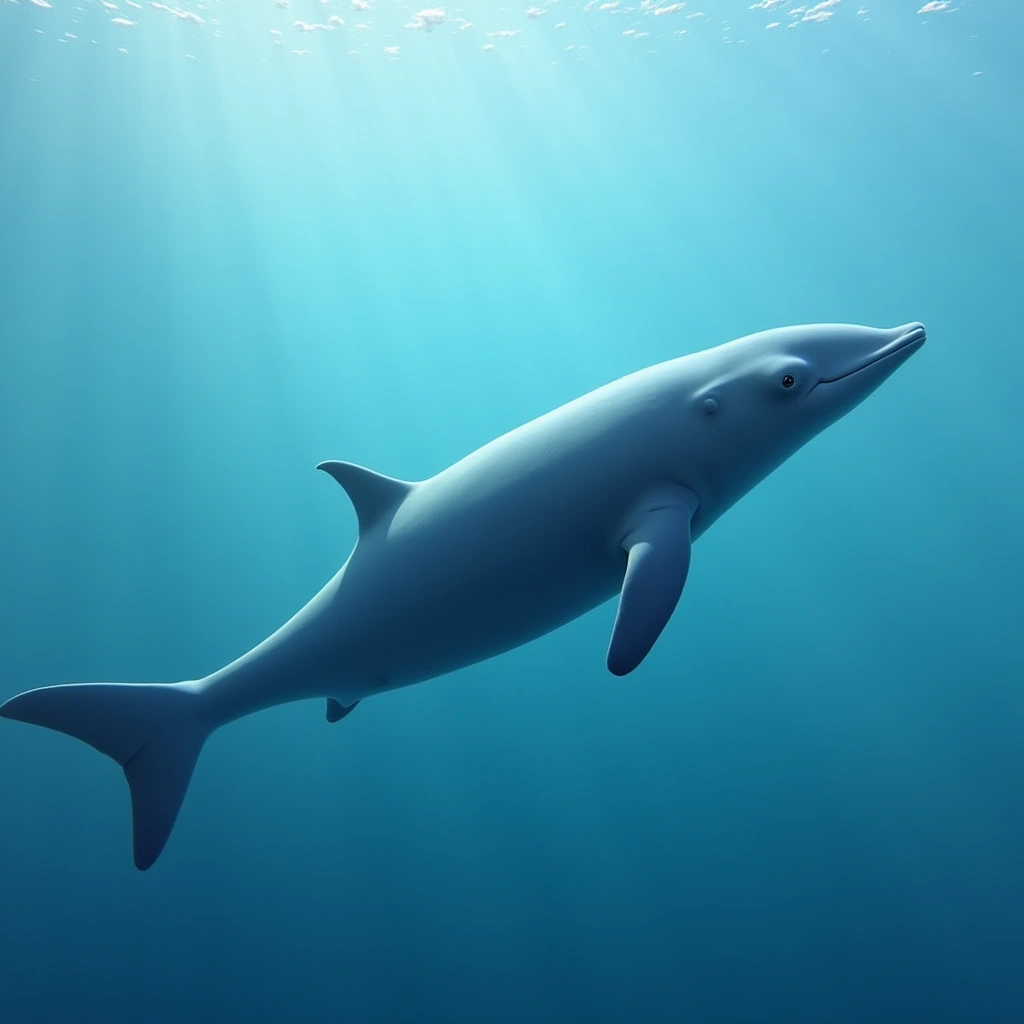
    If you’ve ever thought that narwhals were just the unicorns of the sea, you might want to rethink your position. Turns out, these majestic creatures are not only cool because they have a literal tusk, but they’re also playing a crucial role in helping scientists map out warm water hidden in the fjords of Greenland. Yes, you heard that right. Narwhals are now the unofficial climate change detectives, and honestly, who knew they could be so useful?

    So, here’s the scoop: scientists have been scratching their heads trying to figure out how climate change is affecting our oceans, particularly in places like Greenland, which is apparently the place to be if you’re a melting iceberg. The warm water lurking in the fjords is a bit of a mystery, and that’s where our tusked friends come into play. Using the narwhals as their underwater spies, researchers are gathering data about these warm water pockets that could have a significant impact on the melting ice and the overall climate.

    But how are narwhals helping, you ask? Well, these adorable sea creatures are equipped with a built-in GPS system—okay, not exactly, but they do have a knack for swimming in and out of places humans can’t easily access. By tracking their movements and diving patterns, scientists can get a better understanding of the temperature and salinity of the water in those hard-to-reach fjords. It’s like having a personal assistant who can go places you can’t, except this assistant happens to be a whale with a long tooth.

    Now, before you go thinking that narwhals are just swimming around with a cape, let’s not forget that they’re also facing their own set of challenges due to climate change. As the ice melts, their habitats are changing, and they’re being pushed into smaller areas. It’s a bit of a double-edged sword: they’re helping scientists, but at the same time, they’re struggling to adapt. Talk about a tough gig.

    This collaboration between narwhals and scientists is a prime example of how nature and research can work hand-in-hand—sort of like peanut butter and jelly, but with a lot more blubber. The data collected from these majestic creatures could lead to better predictions about future climate scenarios, which is something we all need given the current state of affairs.

    So, the next time you hear about narwhals, don’t just picture them swimming gracefully through icy waters. Think of them as the unsung heroes of climate science, bravely navigating the fjords and helping us understand the hidden dangers of warming waters. Who would have thought that a creature so whimsical could be so pivotal in the fight against climate change?

    In summary, while we might be sitting at our desks, sipping coffee and scrolling through memes, narwhals are out there doing the heavy lifting for science. So, let’s raise a glass to these incredible animals and hope they continue to thrive in a world that desperately needs their help. And who knows? Maybe they’ll even get their own superhero movie one day. I’d watch that.


    Inspired by: “Narwhals are helping scientists map warm water hidden in Greenland’s fjords” (r/climatechange)

  • The UN’s Retreat on Climate Change: What Does It Mean for Us?

    The UN’s Retreat on Climate Change: What Does It Mean for Us?

    In a strategic retreat, the United Nations concedes that Earth has lost its chance to prevent some of the worst impacts of global warming . A report by the United Nations Environment Programme reveals that the planet will soon exceed the temperature …

    Hey there, fellow Earthlings! So, it seems like the UN has recently decided to drop some not-so-great news about climate change—specifically, that the worst is now unavoidable. Cue the collective gasp from millennials and Gen Z, who are just trying to figure out what to do with their avocado toast without the world ending. But let’s unpack this a bit, shall we?

    First off, let’s clarify what the UN is saying. They’re not suggesting we all pack our bags and move to Mars (though some might argue that’s not a terrible idea). Instead, they’re acknowledging that the damage we’ve done to our planet has reached a point where some effects—like rising sea levels and more extreme weather—are pretty much locked in. It’s like that moment when you realize you’ve eaten all the cookies and there’s no going back. Regret? Yes. Reversal? Nope.

    Now, what does this mean for you, your future kids, and even that cute puppy you’ve been thinking about adopting? Well, it’s a mixed bag. On one hand, it’s easy to feel overwhelmed and think we’re all doomed. But on the other hand, it’s a wake-up call. If we know that some consequences are inevitable, we can at least prepare for them and try to mitigate the worst of the fallout. It’s like knowing there’s a test coming up—you can either panic or hit the books and study your way to a decent grade.

    So, what can we do? First, let’s talk action. The UN’s statement is a cue for all of us to step up our game. We need to push for policies that reduce emissions, invest in renewable energy, and protect our natural resources. It’s about making choices that help rather than hurt. Think of it as a giant group project where we all need to pull our weight, or else we’ll end up with a failing grade. And nobody wants to be that person who ruins the group project.

    Now, let’s address the elephant in the room: the timeline. When will we reach the dreaded point of no return? Well, that’s a bit tricky. Experts have been warning us for years that we need to act fast, but there’s no magic date on the calendar that says, “Doomsday: Mark Your Calendars!” Climate change is more of a gradual process, like realizing you’ve been wearing the same pair of socks for too long. It sneaks up on you, and before you know it, you’re in a situation that’s not great.

    In conclusion, while the UN’s retreat on climate efforts sounds grim, it’s not the end of the world (pun intended). It’s a call to action for all of us to get serious about climate change and take responsibility for our planet. So, if you’re young and worried about the future, channel that anxiety into something productive—like advocating for policy changes or even just recycling those takeout containers instead of tossing them in the trash.

    Remember, every little bit helps. And who knows? Maybe one day you’ll look back and say, “I helped save the world!” Or at least, “I didn’t contribute to its downfall while munching on my avocado toast.” Now that’s a legacy worth having!


    Inspired by: “what does the UN retreating on global warming efforts mean?” (r/climatechange)

  • The Drama of Climate Change: Is Social Media Making Us Anxious?

    The Drama of Climate Change: Is Social Media Making Us Anxious?

    BUFFALO, N.Y. — A new University at Buffalo-led study suggests greater social media use is linked to emotional distress caused by the perceived threats of climate change .

    If you’ve been scrolling through social media lately, you might have stumbled upon a barrage of climate change content that feels more like a horror movie trailer than a call to action. Seriously, it’s like every video starts with a dramatic score and a voiceover that sounds like the world is about to end. And while I get it—climate change is a serious issue—there’s a fine line between raising awareness and inducing a full-blown panic attack.

    Let’s face it, the news about our planet can be downright alarming. It’s like the universe is throwing a never-ending series of curveballs, and we’re all standing at the plate, hoping to connect with something—anything—without getting a face full of dirt. But here’s where the problem lies: many content creators seem to be leaning into the drama, turning important discussions into emotional rollercoasters that leave us feeling more hopeless than hopeful.

    Imagine this: you’re scrolling through your feed, sipping your coffee, and suddenly you’re confronted with a video titled “The Earth Is Dying: What Are You Doing About It?” Cue the sad music and images of polar bears looking forlorn. Your heart sinks, your anxiety spikes, and before you know it, you’re questioning your life choices—like, why did you have that second slice of cake?

    But on a serious note, the emotional weight of these videos can lead to some pretty severe mental health issues. I’ve come across stories of people who have spiraled into depression and anxiety after binge-watching climate doom content. One person even mentioned getting so overwhelmed that they almost took drastic measures. That’s a huge red flag, folks.

    The irony is, these creators often start with good intentions—spreading awareness and motivating action. But when the message is delivered in a way that feels too dramatic or hopeless, it can lead to paralysis. Instead of mobilizing people to take action, it can freeze them in their tracks, leaving them feeling like there’s no point in trying.

    So, what’s the solution? How about a little less drama and a bit more calm? Imagine if creators focused on practical advice and hopeful stories rather than just the doom and gloom. A video titled “5 Simple Ways You Can Help the Planet Today” might just inspire someone to swap out their plastic straws for reusable ones instead of making them want to throw their hands up and scream into the void.

    We need to balance the gravity of climate change with a sense of empowerment and hope. After all, feeling hopeless isn’t just bad for our mental health; it’s bad for the planet too. When people feel like they can’t make a difference, they’re less likely to take action.

    So, here’s a challenge for all the content creators out there: let’s dial down the drama and focus on solutions. Let’s create a community that encourages action without sending everyone into a spiral of despair. Because if we’re going to tackle climate change, we need all hands on deck—not a bunch of anxious, overwhelmed folks too scared to do anything.

    In conclusion, yes, climate change is a serious issue, and it deserves our attention. But let’s make sure that in our quest to raise awareness, we’re not inadvertently causing more harm than good. Let’s talk about the planet’s issues without making it feel like we’re all on a sinking ship. Together, we can create a narrative that’s both urgent and hopeful—because the only thing worse than climate change is a world where we’ve given up on trying to fix it.


    Inspired by: “My issue with social media climate news.” (r/climatechange)