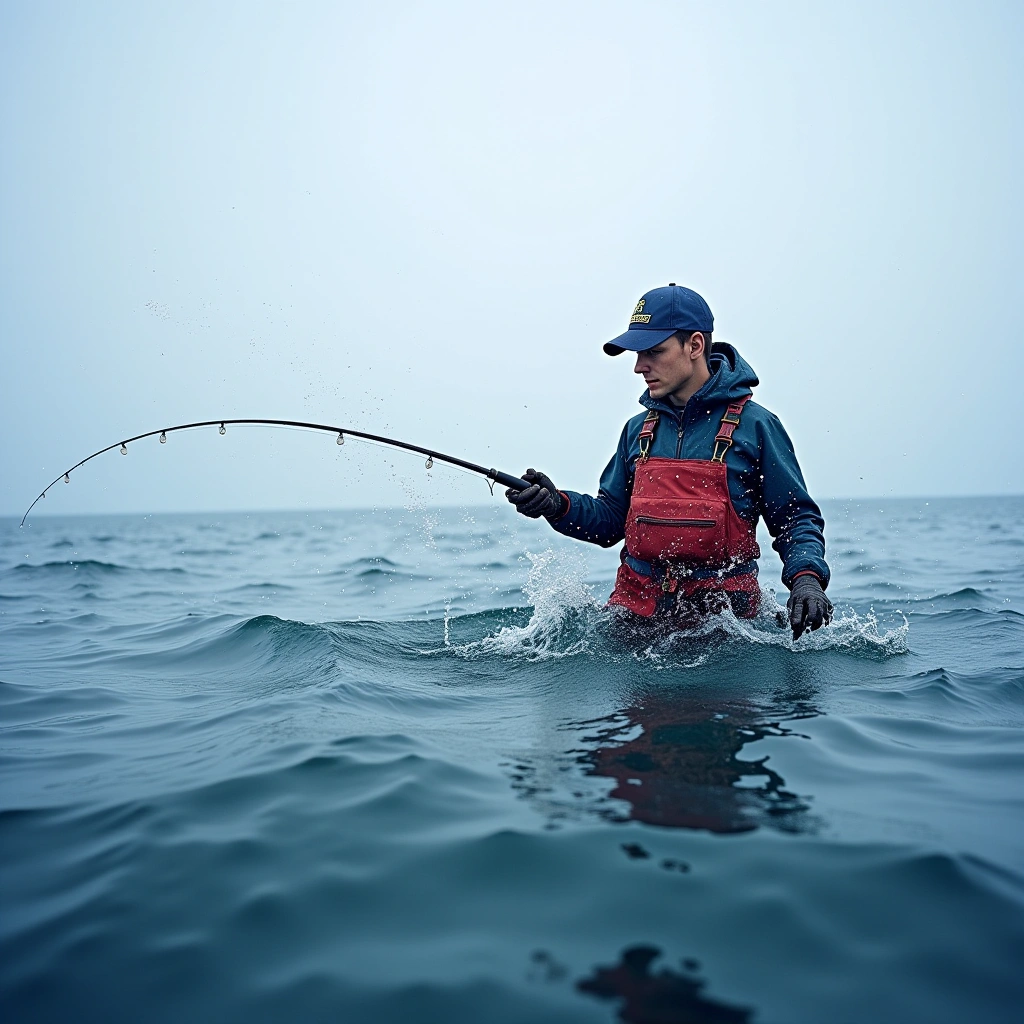
Here are two examples of fish stocks affected by climate change: There has been a rapid change in Atlantic mackerel distribution since 2007. Stocks have moved northward as sea temperatures rise .
Ah, climate change – the hot topic that keeps on giving. From melting ice caps to the occasional existential crisis, it seems like every day brings a new reason to be concerned about our planet’s future. One of the more intriguing developments in this saga is how climate change is pushing fisheries polewards. Yes, you heard that right. Fish are literally packing their bags and heading north, and it’s all thanks to our warming planet.
So, what does it mean when we say fisheries are moving polewards? Essentially, as ocean temperatures rise, marine species are seeking cooler waters. This means fish that were once happily swimming in warm southern seas are now migrating to the chillier northern latitudes. If you’ve ever tried to escape a hot summer day by heading to the beach, you might relate to their plight. But while you’re looking for a refreshing dip, these fish are just trying to survive.
Now, let’s address the elephant in the room: what does this mean for us land-bound water bodies? Well, it’s a bit of a mixed bag. On one hand, the shift in fish populations could lead to new fishing opportunities in northern regions. Fishermen in places like Alaska might find themselves in a veritable seafood bonanza as new species arrive in their waters. Think of it as a surprise party, but instead of cake, you get a new catch of the day.
On the flip side, though, these changes can have significant implications for ecosystems and local communities. Species that have been staples in certain regions may decline or even disappear, leading to a ripple effect throughout the food chain. Imagine if your favorite restaurant suddenly ran out of your go-to dish – not cool, right? The same goes for local fishermen who depend on specific fish populations for their livelihood. If those fish decide to take an extended vacation in cooler waters, it could spell trouble.
Moreover, this shift isn’t just affecting marine life. It has broader implications for coastal communities that rely on fishing for economic stability. If fish populations move north, it could disrupt local economies that are already feeling the strain from climate change. So, while some fishermen might be reeling in new catches, others could be left high and dry, wondering where all their fish buddies went.
And let’s not forget about the land-bound water bodies. As fish migrate, it can alter the dynamics of freshwater ecosystems. For example, if certain species start to invade lakes and rivers, it could lead to competition with native species, which, let’s be honest, is not something we want to see. Imagine a bunch of rowdy newcomers crashing a quiet party – it’s bound to get messy.
So, what can we do about this fishy situation? Well, for starters, we can’t just sit back and watch the fish do their thing. It’s important to support sustainable fishing practices and conservation efforts to ensure that both our oceans and land-bound water bodies can thrive despite these changes. After all, we might want to enjoy our fish and chips for years to come, and that requires a bit of foresight and responsibility on our part.
In conclusion, while climate change is pushing fisheries polewards, it’s crucial to recognize the broader implications for ecosystems and the people who depend on them. So, the next time you sit down to enjoy a delicious seafood dinner, take a moment to appreciate the journey those fish have made – and maybe raise a glass to the brave fishermen adapting to this ever-changing world. Cheers to that!
Inspired by: “Climate change may push fisheries polewards, with implications for land-bound water bodies” (r/climatechange)