Category: Nature

  • El Niño: The Climate Event That’s Getting a Turbo Boost from Climate Change

    El Niño: The Climate Event That’s Getting a Turbo Boost from Climate Change

    That is bad news for climate hazards … fuels, a string of recent “super” El Niño events has provided extra acceleration, with intense events causing the global temperature record to fall in 1998, then 2016 and then further in 2024 …

    Ah, El Niño. The name alone sounds like a tropical vacation, doesn’t it? But instead of sipping piña coladas on a sunny beach, we’re left grappling with the aftermath of this climatic phenomenon, which is getting a little help from its not-so-friendly sidekick: climate change. Grab your umbrella, and let’s unpack this!

    So, what exactly is El Niño? Well, in simple terms, it’s a natural climate event that occurs in the Pacific Ocean, characterized by the warming of ocean surface temperatures. This warming can impact weather patterns across the globe, leading to everything from unseasonably dry conditions to torrential downpours. It’s like Mother Nature decided to throw a wild party, and the weather is the uninvited guest that keeps crashing it.

    Now, here’s where things get spicy. A recent study has found that the burning of fossil fuels—yes, the thing we can’t seem to quit like a bad habit—has been supercharging these El Niño events. The extra heat we’re adding to the oceans and atmosphere isn’t just a minor tweak; it’s like adding a turbocharger to an already powerful engine.

    When an El Niño event occurs, this background warming means that we’re not just looking at your run-of-the-mill heatwaves or rainfall. Nope! We’re talking about more intense heatwaves, heavier rainfall, and floods in some regions. On the flip side, there are areas that will experience worse droughts and wildfires. It’s like a climate buffet, but none of the options are appetizing.

    But wait, there’s more! Warmer air can hold more moisture, which means that when it rains, it pours—literally. The extreme weather events become stronger and more unpredictable. Think of it as if El Niño decided to take a few extra shots of espresso before hitting the dance floor. It’s going to be a wild ride!

    In summary, while El Niño is a natural climate event, its impacts are being amplified by climate change. So, what can we do about it? Well, for starters, we can stop burning fossil fuels like they’re going out of style. Spoiler alert: they are! Transitioning to renewable energy sources, reducing our carbon footprint, and advocating for policies that combat climate change can help turn down the heat.

    In conclusion, while El Niño may sound like a fun tropical getaway, it’s actually a serious climate event that’s becoming more intense thanks to our own actions. So, let’s not be the party poopers of the planet; let’s work together to make sure we’re not left cleaning up the mess after Mother Nature’s wild bender. Cheers to a cooler, more stable climate!


    Inspired by: “El Niño climate patterns supercharged by burning of fossil fuels, study finds” (r/climatechange)


  • Navigating Climate Anxiety: How to Cope When the World Feels Like It’s Ending

    Navigating Climate Anxiety: How to Cope When the World Feels Like It’s Ending

    As wildfires rage across Europe, many of us are feeling helpless and anxious about the state of the planet. Katie Rosseinsky explores the mental toll of climate change and asks the experts how to cope when the crisis feels so out of control

    Ah, climate anxiety. It’s like that annoying friend who shows up uninvited, stays way too long, and constantly reminds you of your impending doom. If you’ve recently started engaging with climate news, you might be feeling a little overwhelmed. Trust me, you’re not alone. In fact, it seems like the world is having a collective meltdown—pun intended.

    Let’s dive into the mind of someone grappling with these feelings, shall we? Picture this: you’re chilling at work, maybe sipping on your third cup of coffee, when news hits that a natural disaster has struck somewhere far away, say, Nepal. Suddenly, you’re hit with a wave of despair that feels heavier than an elephant on a seesaw. You start thinking, “Great, just what I needed—more evidence that the world is on fire, and not in the good way.”

    It’s enough to make anyone break down crying at their night shift job. I mean, who wouldn’t? The thought that the people you love could be gone in a decade is like a punch to the gut. And while you’re maxing out your Roth IRA and hitting the gym like a champion, it feels like you’re running on a treadmill set to ‘doomed.’

    So, how do we cope with this delightful cocktail of anxiety and existential dread? First off, let’s acknowledge that climate anxiety is real, and it’s valid. You’re not just being melodramatic; the world is indeed facing some serious challenges. But here’s the kicker: feeling overwhelmed doesn’t mean you have to throw your hands up and surrender to despair.

    One way to tackle this anxiety is to focus on what you can control. Sure, you can’t single-handedly save the planet (unless you’re secretly a superhero, in which case, call me), but you can make small changes in your life that contribute to a larger impact. Think about reducing your carbon footprint, supporting sustainable businesses, or even just educating yourself and others about climate issues. It’s like trying to do your part in a massive group project where no one seems to care. At least you can be the one who shows up with snacks.

    Community engagement is another great way to combat climate anxiety. Join local groups that are focused on sustainability or climate action. You’ll not only be making a difference, but you might also find that you’re not the only one feeling a bit lost in this climate chaos. Plus, bonding over shared concerns can be oddly therapeutic. Just be sure to bring some humor into it; laughter is a great antidote for anxiety.

    And let’s not forget the importance of self-care. Sometimes, you just need to take a step back and breathe—preferably not while watching a documentary on melting ice caps, though. Go for a walk, read a book, or binge-watch that series you’ve been meaning to catch up on. It’s okay to take breaks from the doom and gloom.

    Finally, remember that you’re not alone in this. It’s perfectly normal to feel overwhelmed, and it’s okay to seek help if you need it. Talk to friends, family, or even a professional if your anxiety becomes too much to handle. Sometimes, just voicing your concerns can lighten that heavy load.

    In conclusion, climate anxiety is as real as that pile of laundry you’ve been avoiding, but it doesn’t have to be debilitating. By focusing on what you can control, engaging with your community, practicing self-care, and seeking support, you can navigate these turbulent waters. So, take a deep breath, grab a cup of your favorite beverage, and remember: we’re all in this together—whether we like it or not.


    Inspired by: “How isnt climate anxiety just completely debilitating” (r/climatechange)

  • Climate TRACE: Numbers That Just Don’t Add Up

    Climate TRACE: Numbers That Just Don’t Add Up

    Climate TRACE (Tracking Real-Time Atmospheric Carbon Emissions) is an independent group which monitors and publishes greenhouse gas emissions. It launched in 2021 before COP26, and improves monitoring, reporting and verification (MRV) of both carbon dioxide and methane.

    So, let’s talk about Climate TRACE, shall we? You might have heard of them if you’ve dipped your toes into the vast ocean of climate data. They’re supposed to be our trusty guides in the murky waters of carbon emissions, but it seems like they’ve taken a wrong turn at Albuquerque.

    According to some sharp-eyed Redditors—shoutout to u/The_Slug_Spares_Few1—Climate TRACE has been throwing out data that’s more confusing than a cat in a dog park. Their monthly data releases for 2026 are reportedly off by a factor of 2 to 50. Yes, you read that right: 50! That’s not just a typo; that’s a full-on math meltdown. In two out of six months, they even managed to get the sign of the change wrong. That’s like saying you’re gaining weight when you’re actually losing it—definitely not the kind of ‘good news’ we want to hear.

    Let’s break this down. The data for CO2 emissions in 2026 versus 2025 looks something like this:

    – 2025 had 5.26 Gt, while 2026 reported 5.3 Gt. They said there was a +0.3% change, but the actual change was +0.7%. Close, but no cigar!

    – 5.04 Gt in 2025 and 4.9 Gt in 2026. They reported a -0.7% change, but the actual change was -2.8%. Oops!

    – 5.29 Gt to 5.1 Gt. They said -0.1%, but it was really -3.6%.

    – 5.16 Gt to 4.9 Gt. Reported was +0.1%, but the reality was a whopping -5.0%.

    – From 5.17 Gt to 5.0 Gt, they reported -0.1% when it should have been -3.3%.

    – They claimed +0.6%, but the actual change was -4.3%.

    When you tally it all up, the first half of 2026 shows a total of 30.99 Gt reported versus 29.7 Gt actual. They said +0.2%, but it was really a -4.2% shift. If that’s not a rollercoaster of numbers, I don’t know what is!

    Now, I’m no mathematician, but I can tell when something smells fishy—like that leftover takeout in the back of your fridge. It raises the question: how on Earth did they arrive at these numbers? Did they use a magic eight ball? Or perhaps they consulted with a team of squirrels?

    But let’s put the sarcasm aside for a second. This kind of discrepancy is not just a minor hiccup; it’s a significant issue when it comes to climate data. Accurate numbers are crucial for understanding our progress (or lack thereof) in combating climate change. If we can’t trust the data we’re given, how can we make informed decisions about our planet’s future?

    But hey, let’s look on the bright side: at least these inflated numbers spell good news for us in a weird way. It’s like when you step on the scale after a holiday binge and it reads a lower weight than you expected—sure, you know it’s a lie, but for a brief moment, it’s nice to think you might have dodged that calorie bullet.

    In conclusion, while Climate TRACE’s mission to track emissions is incredibly important, they really need to get their act together with the numbers. Otherwise, we might as well just start asking our pets for climate advice. At least they’ll be honest—most of the time.

    So, here’s hoping they sort out their math before we find ourselves in a climate crisis that’s even worse than we thought. Until then, keep your eyes peeled for more number shenanigans and stay informed! After all, the planet needs all the help it can get—preferably with accurate data.


    Inspired by: “Climate TRACE is using incorrect numbers in their monthly data releases.” (r/climatechange)

  • Staying Informed: The Best Apps for Climate News

    Staying Informed: The Best Apps for Climate News

    🏆 Friendly Competition Challenge friends, share progress, and inspire others – like a fitness app for the planet. Stay consistent with social accountability and friendly motivation. 📰 Climate Change News & Updates Stay informed with curated climate change news, innovations, and stories of positive environmental action from around the world.

    So, you’ve joined a Climate Coalition and are ready to dive into the world of climate news—good for you! It’s like joining a superhero league, but instead of capes, you get to wear a reusable tote bag. Now, you’re probably wondering where to find reliable and unbiased information without getting lost in the climate change rabbit hole. Fear not! I’ve got you covered with a list of news apps that will keep you in the loop, and maybe even save the world (or at least keep you informed about it).

    1. Climate.gov: This isn’t just any old news app; it’s like the Swiss Army knife of climate information. It offers a mix of news, data, and educational resources that are perfect for anyone who wants to understand climate science without needing a PhD. Plus, it’s run by the National Oceanic and Atmospheric Administration (NOAA), so you know it’s legit.

    2. The Guardian: If you want your climate news served with a side of sass, The Guardian is your go-to. Their environment section is packed with articles that are informative yet engaging. Just be prepared for the occasional headline that makes you gasp and question your life choices. But hey, at least you’ll be informed!

    3. Inside Climate News: This is the Pulitzer Prize-winning site that focuses solely on climate news. It’s like the cool kid in school who only talks about the serious stuff—no fluff, just the facts. They provide in-depth reporting that cuts through the noise, making it a great resource for those who want to dive deep into the issues without getting sidetracked by cat videos (though, who can resist those?).

    4. BBC News: The BBC has a dedicated section for climate news that’s as reliable as your grandma’s advice on how to survive a snowstorm. The articles are well-researched and cover global climate issues from various angles. Just don’t get too attached to the accents; you might find yourself binging on British television shows afterward.

    5. Reuters: For those who prefer their news straight and to the point, Reuters is like the espresso shot of climate news. Their coverage is concise and factual, making it a great choice for busy bees who want to stay informed without reading a novel every day.

    6. Google News: Okay, I know this is a bit of a cop-out, but hear me out. You can customize Google News to focus on climate-related topics. Just type in ‘climate change’ and voilà! You’ll get a curated list of articles from various sources. Just be careful—clicking on too many links can lead to an all-nighter of reading about melting ice caps. Trust me; I’ve been there.

    7. Earthjustice: If you want to combine activism with your news consumption, this app is for you. Earthjustice focuses on legal battles and environmental justice issues, making it a unique resource for those who want to know not just what’s happening, but also what’s being done about it. Plus, it’s a great way to feel like you’re part of the solution, even if you’re just sitting on your couch in your pajamas.

    So there you have it! A collection of apps and websites that will keep you informed about climate news without turning you into a doomsday prepper. Remember, staying informed is just one piece of the puzzle. Now, get out there and save the planet—one app at a time!


    Inspired by: “What news apps should I turn to for climate news specifically?” (r/climatechange)

  • El Niño on Steroids: How Climate Change is Turning up the Heat

    El Niño on Steroids: How Climate Change is Turning up the Heat

    A potentially record-strength El Niño could intensify global heat and regional extremes, including drought, wildfire, heavy rainfall, and flooding . Forecasts indicate a peak later this year and a delayed global temperature effect that could …

    If you thought El Niño was just a fancy name for a warm ocean current that we occasionally blame for our weird weather, think again! Recent studies have shown that climate change is not just giving El Niño a little boost; it’s practically supercharging it. And the coral records are here to spill the tea on how this phenomenon is unfolding.

    First off, let’s break down what El Niño is, for those who might not be as familiar. El Niño is a climate pattern that occurs in the Pacific Ocean, characterized by warmer-than-average sea surface temperatures. This phenomenon can lead to various weather disruptions around the globe, including droughts, floods, and that awkwardly hot Christmas dinner you had last year.

    Now, you might be wondering, how does climate change fit into this tropical drama? Well, as our planet continues to warm—thanks to greenhouse gas emissions and our collective love for fossil fuels—these El Niño events are becoming more intense and frequent. It’s like putting a turbocharger on an already fast car; things are about to get wild.

    Coral reefs, those beautiful underwater structures that are home to countless marine species, are the canaries in the coal mine when it comes to climate change. They’re sensitive to temperature changes, and when things heat up, they tend to bleach and die off. Recent coral records have shown that during strong El Niño years, we see a significant increase in coral bleaching events. In simpler terms, when El Niño kicks it up a notch, corals take a hit, and our oceans start looking more like a sad, bleached-out version of Finding Nemo.

    The coral records indicate a clear pattern: as the intensity of El Niño increases, so does the impact on coral reefs. This is not just a coincidence; it’s a direct consequence of rising ocean temperatures due to climate change. So, while you might think of El Niño as just another weather pattern, it’s actually a crucial player in the ongoing saga of environmental change.

    Now, before you start throwing your hands up in despair, let’s talk about what we can do. It might feel overwhelming, but awareness is the first step. Understanding how climate change is affecting natural phenomena like El Niño can help us push for better policies and practices to mitigate its effects. Plus, it gives us something to talk about at awkward family gatherings—because nothing says ‘bonding’ like discussing the fate of coral reefs over turkey.

    In conclusion, the next time you hear about El Niño, remember that it’s not just a weather pattern; it’s a symptom of a much larger issue. Climate change is supercharging El Niño, and the ramifications are profound. So, let’s keep the conversation going, because if we don’t, we might end up with a planet that’s not just hot but downright inhospitable. And no one wants to live in a world where the only thing thriving is the heat.

    Stay informed, stay engaged, and let’s aim for a future where our oceans—and our coral reefs—can thrive rather than just survive. After all, they deserve better than being collateral damage in our climate crisis.


    Inspired by: “Climate change is supercharging El Niños, coral records show” (r/climatechange)

  • Rewilding: Nature’s Secret Weapon Against the Heatwaves

    Rewilding: Nature’s Secret Weapon Against the Heatwaves

    Rewilding restores natural water storage systems like wetlands and floodplains, which retain moisture in the soil and keep vegetation green even when rainfall is scarce.

    Summer is known for its scorching heat, ice cream cones, and questionable fashion choices (flip-flops with socks, anyone?). But this summer, it seems like some areas just couldn’t take the heat. While most of the countryside turned into a parched brown canvas reminiscent of a sad desert, the National Trust’s Holnicote estate decided to take a different route. Thanks to rewilding, this area was green and lush during not one, not two, but five heatwaves! Talk about a cool way to beat the heat.

    So, what’s rewilding, and why is it the environmental equivalent of an air-conditioned room on a hot day? Simply put, rewilding is the process of restoring ecosystems to their natural state, allowing nature to take the lead. In the case of Holnicote, rivers were returned to their natural courses, and wetlands were restored. The result? A thriving ecosystem that not only looks good but also works hard to combat climate change.

    Now, you might be thinking, “That sounds great and all, but what’s in it for me?” Well, let’s break it down. The benefits of rewilding are as numerous as the reasons why you might regret that second slice of cake.

    1. Biodiversity: Rewilding provides a home for a variety of species, allowing them to flourish. This means more bees buzzing around to pollinate your favorite plants and more birds singing in the trees. Who doesn’t love a bit of nature’s soundtrack?

    2. Water Management: Restored wetlands act like natural sponges. They soak up excess rainwater, reducing flooding risk and helping to maintain water quality. So, while your neighbors are out there battling the summer drought, you can sit back and enjoy your lush greenery, sipping lemonade.

    3. Climate Resilience: As we’ve seen with Holnicote, areas that have undergone rewilding tend to be more resilient during extreme weather events. They act like nature’s bodyguards, protecting the land from the harshest effects of climate change. So, if you ever find yourself in a heated debate about climate change, just mention Holnicote and watch your friends’ jaws drop.

    4. Carbon Sequestration: Plants absorb carbon dioxide, and rewilded areas are filled to the brim with vegetation. This means they’re not just pretty to look at; they’re also helping to pull carbon from the atmosphere. It’s like nature’s way of saying, “Hey, we got this!”

    5. Mental Health Boost: There’s something undeniably therapeutic about being in nature. Studies show that spending time in green spaces can reduce stress and improve overall well-being. So, if you’re feeling overwhelmed by life’s pressures, take a stroll through a rewilded area. Just don’t forget to wear sunscreen—it’s still summer, after all!

    In contrast, the surrounding countryside may be a sad reminder of what happens when we ignore nature’s needs. The parched and brown landscape serves as a wake-up call, reminding us that we can’t take our ecosystems for granted.

    So, what can you do? Support rewilding initiatives in your area, engage in conservation efforts, or just take a moment to appreciate the beauty of nature around you. Because if there’s one thing we’ve learned from Holnicote, it’s that when nature thrives, we all benefit.

    Next time you find yourself sweating through your shirt during a heatwave, remember that there’s hope in rewilding. Nature has a way of bouncing back, and with a little help from us, it can continue to thrive. Who knew being green could be so cool?


    Inspired by: “Benefits of rewilding: The area of the National Trust’s Holnicote estate where rivers were returned…” (r/climatechange)

  • The Climate Change Chronicles: Nepal’s Flash Flood and What It Means for Us All

    The Climate Change Chronicles: Nepal’s Flash Flood and What It Means for Us All

    The study, led by researchers at Kathmandu University, explained: 'Across the Himalayan region, warming rates exceed the global average, intensifying climate–related hazards and associated losses contributing to the melting of glaciers and increasing the risk of GLOF [glacial lake outburst floods].' Nepal is facing what officials are describing as 'devastation beyond imagination' after flash floods wiped out buildings and bridges along the Nepal–Tibet border · The United States Geological Survey (USGS) first reported the event as a magnitude 4.4 earthquake. However, it has since confirmed that a GLOF was to blame.

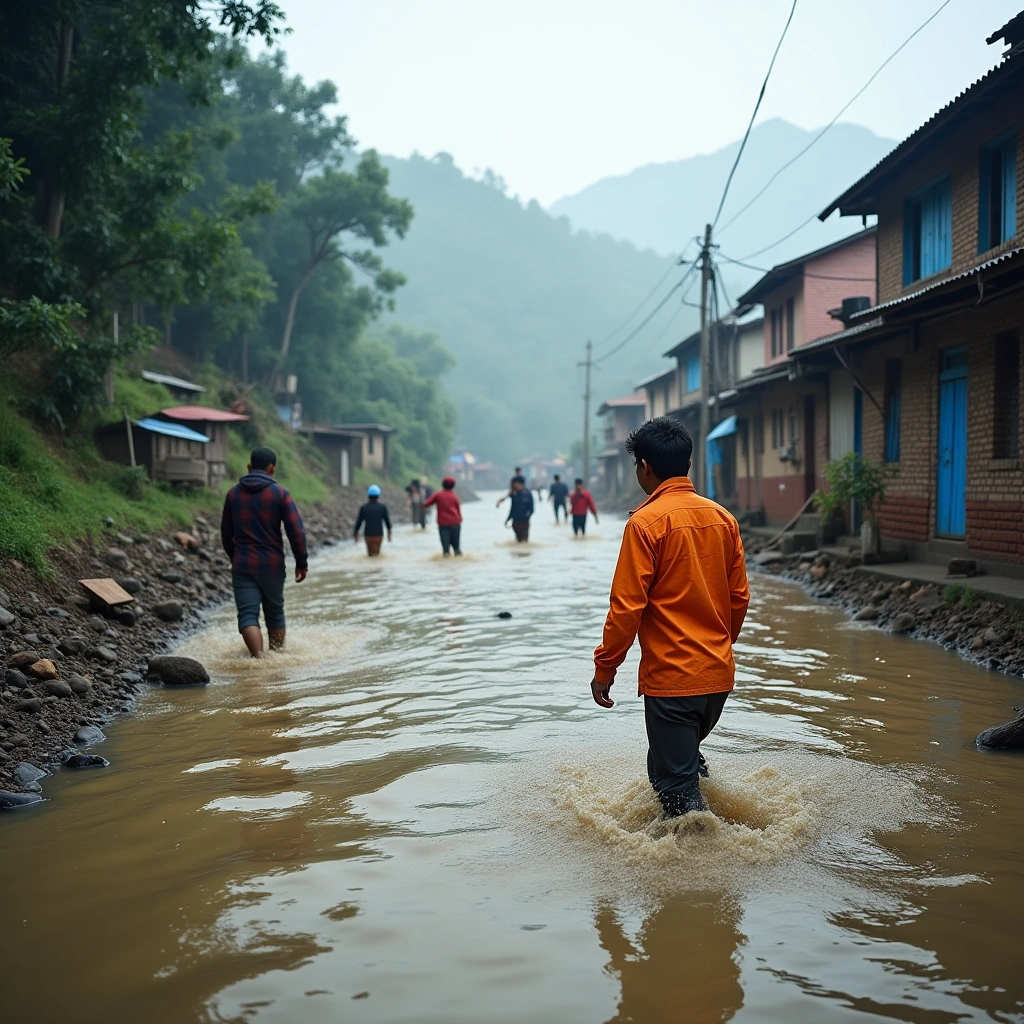
    Ah, Nepal. Home to stunning mountains, rich culture, and now, apparently, flash floods that have scientists shaking their heads in dismay. If you haven’t heard the latest news, scientists have pointed their fingers at climate change for the recent devastating flash floods in Nepal. And, spoiler alert, they’re predicting that such events are not just a one-off but will become increasingly common as our climate continues to change.

    Now, I know what you’re thinking: “Great, just what I needed to hear!” But let’s unpack this a little. Flash floods are not just a matter of water spilling over the banks and ruining a good pair of shoes. They can lead to loss of life, destruction of homes, and can leave entire communities in a state of chaos. So, when scientists say that climate change is the bad guy here, they’re not just throwing around scary jargon to ruin your day. They’re pointing out the very real consequences of a warming planet.

    Flash floods occur when intense rainfall overwhelms the land’s capacity to absorb it. Think of it as a really bad shower that won’t stop—eventually, the water has to go somewhere, and it usually finds its way into your living room. In Nepal, the combination of heavy rain and the steep terrain makes it particularly vulnerable to these types of disasters. The scientists are suggesting that climate change is causing more extreme weather events, including heavier rains, which can lead to these catastrophic floods.

    But wait, there’s more! The truth is, as our planet warms up, we’re going to see more of these unpredictable weather patterns. It’s like Mother Nature decided to spice things up a bit, and not in a good way. So, if you thought you could escape the impacts of climate change because you live in a landlocked state or a cozy little suburb, think again. We’re all on this rollercoaster together—except some of us are in the front row, and others are just trying to hold on for dear life.

    Now, you might be wondering: “What can I do about this?” Well, for starters, you can stop pretending that climate change is just a conspiracy theory cooked up by scientists who want to ruin your barbecue plans. It’s real, it’s happening, and it’s affecting people right now. You can also take small steps in your daily life, like reducing waste, conserving energy, and maybe even planting a tree or two. Every little bit helps, and who knows? You might even become the eco-warrior you never knew you could be.

    In conclusion, the flash floods in Nepal serve as a stark reminder that climate change is not just a distant threat; it’s knocking on our door with a rain-soaked invitation. And unless we start taking this seriously, we might find ourselves hosting a lot more unexpected guests—like floods, droughts, and maybe even the occasional hurricane. So let’s roll up our sleeves and get to work, shall we? Because if we don’t, the next time you hear about a flash flood, it might be happening right in your backyard.


    Inspired by: “Scientists blame climate change for Nepal’s flash flood – and warn similar events will become ‘incr…” (r/climatechange)

  • The Climate Change Conundrum: West Point Professor’s Dismissal Sparks Debate

    The Climate Change Conundrum: West Point Professor’s Dismissal Sparks Debate

    A civilian geography professor was fired from the U.S. Military Academy at West Point, N.Y., for pushing back after department officials barred faculty from teaching that humans contribute to climate change , according to a lawsuit filed Monday.

    In a twist that could only happen in academia, a professor at West Point has been fired for allegedly pushing back against limitations placed on teaching climate change. Yes, you heard that right. A professor at a military academy, where the motto is “Duty, Honor, Country,” has found themselves at the center of a climate controversy. It’s almost like a movie plot, but instead of action heroes, we have a battle of ideas.

    According to a lawsuit filed by the professor, he was let go for advocating that climate change should be a critical part of the curriculum. Imagine that! Teaching students about one of the most pressing issues facing our planet today. What was he thinking? Clearly, he forgot that in some circles, discussing climate change is as popular as a root canal.

    The professor argued that understanding climate change is crucial for future military leaders, especially since the impacts of climate change can affect national security. You know, things like rising sea levels, extreme weather events, and food shortages. But I suppose those details are just too inconvenient for some folks. After all, who wants to deal with the fact that the world is changing faster than a teenager’s mood?

    The lawsuit highlights the tension between academic freedom and institutional policies. It raises a crucial question: Should professors have the freedom to teach what they believe is essential, or should they toe the line dictated by their institutions? It’s a classic case of “you can’t handle the truth”—only in this instance, the truth is about our planet’s future.

    In an age where misinformation spreads like wildfire, having educators who are committed to teaching scientifically supported facts is more important than ever. Yet, here we are, witnessing a dismissal that seems to suggest that some topics are still too hot to handle. Maybe we should just stick to teaching the classics: you know, things like how to properly fold a fitted sheet or the best way to avoid adult responsibilities.

    While the case is still unfolding, it’s a reminder of the challenges faced by educators in a polarized world. Some people might argue that climate change is a hoax, while others are busy building their boats for when the oceans rise. It’s a confusing time to be alive, folks.

    So, what can we take away from this situation? First, let’s not forget that education should be about fostering critical thinking and preparing students for the realities of the world they’ll inherit. Second, we should probably invest in a good pair of flotation devices, just in case. And lastly, let’s hope that this professor’s story becomes a catalyst for a broader discussion about academic freedom and the importance of educating future leaders about climate change.

    In the end, if we can’t talk about climate change openly and honestly, we might as well just put on our blindfolds and pretend everything is fine. Spoiler alert: It’s not. Let’s keep the conversation going, even if it gets a little uncomfortable. After all, the future of our planet depends on it. And who knows? Maybe one day we’ll look back and laugh about how we almost fired a professor for trying to save the world.


    Inspired by: “West Point professor fired after pushing back on limitations to teaching climate change, lawsuit sa…” (r/climatechange)

  • A Journey Through Time: Understanding Paleoclimate Over the Last 300,000 Years

    A Journey Through Time: Understanding Paleoclimate Over the Last 300,000 Years

    Paleoclimatology – the science of reconstructing ancient climates using proxies like ice cores, sediment layers, fossil pollen, and ocean drill cores – has made it possible to read this entire history and place today’s warming within its …

    If you’ve ever wondered what the climate was like during the time our ancestors were figuring out how to make fire (and probably arguing over who got to eat the last mammoth steak), you’re in luck! A Reddit user recently shared a fascinating chart that maps out the paleoclimate for the past 300,000 years—yes, that’s right, the entire era of Homo sapiens. So grab a snack (preferably not mammoth) and let’s dive into this icy, yet warm, journey through time!

    First things first, let’s talk about the source of this chart. The creator used data from Jouzel et al. 2007, which analyzed ice cores from the EPICA Dome (that’s in Antarctica, for those of you who skipped geography class). Ice cores are like nature’s time capsules. They trap bubbles of ancient air, allowing scientists to peek into the past climate conditions. Think of it as a frozen Instagram feed, showcasing what the Earth looked like long before selfies were a thing.

    The blue line in the chart represents the data from these ice cores, while the red line shows measurements from NASA’s GISTEMP, which is basically a fancy way of saying they took a lot of temperature readings from around the globe. If you thought your mom’s cooking was hot, wait until you see how temperature has fluctuated over the millennia!

    Now, what do we see in this chart? Well, it’s a rollercoaster of climate ups and downs. For starters, the past 300,000 years have seen several glacial and interglacial periods. Imagine Earth throwing a massive party every 100,000 years or so, complete with icebergs and some serious cold fronts, followed by warm periods where things got cozy. This back-and-forth is essentially how our planet likes to keep things interesting.

    During these glacial periods, large portions of the Earth were covered in ice, and our Homo sapiens ancestors were probably wondering why they didn’t invest in better winter clothing. Then came the warmer interglacial periods, where they could finally venture out without risking frostbite. It’s like a never-ending cycle of climate mood swings, and we thought teenagers were the only ones capable of that!

    But here’s where it gets spicy—this chart is more than just a historical record. It’s a crucial piece of the puzzle for understanding our current climate crisis. By studying these past climate patterns, scientists can make educated guesses about what might happen next. Spoiler alert: it’s not looking great. The rapid warming we’re experiencing today is unprecedented compared to the slow, natural changes that occurred over thousands of years. So, while our ancestors were figuring out how to survive the Ice Age, we’ve got a whole different set of challenges to tackle.

    In conclusion, the paleoclimate over the last 300,000 years is a fascinating story of survival, adaptation, and the Earth’s relentless cycles. It reminds us that while we may be facing some serious climate challenges, we’re also living in a time of incredible potential for change. So, the next time you hear about climate change, remember that we’re all part of this ongoing narrative—one that started long before us and will continue long after we’re gone.

    And who knows? Maybe future generations will look back on us and say, ‘Wow, they really were the ones who figured out how to save the planet!’ Or, you know, they might just roll their eyes and say, ‘What were they thinking?’ Either way, let’s make sure it’s the first option!


    Inspired by: “Paleoclimate for the era of Homo Sapiens (chart)” (r/climatechange)

  • Fifty Thousand Wildfires: A Fiery Reminder of Climate Change

    Fifty Thousand Wildfires: A Fiery Reminder of Climate Change

    Scientists studied this data over a 21-year span and found that extreme wildfires have become more frequent, more intense, and larger . The largest increase in extreme fire behavior was in the temperate conifer forests of the Western U.S.

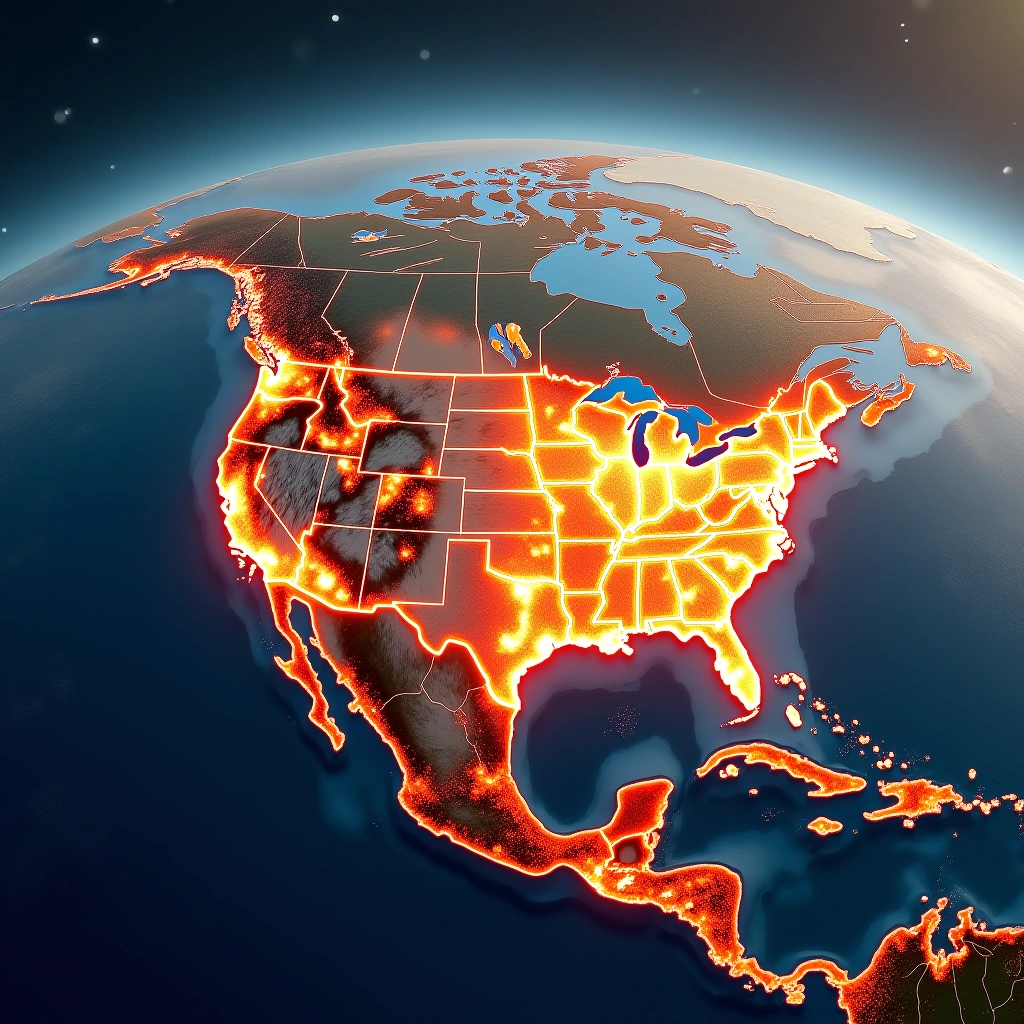
    So, it seems like 2023 is the year we decided to turn up the heat—literally. With a staggering 50,000 wildfires reported across the United States this year, we’re not just lighting up campfires; we’re igniting a full-on inferno. If you thought your summer BBQ was smokey, think again!

    Now, before you start packing your bags for a one-way ticket to a non-flammable planet, let’s break this down. Wildfires are a natural phenomenon, but the sheer number we’re seeing is a clear signal that something is off. Climate change is not just a buzzword; it’s the fiery elephant in the room, and it’s time we acknowledge it.

    These wildfires don’t just pop up out of nowhere. They require the perfect storm of conditions: dry weather, high winds, and, of course, some human activities that may or may not involve a little too much fun with fireworks (seriously, folks, save it for the Fourth of July!). The combination of climate change and human error is like that one friend who always brings the drama to a chill gathering. And guess what? The drama is getting worse.

    So, what’s causing all these fires? Well, climate change is like that annoying relative who shows up uninvited to every family gathering. Rising temperatures lead to drier conditions, which means that when a spark occurs—whether from a lightning strike or a poorly thought-out campfire—it can catch like a toddler with a new box of matches.

    The consequences of these wildfires are not just limited to the charred remains of forests (which, let’s be honest, is a pretty sad sight). We also see a spike in air pollution, which leads to health issues for many. If you’ve ever tried to breathe through a straw while running a marathon, you’ll understand the struggle. And for those of us who enjoy the great outdoors, it’s hard to appreciate nature when half of it is going up in smoke.

    And do you want to know the cherry on top of this flaming sundae? The firefighting efforts are straining resources. Firefighters are working overtime, battling blazes that seem to multiply like rabbits on a sugar high. And while we all appreciate their hard work, it’s a little concerning when they’re stretched thinner than a slice of pizza at a kids’ party.

    So, what can we do about it? First off, let’s all agree to stop playing with fire—literally. That means being vigilant about fire safety and adhering to local guidelines. Second, we can push for policies that address climate change. Yes, it’s a bit of a tall order, and no, it won’t happen overnight. But just like a fire needs a spark, change needs a little bit of effort from all of us.

    In conclusion, while we can’t control the weather, we can control our actions. Let’s not wait for the next wildfire to remind us of the impact of climate change. Fifty thousand wildfires in one year is not just a statistic; it’s a wake-up call. So, grab your metaphorical fire extinguisher and let’s put out the flames of climate change before we find ourselves in an even hotter situation!


    Inspired by: “50,000 Wildfires Have Hit US This Year” (r/climatechange)