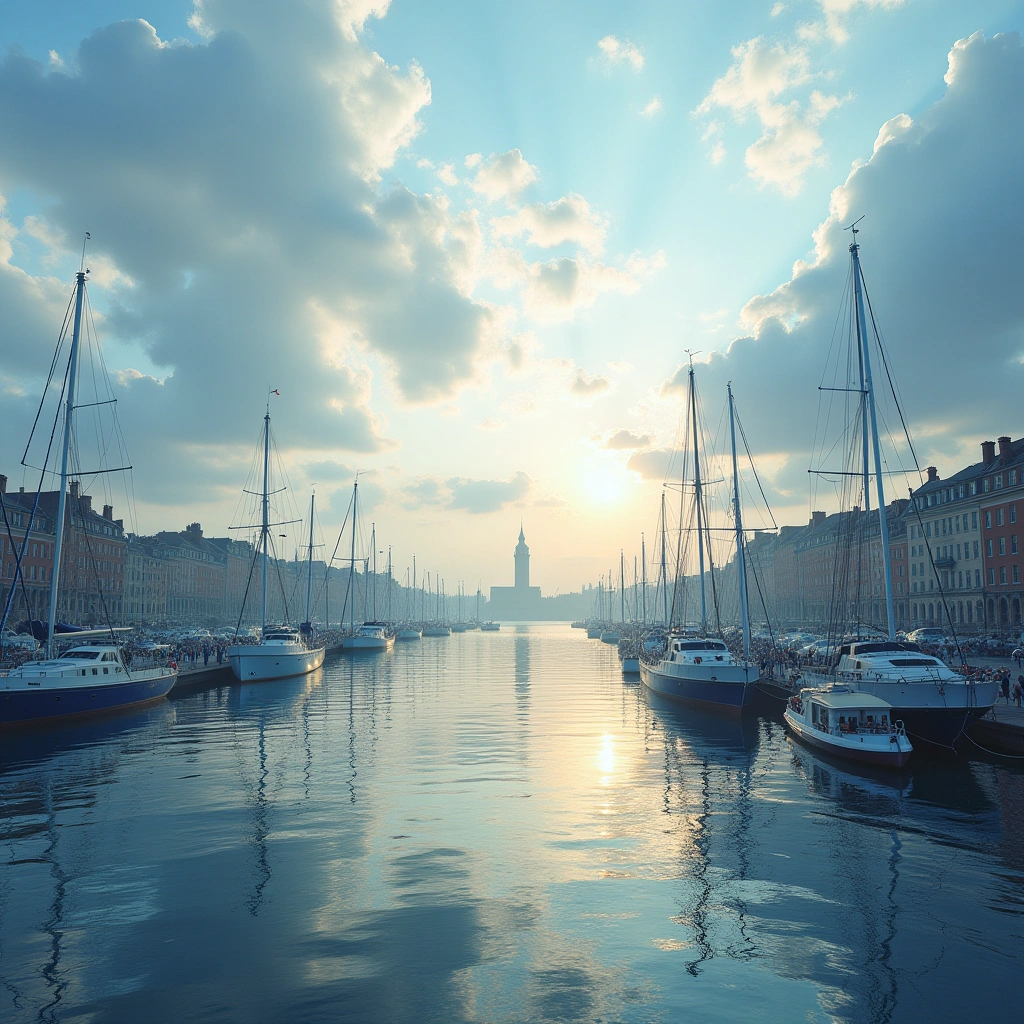
Climate change has resulted in an increase in temperature of 2.3 °C (4.14 °F) (2022) in Europe compared to pre-industrial levels. Europe is the fastest warming continent in the world. Europe’s climate is getting warmer due to anthropogenic activity. According to international climate experts, …
Ah, Europe! The land of croissants, castles, and climate conundrums. If you’ve ever wondered what the next half-century holds for this beloved continent, you’re not alone. Many of us are curious about how climate change and pollution will play out on the European stage. Spoiler alert: it’s not all baguettes and beer.
First off, let’s talk about the obvious—temperatures are rising. According to various scientific studies, Europe is expected to warm at a rate faster than the global average. So, if you thought summer was hot this year, just wait until that sun is blasting you at an extra degree or two in 2073. You might want to start investing in industrial-sized fans and a lifetime supply of sunscreen.
But it’s not just about the heat. Climate change is like the uninvited guest at a party who also happens to be a tornado. It brings along a host of side effects, including more extreme weather events. Think increased rainfall in some areas (hello, floods) and prolonged droughts in others (looking at you, Mediterranean). This means that your future European vacations might involve dodging floods in one city while trying to find water in another. Talk about a mixed bag!
Now, let’s consider the impact on agriculture. With changing weather patterns, farmers will have to adapt or risk losing their livelihoods. Crops that once thrived in certain regions may no longer be viable. Imagine vineyards in France grappling with grape varieties that just can’t handle the heat. The horror! This could lead to shifts in what we eat and drink. So, if you had your heart set on that perfect French wine, you may need to start expanding your palate to whatever crops can survive the new climate.
And let’s not forget about the rising sea levels. Coastal cities like Venice and Amsterdam are already dealing with the consequences of encroaching waters. In 50 years, we might have to change the name of Venice to “The City of Canals” because, well, it might just be underwater. And while swimming in the canals might sound refreshing, I don’t think the gondoliers will appreciate the extra splash.
Oh, and speaking of cities, urban areas are going to feel the heat—literally. The urban heat island effect means that cities will become even warmer than their rural counterparts. So, if you thought it was too hot to handle in the urban jungle now, just wait until you’re sweating like a sinner in church while waiting for the bus in 2073.
On a more serious note, climate change also means that biodiversity will take a hit. Species that can’t adapt to the new climate will face extinction. So, if you’ve been hoping to see certain animals in their natural habitats, you might want to book your tickets sooner rather than later. The next generation could be left with a much less diverse ecosystem, and that’s just a sad thought.
So, what can be done? Well, Europe is already taking steps to combat climate change. The Green Deal aims to make Europe the first climate-neutral continent by 2050. That’s a tall order, but if anyone can do it, it’s the land of innovation and, let’s be honest, delicious pastries.
In conclusion, the next 50 years in Europe due to climate change will be a mixed bag of challenges and adaptations. From hotter summers and extreme weather to changes in agriculture and biodiversity, the landscape will look quite different. So, buckle up, folks! The future is coming, and it’s going to be a bumpy ride. But hey, at least we’ll have some great stories to tell—if we can remember them through all the sweat and tears!
Inspired by: “How Europe is changing in the next 50 years due to climate change?” (r/climatechange)