Category: Nature

  • Fifty Thousand Wildfires: A Fiery Reminder of Climate Change

    Fifty Thousand Wildfires: A Fiery Reminder of Climate Change

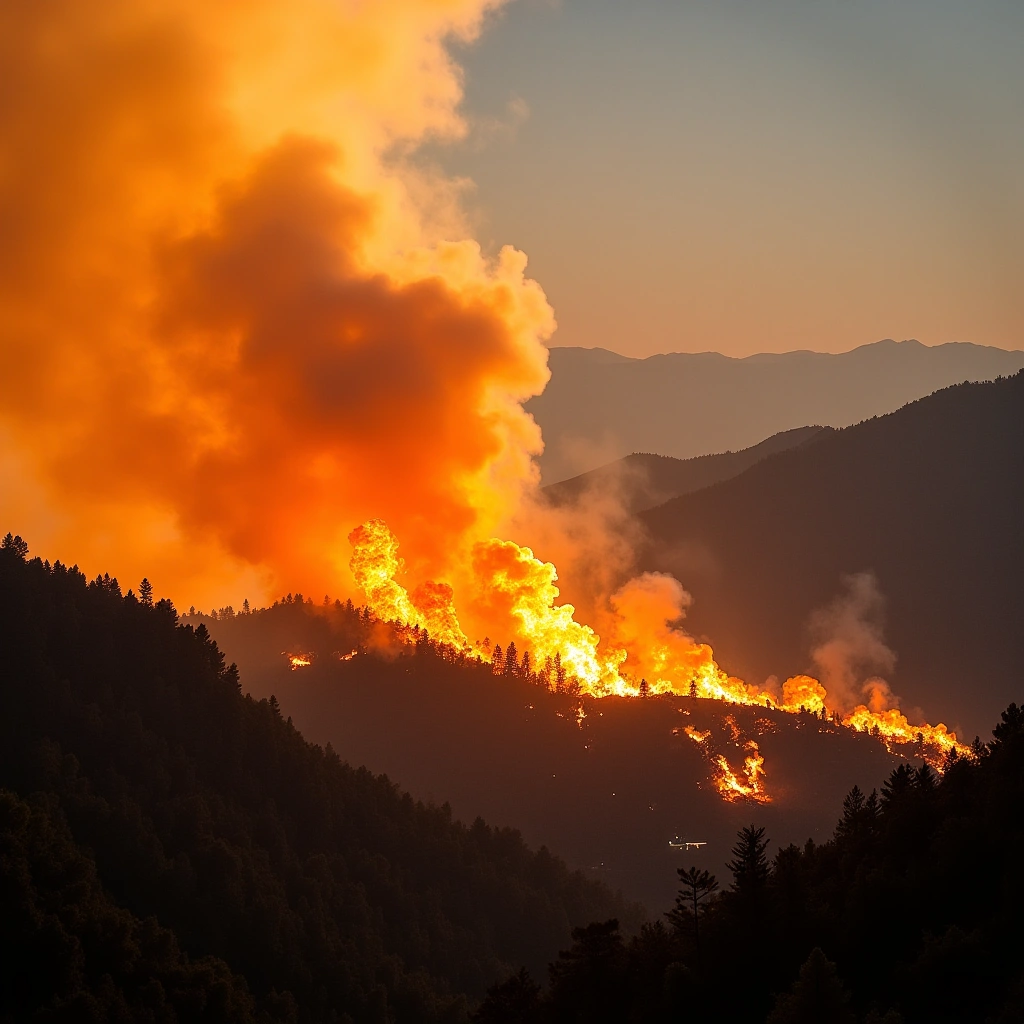
    Scientists studied this data over a 21-year span and found that extreme wildfires have become more frequent, more intense, and larger . The largest increase in extreme fire behavior was in the temperate conifer forests of the Western U.S.

    So, it seems like 2023 is the year we decided to turn up the heat—literally. With a staggering 50,000 wildfires reported across the United States this year, we’re not just lighting up campfires; we’re igniting a full-on inferno. If you thought your summer BBQ was smokey, think again!

    Now, before you start packing your bags for a one-way ticket to a non-flammable planet, let’s break this down. Wildfires are a natural phenomenon, but the sheer number we’re seeing is a clear signal that something is off. Climate change is not just a buzzword; it’s the fiery elephant in the room, and it’s time we acknowledge it.

    These wildfires don’t just pop up out of nowhere. They require the perfect storm of conditions: dry weather, high winds, and, of course, some human activities that may or may not involve a little too much fun with fireworks (seriously, folks, save it for the Fourth of July!). The combination of climate change and human error is like that one friend who always brings the drama to a chill gathering. And guess what? The drama is getting worse.

    So, what’s causing all these fires? Well, climate change is like that annoying relative who shows up uninvited to every family gathering. Rising temperatures lead to drier conditions, which means that when a spark occurs—whether from a lightning strike or a poorly thought-out campfire—it can catch like a toddler with a new box of matches.

    The consequences of these wildfires are not just limited to the charred remains of forests (which, let’s be honest, is a pretty sad sight). We also see a spike in air pollution, which leads to health issues for many. If you’ve ever tried to breathe through a straw while running a marathon, you’ll understand the struggle. And for those of us who enjoy the great outdoors, it’s hard to appreciate nature when half of it is going up in smoke.

    And do you want to know the cherry on top of this flaming sundae? The firefighting efforts are straining resources. Firefighters are working overtime, battling blazes that seem to multiply like rabbits on a sugar high. And while we all appreciate their hard work, it’s a little concerning when they’re stretched thinner than a slice of pizza at a kids’ party.

    So, what can we do about it? First off, let’s all agree to stop playing with fire—literally. That means being vigilant about fire safety and adhering to local guidelines. Second, we can push for policies that address climate change. Yes, it’s a bit of a tall order, and no, it won’t happen overnight. But just like a fire needs a spark, change needs a little bit of effort from all of us.

    In conclusion, while we can’t control the weather, we can control our actions. Let’s not wait for the next wildfire to remind us of the impact of climate change. Fifty thousand wildfires in one year is not just a statistic; it’s a wake-up call. So, grab your metaphorical fire extinguisher and let’s put out the flames of climate change before we find ourselves in an even hotter situation!


    Inspired by: “50,000 Wildfires Have Hit US This Year” (r/climatechange)

  • Hay Fever: The Early Bird Allergies in Melbourne

    Hay Fever: The Early Bird Allergies in Melbourne

    Here in Victoria, grass pollen … too. The hay‑fever “season” in Melbourne generally kicks off around October and runs through late spring and early summer, with peak pollen levels often occurring in November ….

    Ah, Melbourne! The city known for its unpredictable weather, coffee culture, and, of course, the delightful experience of hay fever. If you’re a fellow Melburnian, you may have noticed that the sneezing season seems to have kicked off a little earlier this year. Yes, folks, it’s that time again when pollen counts rise, and our noses seem to have a mind of their own.

    One Reddit user recently lamented about their relentless sneezing, itchy mouth, and eyes that resemble a raccoon who just watched a sad movie. They pointed out that despite the pollen count being labeled as low, their allergy symptoms were still in full swing. Let’s face it; it’s hard to enjoy the beauty of spring when you feel like a walking allergy commercial.

    So, what’s the deal? Is hay fever starting earlier than usual? While it may seem like a conspiracy by Mother Nature to keep us all indoors, it’s actually pretty common for allergies to flare up even when the official pollen count is low. This could be due to a variety of factors, including changes in weather patterns, early blooming plants, or your neighbor’s penchant for mowing the lawn at the crack of dawn.

    Now, if you’re in the same boat as our Reddit friend and looking for some relief, you’re probably asking: what’s the best allergy medicine? Well, the answer is as varied as the coffee orders at your local café. Some swear by antihistamines like loratadine (Claritin) or cetirizine (Zyrtec), while others find that nasal sprays do the trick. Just remember, the best solution is the one that works for you, so don’t hesitate to consult with a healthcare professional before diving into the world of over-the-counter remedies.

    And let’s not forget about the good old-fashioned home remedies. Some people find that local honey can help build immunity to local pollen (although it’s not a miracle cure, so don’t go expecting to chomp on honeycomb and be sneeze-free). Others swear by staying indoors, keeping windows shut, and avoiding the outdoors like it’s a surprise birthday party for someone you don’t like.

    In conclusion, if you’re grappling with early hay fever, you’re not alone. Melbourne’s pollen season seems to have a mind of its own, and we’re all just trying to get through it with our sanity intact. So grab your tissues, stock up on allergy meds, and remember: spring may bring flowers, but it also brings the delightful joy of hay fever. Cheers to surviving another sneezing season in our beautiful city!


    Inspired by: “hay fever starting already?” (r/melbourne)

  • Climate Change: A Global Team Effort or Just a Hot Mess?

    Climate Change: A Global Team Effort or Just a Hot Mess?

    Climate change is a global emergency that goes beyond national borders . It is an issue that requires coordinated solutions at all levels and international cooperation to help countries move toward a low-carbon economy.

    Let’s dive into the intricate world of climate change and how countries around the globe are choosing to tackle it—or, in some cases, not tackle it at all. Spoiler alert: it’s not all sunshine and rainbows (or maybe it is, but only because we’re experiencing more extreme weather events).

    The Global Landscape of Climate Change Policies

    When it comes to addressing climate change, you might think that countries would band together like superheroes in an epic movie. Instead, it often feels more like a group project where half the team didn’t bother to show up. Some countries are leading the charge with ambitious policies, while others are still trying to figure out if climate change is even real.

    The Overachievers

    Countries like Sweden, Denmark, and New Zealand are setting the bar high, proudly flaunting their green credentials. Sweden aims to be carbon neutral by 2045, which sounds fantastic until you remember that they also have a population smaller than some U.S. cities. But hey, every little bit counts, right? Meanwhile, New Zealand is not just talking the talk; they’ve actually passed legislation that aims to reduce emissions to net zero by 2050.

    The Middle of the Roaders

    Then we have countries like Canada and Germany, who are like that student in class who does just enough to get a decent grade but isn’t exactly winning any awards. Canada has made commitments to reduce greenhouse gas emissions, but let’s be honest, their track record has been a bit spotty. And Germany? They’re known for their Energiewende (energy transition), which is ambitious in theory but has faced a few bumps in the road, much like my attempts at becoming a morning person.

    The Underachievers

    Now, let’s not forget about the laggards. Some countries are still firmly in the denial phase, like the United States (prior to 2021) and Brazil, who seem to think that if they ignore it long enough, it will just go away. Spoiler alert: it won’t. These countries often grapple with public attitudes that range from skeptical to downright hostile when it comes to climate science. It’s like trying to convince a cat to take a bath—good luck with that!

    Public Attitudes: The Wild Card

    The public’s attitude toward climate change can vary dramatically from one country to another. In some places, you’ll find people marching in the streets demanding action, while in others, they’re more interested in debating whether pineapple belongs on pizza. In countries like Sweden, public awareness is high, and citizens are generally supportive of government initiatives. In contrast, in places where misinformation reigns supreme, you might find people who think climate change is just a ploy by scientists to get more funding.

    The Role of International Agreements

    International agreements like the Paris Agreement are supposed to bring countries together to tackle this global issue. The idea is simple: each country commits to reducing emissions and working toward a sustainable future. But as we saw with the U.S. pulling out (and then back in), these agreements can be as solid as a sandcastle at high tide. Countries often prioritize their immediate economic interests over long-term environmental goals, leading to a lot of finger-pointing and not much action.

    In Conclusion: Where Do We Go from Here?

    So, what’s the takeaway? Climate change is a complex issue that requires a multifaceted approach from all nations. While some countries are stepping up, others are lagging behind, and the public’s attitude plays a huge role in shaping policies. It’s clear we need to work together, but getting everyone on the same page is like herding cats—frustrating, messy, and probably not going to happen anytime soon.

    In the end, whether you’re a climate warrior or just someone who enjoys a good beach day, we all have a stake in this. So let’s hope that countries can put aside their differences and work together before we’re all living in a water world (and not the fun kind with mermaids).


    Inspired by: “International approach to climate change?” (r/climatechange)

  • The Elephant in the Room: Why Climate Change Isn’t Just About Fossil Fuels

    The Elephant in the Room: Why Climate Change Isn’t Just About Fossil Fuels

    Justifications for the continued use of fossil fuels were security, affordability, and reliability , typical arguments for those unwilling to stand with the world in the fight against climate change.

    Let’s talk about the elephant in the room. No, not the adorable plush toy in your kid’s room, but the very real and very large issue that lurks behind the curtain of climate change discussions. While many of us are busy debating the merits of electric cars and cardboard straws (because, apparently, those are our biggest concerns now), there’s a whole buffet of environmental issues that we seem to be ignoring. Spoiler alert: it’s not just fossil fuels.

    Now, don’t get me wrong. Fossil fuels are bad. They’re like that one friend who always shows up uninvited and eats all your snacks—nobody likes them, but they keep coming back. But if we were to wave a magic wand and eliminate all fossil fuels overnight, we’d still be left with a massive pile of other problems that need addressing. Imagine trying to clean your house by just shoving everything under the rug. Spoiler: the mess is still there, and it’s probably grown a few new friends.

    First on the list is the waste we dump into our oceans. Did you know that the ocean is more than just an Instagram backdrop for your vacation photos? It plays a crucial role in regulating the Earth’s climate. Yet, we treat it like a giant dumpster. Plastic, chemicals, and who knows what else are being tossed into the sea like confetti at a parade. This pollution not only harms marine life but also disrupts the ocean’s ability to absorb carbon dioxide. So, while we’re all patting ourselves on the back for using reusable bags, the ocean is still choking on our leftovers.

    And let’s not forget about deforestation. Trees are like the Earth’s lungs, and we’re busy hacking them down like they owe us money. Every time we clear a forest for agriculture or development, we’re not just losing trees; we’re also losing biodiversity and the natural systems that help us combat climate change. It’s like deciding to go on a diet by cutting out all the healthy food while still gorging on pizza—good luck with that plan!

    But here’s where it gets really interesting (and by interesting, I mean a bit infuriating). We often hear about the need for individual action: reduce, reuse, recycle! But what about those billion people who are still stripping the oceans of their resources? You know, the ones who think that shark fin soup is a delicacy and that rhino horn can cure anything from a headache to heartbreak? It’s like they’re living in a different universe where common sense and conservation don’t exist.

    It’s easy to point fingers at individuals for their choices, but we can’t ignore the systemic issues at play. The reality is that many people and industries are contributing to environmental degradation, and they’re often the ones least affected by the consequences. Little do they know, their rivers won’t clean themselves, no matter how much they pray to the gods of denial.

    So, while we’re all busy debating whether a cardboard straw is better than a plastic one, let’s not forget the bigger picture. The climate crisis is not just about reducing fossil fuels; it’s about addressing a multitude of interconnected issues that threaten our planet. It’s about holding industries accountable, protecting our oceans, and, yes, even educating those who still think crushed rhino horn is a miracle cure.

    In conclusion, let’s have the tough conversations. Let’s talk about the waste we produce, the forests we destroy, and the oceans we neglect. Let’s acknowledge that while we might feel good about our small efforts, they won’t be enough if we don’t address the elephant in the room. After all, it’s going to take more than just cardboard straws to save the world. So, how about we start by cleaning up the mess we’ve made? Now that sounds like a plan.


    Inspired by: “The elephant in the room” (r/climatechange)

  • Will Alligators Be Our New Neighbors? Climate Change and the Northern Expansion of Gators

    Will Alligators Be Our New Neighbors? Climate Change and the Northern Expansion of Gators

    Id advise against it – no animal, at least any time recently, has really filled the same ecological role as a crocodilian in the northeast. For the alligators themselves, even with climate change, winters in the more northern states would be …

    Ah, climate change! It’s like that awkward family member who keeps showing up uninvited to every gathering, and now they’re suggesting we could have alligators as neighbors. Yes, you read that right. Apparently, due to our planet’s warming tendencies, the American alligator might just decide to pack its bags and move a little further north—like, say, to Maryland. Let’s dive into this rather scaly situation, shall we?

    First off, let’s talk about the claim that alligators could potentially make Maryland their next vacation spot—or permanent residence, depending on how things go. The idea is rooted in science, so hold on to your hats (or your sun hats, if you’re in Maryland and it’s warming up). Alligators are cold-blooded reptiles, which means they can’t regulate their body temperature like us warm-blooded folks. When the mercury dips, they become about as active as a sloth on a Sunday afternoon. They’re not fans of the cold, and that’s putting it mildly.

    Now, your friends are onto something when they mention climate change and its impact on temperatures. According to various climate models, Maryland is expected to see warmer summers and milder winters over the next several decades. We’re talking about a gradual increase in average temperatures, which might just convince our scaly friends that it’s time to explore new territory. With heat waves becoming more frequent and winters losing their bite, who wouldn’t want to trade in their swamp for a nice riverside view in Maryland?

    But let’s not get ahead of ourselves. Just because alligators might find Maryland’s climate a bit more to their liking doesn’t mean they’ll pack their bags and move in with us right away. The Chesapeake Bay and Potomac River might seem like prime real estate, but it’s not just about the temperature. Alligators need a suitable habitat with plenty of food, water, and basking spots. They’re not going to set up shop in a suburban backyard pool—though that would be quite a sight!

    So, what’s the forecast for Maryland’s climate over the next 75 years? According to the Maryland Department of the Environment, we’re looking at an increase in average temperatures by about 2 to 4 degrees Fahrenheit by 2050, with even higher projections by 2100. Throw in some increased humidity and more extreme weather events, and it’s clear that Maryland is in for a change. Whether that change will be enough to make alligators feel at home remains to be seen.

    Let’s also consider the ecological implications. If alligators do start migrating north, they could disrupt local ecosystems, potentially outcompeting native species for resources. Imagine the chaos of alligator meet-ups with the local fauna—who knew a picnic could be so dangerous?

    In conclusion, while the idea of alligators invading Maryland sounds like a plot twist in a bad horror movie, there’s a grain of truth to it. Climate change is indeed altering habitats and pushing species to expand their ranges. So, while we prepare for the possibility of sharing our rivers with some toothy reptiles, let’s also remember to take action against climate change. Because, honestly, if we’re going to deal with alligators, we might as well do it in a world that’s not on fire. And who knows? Maybe one day, we’ll be inviting our new alligator neighbors over for a barbecue—but I’d recommend keeping the hot dogs and hamburgers at a safe distance!


    Inspired by: “Question About Climate Change and Alligators Expanding Their Range Northward?” (r/climatechange)

  • Why a ‘Glass Half Full’ Mentality Won’t Cut It in the Climate Change Battle

    Why a ‘Glass Half Full’ Mentality Won’t Cut It in the Climate Change Battle

    The “Glass Half Full” paper’s author, Lily Bermel, says the underlying economic trends are a reason that restoring the tax credits wouldn’t be the most effective use of political capital.

    When it comes to climate change, we often hear the phrase “glass half full” thrown around like it’s the magic potion to solve all our environmental woes. But according to the NRDC (Natural Resources Defense Council) director, this optimistic outlook might be just a tad too optimistic. Let’s dive into why a mere half-full glass isn’t enough to quench our thirst for real climate action.

    First off, let’s acknowledge that being positive is great. Who doesn’t love a good dose of optimism? It’s like the motivational poster of our lives, telling us to keep our heads up and keep pushing forward. But when it comes to climate change, positivity alone is about as useful as a chocolate teapot. The reality is that climate change is not waiting for us to feel better about it; it’s knocking on our door and asking if we have any spare ice caps to lend.

    The NRDC director argues that a half-full glass doesn’t account for the fact that we’re dealing with a rapidly deteriorating environment. While we can celebrate the small victories—like the increase in renewable energy sources or the occasional politician who actually seems to care—these wins are just baby steps in a marathon where we’re already behind. The race against climate change is not a casual jog in the park; it’s more like sprinting through a minefield while juggling flaming torches.

    Let’s break it down. The climate crisis is like that friend who shows up uninvited to your party, drinks all your beer, and then starts a fire in your living room. You can’t just sit there and hope they’ll leave if you smile at them. You need a plan, and that plan needs to involve more than just a positive attitude.

    The director emphasizes the importance of recognizing the full scope of the problem. A glass half full might suggest we’re on the right track, but it doesn’t address the fact that we’re still pouring more carbon into the atmosphere than we can handle. The glass isn’t just half empty; it’s leaking, and the water (or in this case, the ice) is running out faster than we can refill it.

    So, what can we do instead? For starters, let’s fill that glass to the brim with action. We need to advocate for bold policies that actually address the root causes of climate change, not just slap a band-aid on the symptoms. This means pushing for sustainable practices, supporting clean energy initiatives, and holding corporations accountable for their environmental impact.

    It’s time to stop being satisfied with just a half-full glass. Let’s aim for a full pitcher of change. We need to rally together, leverage our collective voices, and demand a future that doesn’t include drowning in a sea of climate-induced disasters. Because at the end of the day, a glass half full is just a glass half full—until it’s empty, and then we’re just left with a sad reminder of what could have been.

    In conclusion, while optimism is a lovely sentiment, it won’t save the planet. We need action, urgency, and a whole lot of commitment to fill that glass and keep it overflowing. So, let’s stop toasting to a half-full glass and start figuring out how we can fill it to the brim. After all, our planet deserves more than just a half-hearted effort.


    Inspired by: “NRDC director: A ‘Glass Half Full’ Isn’t Enough to Fight Climate Change” (r/climatechange)

  • Wildfires: Nature’s Double-Edged Sword – From Smoke to Fertilizer

    Wildfires: Nature’s Double-Edged Sword – From Smoke to Fertilizer

    A wildfire, forest fire, brushfire or a bushfire is an unplanned and uncontrolled fire in an area of combustible vegetation. Some natural forest ecosystems depend on wildfire. Modern forest management often engages in prescribed burns to mitigate fire risk and promote natural forest cycles.

    Ah, wildfires. Those blazing beauties that seem to pop up more frequently than a cat meme on the internet. While we often think of them as just the ultimate party poopers, polluting our air and ruining summer BBQs, they might actually be doing something a bit unexpected. Enter the rain: Mother Nature’s own way of playing the ultimate prank on us. Turns out, rain might just turn that smoky haze into a form of fertilizer. Yes, you heard it right – smoke can become food for the earth. Let’s dive into this surprising twist in the wildfires narrative.

    First, let’s get the basics out of the way. Wildfires release tons of particulate matter and pollutants into the air. This is the stuff that makes you cough, wheeze, and contemplate your life choices while staring longingly at your air purifier. But here’s where it gets interesting: when it rains, those particles can wash down to the ground. And instead of just being a nuisance, they may enrich the soil.

    Now, before you start envisioning lush, green landscapes sprouting from charred remains, let’s break down the science a little. The smoke from wildfires contains nutrients like nitrogen and phosphorus, which are essential for plant growth. When rain falls, it can help to bind these elements to the soil. Essentially, nature is saying, “Hey, I know this fire was a bit of a disaster, but let’s make the best of it, shall we?” It’s like finding a silver lining in a cloud of smoke, quite literally.

    But don’t go planting your garden just yet. While this process sounds like a miracle, it’s not a perfect solution. The nutrients from wildfire smoke can be beneficial, but they can also be toxic in high concentrations. So, while your soil might get a little boost, it could also be harboring some not-so-friendly elements that could make plants think twice about growing there. It’s like a buffet where some dishes look good but might leave you feeling a little queasy. So, proceed with caution!

    Additionally, the timing of the rain matters. If it rains too soon after a wildfire, it can lead to runoff that washes away the nutrients before they get a chance to settle in. It’s a bit like trying to catch a cold drink on a hot day – you can’t always grab it in time. Plants need a little bit of time to soak up those nutrients, so it’s a delicate balance.

    So, what does this all mean for us? Well, it’s a reminder that nature is complex, and the impacts of wildfires aren’t as straightforward as they seem. While we should definitely be concerned about air quality and the immediate dangers of wildfires, we also need to recognize that ecosystems can adapt and sometimes even thrive in the aftermath. It’s like when your friend bounces back after a breakup and comes back stronger – just with a bit more ash and soot.

    In conclusion, while wildfires aren’t exactly the life of the party, they do contribute to the intricate dance of nature’s cycles. And who knew that rain could turn smoke into something that helps foster new life? So, the next time you see a wildfire on the news, remember: amidst the chaos and destruction, there’s a chance for renewal. Just don’t forget your mask when you step outside!


    Inspired by: “Wildfires don’t just pollute the air, rain may turn its smoke into fertilizer” (r/climatechange)

  • The Hidden Struggles of Gary, Indiana: A Climate Change Wake-Up Call

    The Hidden Struggles of Gary, Indiana: A Climate Change Wake-Up Call

    Nipsco said on Sunday that it was restoring power to everyone as soon as possible and estimated Gary would have its electricity restored by Wednesday. "We recognise how frustrating and difficult it is to be without power for an extended period," the company said in a statement. Indiana's Governor Mike Braun said on Sunday that there was "no excuse for these delays". He has requested a quicker major disaster declaration from the Federal Emergency Management Agency (Fema), which would unlock further help. With climate change making extreme weather more severe and frequent, such power outages are likely to become a more common problem.

    Ah, Gary, Indiana. The town that once boasted a booming steel industry and a young Michael Jackson, but now feels more like a cautionary tale than a thriving community. In recent years, Gary has become a poster child for the adverse effects of climate change, particularly on those who are already down on their luck. It’s almost like being stuck in a bad sequel of a movie that nobody wanted to see in the first place.

    So, what’s the deal? Climate change is not just a distant threat lurking in the shadows; it’s a heavy rain cloud hanging over cities like Gary, where the most vulnerable populations are often the hardest hit. You see, when disaster strikes—think floods, heatwaves, or even just a particularly moody weather pattern—it’s usually the people with the least resources who feel the brunt of it. And let’s be honest, the folks in Gary are not exactly rolling in dough.

    The reality is that those who live in economically disadvantaged areas often lack the means to prepare for or recover from climate-related disasters. Imagine trying to evacuate your home when you barely have enough money for gas, let alone a hotel room or a plane ticket to somewhere sunny (and preferably disaster-free). It’s not like you can just swipe right on Airbnb and find yourself a cozy spot in the mountains.

    In Gary, the consequences of climate change are compounded by years of economic decline, leaving many residents without the financial safety net that could help them weather the storm—literally. When severe weather events occur, these communities often face the double whammy: not only do they deal with the immediate impacts, but they also struggle with long-term recovery. It’s like being stuck in a game of Monopoly where you never pass Go and always end up in jail.

    Let’s not forget that climate change doesn’t discriminate; it affects everyone. However, it does have a knack for targeting the most vulnerable among us. The wealthy can afford to build fancy flood barriers or relocate to high ground—wherever that might be in their gated communities—while the less fortunate are left to fend for themselves. It’s almost like Mother Nature has a twisted sense of humor, picking favorites based on bank accounts.

    So, what can be done? For starters, we need to raise awareness about these issues and advocate for policies that help vulnerable communities like Gary. Investing in infrastructure that protects against climate change can make a world of difference. Think stormwater management systems, affordable housing in safer areas, and community resources to help residents prepare for disasters. It’s time to make sure that everyone has a fighting chance against the whims of climate change.

    In conclusion, Gary, Indiana is a stark reminder that climate change is not just an environmental issue; it’s a social justice issue. It’s a wake-up call for all of us to pay attention to the struggles of those who are often overlooked. If we want to build a more resilient future, we need to ensure that no one is left behind—especially not the folks in Gary who are just trying to navigate life while dodging the next climate disaster. Let’s roll up our sleeves and do better, shall we?


    Inspired by: “Gary, Indiana’s suffering is a reminder that the people most vulnerable to a climate-fueled disaste…” (r/climatechange)

  • Navigating the Sulfur Seas: How Shipping Fuels Affect Climate

    Navigating the Sulfur Seas: How Shipping Fuels Affect Climate

    But lowering the sulphur content of marine fuel has weakened the masking effect, effectively giving a boost to warming . Some researchers have proposed that the drop in SO2 as a result of the IMO’s clean air regulations could be behind a recent …

    Ahoy there, climate enthusiasts! Today, we’re diving into a topic that’s been swirling around like a ship in a storm: the impact of shipping sulfur reduction on global temperatures. So grab your life jackets and let’s set sail!

    First off, let’s clarify what we’re talking about. The shipping industry has been making waves—pun intended—by switching from high-sulfur bunker fuels to low or no-sulfur marine fuels. This change was largely a response to stricter environmental regulations aimed at reducing air pollution and its harmful effects on our health and the planet. Sounds great, right? Less sulfur means cleaner air and a more breathable atmosphere. But, as with most things in life, there’s a catch.

    Now, you might be wondering, how does this relate to the recent spike in European temperatures? Well, the switch to low-sulfur fuels has led to a decrease in sulfur dioxide (SO2) emissions. And here’s where it gets interesting: sulfur dioxide helps form clouds. Yes, those fluffy white things that block the sun and keep us from turning into human puddles. With fewer clouds, there’s less reflection of sunlight back into space, which can lead to a rise in temperatures. It’s like turning off the air conditioning in July—things are bound to heat up!

    So, is the elevated temperature in Europe a direct result of this switch? While it’s tempting to connect the dots, climate science is a bit more complex than a simple cause-and-effect scenario. Sure, the reduction in sulfur emissions could be contributing to the warming trend, but it’s also important to consider other factors at play, like greenhouse gas emissions, natural climate variability, and yes, that pesky little thing called climate change.

    You see, climate is not just a one-note song. It’s more like a symphony where many instruments are playing at once. The reduction of sulfur emissions is one of those instruments, but it’s not the only one. The overall warming of the planet is influenced by a myriad of factors, including CO2 levels, deforestation, and even volcanic activity. So, while we can’t say that the switch to low-sulfur fuels is solely responsible for the rising temperatures, it certainly adds another layer to the complex climate puzzle.

    Now, let’s address the elephant in the room: will things even out? Ah, the age-old question. Theoretically, reducing sulfur emissions should contribute to less air pollution and a healthier environment in the long run. However, the immediate effects might include more warming due to fewer clouds. It’s like trying to lose weight by eating fewer donuts but then discovering that you’ve also stopped exercising. You might see some initial changes, but the overall outcome could still be a bit wobbly.

    In conclusion, the switch to low-sulfur marine fuels is a step in the right direction for cleaner air, but it’s a complex journey. As we navigate these turbulent waters, it’s crucial to consider all factors and not oversimplify the situation. Climate change is like a jigsaw puzzle where every piece matters, and while the shipping industry’s efforts are commendable, they are just one piece of a much larger picture.

    So, what’s the takeaway? Let’s keep pushing for cleaner shipping practices while also addressing other major contributors to climate change. After all, we’re all in this together—unless you’re a climate change denier, in which case, good luck sailing that ship alone! Stay curious, stay informed, and let’s keep the conversation going.


    Inspired by: “Shipping Sulfer Reduction” (r/climatechange)

  • Finding Motivation in a World of Climate Chaos

    Finding Motivation in a World of Climate Chaos

    Recognizing the motive for understanding allows climate change communicators to move beyond a simple deficit model of ignorance (for example, presenting facts about atmospheric chemistry) towards providing individuals with satisfying opportunities …

    Let’s face it, keeping the motivation alive in these times—especially when it comes to tackling climate change—can feel like trying to swim upstream in a river of melted ice caps. It’s not easy, and if you’re anything like me, you might find yourself staring at your screen, scrolling through news articles about climate disasters, and thinking, “What’s the point?” But fear not, my eco-conscious friends, because I’m here to sprinkle a little motivation dust on your weary souls.

    First things first, let’s acknowledge that the world can seem a little bleak. You’ve got rising sea levels, wildfires, and a polar bear who’s probably had enough of swimming to find a decent ice floe. It’s easy to feel overwhelmed and think, “Why bother?” But here’s the kicker: every little action counts, and you’d be surprised at how much impact even the smallest changes can have.

    So, how do we keep that motivational fire burning? Here are a few ideas that might just do the trick:

    1. Set Personal Goals: Instead of trying to solve the entire climate crisis in one weekend (spoiler alert: you can’t), break it down into manageable chunks. Maybe you start by reducing your plastic use or committing to bike to work once a week. Setting personal goals can provide a sense of accomplishment, and trust me, there’s nothing quite like the feeling of knowing you’ve saved a turtle from choking on a plastic straw.

    2. Connect with Like-Minded People: Surround yourself with fellow eco-warriors. Join a local environmental group, participate in community clean-ups, or hop onto social media platforms like Reddit. Engaging with others who share your passion can be incredibly motivating. Plus, it’s a great way to share those cute animal memes we all need for a morale boost.

    3. Educate Yourself: Knowledge is power! The more you know about climate change and its effects, the better equipped you’ll be to make a difference. Plus, you’ll be able to impress your friends with your newfound wisdom about carbon footprints and renewable energy. Bonus points if you can work it into casual conversation at a party—just be prepared for the glazed-over looks.

    4. Celebrate Small Wins: Did you recycle that plastic bottle? High five! Remember that time you turned off the lights before leaving the room? You’re a climate champion! Celebrating these small victories can help keep you motivated. It’s like giving yourself a gold star for being a responsible adult—who doesn’t love a good gold star?

    5. Practice Self-Care: It’s easy to get burnt out when you’re constantly bombarded with bad news. Make sure to take care of yourself, both mentally and physically. Go for a walk in nature, meditate, or indulge in a guilt-free Netflix binge. Sometimes, you need to recharge before you can take on the world (or at least your recycling bin).

    6. Stay Optimistic: Yes, I know it’s hard when the news looks like a dystopian movie script. But it’s essential to focus on the positive changes happening around the world. From innovative renewable energy solutions to grassroots movements making real impacts, there’s a lot of good happening too. Keeping a balance of realism and optimism can help you stay motivated without slipping into despair.

    7. Get Creative: If you’re feeling stuck, try to get creative with your activism. Write a blog, start a podcast, or even make some art that promotes environmental awareness. Sometimes, thinking outside the box can reignite your passion and inspire others to join the cause. Who knows? You might even go viral!

    So there you have it, a few practical tips to keep your motivation alive in these trying times. Remember, every little action counts, and together we can make a difference. Now, let’s go out there and save the planet—one reusable shopping bag at a time!


    Inspired by: “Motivation in these times” (r/climatechange)