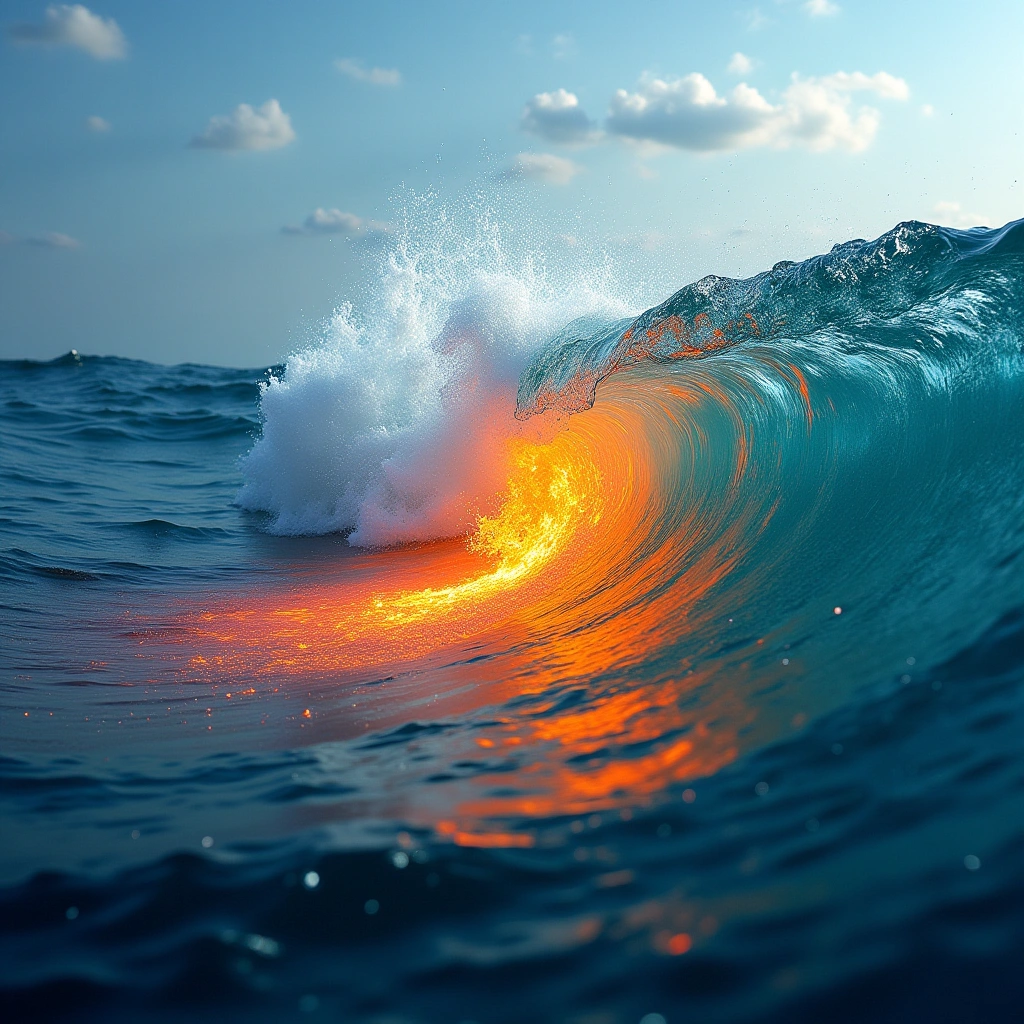
Marine heatwaves are prolonged periods of abnormally high sea surface temperatures, typically defined as exceeding the 90th percentile of historical averages for at least five consecutive days. Driven by climate change, which has caused oceans to absorb 90% of excess global heat, these events are now occurring 50% more frequently over the past decade and are becoming increasingly severe. They pose a critical threat to marine biodiversity, triggering mass coral bleaching, kelp forest die-offs, and significant economic disruptions to global fisheries and tourism.
Ah, the ocean. Vast, mysterious, and home to an incredible array of marine life—from the tiniest plankton to the magnificent blue whale. But wait! What’s this? A surge of marine heat waves is threatening to scramble ocean life as we know it. Thanks to climate change and a little something called El Niño, our oceans are heating up faster than a summer day in Phoenix.
So, what exactly is a marine heat wave? Imagine the ocean throwing a temper tantrum, getting hotter and hotter, and making all the fish and sea creatures wonder if they accidentally swam into a sauna. These heat waves occur when sea surface temperatures rise significantly above average for an extended period. And trust me, when the ocean starts to feel like a hot tub, the critters living in it start to panic.
Recent reports indicate that these marine heat waves are not just a passing phase. They are becoming more frequent and intense, which is basically the ocean’s way of saying, “I’m not feeling great, and neither are my fishy friends.” This is largely due to the ongoing effects of climate change, exacerbated by a strengthening El Niño—an oceanic phenomenon that can raise sea temperatures and disrupt weather patterns. It’s like the ocean’s version of a mood swing, but one that lasts for months.
So, what’s the real impact of these heat waves? Well, buckle up, because it’s not pretty. When ocean temperatures rise, it can lead to coral bleaching, where corals lose their vibrant colors and become more susceptible to disease. It’s like when you forget to water your houseplants and they turn brown—only, you know, with marine ecosystems that took thousands of years to develop.
Fish species are also feeling the heat—literally. Many fish rely on specific temperature ranges to thrive. When the water gets too warm, they may start to migrate to cooler areas, which can disrupt local fishing industries and ecosystems. Imagine a bunch of fish packing their bags and moving to cooler waters, leaving fishermen scratching their heads and wondering why their usual catch has suddenly decided to go on an extended vacation.
And let’s not forget about the impact on plankton, the foundation of the marine food web. Warmer waters can alter plankton populations, which can have cascading effects on the entire ocean food chain. It’s like a game of Jenga, where pulling out one piece can cause the whole thing to come crashing down. And we all know how fun it is to clean up after a Jenga disaster.
The consequences of these marine heat waves extend beyond the ocean. Coastal communities that rely on fishing and tourism could see significant economic impacts. If the fish are gone, so are the fishermen’s livelihoods, and those beach resorts might find themselves a little less crowded. So, if you thought your next beach vacation was going to be all sun and fun, you might want to check if the fish are still swimming before you book that hotel.
In summary, marine heat waves are a big deal. They are not just a temporary blip on the radar; they pose serious threats to ocean life and the communities that depend on it. As we continue to grapple with climate change, it’s crucial that we pay attention to these alarming trends. The ocean is trying to tell us something, and if we don’t listen, we might find ourselves in a world where our oceans are more like boiling cauldrons than the cool, refreshing waters we know and love.
So next time you think about jumping into the ocean, just remember: it might feel great, but it’s also getting a little too hot to handle. Let’s hope we can cool things down before our marine friends start throwing their own version of a hot flash party!
Inspired by: “A Surge of Marine Heat Waves Threatens to Scramble Ocean Life” (r/climatechange)