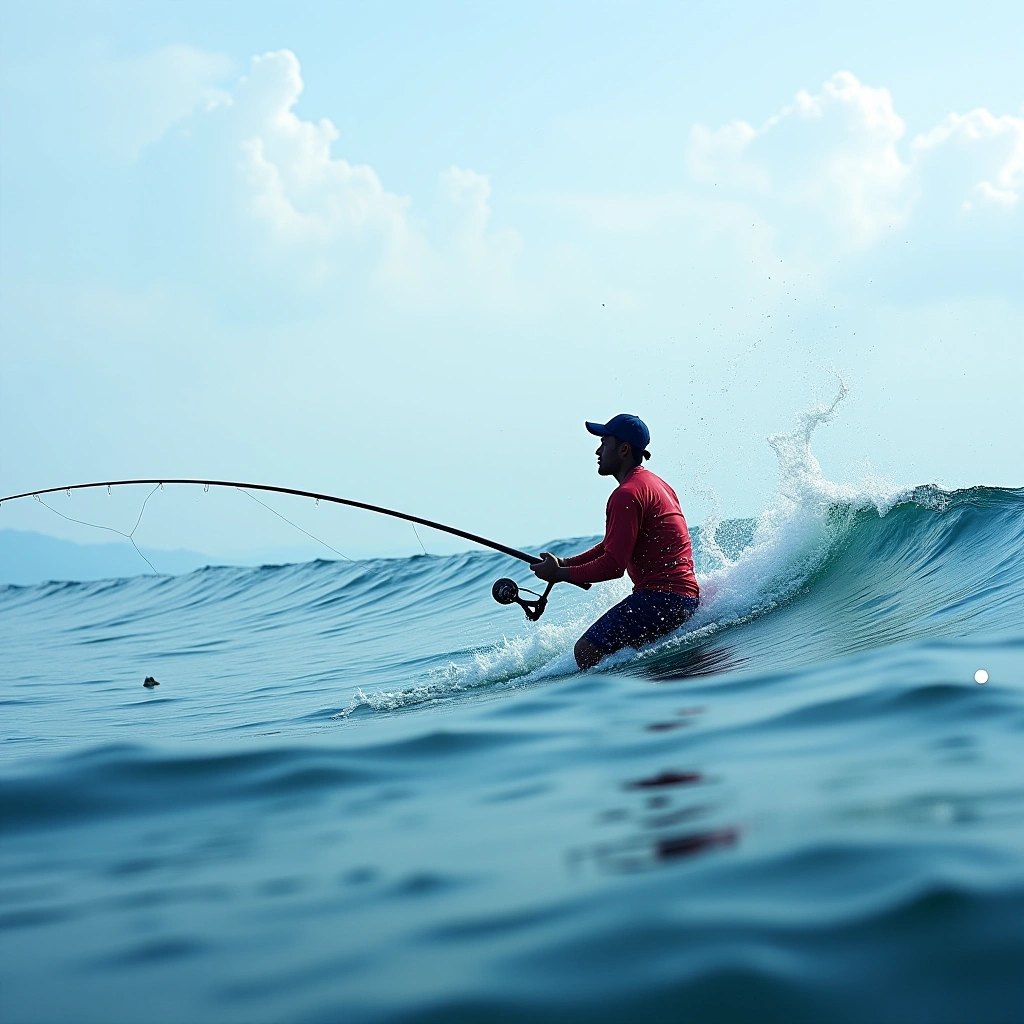
Pacific Island nations contribute only 0.02–0.03% of global greenhouse gas emissions yet face existential threats from accelerating sea-level rise, ocean acidification, and warming waters. These environmental shifts are driving tuna stocks eastward, threatening the livelihoods of millions who rely on fisheries for food and national revenue. Consequently, communities are combining Indigenous knowledge with modern science to adapt to cascading ecological and economic crises.
Hey there, fellow climate enthusiasts! Today, let’s dive into a topic that’s making some serious waves—pun absolutely intended—regarding global warming and its impact on dietary fish for our Pacific island friends. If you thought climate change was just about melting ice caps and dramatic weather patterns, think again! It’s also about fish. Yes, those delightful little creatures that grace our dinner plates and sushi rolls are in trouble.
Now, you might be wondering, “Why should I care about fish?” Well, for many Pacific Islanders, fish is not just a food choice; it’s a staple that’s deeply woven into their culture and way of life. Imagine living in a place where your main source of protein is swimming around in the ocean, and then—bam!—the ocean starts acting like a moody teenager. Temperamental waters can lead to fish shortages, and that’s a recipe for disaster.
According to a recent discussion on Reddit (because where else do we get our news these days?), global warming is causing ocean temperatures to rise and altering marine ecosystems. Fish species are like that one friend who can never decide on a restaurant; they’re on the move, searching for cooler waters. As they shift their habitats, local fishermen find themselves in a bit of a pickle—pun intended again!
Not only are the fish playing hide-and-seek, but climate change also brings along other unwelcome guests like ocean acidification. This is where the ocean absorbs too much carbon dioxide, making the water more acidic and affecting marine life, especially those little guys with shells. So, if you’re a clam or a coral, you might want to start worrying about your future. It’s not a pretty picture, folks.
Now, let’s talk numbers. According to various studies, fish provide around 50% of the protein intake for some Pacific Island nations. That’s a significant chunk of their diet! So when fish stocks dwindle, it’s not just a matter of missing out on a nice grilled snapper dinner; it’s about food security and nutrition. And if you think about it, skipping fish is like going to a pizza place and asking for a salad. Just wrong on so many levels!
So, what’s the solution? Well, it’s not as simple as saying, “Stop global warming!” If only it were that easy, right? Some experts suggest sustainable fishing practices, aquaculture (fancy word for fish farming), and better management of marine resources. Basically, we need to get our act together before the fish decide they’d rather swim somewhere else permanently.
In conclusion, global warming is not just a distant threat; it’s a reality that’s making a splash in our oceans and, by extension, in the lives of Pacific Islanders. If we want to ensure that future generations can enjoy their fish and chips, we need to take action. Because let’s face it, nobody wants to live in a world where the only fish available are those sad, frozen fillets sitting in the back of the freezer. So, let’s rally together and do our part!
Until next time, keep your fishing lines tight and your carbon footprints light!
Inspired by: “Global warming to affect the availability of dietary fish for Pacific islanders” (r/climatechange)