Category: Nature

  • When Will We Really Know How Climate Change Will Change Our Lives?

    When Will We Really Know How Climate Change Will Change Our Lives?

    In fact, according to the … the observed changes in our global climate, and some of these changes are irreversible over the next hundreds to thousands of years ….

    Ah, climate change. The term that strikes fear into the hearts of many and makes some people wonder if they should start practicing their survival skills. But let’s be real, when it comes to the nitty-gritty details about how climate change will reshape our lives and where we live, it can feel like trying to get a straight answer out of a politician. Spoiler alert: it’s complicated.

    So, the burning question (pun intended) is: when will we have a clearer picture of the long-term effects of climate change? You know, the kind of information that helps us decide whether to invest in a beach house or a cozy cabin in the mountains. Well, grab your favorite beverage and let’s dive into this ever-so-pressing inquiry.

    The Timeline of Climate Change Insights

    First off, let’s talk timelines. When it comes to climate change, the future can feel as murky as a muddy pond. Researchers and scientists are working tirelessly to predict how things will unfold, but much like predicting the outcome of your favorite reality TV show, it’s not an exact science.

    In general, scientists suggest that we might start to see significant changes in our environment and lifestyles within the next 20 to 50 years. Yes, that’s right—if you’re planning to live in a low-lying coastal area, you might want to consider a backup plan in case your beach becomes a swimming pool. The reality is that increasingly extreme weather, water shortages, and rising sea levels could make some areas less livable.

    The Factors at Play

    Several factors are at play when it comes to predicting the impacts of climate change. For starters, let’s look at extreme heat. If you think summer in Phoenix is unbearable now, just wait until climate change really kicks in. Regions that are currently bearable could become akin to a sauna—minus the relaxation benefits. This will likely prompt migration as people seek cooler pastures, quite literally.

    Then there’s agriculture to consider. Crops that thrive in certain areas today might struggle to survive tomorrow. Imagine a world where avocados become a rare delicacy because they can’t withstand the rising temperatures. The horror! This could lead to shifts in food production, causing some regions to flourish while others face economic downturns. So, if you’ve been eyeing that avocado toast business, you might want to reconsider your options.

    The Crystal Ball of Climate Research

    Now, let’s get to the crux of the matter: how will researchers know when they’ve got enough evidence to make confident predictions? They’ll be looking for key indicators such as recurring natural disasters, changes in agricultural productivity, and shifting migration patterns. Think of it as a climate change bingo card. The more boxes you can tick off, the clearer the picture becomes.

    As we move into the next few decades, advances in technology and data analysis will likely improve our ability to model these shifts. And while 2100 might seem like a distant future, it’s just around the corner in terms of climate research. By then, we might have a much clearer idea of what areas are going to be the next hot spots—or should I say, not-so-hot spots.

    Conclusion: The Waiting Game

    In summary, while we’re all anxiously waiting for the definitive answer on how climate change will reshape our lives, it’s clear that we need to keep an eye on the research being conducted now. In 20 to 50 years, we might have enough concrete evidence to make informed decisions about where to live and work. Until then, let’s keep those survival skills on the back burner and maybe invest in a nice air conditioning unit. After all, it’s always better to be prepared than to be caught off guard in a climate crisis.

    So, buckle up, folks. The climate rollercoaster is just getting started, and we’re all in for quite the ride!


    Inspired by: “When will we have a much clearer picture of how climate change may reshape lives and where people l…” (r/climatechange)

  • Natural Disasters: Nature’s Fury or Our Own Making?

    Natural Disasters: Nature’s Fury or Our Own Making?

    Students interpret and construct meaning from the photographs, song lyrics and life histories and apply the information by creating an original oral composition . They compare fictional and factual accounts of an event and learn independently …

    Let’s talk about natural disasters, shall we? You know, those dramatic events that make the news and have us all saying, “Wow, Mother Nature really needs to chill!” But before we start throwing shade at the planet, let’s take a moment to consider how much of these disasters are actually enhanced by our very own human hands. Spoiler alert: it’s a lot.

    First off, let’s get one thing straight: floods, hurricanes, and wildfires are, in fact, natural events. They’re like nature’s way of reminding us who’s in charge. However, the damage they cause? Well, that’s a different story. It turns out that we humans have a knack for making these disasters worse, like adding extra hot sauce to a dish that was already too spicy.

    The problem starts with climate change, which is essentially us warming up the planet like it’s a cozy blanket on a cold winter night. Greenhouse gas emissions from our cars, factories, and even our penchant for over-the-top barbecues are intensifying extreme weather events. Think of it as nature’s way of saying, “Oh, you wanted a little drizzle? Here’s a monsoon instead!” Thanks, humans!

    But wait, there’s more! While we’re busy cranking up the temperature, we’re also engaging in some not-so-great land use practices. We’re chopping down forests (goodbye, tree friends), draining wetlands (what’s a wetland ever done for us, right?), and building over floodplains. It’s like we’re playing a game of Jenga with our planet, and surprise, surprise, the tower is about to topple.

    Concrete jungles are sprouting up everywhere, and with them comes inadequate drainage systems that are about as useful as a chocolate teapot during a flood. So, when those torrential rains do hit, it’s not just nature throwing a tantrum; it’s our own poor planning that makes it a catastrophe.

    Now, let’s get real. It’s easy to slap a label on an event and call it a “natural disaster,” but how often do we stop to think about the human decisions that transform a weather event into an absolute nightmare? It’s like blaming the storm for ruining your picnic while ignoring the fact that you pitched your blanket right in the middle of the floodplain.

    So, how much of the increasing damage from floods and extreme rainfall can we attribute to climate change, and how much is a result of our own greed and environmental negligence? That’s a million-dollar question, and honestly, it feels like we’re playing a game of blame-shifting.

    In conclusion, while Mother Nature definitely has her moments of rage, we need to take a long, hard look in the mirror. Are we the true architects of our own disaster? It’s time to stop treating natural disasters as just that—natural—and start recognizing our role in this chaotic dance with nature. Let’s do better, so the next time we hear about a disaster, we can say, “Hey, we’re working on it!” instead of just shrugging and blaming the weather. Because, at the end of the day, we’re all in this together, and it’s about time we acted like it!


    Inspired by: “How much of a “natural disaster” is actually made worse by us?” (r/climatechange)

  • Nepal and Climate Justice: Why It’s Time for Accountability

    Nepal and Climate Justice: Why It’s Time for Accountability

    The proceedings by these international organisations are important for vulnerable countries like Nepal, since they will be able to shape how corporations will be held accountable for transboundary climate harm .

    Hey there, climate warriors and concerned citizens! Today, let’s dive into a topic that’s been making waves (and not the good kind) in the climate change discussions—climate compensation for countries like Nepal. If you’ve ever felt like you’re watching a bad movie where the villains just keep getting away with their dastardly deeds, you might relate to Nepal’s current predicament.

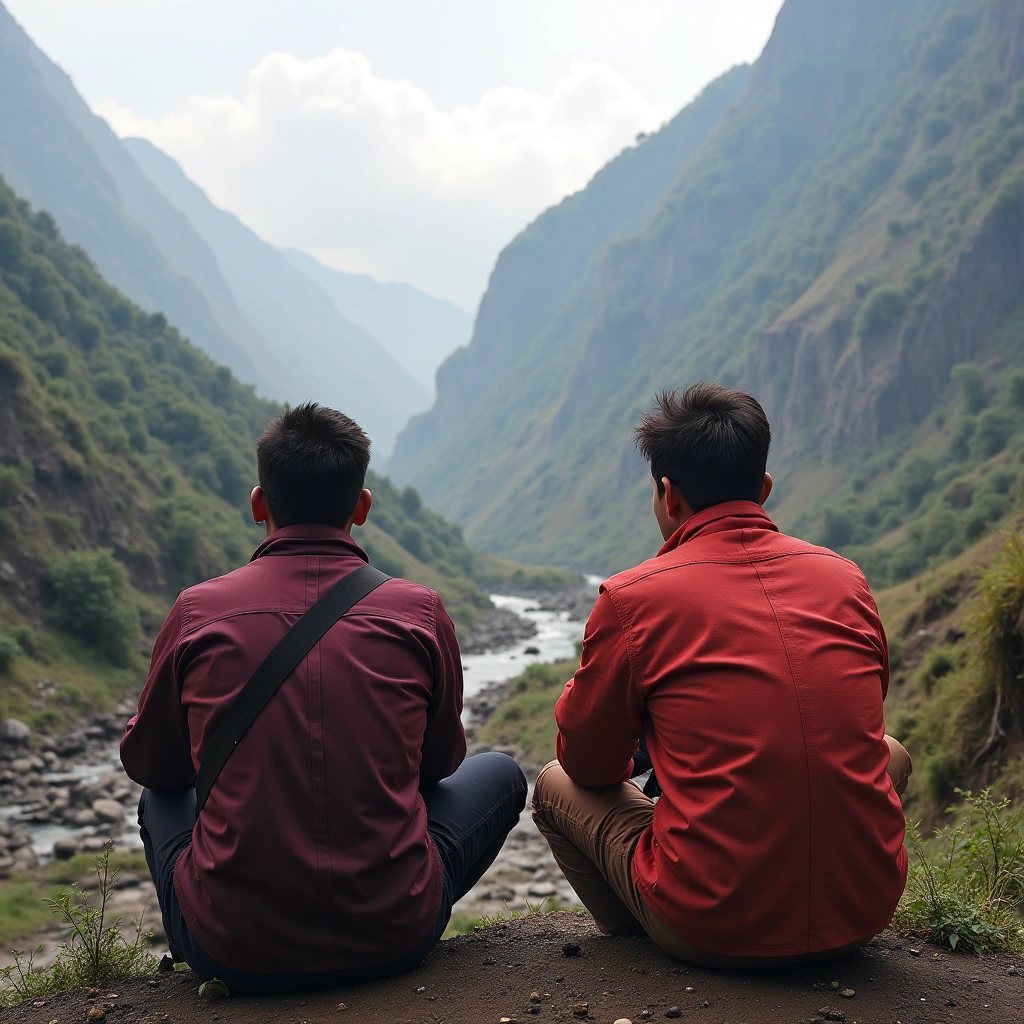
    So, let’s set the stage. Imagine a tiny country, nestled in the Himalayas, that contributes a minuscule fraction of the world’s carbon emissions. Sounds peaceful, right? Now picture that same country facing floods, landslides, melting glaciers, and the destruction of infrastructure—all while the big players on the world stage, like China, India, and the US, crank up their carbon outputs like it’s a competition. Spoiler alert: it’s not a fair fight.

    Now, here’s where it gets a bit frustrating. After these environmental disasters wreak havoc in Nepal, the same carbon-emitting giants swoop in with humanitarian aid, patting themselves on the back for their generosity. “Look at us, helping the little guy!” they say, as if they’re throwing a few coins into a wishing well. But hang on a second! This isn’t charity; this is a responsibility.

    Think of it like this: if you accidentally break your neighbor’s window while playing baseball, you don’t just toss them a couple of bucks for a new glass pane and call it a day. No, you’re liable for the damage! You fix it! And yet, here we are, watching countries that are responsible for a majority of the climate crisis treat their financial aid like a generous gift rather than a necessary obligation.

    Nepal is not asking for sympathy or a pat on the back; they need climate justice. What they require is accountability from those who have caused the mess in the first place. It’s not about feeling good while handing out aid; it’s about owning up to the consequences of pollution and the resulting devastation that follows.

    The argument for climate compensation is not just a moral one; it’s a legal and ethical necessity. Countries that have historically contributed to climate change owe it to nations like Nepal, which are paying the price for their negligence. Imagine a world where those who have contributed the most to the problem are held accountable for the solutions. It’s a radical concept, I know, but isn’t it time we start thinking outside the box?

    It’s also important to remember that this isn’t merely a financial transaction. Nepal needs long-term solutions and support to build resilience against climate-induced disasters. It’s about creating sustainable infrastructures, investing in green technologies, and ensuring that the people of Nepal can thrive despite the challenges posed by climate change.

    So, what can we do to support this cause? First, we can raise awareness about the need for climate compensation. Talk to your friends, your family, and yes, even that one uncle who thinks climate change is a hoax. Share stories about Nepal and other vulnerable countries facing similar challenges. The more people know, the more pressure we can put on governments and corporations to take responsibility.

    Secondly, we can support organizations working on the ground in Nepal. Whether it’s through donations, volunteering, or simply spreading the word, every little bit helps.

    In conclusion, let’s not allow Nepal to be the scapegoat of climate change, paying for the sins of the major polluters. Instead, let’s advocate for accountability and justice. Because at the end of the day, we’re all in this together, and it’s high time we start acting like it.

    So, here’s to Nepal—may they receive the justice, support, and compensation they rightfully deserve. And to the major emitters out there: it’s time to step up, take responsibility, and stop treating climate aid like a generous donation. It’s an obligation, folks. Let’s get it right!


    Inspired by: “Nepal deserve climate compensation.” (r/climatechange)

  • Finding the Purr-fect Cat Boarding for Your Nervous Feline: A Guide for Helicopter Pawrents

    Finding the Purr-fect Cat Boarding for Your Nervous Feline: A Guide for Helicopter Pawrents

    Whether you're planning a vacation, dealing with a family emergency, or just need some time away, selecting the right cat boarding facility is crucial to ensure your cat's comfort, safety, and well-being. In this comprehensive guide, we'll walk you through the essential factors to consider when choosing the perfect cat boarding facility for your furry companion.

    So, you’re planning a little getaway, and your kitty is not invited. Cue the tragic music. As a self-proclaimed helicopter parent (or pawrent, if you will), the thought of leaving your skittish furball in the hands of strangers can be downright terrifying. The good news is, you’re not alone! Many of us have been in the same boat, worrying about how our precious pets will cope while we’re off sipping piña coladas (or whatever adults do on vacation).

    Let’s dive into the nitty-gritty of finding the right cattery for your nervous cat—because leaving your furry friend behind shouldn’t feel like a scene from a horror movie.

    Understanding Your Cat’s Needs

    First things first, let’s talk about your cat’s personality. If your furry friend is anything like the one described in the Reddit post, they might be a little skittish and prone to stress in unfamiliar environments. It’s important to find a cattery that understands the delicate nature of anxious felines.

    When you start your search, look for places that boast a calm, quiet environment. If the facility has a ‘pet spa’ vibe, complete with soft music and calming scents, you might be onto something!

    Location, Location, Location

    Since the lovely Redditor mentioned they’re based in central Melbourne and don’t drive, proximity is key. You definitely don’t want to be trekking across town just to check in on your little furball. So, grab your trusty GPS (or your smartphone, let’s be real) and start searching for catteries within a manageable distance.

    Special Dietary and Medical Needs

    Does your kitty have a complex diet or medical needs? If so, you’ll want to ensure the cattery can accommodate this. Ask them about their experience with special diets and whether they can administer any necessary medications. Because let’s face it, the last thing you want is your cat going on a hunger strike or, worse, getting into a catnip-fueled frenzy.

    Communication is Key

    Let’s not forget about the helicopter parent in all of us. You want updates, and you want them regularly! Inquire if the cattery provides daily updates, complete with adorable photos of your kitty lounging in the lap of luxury (or plotting world domination, whichever comes first). Knowing that your cat is being pampered and cared for can help ease those departure jitters.

    Recommendations from Fellow Pawrents

    The Reddit post you stumbled upon is a goldmine! Engaging with other pet owners who have had similar experiences can offer invaluable insights. Ask for recommendations in your local pet forums, or even reach out to friends who have boarded their cats before. You might just find the perfect place through word of mouth.

    A Visit to the Cattery

    If you find a few promising options, consider visiting them before making a decision. This will give you a sense of the atmosphere and how well the staff interacts with the animals. A clean, well-maintained facility with friendly staff is a good sign. And if they have treats on hand for your cat? Well, that’s just the cherry on top!

    Conclusion

    Leaving your cat behind can be a tough pill to swallow, but with the right preparation and a little bit of research, you can find a cattery that will make both you and your feline feel comfortable. Remember, you’re not just looking for a place to stash your cat while you’re away; you’re searching for a second home that understands your kitty’s quirks and needs.

    So, take a deep breath, embrace your inner helicopter parent, and start your search for the purr-fect boarding solution. Your cat will thank you (eventually, once they forgive you for leaving them)!


    Inspired by: “Cat boarding recommendations for nervous cats with helicopter pawrents?” (r/melbourne)

  • Broughton Sanctuary: A 2500-Acre Love Letter to Nature

    Broughton Sanctuary: A 2500-Acre Love Letter to Nature

    Broughton Sanctuary is rewriting the story of nature recovery · through one of the UK’s most ambitious and holistic rewilding · projects. Since 2021, we have been transforming this historic · 1030 ha (app. 2500 acres) landscape – once intensively · managed farmland—into a thriving mosaic …

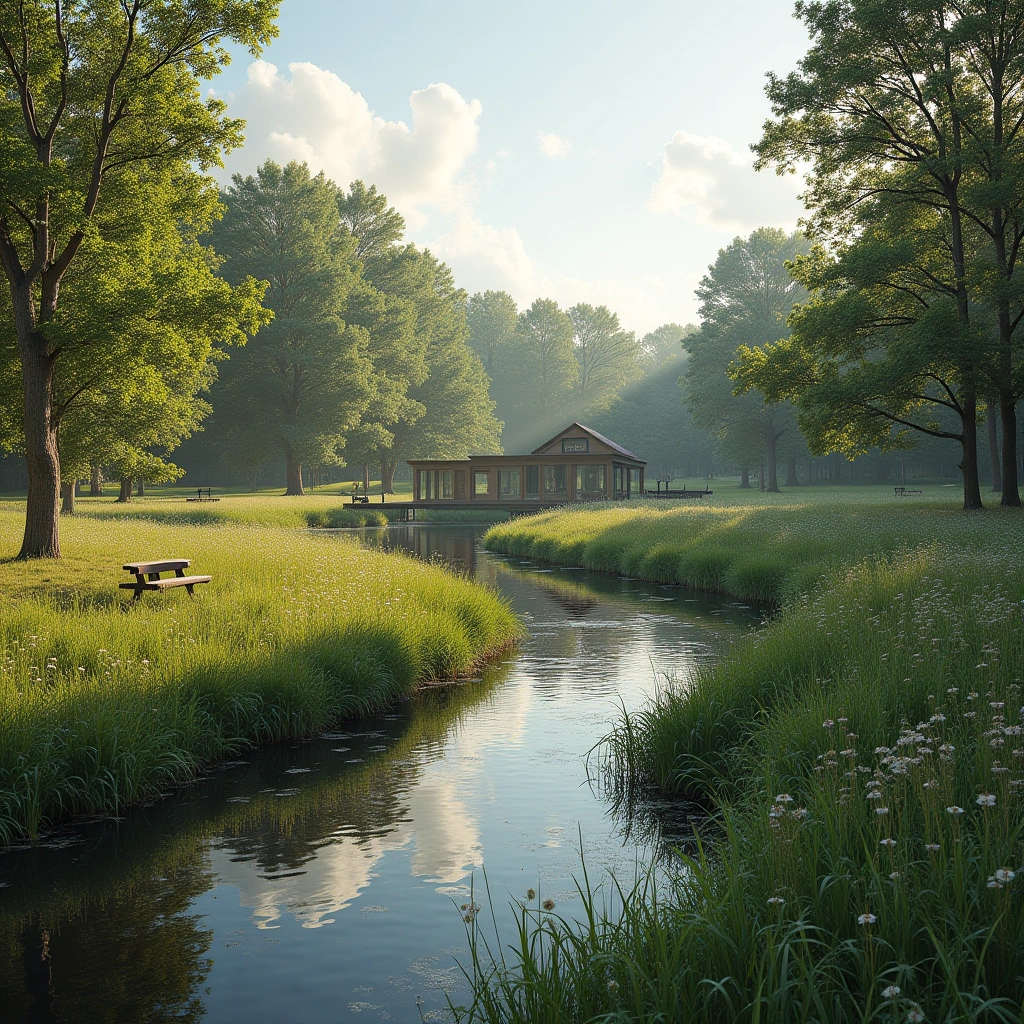
    If you ever wondered what it looks like when nature gets a serious makeover, look no further than Broughton Sanctuary. Spanning a whopping 2500 acres, this sanctuary is like a spa retreat for Mother Nature herself. Picture this: 340,000 native trees planted, rare species introduced, and wetlands restored. It’s basically the botanical equivalent of a top-tier makeover show, and let’s just say, nature is looking fabulous!

    So, what’s the big deal about this? Well, for starters, native trees are not just the cool kids in the plant world; they’re essential for maintaining local ecosystems. They provide habitats, food, and yes, even a place for insects to hang out (because apparently, insects need social lives too). By planting 340,000 of them, Broughton Sanctuary is ensuring that a variety of wildlife can thrive. And when we say wildlife, we mean the whole cast of a nature documentary!

    Speaking of wildlife, let’s talk about the impressive lineup that has returned to Broughton Sanctuary. We’re talking owls, sparrowhawks, red kites, kestrels, peregrine falcons, hen harriers, and more! It’s like an avian reunion up in here. And as if that wasn’t enough, we’ve also got foxes, badgers, boars, and hares strutting around like they own the place. I mean, who wouldn’t want to live in a place where the wildlife is basically a five-star cast?

    You might be wondering, “How did they manage to pull this off?” Well, it takes a little bit of elbow grease and a whole lot of love for the planet. The restoration of wetlands is a crucial part of the project. Wetlands are like nature’s sponges; they help filter water, provide habitat for countless species, and even act as a flood buffer. Plus, they’re just really pretty to look at.

    But wait, there’s more! The introduction of beaver dams has turned the sanctuary into a hotspot for egrets, herons, and dragonflies. Yes, you heard that right—beavers are nature’s little engineers, and they’ve built the ultimate water park for birds and bugs alike! If you thought building a dam was just for beavers, think again. They’ve essentially created a whole new ecosystem, and the residents are loving it.

    In a world where climate change often feels like an uphill battle, Broughton Sanctuary stands out as a beacon of hope. It’s proof that with a little bit of effort, we can turn the tide and help restore our planet’s natural beauty. And let’s be real, we could all use a little more nature in our lives. So, whether you’re a tree-hugging environmentalist or just someone looking to appreciate the great outdoors, Broughton Sanctuary is a must-visit.

    Next time you’re feeling down about the state of the planet, just remember: there’s a place where 340,000 trees are standing tall, and a whole cast of wildlife is living their best lives. And if that doesn’t put a smile on your face, I don’t know what will. Nature is making a comeback, and it’s about time we all joined the party!


    Inspired by: “Across 2500 acres at Broughton Sanctuary, 340,000 native trees were planted, rare species introduce…” (r/climatechange)

  • Surviving the Heat: How Animals Cope with a Scorching European Summer

    Surviving the Heat: How Animals Cope with a Scorching European Summer

    We typically see temperatures for weeks at a time that exceed 33c to 35c and even hit 38c a few times during most summers. But we get to add high humidity to this, sometimes exceeding 90%. Rule one, fresh water and lots of it . Never let the …

    Ah, summer in Europe. While some of us are lounging on the beach sipping cocktails (with umbrellas, of course), our furry and feathered friends are out there braving the heat. But let’s be honest—if I had to survive without air conditioning, I’d probably be seeking refuge in a fridge. So how do animals manage to keep their cool in this sweltering season?

    First off, let’s talk about the obvious: shade. Yes, trees provide shelter, but they also serve as the ultimate animal hangout. Birds, for instance, are experts in the art of timing their outdoor activities. They tend to stick to the cooler parts of the day—early morning or late evening—when the sun isn’t trying to roast them alive. It’s like their version of a happy hour, only instead of cocktails, they’re hunting for worms.

    Now, you might be wondering, “What about the poor little critters who can’t just hop from tree to tree?” Well, they have their tricks too! Many mammals, like deer, will seek out water sources. They’ve got their own version of a spa day—just wading in the water to cool off. It’s nature’s way of saying, “If you can’t beat the heat, join the pool party!”

    And then there are the reptiles. Oh, those cold-blooded creatures don’t mind the heat as much as we do. They have this magical ability to regulate their body temperature by basking in the sun or hiding in the shade. It’s like they have their own thermostat—just without the fancy tech. But let’s not forget, if it gets too hot, some reptiles will simply go into a state of dormancy. Talk about a summer vacation!

    Insects, too, have their own survival tactics. Ants and bees, for example, will retreat into their nests during the hottest parts of the day. They’re the introverts of the animal kingdom—preferring to chill in their cool, dark homes rather than face the blazing sun.

    Now, let’s not sugarcoat it; extreme heat can be tough on wildlife. If the temperatures rise too high for too long, it can lead to dehydration and stress. It’s a bit like that one summer where you decided to take a road trip across the desert without enough water. Spoiler alert: It didn’t turn out well. Some species may even have to adapt or migrate to cooler areas, which is nature’s way of saying, “Okay, time to pack your bags!”

    So, while we humans are busy complaining about the heat and cranking up the AC, let’s take a moment to appreciate the resilience of the animal kingdom. They might not have air conditioning, but they’ve got instincts, strategies, and a whole lot of determination. Next time you see a bird perched in the shade or a deer by a stream, just remember that they’re doing their best to survive in this sizzling summer heat.

    In the end, we can all learn a thing or two from our animal friends. Maybe next summer, we should all take a page from their book: rise early, stay hydrated, and don’t forget to take a dip in the nearest pool—unless, of course, you’re a bird. Then it’s just a bath in the birdbath. Cheers to surviving the summer heat, one critter at a time!


    Inspired by: “What’s the impact of this european summer on animals?” (r/climatechange)

  • The UK Petition: A Step Toward a Greener Future or Just Another Signature Collection?

    The UK Petition: A Step Toward a Greener Future or Just Another Signature Collection?

    This petition got more than 10,000 signatures meaning that government will respond to it.

    In a world where climate change is becoming the hottest (and not in a good way) topic on everyone’s lips, a new petition has emerged from the depths of the UK, calling for a bold commitment: no new drilling licenses for oil or gas. Yes, you heard that right! The petition, which is only open to UK citizens and residents, is stirring up quite the conversation in the climate change subreddit. It’s like a modern-day call to arms—except instead of swords, we’re wielding our keyboards.

    Now, you might be asking yourself, ‘Why does this matter?’ Well, let’s break it down. The UK has long been a player in the fossil fuel game, but with the climate crisis knocking louder than your neighbor’s dog at 3 AM, it’s time for some serious reflection and action. This petition is basically saying, ‘Hey, maybe we should focus on renewable energy instead of digging deeper into our fossil fuel addiction.’ It’s like suggesting you stop binge-watching reality TV and pick up a book instead—hard to do, but potentially life-changing.

    The petition has sparked a mix of enthusiasm and skepticism. On one hand, you’ve got the enthusiastic environmentalists who are probably already envisioning a world filled with wind turbines and solar panels. On the other hand, there are those who are rolling their eyes and saying, ‘Yeah, right. Like that’s going to happen.’ It’s a classic case of optimism versus realism, and frankly, we could use a little more optimism these days.

    Let’s not forget that this isn’t just about signing a piece of digital paper. It’s about making a statement. It’s about saying, ‘We care about our planet, and we’re not going to sit around while the powers that be continue to exploit it.’ It’s like a collective ‘enough is enough’ moment. And who doesn’t love a good moment of collective outrage?

    But, will this petition actually change anything? Well, that’s the million-dollar question, isn’t it? While it’s easy to dismiss petitions as just a way for people to feel like they’re doing something without actually doing anything, history has shown us that they can be powerful tools for change. Remember the time everyone and their grandma signed a petition to stop the government from selling off the forests? Yeah, that made a difference.

    So, if you’re a UK citizen or resident, why not take a few minutes to add your name to this petition? Who knows? Maybe you’ll be part of a movement that helps steer the UK toward a greener future. Or maybe you’ll just be one of the many names on a digital list. Either way, at least you’ll feel like you’ve done something—like finally getting off the couch after a long Netflix binge.

    In conclusion, this petition is more than just a collection of signatures; it’s a rallying cry for action against climate change. It’s a reminder that every voice counts, and that collectively, we can push for the change we want to see. So, grab your phone, click that link, and let’s show the world that we’re ready to move beyond oil and gas. Because if we don’t, we might just find ourselves in a sticky situation—literally.


    Inspired by: “UK Petition: Issue a statement committing to no new drilling licenses for oil or gas | Only UK citi…” (r/climatechange)

  • The Climate Change Classroom Controversy: A West Point Professor’s Dismissal

    The Climate Change Classroom Controversy: A West Point Professor’s Dismissal

    After 17 years of teaching science at West Point, Dr. Adam Kalkstein says he was suddenly ordered last year to cut from his curriculum information about the human causes of climate change , according to a new lawsuit filed against the U.S.

    Ah, the world of academia! A place where ideas should be free to roam, like a deer in a meadow—until, of course, they encounter the proverbial hunter. In this case, the hunter is a lawsuit following the dismissal of a West Point professor who dared to challenge the limitations imposed on teaching climate change. Yes, folks, it appears that even in the hallowed halls of military education, the topic of climate change can be a hot potato, or should I say, a hot planet?

    So, what exactly happened? According to reports, the professor, whose name might as well be ‘Professor Not-So-Politically-Correct’, found himself in a bit of a pickle after advocating for a more robust discussion around climate change in his classes. Imagine that! A professor wanting to teach about one of the most pressing issues of our time. What a rebel!

    The lawsuit claims that the professor was fired for pushing back against the restrictions on how climate change could be taught. This is where it gets a little murky. It seems like there’s a line drawn somewhere between academic freedom and, well, whatever you want to call it when you don’t want your students to hear the truth about climate change. Apparently, this professor crossed that line, waving a flag that read, ‘Climate change is real, folks!’ The audacity!

    Now, let’s take a step back. We’re talking about West Point here—a prestigious military academy that trains future leaders. One would think that teaching future military leaders about the potential impacts of climate change might be a good idea. After all, they’ll be the ones dealing with the repercussions of rising sea levels, extreme weather, and food shortages. But no, let’s just stick to the basics, like how to march in a straight line and shoot straight. Who needs to know about climate change when you can perfect your salute?

    The situation raises some eyebrows (and possibly a few middle fingers) about academic freedom. If professors can’t discuss pressing global issues without fear of losing their jobs, what does that say about the state of education? It’s almost like we’re living in a world where ignorance is bliss—unless you’re the one trying to teach the truth.

    But wait, there’s more! This incident is not just about one professor’s dismissal; it’s a reflection of a larger trend in how climate change is perceived and discussed in various educational settings. Just like that time when everyone pretended that the Earth was flat, we seem to be facing a modern-day refusal to accept scientific consensus. It’s as if some people believe that if you ignore the problem long enough, it will just go away—like that weird smell in your fridge that you keep hoping will disappear.

    In a time when we need informed leaders who can tackle the challenges of climate change head-on, dismissing educators who want to shed light on the subject seems counterproductive, to say the least. Perhaps the powers that be at West Point should reconsider their approach. Maybe they could hold a seminar titled ‘Navigating Climate Change: A Course for Future Leaders.’ But who am I kidding? It’s much easier to stick with the status quo and hope for the best.

    As this story unfolds, it will be interesting to see how the lawsuit plays out. Will the professor’s case spark a broader conversation about academic freedom and the importance of teaching climate change? Or will it be swept under the rug along with all the other inconvenient truths? Only time will tell.

    In the meantime, let’s raise a glass (of renewable energy, of course) to the brave souls who are willing to stand up for what’s right, even when it means risking their jobs. Here’s hoping that one day, we can all have a civilized discussion about climate change—without anyone getting fired for it!


    Inspired by: “West Point professor fired after pushing back on limitations to teaching climate change, lawsuit sa…” (r/climatechange)

  • Empowering Kids to Tackle Climate Change: Actions That Matter

    Empowering Kids to Tackle Climate Change: Actions That Matter

    The topic of climate change and global warming is one that can be confusing, and even frightening for children. The key is to use education as a tool to empower kids to help them understand how they can make changes to help the environment .

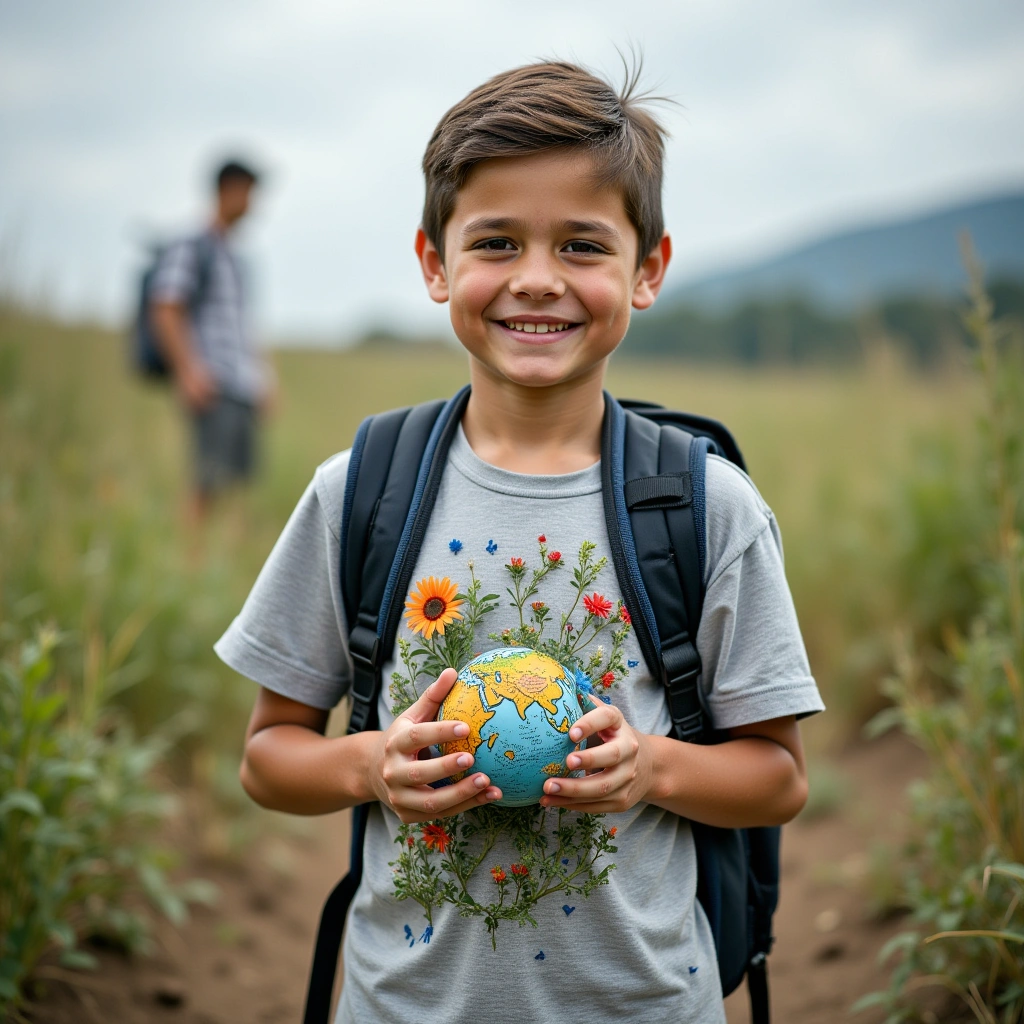
    Hey there, eco-warriors and future planet savers! Let’s talk about something that’s been weighing on the minds of many kids these days—climate change. It seems like every time we turn around, there’s a new headline about melting glaciers or rising temperatures. And let’s be honest, it’s enough to make even the most carefree middle schooler feel a bit anxious. But fear not! There are plenty of actions kids can take to make a real difference and channel that anxiety into something productive.

    So, let’s dive into some impactful climate actions that kids aged 11-17 can take. Because, believe it or not, you don’t have to be an adult to save the planet. And no, you don’t need to wear a cape—though that could be a fun accessory.

    1. Get Chatty About Climate

    First up, it’s time to have those conversations. Talk to your parents about the candidates running for office. Ask them which ones prioritize climate action in their platforms. This is a great way to learn about politics while also pushing for the changes you want to see. Who knows? You might even convince your parents to vote for someone who cares about the planet. And if they don’t, well, at least you tried!

    2. Spread the Word

    Next, don’t keep your climate concerns to yourself. Talk to your friends, your teachers, and even your local media. Start a discussion about climate change at school or in your community. You could even write a letter to the editor of your local newspaper. It’s a great way to express your thoughts and maybe even inspire others to join your cause. Plus, it gives you an excuse to skip that boring math homework for a bit.

    3. Electrify Your Home

    Have you ever thought about how your home uses energy? It’s time to have a family meeting and discuss electrifying your house. This means switching to electric appliances and possibly even solar energy. Not only will this help reduce greenhouse gas emissions, but you might also get out of doing the dishes if you convince your parents to invest in a fancy dishwasher. Win-win!

    4. Ditch the Car

    If you live close enough to school, why not ask your parents if you can walk or bike instead of driving? It’s not only good for the environment, but it’s also a great way to get some exercise. Plus, you’ll have a good excuse to show off your cool bike or those new sneakers you’ve been dying to wear. And hey, who doesn’t love a little fresh air?

    5. Travel Smart

    When it comes to vacations, suggest to your family that you skip the flights and opt for a staycation or a road trip instead. Air travel significantly contributes to greenhouse gas emissions, so every little bit helps. Plus, think of all the cool local places you could explore—who needs Paris when you have your own backyard?

    6. Rethink Your Plate

    Eating less red meat is another action that can have a big impact. If you can convince your family to try some meatless meals a few times a week, you’ll be doing your part to reduce emissions from livestock farming. Plus, you might discover some delicious new recipes along the way. Ever tried a black bean burger? They’re surprisingly tasty!

    7. Advocate for Climate Education

    Finally, push for climate education in your school. Talk to your teachers about incorporating climate change topics into the curriculum or even starting a student-led group focused on environmental issues. It’s a great way to educate yourself and your peers while also taking action. Who knows, you might just become the next Greta Thunberg of your school!

    Conclusion

    So there you have it! A list of actions that kids can take to tackle climate change. It’s all about making small changes that can add up to a big impact. Remember, every little bit counts. And if you’re feeling overwhelmed, just remember that you’re not alone. There are tons of kids out there who are just as passionate about saving the planet as you are.

    Now go out there and start making a difference! And maybe grab a snack first—saving the world on an empty stomach is not advised.


    Inspired by: “Climate actions for kids” (r/climatechange)

  • The Dark Side of Climate Change: Are the Elites Cashing In?

    The Dark Side of Climate Change: Are the Elites Cashing In?

    While climate injustice is widely … Here researchers examine how affluent groups disproportionately contribute to the increase in mean temperature and the frequency of extreme events ….

    Let’s chat about climate change, shall we? Now, I know what you’re thinking: “Oh great, another doomsday article!” But stick with me here; I promise to keep it mildly entertaining. The premise of today’s conversation is that climate change isn’t just an unfortunate side effect of human activity. No, no. It’s allegedly part of a grand scheme designed to benefit the elite. Yes, you heard that right. It’s not just the planet heating up; it’s a whole new level of capitalism we’re dealing with.

    So, here’s the gist: According to some theories floating around the internet (because, of course, where else would we get our news?), the powers that be are allowing climate change to happen because, well, it benefits them. Imagine a world where the chaos of climate catastrophe creates opportunities for the wealthy to grab even more power and resources. Sounds like a plot twist in a dystopian novel, doesn’t it? But here we are, living it.

    Let’s break this down. The argument suggests that as ecosystems crumble and temperatures soar, the wealthy elite can swoop in and profit from the ensuing chaos. Think about it: with environmental stability collapsing, crop yields plummeting, and global markets going haywire, who stands to gain? Those with the most assets, of course! It’s like a game of Monopoly, but with real-world consequences and a lot less fun.

    Now, you might be wondering, “Why would anyone want to see the world go up in flames?” Well, according to this theory, it’s all about control. When resources like clean air, water, and food become scarce, the average person is forced to rely on centralized sources for survival. And guess who owns those sources? You got it—the elite! It’s a clever little scheme: create scarcity, and then profit from the panic. It’s like selling ice to Eskimos, but way less ethical.

    And let’s not forget about the whole depopulation angle. The theory goes that by allowing climate change to wreak havoc, it paves the way for increased conflict and migration. More conflict means more demand for weapons, and surprise, surprise—the elites are often the ones selling those weapons. It’s like they’re playing a game of chess while the rest of us are stuck in a never-ending game of Candy Crush.

    Now, before you start thinking this is all just conspiracy theory nonsense, consider this: there’s more profit in renewables than in oil. So, why aren’t we switching to cleaner energy sources faster? If the elites are really just short-sighted and ignorant, wouldn’t they be jumping on the renewable bandwagon? But instead, it seems we’re barreling towards a climate disaster like a train heading straight for an abandoned station—no brakes in sight.

    The theory suggests that the elites’ inaction is intentional. They’re not just idly watching the world burn; they’re actively steering us into disaster because they see it as an opportunity. More instability means more control, more power, and, of course, more dollars in their pockets. It’s a twisted kind of logic, but in the world of high-stakes capitalism, it’s not entirely out of the realm of possibility.

    So, what can we do about it? Well, that’s the million-dollar question. It’s easy to feel helpless in the face of such overwhelming forces. But maybe, just maybe, by talking about these issues and raising awareness, we can start to shift the narrative. After all, the more we understand the motivations behind climate change, the better equipped we are to fight back.

    In conclusion, whether you believe that the elites are orchestrating climate change or just sitting by while it happens, one thing is clear: the stakes are high. And as we move forward, it’s crucial to keep questioning, keep discussing, and, most importantly, keep fighting for a more sustainable future. Because if the elites are indeed profiting from our demise, then it’s time we take the power back—before it’s too late.


    Inspired by: “Climate change is being allowed to happen on purpose, because it benefits the most powerful people…” (r/climatechange)