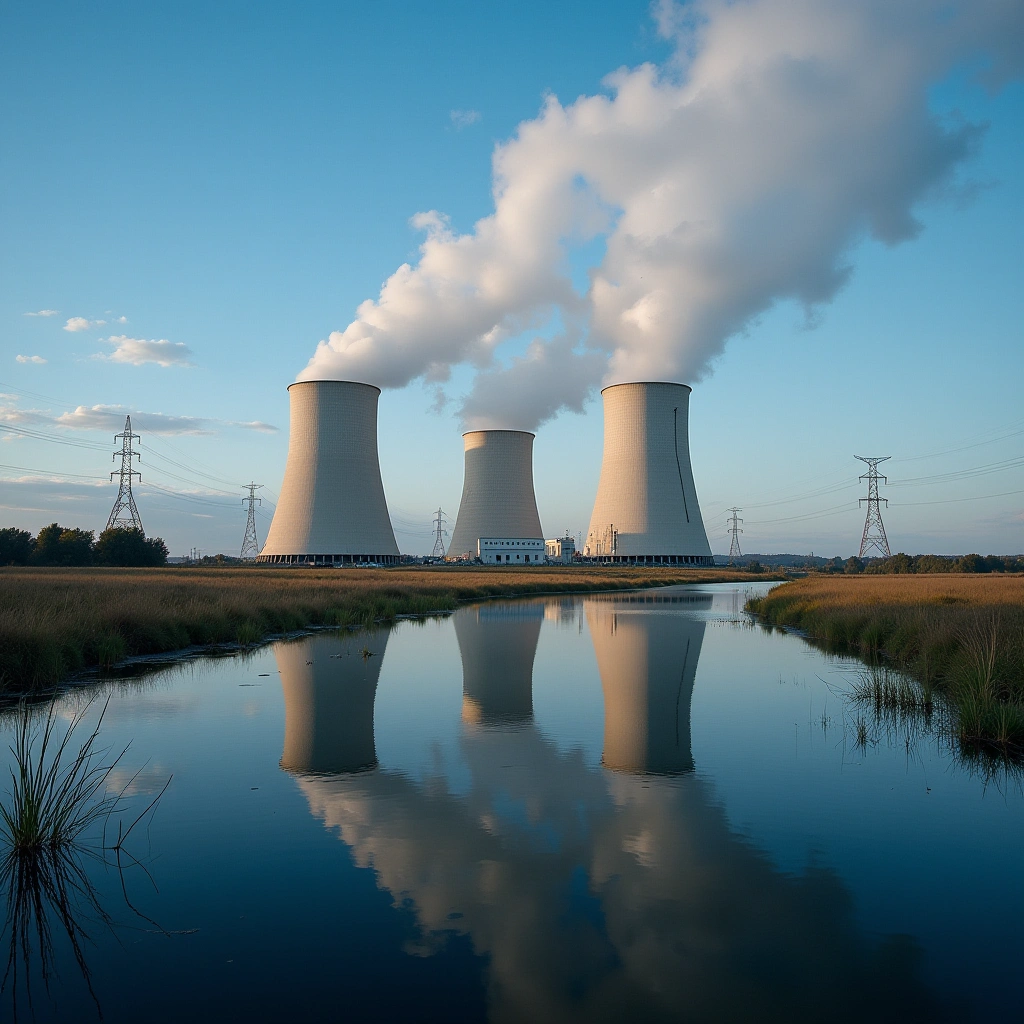
Since then, heatwaves have forced … in nine of the past 20 years. A 2021 study found climate-related outages at nuclear power plants increased dramatically between the 1990s and 2010s ….
Ah, nuclear power! That shiny, controversial energy source that promises to light up our homes while also giving us the occasional existential crisis. As the world grapples with climate change, it turns out that nuclear power is facing its own set of reliability issues. Who would have thought? Let’s dive into this topic and see what’s cooking (hopefully not in a reactor).
First, let’s address the elephant in the room: nuclear power is often hailed as a low-carbon energy source. It’s like the hipster of energy sources—everyone loves it for its potential to save the planet while sipping on organic lattes. But, as climate change ramps up, it exposes some pretty glaring weaknesses in this seemingly perfect energy solution.
One of the most significant issues is the impact of extreme weather on nuclear facilities. As we all know, climate change is throwing Mother Nature into a bit of a tizzy. We’re witnessing more intense storms, heatwaves, and floods than ever before. These events can wreak havoc on nuclear plants, which are often built near water bodies for cooling purposes. Flooding? Not great for a nuclear reactor. Picture a scene reminiscent of a bad disaster movie, where the reactor’s cooling systems fail because of rising water levels. Spoiler alert: it doesn’t end well.
Then there’s the issue of heatwaves. Nuclear plants are designed to operate within specific temperature ranges. When the water used for cooling gets too warm, it’s like trying to take a hot shower when the water heater is on the fritz. You just can’t get the temperature right. This has led to plants having to reduce their output or, in some cases, shut down entirely during heatwaves. So much for providing a steady power supply!
Let’s not forget the aging infrastructure of many nuclear plants. Some of them are older than your average millennial’s taste in music. These facilities were built decades ago, and as climate change accelerates, they’re struggling to keep up with the new normal. Maintenance costs are skyrocketing, and let’s face it, no one wants to invest in a facility that might be one storm away from a meltdown.
And while we’re on the topic of meltdowns, let’s talk about public perception. The nuclear industry has long battled with the stigma of past disasters like Chernobyl and Fukushima. As climate change intensifies, communities are becoming even more wary of nuclear energy. After all, who wants to live next to a facility that might not be able to handle a little rain?
So, what’s the solution? The answer might be a mix of rethinking our energy policies and investing in newer, more resilient technologies. We need to embrace renewable energy sources like wind and solar, which have their own challenges but don’t come with the same baggage as nuclear power.
In conclusion, while nuclear power has its merits, the reliability issues exposed by climate change are hard to ignore. It’s time to face the music (or the reactor hum) and reconsider our energy strategies. After all, we want to light up our homes without also lighting up the world in a nuclear disaster. Let’s keep the lights on, but maybe not with a potential meltdown waiting to happen in the background.
Inspired by: “Climate change is exposing nuclear power’s reliability problem” (r/climatechange)