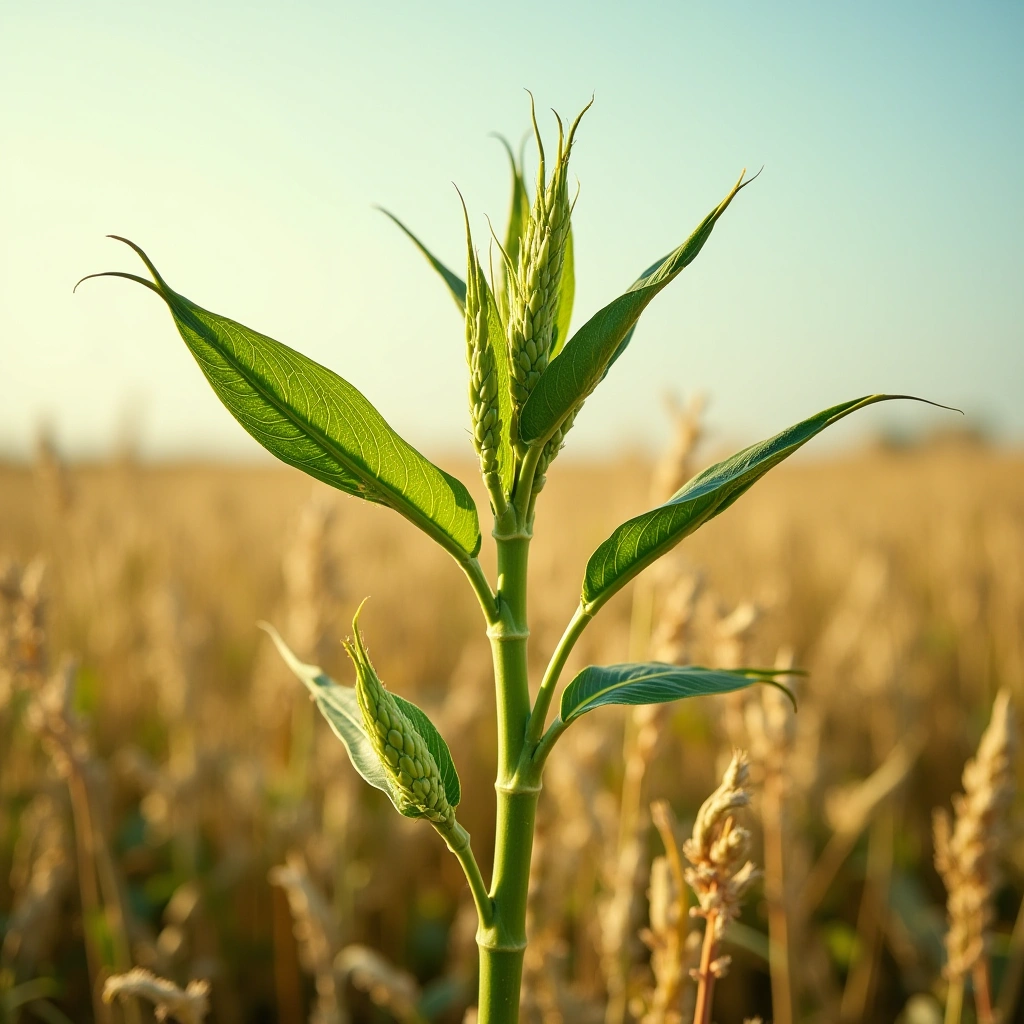
European crops like winter wheat are reaching maturity up to 20 days earlier than in 2000, with similar patterns for rapeseed and maize.
Hey there, fellow earthlings! Let’s talk about something that’s been on everyone’s mind lately—climate change. Yes, the not-so-mysterious villain that seems to be taking over the world, one crop at a time. And guess what? Recent data shows that Europe’s crops are maturing earlier than usual, and it’s all thanks to our good old friend, climate change.
Now, before you start picturing a bunch of confused farmers wondering why their tomatoes are ready for harvest in June instead of July, let’s dive deeper into what this actually means.
According to a recent discussion on Reddit (yes, I’m one of those people who get their news from social media—don’t judge), scientists have observed that climate change is causing shifts in agricultural cycles across Europe. The data suggests that warmer temperatures are leading to earlier maturation of various crops. This is not just a minor inconvenience; it’s a big deal. We’re talking about potential impacts on food supply, agricultural practices, and, of course, the economy.
So, why exactly are these crops getting their act together sooner than expected? Well, the warmer temperatures are essentially tricking plants into thinking it’s time to bloom. It’s like when you wake up on a Saturday and think, ‘Wow, I should really start my day early!’ only to realize it’s still 6 AM and you have no idea why you’re awake. Crops, apparently, don’t have the luxury of hitting the snooze button.
This phenomenon can lead to a variety of consequences. On one hand, earlier harvests might sound like a great idea. Farmers could potentially reap the benefits of longer growing seasons and increased yields. However, there’s always a catch, isn’t there? This shift can also lead to a mismatch between crop maturation and pollinator activity, which is crucial for many plants. If the bees are still sleeping in when the flowers are out, we might have a problem on our hands—one that could make us rethink our favorite summer salads.
Moreover, the economic implications could be significant. Crops that mature too early might not align with market demands, leading to potential losses for farmers who can’t sell their produce at the right time. Imagine trying to sell a Christmas tree in July—it’s just not going to happen, folks. And while some might argue that earlier crops could mean lower prices due to surplus, others might find themselves with a lot of unsold produce just sitting there, collecting dust (or worse, rotting).
Now, let’s not forget about the environmental impact. Earlier maturation could lead to increased water usage, as crops might need more irrigation to cope with the rising temperatures. This could exacerbate water scarcity issues in regions that are already struggling. It’s like a vicious cycle: climate change causes crops to mature earlier, which leads to more water usage, resulting in even more strain on our already overworked planet.
So, what’s the takeaway here? While it might be tempting to think of earlier-maturing crops as a win for farmers and consumers alike, the reality is far more complicated. Climate change is throwing a wrench into the agricultural machine, and we’re all along for the ride.
In conclusion, as we continue to navigate the ups and downs of climate change, let’s not forget to pay attention to our crops. They might be maturing earlier, but that doesn’t mean we should let our guard down. After all, if we want to keep enjoying our favorite foods without the added anxiety of climate-induced chaos, it’s time to take action. So, let’s keep the conversation going—what are your thoughts on this early crop maturation phenomenon? Let me know in the comments below!
Inspired by: “Europe’s crops mature earlier due to climate change, data shows” (r/climatechange)