Category: Nature

  • How to Actually Fight Climate Change: A Guide for the Rest of Us

    How to Actually Fight Climate Change: A Guide for the Rest of Us

    By walking more, tweaking your diet and conserving energy , you can help the world avoid a full-blown climate catastrophe.

    Alright, folks, let’s dive into a topic that’s hotter than the planet itself: climate change. Now, I know what you’re thinking. “Oh great, another post about how we’re all doomed!” But hold your horses! This isn’t a doom-and-gloom fest; this is about what we, as individuals, can actually do to make a difference. Spoiler alert: it’s not just about going vegan or chanting slogans at protests.

    First off, let’s address the elephant in the room. Many of us feel like we’re being blamed for the planet’s woes, while the big corporations continue to pump out pollution like it’s going out of style. I mean, how is it fair that I’m supposed to feel guilty about my morning coffee when companies like Coca-Cola and Nestlé are chugging down resources like they’re at an all-you-can-eat buffet? But here’s the catch: while it’s easy to point fingers, we can still take steps to fight back.

    1. Reduce, Reuse, Recycle

    Let’s start with the classics. It’s like the holy trinity of environmentalism. Reducing waste means being mindful of what we buy and how much we throw away. So, that shiny new gadget? Maybe hold off on that upgrade. Reusing items is a great way to cut down on waste. Got a jar? Don’t toss it! It can be a planter, a piggy bank, or a fancy cup for your artisanal coffee. Recycling? Well, we all know that one. Just make sure you’re actually recycling the right things. Spoiler alert: pizza boxes don’t count.

    2. Go Green with Your Energy

    Switching to renewable energy sources is like giving Mother Earth a big ol’ hug. If you can, opt for a green energy provider. You’d be surprised how many options are available. If you can’t switch yet, try to reduce your energy consumption. Turn off lights, unplug devices, and maybe invest in some energy-efficient bulbs. Your electric bill will thank you, and so will the planet.

    3. Transportation Matters

    Let’s face it: driving your gas-guzzler isn’t doing the planet any favors. Consider carpooling, biking, or using public transportation. Not only will you feel like a responsible citizen, but you might also save on gas. Plus, who doesn’t love a good excuse to avoid that awkward small talk with colleagues in the carpool lane?

    4. Support Sustainable Brands

    When you do need to buy something, consider supporting companies that prioritize sustainability. Look for brands that use eco-friendly materials, ethical labor practices, and sustainable sourcing. Yes, it might cost a bit more, but think of it as an investment in the planet. Plus, you get to feel all warm and fuzzy inside knowing you’re not funding the destruction of the Earth.

    5. Educate Yourself and Others

    While spreading awareness might seem like a tired mantra, it’s still crucial. Knowledge is power, my friends! Read up on climate issues, share articles, and engage in conversations. Just don’t be that person who constantly brings up climate change at parties. There’s a fine line between educating and being a buzzkill.

    6. Advocate for Change

    Put your money where your mouth is! Support policies that promote environmental protection. Write to your representatives, vote for eco-friendly candidates, and get involved in local initiatives. Your voice matters, and it’s time to use it.

    7. Make Small Lifestyle Changes

    You don’t have to go full-on eco-warrior overnight. Start with small changes: eat less meat, use reusable bags, or buy second-hand. Every little bit helps, and who knows? You might discover a new passion for thrifting.

    In Conclusion: It’s a Team Effort

    So, there you have it, folks! Fighting climate change is not just about one or two drastic measures. It’s about a series of small, consistent actions that collectively make a difference. Sure, it can feel overwhelming at times, especially when it seems like the big guys aren’t playing fair. But as individuals, we can still have a significant impact. Remember, it’s not just about saving the planet; it’s about ensuring that future generations have a place to call home. And who doesn’t want that? Now, let’s get to work!


    Inspired by: “How can we ACTUALLY FIGHT climate change individually?” (r/climatechange)

  • Penguins Get Their Shots: A Bird Flu Vaccination Drive Hits a Milestone on Phillip Island

    Penguins Get Their Shots: A Bird Flu Vaccination Drive Hits a Milestone on Phillip Island

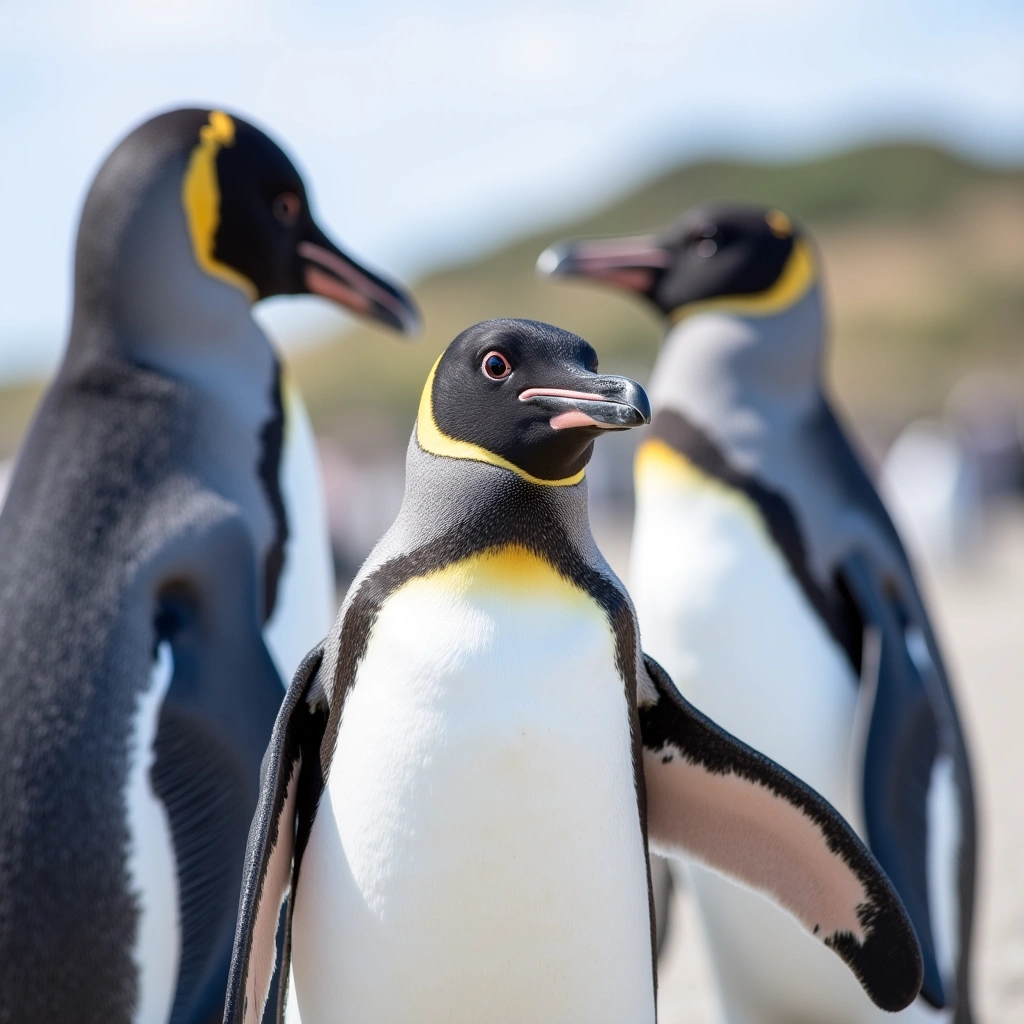
    About 1,000 little penguins on Phillip Island have now received a dose of the H5N1 bird flu vaccine . Authorities are planning to vaccinate 5,000 of the island's 40,000-bird population. The birds require two shots of the vaccine several weeks apart.

    If you thought your local vaccination drive was exciting, you haven’t seen anything until you’ve witnessed the penguin vaccination drive on Phillip Island! Yes, you heard that right. Those adorable tuxedoed birds are getting their bird flu shots, and they’ve just hit a milestone of over 1,000 doses administered. So, grab your popcorn and let’s dive into this feathered frenzy!

    First off, let’s talk about why these little waddlers are getting vaccinated in the first place. Bird flu is no laughing matter, folks. It can wreak havoc on bird populations and, let’s be honest, we can’t afford to lose any more of these charming creatures. The penguins of Phillip Island, known for their nightly parades and cuteness overload, are particularly vulnerable. So, in a stroke of inspired genius, wildlife officials decided to roll up their flippers and get these birds protected.

    Now, you might be wondering how they go about vaccinating a bunch of penguins. I mean, it’s not like they can just line up at the local clinic and say, “One dose of your finest bird flu vaccine, please.” No, this is a well-coordinated effort that involves a team of wildlife experts, some serious planning, and probably a lot of fish bribery.

    The team sets up shop in a designated area where the penguins roam. They carefully capture the birds (don’t worry, it’s all very humane) and then administer the vaccine. It’s like a scene out of a nature documentary, but with less drama and more fish snacks. And you can bet your bottom dollar that all the penguins are probably thinking, “What is this nonsense? I just wanted to swim!”

    But here’s the kicker: this vaccination drive is not just about protecting penguins. It’s also a crucial step in ensuring the health of the surrounding ecosystem. Healthy penguin populations mean healthier oceans, which means more fish for everyone – including the penguins! It’s the circle of life, folks. Or as I like to call it, the circle of fish.

    And let’s not forget the incredible community involvement. The residents of Phillip Island have rallied behind this initiative, showing that when it comes to protecting our wildlife, we can all come together. They’ve been volunteering, spreading the word, and probably making some pretty adorable penguin-themed merchandise. I mean, who can resist a penguin plushie?

    As the vaccination drive continues to gain momentum, we can only hope that the little guys keep waddling along happily and healthily. With over 1,000 doses already administered, it’s clear that this drive is making a significant impact. Here’s to more milestones, more penguins getting their shots, and, of course, more adorable penguin photos flooding our social media feeds.

    So, next time you think about vaccination drives, remember the penguins of Phillip Island. They’re not just cute; they’re also part of a serious effort to keep our planet healthy. And if that’s not a reason to smile, I don’t know what is! Now, if only we could get a vaccination drive for that pesky seagull population…


    Inspired by: “Penguin bird flu vaccination drive passes 1,000-dose milestone on Phillip Island” (r/melbourne)

  • Penguins Get Their Shots: A Bird Flu Vaccination Drive Hits a Milestone on Phillip Island

    Penguins Get Their Shots: A Bird Flu Vaccination Drive Hits a Milestone on Phillip Island

    About 1,000 little penguins on Phillip Island have now received a dose of the H5N1 bird flu vaccine . Authorities are planning to vaccinate 5,000 of the island's 40,000-bird population. The birds require two shots of the vaccine several weeks apart.

    If you thought your local vaccination drive was exciting, you haven’t seen anything until you’ve witnessed the penguin vaccination drive on Phillip Island! Yes, you heard that right. Those adorable tuxedoed birds are getting their bird flu shots, and they’ve just hit a milestone of over 1,000 doses administered. So, grab your popcorn and let’s dive into this feathered frenzy!

    First off, let’s talk about why these little waddlers are getting vaccinated in the first place. Bird flu is no laughing matter, folks. It can wreak havoc on bird populations and, let’s be honest, we can’t afford to lose any more of these charming creatures. The penguins of Phillip Island, known for their nightly parades and cuteness overload, are particularly vulnerable. So, in a stroke of inspired genius, wildlife officials decided to roll up their flippers and get these birds protected.

    Now, you might be wondering how they go about vaccinating a bunch of penguins. I mean, it’s not like they can just line up at the local clinic and say, “One dose of your finest bird flu vaccine, please.” No, this is a well-coordinated effort that involves a team of wildlife experts, some serious planning, and probably a lot of fish bribery.

    The team sets up shop in a designated area where the penguins roam. They carefully capture the birds (don’t worry, it’s all very humane) and then administer the vaccine. It’s like a scene out of a nature documentary, but with less drama and more fish snacks. And you can bet your bottom dollar that all the penguins are probably thinking, “What is this nonsense? I just wanted to swim!”

    But here’s the kicker: this vaccination drive is not just about protecting penguins. It’s also a crucial step in ensuring the health of the surrounding ecosystem. Healthy penguin populations mean healthier oceans, which means more fish for everyone – including the penguins! It’s the circle of life, folks. Or as I like to call it, the circle of fish.

    And let’s not forget the incredible community involvement. The residents of Phillip Island have rallied behind this initiative, showing that when it comes to protecting our wildlife, we can all come together. They’ve been volunteering, spreading the word, and probably making some pretty adorable penguin-themed merchandise. I mean, who can resist a penguin plushie?

    As the vaccination drive continues to gain momentum, we can only hope that the little guys keep waddling along happily and healthily. With over 1,000 doses already administered, it’s clear that this drive is making a significant impact. Here’s to more milestones, more penguins getting their shots, and, of course, more adorable penguin photos flooding our social media feeds.

    So, next time you think about vaccination drives, remember the penguins of Phillip Island. They’re not just cute; they’re also part of a serious effort to keep our planet healthy. And if that’s not a reason to smile, I don’t know what is! Now, if only we could get a vaccination drive for that pesky seagull population…


    Inspired by: “Penguin bird flu vaccination drive passes 1,000-dose milestone on Phillip Island” (r/melbourne)

  • Why You Should Stop Caring (And Start Demanding) About Climate Change

    Why You Should Stop Caring (And Start Demanding) About Climate Change

    The same people who approve the sale of a product that kills 1200 people a day are selling climate change. … When I saw the title I kind of hoped you were this guy. Not because I think people should stop caring, but there are unhealthy and unhelpful levels of caring. … Yeah I work in manufacturing and the amount of co2 from combustion that we emit each day is way more than anything I could ever offset. Once I put it into perspective, it was so easier not to care about the minuscule impact I make with a big personal sacrifice.

    Let’s talk about climate change, shall we? You know, that looming disaster that feels like the world’s worst game of Jenga where every block is made of ice and the tower is, well, everything we hold dear? Now, there’s a hot take (pun intended) floating around that suggests we should just stop caring about climate change. At first glance, it sounds like a terrible idea, but let’s dig deeper.

    So, here’s the gist of it: the climate change movement often makes us feel like the fate of the planet rests solely on our shoulders. You know the drill: recycle your plastic, carpool to work, and for the love of all that is holy, please stop using plastic straws! But what if I told you that, while these actions are commendable, they’re just a drop in the ocean (which, by the way, is rising)?

    The truth is, the burden of fixing climate change shouldn’t be on individuals. It’s like expecting a toddler to clean up after a family barbecue disaster. Sure, they can pick up a few napkins, but the real mess? That’s on the adults. In this case, the adults are the politicians, billionaires, and corporations who have the power to make significant changes.

    Think about it: you can reduce your carbon footprint all you want, but if a corporation decides to dump toxic waste into the ocean, you might as well be trying to empty a swimming pool with a spoon. So why are we carrying this weight? It’s almost as if the narrative has been crafted to shift responsibility away from those who have the most control over the situation.

    Instead of stressing over whether to buy that organic avocado or the regular one (spoiler: they both come from the same planet), let’s redirect our energy. How about we start demanding accountability from those in power? Let’s shout from the rooftops (or, you know, social media) for politicians to enact real policies that tackle climate change head-on. Let’s put pressure on billionaires to invest in sustainable technologies instead of their next super yacht.

    And while we’re at it, let’s stop feeling guilty about our personal choices. Yes, it’s great to be environmentally conscious, but let’s not kid ourselves into thinking that our individual efforts are going to save the planet. It’s like trying to stop a freight train with a feather.

    So, what’s the takeaway? Instead of carrying the weight of the world on our shoulders, let’s focus on making those who are actually responsible for the mess do something about it. Organize, advocate, and vote like your life depends on it—because, spoiler alert, it does! And remember, the planet’s future isn’t just in your hands; it’s in the hands of those who can actually do something about it. Now, go forth and demand change like the eco-warrior you are!


    Inspired by: “Stop caring about climate change” (r/climatechange)

  • Why We Prefer Low-Impact Climate Actions: A Deep Dive

    Why We Prefer Low-Impact Climate Actions: A Deep Dive

    The result is a population that often feels like it’s doing quite a lot for the climate while, in aggregate, barely moving the emissions needle at all. To dig into why this mismatch exists, the Geneva team surveyed nearly 3,000 participants and tested three different interventions designed to sharpen carbon competence. “We selected 32 individual actions, ranging from low-impact behaviors to those with much greater environmental benefits,” explained Mario Herberz, a postdoctoral researcher at UNIGE.

    So, let’s talk about something that’s been on everyone’s mind lately: climate change. And no, I’m not just referring to the weather complaints we all make in the dead of winter or the sweaty summer days that make us question our life choices. I’m talking about actual climate action. A fascinating study recently popped up, examining why folks tend to gravitate towards low-impact climate actions instead of those high-impact ones that could really make a difference. Spoiler alert: it’s not just because we’re lazy (though that might be part of it).

    First off, let’s define what we mean by low-impact and high-impact climate actions. Low-impact actions are the ones that seem simple and manageable—like recycling, using reusable bags, or switching off lights when you leave a room (you know, the things your mom nagged you about). High-impact actions, on the other hand, involve larger commitments—like going vegan, giving up your car, or moving to a solar-powered yurt in the middle of nowhere.

    Now, why do people lean more towards the low-impact actions? According to the study, it’s a mix of psychological comfort and social norms. When people see their friends recycling, they think, “Hey, I can do that too!” But when they think about giving up meat or their beloved car, it feels like a Herculean task.

    Let’s face it: the thought of going vegan can send shivers down the spine of even the most well-intentioned environmentalist. It’s not just about the food; it’s about the social implications, the awkward dinner conversations, and, let’s be real, the cheese. Cheese is life.

    Moreover, the study points out that low-impact actions are often framed as ‘easy wins.’ They don’t require a complete lifestyle overhaul or a dramatic shift in habits. Just toss that plastic bottle in the recycling bin, and voilà! You’re now a climate hero—at least in your own mind. High-impact actions, however, can feel intimidating, like trying to climb Mount Everest after a week of couch surfing.

    There’s also the issue of immediate gratification. Low-impact actions yield quicker results. You recycle that bottle? You feel good right away. You decide to give up your car? Well, get ready for a long journey of public transport angst and an endless stream of “Are we there yet?” from your kids.

    And let’s not forget about the role of societal pressure. In many communities, low-impact actions are celebrated and normalized. You might even get a round of applause at a neighborhood block party for using a reusable straw. Meanwhile, high-impact actions might raise eyebrows, or worse, lead to heated debates over dinner. “Oh, you don’t eat meat anymore? What are you, some kind of health nut?”

    But here’s the kicker: while low-impact actions are a great start, they’re not enough on their own. If we really want to tackle climate change, we need to step up our game. It’s time to stretch beyond our comfort zones and consider those high-impact actions too. Maybe start with one big change at a time—like committing to a meatless Monday or carpooling to work once a week.

    In conclusion, while low-impact climate actions are a fantastic way to ease into the eco-friendly lifestyle, let’s not forget the bigger picture. We need to challenge ourselves to take on the high-impact actions that can lead to real change. So, the next time you find yourself tossing that bottle in the recycling bin, give yourself a pat on the back—but also think about what more you can do. And remember, every little bit helps, even if it doesn’t come with a round of applause.


    Inspired by: “Study examines why people are more likely to adopt low- vs high-impact climate actions” (r/climatechange)

  • Navigating the World of Qantas Signature Rewards: Bonus Points and What to Expect

    Navigating the World of Qantas Signature Rewards: Bonus Points and What to Expect

    The current public offer promotes up to 130,000 bonus Qantas Points for new cardholders who meet the minimum spend requirement and keep the card open for at least 12 months, though the exact breakdown and timing of points can change without notice, so it is important to check the latest terms just before you apply.

    Ah, the elusive bonus points and credits that come with the Qantas Signature Rewards card. If you’ve recently joined the ranks of the Qantas Frequent Flyers, you might be feeling a mix of excitement and mild confusion—especially if you’re waiting for those sweet, sweet bonus points to hit your account after meeting the minimum spend requirement. Let’s break it down, shall we?

    First off, congratulations on getting a Qantas Signature Rewards card! You’re now part of an exclusive club that has its perks, like earning points for flights, upgrades, and a plethora of other travel-related goodies. But before you start dreaming of first-class lounges and exotic vacations, let’s talk about the not-so-glamorous waiting game.

    So, how long is this waiting period for bonus points after hitting that minimum spend within the first 90 days? Well, if you’re anything like our friend from Reddit, who goes by the catchy username of WestSummer4869, you might be wondering if you’re stuck in some sort of point purgatory. After all, it’s been a couple of months, and you’re still seeing only the standard points rolling in. What gives?

    Here’s where it gets a tad tricky. Many users report that it can take the full 90 days for those bonus points and credits to appear in your account. Yes, you read that right—90 days. It’s not exactly a sprint; more like a leisurely stroll through the park, but with less sunshine and more anxious checking of your account balance. So, if you’ve just met that minimum spend and are staring at your statement with a mix of hope and despair, hang tight!

    But wait, there’s more! If you’ve had a statement since meeting the minimum spend and you’re still only seeing standard points, don’t panic. You’re not alone in this. Many users have shared similar experiences in the QantasFrequentFlyer subreddit, where you can find a treasure trove of advice, experiences, and the occasional meme about waiting for points. It’s like a support group for the point-deprived.

    Now, let’s talk about the fine print. Always read the terms and conditions associated with your rewards program. There could be nuances in how and when points are awarded. Sometimes, the timing can depend on when the merchant processes your transactions. So, if you’re swiping your card for those essential avocado toasts, make sure the transaction registers correctly. You wouldn’t want to miss out on points because the barista was too busy trying to create latte art.

    In conclusion, if you’re waiting for your bonus points and credits, remember that patience is a virtue, albeit a frustrating one. The clock is ticking, and while it feels like an eternity, you’ll soon see those points land in your account (hopefully before you lose all hope). In the meantime, feel free to join discussions on platforms like Reddit to share your experiences and perhaps find a fellow traveler who understands your plight.

    Happy flying, and may your points be plentiful and your waiting times minimal!


    Inspired by: “Nab Qantas Signature Rewards Bonus Points + credit” (r/QantasFrequentFlyer)

  • The Climate Protest Map: Where Are the Largest Movements Happening?

    The Climate Protest Map: Where Are the Largest Movements Happening?

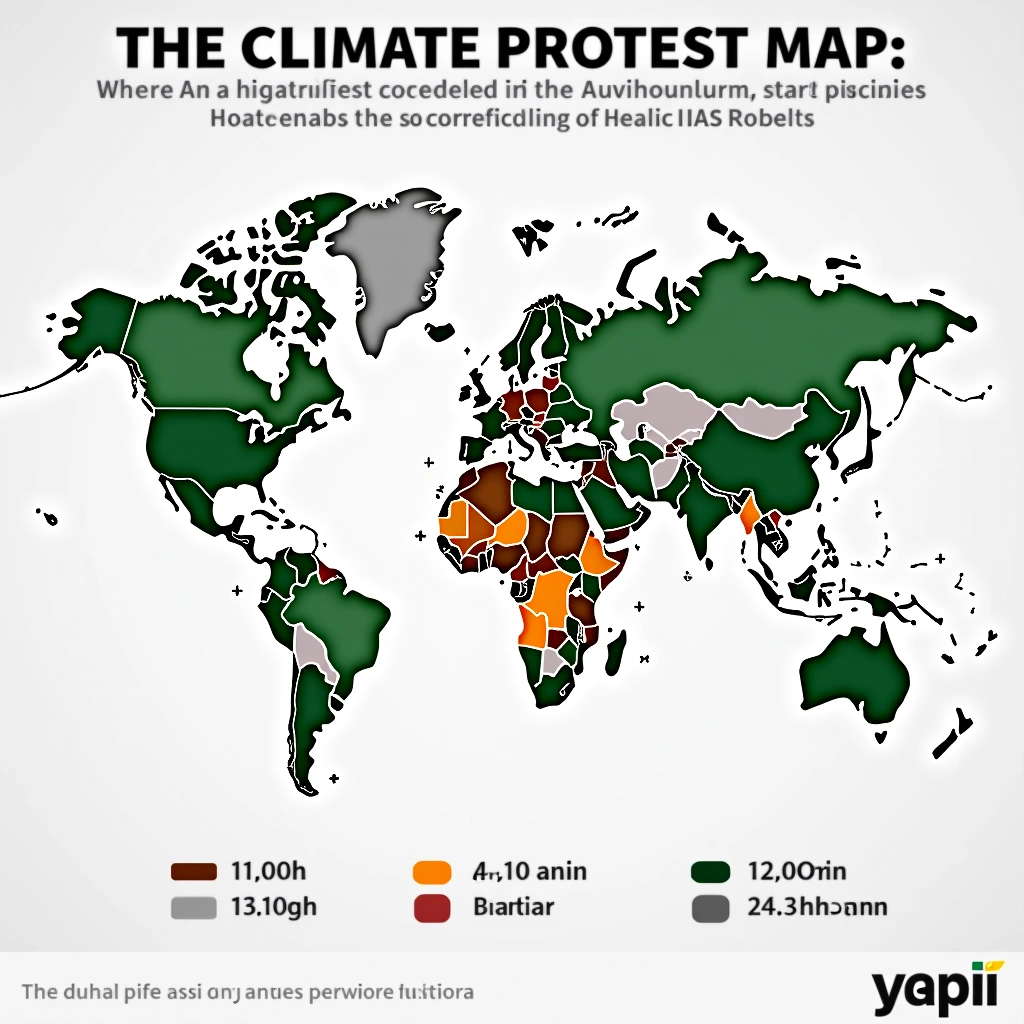
    A one-stop source for following global trends in climate policy protests since 2022. Distinguishing climate activism from other movements is a challenge due to the nature of climate impacts, which often intersect with environmental, economic, social, and political issues.

    If you’ve been scrolling through social media lately, you’ve probably seen a lot of passionate people marching with signs that say things like “Save the Earth” or “There Is No Planet B”—and yes, you might have chuckled at some of the more creative slogans. But behind the humor is a serious movement, and today we’re diving into the question: where are the largest climate protests happening?

    First off, let’s clarify what we mean by ‘largest.’ It’s not just about the number of people waving their arms in the air, but also the energy, the commitment, and the sheer will to make a difference. It’s like comparing a small local bake sale to a massive food festival; both are great, but one is definitely more likely to give you a food coma.

    Now, according to a recent Reddit post that sparked quite the discussion, various cities and regions have emerged as hot spots for climate activism. Cities like Berlin, New York, and Sydney have seen thousands of protesters take to the streets. It’s like a global game of musical chairs, but instead of chairs, we’re fighting for a livable planet!

    These protests are often organized by local climate groups, universities, and activists who are fed up with inaction on climate change. And let’s face it, if you’re still waiting for your government to take action, you might as well grab a sign and join the crowd. The enthusiasm is infectious, and nothing says ‘I care about the planet’ quite like marching with your neighbors while chanting catchy slogans.

    But why do these protests matter? Well, they serve multiple purposes. They raise awareness about climate issues, put pressure on policymakers, and foster a sense of community among like-minded individuals. Plus, it’s a great way to meet people who are equally passionate about saving the planet—because nothing brings folks together quite like a shared concern for the future.

    Interestingly, the scale of these protests often correlates with the level of climate consciousness within each community. The more aware and engaged the public is, the more likely they are to turn out in droves. So, if you’re wondering why your town isn’t on the protest map, it might be time to rally the troops and start a conversation about climate change at your next barbecue.

    Now, while some may roll their eyes at the idea of protesting, it’s important to remember that history has shown us that grassroots movements can lead to significant change. Think of the civil rights movement or the women’s suffrage movement—these movements started with people taking to the streets, demanding change. So, if you’re still skeptical about the power of protests, just remember: the squeaky wheel gets the grease.

    In conclusion, the largest climate protests are happening all over the globe, from big cities to smaller communities. As we continue to witness the effects of climate change, these protests will likely grow in size and importance. So, if you’re feeling inspired, grab your sign, join the movement, and let’s show the world that we care about our planet. After all, it’s the only one we’ve got—unless you’ve got a secret spaceship to another habitable planet, in which case, can I come along?


    Inspired by: “Where are the largest climate protests happening?” (r/climatechange)

  • The Ocean’s New Hot Trend: 21.18°C and What It Means for Us

    The Ocean’s New Hot Trend: 21.18°C and What It Means for Us

    Rising amounts of greenhouse gases are preventing heat radiated from Earth’s surface from escaping into space as freely as it used to. Most of the excess atmospheric heat is passed back to the ocean. As a result, upper ocean heat content has increased significantly over the past few decades.

    So, it happened. On August 22, 2026, the world ocean decided it was time to set a new record high temperature, reaching a sizzlin’ 21.18°C. Yes, you read that right: our oceans are boiling, and not in the fun, romantic way you might imagine when you think of a hot spring. Nope, this is more like a bad day at the beach where you realize the water is too hot to swim in.

    Now, before you start picturing fish in tiny sun hats sipping on piña coladas, let’s take a moment to digest what this actually means. This record-breaking temperature is not just some random data point to ignore while scrolling past cat memes on Reddit. No, this is a big deal, and here’s why.

    First off, let’s talk about the data source. According to the post, this temperature was recorded based on preliminary data from 60 degrees North to 60 degrees South. That’s a pretty substantial chunk of the planet—basically, it’s the part of the ocean where most of the action happens. If you’re looking for a party, this is where all the fish, coral, and everything else that makes the ocean great are hanging out. And now? They’re sweating like it’s a sauna.

    But why should we care about ocean temperatures, you ask? Well, let me break it down for you. Warmer oceans mean more intense storms, rising sea levels, and all sorts of delightful surprises like coral bleaching and disrupted marine ecosystems. It’s like Mother Nature decided to throw a tantrum, and we’re all invited to the chaos.

    And let’s not forget about those poor sea creatures. Ever tried to keep your cool in a hot tub for too long? It’s not pleasant, and I can only imagine how fish feel when their home starts to resemble a boiling pot of water. They might be thinking, “Hey, I signed up for a nice, cool ocean, not a seafood restaurant special!”

    Now, you might be sitting there thinking, “Okay, but isn’t this just a blip in the data?” Well, I hate to break it to you, but this is a trend that we’ve been observing for a while now. The oceans have been steadily warming, and this new record is just the cherry on top of an already steaming hot sundae.

    So, what can we do about it? Well, for starters, we could stop treating the planet like our personal dumpster. Reducing carbon emissions, supporting clean energy initiatives, and maybe, just maybe, not using plastic straws could help. I know, I know—this sounds like a lot of work, but think of the fish! They don’t want to be part of a seafood buffet in the next decade.

    In conclusion, while the ocean’s new record high might seem like just another statistic, it’s a glaring reminder of the climate crisis we’re facing. So, let’s rally together and make sure that the only thing heating up is our enthusiasm for saving the planet—not the oceans we rely on for life. Now, if you’ll excuse me, I have a strong urge to go hug a tree and recycle some plastic. Stay cool, folks!


    Inspired by: “The world ocean just hit a new record high – 21.18C on 22 August, 2026” (r/climatechange)

  • Travel Influencers: The Unlikely Villains of Climate Change

    Travel Influencers: The Unlikely Villains of Climate Change

    R. El trabajo lleva por título ‘The geographies of Instagram: travel influencers and benign travel envy’ (Las geografías de Instagram: los influencers de viajes y la envidia viajera benigna) y como bien señalas en él se demuestra que los ‘travel influencers’ no solo promocionan destinos populares, sino que con el paso del tiempo están mostrando una clara preferencia por lugares cada vez más remotos, rincones del planeta especialmente fotogénicos, muchos de ellos muy vulnerables al cambio climático, como las Maldivas, Groenlandia, la Antártida o el glaciar Perito Moreno.

    Ah, travel influencers. The people who seem to have a never-ending supply of vacation days, a passport that’s seen more stamps than a post office, and a knack for making you feel bad about your staycation. While we all enjoy a good travel post, have you ever stopped to think about the environmental impact of these jet-setting social media stars? Spoiler alert: it’s not great.

    Let’s break it down. The average travel influencer doesn’t just hop on a plane once a year for a family reunion. No, no! They’re off to Bali one week, then Paris the next, and somehow they still have time to squeeze in a weekend in the Maldives. Meanwhile, you’re trying to figure out how to stretch your annual leave to cover a trip to the grocery store.

    Now, I get it. Travel influencers provide us with beautiful pictures of sunsets, exotic locales, and food that looks so good you can almost taste it through the screen. But here’s the catch: all that flying around is contributing to a pretty hefty carbon footprint. It’s like the world’s most glamorous game of climate roulette, and let me tell you, Mother Nature is not impressed.

    You might argue that billionaires have a better excuse for their jet-setting lifestyles. After all, they’re often off to important conferences, business meetings, or charity galas (yes, those exist, right?). Travel influencers, on the other hand, are just sharing their “authentic experiences” while racking up frequent flyer miles like they’re candy at Halloween. And let’s not even get started on the environmental damage from all those Instagrammable resorts that pop up in previously untouched areas.

    But wait, there’s more! Many of these influencers lean liberal or centrist, advocating for climate awareness and sustainability while simultaneously hopping on the next flight out of town. It’s a classic case of “do as I say, not as I do.” They post about reducing plastic use and supporting local economies, all while promoting the next big travel trend that involves a lot of, you guessed it, flying.

    It’s almost like they’re living in a parallel universe where the rules of climate responsibility don’t apply. The irony is thick enough to cut with a knife. And honestly, they should be ashamed of themselves.

    Now, I’m not saying we should throw them all in a plane-less prison (though that does sound tempting). But it’s high time we start questioning the sustainability of the travel influencer lifestyle. Maybe we should hold them accountable for their actions or at least encourage them to take a break from the jet-setting and focus on local adventures for a change. You know, like visiting that quaint little coffee shop down the street that you’ve been meaning to check out.

    In conclusion, while we may enjoy the pretty pictures and travel tips from our favorite influencers, we need to have a serious conversation about the environmental impact of their lifestyles. So the next time you scroll through their perfectly curated feeds, just remember: every time they jet off to another exotic destination, Mother Earth sheds a tear. Let’s hope they start to consider the planet as they plan their next trip—because at the end of the day, we could all use a little more responsibility in our travel plans (and maybe a little less envy in our hearts).


    Inspired by: “Why don’t we go after travel inflauncers” (r/climatechange)

  • The Ocean’s Hot Flash: How Rising Temperatures Are Sabotaging Seagrass Meadows

    The Ocean’s Hot Flash: How Rising Temperatures Are Sabotaging Seagrass Meadows

    New research shows that warming oceans harm seagrass not just through heat but through hidden microbes in the sediment .

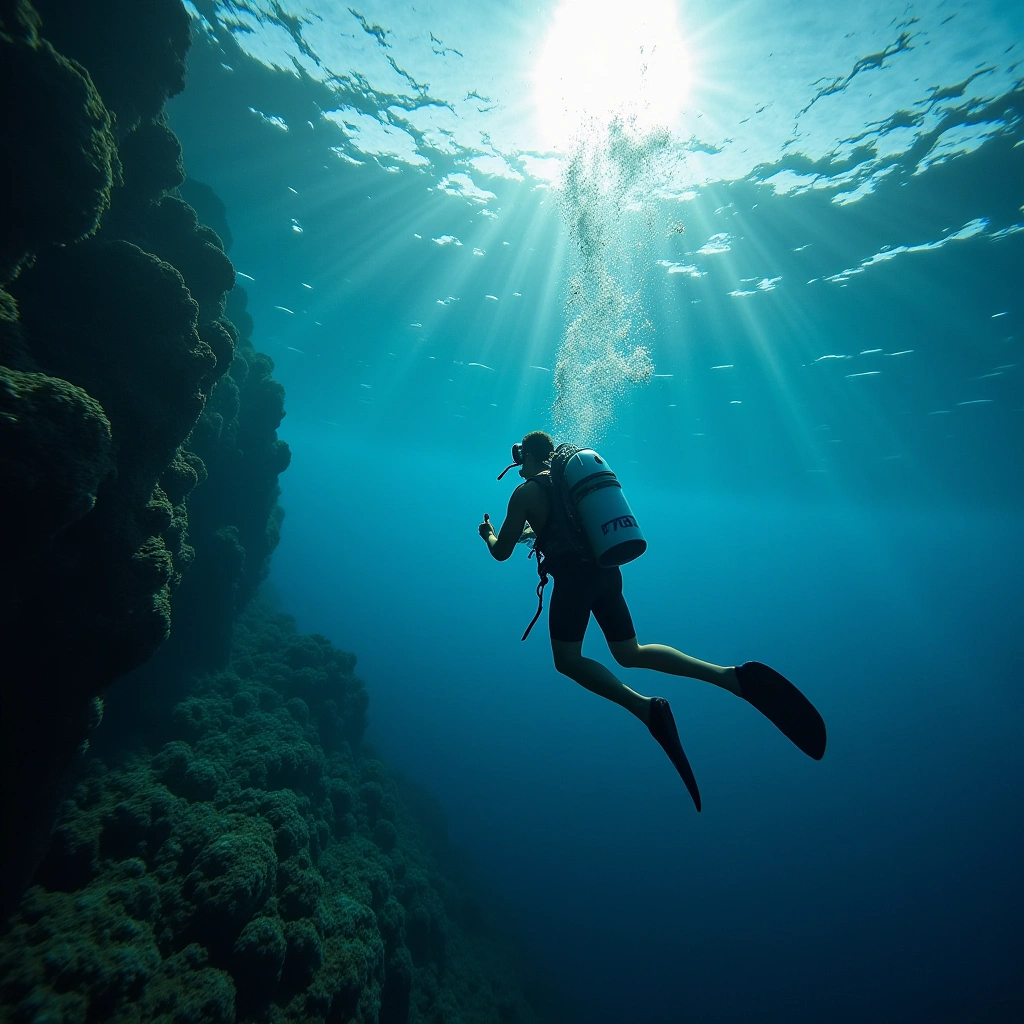
    Alright, folks! Gather around because we need to talk about the ocean. And no, I’m not talking about the beach vacation you’ve been dreaming of. This isn’t a tropical paradise; it’s more like a hot tub gone rogue. Specifically, we’re diving into how rising ocean temperatures are messing with our beloved seagrass meadows and their carbon storage capacity.

    So, what’s the deal with seagrass? You might think it’s just some underwater plant doing its thing, but let me tell you, it’s basically the unsung hero of the ocean ecosystem. These green beauties are like nature’s carbon storage lockers. They soak up carbon dioxide from the atmosphere, helping to keep our planet cooler and more comfortable. It’s like they’re the ocean’s version of that friend who always offers you a ride home after a night out – dependable and essential.

    But here’s the kicker: as ocean temperatures rise, seagrass meadows are starting to lose their mojo. According to recent research, warmer waters are reducing the natural carbon storage capacity of these meadows. Think of it like that time you tried to store leftover pizza in your fridge, but the fridge was broken. All that pizza (or in this case, carbon) just went to waste.

    Now, you might be wondering how exactly these warmer waters are causing such a ruckus. Well, for starters, seagrass thrives in a specific temperature range. When the water gets too warm, it can lead to stress and even death for these plants. It’s like putting a snowman in a sauna – not exactly a recipe for success. As the seagrass starts to decline, its ability to absorb carbon diminishes, which is a huge problem for our climate.

    Plus, let’s not forget about the impact on marine life. Seagrass meadows are home to a plethora of creatures, from tiny critters to larger fish. When these meadows start to degrade, it’s not just the seagrass that suffers, but all the wildlife that relies on them. It’s like a domino effect, and trust me, nobody wants to be the one knocking over the first domino.

    Now, you might be thinking, “What can we do about this?” Well, the first step is awareness. The more we talk about the importance of seagrass meadows and the threats they face, the better chance we have of rallying support for their protection. It’s like trying to save your favorite pizza joint from closing down – you’ve got to spread the word!

    Additionally, we need to take a hard look at our carbon emissions. Reducing our carbon footprint is crucial if we want to give seagrass a fighting chance. Think of it like a team effort; if we all pitch in, we can help keep our oceans cooler and our seagrass thriving.

    In conclusion, rising ocean temperatures are turning up the heat on seagrass meadows, and that’s a problem we can’t afford to ignore. So, the next time you’re planning a beach day, take a moment to appreciate those underwater green fields and remember: they’re doing some heavy lifting for our planet. Let’s do our part to keep them around – because a world without seagrass is like a pizza without cheese. And nobody wants that!


    Inspired by: “Rising ocean temperatures reduce the natural carbon storage capacity of seagrass meadows” (r/climatechange)