GD: In the age of climate emergency, one of the central myths that breeds complacency is that breakthrough technologies will gallop to the rescue, when instead we require radical action. In your words, this is the “comfort blanket of techno-optimism". So, oil and coal can be burnt because we’ll capture and store all the carbon; or biomass can be burnt and all the carbon stored; transport can switch from fossil fuels to hydrogen; planes can fly on biofuels and batteries.
When it comes to tackling climate change, we’ve all heard the buzzwords: “net zero carbon” is the phrase of the moment. Everyone’s talking about it, from politicians to your eco-conscious aunt who insists on sending you links to documentaries about the dangers of plastic straws. But let’s pause for a second and consider a bolder proposition: what if we aimed for absolute zero fossil fuels? Yes, you heard me right—no oil, no gas, no coal. Just pure, unadulterated clean energy. Sounds radical, doesn’t it? But let’s think about it.
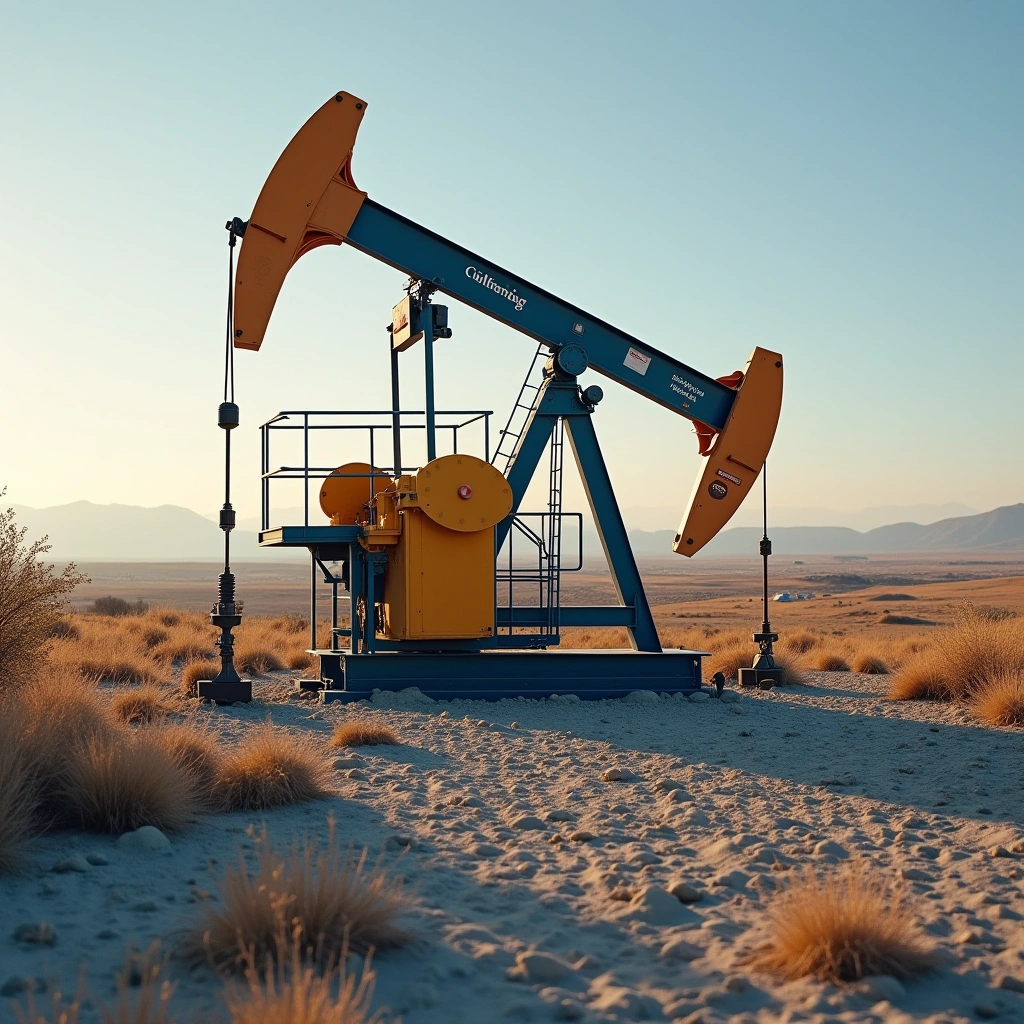
According to some climate scientists, to keep global warming below 1.5 °C, a staggering 60% of oil and gas reserves and 90% of coal need to stay underground. That’s right—locked away like your high school diary. So, if we’re serious about this whole climate thing, we must cap our remaining oil and gas production to only 40% of what’s left. In simpler terms, we need to stop digging up new fossil fuels, which includes halting projects like the Rosebank and Jackdaw developments in the UK.
Now, let’s break this down a bit more. Imagine a world where we set a cap on oil and gas production right now, tapering it down to zero by 2050 or whenever we run out of that precious 40%. Sounds great in theory, but is it actually possible?
First off, let’s talk about the logistics. Transitioning to absolute zero fossil fuels would mean a massive overhaul of our energy systems. We’d need to ramp up renewable energy sources faster than you can say “solar panel”—which, let’s be honest, is a mouthful. Wind, solar, geothermal, and other clean alternatives must become our primary energy sources. It’s like trying to switch from a flip phone to the latest smartphone overnight; doable, but definitely not without a few hiccups.
Now, there’s also the economic aspect. The fossil fuel industry is a giant cash cow, and many governments rely heavily on it for revenue. So, asking them to stop the gravy train might feel like asking a toddler to give up their favorite toy. But here’s the kicker: investing in renewable energy could create jobs and stimulate economic growth. It’s not just about saving the planet; it’s also about creating a sustainable economy that doesn’t rely on outdated practices.
Of course, there are skeptics. Some will argue that absolute zero fossil fuels is just a pipe dream—a utopian fantasy that ignores the realities of our current energy needs. But let’s not forget that the longer we wait to take drastic action, the worse the consequences will be. If we keep waiting for the perfect moment to make a change, we might as well be waiting for pigs to fly.
In the end, the conversation about climate change needs to shift from merely achieving net zero carbon to truly addressing the root of the problem: fossil fuels. It’s time to have the tough conversation about absolute zero. Can we do it? Well, if we can convince everyone to stop using single-use plastics, I’d say we have a fighting chance. Let’s roll up our sleeves and get to work—because the planet isn’t going to save itself.
So, what do you think? Are you ready to dive into the world of absolute zero fossil fuels? Or would you rather stick to the comforting embrace of net zero? Either way, the clock is ticking, and Mother Earth is watching.
Inspired by: “Forget Net Zero Carbon – lets talk about Absolute Zero Fossil Fuels” (r/climatechange)