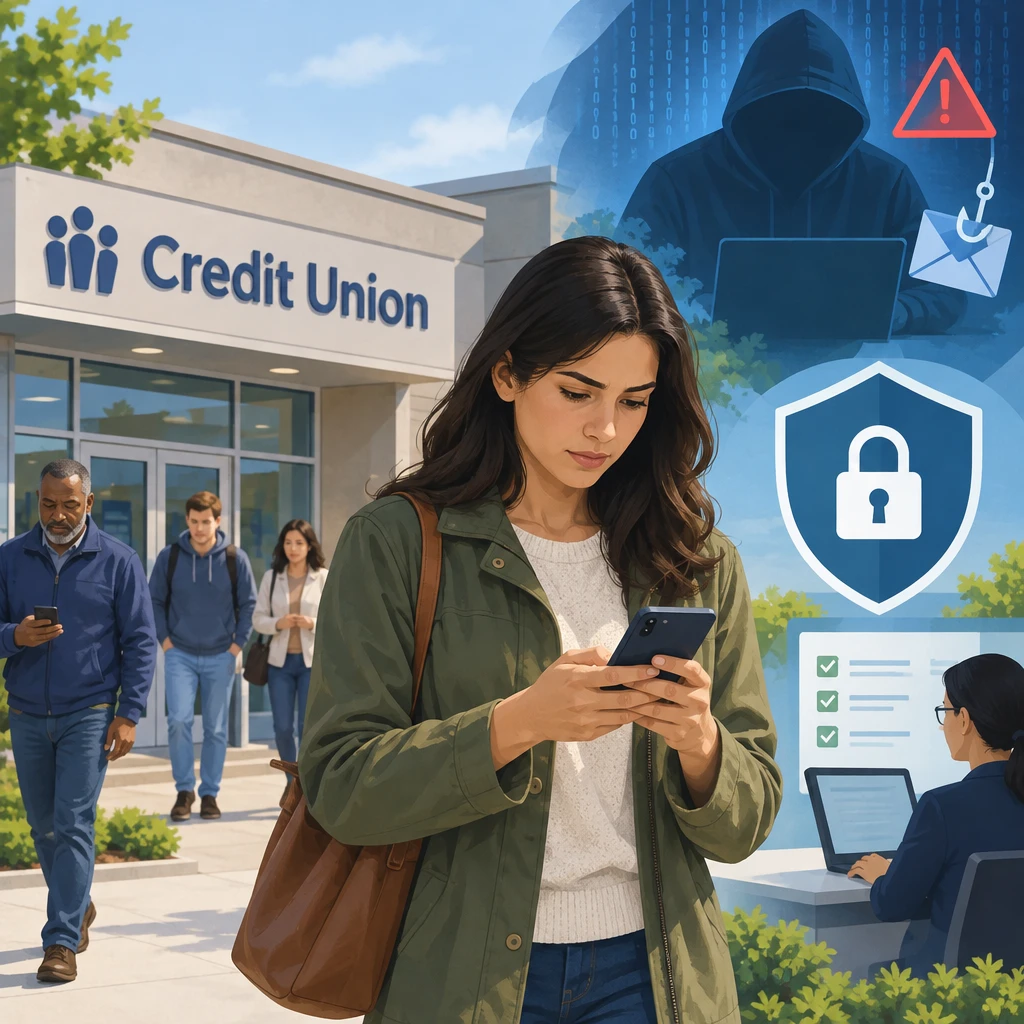
The Central Bank has said that consumers affected by the cyberattack on credit unions must be “vigilant” of scams .
Nobody likes hearing that their bank is a target, but that’s the gist of the warning that has caught attention: cyber attacks like the one aimed at credit unions are likely to become more common. When a central bank starts using words like that, it’s worth paying attention, even if your idea of a cybersecurity plan is a sticky note with your password on it.
First, a quick word on why credit unions matter. They’re member-owned financial cooperatives, often smaller than the big commercial banks, and they serve everyday people with savings accounts, car loans, mortgages, and credit cards. That community focus is a big part of their appeal. It also means they hold a lot of sensitive personal and financial data, which makes them an attractive target for criminals who are always looking for the easiest door to walk through.
So why would attacks become more common? Part of the answer is that digital banking has exploded. Mobile apps, online account access, and electronic payments are now the norm, and every new connection is another possible point of failure. Criminals have also gotten better at their jobs, using tools that are cheap, widely available, and increasingly automated. A lot of attacks don’t require a genius hacker in a hoodie. They rely on phishing emails, stolen login details, and software vulnerabilities that somebody forgot to patch.
Smaller institutions can be especially exposed. Not every credit union has a large security team or an enormous technology budget. Some depend on third-party software providers and outside vendors, which means a weakness in one supplier can ripple out to many organizations at once. Security experts often point to this kind of supply chain risk as one of the trickier problems to solve, because you can’t fully control what happens inside a company you don’t run.
Central banks and financial regulators tend to issue warnings like this for a reason. Their job includes protecting the stability of the financial system, and a successful attack on a financial institution can disrupt services, expose customer data, and erode trust. Even when money is not directly stolen, the scramble to recover systems and reassure members is expensive and stressful. Regulators generally want institutions to test their defenses, train staff, keep software updated, and have a plan ready for when something goes wrong.
So what should members do? For starters, use strong, unique passwords and turn on multi-factor authentication wherever it’s offered. Be skeptical of unexpected emails, texts, or phone calls asking for account details, even if they look official. Check your statements regularly and report anything unusual quickly. Your credit union’s staff can’t stop every threat alone, and most successful attacks still start with someone clicking the wrong link.
The bigger takeaway is that cybersecurity is no longer a background IT concern. It’s part of running a financial institution, and it’s part of being a responsible customer too. The warning from the Central Bank is essentially a reminder that the threat is real, growing, and not going to politely wait its turn. Institutions need to invest in defenses, and members need to stay alert. It’s not the most exciting topic, but it’s far better than explaining to your bank why your savings have vanished into a stranger’s account.
Inspired by: “Cyber hacks like attack on credit unions likely to become more common, Central Bank warns” (r/RSS)