Category: Science

  • Billion-Dollar Bonds: SpaceX’s Next Big Move

    Billion-Dollar Bonds: SpaceX’s Next Big Move

    So, it looks like SpaceX is gearing up for a serious financial maneuver, folks! According to reliable sources—those mysterious insiders who seem to know everything before the rest of us—SpaceX bankers are preparing for a potential $20 billion bond offering. Yes, you read that right. Twenty billion with a ‘b.’ That’s a lot of zeros!

    SpaceX is preparing to issue its first-ever investment-grade US dollar bonds in a potential offering of at least $20 billion. The proceeds will primarily refinance a temporary $20 billion bridge loan taken out in February to fund the acquisition of AI startup xAI, which matures in September 2027. This move marks a significant expansion for the newly public company, which now operates as a space and AI conglomerate with a valuation exceeding $2 trillion, aiming to secure cheaper capital for its ambitious and capital-intensive artificial intelligence infrastructure plans.

    Now, before you start daydreaming about what you could do with 20 billion dollars (I mean, who wouldn’t want a lifetime supply of avocado toast?), let’s break down what this really means for SpaceX and the rest of us mere mortals.

    First off, why would SpaceX need to issue bonds? Well, let’s think about it. SpaceX has been on quite a roll lately. With their ambitious plans to colonize Mars (because why not?), launch Starlink satellites, and build a fleet of rockets that could probably take you to dinner and back, they need a hefty pile of cash to keep everything running smoothly.

    Issuing bonds is like asking investors, ‘Hey, can you lend us some cash, and we promise to pay you back later with interest?’ It’s a way for companies to raise funds without giving up equity. So, no, you won’t be able to say you own a piece of SpaceX just yet, but your neighbor’s cousin’s best friend might get a slice of that pie if this bond offering goes through.

    Now, let’s talk about the timing. With the space industry booming, it’s like SpaceX is throwing a massive party and everyone is invited—except it’s a very exclusive party where only the wealthiest investors can get in. Plus, with the recent successes of their launches, the company is riding a wave of confidence. Investors are probably feeling like they just found a golden ticket in their chocolate bar.

    But of course, it’s not all sunshine and rocket fuel. There’s always that pesky little thing called market conditions to consider. If the economy decides to take a nosedive, or if interest rates go up, that could throw a wrench in SpaceX’s plans. And let’s be real, we all know how unpredictable the financial markets can be. One minute, everyone is buying stocks, and the next, it feels like we’re all waiting in line for the last slice of pizza at a party.

    So, what does this mean for you, the everyday space enthusiast? Well, unless you have a few billion dollars lying around (in which case, can we be friends?), you might not be directly impacted by this bond offering. However, it’s always fun to watch the drama unfold. Will SpaceX successfully raise the funds? Will they have enough money to finally build that intergalactic taco truck we’ve all been dreaming about?

    In conclusion, the potential $20 billion bond offering by SpaceX is a fascinating development in the world of finance and aerospace. It’s a bold move that could fuel their ambitious plans for the future. So, grab your popcorn and keep an eye on this one—it’s bound to be an exciting ride. And who knows? Maybe one day we’ll all be able to say we invested in the future of space travel. Or at the very least, we can brag about it at parties.


    Inspired by: “SpaceX bankers prepare for potential $20 billion bond offering, sources say” (r/technology)

  • SpaceX: The Rocket That Just Won’t Stop Growing

    SpaceX: The Rocket That Just Won’t Stop Growing

    In a world where tech giants like Amazon and Microsoft have dominated the market for years, SpaceX has decided to shake things up a bit. Yes, you heard that right! SpaceX has officially surged past these heavyweights in market capitalization, earning its place as the fourth-biggest company in the U.S. market. Cue the confetti and prepare for takeoff!

    SpaceX is driven by CEO Elon Musk’s mission to make humanity multi-planetary by establishing a self-sustaining civilization on Mars, requiring a drastic reduction in space travel costs. To achieve this, the company utilizes rapid iteration and vertical integration, allowing it to build, test, and fail quickly without the bureaucratic constraints of government agencies like NASA. This aggressive "fast and break things" approach has enabled SpaceX to pioneer reusable rocket technology, significantly lowering the cost of launching payloads into orbit.

    Now, you might be wondering how a company that primarily launches rockets into space managed to surpass two of the most influential companies in the tech industry. Well, let’s break it down. First and foremost, SpaceX has become a household name, thanks to its ambitious missions and the somewhat charming persona of its founder, Elon Musk. Love him or hate him, the man knows how to grab headlines, and that has translated into a growing interest and investment in SpaceX.

    But let’s not forget about the actual rocket science here—SpaceX has been on a roll (pun intended) with its successful launches. From sending astronauts to the International Space Station to developing the Starship for future Mars missions, SpaceX is pushing the boundaries of what’s possible in space travel. Investors see potential in the company not just for its current success but for its future projects, which include interplanetary travel and satellite internet services. Who wouldn’t want to invest in the next Uber, but for space?

    On the flip side, Amazon and Microsoft are no slouches either. They’ve built empires that dominate online shopping and cloud computing, respectively. However, their growth has plateaued in some areas, and it seems like they’re more focused on refining their existing services than launching a rocket to the moon. SpaceX’s disruptive approach and innovative spirit have clearly resonated with investors looking for the next big thing.

    Of course, with great power comes great responsibility—or at least, great volatility. SpaceX’s market cap surge has raised eyebrows and questions about sustainability. Can a company that’s still heavily reliant on government contracts and the whims of space exploration continue to hold its ground against established giants? Or will it crash back down to Earth like a poorly landed Falcon 9?

    In conclusion, SpaceX’s rise to the top of the market cap charts is a testament to the power of innovation and the allure of space exploration. While it’s still a wild ride, the excitement around SpaceX shows no signs of slowing down. So, buckle up, folks! The future is looking bright—at least until we figure out how to colonize Mars and start charging rent.


    Inspired by: “SpaceX surges past Amazon and Microsoft in market cap, becoming fourth-biggest U.S. company” (r/technology)

  • SpaceX’s $60 Billion Acquisition of Cursor: What Does It Mean for the Future?

    SpaceX’s $60 Billion Acquisition of Cursor: What Does It Mean for the Future?

    So, it looks like SpaceX is about to make a move that’s more surprising than finding out your favorite snack is actually healthy: they’re buying Cursor for a whopping $60 billion. Yes, you read that right—$60 billion, which is a number that might make even Jeff Bezos raise an eyebrow. But what does this mean for the world of space exploration and tech innovation? Let’s dive in!

    SpaceX has officially exercised an option to acquire Anysphere, the developer of the AI coding tool Cursor, for $60 billion in an all-stock transaction expected to close in Q3 2026. This move follows SpaceX’s recent $2 trillion IPO and aims to bolster xAI’s competitive position against rivals like OpenAI and Anthropic by integrating Cursor’s enterprise reach with SpaceX’s massive Colossus computing infrastructure. The acquisition signals a strategic pivot for SpaceX from a purely aerospace firm into a dominant AI-integrated powerhouse, leveraging Cursor’s $2.6 billion in annualized B2B revenue to accelerate its autonomous engineering platforms.

    First off, let’s talk about Cursor. If you’re like most people, you might be scratching your head and asking, “What on Earth (or beyond) is Cursor?” Well, Cursor is a tech company known for its advancements in artificial intelligence and data management. Think of it as the nerdy kid in class who always has the right answers—except now, they’re getting an upgrade in the form of a SpaceX rocket.

    Now, you might be wondering why SpaceX, the company that’s all about rockets and Mars colonization, is suddenly interested in a tech company. Here’s the thing: space exploration isn’t just about sending rockets into the great unknown. It’s also about data, and lots of it. With the rise of AI and machine learning, managing vast amounts of space data is more important than ever. By acquiring Cursor, SpaceX is essentially saying, “We want to be the best at this.” And let’s be real, when has Elon Musk ever settled for ‘just okay’?

    This acquisition could lead to some pretty exciting developments. Imagine AI systems that can predict the best routes for space travel, or analyze data from Mars rovers faster than you can say, “SpaceX is launching another rocket.” If there’s one thing we know, it’s that Musk loves a good challenge, and what better way to challenge the status quo than by merging cutting-edge tech with space exploration?

    Now, let’s not forget the financial aspect. $60 billion is not pocket change. In fact, it’s enough to buy an entire fleet of Teslas or even fund a few trips to Mars (not that we’re suggesting you could buy a round-trip ticket to Mars anytime soon). This hefty price tag raises questions about SpaceX’s financial strategy. Are they betting big on the future of space tech? Are they planning to dominate the data management industry as well as space? Or is this just a really expensive way to make sure they have the smartest robots in the galaxy?

    And let’s be honest, this news isn’t just big for SpaceX; it’s a game-changer for the entire tech and space exploration industries. Other companies are going to have to step up their game if they want to compete with a giant like SpaceX that’s now armed with advanced AI capabilities. It’s like watching a high school science fair where the kid with the coolest project suddenly gets a rocket booster—literally.

    In conclusion, SpaceX’s acquisition of Cursor for $60 billion isn’t just a headline; it’s a bold statement about the future of tech and space exploration. Whether this will lead to an era of AI-driven space travel or just a lot of really smart robots is yet to be seen, but one thing’s for sure: we’re in for an interesting ride. Buckle up, folks; it looks like the future of space just got a whole lot more interesting—and potentially a little more chaotic. Who knows, maybe one day, we’ll all be using Cursor-powered apps to plan our vacations to the Moon. Now that’s a thought to ponder!


    Inspired by: “SpaceX is buying Cursor for $60 billion” (r/technology)

  • SpaceX: The New Kid on the Block Ready to Dethrone Amazon

    SpaceX: The New Kid on the Block Ready to Dethrone Amazon

    In the ever-evolving world of finance and technology, it seems that SpaceX is gearing up to give Amazon a run for its money, potentially leapfrogging it to become the world’s fifth-largest company. Yes, you heard that right! The rocket company that once seemed like a wild idea from a space-loving billionaire is now on the verge of achieving a monumental milestone in the corporate world.

    SpaceX recently debuted on the public market in the largest IPO in history, with its share price surging 19.79% to push its market capitalization to $2.4 trillion. This rapid ascent has placed the aerospace and AI firm just shy of e-commerce and cloud giant Amazon’s $2.65 trillion valuation, sparking intense speculation about whether SpaceX can permanently dethrone the retail leader. However, analysts warn that SpaceX’s high valuation is driven largely by IPO hype and speculative trading rather than concrete earnings power, as the company posted a $4.94 billion net loss in 2025 after integrating xAI. In contrast, Amazon trades at more conservative multiples backed by consistent profitability, leading most experts to expect SpaceX’s valuation to cool and the gap between the two companies to widen.

    Now, let’s take a step back and ponder this for a moment. When we think of Amazon, we envision online shopping sprees, next-day deliveries, and of course, the occasional existential crisis over whether we really need another pair of shoes. But SpaceX? That’s the company that’s been busy launching rockets, developing reusable spacecraft, and dreaming of Mars colonization. Who knew that space travel could be so lucrative?

    It’s not just about rocket launches, though. SpaceX has been cleverly positioning itself in the market with its Starlink satellite internet service, aiming to provide global internet coverage. Imagine being able to stream your favorite shows while camping in the middle of nowhere, or better yet, while orbiting the Earth! That’s some serious multitasking right there.

    So how exactly did SpaceX manage to climb the corporate ladder so quickly? Well, it all boils down to innovation, vision, and a bit of that good ol’ entrepreneurial spirit. Founded by Elon Musk in 2002, the company has been on a mission to revolutionize space travel, and let’s be honest, they’ve been doing a pretty stellar job at it. With successful missions to the International Space Station and plans for manned missions to Mars, they’re not just aiming for the stars; they’re practically setting up camp among them.

    Meanwhile, Amazon has been busy with its own set of challenges, from labor disputes to increased scrutiny over its market dominance. While they’re still raking in the cash, the competition is heating up. And let’s face it, no one wants to be dethroned by a company that’s literally launching into space.

    As we watch this corporate showdown unfold, it’s a reminder that the business landscape is never static. Companies rise and fall, and sometimes, they even take flight—literally! So, what does this mean for investors and consumers alike? Well, for one, it might be time to pay more attention to the companies that are pushing boundaries and thinking outside the box, or in this case, outside the atmosphere.

    In conclusion, whether SpaceX actually manages to leapfrog Amazon or not, it’s clear that the competition is more thrilling than ever. So, buckle up, folks! The corporate space race is on, and who knows? Maybe one day we’ll be ordering our groceries from Mars and having them delivered by a drone. Now that would be a delivery experience worth waiting for!


    Inspired by: “SpaceX set to leapfrog Amazon to become world’s fifth-largest company” (r/technology)

  • NASA’s Quiet Supersonic Jet Soars to New Heights: What It Means for the Future of Air Travel

    NASA’s Quiet Supersonic Jet Soars to New Heights: What It Means for the Future of Air Travel

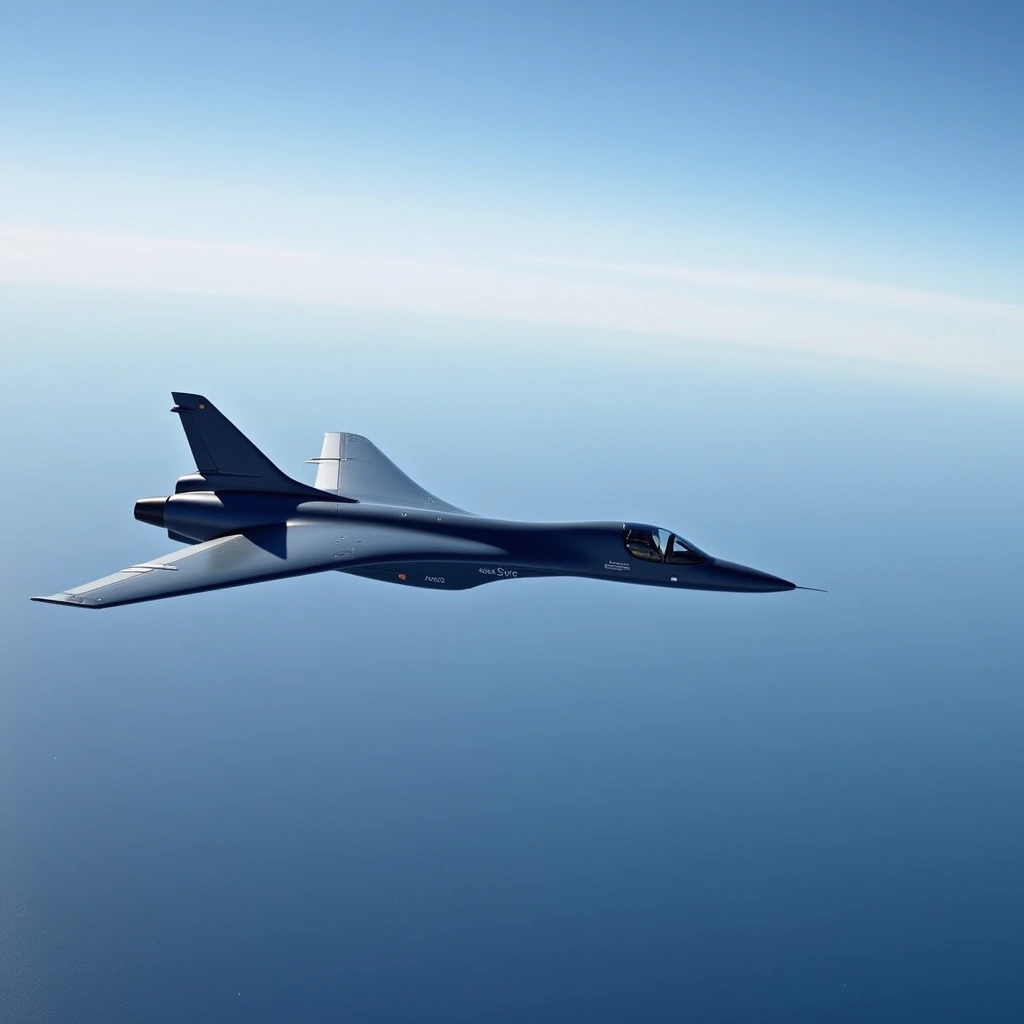
    Hey there, fellow space enthusiasts and aviation aficionados! Hold onto your flightsuits because we’ve got some thrilling news zipping past us at greater than 313 miles per hour (that’s Mach 1 for you non-mathletes in the crowd). NASA’s quiet supersonic jet, the X-59 QueSST, just hit yet another major milestone, careening closer to a sci-fi future we once only dreamed of from the comfort of our couches.

    NASA’s X-59 Quesst experimental jet successfully broke the sound barrier for the first time on June 5, 2026, reaching Mach 1.1 during a test flight that paves the way for quiet supersonic flight over land. Unlike traditional jets that create loud sonic booms, the X-59’s unique design reduces noise to a muffled "sonic thump," addressing the primary regulatory hurdle that has restricted supersonic commercial travel since 1973. This milestone supports the Quesst mission, which aims to gather public feedback on the new noise profile to help establish updated safety standards and enable faster, less disruptive air travel in the future.

    For those not following every proverbial flap of the wing from Soho to the Cape Canaveral, let me break this down: Sੱਟanciers sense, as we move closer to a world of ultra


    Inspired by: “NASA’s Quiet Supersonic Jet Just Hit Another Major Milestone” (r/technology)

  • Wall Street’s SpaceX Adventure: Buckle Up for a Bumpy Ride!

    Wall Street’s SpaceX Adventure: Buckle Up for a Bumpy Ride!

    Hey there, fellow Earthlings! So, Wall Street has officially strapped in for what can only be described as a cosmic rollercoaster ride, and it’s all thanks to our favorite space-faring company, SpaceX. If you thought investing in stocks was thrilling, wait until you see how they handle rocket launches! 🚀

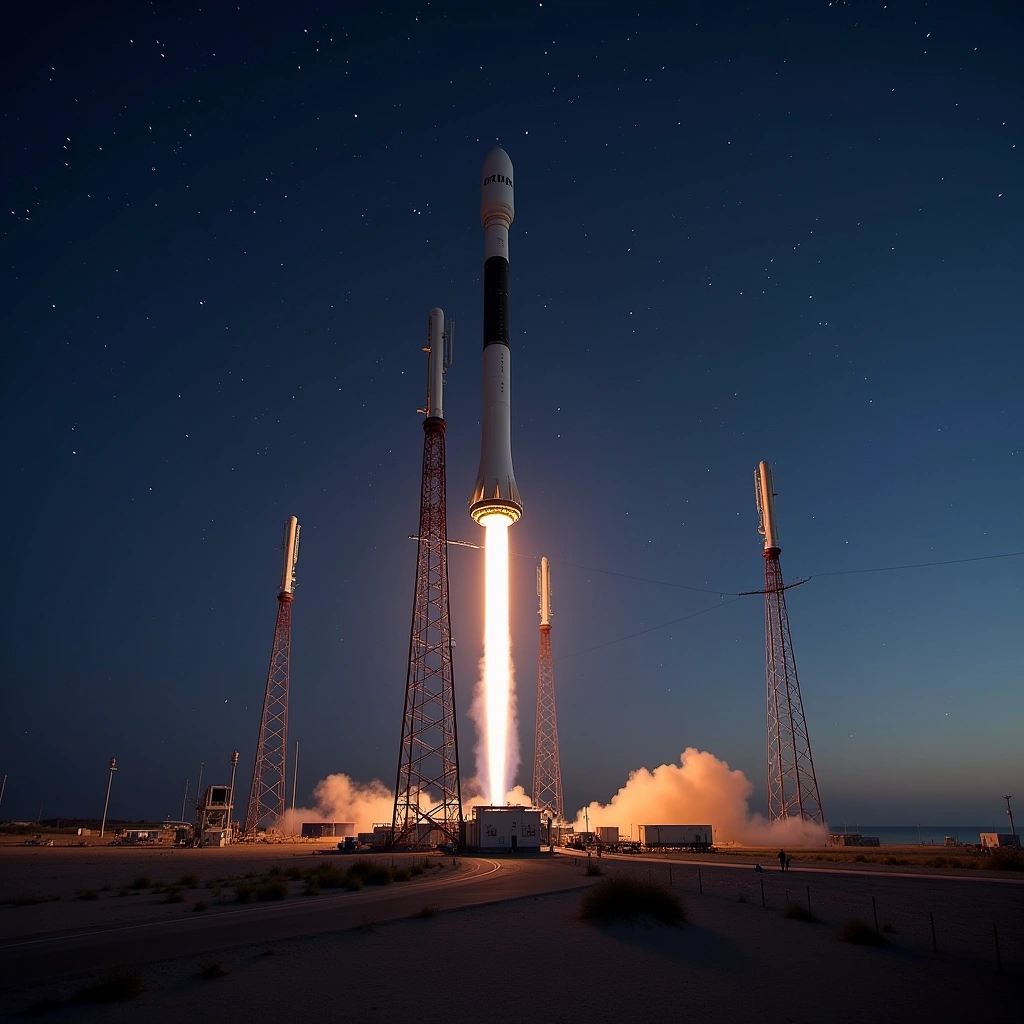
    Now, let’s get down to brass tacks. SpaceX has been a game-changer in the aerospace industry, and Wall Street is practically drooling over the potential profits. They’re not just hoping for a glitch-free launch; they’re praying for a miracle! After all, who wouldn’t want to see their investments skyrocket—pun intended?

    The financial gurus are buzzing like a caffeinated squirrel, weighing the risks and rewards of this audacious venture. Will SpaceX’s latest mission be a triumph of engineering and innovation? Or will it go down in history as “that time Wall Street lost its mind over a launch”? The stakes are high, like really high—higher than your uncle’s expectations at the family reunion!

    Let’s not forget the incredible hype surrounding SpaceX. Remember the last time they launched something? It was like the Super Bowl, but with more fire and fewer overpriced nachos. Investors are hoping for a flawless mission, but let’s be real: Things don’t always go as planned. Just ask anyone who’s ever tried to assemble IKEA furniture without the instructions.

    So, what’s the deal? Wall Street’s sitting on the edge of their seats, popcorn in hand, as they watch Elon Musk and his crew prepare for liftoff. Will they find themselves in the stratosphere of profits, or will they crash back down to Earth like a bad reality TV show? Only time will tell!

    In conclusion, whether you’re an investor, a space enthusiast, or just someone who enjoys watching things go boom, this SpaceX launch is set to be one wild ride. Buckle up, folks—because when Wall Street meets SpaceX, it’s bound to be one heck of a spectacle!


    Inspired by: “Wall Street buckles up for SpaceX liftoff, hoping for a glitch-free ride” (r/technology)

  • Iran Threatens SpaceX: Are Starlink Satellites Now Military Targets?

    Iran Threatens SpaceX: Are Starlink Satellites Now Military Targets?

    So, here we are, folks! Just when you thought that the wild west of the internet couldn’t get any wilder, Iran steps in with a warning that makes us all wonder if we mistakenly clicked into an episode of Star Trek instead of a news article. Yes, you heard it right—Iran has declared that SpaceX and its beloved Starlink satellite constellation could be considered ‘military targets.’ Cue the dramatic music!

    First off, let’s unpack this juicy tidbit. For those who might have been living under a rock (or perhaps in a different galaxy), Starlink is Elon Musk’s ambitious project aimed at providing internet access across the globe—especially in those remote areas where even your Wi-Fi signal struggles to reach. But apparently, in the eyes of the Iranian government, these spinning metal discs aren’t just tools for binge-watching cat videos; they’re potential threats. Who knew that streaming ‘The Office’ could lead to international conflict?

    Now, why would Iran see Starlink as a military target? Well, the Iranian government has been known to have a slight obsession with internet control. After all, it’s not just about keeping people from watching ‘Dancing with the Stars’—it’s about controlling the narrative. The Iranian regime has historically cracked down on the internet during protests, fearing that social media could rally the masses against their rule. So, when a company like SpaceX comes along offering free-flowing internet, it’s like handing out candy to kids on Halloween while their parents are trying to enforce a strict no-sugar policy.

    Elon Musk, the man with a plan (and no shortage of memes), responded to this warning with his usual flair. He might as well have said, “Bring it on!” But seriously, does Iran really think they can take down a bunch of satellites floating in space? I mean, have they seen ‘Gravity’? Space is a vast place, and shooting at a satellite is like trying to hit a moving target with a slingshot from a mile away. Good luck with that!

    On the flip side, we have to consider the implications of this warning. If Iran is serious about targeting Starlink, it could lead to a whole new level of cyber warfare—or should I say, ‘space warfare’? Imagine a future where countries are launching cyber missiles at satellites like they’re playing a game of Space Invaders. It’s a crazy thought, but with the way things are going, it might not be too far-fetched.

    And let’s not forget the international ramifications. Countries around the world are watching this situation unfold like it’s the latest season of ‘Game of Thrones.’ What will the U.S. do? Will other nations jump on the bandwagon and start considering Starlink as a target as well? It’s a slippery slope, my friends. One minute you’re enjoying a seamless connection for your TikTok videos, and the next minute, you’re caught in a geopolitical tug-of-war.

    In conclusion, while Iran’s warning might seem like a plot twist worthy of a Hollywood blockbuster, it raises serious questions about internet freedom, military engagement, and the future of technology in warfare. So, the next time you’re streaming your favorite show on Starlink, just remember—you might be surfing on a military target. Who knows? Maybe Elon will turn it into a new promotional campaign: ‘Starlink: Now with 100% more military intrigue!’


    Inspired by: “Iran warns SpaceX & Starlink will be considered ‘military targets’” (r/technology)

  • Three Hard-Tech Moonshots That Could Skyrocket SpaceX’s IPO Potential

    Three Hard-Tech Moonshots That Could Skyrocket SpaceX’s IPO Potential

    Hey there, fellow space enthusiasts and conspiracy theorists! Buckle up, because we’re about to launch into the fascinating world of hard-tech moonshots that are helping to fuel SpaceX’s unbelievable IPO. Yes, you heard it right. SpaceX, the company that brought us the Falcon Heavy and the first-ever reusable rocket, is gearing up for an IPO that might just make your wildest dreams come true—or at least let you buy a few extra packs of ramen for the next few months.

    Now, if you’re wondering what a ‘hard-tech moonshot’ is, let me break it down for you. Imagine a bunch of nerds in lab coats, armed with more caffeine than is legally allowed, working on groundbreaking technologies that could change the world—or at least make an awesome sci-fi movie. These innovations are risky, expensive, and often come with a hefty dose of failure, but when they hit, they hit big!

    So, what are the three moonshots we’re talking about? Strap in, because here we go!

    1. Starship: The Ultimate Space Taxi

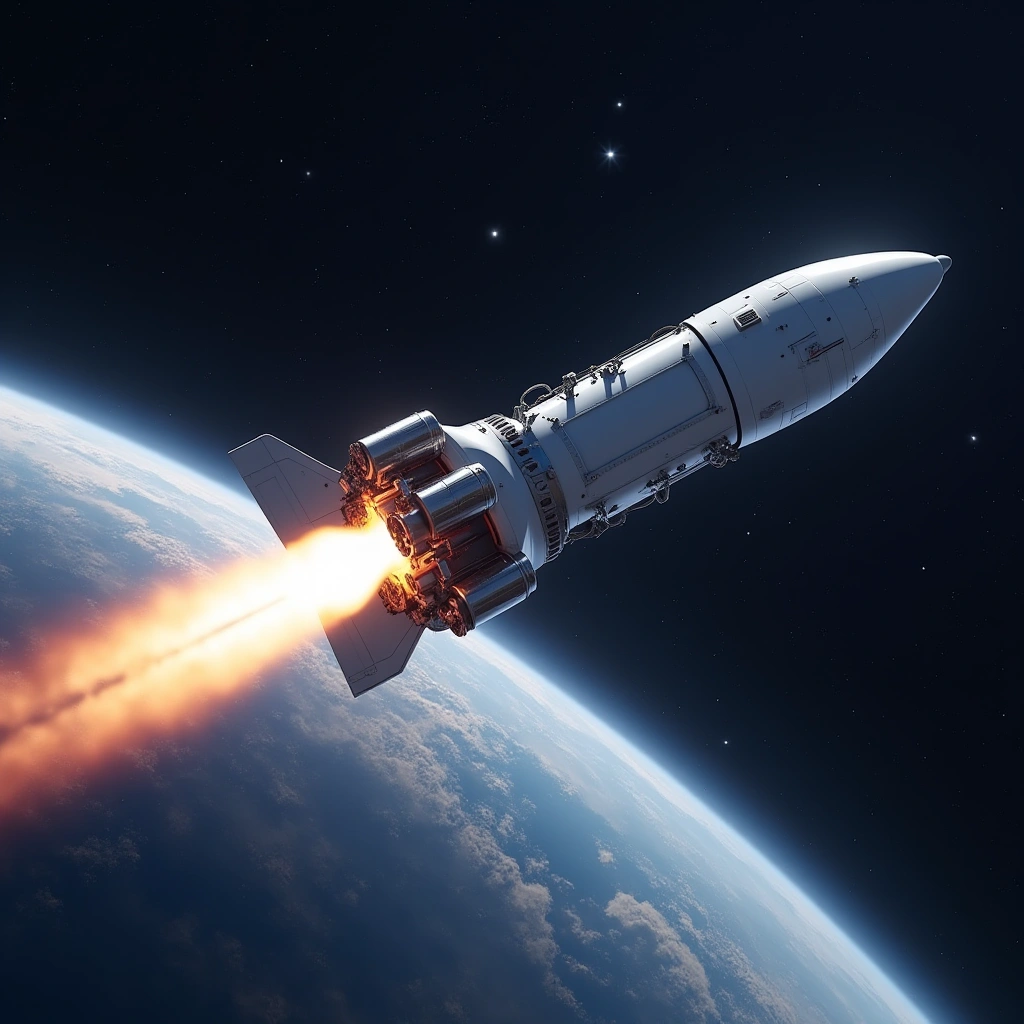
    First up, we have SpaceX’s Starship. This beauty is designed to take humans to Mars—and let’s be honest, probably some hipsters looking for an Instagram post that screams ‘I went to Mars before it was cool.’ Starship isn’t just a rocket; it’s a fully reusable spacecraft that could revolutionize space travel. Imagine booking a round-trip ticket to Mars for the same price as a flight to New York! Okay, maybe not, but you get the idea. The scalability of the Starship program is a massive boost for SpaceX’s IPO, enticing investors who are keen on interplanetary travel.

    2. Starlink: The Internet of the Cosmos

    Next, we have Starlink, SpaceX’s audacious plan to blanket the Earth (and perhaps the Moon) with high-speed internet. If you’ve ever tried to stream a cat video during a storm, you know the struggle is real. Starlink aims to provide internet access to even the most remote corners of the globe, ensuring that no one misses out on the latest TikTok dance challenge. Investors see this as a goldmine, as the demand for reliable internet shows no signs of slowing down. With Starlink, SpaceX could become the Netflix of the skies, and let’s face it, who wouldn’t want that?

    3. Raptor Engines: The Future of Rocket Propulsion

    Last but not least, we have the Raptor engines. These bad boys are like the espresso shots of rocket propulsion—powerful, efficient, and capable of sending you to the moon (literally). The Raptor engines are designed to burn methane and oxygen, which means we could potentially refuel rockets on Mars using local resources. Talk about a game-changer! Investors are licking their chops at the thought of a sustainable fuel source that could lead to long-term missions, not just the kind of one-night stand with Mars that most of us are used to.

    So there you have it, folks! Three hard-tech moonshots that are not only making SpaceX a hot topic but also stirring the pot for a potential IPO that could redefine the space industry. Are we on the brink of a new space race? Will we soon be able to order pizza from Mars? Only time will tell, but one thing’s for sure: the future is looking bright, and a little bit wacky!

    Now, go forth and spread the word! And remember, if you hear someone talking about the next big thing in space, just nod along and casually mention how you read about it in a blog post. It’ll make you sound super smart!


    Inspired by: “The three hard-tech moonshots fueling SpaceX’s unbelievable IPO” (r/technology)

  • The Great Stork Heist: How a Polish Research Project Turned into a $2,700 Phone Bill

    The Great Stork Heist: How a Polish Research Project Turned into a $2,700 Phone Bill

    Imagine being part of a research team, working hard to track the migration patterns of a white stork. You’ve got your GPS tracker, a shiny new SIM card, and a dream. Now, picture your horror when you realize that instead of tracking the majestic journey of this feathered friend, you’ve inadvertently funded a Sudanese phone party! Yes, folks, that’s exactly what happened to a Polish research group recently, and let’s just say, it’s a tale that could make anyone laugh (or cry).

    So, here’s the scoop: this research team, equipped with scientific gear and a passion for ornithology, thought they were being super smart by attaching a GPS tracker with a SIM card to a white stork. You know, just your typical tech-savvy bird-watching affair. But things took a wild turn when the stork decided it was done with the Polish countryside and headed south—possibly to catch some sun or a better deal on phone plans.

    Now, if you’re thinking that tracking a stork sounds like the ultimate nature documentary premise, think again. The Polish scientists lost track of their feathered friend, and instead of a triumphant return with tales of migration, they were hit with a text message that was anything but friendly: a phone bill for $2,700. That’s right, you heard me correctly! Someone in Sudan apparently found the SIM card and decided to use it as their personal long-distance calling card. Over 20 hours of calls! I mean, who knew that storks had such a vibrant social life?

    One can only imagine the conversations that took place. “Hello? Is this the stork hotline? I’d like to order a pizza!” Or perhaps, “Hey there, buddy! How’s the migration treating you? Wanna catch up on the latest gossip?” The absurdity of it all raises some intriguing questions. What kind of phone plan was this Sudanese individual on? If only they had realized they were calling the wrong bird!

    This incident serves as a hilarious reminder of the unexpected pitfalls in research projects. Sometimes, you think you’re making an intelligent move, only to have it backfire spectacularly. It’s like trying to impress a date by cooking a fancy dinner and accidentally setting the kitchen on fire. Or, you know, putting a SIM card in a bird and ending up being the unwitting sponsor of a long-distance chat session.

    So, what do we take away from this ridiculous tale? For starters, maybe storks aren’t cut out for the tech-savvy world. Or perhaps, the next time you decide to track a bird, you should consider a more secure method—like a good old-fashioned birdwatching picnic. And for the researchers out there, it might be wise to set strict limits on international roaming charges!

    In all seriousness, let’s give a round of applause to the Polish researchers for their efforts, even if they ended up with a hefty bill and a lost stork. At least they were able to provide us with a story that’s a perfect blend of science and comedy. Who knows, maybe the next time you hear about a white stork, it’ll come with a side of international calling plans!


    Inspired by: “A Polish research group put a SIM card in a GPS tracker on a white stork to follow its migratory pa…” (r/interestingasfuck)

  • Meet NASA’s Artemis III Crew: Space Cowboys Ready to Ride the Lunar Wave

    Meet NASA’s Artemis III Crew: Space Cowboys Ready to Ride the Lunar Wave

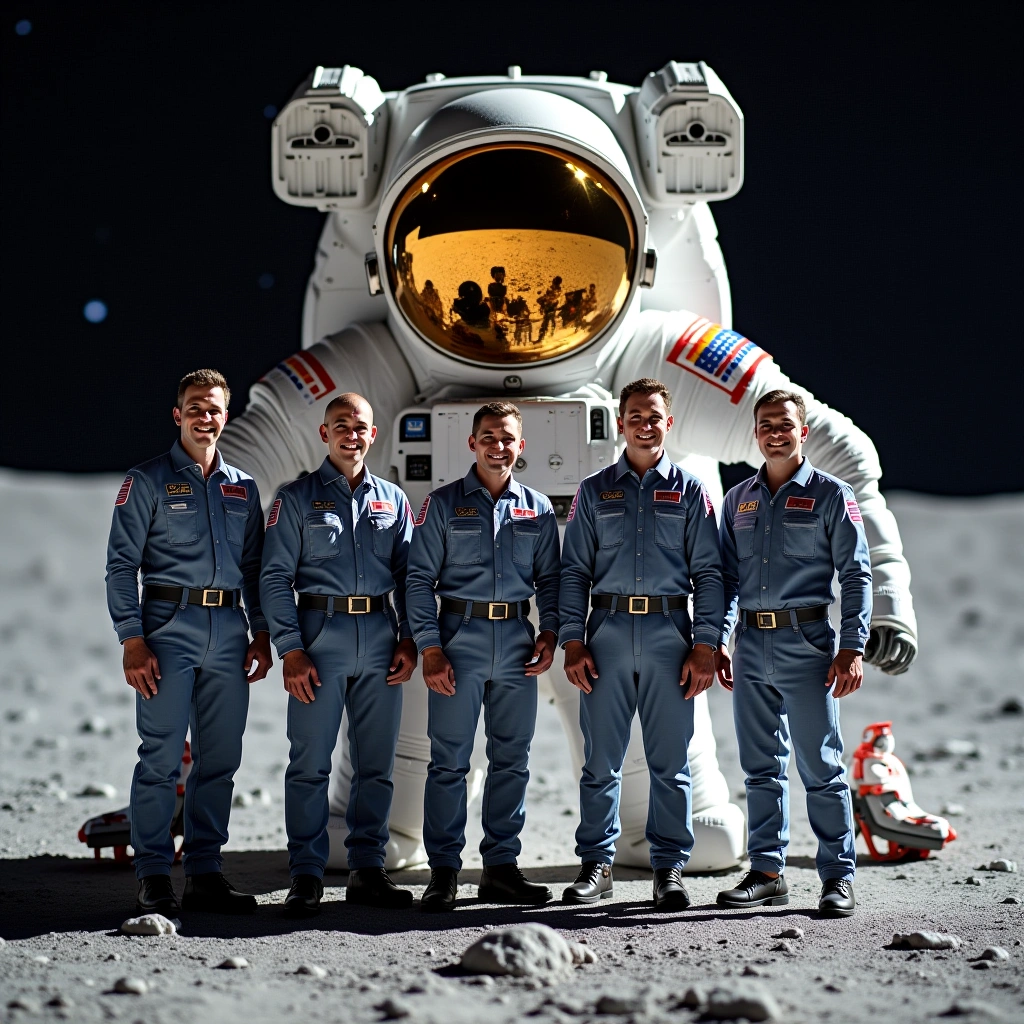
    Hold onto your helmets, folks! NASA has just unveiled the crew for Artemis III, and if you thought the last space mission was a star-studded affair, wait until you hear about this lineup. These astronauts are not just any ordinary spacefarers; they’re the crème de la crème of the cosmos, ready to take humanity back to the Moon and possibly throw a moon party while they’re at it!

    First up, let’s talk about Commander Reid Wiseman. This guy has more hours in space than your average Netflix binge-watcher has hours on the couch. With a resume that reads like a sci-fi movie, Reid is not just flying to the Moon; he’s basically giving it a guided tour. If you see him in a spacesuit, just know he’s probably planning his next Instagram post with the lunar landscape as the backdrop.

    Next on the list is the pilot, Victor Glover. Now, if you think being a pilot on Earth is tough, try doing it in space! Victor is here to prove that flying in zero gravity is just another day at the office. He’s got the kind of experience that makes your average pilot look like they’re still trying to figure out how to parallel park. Let’s hope he knows how to land on a big, dusty rock!

    Then we have the mission specialist, Christina Koch. This woman has not just broken records; she’s shattered them like a glass ceiling in a NASA conference room. With more hours in space than some people spend in their entire lives, Christina is like the superhero we didn’t know we needed. Don’t be surprised if she starts giving TED Talks from the Moon. Who wouldn’t want to learn about space from a woman who’s literally been there?

    Last but definitely not least is Jeremy Hansen, the Canadian astronaut who’s bringing some maple syrup vibes to the mission. If you thought the Moon was cold, wait until you see Jeremy in his astronaut gear. He’s probably the only person who can make a spacesuit look cool while also being polite enough to say ‘sorry’ to the Moon for being there.

    But let’s not kid ourselves; this mission isn’t just about the astronauts. It’s about humanity’s quest to explore the final frontier while trying to avoid turning into a bad sci-fi movie trope. Remember when we thought the Moon was made of cheese? Well, spoiler alert: it’s not. And now we have a crew ready to discover what’s really up there.

    As the countdown to Artemis III begins, we can’t help but wonder: will we find aliens? Will they be friendly? Or will they just want to show us their TikTok dance moves? Either way, we’re ready for the adventure. So, grab your space popcorn and buckle up because this crew is going to make history – and hopefully, a great Netflix series in the process!


    Inspired by: “NASA’s Artemis III Crew Unveiled” (r/interestingasfuck)