Category: Science

  • Why China’s Spent Rocket Stages Might Just Be the Space Debris We Didn’t Sign Up For

    Why China’s Spent Rocket Stages Might Just Be the Space Debris We Didn’t Sign Up For

    Ah, China and its ambitious rocket launches! It seems like every week we hear about another shiny rocket blasting off into the great beyond, leaving us mere Earthlings with a mix of awe and, let’s be honest, a sprinkle of anxiety. Recently, an analyst raised some eyebrows and a few alarm bells by stating, “Things only continue to get worse” regarding China’s spent rocket stages. Buckle up, because this is a ride through the wild world of space debris!

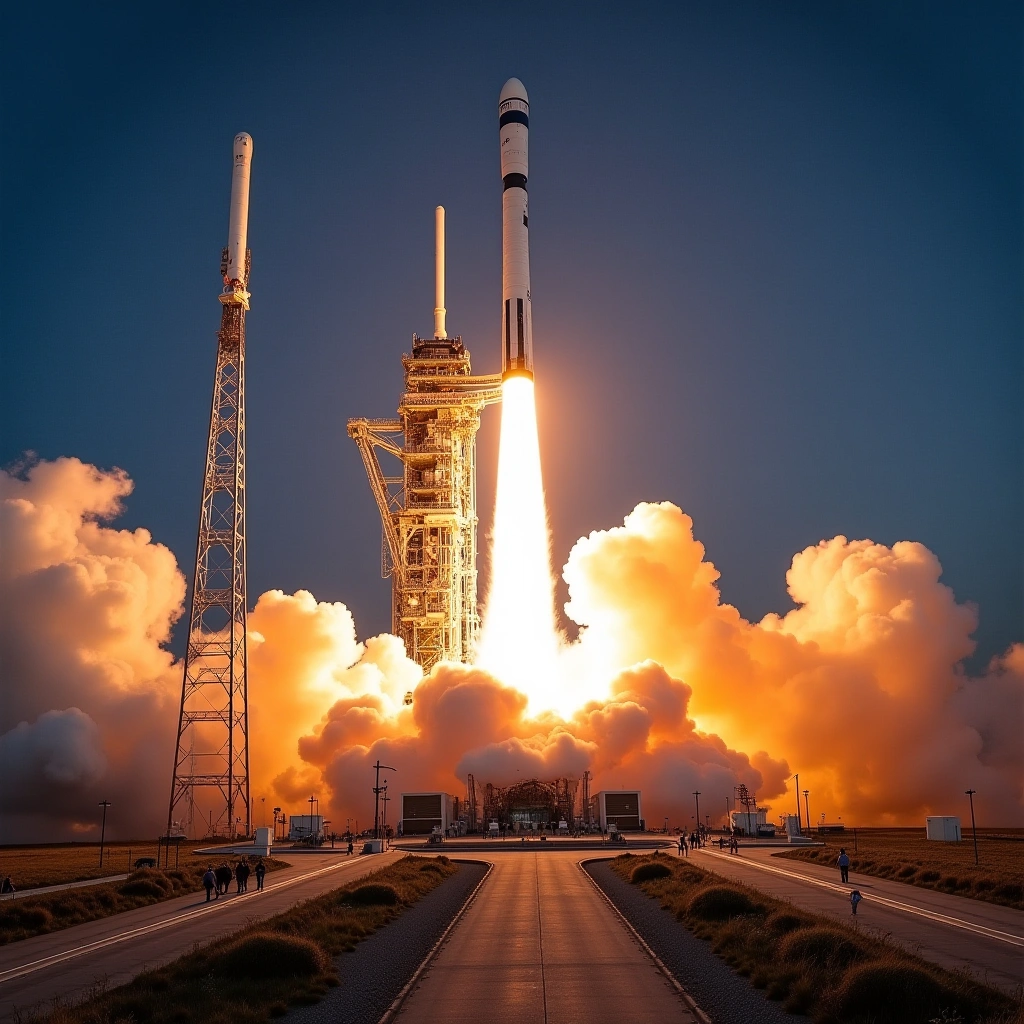
    First off, let’s talk about what these spent rocket stages actually are. Picture this: you’ve just launched your favorite fireworks on the Fourth of July, but instead of fizzling out harmlessly, those leftover rocket parts decide to hang around in the sky like that one annoying friend who never knows when to leave the party. That’s essentially what’s happening with all these discarded rocket stages. They’re littering our orbit like confetti after a parade, and nobody seems to be cleaning it up.

    Now, before you grab your pitchforks and torches, let’s clarify that space debris is a global issue, not just a China problem. Still, with China’s ambitious space program growing faster than my waistline after the holiday season, their contribution to debris has become a hot topic. Analysts are raising concerns that these spent stages could lead to dangerous collisions and even more debris. It’s like a vicious cycle of space junk—once you start, it just keeps piling up!

    But why should we care? Well, if you enjoy watching satellites whiz by or rely on GPS to find your favorite taco truck, you should probably be concerned. A collision with space debris could take out essential satellites, leading to widespread chaos on Earth. Imagine a world where your Uber can’t find you because satellites are too busy dodging rogue rocket parts. Not fun, right?

    Some might argue that the solution is simple: just don’t launch so many rockets. But have you seen the growth of space tourism? It’s like the new gold rush, and everybody wants a piece of the cosmic pie. So, while one might wish for fewer launches, the reality is that the space economy is booming like never before. With great launches comes great responsibility—sorry, Spider-Man, but we’re applying your wisdom to space!

    So, what can be done? Experts suggest better tracking systems, more responsible disposal methods (like how we should all be more responsible with our trash—looking at you, that one friend who leaves cans everywhere), and international cooperation. Yes, we need countries to sit down, have a chat, and maybe even share a pizza while figuring out how to clean up this cosmic mess. But let’s be real, getting nations to work together is like herding cats: chaotic and potentially messy.

    In conclusion, as we look up at the night sky, dreaming of intergalactic travel and the possibility of life on Mars, let’s not forget the grounded reality of our current space situation. China’s spent rocket stages are more than just a passing concern—they’re a sign of what happens when we don’t think about the long-term effects of our actions. So, the next time you hear about another rocket launch, just remember: it’s not just a blast-off; it’s a potential blast of debris heading our way. Cheers to space, and may we clean up our act before it’s too late!


    Inspired by: “Analyst on China’s spent rocket stages: "Things only continue to get worse"” (r/technology)

  • Unveiling the Magic: The Art and Science of Impressive Camera Work

    Unveiling the Magic: The Art and Science of Impressive Camera Work

    Hey there, fellow cinephiles and aspiring directors! Grab your popcorn because today we’re diving headfirst into the electrifying world of camera work. You know, that magical wizardry that transforms mundane moments into jaw-dropping cinematic experiences. Seriously, without the camera crew, movies would just be a bunch of folks standing around awkwardly, chatting about the weather. Yawn!

    First off, let’s talk about the unsung heroes behind the lens. These are the folks who make a 10-minute argument about pizza toppings feel like a high-stakes showdown in an action thriller. The right camera angles can turn a simple conversation into a dramatic standoff—who knew that “Pineapple on Pizza” was such a controversial topic until we saw it through the lens of a zoom-in?

    Now, let’s not forget about the importance of lighting. Oh boy! Lighting can either give your scene a romantic glow or make it look like an interrogation room. Ever seen a romantic dinner lit by fluorescent lights? Yeah, no thanks. It’s like a visual equivalent of eating a salad while watching a horror movie—just wrong on so many levels.

    And then there’s the art of movement. Tracking shots, dolly shots, and the infamous whip pan—each technique can evoke feelings ranging from anxiety to sheer joy. Ever watched a horror film where the camera suddenly zooms in on the protagonist’s terrified face? You can practically hear the audience gasping in unison, like an over-caffeinated choir. It’s pure genius!

    Let’s not forget the ever-popular drone shots that have taken the world by storm. One minute you’re watching a couple having a picnic, and the next, you’re soaring over a stunning landscape like a bird on a caffeine high. If you’re not using drones in your film, are you even filming? Seriously, it’s 2023; if you’re not utilizing drones, you might as well be stuck in the 90s with your flip phone and dial-up internet.

    Finally, we have editing—the glue that holds all this impressive camera work together. A well-edited sequence can make or break your film. Ever seen a movie where the cuts are so jarring that you feel like you’re watching a slide show of someone’s vacation? Yeah, no thanks! A smooth transition is like a warm hug; you want it to feel cozy and natural.

    So, here’s the deal: the next time you’re watching a movie and find yourself marveling at the breathtaking visuals, remember it’s not just magic; it’s the result of hard work, creativity, and perhaps a little bit of caffeine. You might walk away appreciating that impressive camera work a little more—and maybe even consider picking up a camera for yourself. Who knows? You could be the next big director with a penchant for pizza toppings!


    Inspired by: “Some impressive camera work” (r/interestingasfuck)

  • Samsung’s Insane 250TB to 1PB SSD: Enough Space for Your 8,000 GTA V Installations!

    Samsung’s Insane 250TB to 1PB SSD: Enough Space for Your 8,000 GTA V Installations!

    Hey there, fellow gamers and tech enthusiasts! So, grab your favorite energy drink and sit tight because we’re diving into a mind-boggling rumor that’s just dropped in the tech world. Samsung, yes the same company that makes your sleek smartphones and those kitchen appliances you can control with your voice, is reportedly working on a nearline SSD that can hold between 250TB and a whopping 1PB (that’s petabyte, for those who don’t speak tech fluently!).

    Now, let’s break this down. A single copy of Grand Theft Auto V takes up about 72GB of storage. So, if you do the math (and I promise I won’t make you do it alone), that means you could potentially install GTA V up to 8,000 times on the high-end version of this SSD. Yeah, you heard that right. 8,000. That’s enough to recreate the entire Los Santos experience with every possible mod and expansion pack you can think of. Just imagine the mayhem!

    But hold on a second. Why on Earth would you need to install GTA V 8,000 times? Unless you’re planning on hosting the world’s largest virtual street racing tournament or you just really enjoy watching Trevor cause chaos, this storage space seems a bit overkill. And let’s not forget the countless memes about how the game is still relevant despite its age, but come on…

    Now, for the technically inclined (or just those who like to sound smart at parties), nearline SSDs are designed for data that isn’t needed immediately but still must be readily accessible. Think of it as the middle child of storage solutions: not as fast as your primary SSD but way faster than traditional hard drives. This means you could stash all your favorite games, movies, cat videos, and perhaps even that embarrassing collection of ’90s boy band music without breaking a sweat.

    But here’s the kicker: the tech world moves fast. While Samsung is working on this colossal storage beast, we might be left wondering if we really need all that space. With cloud gaming on the rise and services like Xbox Game Pass and PlayStation Now offering vast libraries at your fingertips, will anyone really need to hoard their games like some 8-bit dragon guarding its treasure? Well, that’s a debate for another day!

    In conclusion, whether you’re a hardcore gamer, a data hoarder, or just someone who likes to keep their options open, Samsung’s upcoming SSD could change the game—pun intended. Just keep your eyes peeled, because if this rumor comes to fruition, we might just see the digital storage revolution we didn’t know we needed.

    So, what do you think? Would you fill up a 1PB SSD with games, or is that just a recipe for digital chaos? Let’s discuss in the comments! And remember: life is too short to have a cluttered hard drive!


    Inspired by: “Samsung reportedly developing 250TB to 1PB nearline SSDs, enough for up to 8,000 GTA V installs” (r/technology)

  • Sunlight Reflections: The Euphrates River from Space – A Cosmic Selfie Worthy of a Filter

    Sunlight Reflections: The Euphrates River from Space – A Cosmic Selfie Worthy of a Filter

    Hey there, space enthusiasts and river admirers! Buckle up, because we’re about to take a cosmic trip to the Euphrates River, where sunlight does a dazzling dance, and the International Space Station (ISS) captures it all. Grab your shades; it’s about to get bright!

    First off, let’s talk about the Euphrates. This ancient river isn’t just a waterway; it’s the diva of the Mesopotamian era, strutting its stuff through modern-day Iraq, Syria, and Turkey. It’s been around longer than your grandma’s secret cookie recipe and has seen everything from ancient civilizations to modern-day selfies. And speaking of selfies, can we just appreciate the ISS for being the ultimate photographer? Floating about 250 miles above us, it’s like a space paparazzo, capturing Earth’s beauty one snapshot at a time.

    Now, let’s get to the juicy part—sunlight reflecting off the Euphrates! This is not just any ordinary reflection; we’re talking about a shimmering spectacle that could make even the sun jealous. When sunlight hits the water at just the right angle (thanks, physics!), it creates sparkles that look like a million tiny diamonds fighting for your attention. Those cosmic glimmers are the universe’s way of saying, “Hey! Look at this beautiful planet!”

    But here’s the kicker: the Euphrates isn’t just pretty; it’s packed with history. This river has been the lifeblood of civilizations. Imagine the conversations that have flowed along its banks over the centuries—kings, poets, and probably a few fish arguing about who is the best swimmer. The fact that we can see its beauty from space is a reminder of how interconnected we all are, even if some of us are busy arguing about pineapple on pizza.

    Now, let’s be real. The ISS captures breathtaking photos of our planet every day, but this particular shot of the Euphrates is something special. It’s like the river dressed up for a fancy gala, and the ISS just happened to be there with a camera. Who knew sunlight could be Instagrammable at such altitudes? Next time you’re out and about, just remember: you could be the ISS and your surroundings could be the Euphrates. You might not have a fancy camera, but a little perspective can make even the most mundane things look extraordinary.

    So, what can we take away from this cosmic reflection? For starters, appreciate the beauty around you, whether it’s a river shimmering in sunlight or your friend’s latest questionable haircut. Also, don’t forget to look up—sometimes the best views are from above, and you might just catch a glimpse of something spectacular. And if you happen to be near the Euphrates, consider yourself lucky; you’re staring at a piece of history that’s been winking back at humanity for millennia!

    In conclusion, the next time you’re feeling down, just think about that sunlight reflecting off the Euphrates, and remember: even from space, it’s a reminder that beauty exists everywhere, especially when you’re willing to look for it. Who knows, maybe the ISS will snap a pic of you one day, and you’ll be the one shining in the spotlight! Until then, keep your eyes on the skies and your heart open to the wonders of the world.


    Inspired by: “Sunlight being reflected by the Euphrates river, photo from the International Space Station (ISS)” (r/interestingasfuck)

  • The Cosmic Carbs: Growing Space Potatoes on the ISS and Why It Matters

    The Cosmic Carbs: Growing Space Potatoes on the ISS and Why It Matters

    Hey there, fellow Earthlings! So, let’s talk about something that’s not just out of this world, but literally grown beyond it—space potatoes! Yes, you heard that right. Those starchy delights have made their way to the International Space Station (ISS), and it’s a big deal. Grab your space helmets, because we’re diving into the cosmos of tubers!

    First off, why potatoes? Well, they’re the perfect candidate for space agriculture. They’re nutritious, versatile, and can even thrive in less-than-ideal conditions. Kind of like that one friend who can make a five-star meal out of ramen and leftover pizza. Potatoes are packed with vitamins, and they can be grown in limited space, which is critical when you’re floating around in a tin can orbiting Earth.

    So, what’s the deal with these interstellar spuds? NASA has been experimenting with growing potatoes in space since at least 1995, but the most recent successful crop was in 2021, when astronauts aboard the ISS cultivated these beauties using a special growth chamber. They basically created a mini farm in space—imagine the smell of fresh soil and a hint of astronaut sweat. Yum!

    Now, let’s get a little nerdy. The growth process involves hydroponics and LED lighting. Yes, you heard that right—those little potatoes had a better lighting setup than most of our living rooms! The system mimics Earth’s conditions as closely as possible, giving these potatoes a fighting chance at becoming the next great space cuisine.

    But beyond the novelty of it all, why should we care? Well, growing food in space is essential for long-term missions, like trips to Mars. Imagine being stuck in a spacecraft for months with nothing but freeze-dried meals. Talk about a culinary nightmare! Growing fresh food can boost morale, provide essential nutrients, and keep space travelers from going completely bonkers.

    And let’s not forget about the implications for food sustainability on Earth. If we can grow food in extreme conditions, who’s to say we can’t tackle food scarcity issues right here? Perhaps one day we’ll have potato farms in deserts or cities! The future is spud-tacular!

    So, next time you’re munching on French fries, think about the astronauts up in space, chowing down on their own homegrown potatoes. They might be 250 miles away, but they’re living the dream—one potato at a time. And who knows? Maybe one day, we’ll have our own space potato chips to snack on during movie night.

    In conclusion, space potatoes are not just a fun science experiment—they represent hope for the future of space exploration and food security here on Earth. So let’s raise a toast with our potato vodka and celebrate these cosmic spuds!

    Until next time, keep your eyes on the stars and your potatoes in the soil (or in the pantry)!


    Inspired by: “Space Potatoes grown on the ISS” (r/interestingasfuck)

  • Blast Off! A Close Look at the CZ-3B/E Rocket’s Engines That Make Space Dreams a Reality

    Blast Off! A Close Look at the CZ-3B/E Rocket’s Engines That Make Space Dreams a Reality

    Hey there, space enthusiasts and curious couch potatoes! Buckle up, because we’re about to dive into the thrilling world of the CZ-3B/E rocket and its powerful engines that make the universe just a little more accessible. Ever wondered what makes those rockets go from 0 to 60,000 miles per hour in a matter of seconds? Spoiler alert: it’s all in the engines, baby!

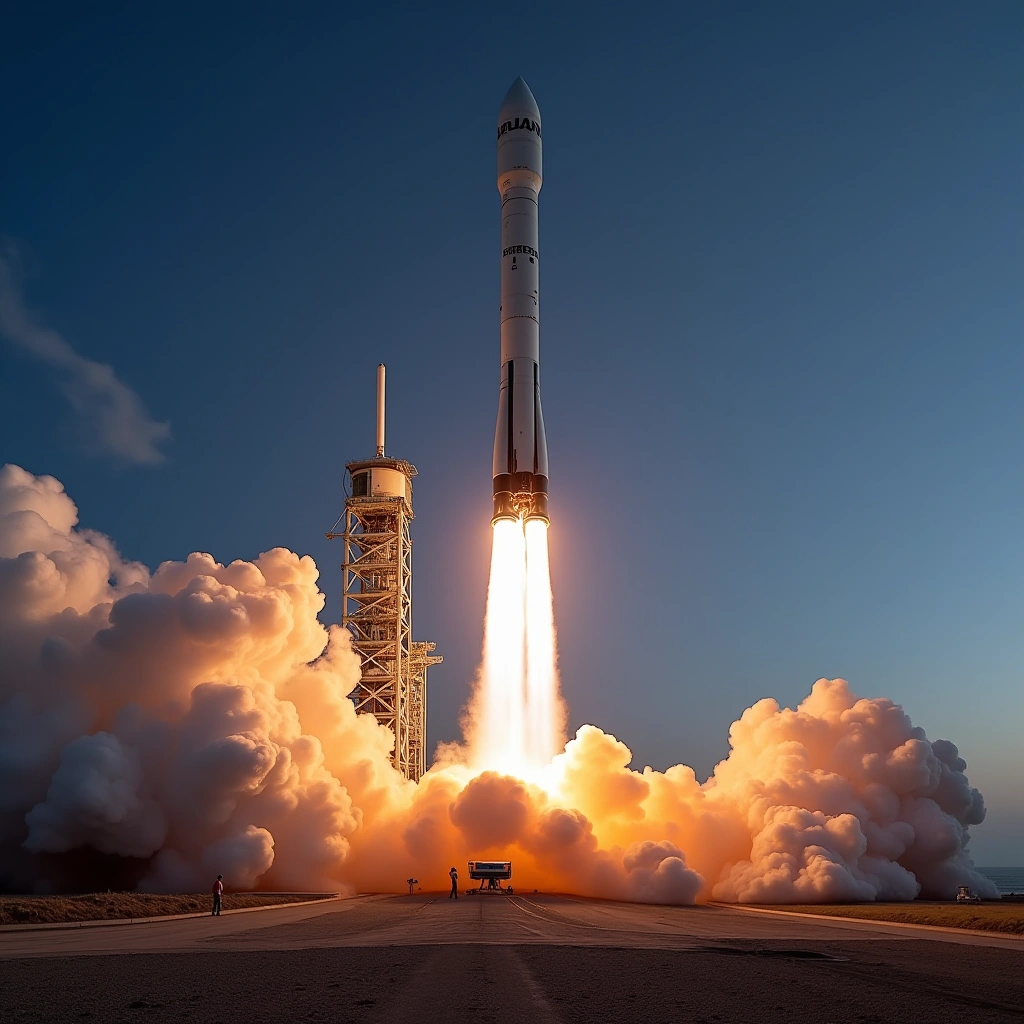
    The CZ-3B/E, also known as the Chang Zheng 3B/E, is a part of China’s impressive space program and is designed to launch satellites into orbit. But what really gets the rocket nerds buzzing is the close-up of the booster and core stage engines during launch. It’s like watching a fire-breathing dragon getting ready to take off—absolutely mesmerizing!

    Now, let’s break down the components that make this beast roar. The CZ-3B/E is equipped with four boosters that provide the initial thrust needed to escape Earth’s gravitational grip. These boosters are like those extra shots of espresso we all need on a Monday morning—providing that initial kick to get things moving. The core stage, on the other hand, is the heart of the rocket. It keeps the momentum going after the boosters detach, ensuring that our precious payload doesn’t just flop back down to Earth like a soggy pancake.

    Let’s not forget about the engineering marvels that are the engines themselves. With a combination of liquid propellants, these engines are designed for efficiency and power. As they ignite, they produce a spectacle of flames and smoke that would make even the most seasoned pyromaniacs weep with joy. Watching a launch is like witnessing a fireworks show on steroids—loud, bright, and absolutely captivating!

    But, of course, with great power comes great responsibility. The engineers and scientists behind the CZ-3B/E rocket have to make sure everything is perfectly calibrated, or else we might end up with a rocket that goes off course faster than you can say, “Houston, we have a problem.” And let’s be honest, nobody wants that kind of drama in their lives!

    In conclusion, the close-up of the booster and core stage engines of the CZ-3B/E rocket is not just a feast for the eyes; it’s a reminder of human ingenuity and the quest for exploration. So the next time you hear that rumble and see the flames shoot out of a rocket, remember the incredible engineering and teamwork that makes it all possible. And who knows, maybe one day you’ll be taking a vacation on Mars, thanks to rockets like this one. Now, wouldn’t that be a trip?


    Inspired by: “Closeup of booster and core stage engines of a CZ-3B/E rocket during launch” (r/interestingasfuck)

  • China’s Year in Orbit: The New Frontier of Space Race 2.0

    China’s Year in Orbit: The New Frontier of Space Race 2.0

    Well, hold onto your space helmets because we have some cosmic news that might just make you reconsider your plans for the next year! China is sending an astronaut into orbit for a WHOLE YEAR. Yes, you heard that right—a full 365 days of floating around in a tin can, waving at Earth like a celebrity on a red carpet. This move is as bold as a cat video going viral, and it signals that the Moon race is heating up again, folks!

    Now, before you start imagining astronauts sipping Tang and playing zero-gravity ping pong, let’s unpack what this all means. This isn’t just a joyride for our space-loving friends. China’s ambitions in space have skyrocketed (pun intended) over the past decade, and this year-long gig is a serious step towards their ultimate goal: a permanent base on the Moon. You know, just in case they need a vacation spot far away from all the noise down here.

    But why a whole year? Well, the Chinese space agency has decided to take a page out of NASA’s book, which has historically conducted long-duration missions to better understand how humans react to extended periods in space. Spoiler alert: it’s not all stargazing and Instagram selfies. It turns out, living in microgravity can mess with your body in ways that would make even the toughest astronaut shed a tear. Think space-induced muscle atrophy, bone density loss, and let’s not forget the delightful space madness that can occur from being cooped up with a bunch of people in a metal box. Talk about cabin fever!

    In true space race fashion, this year-long mission is a clear signal that China isn’t just playing catch-up with NASA and SpaceX; they’re coming for the gold medal in the cosmic Olympics. With plans for lunar exploration and even Mars missions on the horizon, we’re looking at a future where the phrase “Houston, we have a problem” might be replaced by “Beijing, we have a breakthrough!”

    And let’s not ignore the potential for some serious international rivalry. As China gears up its space program, you can almost hear the sound of pens scratching as other countries prepare their own ambitious plans. Will we see a return to Cold War-style competition, but with rockets instead of spies? Just imagine the memes that could come out of that!

    So, what’s the takeaway? As our buddy in orbit gets ready to spend a year circling the Earth, we should all be ready for some exciting, and possibly controversial, developments in space exploration. Whether you’re Team NASA, Team SpaceX, or Team Beijing, one thing is for sure: the final frontier is getting crowded, and you might want to book your tickets to the Moon sooner rather than later. Who knows? It could be the new hot spot for vacationing after all!


    Inspired by: “Chinese astronaut to spend a full year in orbit as Beijing ramps up Moon race” (r/technology)

  • Palantir’s $3.9 Million Spy Game: Big Brother is Watching Your Workspace

    Palantir’s $3.9 Million Spy Game: Big Brother is Watching Your Workspace

    Well, well, well! It seems like Palantir is at it again, and this time they’ve snagged a juicy $3.9 million contract to keep an eye on federal workers. Can someone pass the popcorn? This is going to be one interesting ride!

    For those of you who might not know, Palantir Technologies is the company that’s been likened to a tech-savvy version of the Eye of Sauron. With algorithms that can sift through mountains of data faster than you can say ‘privacy invasion,’ Palantir has been making waves in various sectors. And now, federal workers, brace yourselves! It appears you’ve just been upgraded from ‘working hard or hardly working?’ to ‘Big Brother is monitoring your every keystroke.’

    Now, let’s unpack this a bit. The contract aims to enhance surveillance capabilities within federal agencies. Because, you know, nothing says ‘trust in your employees’ quite like installing a digital watchtower in the break room. It’s like giving your dog a GPS collar—sure, it keeps them safe, but it also says, ‘I don’t trust you to chase squirrels on your own.’

    But wait, before you don your tinfoil hat and start chanting about government overreach, let’s consider the implications. Proponents of this initiative might argue that enhanced monitoring can lead to increased productivity. After all, if you know someone’s watching you, you might just resist the urge to scroll through cat memes on your lunch break. But at what cost? Is it really worth sacrificing a little bit of workplace freedom for a few extra hours of productivity?

    And let’s not forget the irony here. The government, which has been notorious for its slow-moving bureaucracy, is now enlisting the help of a company that thrives on data analytics. It’s like asking a tortoise to keep up with a cheetah—good luck with that!

    Moreover, there’s an ethical conundrum lurking in the shadows. How much monitoring is too much? Are we heading towards an Orwellian nightmare where every coffee break and bathroom visit is logged and analyzed? And what happens when that data gets into the wrong hands? Imagine your boss knowing exactly how many times you hit the snooze button in the morning. Talk about a nightmare scenario!

    In conclusion, while Palantir’s $3.9 million endeavor to keep tabs on federal workers may seem like a step towards modern efficiency, it raises some serious questions about privacy and trust in the workplace. As we dive deeper into the digital age, let’s hope we don’t lose our sense of humanity along the way. Because nobody wants to work in a world where even our lunch choices are under surveillance. So, federal workers, keep your heads up and your lunch choices discreet—Big Brother is watching!


    Inspired by: “Palantir Gets an Initial $3.9 Million to Spy on Federal Workers” (r/technology)

  • China’s Year-Long Space Mission: The Race to the Moon Heats Up!

    China’s Year-Long Space Mission: The Race to the Moon Heats Up!

    So, it seems like China is not just sitting around watching cat videos on the internet; they’ve decided to send an astronaut on a year-long space mission! I know, right? Who needs Netflix when you can binge-watch the universe from a space station? This is all part of their grand plan to land on the moon by 2030. Talk about taking ‘moonlighting’ to a whole new level!

    Now, before we dive deeper, let’s talk about the elephant in the room: the space race. Remember when it was all about the USA vs. Russia? Well, grab your popcorn, folks, because China is in the ring, and they’re not just playing for fun. They’re aiming for the lunar jackpot, and they’ve got some serious plans. This year-long mission is just a warm-up, like stretching before a big marathon. And trust me, this marathon is for the moon!

    But why a year-long mission? Well, it’s like training for an Olympic event, only this time, the stakes are astronomical—pun totally intended. By sending an astronaut to space for a whole year, China is gathering data on how the human body reacts to life outside Earth for extended periods. Spoiler alert: it’s not all moon pies and zero-gravity dances. There are health risks, and they need to figure out how to keep their astronauts fit and fabulous.

    Some might argue this is a colossal waste of resources, especially when Earth has pressing issues like climate change, poverty, and, oh I don’t know, the latest TikTok dance craze. But let’s be honest, the allure of space exploration is undeniable. Who wouldn’t want to be the first to find an alien who can do the moonwalk? Plus, advancements in space technology often lead to unexpected benefits back on Earth. That’s right, folks, Tang was born from NASA’s thirst for space exploration!

    As China gears up for its ambitious lunar landing, other nations are feeling the heat. The US has its Artemis program, and Russia is dusting off its space suits. It’s like a cosmic version of the Hunger Games where the odds are decidedly not in everyone’s favor. Will we see a space race 2.0? I can already imagine the memes—an astronaut in a spacesuit, looking at a moon base with the caption, ‘When you realize your neighbor is building a better shed.’

    So, what’s next? Well, if the year-long mission goes well, we can expect more astronauts in space, more technology developments, and perhaps the world will unite to finally answer the age-old question: Is there life on Mars? Or are they just too busy binge-watching Earth dramas? Whatever the outcome, one thing is for sure: the final frontier is about to get a lot more crowded. Buckle up, folks; the moon landing is just the beginning!


    Inspired by: “China sends astronaut on year-long space mission as it eyes 2030 moon landing” (r/technology)

  • Star Citizen Reaches $1 Billion: The Space Game That Might Just Make You Rich! (Or Not)

    Star Citizen Reaches $1 Billion: The Space Game That Might Just Make You Rich! (Or Not)

    Hey there, fellow space cadets! Buckle up because we’re about to blast off into the cosmos of gaming news! Grab your space suits and maybe a snack or two—because ‘Star Citizen’ has officially hit a whopping $1 billion in lifetime funding. Yes, you heard that right. That’s a billion with a ‘B’, which is more than what some small countries make in a year!

    Now, if you’re scratching your head wondering, “What in the galaxy is ‘Star Citizen’?” let me give you the rundown. This ambitious space sim has been in development since… well, let’s just say your grandma was probably still using dial-up internet when it first launched its Kickstarter in 2012. The game promises to deliver a universe so rich and detailed that you might just forget what real life is like. (Spoiler alert: You’ll probably still need to eat and sleep.)

    But let’s talk about this billion-dollar milestone! The funding comes from die-hard fans and, let’s be honest, a bit of the “hopeful dreamers” club. These folks have poured their hard-earned cash into what is, so far, a gloriously ambitious project that’s more like a perpetual beta test than a finished game. And hey, if you’ve ever thrown money at a Kickstarter campaign for a potato salad recipe, you know how it feels to gamble on dreams!

    Critics of ‘Star Citizen’ often point out that the game has been stuck in development longer than it takes for a cat to decide whether it wants to go outside. But what’s a little thing like time when you have backers who believe in the vision of space exploration, trading, and epic dogfights? I mean, who doesn’t want to pretend to be a space pirate at least once in their life? Arrr, matey!

    Of course, not everyone is on board this spaceship. There are the naysayers who argue that the game should have been completed years ago and that the funding has turned into a black hole sucking the hopes of gamers everywhere. I mean, it’s like watching a soap opera where the plot never progresses. But for some, the thrill of the unknown is part of the fun. It’s like being on a rollercoaster that just goes up… and up… and never comes down. Exciting, right?

    So, what do we think about this billion-dollar milestone? Is it a sign that there’s still hope for the project, or is it just a way to keep the lights on in a never-ending development cycle? Maybe both! Whatever the case, ‘Star Citizen’ has captured the imaginations of many, even if it’s not quite ready to land on the planet of “Playable Game.”

    In conclusion, whether you’re a backer or a skeptic, one thing’s for sure: the saga of ‘Star Citizen’ is far from over. So, grab your popcorn and keep watching this space (pun intended). Who knows, maybe one day we’ll all be flying our own ships and fighting space battles! Or, you know, just watching a loading screen for eternity. Either way, it’s going to be a wild ride!


    Inspired by: “‘Star Citizen’ Hits $1 Billion in Lifetime Funding” (r/technology)