Category: Science

  • Triller’s Bold Move: Ghosting Workers and Betting on SpaceX

    Triller’s Bold Move: Ghosting Workers and Betting on SpaceX

    Let’s talk about Triller, the social media platform that’s been making headlines for all the wrong reasons. Recently, it seems they’ve decided to take a page out of the ghosting handbook—yes, the same one used by bad dates and ex-friends—by apparently ghosting their own workers. But wait, it gets even juicier! They’re now staking their future on none other than SpaceX. You know, the company that’s trying to take us to Mars while we’re still trying to figure out how to get from our couch to the fridge.

    Triller Group agreed to a purchase price of approximately $411.3 million , equal to $105 per Share Equivalent . The full amount will be funded into escrow and released when transfer instructions and documentation for the SpaceX-related interests are finalized.

    So, what exactly is going on here? For the uninitiated, Triller is a video-sharing platform that’s been trying to compete with TikTok. However, instead of focusing on creating a solid user base or fostering a positive work environment, they’ve apparently decided that ghosting their employees is the way to go. Reports have emerged that many workers have been left in the lurch, with unpaid wages and no communication. It’s like they’re in a bad relationship—except instead of a breakup text, they just vanished into thin air.

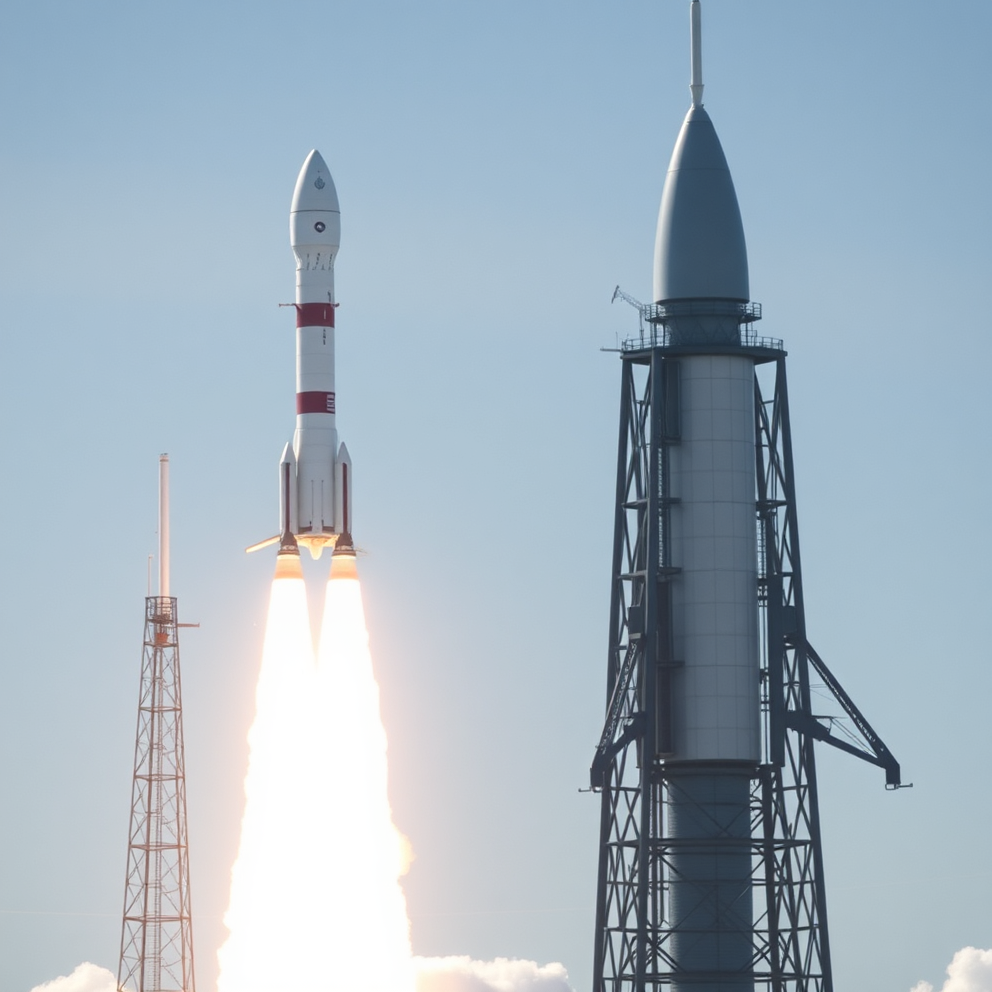
    Now, here’s where things start to get really interesting. Triller has announced plans to partner with SpaceX. Yes, the same SpaceX that has rockets blasting off into the sky and dreams of interplanetary travel. While some might say this is a bold move, others might argue it’s a desperate attempt to stay relevant. I mean, when you’re relying on a company that’s literally launching people into space, it’s a bit of a stretch to think they’ll also help you make a viral dance video.

    But let’s be real for a second. Triller’s strategy seems to be one of those ‘go big or go home’ situations. They’re betting on SpaceX’s technology to enhance their platform, possibly by integrating augmented reality features or using satellite technology to reach a broader audience. Who knows? Maybe in the future, we’ll be able to upload videos from the moon. Just imagine the TikTok dances on low gravity!

    However, this ambitious strategy raises some eyebrows. Will the partnership with SpaceX really save Triller, or is it just a flashy distraction from the fact that they’ve left their employees high and dry? The tech world is no stranger to companies that chase shiny objects while neglecting their core responsibilities. And let’s be honest, if your employees are ghosting you because they haven’t been paid, it’s probably not the best time to be making grand plans for the cosmos.

    In a nutshell, Triller is at a crossroads. They can either focus on fixing their internal issues, like paying their workers and creating a supportive work environment, or they can keep dreaming of space while the ground beneath them crumbles. Spoiler alert: the latter usually doesn’t end well.

    So, what does the future hold for Triller? Will they become the next big thing in social media, or will they be just another cautionary tale? Only time will tell, but one thing’s for sure: if you’re planning to work for them, maybe keep your resume updated—just in case they ghost you too!


    Inspired by: “Triller ghosts workers and stakes its future on SpaceX” (r/technology)

  • MAGA Bots in Black Influencer Spaces: When Trolls Go Viral

    MAGA Bots in Black Influencer Spaces: When Trolls Go Viral

    If you thought the internet was a safe haven for creativity and self-expression, think again! There’s a new infestation in town, and it’s not termites or even those pesky pop-up ads. Nope, we’re talking about MAGA bots invading Black influencer spaces. Yes, you heard that right. It’s like a bad episode of a reality show where the villains crash the party and ruin everything.

    Trolls and foreign agents love to exploit African-American culture for political gain.

    Picture this: you’re scrolling through your favorite Black influencer’s page, enjoying some hilarious memes or insightful commentary on culture, and then bam! You see a comment that reads like it was generated by a bot programmed with the sole purpose of spreading misinformation and trolling. It’s like finding a cockroach in your kitchen—totally unexpected and absolutely unwelcome.

    So, what exactly are these MAGA bots doing in spaces that are supposed to celebrate Black voices? Well, in a nutshell, they’re hijacking conversations, spreading divisive political narratives, and generally making a mess of things. Some might say they’re like that one friend who shows up uninvited and proceeds to eat all the snacks. But honestly, they’re worse because they’re not even real people!

    The rise of these bots can be linked to the growing influence of Black creators and influencers online. As these voices gain traction, the trolls come out of the woodwork, desperately trying to drown out the positivity with their negativity. It’s like a digital version of whack-a-mole: you knock one down, and another pops up somewhere else.

    But why focus on Black influencer spaces in particular? Well, these platforms have become powerful hubs for discussion, activism, and community building. When you have a vibrant space where people are sharing their experiences and advocating for change, it naturally attracts attention—both good and bad. Unfortunately, the bad often comes in the form of organized trolling campaigns, as those who feel threatened by these voices attempt to undermine them.

    Now, let’s talk about the tactics these bots use. They often mimic human behavior, which makes it tricky to spot them at first glance. They’ll comment on posts, share misinformation, and even create fake accounts that appear to be part of the community. It’s almost impressive how dedicated they are to their cause—if only they applied that energy to something constructive!

    So, what can we do about this digital infestation? First, awareness is key. If you see comments that seem out of place or overly inflammatory, don’t just scroll past them. Report them! And encourage others to do the same. The more we shine a light on these tactics, the less power they hold.

    Secondly, support the influencers you love. Engage with their content, share their messages, and help drown out the noise created by these bots. Remember, for every troll, there’s a legion of real supporters ready to lift up authentic voices.

    In conclusion, while MAGA bots might be trying to hijack Black influencer spaces, we can’t let them win. It’s time to take back our digital spaces and ensure they remain places for genuine connection and creativity. So, let’s band together to keep the trolls at bay and show them that they can’t swipe away our voices just like that. After all, this is the internet—we’re better at fighting back than they are at being annoying!


    Inspired by: “‘An Infestation that Can’t Be Swipe Away’: How MAGA Bots Hijacked Black Influencer Spaces” (r/technology)

  • SpaceX’s Ambitious ‘Starpipe’: Fueling the Future of Space Travel

    SpaceX’s Ambitious ‘Starpipe’: Fueling the Future of Space Travel

    When you think of SpaceX, you probably picture rockets soaring into the cosmos, Elon Musk tweeting about Mars, or perhaps a Falcon 9 launch that has you glued to your screen. But now, it seems they’re turning their attention to something a bit more terrestrial—natural gas pipelines. Yes, you heard that right! SpaceX is planning to build a ‘Starpipe’ natural gas pipeline to fuel their Starship rockets. Because why not make rocket fuel delivery as easy as your local pizza guy bringing you a large pepperoni?

    Starship is a two-stage, fully reusable, super heavy-lift launch vehicle under development by American aerospace company SpaceX. Currently built and launched from Starbase in Texas, it is intended as the successor to the company’s Falcon 9 and Falcon Heavy rockets, and is part of SpaceX’s broader …

    Now, before you start picturing a massive, glowing pipeline snaking its way through the countryside like some sci-fi movie set, let’s break down what this actually means. The idea behind the Starpipe is to create a reliable supply of natural gas to power the Starship rockets, which are designed to take humans to Mars and beyond. It’s like filling your car with gas, but you know, for space. And instead of just a quick trip to the grocery store, we’re talking about interplanetary travel. No pressure, right?

    So why natural gas? Well, it’s a cleaner-burning fuel compared to other fossil fuels, which is a nice touch for a company that’s all about making life multiplanetary while also trying to keep our home planet somewhat livable. Plus, natural gas can be converted into liquid methane, which is the kind of fuel that the Starship is designed to use. It’s like the perfect match—like peanut butter and jelly, but with a lot more thrust.

    Now, let’s talk logistics because, let’s face it, when has anything involving SpaceX been simple? Building a pipeline isn’t just a walk in the park; it involves a ton of regulations, permits, and probably a few heated debates with local wildlife about whether or not they want a pipeline running through their backyard. I can just imagine a raccoon holding a protest sign now.

    But if anyone can navigate these hurdles, it’s SpaceX. They’ve already proven they can launch rockets, land them back on Earth, and even send a car into space. So, a pipeline? Piece of cake, right? Or at least it should be if they can get through all the red tape without too many hiccups.

    The Starpipe project could also have implications beyond just fueling rockets. If successful, it could pave the way for other companies to look into similar infrastructure to support not just space travel, but potentially even more sustainable energy sources. I mean, who wouldn’t want to see a bunch of pipelines crisscrossing the country, but this time for a greater good?

    In conclusion, SpaceX’s plan to build the Starpipe is yet another example of how they are thinking outside the box—like, way outside the box. While the idea of a natural gas pipeline might sound a bit mundane compared to launching rockets, it’s a crucial step in the journey toward making space travel more sustainable and accessible. So, the next time you hear about the Starship, remember: behind the scenes, there might just be a shiny new pipeline doing all the heavy lifting. And who knows? Maybe one day, we’ll all be able to fuel our own vehicles with rocket-grade fuel. Just don’t forget to tip your pipeline worker!


    Inspired by: “SpaceX plans to build ‘Starpipe’ natural gas pipeline to fuel Starship rockets” (r/technology)

  • The Mysterious Launch: SpaceX’s Secretive Spacecraft Takes Flight

    The Mysterious Launch: SpaceX’s Secretive Spacecraft Takes Flight

    So, it seems like SpaceX has pulled off yet another one of its classic stealth moves, launching a spacecraft that almost no one knew existed. And when I say ‘almost no one,’ I mean it’s like that one friend who shows up to the party uninvited, does a little jig, and then promptly disappears into the night. Let’s dive into this covert operation and see what’s going on in the world of Elon Musk’s favorite toy company.

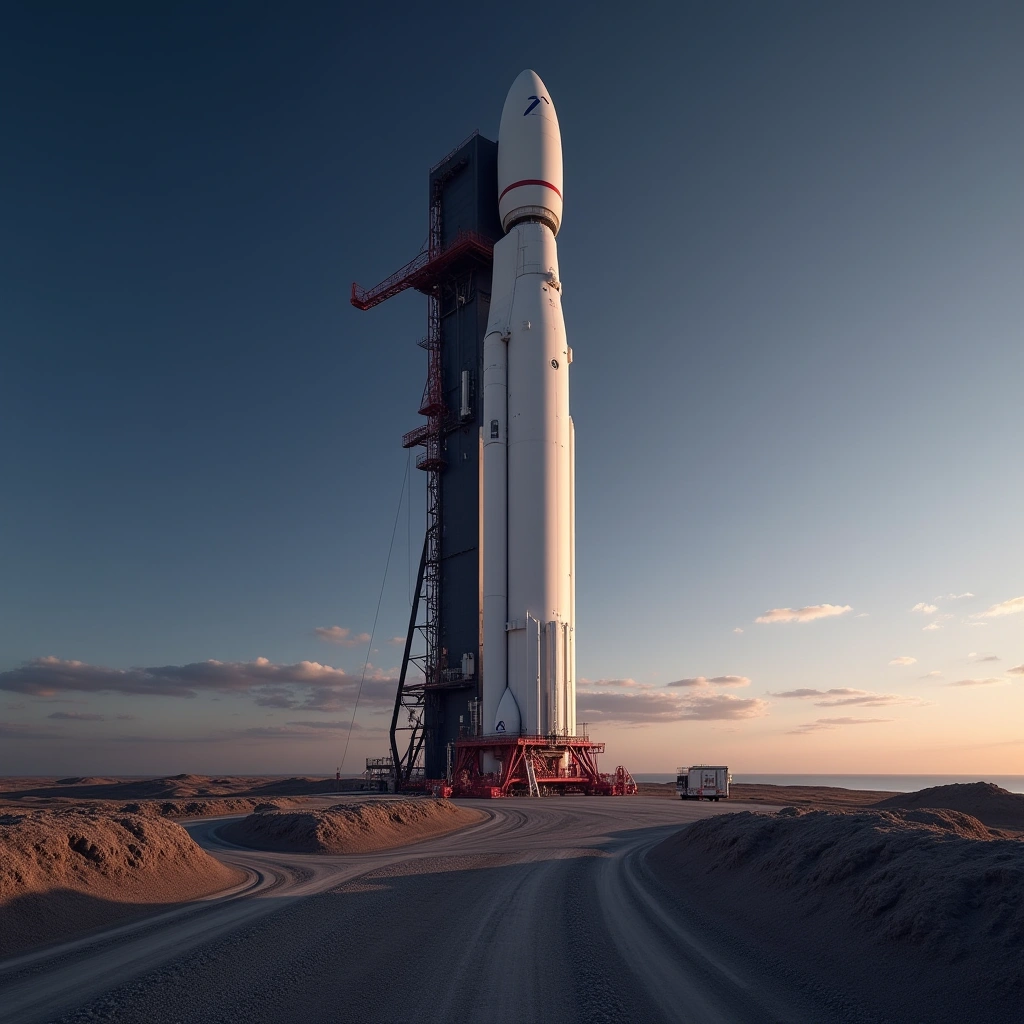
    SpaceX chose to keep its latest prototype test launch of its Starfall capsule under tight wraps, suggesting the military is involved.

    First off, let’s talk about the spacecraft itself. While details are still emerging, it’s clear that SpaceX has been at it again, quietly working behind the scenes while the rest of us are busy scrolling through cat memes and arguing about pineapple on pizza. The launch was so low-key that if it were a celebrity, it would be that one who only shows up on the tabloids when they’re caught doing something weird, like buying 10 gallons of ice cream at 3 AM.

    Now, you may be wondering, what’s the big deal about this spacecraft? Well, in typical SpaceX fashion, it’s likely packed with cutting-edge technology that could change the way we think about space travel. Or, you know, it could just be another one of those projects that ends up being a glorified science experiment. Either way, it’s fascinating to think about what’s going on up there while we’re all stuck in our daily grind.

    One of the reasons this launch flew under the radar (pun intended) could be due to SpaceX’s knack for keeping things hush-hush until they’re ready to reveal the big picture. It’s like when you’re waiting for your favorite band to drop a surprise album—everyone’s excited, but you have to wait for the right moment. And let’s be honest, in the age of social media where every sneeze gets documented, it’s impressive that SpaceX managed to keep this launch so quiet.

    Of course, there are the skeptics out there who might say, “Why should we care about another spacecraft?” To them, I say: remember the last time you looked up at the night sky? That twinkling expanse is full of mysteries just waiting to be explored! Plus, who doesn’t love a good space story? It’s like a never-ending sci-fi movie, except this time, we’re the stars.

    In conclusion, SpaceX’s latest launch may have slipped under the radar for most of us, but it’s a reminder that the universe is still full of surprises. While we’re busy binge-watching our favorite shows, there are people out there working tirelessly to push the boundaries of what we know about space. So, the next time you hear about a mysterious launch, take a moment to appreciate the effort behind it. And maybe, just maybe, we’ll find out that this spacecraft is the key to unlocking the next chapter of human exploration. Or at the very least, it’ll give us something to talk about at the next awkward family gathering.


    Inspired by: “SpaceX has quietly launched a spacecraft almost no one knew existed” (r/technology)

  • SpaceX: The Rocket Isn’t the Product (But You Probably Thought It Was)

    SpaceX: The Rocket Isn’t the Product (But You Probably Thought It Was)

    When you think of SpaceX, what comes to mind? If you’re like most people, you probably picture a shiny Falcon 9 rocket blasting off into the cosmos, smoke billowing, and maybe even a few awe-struck spectators wiping away tears of joy as they watch humanity’s latest leap into the great unknown. But here’s the kicker: the rocket is not the product. Surprised? Let’s dive in.

    Space Exploration Technologies Corporation, doing business as SpaceX, is an American spaceflight, telecommunications, and artificial intelligence company headquartered at the Starbase development site in Starbase, Texas. The company operates 3 divisions: "Space", which conducts more orbital …

    First off, let’s get something straight. Rockets are cool, no doubt about it. They’re the kind of things that make you want to wear a tinfoil hat and stare at the sky, waiting for aliens to pop out. But in the grand scheme of things, the real product SpaceX is peddling isn’t the rocket itself. It’s the service the rocket provides: access to space.

    Think about it. When you order a pizza, you’re not paying for the dough, cheese, and pepperoni. You’re paying for the art of pizza delivery. Similarly, when companies like NASA and private entities want to launch satellites or transport astronauts, they’re not just looking for a rocket to throw things into the air. They’re looking for a reliable, cost-effective solution to get their payloads into orbit. And that’s where SpaceX shines.

    Now, before you go thinking that the rocket is just a glorified delivery service, let’s acknowledge the engineering marvel that these rockets represent. They’re designed to be reusable, which is a huge game changer. Imagine if pizza delivery boxes could be reused. You’d be swimming in pizza savings! SpaceX has taken the idea of reusability to heart, allowing them to significantly reduce the cost of access to space. So while the rocket may not be the product, it sure is the delivery vehicle of an innovative business model.

    But wait, there’s more! SpaceX is also selling something much bigger than just rocket launches. They’re selling the dream of space exploration. Who wouldn’t want to be a part of that? It’s like being on the ground floor of a pizza chain that’s going to take over the universe. They’re not just launching satellites; they’re paving the way for human colonization of Mars (because who doesn’t want to live on a red planet?).

    And let’s not forget about the Starlink satellite constellation. SpaceX isn’t just launching rockets; they’re creating a global internet service that could connect remote areas of the world. This is a bold move that positions them as a tech giant, not just a rocket company. So, while you might have thought the rocket was the star of the show, it’s really just the opening act in a much larger performance.

    In conclusion, the biggest mistake people make about SpaceX is thinking that the rocket is the product. It’s not. The rocket is just a means to an end – a very cool, very impressive means, but still just a means. SpaceX is selling access to space, the dream of exploration, and the possibility of a future where humanity isn’t just a one-planet species. So the next time you see a Falcon 9 launch, remember: it’s not just about the rocket; it’s about what’s possible when you aim for the stars (and maybe make some pizza on the way).

    So, keep your eyes on the skies and your expectations grounded. The real product is the future, and SpaceX is just getting started!


    Inspired by: “The Biggest Mistake People Make About SpaceX Is Thinking the Rocket Is the Product.” (r/technology)

  • Reid Hoffman’s Take on xAI and SpaceX: A Train Wreck and a Credibility Grab?

    Reid Hoffman’s Take on xAI and SpaceX: A Train Wreck and a Credibility Grab?

    So, Reid Hoffman, the co-founder of LinkedIn and an all-around tech visionary, recently shared his thoughts on xAI and SpaceX, and let’s just say, it’s not exactly a love letter. In fact, he described xAI as a ‘train wreck.’ Yes, you heard that right. A train wreck. That’s some serious imagery, Reid. I mean, can we get a little more dramatic? How about a sinking ship or a flaming dumpster? But I digress.

    Hoffman ‘ s argument is that SpaceX ‘ s AI involvement is primarily in leasing compute infrastructure and acquiring AI startups, not in building core AI models or advancing frontier research. He compares the approach to an acquisition roll-up strategy — buying market presence rather than earning it through technical capability.

    Now, for those who might be living under a rock, xAI is the brainchild of Elon Musk, aimed at understanding the universe and promoting safe AI. Sounds noble, right? But Hoffman seems to think it’s more like a toddler trying to build a Lego spaceship with one hand while the other hand is busy grabbing cookies from the cookie jar. Not the most stable of situations.

    Hoffman’s critique doesn’t stop there. He also threw some shade at SpaceX, implying that the company is merely trying to buy its AI credibility. Essentially, he’s saying that while SpaceX is busy launching rockets and making headlines, it’s also trying to cozy up to the AI community to gain some street cred. It’s like that kid in school who buys everyone pizza to be cool. Spoiler alert: it rarely works.

    But let’s unpack this a bit. Is xAI really a train wreck? It’s easy to throw around terms like ‘train wreck’ when discussing ambitious tech projects, especially those led by someone as polarizing as Musk. Sure, xAI has had its fair share of hiccups and controversies, but isn’t that part of the growth process? I mean, who hasn’t stumbled while trying to make sense of the universe?

    And then there’s SpaceX. The company has achieved some remarkable milestones, but if Hoffman is right and they’re just trying to buy credibility in the AI arena, what does that say about the industry? Are we at a point where companies need to acquire credibility like they acquire talent?

    Let’s face it, AI is the new black. Everyone wants a piece of the action, and if that means cozying up to the likes of xAI, so be it. But can we really blame SpaceX for wanting to be seen as a tech-savvy, AI-loving company? After all, they’re the ones shooting for Mars while the rest of us are just trying to find our keys.

    In conclusion, Reid Hoffman’s remarks about xAI and SpaceX certainly add fuel to the fire in the ongoing debate about the role of AI in our future. Whether you agree with him or not, it’s clear that the conversation around AI is heating up. So, grab your popcorn, folks! This is one train wreck—err, I mean conversation—we’ll want to keep our eyes on.


    Inspired by: “Reid Hoffman: xAI Is a Train Wreck and SpaceX Is Just Buying Its AI Cred” (r/technology)

  • Donut Lab’s Solid-State Battery: The Sweet Science of Energy Independence

    Donut Lab’s Solid-State Battery: The Sweet Science of Energy Independence

    In the world of tech and innovation, where the next big thing is often just around the corner (or sometimes just behind a very well-placed curtain), Donut Lab is stirring up some buzz with its claims about a solid-state battery. Now, if you’re wondering what exactly a solid-state battery is, it’s essentially the cool cousin of the traditional lithium-ion battery. Instead of using liquid electrolytes that can leak or combust (yikes!), solid-state batteries use solid materials, making them safer and potentially more efficient. Sounds great, right? But as with any promising technology, the skepticism is palpable, especially when the phrase “proof is coming soon” is thrown around.

    Donut Lab OÜ is a Finnish technology company, with its headquarters in Estonia. Founded in 2024, Donut Lab is owned by the Finnish companies Donut Group Oy (50%) and Donut Holding Oy (50%). Donut Lab was spun off from the Finnish company Verge Motorcycles to promote its wheel hub motors.

    So, what’s the deal with Donut Lab? Well, they’ve been pretty vocal about their groundbreaking technology. They’re not just sitting in a lab, eating donuts (though that would be a great way to spend a workday). Instead, they’re claiming to have developed a solid-state battery that could revolutionize the energy sector. This battery could lead to longer-lasting electric vehicles, faster charging times, and perhaps most importantly, a significant reduction in the risk of fires. You know, little things like that.

    But here’s where the fun begins. While Donut Lab is confidently asserting that proof of their battery’s capabilities is on the way, many in the industry remain skeptical. It’s not that they don’t want to believe in the magical world of solid-state technology; it’s just that they’ve seen this movie before. You know, the one where a startup comes out with a revolutionary product that promises to change everything, but then… crickets.

    The skepticism isn’t entirely unfounded. The battery world is littered with the corpses of ambitious projects that promised the moon but delivered a sad little rock instead. Think of it as the tech version of waiting for a pizza delivery that’s taking way too long. You start getting hungry and begin questioning your life choices, or in this case, the viability of solid-state batteries.

    However, Donut Lab is standing firm. They’re like that friend who insists they can totally finish a whole pizza by themselves, even after you’ve already seen them struggle with just one slice. They’re assuring everyone that they will deliver proof soon. But what does “soon” even mean in the tech world? Is it next week? Next year? Or maybe they’re just waiting for the right moment to drop the mic and wow us all.

    The company has promised more details and results in the coming weeks, which is great news for battery enthusiasts and skeptics alike. It’s an exciting time for innovation, and if Donut Lab can deliver on its promises, we could be looking at a new era in battery technology. Or, you know, just another round of disappointment.

    In the meantime, we’ll just have to keep our fingers crossed and our eyes peeled for updates. And while we’re at it, maybe we should all grab a donut in solidarity with Donut Lab. After all, whether they succeed or not, we can at least enjoy a sweet treat while we wait for the proof to roll in. Who knows? Maybe the future of energy independence is just a donut away.


    Inspired by: “Donut Lab Remains Defiant About Its Solid-State Battery, Saying Proof Is Coming Soon” (r/technology)

  • SpaceX’s $25 Billion Debt Sale: What Does It Mean for the Future?

    SpaceX’s $25 Billion Debt Sale: What Does It Mean for the Future?

    In a move that has left many scratching their heads and others cheering in delight, SpaceX recently raised a whopping $25 billion through a debt sale, and they did it less than two weeks after their IPO. Yes, you read that right—$25 billion! That’s enough to buy a small country or at least a very nice yacht. But what does this mean for the future of the company and the space industry? Let’s break it down.

    SpaceX plans to use net proceeds primarily to repay outstanding borrowings under its bridge loan facility in full . Additional funds will cover related fees and expenses, with any remaining amount earmarked for general corporate purposes , according to the disclosure.

    First off, let’s talk about the timing. Raising this kind of capital so soon after going public is a bold strategy, and it raises some eyebrows. You might be thinking, “Why does a company that just went public need to raise more money?” Well, it turns out that launching rockets and sending humans to Mars isn’t exactly a cheap endeavor. In fact, it’s more expensive than that trip to Disneyland that you keep postponing. SpaceX is in a race against time and competition, and with ambitious projects like Starship and the Starlink satellite constellation, they need cash—lots of it.

    Now, what exactly is a debt sale? In simple terms, it’s when a company borrows money from investors, promising to pay it back with interest. Think of it as SpaceX saying, “Hey, we need some cash to keep our rocket engines running, but we’ll pay you back later, plus a little extra for your troubles.” It’s a gamble, but if anyone can pull it off, it’s Elon Musk and his team of rocket wizards.

    So, what does this mean for investors? Well, it’s a mixed bag. On one hand, raising that much money indicates confidence in the company’s future. Investors might be thinking, “If they’re raising this much cash, they must have some incredible plans up their sleeves!” On the other hand, it also raises concerns about how much debt a company should take on. After all, too much debt can be like eating too many tacos—delicious in the moment, but you might regret it later.

    And let’s not forget the competition. Other aerospace companies are watching this closely. Blue Origin, Virgin Galactic, and others are probably thinking, “Great, now we have to step up our game!” This could lead to an exciting era of innovation in space travel, or it could result in a dramatic showdown worthy of a sci-fi movie. Picture it: SpaceX and Blue Origin battling it out in a race to Mars—who will get there first? Spoiler alert: it’s probably going to be SpaceX, but we can dream.

    In conclusion, SpaceX’s $25 billion debt sale is a significant development in the space industry. While it raises some questions about the company’s financial strategy, it also highlights the ambitious plans that SpaceX has for the future. Whether you’re an investor, a space enthusiast, or just someone who enjoys watching rockets launch, this news is certainly worth keeping an eye on. And who knows? Maybe one day you’ll be able to say, “I invested in SpaceX when they were just a bunch of guys with a dream and a lot of debt!” Now that’s a conversation starter.


    Inspired by: “SpaceX raises $25 billion in debt sale less than two weeks after IPO” (r/technology)

  • SpaceX Shares Take a Dive: What’s Going On?

    SpaceX Shares Take a Dive: What’s Going On?

    So, it seems like SpaceX, the darling of space exploration and the company that made rocket launches feel as casual as a trip to the grocery store, has hit a bit of a snag. Their shares have fallen below the $150 debut price for the first time. Cue the dramatic music!

    Shares of Elon Musk's space exploration, connectivity and AI company dropped 16% to close the session at $154.60. Monday's losses put the stock about 30% below last week's record high and 4% below their closing level on June 12, the first day …

    Now, before we all jump to conclusions and start assuming that the sky is falling (or in this case, that rockets are plummeting), let’s break this down a bit. For those who may not be aware, SpaceX went public not too long ago and initially had a debut price that many investors were excited about. After all, who wouldn’t want to invest in a company that’s literally sending humans to Mars? I mean, that’s a pretty cool dinner party conversation starter, right?

    But just like that time you thought you could binge-watch an entire season of a show in one sitting and ended up regretting your life choices, the market has shown that it can be unpredictable. The fall below $150 might not be the end of the world, but it does raise a few eyebrows. Are investors getting cold feet? Is there a new space race we don’t know about? Or maybe, just maybe, people are realizing there’s a lot more to investing than just hopping on the SpaceX bandwagon?

    To put things in perspective, SpaceX has been riding high on the success of its launches, the excitement around its Starlink satellite internet service, and the general buzz surrounding its ambitious plans. But as we all know, what goes up must come down—unless you’re a rocket, in which case, you just keep going until you reach the stars.

    Analysts are scrambling to figure out what’s behind this dip. Some suggest it’s the classic ‘buy the rumor, sell the news’ phenomenon. Others believe it’s just the market correcting itself after a period of high speculation. And let’s not forget the myriad of external factors—economic conditions, inflation, and the ever-present threat of another pandemic lurking around the corner. You know, just your typical Tuesday.

    For the average Joe, or in this case, the average space enthusiast, this might be a good time to reflect on what investing really means. It’s not just about watching stock prices soar; it’s about understanding the company’s fundamentals and the bigger picture. So, while SpaceX shares may be taking a little tumble, it doesn’t mean we should throw in the towel on the idea of space travel. If anything, it just adds to the drama of the whole thing.

    In conclusion, SpaceX’s stock may be experiencing a bit of turbulence right now, but just like a rocket launch, it’s all part of the journey. So, grab your popcorn, keep your eyes on the skies, and let’s see how this unfolds. Who knows? Maybe next week we’ll be celebrating a triumphant return to the $150 mark, or maybe we’ll be discussing how we all should have invested in something less volatile, like, I don’t know, socks?

    Stay tuned, space fans!


    Inspired by: “SpaceX Shares Fall Below $150 Debut Price For First Time” (r/technology)

  • SpaceX and Your Retirement: Is it Time to Panic?

    SpaceX and Your Retirement: Is it Time to Panic?

    So, you’ve heard the buzz about SpaceX, right? The company that’s making space travel seem as easy as ordering a pizza? Well, it turns out that some Americans are feeling a little uneasy about the influence this space-age wonder has on their retirement savings. Yes, you heard that right. Retirement savings—the one thing that’s supposed to be as secure as a rocket launch (minus the occasional explosion).

    SpaceX’s historic IPO, targeting a $1.75 trillion valuation, has prompted major index providers like Nasdaq and FTSE Russell to fast-track inclusion rules, potentially adding the unprofitable company to benchmarks within five to fifteen days of trading. This structural change forces passive index funds and 401(k) accounts to automatically purchase shares, exposing retirement savers to significant concentration risk in a company that has posted billions in losses. While the direct impact on diversified portfolios is initially small, the influx of forced buying could inflate valuations, allowing early insiders to sell into the "relentless bid" from retirement accounts before potential volatility hits.

    Let’s break it down. The conversation started on Reddit, where users were expressing their concerns about how companies like SpaceX could be affecting their financial futures. You might be wondering, how does a space company impact my 401(k)? Well, it’s all tied to the stock market, my friend.

    When you think about retirement savings, you probably think of boring old stocks, bonds, and mutual funds—things that make you want to take a nap. But what if I told you that some of those stocks are influenced by the whims of space travel? Just imagine your retirement plan being partially funded by the success of Elon Musk’s latest rocket launch. If he succeeds, your retirement could be soaring. If he doesn’t? Well, let’s just say you might need to rethink that dream of sipping piña coladas on a beach in your golden years.

    Now, SpaceX is not just some random startup; it’s a major player in the aerospace industry. They’ve been raking in the cash and attracting investors faster than you can say “Falcon Heavy.” With all this money flowing in, it’s no wonder that some folks are starting to worry. Are we putting too much faith in a company that’s literally reaching for the stars?

    The unease largely stems from the volatility of the tech and aerospace sectors. Stocks can go up and down faster than a SpaceX rocket during a test flight. One bad launch or a couple of missed deadlines, and suddenly your retirement savings could take a nosedive. Yikes! That’s enough to give anyone a mini heart attack.

    And let’s not forget about the fact that some retirement plans are heavily invested in tech stocks. If SpaceX’s performance affects those stocks, well, you can see where this is going. Your retirement savings could end up being as unstable as a toddler on a sugar high.

    But before you start panicking and pulling all your money out of the market, let’s take a step back. While it’s important to be aware of where your money is going, it’s also crucial to diversify your investments. Remember that old adage about not putting all your eggs in one basket? Well, it’s just as applicable here. If you’re only invested in SpaceX-related stocks, you might want to reconsider your strategy.

    So, what’s the takeaway here? Yes, SpaceX is an exciting company, and yes, it’s making waves in the industry. But that shouldn’t mean you put all your retirement eggs in its basket. Keep your investments diverse, stay informed, and maybe consider a safer option for your retirement savings. After all, it’s your future we’re talking about here.

    In conclusion, while the idea of your retirement being influenced by intergalactic adventures might sound cool, it’s not as glamorous when you think about your financial security. So, keep your eyes on the stars, but make sure your feet are firmly planted on solid ground. And who knows? Maybe one day, you’ll be able to enjoy that piña colada in zero gravity!


    Inspired by: “‘It’s a scam’: Americans express unease over SpaceX’s influence on retirement savings” (r/technology)