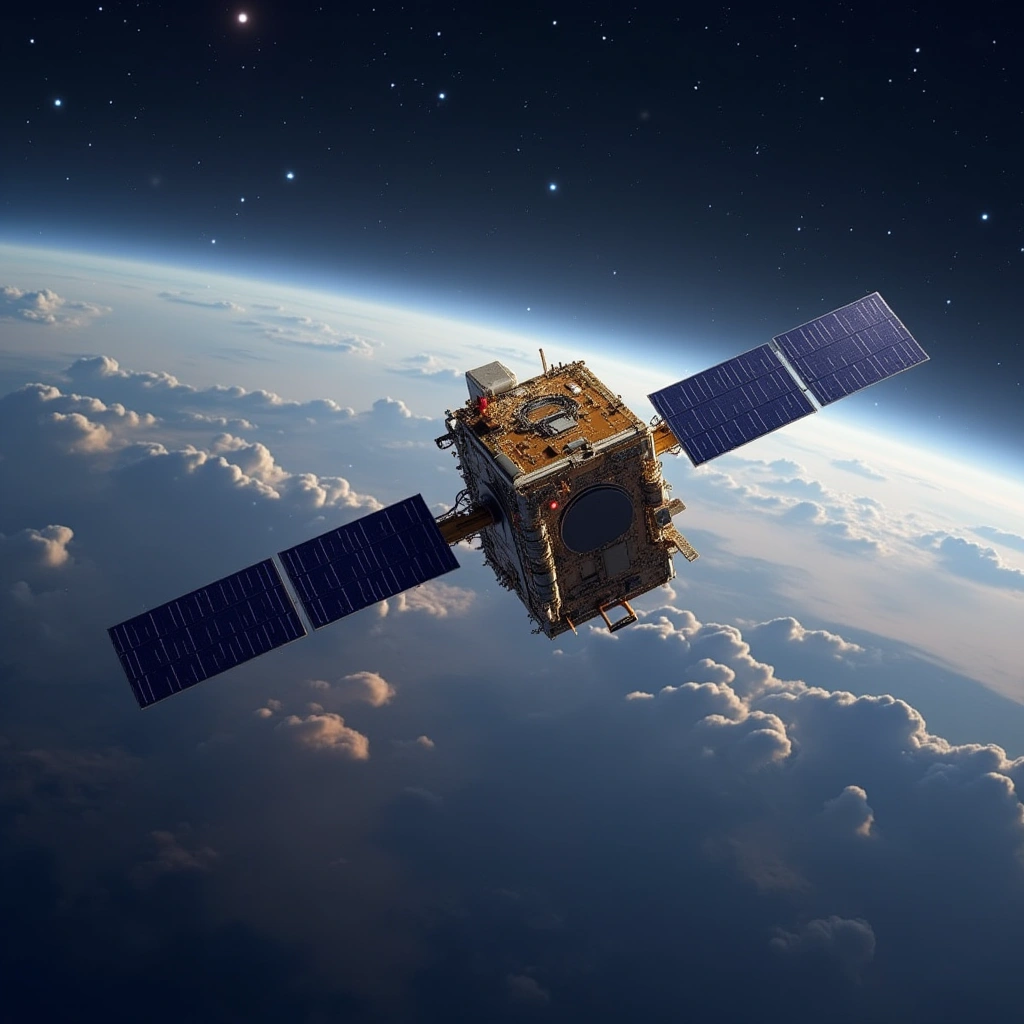
So, Amazon is at it again. Just when you thought they were done conquering the world with two-day shipping and an endless supply of cat videos, they’ve decided to venture into the skies. That’s right, folks! Amazon is launching its very own satellite-based internet service to compete with SpaceX. Yes, you heard me right; soon, you might be able to order a pizza and have it delivered via satellite. Well, maybe not that exactly, but you get the idea.
But Amazon's fledgling triumph injects a fresh challenge in the satellite-powered internet market where SpaceX's Starlink had increasingly emerged as a dominant player, despite some competition from Eutelsat's OneWeb, China's SpaceSat and Viasat.
Let’s backtrack a bit. SpaceX, Elon Musk’s brainchild, has been making waves in the satellite internet arena with its Starlink service. It’s been quite the game-changer, bringing high-speed internet to remote areas where traditional ISPs fear to tread. Think of it as internet for the people who live in places where even the pizza delivery guy thinks twice before making the journey.
Now, Amazon is jumping into this cosmic ring with its own service, aptly named Project Kuiper. Because, you know, why not name your project after a region in space that pretty much nobody has heard of? Project Kuiper aims to launch thousands of small satellites into low Earth orbit to provide broadband internet access to underserved areas around the globe. That’s right, folks! If you live in a remote village or a cabin in the woods, you might just find yourself streaming Netflix in no time.
But here’s where it gets interesting—and a little cheeky. Amazon isn’t just strolling into this market; they’re throwing down the gauntlet. The company has reportedly secured approval to deploy over 3,200 satellites. Yes, you read that correctly. That’s a lot of metal floating above us. It’s almost like they’re preparing for an intergalactic version of a Black Friday sale.
The competition between Amazon and SpaceX is heating up faster than my coffee in the microwave. While SpaceX has already begun launching satellites and providing service, Amazon is still in the planning phase. But let’s be honest, when has Amazon ever been late to a party? They might just surprise us all and have their satellites up and running before we can say “Prime delivery.”
Now, you might be wondering, what does this mean for us, the average internet user? Well, the hope is that this competition will drive prices down and improve service quality. If you’ve ever tried to stream a movie only to have it buffer more than your uncle at Thanksgiving, then you know the struggle is real. With more players in the game, we could see better service options and maybe even a decrease in those absurd monthly bills.
Of course, there’s always the possibility that this could turn into a cosmic battle of epic proportions. Imagine a future where Amazon and SpaceX are in a constant one-upmanship, launching satellites like they’re competing in a space race Olympics. “Oh, you sent up 1,000 satellites? Hold my beer, I just launched 1,500!” It’s a sitcom waiting to happen.
In conclusion, as Amazon prepares to take on SpaceX in the satellite internet arena, we can only sit back, grab our popcorn, and watch the cosmic drama unfold. Will Project Kuiper be the hero we didn’t know we needed, or will it fizzle out like so many of my New Year’s resolutions? Only time will tell, but one thing is for sure: the future of internet access is looking a little more starry—and a lot more competitive.
Inspired by: “Amazon to launch satellite-based internet service to compete with SpaceX” (r/technology)