Category: Nature

  • When Frogs Hop into Tragedy: A Cautionary Tale of Pet Care

    When Frogs Hop into Tragedy: A Cautionary Tale of Pet Care

    Creatures such as fish are often treated as a decoration rather than a living being that deserves care and attention . While the average person may not dare to ask for your dog's collar and bowl …

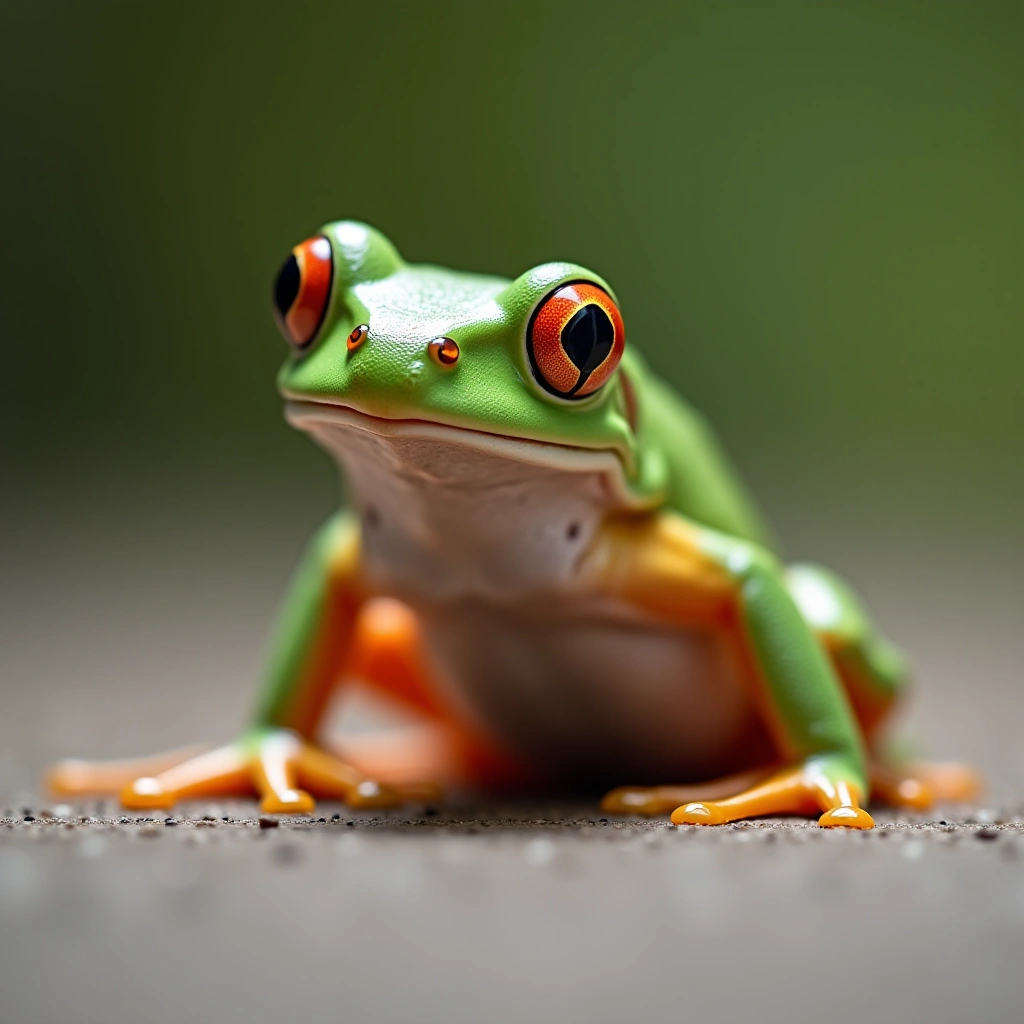
    Let’s talk about the delicate balance of pet ownership, shall we? We all love our little companions—be it a dog, cat, or even a pet frog named Sir Hopsalot (because why not?). But what happens when a simple request goes hilariously wrong? Spoiler alert: it can lead to a tragedy that’s both heartbreaking and slightly absurd.

    So, picture this: you’re off on a fabulous vacation, sipping cocktails by the pool, while your significant other is back home, tasked with a very important mission—check on your beloved pet frog. Sounds easy, right? Wrong!

    Our protagonist, who we’ll affectionately refer to as Elle, found herself in a tight situation. She was enjoying a week away, and on day four, she asked her boyfriend to swing by her place to grab something. Simple. Just a quick stop, in and out. But then came the fateful moment when he decided to snap a picture of her froggy friend, who was probably posing like a model, unaware of the impending doom.

    Now, let’s break down the events. The boyfriend opens the cage, takes a picture, and—oops!—he accidentally shuts the door on the frog’s toes. Yes, you read that right. In a moment of pure clumsiness (we’ve all been there), he didn’t realize that Sir Hopsalot was now stuck. The poor little guy was left in a froggy predicament, and by the time Elle returned from her vacation, it was too late.

    Heartbroken doesn’t even begin to cover it. Elle returned home, expecting to be greeted by her little green buddy, only to discover the tragedy. And while it’s easy to point fingers and say, “How could you let this happen?” we must remember that accidents happen. Even the most careful among us can have a moment of lapse.

    Now, let’s not forget the boyfriend in this scenario. He felt horrible. I mean, who wouldn’t? You don’t just accidentally kill someone’s pet frog and walk away unscathed. There’s a special place in hell for people who harm pets (and for those who forget the dog’s name during a family dinner). But alas, this was an accident, and while it’s tough to find humor in such a sad situation, one can’t help but chuckle at the sheer ridiculousness of it all.

    Elle’s story serves as a poignant reminder of the responsibilities that come with pet ownership. It’s not just about feeding them and giving them a cute name; it’s about ensuring they’re safe and sound. And let’s face it, frogs may be low-maintenance, but they’re still living creatures that deserve our utmost attention.

    So, if you’re planning a vacation and need someone to check on your pets, maybe consider hiring a professional pet sitter who won’t accidentally mistreat your little buddies. Or, you know, just leave them with a trusted friend who knows how to open and close cages without causing chaos.

    In the end, while we can’t bring Sir Hopsalot back, we can learn from this experience. Let’s raise a glass to all the little pets out there, may they always be safe and sound—and may their caretakers learn how to handle cages with a little more finesse. Cheers to you, Elle, and here’s hoping for happier froggy days ahead!


    Inspired by: “Bf made a mistake” (r/GirlDinnerDiaries)
  • If Not Pet, Why Pet Shaped? A Deep Dive into Our Love for Cuddly Creatures

    If Not Pet, Why Pet Shaped? A Deep Dive into Our Love for Cuddly Creatures

    Nature is a master of disguise. Sometimes, looking approachable is a survival tactic, and other times, it’s just an evolutionary coincidence that happens to trigger our human "must-pet" reflex. Take the Quokka, for instance. Often called the "world's happiest animal," this Australian marsupial seems to be the literal embodiment of the if friend shaped why not friend philosophy.

    Have you ever looked at a bear and thought, “Wow, that looks like the world’s largest teddy bear!”? If yes, then congratulations, you share a sentiment with many of us who see the world through a lens of fuzzy cuteness. But let’s be honest, bears, while adorably rotund and covered in what seems like the softest fur imaginable, are not exactly the type of pet you’d want to invite over for a movie night. They might eat your popcorn, and, well, you.

    This brings us to the conundrum presented in the Reddit post that sparked this whole thought process: If not pet, why pet shaped? It’s a question that resonates deeply with the animal-loving crowd, especially those of us who have a soft spot for creatures that seem more cuddly than they probably should be. Let’s break it down.

    The Cuddly Conundrum

    Bears, with their big eyes and fluffy bodies, can easily trick us into thinking they’re just oversized, furry friends waiting for a hug. But let’s remember, these are wild animals with a penchant for aggression and an appetite that could rival a teenage boy’s after school snack binge. Despite their ferocity, we can’t help but feel a connection, leading to the classic urge to befriend them.

    So why do we project this idea of pet-ness onto such creatures? It could be that we humans are hardwired to find certain features—like big eyes and round faces—irresistibly cute, a phenomenon known as neoteny. It’s the same reason we can’t resist cooing over puppies or kittens. But when it comes to bears, we might need to draw the line at admiration from a safe distance.

    Are We Just Furry Fanatics?

    Let’s face it, there’s something undeniably charming about animals that look like they’ve just rolled out of a snuggly pile of blankets. But our fascination with pet-shaped creatures isn’t limited to just the ones that could turn us into a snack. Think about it: otters, raccoons, and even sloths have made their way into our hearts (and Instagram feeds) because they embody that same huggable vibe.

    But why do we want to hug them? Maybe it’s because life can be a bit of a grind, and watching videos of these adorable little creatures can give us a break from reality. After all, who wouldn’t want to escape into a world where a bear could be your best friend? (Disclaimer: this is not a legally binding suggestion.)

    The Bear Necessities of Friendship

    So, if we can’t be best friends with a bear, what’s the next best thing? Well, we can always settle for a delicious meal inspired by our furry friends. Take the BLT with homemade mac n cheese submitted by the user Alternative-Shop5865 on Reddit, for example. It’s a combination that’s as comforting as a bear hug (minus the risk of getting your arm ripped off).

    Imagine sitting down with a plate of this deliciousness, feeling all warm and fuzzy inside, while secretly contemplating how you might train a bear to fetch you snacks. The truth is, while we may not have a bear to cuddle, we can definitely enjoy some bear-worthy food.

    Conclusion: The Love for Pet-Shaped Creatures

    In the end, our love for pet-shaped creatures—whether they be real or imagined—comes from a desire for connection, comfort, and perhaps a sprinkle of whimsy. So the next time you find yourself gazing at a bear and thinking about how great it would be to have one as a pet, remember to appreciate the beauty of their wildness from afar. And while you’re at it, maybe whip up some comfort food that would make even a bear jealous.

    So, if not pet, why pet shaped? Because sometimes, the heart wants what it wants—even if that’s a friendship with a creature that could squash you like a bug. Now, if you’ll excuse me, I’ve got a plate of mac n cheese to devour while I dream of my next great animal friendship (that hopefully won’t involve a trip to the ER).


    Inspired by: “If not pet, why pet shaped?” (r/GirlDinnerDiaries)

  • Maryborough: The Underdog Town That Deserves a Second Chance

    Maryborough: The Underdog Town That Deserves a Second Chance

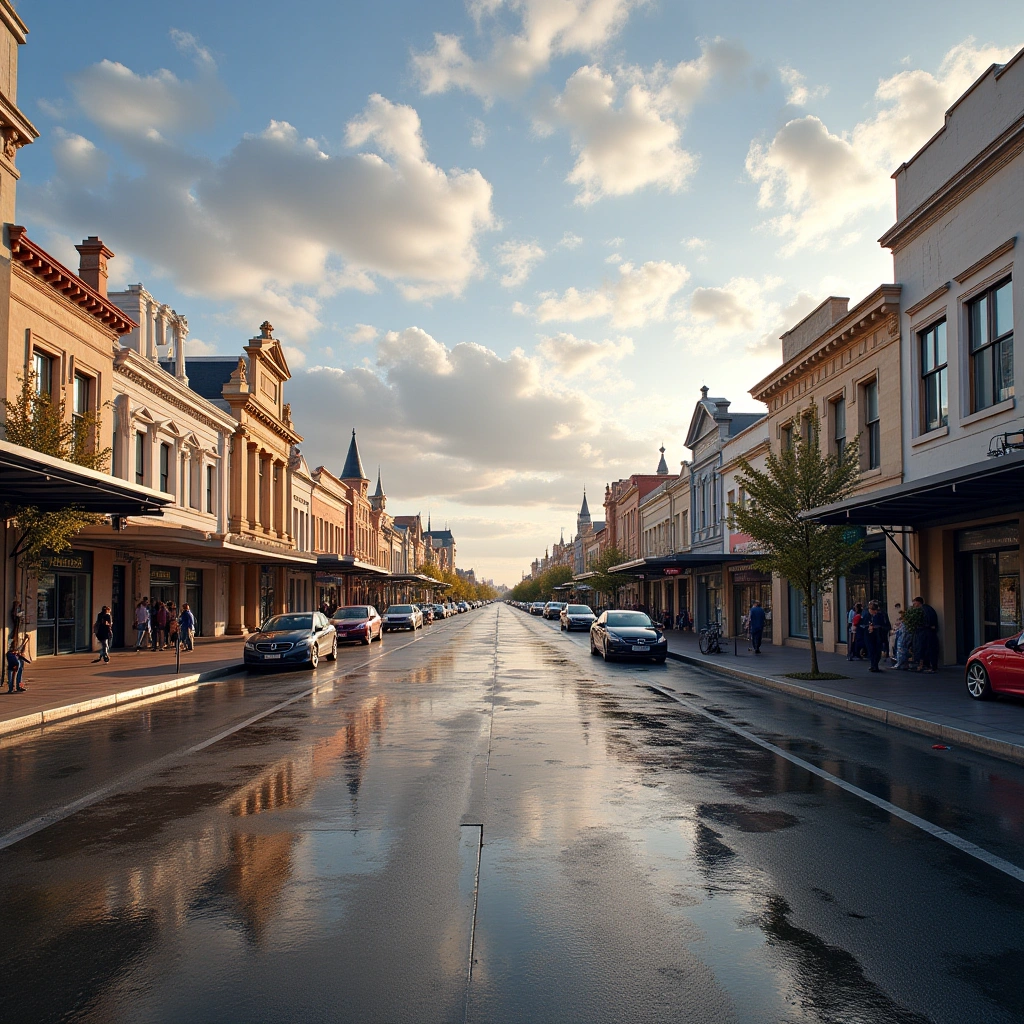
    Maryborough (/ˈmɛərɪbərə/ MARE-ih-bər-ə) is a city in the Fraser Coast Region, Queensland, Australia. In the 2021 census, the suburb of Maryborough had a population of 15,287 people. Maryborough is located on the Mary River in Queensland, Australia, approximately 255 kilometres (160 …

    Ah, Maryborough. A name that might not ring a bell for many outside of Victoria, and for those who have heard of it, the reputation often precedes it. You might be wondering, why does this small town have such a rough-and-tumble image? Is it really the post-apocalyptic wasteland some Redditors make it out to be? Or is it more like that quirky friend who’s a little rough around the edges but has a heart of gold? Let’s dive into the murky waters of Maryborough’s reputation.

    First things first, let’s address the elephant in the room: Maryborough is often labeled as “rough” and “dangerous”. Now, I’m not saying that there aren’t areas in any town that might make your mother clutch her pearls, but let’s be honest, every town has its sketchy spots. The truth is, Maryborough has been through a lot over the years, and like that one friend who’s had a rough life but still manages to crack a smile, it’s got a unique charm that shouldn’t be overlooked.

    The post shared by Reddit user /u/Rexberg-TheCommunist sparked this debate, and honestly, it’s refreshing to hear someone sing Maryborough’s praises. They found it to have a down-to-earth vibe, which is quite the contrast to the pretentiousness that sometimes wafts through the air in places like Daylesford or Castlemaine. You know, the kind of places where you can’t tell if the art is meant to be admired or if it’s just a random pile of bricks someone decided to call “The Essence of Modern Dilemma”.

    Maryborough, on the other hand, is like that cozy pub where everyone knows your name, and you’re welcomed with open arms—unless you’re wearing a suit, in which case, good luck fitting in. It’s a working-class town that doesn’t pretend to be something it’s not, which is a breath of fresh air in a world that often feels like it’s trying too hard to impress.

    So, why the bad rap? Well, part of it might stem from its history. Once a bustling gold rush town, Maryborough has had its ups and downs, much like your favorite rollercoaster ride. As the gold dwindled, so did the town’s image. It’s easy to fall into the trap of labeling a place based on its past struggles rather than its present realities. Plus, let’s face it, people love a good gossip, and a few bad apples can spoil the bunch—especially when it comes to online forums.

    But here’s the kicker: Maryborough is not lacking in character. With its historical buildings, local markets, and genuine community spirit, it’s a town that’s proud of its roots. While some may see a rundown shopfront and think “danger,” others see potential and charm. And let’s not forget about the friendly locals who are ready to share a story or two over a cup of coffee. Who needs pretentious cafes when you can have real conversations?

    Moreover, Maryborough is a stone’s throw away from some stunning natural landscapes. For those who enjoy a bit of adventure, you can explore the nearby parks, take a scenic drive, or even indulge in some birdwatching. It’s the kind of place that says, “Hey, we might not have gourmet dining, but we have a lovely view and a good ol’ meat pie.”

    In conclusion, Maryborough may have a reputation that makes it sound like the tough kid on the block, but it’s really just a misunderstood gem. So, the next time you come across someone dissing Maryborough, remember: it’s like judging a book by its cover—or in this case, a town by its reputation. Give it a chance, and you just might find that it’s not only worth visiting but could also teach you a thing or two about authenticity and resilience.

    So, let’s raise our glasses to Maryborough! The underdog town that deserves a second chance. Cheers!


    Inspired by: “Why does Maryborough have the reputation it does?” (r/melbourne)

  • Climate Anxiety: A Distraction from the Real Threats We Face

    Climate Anxiety: A Distraction from the Real Threats We Face

    It’s not known exactly how many people are dealing with climate anxiety . One 2022 survey found that 32 percent of American adults said they were “anxious” about climate change. However, studies focusing on young people tend to indicate significantly higher levels of concern. One survey found that a majority of teens and young adults reported feeling anxious, angry, or helpless about climate change; almost half said that their negative feelings about climate change interfered with their daily functioning.

    Ah, climate anxiety. It’s the term that has everyone from environmental activists to your neighbor who just bought a Tesla all worked up. But what if I told you that this anxiety might just be a clever distraction? A ruse, if you will, to keep us all from focusing on the real menace lurking just around the corner: artificial intelligence and the oligarchs pulling the strings behind it.

    Let’s break this down, shall we? First off, climate change is a serious issue, and yes, we should care about it. But with the rise of AI, it seems like we might be overlooking a much more immediate threat to our livelihoods. Think about it: while we’re all busy recycling our plastic straws and feeling guilty about our carbon footprints, a handful of billionaires are cruising around in private jets, sipping on organic green smoothies, and plotting their next big tech takeover.

    Now, I’m not saying that we should throw our hands up and say, “Forget the planet!” But have you noticed how these tech tycoons seem to have a knack for shifting the conversation? It’s almost like they’re saying, “Look over here at the melting ice caps! Don’t mind the fact that our algorithms are about to take your job, your retirement savings, and maybe even your sanity!”

    And let’s talk about the economic implications of this AI uprising. Many of us are grinding away at our jobs, barely making ends meet while the wealth gap widens. We work long hours for what? Just to survive? If you’re lucky enough to have a job, you might find yourself one algorithm away from being replaced by a chatbot. And if you dare to get sick? Well, good luck with that. We don’t have the best systems in place to protect us, do we?

    So, where’s the empathy for the everyday worker? Spoiler alert: it’s hiding behind the shiny tech products and the glossy ads that promise to make our lives easier. The billionaires are too busy counting their money to worry about us. They want us to stay distracted—”Oh look, a new iPhone!” while we’re silently screaming about how we can’t afford healthcare.

    And let’s not forget the media. Have you noticed how they seem to amplify the climate conversation while glossing over the impending doom that AI poses for job security? It’s like they’re saying, “Don’t worry about your future! Just focus on how the weather is going to ruin your weekend plans!” Thanks, but I’d rather worry about how I’m going to pay my rent next month.

    In closing, while it’s crucial to care about our planet and the environment, we also need to keep our eyes on the bigger picture. The real threat isn’t just climate change; it’s the way that technology is being used to exploit us, to distract us from the very real issues we face every day. So, let’s not let climate anxiety blind us to the fact that we need to stand up against the oligarchs and demand a better future for ourselves and the generations to come.

    And remember, folks, the next time you’re feeling that familiar pang of climate anxiety, take a deep breath, and maybe, just maybe, redirect that energy into questioning the systems that really affect our lives. After all, the weather might be changing, but the real storm is brewing in the boardrooms of the tech giants.


    Inspired by: “Climate anxiety is a lie, just to distract us from the imminent AI threat!” (r/climatechange)

  • Meet Batuke: The Sweetest Foster Dog You’ll Ever Encounter

    Meet Batuke: The Sweetest Foster Dog You’ll Ever Encounter

    A timid dog gains confidence in a foster home and helps give his adopter a birthday she'll never forget .

    Hey there, fellow dog lovers! If you’ve ever thought about fostering a furry friend, now might just be your chance to make a difference in the life of one adorable pup. Let me introduce you to Batuke, a charming two-year-old dog who’s on the lookout for a temporary home where he can be showered with love and attention.

    First things first, let’s talk about the essentials. Batuke is not only toilet trained—thank goodness for that—but he’s also a food enthusiast. I mean, who isn’t? If you’ve ever had a dog, you know that food is basically their love language. This little guy is all about those treats, which makes him a fantastic student when it comes to training. He knows his basic commands, and with a little bit of encouragement (read: treats), he’s ready to learn even more. So if you’ve ever dreamed of having a dog that can sit, stay, and maybe even roll over, Batuke is your guy!

    Now, I know what you’re thinking: “But what if he’s a total wild child?” Fear not! Once Batuke settles into his new environment, he transforms into a calm and relaxed companion. Picture this: you’re lounging on the couch, sipping your coffee, and there’s Batuke, snoozing peacefully beside you. Sounds heavenly, right? Plus, he loves his walks and exploring the great outdoors, so you won’t have to worry about him turning into a couch potato. He’ll keep you on your toes with his adventurous spirit!

    However, it’s important to note that Batuke can be a bit anxious in new situations. He needs time to build trust, just like we all do when meeting new people (except with less awkward small talk). Slow introductions to new friends—both human and canine—are key to helping him feel comfortable. With a little patience and consistency, he’s already making great strides in overcoming his anxiety. So, if you have a heart full of patience and a little time to spare, Batuke is waiting for you!

    Now, let’s talk about his social life. Batuke is friendly and excitable when he meets other dogs during walks. He’s like that friend who gets overly enthusiastic at parties, but in the best way possible. However, he hasn’t been tested with cats yet, so if you’re a cat person, you might want to keep that in mind. It’s like dating: you want to make sure your potential partner gets along with your existing friends!

    If you’re looking for a loyal companion who will adore being by your side (and let’s face it, who doesn’t want that?), Batuke might just be your perfect match. He’s got the charm, the cuddles, and the potential to be a wonderful addition to your home.

    So, what are you waiting for? If your heartstrings are tugging at the thought of fostering this lovely boi, check out the link to apply: [Foster Batuke](https://www.foreverfriends.org.au/foster/). You could be the superhero he needs, and trust me, he’ll make you feel like a rock star in return.

    In conclusion, fostering is not just about providing a home; it’s about changing a life. And if Batuke is the pup you choose, you’ll be gaining a loyal friend for life. Who knows, you might even end up adopting him permanently—because let’s be real, it’s hard to resist those puppy dog eyes!


    Inspired by: “🚨 Urgent foster carer needed” (r/melbourne)

  • The Blue Ocean Event: Should We Panic or Chill?

    The Blue Ocean Event: Should We Panic or Chill?

    Warmer water temperatures delay ice growth in the fall and winter, and the ice melts faster the following spring, exposing dark ocean waters for a longer period the following summer. … albedo. It’s covered in the Carbon Brief interactive I linked, and PNAS also has a good breakdown of it, if you would like to learn more about it. … Can we put mirrors on low flowing satellites the bounce the light back into the atmosphere the way the ice does?

    Alright, folks, let’s dive into the deep end of the climate change pool, shall we? Today, we’re discussing the infamous Blue Ocean Event (BOE). Sounds dramatic, right? Like a title for a sci-fi movie where humanity battles giant, sentient waves. But fear not! We’re here to unpack what this event actually means and whether you should be hiding under your bed or just chilling with a cold drink.

    So, what is this Blue Ocean Event anyway? In simple terms, it’s when the Arctic Ocean becomes ice-free during the summer months. Yes, you heard that right! The ice caps, those majestic frozen wonders, might just decide to take a permanent vacation. Scientists predict this could happen as early as 2026-2027 if we keep treating our planet like a rented car we don’t care about—neglecting maintenance and ignoring the warning lights.

    Now, let’s address the elephant in the room: why should we care? Well, the melting ice caps are not just a cool Instagram backdrop for polar bears. The consequences of the BOE could be catastrophic—think rising sea levels, disrupted weather patterns, and a potential upheaval of ecosystems. Imagine a world where weather forecasts become as reliable as a politician’s promises. Yikes!

    But before you start throwing all your belongings into a bunker and stocking up on canned beans, let’s talk chances. The likelihood of this happening is indeed increasing, but it’s not a done deal. Climate change is a tricky beast, and while we’re definitely seeing alarming trends, there’s still time to steer the ship in a better direction.

    Some people might throw around doomsday scenarios like confetti, claiming the BOE could lead to the end of humanity. While it sounds like a plot twist in a dystopian novel, let’s not jump to conclusions just yet. The truth is, while the BOE could have severe repercussions, it’s not the immediate apocalypse some might suggest. Think of it more like a really bad hangover after a wild party—unpleasant, but not the end of the world.

    So, how can you stay calm amidst all this chaos? First, educate yourself. Knowledge is power, and understanding what’s happening can help ease your anxiety. Check out reputable sources and scientific studies rather than relying on sensationalist headlines or random Twitter threads. You might be surprised at how much better you feel when you’re armed with facts.

    Second, take action. Yes, you, sitting there scrolling through memes. You have the power to make a difference! Whether it’s reducing your carbon footprint, supporting green initiatives, or simply discussing these issues with friends and family, every little bit helps. It’s like voting, but for the planet.

    In conclusion, the Blue Ocean Event is serious, but it’s not a reason to panic. Let’s keep our cool (literally and figuratively) and focus on making informed choices. After all, we’re all in this together, and who knows? Maybe we can prevent the BOE from crashing our planet party after all. So, raise your glass to knowledge, action, and a future where we keep the ice caps around a little longer!


    Inspired by: “evento blue ocean vai acabar com tudo?” (r/climatechange)

  • The AMOC: A Tipping Point for Climate Change?

    The AMOC: A Tipping Point for Climate Change?

    The Atlantic meridional overturning circulation (AMOC) is the main ocean current system in the Atlantic Ocean. It is a major component of Earth’s ocean circulation system and plays an important role in the planet’s climate system. The AMOC includes Atlantic currents at the surface and at great …

    Ah, the Atlantic Meridional Overturning Circulation (AMOC) – a fancy term for a process that sounds like something straight out of a sci-fi novel. But trust me, it’s way more real and way more crucial than any alien invasion scenario. So, let’s dive into what the AMOC is, why it matters, and the burning question: Are we on the brink of its collapse by 2050 or 2100? Spoiler alert: it’s not looking great.

    First off, the AMOC is like the Earth’s ocean conveyor belt – it circulates warm water from the tropics to the North Atlantic, and in return, it brings cold water back down south. Pretty neat, right? This circulation helps regulate global climate, especially in Europe and North America. Without it, Europe could be as chilly as a penguin’s party in Antarctica, and good luck trying to grow your tomatoes in the frost!

    Now, let’s talk about the elephant in the room: climate change. As we crank up the thermostat on our planet with greenhouse gases, the AMOC is feeling the heat – literally. Warmer water doesn’t sink as well as cold water, which is kind of a problem for our beloved ocean conveyor belt. Imagine trying to run a marathon with a backpack full of bricks; that’s what the AMOC is dealing with.

    So, what are the chances of a collapse by 2050 or 2100? Well, the scientific community has been pouring over models like they’re trying to crack a secret code. Some studies suggest that we could see a significant slowdown of the AMOC within this century, while others are more optimistic (or maybe just in denial?). The consensus seems to be that the chances are increasing, especially if we continue on our current path of fossil fuel consumption and deforestation.

    But what does a collapse of the AMOC even look like? Picture this: severe winter storms, rising sea levels, disrupted weather patterns, and a potential decline in marine ecosystems. And if you thought your local grocery store was bad during a snowstorm, just wait until the AMOC collapses and throws global food supply chains into chaos. Yum, right?

    So, should we be worried? Absolutely! But here’s the kicker: while the science is serious, there’s still room for action. We can still change our trajectory by reducing carbon emissions, investing in renewable energy, and making lifestyle changes. Yes, that means you might have to swap your gas-guzzling car for a bike or a bus – I know, tragic!

    In conclusion, while the AMOC’s fate hangs in the balance, it’s not a done deal yet. We still have time to steer this ship (or should I say ocean current?) in the right direction. So, let’s roll up our sleeves, put on our eco-friendly capes, and save the AMOC from becoming a climate change casualty. Because if we don’t, we might just end up wishing we had a time machine to go back and fix this mess. Cheers to a cooler future – literally!


    Inspired by: “colapso da amoc” (r/climatechange)

  • Climate Change Reading List: Books to Help You Navigate Our Warming World

    Climate Change Reading List: Books to Help You Navigate Our Warming World

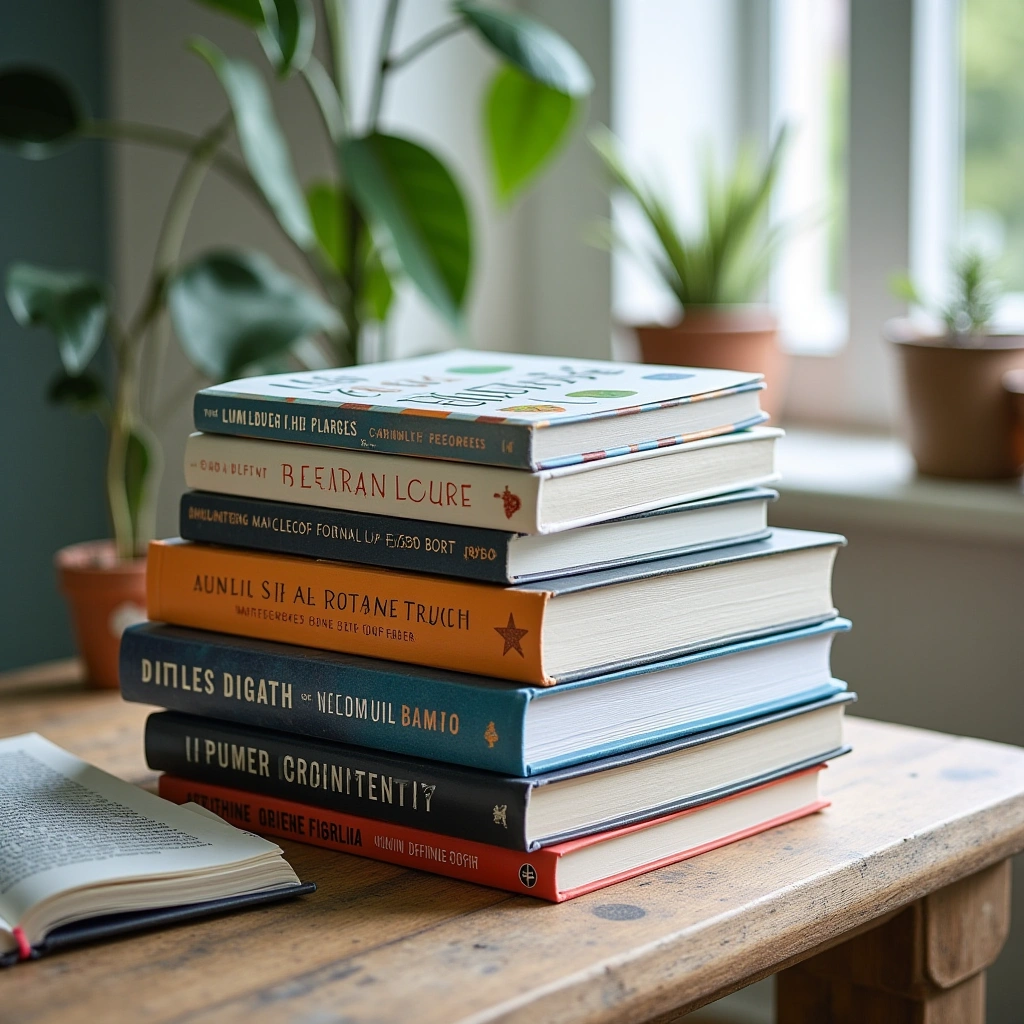
    The top 3 climate change books are: 1) This Changes Everything: Capitalism vs. The Climate by Naomi Klein, 2) The Uninhabitable Earth: Life After Warming by David Wallace-Wells, and 3) Our House is on Fire: Scenes of a Family and a Planet in Crisis by Greta and Svante Thunberg.

    Ah, climate change—the hot topic that’s definitely not going away anytime soon. If you’re anything like me, you’ve probably spent more time scrolling through climate-related news than you’d like to admit. But let’s face it, the doom and gloom can be overwhelming. So, what’s a concerned citizen to do? Well, if you’re Yung_Eel (and let’s be real, who wouldn’t want to be a cool eel?), you dive into some good old-fashioned reading.

    You might have started with “Just Cool It!” by David Suzuki, which is a solid book, despite being written in 2017. It’s like finding an old pair of shoes in your closet—you know they’re not the latest style, but they’re still comfortable and reliable. But now you want to know what’s been happening since then and what we can do moving forward.

    So, let’s explore some book recommendations that will help you keep your finger on the pulse of climate action and provide some inspiration for your future studies in climate technology.

    1. “This Changes Everything: Capitalism vs. The Climate” by Naomi Klein

    If you haven’t read this yet, it’s time to add it to your list. Klein argues that the climate crisis is fundamentally a crisis of capitalism. It’s a bit like realizing that your favorite ice cream is actually a diet-busting calorie bomb. Klein’s insights are sharp, and she provides a compelling case for how we can reshape our economy to prioritize the health of our planet.

    2. “The Uninhabitable Earth: Life After Warming” by David Wallace-Wells

    Hold onto your hats, folks—this one is a wild ride. Wallace-Wells paints a vivid picture of what our future could look like if we don’t take action. Spoiler alert: it’s not pretty. But sometimes you need that jolt of reality to motivate you to act. Just keep a glass of water nearby—this book can be a bit of a gut punch.

    3. “Field Notes from a Catastrophe: Man, Nature, and Climate Change” by Elizabeth Kolbert

    Kolbert takes you on a journey to various locations around the globe, showing real-world examples of climate change in action. It’s like a travel guide, but instead of recommending cute cafes, it warns you about rising sea levels and melting glaciers. Her writing is accessible and engaging, making it a must-read for anyone looking to understand the tangible effects of climate change.

    4. “The Future We Choose: Surviving the Climate Crisis” by Christiana Figueres and Tom Rivett-Carnac

    This book is like a friendly pep talk from two climate experts who were in the trenches of the Paris Agreement negotiations. They outline two possible futures—one where we take action and one where we don’t. Spoiler: the first one is much better. It’s a hopeful read that provides actionable steps for individuals and communities.

    5. “How to Avoid a Climate Disaster: The Solutions We Have and the Breakthroughs We Need” by Bill Gates

    Gates dives into the nitty-gritty of what it will take to reach zero emissions. It’s a mix of practical advice and optimism—kind of like a TED Talk in book form. If you’re looking for a roadmap of the innovations we need to combat climate change, this book is a great place to start.

    6. “The Ministry for the Future” by Kim Stanley Robinson

    Okay, so this one is a novel, but it’s a fascinating look at how the world might respond to climate change in the near future. It’s speculative fiction, but it’s grounded in real science and policy proposals. Plus, it’s a great way to escape reality for a bit while still contemplating the serious issues at hand.

    Wrapping It Up

    So there you have it, a selection of books that can help you expand your understanding of climate change and inspire you to take action. Whether you’re looking for hard-hitting facts, hopeful solutions, or a fictional glimpse into the future, there’s something here for you. And remember, while reading about climate change can be a bit heavy, it’s also empowering. Knowledge is power, and who knows? Maybe one of these books will spark the next big idea in climate technology that saves the world.

    Now, if you’ll excuse me, I’m off to add these to my reading list. Because let’s be honest, the only thing more daunting than climate change is my ever-growing pile of books!


    Inspired by: “Book Recommendations for 2023-FUTURE Climate Shift” (r/climatechange)

  • Tropical Forests: The Climate Change Drama Across Continents

    Tropical Forests: The Climate Change Drama Across Continents

    Despite CO2 fertilisation, ongoing … {CCP7.2.3; CCP7.3 } Large-scale tropical deforestation affects regional to continental scale climates with significant impacts on forest resilience (high confidence). …

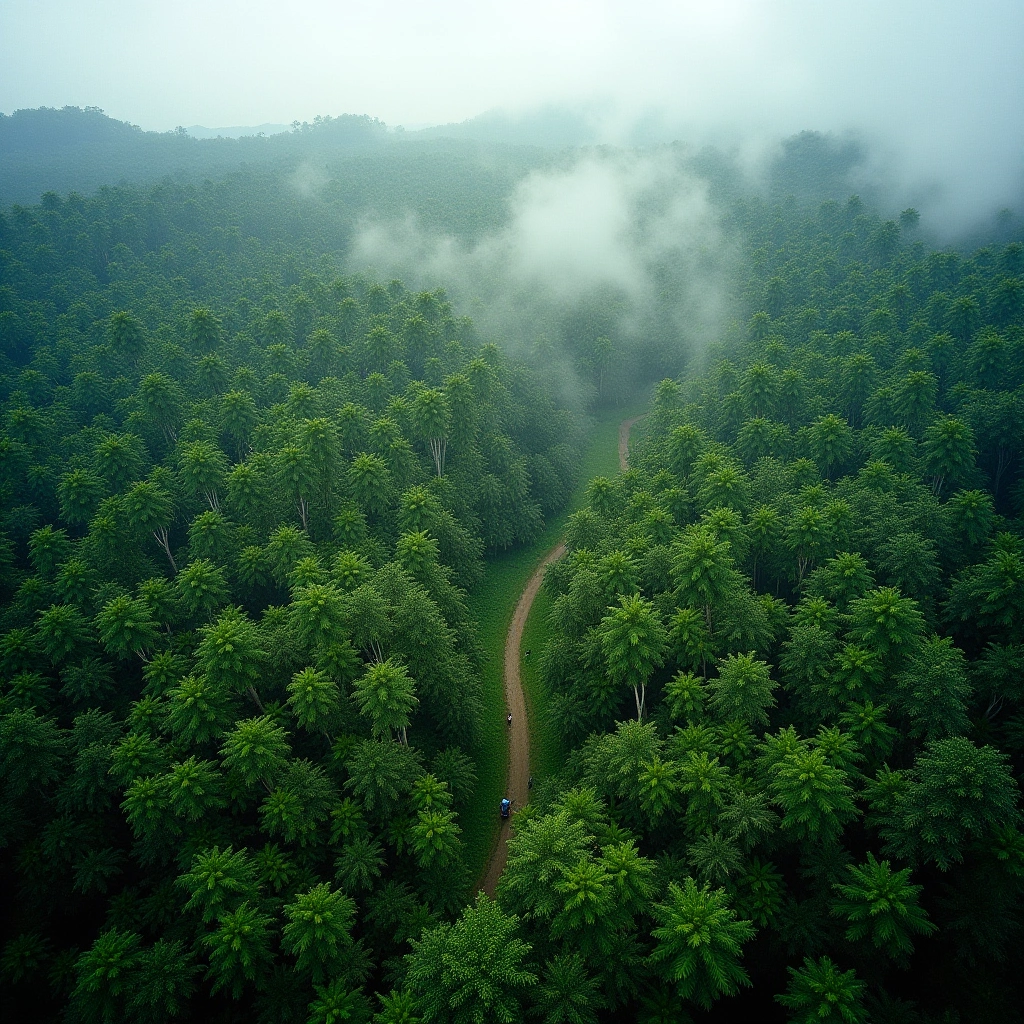
    Have you ever thought about how tropical forests might be like the high-maintenance friends of the climate change world? They’re not all reacting the same way to the climate crisis, and it’s creating quite the continental drama! Thanks to some new satellite data, we’re getting a front-row seat to how these lush green giants are responding to the changes in climate across different continents.

    First off, let’s set the stage. Tropical forests, those verdant expanses we often associate with exotic wildlife and adventure novels, are essential to our planet. They act as the lungs of the Earth, absorbing carbon dioxide and providing oxygen. But it turns out, they have their own personalities when it comes to dealing with climate change. Who knew that trees could be so complicated?

    According to the recent findings shared on Reddit, these forests respond differently based on where they’re located. It’s like a reality show where each contestant has their own strategy for surviving the game. In South America, for example, the forests seem to be more resilient, adapting to changes in rainfall and temperature. Meanwhile, in Africa, they might be throwing a bit of a tantrum, struggling with the heat and droughts. And in Asia? Well, let’s just say they’re trying to keep it together while facing a unique set of challenges.

    This difference in response can be attributed to several factors, including local climate conditions, soil types, and the existing biodiversity within these forests. It’s kind of like how some people thrive in hot weather while others turn into puddles of sweat. Some forests have the right mix of elements to adapt, while others are left gasping for air.

    But why does this matter, you ask? Well, understanding how these forests are reacting to climate change is crucial for conservation efforts. If we know which forests are thriving and which are struggling, we can tailor our conservation strategies accordingly. It’s all about giving these green giants the best chance to survive and continue doing their job of keeping our planet healthy.

    Additionally, the satellite data is a game changer. It allows scientists to monitor these forests in real-time, providing insights that were previously difficult to gather. It’s like having a bird’s eye view of the situation, except it’s not just a bird; it’s a satellite, which is way cooler.

    So, what can we do with this information? Well, for starters, we can support policies that protect these vital ecosystems. Whether it’s advocating for sustainable practices or simply planting a tree or two in our own backyards, every little bit helps. Plus, it gives us a chance to feel like eco-warriors, and who doesn’t want to feel heroic?

    In conclusion, the drama of tropical forests responding to climate change across continents is a complex tale worth following. With satellite data shining a light on their responses, we have the opportunity to become better stewards of the environment. So let’s keep our eyes on these forests and do our part to ensure they continue to thrive, because nobody wants to see their favorite green friends fade away. Let’s treat our tropical forests like the high-maintenance pals they are and give them the support they need to weather this climate change storm!


    Inspired by: “Satellite data reveal tropical forests respond differently to climate across continents” (r/climatechange)

  • The Carpet Conundrum: When Your Order Doesn’t Match Your Vision

    The Carpet Conundrum: When Your Order Doesn’t Match Your Vision

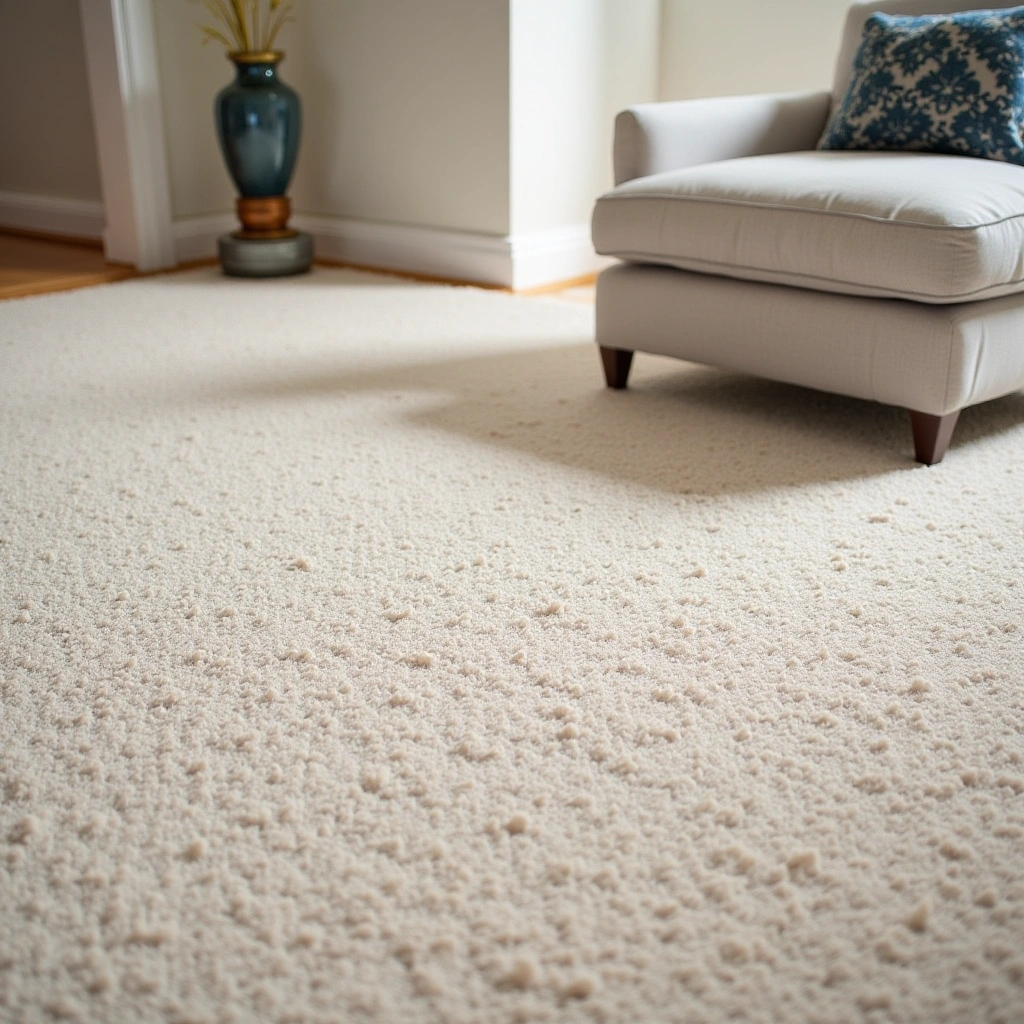
    This happens because of the differences in how colours appear on screens due to resolution, display settings, and lighting. The colours on your device might be enhanced or distorted, leading to an expectation that doesn't match reality .

    Ah, the joys of online shopping! You click, you browse, you have your credit card at the ready, and suddenly you find yourself ordering a carpet that you believe will transform your living space into a cozy haven. But then reality hits, and you realize that what you envisioned in your mind is not quite the same as what arrives at your doorstep. Let’s dive into this mildly infuriating yet all-too-common scenario that many of us have faced.

    So, here’s the deal: you’re scrolling through your favorite online store, and you spot a carpet that speaks to your very soul. It’s plush, it’s colorful, it practically screams, “Take me home!” You click “Order” with the excitement of a kid on Christmas morning. Fast forward a few days, and the doorbell rings. You rush to the door, heart racing, only to find a package that looks suspiciously smaller than you imagined.

    You tear it open, and what do you find? A carpet that would be more suited for a dollhouse than your living room. It’s as if the universe conspired against you, mocking your taste and expectations. You can almost hear the carpet whispering, “Did you really think I’d fit that space?”

    Now, if you’re anything like me, your first reaction is to laugh. I mean, who doesn’t love a good dose of irony? But then reality sets in, and the frustration bubbles to the surface. You start questioning everything: Was it the dimensions listed on the site? Did the colors somehow change in transit? Or was it the classic case of ‘what you see is not what you get’?

    Let’s not even get started on the customer service part of it. You’ve got to contact the store, explain your plight, and likely deal with a series of automated responses that make you feel like you’re speaking to a robot programmed to ignore your actual concerns. “Your carpet is on its way back to us, and we will process your refund in 5-7 business days.” Right, because that’s exactly what I wanted to hear after waiting for weeks.

    This whole carpet debacle can really throw a wrench in your home decor plans. You had visions of hosting dinner parties on this beautiful rug, and now you’re left with a carpet that’s barely big enough for your cat to nap on. And let’s be honest, the cat doesn’t even seem impressed.

    So, what can we learn from this experience? First, always double-check the dimensions before hitting that order button. And maybe, just maybe, read the reviews. If half of them mention that the carpet is the size of a placemat, you might want to reconsider.

    In conclusion, while ordering a carpet online may seem like a harmless endeavor, it can quickly turn into a mildly infuriating saga. But hey, at least you’ve got a funny story to tell at parties. Just be sure to mention how your cat has claimed the tiny carpet as her throne, because let’s be real, that’s the only silver lining in this plush predicament.


    Inspired by: “Ordered a carpet” (r/mildlyinfuriating)