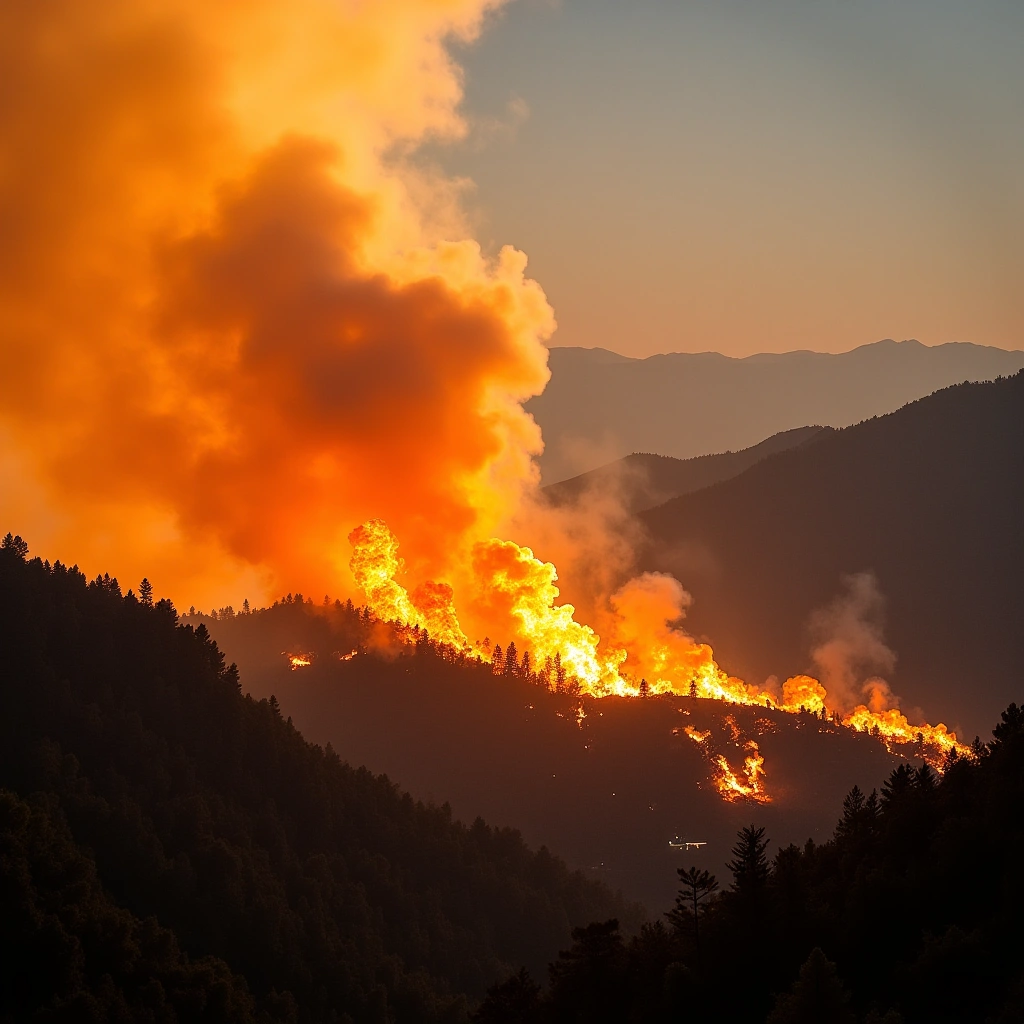
A wildfire, forest fire, brushfire or a bushfire is an unplanned and uncontrolled fire in an area of combustible vegetation. Some natural forest ecosystems depend on wildfire. Modern forest management often engages in prescribed burns to mitigate fire risk and promote natural forest cycles.
Ah, wildfires. Those blazing beauties that seem to pop up more frequently than a cat meme on the internet. While we often think of them as just the ultimate party poopers, polluting our air and ruining summer BBQs, they might actually be doing something a bit unexpected. Enter the rain: Mother Nature’s own way of playing the ultimate prank on us. Turns out, rain might just turn that smoky haze into a form of fertilizer. Yes, you heard it right – smoke can become food for the earth. Let’s dive into this surprising twist in the wildfires narrative.
First, let’s get the basics out of the way. Wildfires release tons of particulate matter and pollutants into the air. This is the stuff that makes you cough, wheeze, and contemplate your life choices while staring longingly at your air purifier. But here’s where it gets interesting: when it rains, those particles can wash down to the ground. And instead of just being a nuisance, they may enrich the soil.
Now, before you start envisioning lush, green landscapes sprouting from charred remains, let’s break down the science a little. The smoke from wildfires contains nutrients like nitrogen and phosphorus, which are essential for plant growth. When rain falls, it can help to bind these elements to the soil. Essentially, nature is saying, “Hey, I know this fire was a bit of a disaster, but let’s make the best of it, shall we?” It’s like finding a silver lining in a cloud of smoke, quite literally.
But don’t go planting your garden just yet. While this process sounds like a miracle, it’s not a perfect solution. The nutrients from wildfire smoke can be beneficial, but they can also be toxic in high concentrations. So, while your soil might get a little boost, it could also be harboring some not-so-friendly elements that could make plants think twice about growing there. It’s like a buffet where some dishes look good but might leave you feeling a little queasy. So, proceed with caution!
Additionally, the timing of the rain matters. If it rains too soon after a wildfire, it can lead to runoff that washes away the nutrients before they get a chance to settle in. It’s a bit like trying to catch a cold drink on a hot day – you can’t always grab it in time. Plants need a little bit of time to soak up those nutrients, so it’s a delicate balance.
So, what does this all mean for us? Well, it’s a reminder that nature is complex, and the impacts of wildfires aren’t as straightforward as they seem. While we should definitely be concerned about air quality and the immediate dangers of wildfires, we also need to recognize that ecosystems can adapt and sometimes even thrive in the aftermath. It’s like when your friend bounces back after a breakup and comes back stronger – just with a bit more ash and soot.
In conclusion, while wildfires aren’t exactly the life of the party, they do contribute to the intricate dance of nature’s cycles. And who knew that rain could turn smoke into something that helps foster new life? So, the next time you see a wildfire on the news, remember: amidst the chaos and destruction, there’s a chance for renewal. Just don’t forget your mask when you step outside!
Inspired by: “Wildfires don’t just pollute the air, rain may turn its smoke into fertilizer” (r/climatechange)