Justifications for the continued use of fossil fuels were security, affordability, and reliability , typical arguments for those unwilling to stand with the world in the fight against climate change.
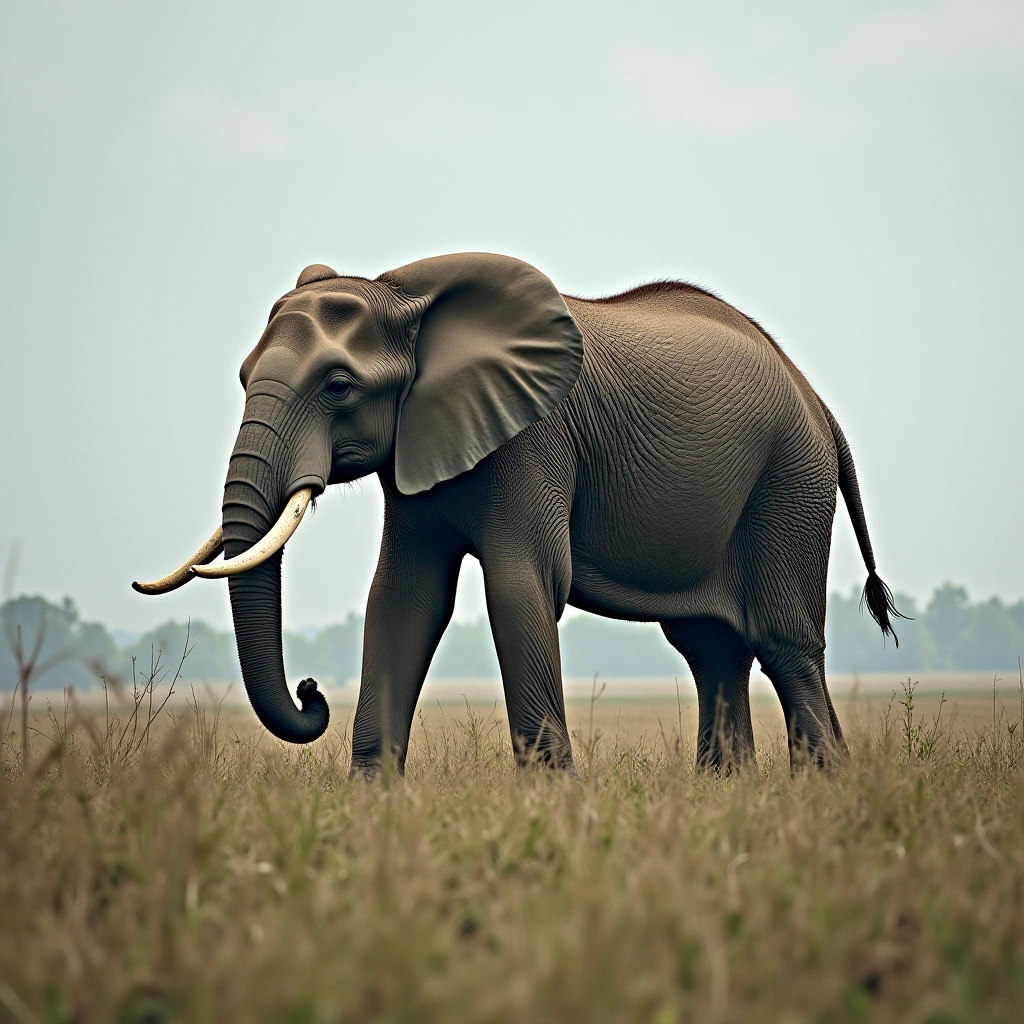
Let’s talk about the elephant in the room. No, not the adorable plush toy in your kid’s room, but the very real and very large issue that lurks behind the curtain of climate change discussions. While many of us are busy debating the merits of electric cars and cardboard straws (because, apparently, those are our biggest concerns now), there’s a whole buffet of environmental issues that we seem to be ignoring. Spoiler alert: it’s not just fossil fuels.
Now, don’t get me wrong. Fossil fuels are bad. They’re like that one friend who always shows up uninvited and eats all your snacks—nobody likes them, but they keep coming back. But if we were to wave a magic wand and eliminate all fossil fuels overnight, we’d still be left with a massive pile of other problems that need addressing. Imagine trying to clean your house by just shoving everything under the rug. Spoiler: the mess is still there, and it’s probably grown a few new friends.
First on the list is the waste we dump into our oceans. Did you know that the ocean is more than just an Instagram backdrop for your vacation photos? It plays a crucial role in regulating the Earth’s climate. Yet, we treat it like a giant dumpster. Plastic, chemicals, and who knows what else are being tossed into the sea like confetti at a parade. This pollution not only harms marine life but also disrupts the ocean’s ability to absorb carbon dioxide. So, while we’re all patting ourselves on the back for using reusable bags, the ocean is still choking on our leftovers.
And let’s not forget about deforestation. Trees are like the Earth’s lungs, and we’re busy hacking them down like they owe us money. Every time we clear a forest for agriculture or development, we’re not just losing trees; we’re also losing biodiversity and the natural systems that help us combat climate change. It’s like deciding to go on a diet by cutting out all the healthy food while still gorging on pizza—good luck with that plan!
But here’s where it gets really interesting (and by interesting, I mean a bit infuriating). We often hear about the need for individual action: reduce, reuse, recycle! But what about those billion people who are still stripping the oceans of their resources? You know, the ones who think that shark fin soup is a delicacy and that rhino horn can cure anything from a headache to heartbreak? It’s like they’re living in a different universe where common sense and conservation don’t exist.
It’s easy to point fingers at individuals for their choices, but we can’t ignore the systemic issues at play. The reality is that many people and industries are contributing to environmental degradation, and they’re often the ones least affected by the consequences. Little do they know, their rivers won’t clean themselves, no matter how much they pray to the gods of denial.
So, while we’re all busy debating whether a cardboard straw is better than a plastic one, let’s not forget the bigger picture. The climate crisis is not just about reducing fossil fuels; it’s about addressing a multitude of interconnected issues that threaten our planet. It’s about holding industries accountable, protecting our oceans, and, yes, even educating those who still think crushed rhino horn is a miracle cure.
In conclusion, let’s have the tough conversations. Let’s talk about the waste we produce, the forests we destroy, and the oceans we neglect. Let’s acknowledge that while we might feel good about our small efforts, they won’t be enough if we don’t address the elephant in the room. After all, it’s going to take more than just cardboard straws to save the world. So, how about we start by cleaning up the mess we’ve made? Now that sounds like a plan.
Inspired by: “The elephant in the room” (r/climatechange)