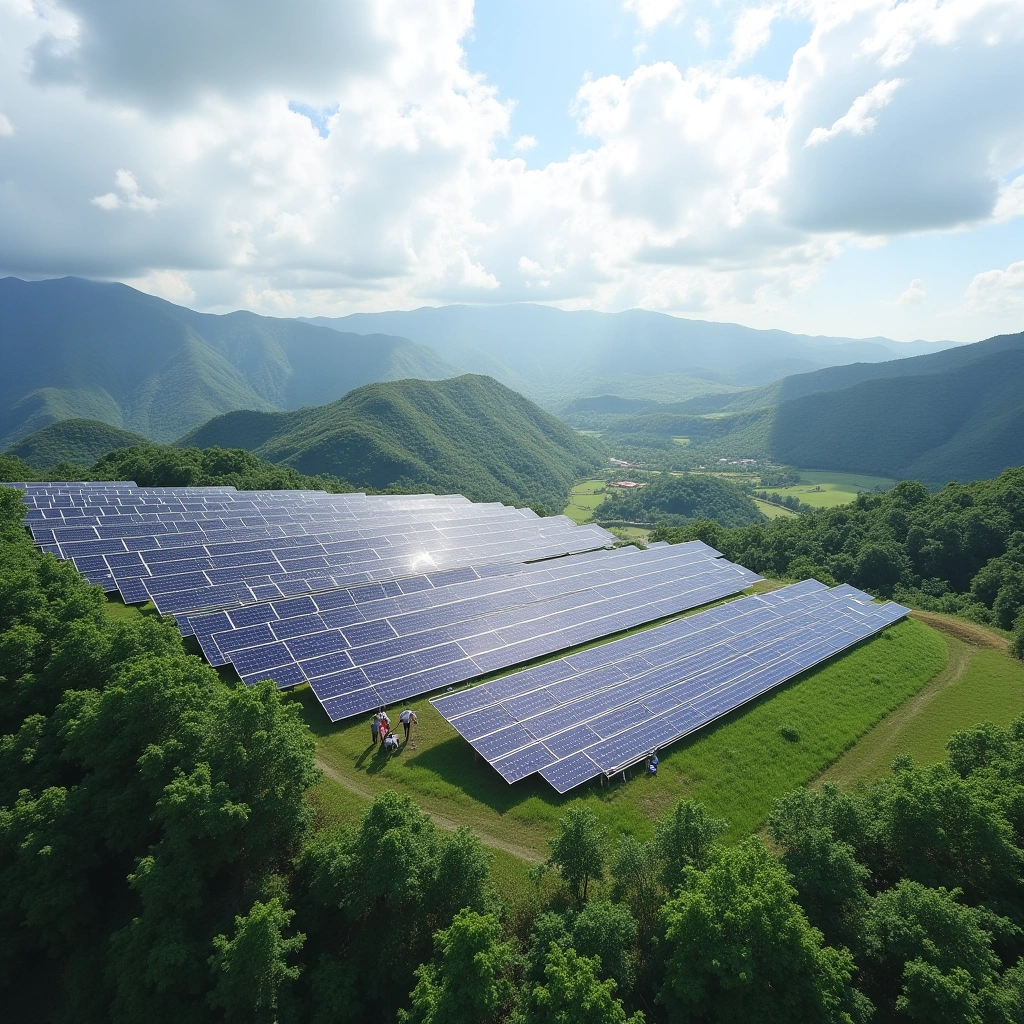
Category: Nature

  • Antarctica’s Climate Variability: It’s Not a ‘New Normal’, Folks!

    Antarctica’s Climate Variability: It’s Not a ‘New Normal’, Folks!

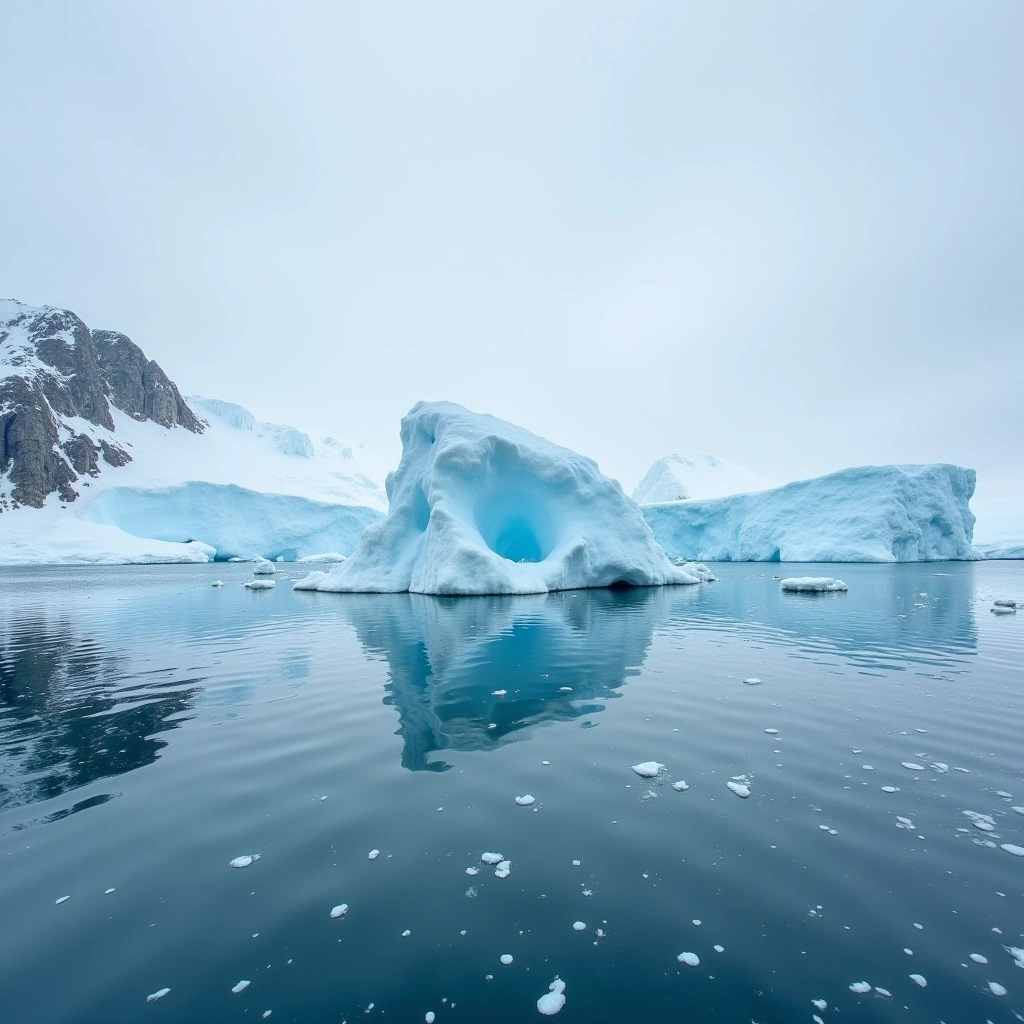
    Despite its isolation, Antarctica has experienced warming and ice loss in recent decades, driven by greenhouse gas emissions. West Antarctica warmed by over 0.1 °C per decade from the 1950s to the 2000s, and the exposed Antarctic Peninsula has warmed by 3 °C (5.4 °F) since the mid-20th century.

    Ah, Antarctica! The land of ice, penguins, and the occasional climate surprise. Recently, scientists have been scratching their heads over a brief rebound in Antarctica’s ice levels. But hold your polar bears, because it turns out that this rebound is more about climate variability than any sort of ‘new normal’. So let’s grab a hot cocoa (or something stronger) and dive into this frosty topic.

    First off, let’s clarify what we mean by ‘climate variability’. This isn’t just a fancy way of saying that the weather is a bit moody. Climate variability refers to the natural fluctuations in climate patterns over time—think of it like Mother Nature’s version of a mood swing. One moment she’s icy and cool, and the next, she’s warming up for a bit of a thaw.

    The recent research indicates that the temporary increase in ice levels observed in parts of Antarctica was due to these natural variabilities, rather than any long-term changes in climate. In other words, it’s not like Antarctica suddenly decided to take a break from global warming. It’s more akin to that friend who goes on a health kick for a week only to dive headfirst into a pizza binge the following weekend.

    So, why does this matter? Well, for starters, it means we shouldn’t throw our hands up in the air and declare that climate change is over just because Antarctica had a brief moment of ice glory. The reality is that the climate is still warming, and any temporary rebounds in ice levels are just that—temporary. They’re like a sugar rush; it feels great until it crashes.

    Moreover, understanding these variabilities can help scientists predict future climate patterns more accurately. If we know that some of these ice fluctuations are part of a natural cycle, we can better differentiate between what’s normal and what’s not. This is crucial for policymakers, researchers, and anyone who likes to keep their head out of the melting icebergs.

    And let’s be real here: while it might be tempting to view Antarctica’s rebound as a sign that things are getting better, we need to keep our expectations in check. Just because the ice decided to show off for a hot minute doesn’t mean it’s here to stay. If anything, it’s a reminder that climate change is a complex beast, and we’re still learning how to tame it.

    To sum it all up, while Antarctica may have had a brief moment of glory, it’s important not to mistake it for a permanent change. Climate variability is a real thing, and it’s keeping scientists busy trying to figure out what it all means for our planet. So, the next time someone tells you that the ice is back, just nod knowingly and remind them that it’s all part of the natural cycle—until it isn’t.

    Now, if you’ll excuse me, I’m off to prepare for the inevitable thaw. Cheers!


    Inspired by: “Antarctica’s brief rebound was caused by climate variability, not a ‘new normal’” (r/climatechange)
  • Farming in a Hot Mess: The Rise of Climate-Resilient Agriculture in Europe

    Farming in a Hot Mess: The Rise of Climate-Resilient Agriculture in Europe

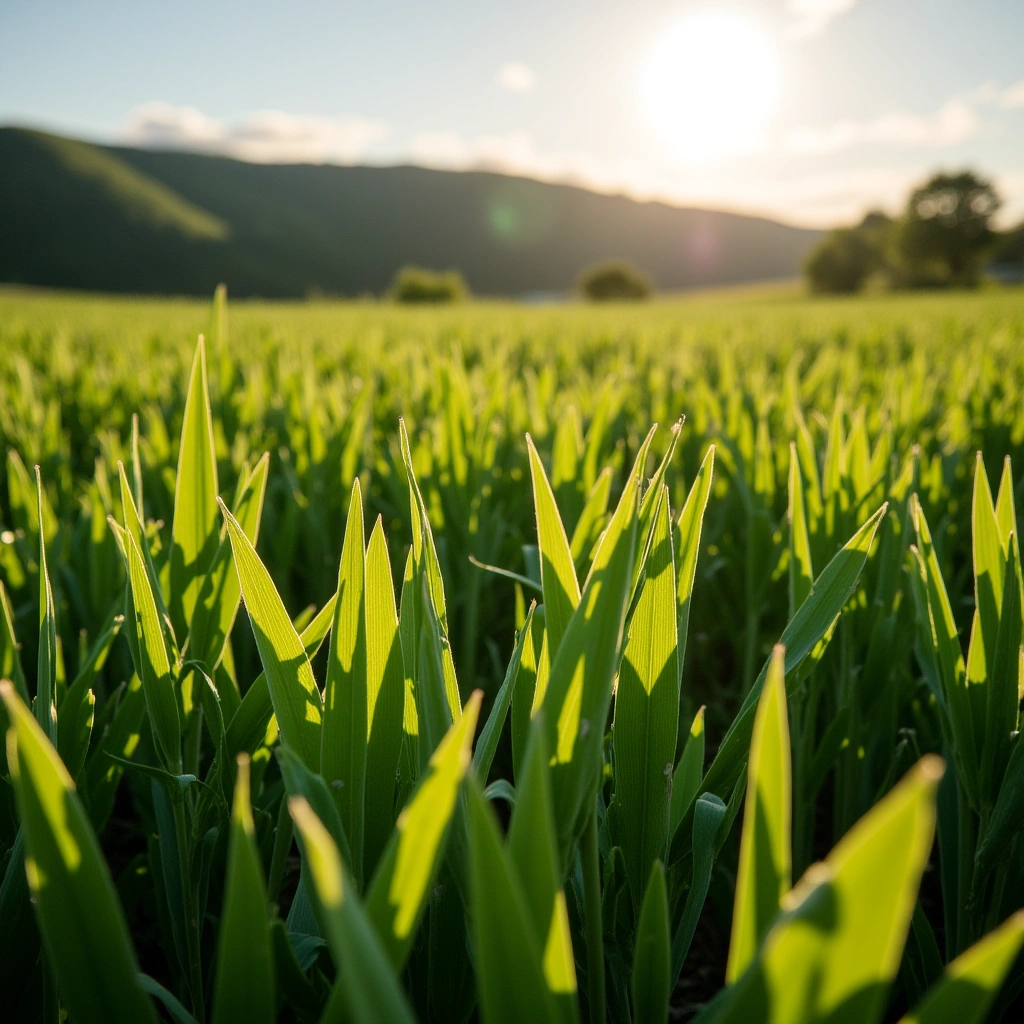
    Agriculture in southern Europe operates in a context of chronic drought, heat stress, soil erosion and water scarcity , making climate resilience a condition for economic survival rather than an optional transition.

    As Europe finds itself in the throes of a serious heatwave, with temperatures soaring higher than a cat on a hot tin roof, the conversation around climate-resilient farming is heating up—pun intended. While we all love a sunny day, the kind of relentless baking that’s happening across the continent is pushing farmers and policymakers to rethink how we grow our food. After all, no one wants to feast on charred crops.

    So, what exactly is climate-resilient farming? In simple terms, it’s about adapting agricultural practices to withstand the increasingly unpredictable weather patterns that climate change is throwing our way. Think of it as farming with a safety net, or perhaps more accurately, farming with an umbrella in a torrential downpour.

    With the recent heatwave, the urgency for these practices has reached a boiling point. Farmers are experiencing firsthand the effects of climate change, from droughts to floods, and everything in between. If you’ve ever tried to grow a plant and forgot to water it, you’ll understand the struggle. Now imagine that on a much larger scale, with millions of crops at stake.

    This isn’t just a farmer’s problem; it’s a global issue. With Europe being a major player in the agricultural market, the ripple effects of climate change could impact food prices worldwide. So, what can be done? Enter climate-resilient farming techniques. These include everything from crop rotation and agroforestry to using drought-resistant seed varieties. It’s like giving crops a superhero cape—ready to face whatever Mother Nature throws at them.

    One approach that’s gaining traction is regenerative agriculture, which focuses on rebuilding soil health and biodiversity. Farmers are realizing that healthy soil is like the foundation of a house; without it, everything else collapses. And let’s be honest, nobody wants their house to collapse—unless it’s that annoying neighbor’s house that always seems to have a party when you’re trying to sleep.

    Moreover, water management is becoming a hot topic (yet another pun!). Efficient irrigation systems and rainwater harvesting can make a world of difference. It’s all about using resources wisely, ensuring that crops get just enough water without drowning in it. If only we could apply this principle to our own lives—imagine the savings on your water bill!

    As the climate continues to change, the need for innovation in agriculture is more critical than ever. The good news is that farmers are not alone in this fight. Governments, NGOs, and even tech companies are stepping up to provide support and resources. Whether it’s through funding, research, or just plain old moral support, it’s clear that collaboration is key.

    In the grand scheme of things, climate-resilient farming isn’t just about saving crops; it’s about securing our future. If we want to keep enjoying our favorite foods without facing skyrocketing prices or empty supermarket shelves, we’ve got to adapt. So, while Europe may be baking, let’s hope that the momentum for climate-resilient farming continues to rise like a perfectly baked loaf of bread—golden brown and ready to serve.

    In conclusion, as we watch Europe sweat it out, let’s keep our fingers crossed that farmers embrace these climate-resilient techniques. Because if we don’t, we might just find ourselves eating more cardboard-flavored snacks in the future. And nobody wants that.


    Inspired by: “As Europe bakes, momentum grows for climate-resilient farming” (r/climatechange)

  • The China Conundrum: How Competition Might Sabotage Global Climate Action

    The China Conundrum: How Competition Might Sabotage Global Climate Action

    China's dominance of key green technologies is helping to subsidize the global transition to a low-carbon economy, but trade tensions could make it harder for other countries to meet their climate targets , according to a new report led by …

    Ah, the age-old dilemma of competition. It’s like that game of musical chairs where instead of chairs, we have countries, and instead of music, we have climate change. And guess who is leading the pack? Yep, you guessed it—China. A recent report has raised a pretty alarming flag suggesting that the race to outdo China in the global arena could actually slow down crucial climate action. So, let’s unpack this, shall we?

    First off, let’s acknowledge that China is currently the world’s largest emitter of greenhouse gases. This little factoid tends to make other countries sweat bullets, especially those trying to strut their stuff on the international stage. The report suggests that in a bid to compete with China’s economic prowess, countries might prioritize economic growth over environmental sustainability. Because, you know, who needs a habitable planet when you can have a booming economy?

    Now, before we start pointing fingers and playing the blame game, it’s important to note that the competition with China isn’t just about who can build the biggest skyscraper or produce the most gadgets. It’s also about technological advancements and green energy initiatives. The irony here is palpable—countries are so busy trying to outshine China that they may forget to shine a light on the pressing issue of climate change.

    Imagine this: instead of collaborating on global initiatives to tackle climate change, countries might end up in a race to the bottom, trying to one-up each other in terms of fossil fuel production or carbon emissions. Sounds like a fun game, right? Except it’s not. This kind of competition could derail the progress made in international climate agreements, such as the Paris Accord, which, let’s be honest, is already hanging by a thread.

    But wait, there’s more! The report also points out that this competitive mindset might lead to a lack of investment in renewable energy. Why invest in solar or wind when you can put your money into coal and oil, right? It’s like choosing to buy a flip phone in a world of smartphones. Sure, it might make you feel nostalgic, but it’s not exactly paving the way for future generations.

    So, what’s the solution? Well, it’s not rocket science. Countries need to band together like the Avengers of climate action. Instead of competing, they should be collaborating on innovative solutions that benefit everyone. Imagine a world where countries share technology and resources to combat climate change rather than hoarding them like a squirrel with its acorns. Now that would be a plot twist worthy of a blockbuster!

    In conclusion, while competition has its place in the world economy, it should not come at the expense of our planet. If we want a livable Earth for future generations, we need to prioritize climate action over nationalistic rivalries. Because at the end of the day, it doesn’t matter who wins the economic race if we’re all losing in the battle against climate change. Let’s hope our leaders are listening—or at least tuning in to the right frequency.

    So, what do you think? Are we doomed to watch this competitive circus unfold, or is there hope for a more collaborative approach? Let me know in the comments below!


    Inspired by: “Trying to compete with China could slow global climate action, report warns” (r/climatechange)

  • Hobbies That Help Fight Climate Change: Because Saving the Planet Can Be Fun!

    Hobbies That Help Fight Climate Change: Because Saving the Planet Can Be Fun!

    … Simple things like walking every day rather than driving short distances . Gardening, particularly growing your own food, mulch production with green waste, are also fun and good for the planet.

    So, you’ve come to the harsh realization that your job isn’t exactly a superhero gig fighting climate change. Don’t worry, you’re not alone! Many of us feel like we’re stuck in our cubicles while the planet is slowly melting away. But fear not! There are plenty of hobbies that can make a positive impact on the environment while giving you a great way to spend your free time. Let’s dive into some fun and sometimes a bit quirky hobbies that can help tackle climate change!

    Gardening: The Original Green Thumb

    Let’s start with a classic: gardening. Not only does it give you fresh veggies to munch on, but it also helps sequester carbon and supports local biodiversity. Plus, who doesn’t want to feel like a plant parent? Just be prepared for the occasional existential crisis when your tomato plant gives you the silent treatment.

    Composting: The Art of Rot

    If you want to embrace your inner scientist (or mad scientist, depending on how you look at it), composting could be your new favorite hobby. It’s a great way to reduce food waste and create nutrient-rich soil for your garden. Just remember, composting smells like a mix between a landfill and a really bad science experiment gone wrong, so keep it outside and away from your neighbors’ noses.

    Upcycling: Because Trash Can Be Fashionable

    Upcycling is the hobby that turns trash into treasure. You know those old jeans you’ve been holding onto since college? Turn them into a trendy tote bag! Or that pile of wine corks? They can become coasters. The best part? You get to feel like a crafty genius while saving the planet from unnecessary waste. Just be prepared for your friends to roll their eyes when you brag about your latest upcycled masterpiece.

    Hiking and Nature Walks: Get Your Steps In

    Not only is hiking a great way to exercise, but it also helps you appreciate the beauty of nature. And the more you appreciate nature, the more likely you are to fight to protect it. Plus, it’s a perfect excuse to wear your favorite outdoor gear that you probably bought during a sale you didn’t need. Bonus: You might even stumble upon a few local cleanup projects along the way!

    Advocacy: Channel Your Inner Activist

    If you’re more of a talker than a doer, consider getting involved in climate activism. Whether it’s writing letters to your local representatives, organizing community cleanups, or simply educating your friends about climate issues, your voice matters! Just remember to keep it civil when arguing with that one friend who thinks climate change is a hoax. We all know that person.

    DIY Projects: Because Who Doesn’t Love a Good Pinterest Fail?

    If you’re handy with tools (or just really good at following YouTube tutorials), consider taking on DIY projects that promote sustainability. Build your own solar oven, create a rain garden, or even make your own natural cleaning products. Just be prepared for the occasional Pinterest fail, but hey, that’s part of the fun, right?

    Cooking: From Farm to Table

    Cooking can be a fantastic hobby that also helps reduce your carbon footprint. By cooking at home and using local, seasonal ingredients, you’re not only making delicious meals but also supporting sustainable agriculture. Plus, you get to impress your friends with your culinary skills (or at least the ability to boil water).

    Birdwatching: A Hobby With a View

    Feeling a bit more on the chill side? Birdwatching is a peaceful way to connect with nature and can help you appreciate the biodiversity we’re trying to protect. Plus, it’s a great excuse to sit quietly in your backyard with a pair of binoculars and pretend you’re on a nature documentary. Just be careful not to accidentally scare off the birds with your excited commentary!

    Conclusion: Choose Your Adventure

    So, there you have it! A plethora of hobbies that not only keep you entertained but also contribute to the fight against climate change. Whether you want to dig in the dirt, get crafty, or advocate for change, there’s something for everyone. Remember, every little bit helps, and who knows? You might just inspire someone else to join the cause! So, grab your gardening gloves, your compost bin, or your favorite hiking boots and get to work saving the planet, one hobby at a time!


    Inspired by: “What are some good hobbies that help tackle climate change related issues?” (r/climatechange)

  • Double the Sun: How the Philippines is Embracing Solar Power to Tackle Climate Change

    Double the Sun: How the Philippines is Embracing Solar Power to Tackle Climate Change

    Rooftop solar has likely almost doubled in the last 12 months . The Institute for Climate and Sustainable Cities (ICSC) measured rooftop solar in the Philippines at 712 megawatts (MW), using satellite images up to January 2025.

    The Philippines is making waves in the renewable energy scene, and it’s not just because of its stunning beaches and vibrant culture. The archipelago is embarking on a dual solar transformation that’s turning heads, and for good reason. With foreign capital flooding in to ramp up solar energy production and innovative small-scale solar-and-battery systems emerging, the country is on a mission to not only add gigawatts but also to finally bend that pesky coal curve downwards. Let’s dive into this sunny revolution, shall we?

    First up, let’s talk about the big players: foreign capital. In the world of renewable energy, money talks louder than a toddler who just discovered their voice. With investments pouring in from overseas, the Philippines is set to significantly increase its solar capacity. This influx of cash isn’t just about adding a few solar panels here and there; it’s about massive projects that could lead to gigawatts of energy being added to the national grid. And let’s be honest, the more gigawatts, the better. It’s like ordering a double shot of espresso instead of a single—more energy, please!

    Now, let’s not forget about the second transformation: small, disconnected solar-and-battery systems. These systems are like the underdogs of the energy world, quietly but effectively doing their part to ensure that communities can weather the storms—literally. With the increasing frequency of typhoons and storms battering the islands, having a reliable energy source that isn’t reliant on the centralized coal-heavy grid is becoming more crucial than ever. Imagine being able to power your home even when the national grid is down because a storm decided to throw a tantrum. Sounds pretty great, right?

    These small-scale systems are designed to be resilient, which is a fancy way of saying they can handle whatever Mother Nature throws at them. And let’s face it, she’s been in a mood lately. By investing in localized solar power, communities can take control of their energy supply, reducing their reliance on coal and other fossil fuels. It’s like having a secret stash of snacks—you know you’re covered even when the main supply runs dry.

    But why is this all happening now? Well, the Philippines is one of the countries most vulnerable to climate change. With rising sea levels and increasingly severe weather events, the need for sustainable energy solutions has never been more urgent. By harnessing the power of the sun, the country is not only working towards energy independence but also fighting against the very forces that threaten its existence.

    So, what does this mean for the future? If everything goes according to plan, we could see a significant decrease in coal usage in the Philippines. This would not only help the environment but also improve air quality, which is a win-win for everyone involved. Plus, let’s be real—who doesn’t want to breathe cleaner air? It’s like trading in your old, rusty car for a shiny new electric vehicle. You feel good about the choice, and the planet gives you a little thumbs up.

    In conclusion, the Philippines is stepping into the solar spotlight with two transformative strategies that could reshape its energy landscape. With foreign investment fueling large-scale solar projects and small, resilient systems empowering communities, the archipelago is well on its way to a brighter, cleaner future. So, here’s to solar power—may it shine ever so brightly across the islands and help us all breathe a little easier!


    Inspired by: “2 solar transformations at once in the Philippines: foreign capital as the fastest way to add gigaw…” (r/climatechange)

  • Meet the ‘Snow Eaters’: Nature’s Newest Heat Wave Sensation

    Meet the ‘Snow Eaters’: Nature’s Newest Heat Wave Sensation

    So it’s fitting that scientists have started calling these kinds of heat waves, marked by unusually high temperatures in the spring and early summer , “snow eaters.” LaPlante was part of a recent study, published in the journal Science …

    If you thought that climate change was just about warmer summers and the occasional awkward family barbecue where everyone complains about the heat, think again! Scientists have recently identified a new phenomenon that’s as sneaky as it is alarming—let’s give a warm, sarcastic welcome to the ‘Snow Eaters’!

    What exactly are Snow Eaters, you ask? Well, these are not the mythical creatures you’d find in a fantasy novel; they’re actually a new kind of heat wave that’s been wreaking havoc in the Western United States. According to a recent study published in Science Advances, these heat waves are not just your run-of-the-mill warm spells. No, no! They’re like the overachievers of the weather world, causing mountain snow to vanish at roughly twice the usual rate.

    Imagine this: temperatures that stay above freezing day and night for several days—usually between three to five days. That’s right, folks! It’s like Mother Nature decided to crank up the thermostat and throw a snow-melting party, and we weren’t even invited.

    But here’s where it gets really interesting (or alarming, depending on how you look at it). The study found that the area affected by these Snow Eaters has increased by an average of about 40,000 square miles per century since the 1850s. That’s a lot of snow gone poof! And if you think that’s bad, hold onto your hats: the first Snow Eater of the season has been arriving about a month earlier each century. So, if you were hoping to enjoy a nice, leisurely snowball fight in March, you might want to rethink your plans.

    The implications of these Snow Eaters are as serious as they sound. Rapid snowmelt can lead to flooding, not to mention the headaches it creates for water resource management. In an era where every drop counts, the last thing we need is a surprise flood because a bunch of snow decided to melt faster than a popsicle on a summer day.

    In case you’re wondering why these Snow Eaters are becoming more common, it’s pretty straightforward: climate change. As the planet warms, we’re seeing more of these unseasonably warm weather patterns that can turn our beloved winter wonderland into a muddy mess.

    So, what can we do about it? Well, aside from giving a stern talking-to to Mother Nature, we can all do our part to combat climate change. Reduce your carbon footprint, advocate for sustainable practices, and maybe invest in a snow machine if you live in a particularly warm area—because who wouldn’t want to create their own winter wonderland?

    In conclusion, as we navigate this brave new world of climate change, let’s keep an eye on these Snow Eaters. They might not be the cutest critters out there, but they’re certainly making their presence known. Here’s hoping we can figure out how to manage our snow resources before they decide to eat all the snow in sight! Stay cool, everyone—just not too cool.


    Inspired by: “Scientists Are Tracking a New Kind of Heat Wave Called "Snow Eaters" That Can Make Mountain Snow Va…” (r/climatechange)

  • Facing Climate Doom: How to Keep Hope Alive and Action Moving Forward

    Facing Climate Doom: How to Keep Hope Alive and Action Moving Forward

    But if we seek out community and people who stop to smell the roses, walk around with an eco-friendly water bottle, and organize around climate action , we will probably feel supported, motivated, and hopeful.

    Alright, folks, gather ’round because we need to chat about something that’s been weighing heavily on our collective minds: climate doom. Yes, that’s right—while many of us are trying to enjoy our morning coffee without spiraling into existential dread over melting ice caps and rising sea levels, it turns out that this sense of impending doom might actually be doing more harm than good when it comes to taking action against climate change.

    You see, the term “climate doom” refers to the pervasive feeling that we are so far gone that any efforts to combat climate change are futile. It’s like staring at a massive mountain of laundry and deciding to take a nap instead of tackling it. I mean, who hasn’t been there? But here’s the kicker: this mindset can lead to inaction, which is the opposite of what we need right now.

    So, what can we do about it? According to some clever folks on Reddit, there’s a way to counter this doom and gloom narrative. Spoiler alert: it involves a little thing called optimism. Yeah, I know—optimism sounds fluffy and maybe even a bit naive in the face of overwhelming scientific data. But hear me out.

    First off, let’s acknowledge that there’s a lot of bad news out there. It’s like scrolling through social media during a global pandemic—every headline screams catastrophe. However, buried beneath the doom and gloom are also stories of innovation, community resilience, and successful climate actions. We need to amplify these positive stories. Let’s talk about the cities that are becoming more sustainable, the communities that are pushing for green policies, and the individuals who are making a difference, one reusable bag at a time.

    Next, let’s focus on actionable steps. Instead of throwing our hands up in despair, let’s channel that energy into something productive. Start small. Maybe swap out that plastic water bottle for a reusable one or take public transport instead of driving. Each small change adds up and creates a ripple effect. Who knew that saving the planet could also mean fewer trips to the dry cleaner?

    Additionally, let’s engage in conversations that inspire rather than intimidate. Instead of bombarding our friends with doomsday statistics, let’s share successes and solutions. We could even host a climate action potluck (because who doesn’t love free food?) where everyone brings ideas for sustainable living. Just imagine: “I brought quinoa salad and a plan to reduce our carbon footprint!” Sounds fun, right?

    Moreover, let’s not forget about the power of community. Finding a group of like-minded individuals can provide the support and motivation to keep pushing forward. Whether it’s joining a local environmental group or starting a book club focused on climate literature, connecting with others can help combat that feeling of isolation that often accompanies climate doom.

    And finally, let’s remember that change takes time. We didn’t get into this mess overnight, and we certainly won’t fix it overnight either. So, while it’s easy to feel overwhelmed, we must remain patient and persistent. Think of it like training for a marathon. You won’t run 26.2 miles without some sweat and tears—and probably a few blisters along the way.

    In conclusion, while climate doom might be a tempting rabbit hole to fall into, we have the power to counter it with hope, action, and a sprinkle of humor. Let’s keep the conversation going, share our successes, and tackle the climate crisis one small step at a time. Because if we can’t laugh about it, then what’s the point? So grab your reusable bags, rally your friends, and let’s show climate doom that we’re not going down without a fight!


    Inspired by: “Climate doom may discourage climate action, but there’s a way to counter it” (r/climatechange)

  • Agulhas Leakage: The Ocean’s Dramatic Role in Climate Change – Or Not?

    Agulhas Leakage: The Ocean’s Dramatic Role in Climate Change – Or Not?

    As such, the AMOC plays a pivotal role in Earth's climate system. For decades, scientists have proposed that Agulhas Leakage, the transfer of warm, saline Indian Ocean water around South Africa into the Atlantic controlled by shifts in the subtropical front position, supplies salt that supports North Atlantic Deep Water formation and helps sustain or strengthen the AMOC …

    Ah, the Agulhas Leakage! It sounds like the name of a quirky indie band or maybe a new dance move that nobody wants to try. But in the world of climate science, it’s a bit more serious. Recently, a team led by Dr. Suning Hou published some research that turns conventional wisdom about the Agulhas Leakage and its role in Atlantic Ocean circulation on its head. Spoiler alert: it’s not as straightforward as we once thought.

    For those of you who may have tuned out during the last climate lecture (no judgment here), the Agulhas Leakage refers to the warm, salty water that flows from the Indian Ocean into the Atlantic via the Agulhas Current. This phenomenon has long been considered a crucial player in the Atlantic Meridional Overturning Circulation (AMOC) – basically, the ocean’s version of a rollercoaster ride that helps regulate our planet’s climate. The thought was that if the Agulhas Leakage weakens, the entire AMOC would follow suit, leading to all sorts of catastrophic climate consequences. You know, the usual doom and gloom.

    However, Hou and his team took a deep dive (pun absolutely intended) into paleoceanographic proxies from the late Pliocene, a time when our planet was quite different. Their findings suggest that the relationship between Agulhas Leakage and AMOC is far more complex than previously believed. Who would’ve thought that the ocean could be so dramatic?

    One of the most riveting discoveries from this research was during the MIS M2 cooling period, when the Agulhas Leakage nearly shut down. Instead of the AMOC throwing a tantrum and refusing to function, it actually strengthened, albeit with some geographical shifts. The North Atlantic Deep Water Formation, which is as important as it sounds, was still able to do its job, just a bit further south than before. Imagine your favorite coffee shop moving two blocks down but still managing to serve you the same delicious latte. Not too shabby!

    But wait, there’s more! The study also examined the transition from a cooler climate to the mid-Piacenzian Warm Period. You’d think that a warming trend would pump up the vertical overturning process, but nope – it decided to take a break instead. The vertical overturning weakened, and the North Atlantic Deep Water Formation barely made a splash. It’s almost as if the ocean was saying, “Thanks, but no thanks,” to warming, which is a critical reminder that climate systems can behave in unexpected ways.

    Now, before you start planning a beach vacation based on this newfound knowledge, it’s important to note that the researchers caution against directly applying these findings to our current climate situation. The Pliocene epoch had its own unique geography and climate conditions that don’t quite match what we’re dealing with today. So, while we can’t take these findings at face value, they do highlight a key point: the processes governing ocean circulation are not set in stone (or water, for that matter) and can change over geological time.

    In conclusion, the Agulhas Leakage might not be the villain in the climate story we thought it was. Instead, it seems to have a more nuanced role, one that might just keep scientists scratching their heads for years to come. So, the next time you hear about the Agulhas Leakage, remember: it’s not just a flow of water; it’s a complex system that can surprise us. And if nothing else, it gives us a reason to keep talking about the ocean – which, let’s be honest, is way more interesting than discussing the weather.

    Stay curious, my friends!


    Inspired by: “Geological evidence questions the role of Agulhas Leakage in Atlantic Ocean Circulation” (r/climatechange)

  • A Peek into the Future: Dr. Simon Clark’s Predictions on Climate Change

    A Peek into the Future: Dr. Simon Clark’s Predictions on Climate Change

    Technology can certainly reduce future harm that we may do the environment, and I believe that it will do so, but it's not a magic wand capable of turning back the clock . We've already irreversibly changed the climate and now the best we can …

    So, you’ve stumbled across Dr. Simon Clark’s video, “Global Warming: The Century We Saved the Earth,” and now you’re sitting there wondering, “Is this guy for real?” Well, grab your favorite beverage, and let’s dive into the crystal ball of climate predictions together. Spoiler alert: it’s a bit foggy.

    Dr. Clark, along with some of his scientist pals, decided to take a stab at predicting what the next 87 years might look like in the shadow of climate change. And let’s just say, it’s not a sunny forecast. From heat waves in Europe to water wars in Ethiopia, the future sounds like a dystopian rollercoaster ride that no one signed up for.

    The 2020s: Buckle Up!

    First, we kick off in the 2020s, where we’re greeted with heat waves across Europe and flooding in Asia. If you thought 2020 was a wild ride, just wait until you experience 2026 when the AI bubble bursts. Yes, folks, we’ll have robots to blame for our climate woes too. Who knew?

    The 2030s: A Nuclear Affair

    Fast forward to the 2030s, where we see peak CO2 levels and a surprising twist: China and Africa become trading partners, but not in the usual sense. Nope, they’re swapping nuclear and solar technology like it’s the hottest new trend. Meanwhile, sustainable aviation fuels are all the rage, and water wars break out in Ethiopia and the Fergana Valley. It’s like a game of Risk, but with real consequences.

    The 2040s: A Real-Life Sci-Fi Movie

    As we glide into the 2040s, things get even spicier. We surpass the 1.5°C increase in global temperatures, which, let’s be honest, is a milestone we’d rather not hit. Discussions of geoengineering pop up, and we see a staggering 50% of nonhuman species going extinct. Yikes! And if that’s not enough to make you clutch your pearls, we also have to deal with climate refugees, a rise in ecoterrorism, and the looming threat of societal collapse. Talk about a party!

    The 2050s: The Great Collapse?

    By the 2050s, we’re looking at the aftermath of climate change, which includes a fossil fuel collapse. That’s right, state-owned companies will be biting the dust, and parts of Florida, Indonesia, and several Pacific Island nations will be swallowed by rising seas. It’s like watching your favorite beach vacation spot slowly disappear into the abyss.

    The 2060s and Beyond: The Silver Lining?

    But wait, there’s a glimmer of hope! According to Dr. Clark, we might hit net zero emissions around the 2050s to 2060s. That’s right, folks. After all the doom and gloom, we could finally be turning things around. By 2080, we might even reach net negative emissions, thanks to reduced food waste and less meat consumption. Who knew eating your veggies could save the planet?

    The Final Verdict

    In the end, Dr. Clark predicts a world that’s 1.8 to 2°C warmer by 2100, which, let’s be honest, is still pretty dire. While some may roll their eyes at such predictions, it’s hard to ignore the scientific consensus behind climate change. So, does it seem realistic? Well, it’s a mixed bag of possibility and probability.

    If you’re feeling overwhelmed by all this future talk, remember: it’s not too late to make a difference. Whether it’s reducing your carbon footprint, advocating for renewable energy, or just having a good laugh at the absurdity of it all, every little bit helps. Now, go forth and save the planet, one sarcastic comment at a time!


    Inspired by: “How realistic does Dr SImon Clark’s Global Warming: the Century we saved the Earth. Truly seem to y…” (r/climatechange)

  • India’s Climate Conundrum: Why It’s Heating Up Slower Than the Rest of the World

    India’s Climate Conundrum: Why It’s Heating Up Slower Than the Rest of the World

    Although the tropics in general are warming slower than the poles, scientists at the meeting highlighted other “cooling” factors that might be at play in India, from air pollution to irrigation .

    When it comes to climate change, headlines often paint a grim picture of a world on the brink of environmental disaster. But then you read a title like “India is heating slower than the rest of the world, but why is a bit of a mystery” and suddenly, you’re left scratching your head. Wait, what? Slower? Like, we’re talking about a climate change sloth here? Let’s dive into this intriguing phenomenon.

    First off, let’s clarify what we mean by ‘heating slower.’ According to various studies and climate models, India’s temperature rise is lagging behind global averages. While the planet is warming at an alarming rate, India seems to be taking its sweet time to catch up. But before you start celebrating like it’s a national holiday, let’s unpack this mystery.

    The Data Dilemma

    The data indicates that India’s average temperature has increased by about 0.7 degrees Celsius over the past century. In contrast, the global average has surged by about 1.2 degrees Celsius. So, what gives? Are we saying that the Indian summer is, in fact, a tad less dramatic than we thought?

    The Role of Geography

    One theory floating in the climate science community is geography. India is a massive subcontinent with diverse climates ranging from the icy peaks of the Himalayas to the scorching deserts of Rajasthan. This geographical variety means that temperature changes can vary significantly across the country. So while some areas might be heating up faster, others are lagging behind, potentially balancing out the national average.

    Natural Variability

    Then there’s the concept of natural variability. Weather patterns can be as fickle as a cat deciding whether to sit on your lap or knock over your drink. India experiences monsoons, which can affect temperatures and rainfall patterns significantly. These natural phenomena can sometimes mask the overall warming trend, leading to the slower heating observed.

    Urbanization and Land Use

    Urbanization also plays a role. Cities tend to heat up faster than rural areas due to the urban heat island effect, where concrete and asphalt absorb and retain heat. India has sprawling metropolises, but it also has vast rural areas where traditional farming practices and natural landscapes dominate. The contrast in land use can lead to disparities in temperature increases.

    The Human Factor

    Let’s not forget the human element. Policies, regulations, and adaptive strategies can impact how nations respond to climate change. India has been implementing various measures to combat climate change, including reforestation efforts and renewable energy initiatives. While it may not be a magic bullet, these efforts could contribute to a slower rate of warming.

    The Bottom Line

    So, is India just lucky, or is there something more sinister at play? It’s hard to say definitively. Climate science is complex, and while the slower heating trend is indeed a mystery, it doesn’t mean we should let our guard down. The reality is that even a small increase in temperature can have severe impacts on agriculture, water resources, and overall biodiversity.

    In conclusion, while it’s fascinating that India is heating up slower than the rest of the world, we can’t treat this as a reason to celebrate. It’s more of a climate riddle wrapped in an enigma, and we should be cautious about reading too much into it. So, let’s keep our eyes on the prize: tackling climate change before it decides to throw us all into a fiery pit of despair. Because if there’s one thing we’ve learned, it’s that the climate doesn’t do ‘slow’ for long. Stay tuned!


    Inspired by: “India is heating slower than the rest of the world, but why is a bit of a mystery” (r/climatechange)