Category: Nature

  • The Carbon Capture Conundrum: Can We Really Reverse Climate Change?

    The Carbon Capture Conundrum: Can We Really Reverse Climate Change?

    Experts explain how removing capturing carbon from the atmosphere could go a long way towards slowing global warming

    Hey there, fellow Earthlings! Today, let’s dive into a topic that’s been sparking debates hotter than a summer day in Phoenix: carbon capture and geo-engineering. You know, the kind of discussions that make you question your life choices while scrolling through Reddit at 2 a.m.

    First off, let’s set the stage. The climate crisis is real, folks. If you’ve been living under a rock (or perhaps a very well-insulated bunker), you’ve probably heard about runaway climate change. It sounds more like a bad action movie than a scientific phenomenon, but here we are. The gist? Even if we stopped pumping carbon into the atmosphere right now, we’d still be in hot water—literally. The carbon we’ve already emitted has set off a chain reaction that’s making the planet warmer. So, what do we do?

    Enter carbon capture technology, the superhero we didn’t know we needed. The idea is simple: capture carbon dioxide from the atmosphere and store it away so it can’t contribute to our ever-warming planet. It sounds like a neat solution, right? But here’s where things get sticky (and not just because we’re talking about carbon).

    You see, while carbon capture and geo-engineering hold promise, they come with a hefty price tag and a side of skepticism. Critics argue that these technologies are risky and logistically inefficient compared to the much simpler—and let’s face it, more effective—solution of just going green. I mean, who wouldn’t want a world powered by renewable energy sources instead of relying on a technological band-aid?

    But here’s the kicker: even if we waved a magic wand and made all emissions disappear, we’d still be facing the effects of climate change due to the carbon already hanging out in our atmosphere. It’s like inviting your friends over for a party, and even after they leave, the mess they made lingers on for days. So, if we want to reverse the damage, isn’t carbon capture a necessary evil?

    Think of it this way: getting to net-zero emissions is like hitting the brakes on a speeding car. It’ll stop you from crashing into the wall, but it won’t fix the dent you already put in the fender. To truly fix the problem, we might need to figure out how to get that carbon out of the air. It’s a bit like cleaning up after the party—you can’t just ignore the spilled drinks and hope they magically disappear.

    Now, before you start imagining a future where billionaires are hoarding carbon like it’s the latest tech gadget, let’s acknowledge that there’s a fine line to walk here. It’s easy for the wealthy to use carbon capture as a scapegoat, allowing them to continue their carbon-spewing lifestyles while claiming they’re part of the solution. But we can’t let that distract us from the fact that, at least in theory, carbon capture could play a role in our climate strategy.

    So, what’s the takeaway? While we should absolutely prioritize going green and investing in renewable energy, it’s also crucial to keep an eye on carbon capture technologies. They may not be the silver bullet we’ve all been hoping for, but they could be part of a multi-faceted approach to tackling climate change. It’s a bit like a Swiss army knife—sure, it’s not as effective as a hammer, but it sure can come in handy when you need to fix something in a pinch.

    In conclusion, folks, let’s not throw the baby out with the bathwater. Carbon capture may not be perfect, but as we navigate the murky waters of climate change, it’s worth considering how it fits into the bigger picture. After all, we’re all in this together, and finding solutions—no matter how imperfect—is better than doing nothing at all. Now, who’s ready to save the planet?


    Inspired by: “Carbon capture and runaway climate change” (r/climatechange)

  • The Frozen Vegetable Fiasco: Why I’m Breaking Up with Bird’s Eye

    The Frozen Vegetable Fiasco: Why I’m Breaking Up with Bird’s Eye

    I’d call this bait-and-switch. This has been carrot dominant forever but usually included more broccoli stems. I moved to creating my own frozen mix by buying separate and then freezing. I won’t even include carrots because of this Birdseye trauma.

    Ah, frozen vegetables. The quick fix for those of us who can’t be bothered to chop fresh produce or, you know, remember to eat our greens. They promise convenience and a healthy meal option, all while living in the chilly embrace of your freezer. Enter Bird’s Eye, a brand that has long been a staple in the frozen food aisle. But after one particularly infuriating experience, I’m left questioning my loyalty and the very fabric of my vegetable-eating choices.

    So let’s set the scene. I’m standing in the frozen food aisle, feeling like a culinary genius for opting for the easy route. I reach for a bag of Bird’s Eye frozen mixed vegetables, thinking, “This will make my dinner prep a breeze!” Spoiler alert: it did not.

    Fast forward to dinner time. I rip open the bag, and what do I find? A frozen vegetable graveyard. Seriously, it looked like the aftermath of a vegetable apocalypse. I’m talking about a sad collection of peas, corn, and carrots that looked like they had seen better days—maybe back when they were still on the vine, dreaming of a life beyond the freezer.

    Now, I know what you’re thinking: “Maybe that’s just a bad batch!” But alas, my friends, this was not my first dance with Bird’s Eye. I’ve had my fair share of frozen veggie experiences, and this one just took the cake—or should I say, the carrot?

    The texture? Let’s just say that if I wanted mushy veggies, I could have just boiled some fresh ones into oblivion. The taste? Well, let’s just say that “bland” doesn’t even begin to cover it. I was left wondering if they had forgotten to season them in the factory or if they were just naturally lacking in flavor. Either way, I was not impressed.

    Now, I know you might be thinking, “But it’s frozen! It’s supposed to be easy!” And you’re right, it is supposed to be easy. But if I wanted to eat something that resembled a sad, cold vegetable mush, I could have just skipped dinner altogether and gone straight to bed.

    So, after this culinary catastrophe, I made the decision that many have faced before me: it’s time to break up with Bird’s Eye. Maybe I’ll give fresh vegetables a try (gasp!) or even explore other frozen brands that might not turn my meals into a mushy disappointment.

    In the end, this experience was mildly infuriating, as the subreddit suggests. The kind of frustration that makes you question your life choices, your grocery shopping habits, and your ability to pick out a decent bag of frozen veggies. So, if you’re considering Bird’s Eye, maybe think twice. Or at least check the bag for signs of life before you toss it into your cart. Because let’s be honest, life’s too short to eat sad vegetables.


    Inspired by: “First and last time buying Bird’s Eye frozen vegetables 😡” (r/mildlyinfuriating)

  • Sweet Trouble: How Climate Change is Impacting India’s Sugarcane Economy

    Sweet Trouble: How Climate Change is Impacting India’s Sugarcane Economy

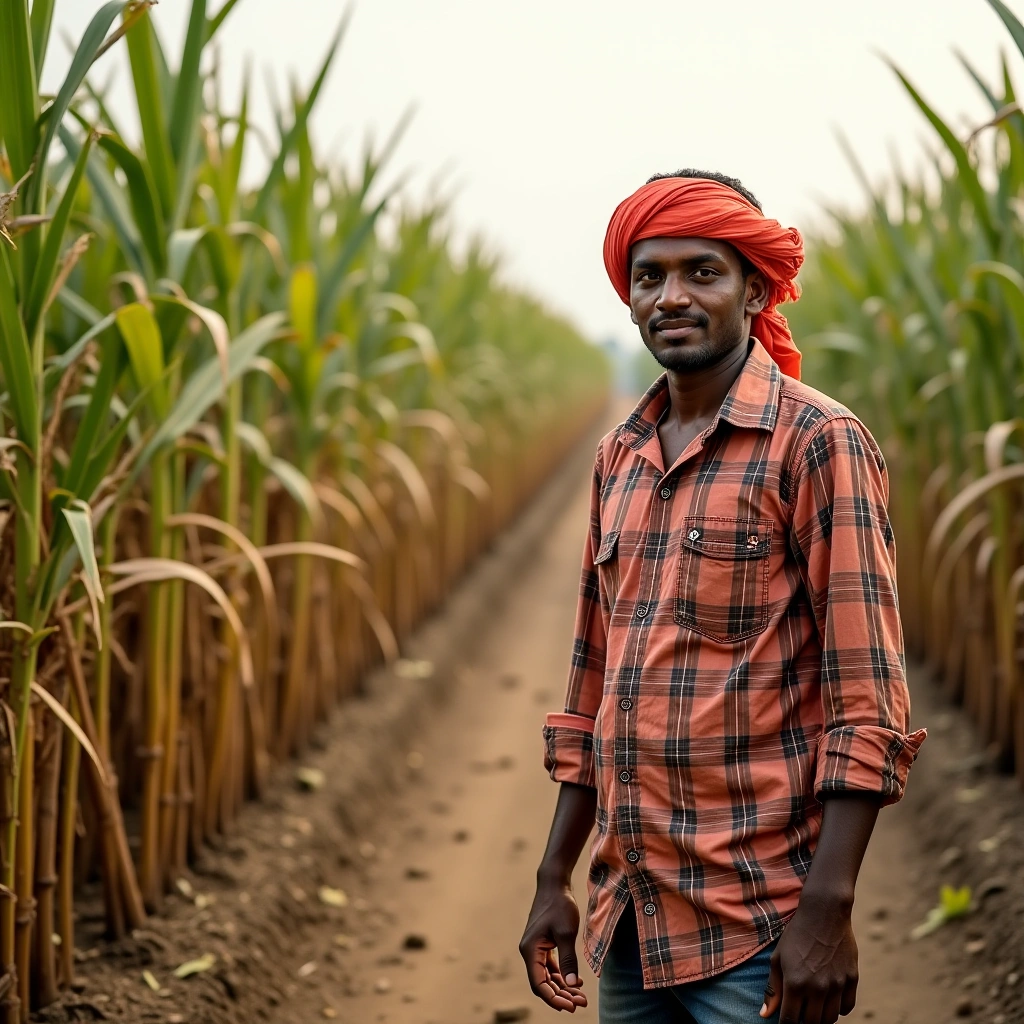
    In western India, sugarcane yields are declining because climate-induced higher temperatures and prolonged dry spells are leading to increased pest attacks and disease outbreaks . But large-scale organic farming can help sugarcanes survive.

    When you think of sugarcane, you might picture a tropical paradise, swaying in the breeze, or perhaps a sweet treat that makes your coffee just a little more bearable. But behind those sugary delights lies a critical element of India’s rural economy. Sugarcane is not just a crop; it’s a lifeline for millions of farmers across the nation. However, like a plot twist in a bad rom-com, climate change is throwing a wrench into this sweet story.

    India is the second-largest producer of sugarcane in the world, and it’s not just for the love of sweetening our chai. The crop supports approximately 50 million farmers and their families, creating jobs, boosting local economies, and providing a significant source of revenue for rural areas. It’s a beautiful cycle—farmers grow the cane, sugar mills process it, and the sweet stuff ends up in everything from candies to your morning coffee. But here’s where things get sticky.

    Climate change is not just a buzzword tossed around at dinner parties; it’s a real and pressing issue impacting agriculture globally. For sugarcane farmers, rising temperatures, erratic rainfall, and extreme weather events are becoming the norm rather than the exception. Imagine trying to grow a plant that thrives in specific weather conditions when Mother Nature decides to play a game of ‘guess what I’ll do next.’ Spoiler alert: the farmers lose.

    The yield of sugarcane is directly affected by these climate changes. Higher temperatures can lead to reduced growth rates, while unpredictable monsoons can either drown the crop or leave it parched. And let’s not even get started on pests and diseases that thrive in changing climates—talk about adding insult to injury!

    Farmers are facing tough choices. Many are turning to water-intensive irrigation methods, which can deplete local water sources. It’s like trying to survive a drought by drinking all the water in your community—unsustainable and, quite frankly, not a great long-term plan. Others are experimenting with different crop varieties or even switching to alternative crops that might be more resilient to climate change. But let’s face it, switching crops isn’t as easy as it sounds. It’s not like you can just wake up one day and decide you want to be a potato farmer instead.

    The Indian government has recognized this crisis, but addressing the issue is more complicated than it seems. There’s a delicate balance between supporting farmers, ensuring food security, and tackling the broader implications of climate change. Policy changes, investment in sustainable practices, and education on adaptive farming techniques are all essential steps in the right direction. But will they be enough? Only time will tell.

    So, what does this mean for the average person? Well, if you enjoy your sweet treats, you might want to brace yourself for potential price hikes. As yields drop and production costs rise, sugar prices might take a hit. And nobody wants to pay more for their guilty pleasures, right?

    In conclusion, while sugarcane has long been the backbone of India’s rural economy, climate change is threatening to turn this sweet success story into a bitter tale. As we navigate this sticky situation, it’s crucial for all of us to pay attention and advocate for sustainable practices that can help protect not just sugarcane, but the livelihoods of millions who depend on it. Because at the end of the day, we all want to keep enjoying those sweet moments—preferably without a side of climate-induced chaos.


    Inspired by: “Sugarcane powers India’s rural economy but climate change is affecting yield.” (r/climatechange)

  • Climate Change Anxiety: The Silent Struggle We Need to Talk About

    Climate Change Anxiety: The Silent Struggle We Need to Talk About

    NRDC senior environmental health … in. “Part of grappling with climate anxiety and grief is recognizing that there is no going back to some previous world ….

    Hey there, fellow earthlings! 🌍 So, we’ve all heard about climate change, right? It’s that pesky little thing that’s been giving us all a collective headache while we sip our iced coffees, blissfully unaware (or maybe not) of the melting glaciers and the rising sea levels. But here’s the kicker: it’s not just the planet that’s feeling the heat. Turns out, our mental health is taking a hit too, and that’s where the term ‘climate change anxiety’ comes into play.

    Let’s take a moment to talk about this phenomenon, shall we? Climate change anxiety is like that friend who always shows up uninvited to your party and refuses to leave. You know it’s there, but you’re not quite sure how to deal with it. According to a recent survey conducted by Patrick Clancy, a Clinical Psychology Doctorate Trainee at University College Cork, there’s a growing awareness of how this anxiety is affecting our mental health. And guess what? It’s not just a bunch of tree-huggers feeling this way; it’s people from all walks of life.

    Now, before you roll your eyes and think, “Oh great, another survey,” let’s consider why this one is important. Patrick and his team are looking to explore the relationship between climate-related distress and mental health outcomes. This isn’t just a casual study; it’s a serious attempt to understand how the fear of climate change is impacting people’s lives, especially those of us living in Ireland and the UK. If you’re 18 or older and want to lend a hand (or a click), you can participate in this anonymous survey that takes just 10-15 minutes. I mean, that’s less time than it takes to scroll through cat videos on Instagram, am I right?

    But why should we care about climate change anxiety? Well, for starters, it’s real. Studies have shown that many individuals experience feelings of helplessness, fear, and even panic when confronted with the realities of climate change. It’s not just about being worried that your favorite beach will be underwater in a few decades; it’s about how that worry translates into everyday life. You might find yourself tossing and turning at night, wondering if you should invest in a solar panel or just pack your bags for Mars. Spoiler alert: Mars is not an option.

    The survey aims to shed light on these feelings and their potential impact on mental health. It’s not about questioning whether climate change is real (because it is, folks), but about understanding how these anxieties manifest in our minds. And let’s be honest, mental health is just as important as recycling that plastic bottle you’ve been eyeing.

    So, if you’re interested in contributing to this research, check out the survey link provided by Patrick. Who knows, your insights might help address the mental health crisis that’s brewing alongside our climate crisis. Plus, you’ll get to feel like you’re doing something good for the world, which is always a bonus.

    In conclusion, while we can’t all be climate scientists or eco-warriors, we can certainly do our part by understanding and addressing climate change anxiety. It’s time to talk openly about our fears and concerns regarding the environment and how they affect our mental health. So, whether you’re feeling anxious about the future or just want to support those who are, take a few minutes to participate in the survey. Let’s turn that anxiety into action, one click at a time!

    And hey, if you have any questions, you can reach out to Patrick at his email address. Just be kind; he’s trying to make the world a better place, one survey at a time. Cheers to that!


    Inspired by: “Research survey: Climate change anxiety and mental health” (r/climatechange)

  • Phosphorus and Eucalypt Forests: A Love Story in the Age of Rising CO₂

    Phosphorus and Eucalypt Forests: A Love Story in the Age of Rising CO₂

    Published in New Phytologist, the research findings show that when phosphorus is added, trees still respond to rising CO₂ by directing a strong flow of carbon to the soil . However, instead of stimulating carbon release from roots, they invested …

    Ah, the wonders of science! Just when you thought you could kick back and relax while the planet figured itself out, along comes a new study about phosphorus and its role in how eucalypt forests respond to rising CO₂ levels. If you’re scratching your head wondering what phosphorus has to do with your local gum trees, don’t worry; we’re about to dive deep into the leafy world of eucalypts and their nutrient needs.

    First off, let’s talk about these eucalypt forests. You know, the ones that seem to be everywhere in Australia and are often associated with koalas, who, by the way, are not too picky about their diet but definitely picky about their habitat. These forests are not just pretty sights; they play a crucial role in the ecosystem. They store carbon, provide habitats, and, let’s face it, they look good on postcards.

    Now, what’s this study all about? Researchers have discovered that phosphorus, a nutrient that sounds like it should be the name of a fancy cocktail, actually influences how these forests react to increasing levels of carbon dioxide. It turns out that phosphorus availability can either enhance or limit the growth of eucalypts in a high CO₂ world. Who knew a little nutrient could have such a big impact?

    So, what does this mean in plain English? Well, think of phosphorus as the friend who always shows up with snacks at a party. If phosphorus is available in sufficient quantities, our eucalypt friends can really stretch their leafy arms and grow taller and denser, which is a good thing for carbon storage. But if phosphorus is lacking, it’s like showing up to a party where the only thing to eat is kale chips. Not exactly the best situation for growth.

    The study highlights a crucial point: as CO₂ levels rise, simply throwing more carbon at plants isn’t enough. They need the right nutrients to thrive. It’s like trying to fuel a car with just any old liquid—you need the right kind of gas to keep it running smoothly. In this case, phosphorus is the high-octane fuel that helps eucalypts maximize their growth potential.

    Imagine a world where eucalypt forests can’t keep up with the CO₂ levels because they’re starving for phosphorus. It’s a bit like trying to run a marathon on an empty stomach. Not pretty, right? This research underscores the importance of nutrient management in forest ecosystems, especially in the context of climate change. If we want these forests to continue doing their vital work in sequestering carbon, we need to pay attention to what they’re eating.

    Now, before you start worrying about how to feed the trees, let’s get real. The research isn’t suggesting we start dumping phosphorus everywhere like it’s confetti at a parade. Over-fertilization can lead to other environmental issues, like algal blooms in waterways, which is not a party anyone wants to attend. Instead, it’s about understanding the balance—ensuring that eucalypt forests have enough phosphorus to thrive without tipping the ecological scales.

    In conclusion, this study is a reminder that nature is a complex web of interactions. Eucalypt forests are not just passive players in the climate change scenario; they are active participants that need the right conditions to flourish. So next time you stroll through a eucalypt forest, remember: it’s not just about the CO₂; it’s also about what’s happening beneath the surface. Let’s keep those forests healthy and well-fed, because who knows? They might just save the planet one leafy branch at a time.


    Inspired by: “New study reveals how phosphorus changes the way eucalypt forests respond to rising CO₂” (r/climatechange)

  • Estimating Our Climate Future: Innovations, Optimism, and a Dash of Reality

    Estimating Our Climate Future: Innovations, Optimism, and a Dash of Reality

    “People ask me how I can possibly be optimistic about prospects for averting dangerous climate change in the face of the obstacles standing in our way. I tell them it's simple. It's all about the re-engagement of young folks we are witnessing today." … "When I think of climate, I think of jobs. When I think of climate, I think of innovation. When I think of jobs — climate, I think of turning peril into progress. That's why I'm so optimistic about the future.

    Ah, climate change discussions—where doom meets optimism, and everyone has a slightly different take on what’s going to happen next. If you’ve ever strolled through the climate change subreddit, you might have encountered terms like ‘climate doomers’ and ‘optimists’ being thrown around like confetti at a parade. But let’s be real for a moment: how do we actually estimate our climate future when innovation and progress are constantly reshaping the landscape?

    First off, let’s define our characters. The ‘climate doomers’ are the folks who look at the current trends and say, ‘Well, this is it, folks! Grab your survival gear and head for the hills!’ They tend to rely on estimates based on existing data, which can sound pretty grim. On the other hand, we have the ‘optimists’—the cheerleaders of green energy who believe that technology will swoop in like a superhero and save the day. They often point to how underestimated the growth of solar and wind power was back in the early 2000s. Spoiler alert: it was underestimated by a lot.

    Now, let’s talk about the ‘slightly more realists’—the ones who acknowledge the importance of current trends in green energy while still keeping one foot planted in the realm of reality. They recognize that while innovation is essential, we can’t just ignore the significant challenges we still face. It’s like trying to bake a cake with half the ingredients missing; sure, you might get something that resembles cake, but it’s probably not going to win any awards.

    So, is there a way to estimate our climate future that takes all these perspectives into account? The short answer is: sort of. The long answer involves a lot of complicated models and equations that would make your high school math teacher proud. Various researchers and institutions have attempted to create models that factor in innovations, advancements in technology, and even human adaptability. They try to incorporate the rate of increase for renewable energy sources, which, let’s face it, is a bit like trying to predict the stock market—there are just too many variables.

    For instance, when we look at historical data, we see that projections for solar and wind energy have consistently underestimated how quickly these technologies would be adopted. Back in the day, people thought we’d be stuck in the fossil fuel age forever, but here we are, watching solar panels pop up like daisies in spring. Of course, we can’t ignore the skeptics—those who insist that the agricultural innovations of the last century somehow mean we’ll sidestep all impending food shortages. It’s a nice thought, but let’s not forget that climate change isn’t just a food issue; it’s a whole buffet of problems.

    The key takeaway here is that while there are estimates that try to factor in innovation and progress, they often come with caveats. It’s essential to use the right approaches in the correct contexts, weighing each factor appropriately. For example, while we can be hopeful about the future of green technologies, we must also acknowledge the hurdles that lie ahead, like political will, economic feasibility, and the sheer inertia of existing systems.

    In conclusion, the quest for accurate climate projections is a bit like trying to find a unicorn—everyone’s got a different idea of what it looks like, and it might not even exist. But by blending the perspectives of doomers, realists, and optimists, we can at least create a more nuanced picture of what our climate future might hold. So, let’s keep the dialogue going, stay informed, and maybe—just maybe—find a way to bake that cake with all the right ingredients. Or at least, a cake that won’t crumble under the weight of climate reality.


    Inspired by: “Is there any estimates that factor in innovations and progress ?” (r/climatechange)

  • Chill Out: Meet the Scientists Tackling Climate Anxiety by Cooling Down Our Planet

    Chill Out: Meet the Scientists Tackling Climate Anxiety by Cooling Down Our Planet

    Sea ice thickening could be one solution. Dr Shaun Fitzgerald, a climate scientist at the University of Cambridge, is leading a team to pump seawater out from below ice sheets and spread it over their surface, where it refreezes and provides …

    Let’s face it: climate anxiety is a real thing, and if you’re not feeling it, you might want to check your pulse. With news cycles bombarding us with tales of melting ice caps, wildfires, and rising sea levels, it’s no wonder many of us are feeling a little anxious about the future. But fear not, my eco-conscious friends! There’s a cadre of brilliant scientists out there working tirelessly to cool our planet down. Grab a cup of coffee (or a green smoothie, if you’re feeling extra virtuous), and let’s dive into the world of climate science and the heroes trying to save the day.

    First, let’s talk about the elephant in the room—or should I say the polar bear on the melting ice? Climate change is real, and it’s happening faster than a cat meme goes viral. But while it’s easy to feel overwhelmed by the doom and gloom, it’s important to remember that there are people out there actively working to reverse the damage.

    One of the most promising areas of research is geoengineering. Yes, that’s right! Scientists are actually looking at ways to manipulate the Earth’s climate system. I know it sounds like something out of a sci-fi movie, but hear me out. From solar radiation management to carbon capture and storage, these researchers are exploring methods to cool the planet.

    For instance, solar radiation management involves reflecting a small percentage of the sun’s light and heat back into space. It’s like wearing sunscreen for the Earth! This could potentially buy us some time while we transition to more sustainable practices. Of course, like any good superhero story, there are ethical dilemmas and potential side effects to consider. But hey, what’s a little moral quandary when the fate of the planet is at stake?

    Then we have the carbon capture and storage (CCS) folks. Think of them as the vacuum cleaners of the atmosphere, sucking up excess CO2 and storing it underground. While some might argue this is just putting a Band-Aid on a bullet wound, it’s still a step in the right direction. Plus, it’s better than just letting that carbon float around like a lost balloon at a kid’s birthday party.

    But wait, there’s more! Scientists are also looking into nature-based solutions. This includes reforestation, wetland restoration, and even urban greening initiatives. You know, planting trees and making cities more livable while simultaneously sucking up carbon. It’s a win-win! Plus, who doesn’t love a good park? It’s like giving Mother Nature a big hug.

    Now, you might be wondering, “What can I do to help?” Well, besides not engaging in a full-blown panic attack every time you scroll through your news feed, there are plenty of ways to contribute. Support policies that promote renewable energy, reduce waste, and protect natural habitats. Get involved in local initiatives aimed at sustainability. And if you’re feeling particularly ambitious, start a community garden! Just be prepared for the inevitable tomatoes that taste like cardboard.

    In conclusion, while climate anxiety is a valid response to the current state of the world, it’s important to remember that there are brilliant minds working to turn things around. From geoengineering to nature-based solutions, these scientists are on the front lines of the battle against climate change. So, instead of spiraling into despair, let’s channel that anxiety into action. After all, the planet is worth saving, and who knows? Maybe one day we’ll look back on this period as the time we collectively decided to chill out—literally.


    Inspired by: “Got climate anxiety? Meet the scientists working to cool our planet down” (r/climatechange)

  • Why Reporting Sick or Dead Wild Birds and Wildlife is a Big Deal

    Why Reporting Sick or Dead Wild Birds and Wildlife is a Big Deal

    The web-based reporting of dead or sick birds allows for rapid reporting of dead bird sightings. Reports of dead birds are important as they will be used to detect trends, over time, to determine a normal baseline wildlife mortality figure .

    Have you ever been out in the great outdoors, enjoying a lovely day, when you suddenly stumble upon a sick or dead bird? It’s not exactly the highlight of your hike, is it? But it’s not just a sad sight; it’s a call to action! Reporting these unfortunate avian (or any wildlife) incidents is crucial, and here’s why you should care.

    First off, let’s talk about the wildlife health department. No, it’s not a thing, but wouldn’t it be great if it was? Imagine a team of dedicated wildlife doctors, lab coats and all, rushing off to help our feathered friends. Unfortunately, they can’t do that if they don’t know there’s a problem. That’s where you come in! Reporting sick or dead wildlife helps specialists identify potential disease outbreaks that could affect not only animals but also humans. Spoiler alert: nobody wants a wildlife pandemic on their hands.

    Okay, but how do you report such sightings? It’s as easy as pie! You can usually contact your local wildlife authority or conservation group. In Melbourne, for example, the Department of Environment, Land, Water and Planning (DELWP) is your go-to. They’ve got the resources and expertise to handle such reports. You just need to provide them with details like the species, location, and condition of the animal. It’s not rocket science, folks!

    But wait, there’s more! Reporting sick or dead wildlife isn’t just about the animals themselves; it’s also about the ecosystem. Think of it as a game of Jenga. Pull out too many pieces (a.k.a. sick or dead animals), and the whole thing can come crashing down. Birds, for instance, play a vital role in controlling insect populations and pollinating plants. So, when they’re not doing so hot, it can lead to a domino effect in the environment. And let’s face it, nobody wants an insect takeover—yikes!

    Now, let’s address the elephant in the room: why do some people hesitate to report these incidents? Maybe they think, “Oh, it’s just one bird. What’s the big deal?” Or perhaps they don’t want to get involved because they fear being labeled as the neighborhood ‘wildlife snitch.’ But here’s the thing: it’s not about being a snitch; it’s about being a responsible citizen. Your report could help save countless lives and improve our local ecosystem.

    And let’s not forget the added bonus: you get to feel like a superhero! I mean, who doesn’t want to don an imaginary cape and save the day? Reporting sick or dead wildlife is your chance to be a part of the solution. You can strut around knowing you’re doing your part for Mother Nature.

    In conclusion, the next time you encounter a sick or dead wild bird or any wildlife, don’t just walk by and pretend you didn’t see it. Take a moment to report it. You’ll not only be helping the animals but also contributing to the overall health of our environment. Plus, you’ll gain some serious karma points. And who doesn’t want that? So, let’s roll up our sleeves and make a difference, one bird at a time!


    Inspired by: “Report sick or dead wild birds and wildlife” (r/melbourne)

  • The Great Hotdog Heist: How a Simple Snack Turned into a Pricey Affair

    The Great Hotdog Heist: How a Simple Snack Turned into a Pricey Affair

    Let me be clear — I don’t even remember hearing him open the box. He didn’t ask. He didn’t negotiate. He executed a full-blown snack heist while I was distracted scrubbing bathtub toys and thinking I was ahead of schedule.

    Ah, Melbourne—a city known for its coffee culture, vibrant art scene, and, apparently, its sneaky hotdog prices. Let’s dive into the curious case of the $6.50 hotdog that somehow morphed into a $7.30 mystery at Flinders Station Bakehouse. Spoiler alert: it’s not as glamorous as it sounds.

    Picture this: You’re in a rush, navigating the bustling Flinders Station, and all you want is a simple hotdog with mustard. You spot the Bakehouse and think, “Perfect!” You pull out your wallet, hand over your $6.50, and tap your Mastercard like a seasoned pro. But wait—what’s this? Your total is now $7.30! Did the hotdog just get a promotion? Did it suddenly develop a side of truffle oil? Nope, just some creative pricing at play.

    Turns out, the extra 80 cents comes from a combination of a “card fee” and a “sauce fee.” Now, let’s break this down. The menu lists sauces at 30 cents each, but mustard? Apparently, it’s a secret sauce not worthy of a price tag. So, why was there a charge for it? Was it hand-harvested by artisanal mustard makers in the hills of Dijon? Unlikely. And don’t even get me started on that card surcharge. A 50-cent fee for tapping your card adds a hefty 7% surcharge on your now inflated hotdog price. Just great.

    The submitter of this hotdog horror story, u/astralwannabe, took it in stride (mostly). They reported the incident to the ACCC, which is a responsible move for anyone feeling a little cheated. But honestly, who has time to argue over 80 cents when you’re trying to catch a train? It’s embarrassing enough as a Melburnian to know visitors might be walking away with a hotdog experience that’s less than stellar—especially when the hotdog itself was deemed the worst they’d ever had. Now that’s saying something in a city famous for its food scene!

    So what can we learn from this gastronomic debacle? First, always check the prices before you tap. Second, if you’re going to charge for mustard, at least have the decency to list it on the menu. And finally, it might be time for Flinders Station Bakehouse to reconsider their pricing strategy before they end up with a reputation worse than the hotdogs they serve.

    In a city where food is celebrated, let’s hope we can leave the drama of overpriced condiments and hidden fees behind—unless, of course, it comes with a side of laughter. Because if you can’t laugh about a $7.30 hotdog, what can you laugh about? Here’s to better hotdogs and clearer pricing in the future!


    Inspired by: “$6.50 hotdog somehow became $7.30” (r/melbourne)

  • Can We Just Swap Corn for Wheat in the Midwest? The Climate Change Dilemma

    Can We Just Swap Corn for Wheat in the Midwest? The Climate Change Dilemma

    EDF.ORG/CLIMATE-PROOFING-AGRICULTURE

    Ah, the American Midwest: where corn grows taller than your uncle’s fish stories and wheat fields stretch as far as the eye can see. But with climate change throwing a wrench in the agricultural machine, many are wondering: can we simply switch from corn to wheat as the temperature rises? Spoiler alert: it’s not as simple as changing your favorite cereal.

    A recent Reddit post on the climate change subreddit has sparked an interesting debate. The original poster is grappling with two articles that seem to be in a heated argument over the future of wheat production as the climate gets hotter. On one hand, we have a study suggesting that climate change will negatively impact wheat yields in most food-producing regions. On the other hand, another source claims that warmer temperatures will actually benefit wheat production. Cue the dramatic music!

    So, what gives? Are we destined to swap our cornfields for wheat farms, or is that just wishful thinking?

    The Contradictory Articles

    Let’s break down the conflicting viewpoints. The first article (which you can find on Nature.com, if you’re feeling scholarly) indicates that climate change could wreak havoc on wheat production. It presents a grim picture where rising temperatures and changing precipitation patterns lead to lower yields. In short, it’s a bit of a downer.

    On the flip side, the NASA article suggests that climate change could be a blessing in disguise for wheat. It’s like the sunny optimist at a funeral, claiming that a little heat might actually work in wheat’s favor. Both articles reference projections relative to a zero emissions scenario, which adds to the confusion.

    The Zero Emissions Conundrum

    Now, the zero emissions scenario is essentially a dreamland where we’ve managed to curb greenhouse gas emissions to the point where they’re barely a blip on the radar. In this scenario, the first article argues that wheat production would still face challenges, while the second article claims that hotter temperatures could enhance growth.

    So, are we just misinterpreting the data, or is there a genuine contradiction? To be honest, it’s a little like trying to decipher your cat’s feelings—confusing and often contradictory.

    Climate Change: The Good, The Bad, and The Ugly

    Here’s where it gets even more complicated. Climate change has a variety of effects on agriculture, and these effects can differ based on location, crop variety, and even farming practices. While some regions might experience longer growing seasons and increased yields for wheat, others could face droughts and extreme weather that decimate crops. It’s like a game of agricultural roulette, and not everyone is going to win.

    Additionally, factors like soil health, pest pressures, and water availability play critical roles in determining whether a crop can thrive in a changing climate. So, it’s not just about swapping corn for wheat; it’s about understanding the entire agricultural ecosystem.

    The Bottom Line

    In conclusion, while it might seem appealing to think we can just flip the agricultural switch from corn to wheat as temperatures rise, the reality is much more nuanced. It’s essential to consider the broader context of climate change and its varied impacts on different crops and regions.

    So, before you start planting wheat in your backyard and calling yourself a farmer, take a moment to appreciate the complexities involved. And who knows? Maybe a hybrid approach, with a bit of corn and a sprinkle of wheat, might just be the best way forward. Because in the end, when it comes to agriculture and climate change, it’s not all black and white—there are plenty of shades of green (and yellow, and brown) in between.


    Inspired by: “Can the American Midwest Agricultural System Just Switch from Corn to Wheat As the Climate gets Hot…” (r/climatechange)