Category: Nature

  • Boiling Oceans and Blazing Heat: The Unseen Connection

    Boiling Oceans and Blazing Heat: The Unseen Connection

    Mann pointed out that “climate change is leading to anomalous warmth around the planet in general, and warmer ocean waters mean more moisture in the atmosphere that is available to produce flooding rains .” He noted that the “stalled jet …

    Hey there, climate warriors! 🌍 If you’ve been keeping up with the news (or even if you haven’t), you might have noticed that Europe is currently in the midst of a fiery meltdown, and no, I’m not talking about the latest season of a reality show. We’re talking about actual heatwaves and wildfires that have turned parts of the continent into a scene straight out of a disaster movie. But while we’re all sweating buckets over the scorching temperatures, there’s another story simmering beneath the surface—literally.

    Yes, you guessed it: our oceans are boiling. Well, not in the way that your grandma’s soup boils, but they are hotter than ever, recording the warmest July on record. I mean, the oceans are basically giving us the finger and saying, “Hold my beer; I can get hotter!”

    Now, you might be thinking, “So what? It’s just water!” But hold on just a second. The oceans do more than just provide a scenic backdrop for your Instagram vacation photos. They absorb most of the excess heat generated by climate change. Think of them as the Earth’s giant sponge, soaking up all that unwanted heat that we humans are so graciously contributing to.

    But here’s the kicker: warmer oceans lead to marine heatwaves, and those can have catastrophic consequences. We’re talking about disrupting ecosystems, harming biodiversity, and even influencing weather patterns on land. It’s like a domino effect, except instead of just knocking over some cute little wooden blocks, we’re risking coral reefs, fish populations, and even our own weather systems. Who knew that a few degrees could cause such chaos?

    This connection between land and sea is often overlooked. We hear a lot about wildfires, droughts, and heatwaves as if they’re isolated incidents, but they’re all part of the same tangled web of climate change. So, while we’re out there discussing how to put out the flames in Europe, we might want to take a moment to consider what’s happening in our oceans.

    Do we underestimate ocean warming? Absolutely! It’s like that quiet kid in class who turns out to be a math genius—everyone’s too busy focusing on the flashy stuff to notice the real threat lurking beneath the surface. The consequences of ignoring our warming oceans could be dire, and they’ll come back to haunt us like a bad horror movie sequel.

    So, what can we do about it? Well, for starters, we can educate ourselves and others about the interconnectedness of these climate issues. Next time someone brings up wildfires, gently remind them that while we’re battling flames on land, our oceans are also in a heated battle of their own. Let’s not leave them out of the conversation!

    In conclusion, as we watch Europe sweep up the ashes of its wildfires, let’s not forget to keep an eye on our oceans. They may not be in the spotlight, but they’re playing a starring role in this climate drama. So, let’s give them the attention they deserve before we find ourselves in a scene where we’re all just boiling over. Stay cool out there, folks—literally and figuratively!


    Inspired by: “World’s oceans also boiling, as Europe burns in heatwaves and wildfires” (r/climatechange)


  • The Future is Here: US Navy’s Autonomous Surface Ships Set Sail for Deep-Ocean Mapping

    The Future is Here: US Navy’s Autonomous Surface Ships Set Sail for Deep-Ocean Mapping

    Ahoy there, ocean enthusiasts and tech aficionados! Have you heard the latest scoop from the US Navy? They’ve decided to embrace a new wave of technology—literally—by selecting autonomous surface ships for deep-ocean mapping under a slick $40 million program. Yes, you read that right! The Navy is trading in some of its traditional seafaring vessels for a bunch of high-tech robots. Talk about a plot twist worthy of a Hollywood blockbuster!

    According to a recent news release, its unmanned, AI-powered vessel will now map the ocean floor—a mission the Navy sees as central to the future of military marine research. The Navy’s interest underscores its commitment to using the most …

    So, what’s the deal with these autonomous ships? Well, picture this: instead of a crew of salty sailors navigating the high seas, you have a fleet of ships that can operate without a single human on board. It’s like the Navy is trying to give the robots a chance to prove they can do a better job than we can—no pressure, right?

    These autonomous vessels will be tasked with mapping the deep ocean, which, let’s be honest, is a bit of a big deal. We know more about the surface of Mars than we do about our own oceans. This mapping initiative aims to change that by using cutting-edge technology to gather data from some of the most mysterious depths of our planet. Who knows, maybe they’ll even stumble upon Atlantis! (Just kidding, but wouldn’t that be cool?)

    Now, you might be wondering why the Navy is investing in this kind of technology. Well, aside from the obvious fact that it’s super cool, there are practical reasons too. For one, sending robots into the depths of the ocean can be a lot safer than sending humans. Let’s face it, the ocean can be a pretty scary place. Between the giant squids and the occasional rogue wave, it’s a wonder anyone ever comes back to tell the tale!

    Not to mention, these autonomous ships can operate longer than human crews can endure. Imagine being on a ship for weeks at a time with no Wi-Fi. The horror! But these ships can keep going, gathering data and mapping the ocean floor without needing to restock on snacks or complain about the lack of Netflix.

    The $40 million price tag might make you raise an eyebrow, but in the grand scheme of military technology, that’s a bargain! We’re talking about vessels that can potentially revolutionize how we understand our planet’s oceans. Plus, with the Navy leading the charge, we can expect some serious advancements in technology that might even trickle down to civilian uses. Who knows, maybe one day you’ll have your own autonomous boat for weekend fishing trips, and you won’t even have to bait the hook yourself!

    In conclusion, the US Navy’s venture into autonomous surface ships for deep-ocean mapping is not just a step forward in military technology, but also a leap into the future of ocean exploration. So, the next time you’re at a party and someone brings up the Navy, you can casually drop this little nugget of information. Just make sure you do it with a wink and a nod, because who wouldn’t want to sound like an expert on the latest in naval robotics?

    Stay tuned, folks. The ocean is about to get a whole lot more interesting!


    Inspired by: “US Navy selects autonomous surface ships for deep-ocean mapping under $40M program” (r/technology)

  • Paw-sitive Vibes: How Dogs Read Our Emotions Like a Book

    Paw-sitive Vibes: How Dogs Read Our Emotions Like a Book

    Have you ever noticed how your dog seems to know when you’re feeling down? One moment you’re binge-watching a series and the next, tears are streaming down your face like you’re auditioning for a sad movie. And there’s your loyal pup, sitting right next to you, head tilted, offering that comforting gaze that says, “I don’t know what’s wrong, but I’m here for you.” Turns out, this isn’t just a coincidence! Recent fMRI scans have revealed that dogs can detect our emotions, distinguishing between happiness, fear, anger, and sadness based on distinct brain activity patterns in their furry little heads.

    Dogs are quirky, playful, clumsy balls of joy wrapped in fur with wiggly little butts. They can sense our emotions, have become our social companions and their unconditional love can teach us so much about our own lives.

    Now, let’s take a moment to appreciate the scientific marvel that is a dog’s brain. While our brains are busy trying to remember where we left our keys (hint: they’re probably in the fridge), dogs are processing our emotional states with impressive accuracy. Researchers used fMRI scans to observe how dogs’ brains respond to different human emotions. They found that dogs have specialized areas in their brains that light up when they sense our feelings. Yes, that’s right—while we’re busy trying to figure out if we should order pizza or sushi, our dogs are busy deciphering our complex emotional state.

    You might be wondering how this works. You see, dogs are masters of non-verbal communication. They read our body language, facial expressions, and even the tone of our voices. So, when you’re feeling sad, your dog picks up on those subtle cues. It’s like they have a sixth sense, except instead of seeing dead people, they see your emotional turmoil. And in their minds, they’re probably thinking, “What’s the deal? Is it time for extra treats or a comforting paw on the lap?”

    But it’s not just sadness that they can detect. Happiness? Oh, they’re all over that! When you’re jumping around like a kid who just found out it’s a snow day, your dog is right there, matching your enthusiasm. They can sense your excitement and will likely join in on the fun—tail wagging, barking, and maybe even a little happy dance of their own.

    On the flip side, when fear creeps in (like that time you heard a strange noise in the middle of the night), your dog can sense it too. They might become protective, staying close by your side, ready to defend you against that terrifying shadow that’s probably just a coat hanging on the door. Honestly, they could win an Oscar for Best Supporting Role in your emotional drama.

    Now, let’s not forget about those moments of anger. Your dog might not understand why you’re upset over a lost sock or that time the neighbor’s cat took a stroll through your garden, but they can definitely feel the tension in the air. You might notice them trying to diffuse the situation with some well-timed puppy eyes or a goofy bark, as if to say, “Hey, let’s not take this too seriously! How about we go play instead?”

    So, what does this all mean? It means that our dogs are not just adorable companions; they are emotional barometers, picking up on our vibes and responding with their own brand of empathy. Next time you’re feeling down, take a moment to appreciate your four-legged friend who’s right there, ready to lend a paw (or a slobbery kiss) to lift your spirits. And if you’re ever in need of a good laugh, just remember: while you’re trying to sort out your emotions, your dog is probably thinking about how to score a treat.

    In conclusion, our furry friends are more in tune with us than we might realize. So, the next time you’re feeling a bit blue, just remember that your dog is probably the best therapist you’ll ever have—no appointment necessary, and they don’t charge by the hour (though they might expect a few belly rubs in return). Now, if only they could help us with our human problems, like figuring out how to get out of awkward conversations or deciding what to have for dinner. But hey, one step at a time, right?


    Inspired by: “Dogs can tell if you’re scared or sad | fMRI scans show happiness, fear, anger, and sadness have di…” (r/technology)

  • The Great Surveillance Debate: Are Uber and Lyft Becoming Our Overzealous Watchdogs?

    The Great Surveillance Debate: Are Uber and Lyft Becoming Our Overzealous Watchdogs?

    So, let’s talk about something that’s been making waves recently: the idea of turning 350,000 Uber and Lyft cars into rolling surveillance cameras. Yes, you read that right. If you thought your Uber driver was just there to get you from point A to B, think again! They might just be your new neighborhood watch, but with a much larger GPS footprint.

    According to a Flock presentation … request, the license plate reader giant planned to enlist roughly 350,000 Uber, Lyft, and delivery vehicles as roaming data collectors for its nationwide surveillance network….

    Now, before we dive into the nitty-gritty, let’s take a moment to appreciate the sheer audacity of this plan. I mean, who doesn’t want their ride to double as a surveillance vehicle? It’s like getting two services for the price of one—except instead of a free upgrade to a better car, you get a side of Big Brother watching your every move. How generous!

    But here’s the kicker: the motivation behind this initiative. Proponents argue that having a fleet of surveillance vehicles could significantly reduce crime rates in urban areas. Imagine, if you will, a criminal trying to pull off a heist while surrounded by a fleet of Uber cars capturing every angle of their not-so-masterful plan. It’s like a real-life episode of Cops, but without the catchy theme music.

    However, let’s not ignore the elephant in the room: privacy concerns. Because, of course, who doesn’t want to be tracked by their ride-sharing service? It’s not like we’re already sharing our locations, ride histories, and possibly our deepest secrets with an app that’s just a swipe away. But hey, what’s a little more data mining among friends?

    Critics of this plan are raising valid points. Imagine hopping into a car that’s not just a mode of transportation but also a spying machine. Your every conversation could be recorded, your every move monitored, all in the name of ‘public safety.’ It’s like living in a dystopian novel, but without the cool plot twists and heroic protagonists. Just you, your Uber driver, and a camera that’s probably more interested in your snack choices than your safety.

    And let’s be real for a moment. How effective can this really be? Do we honestly believe that having a few more cameras on the streets is going to deter crime? If that was the case, we should’ve solved all crime problems ages ago with all those security cameras in convenience stores. Spoiler alert: we haven’t.

    Plus, there’s the question of how this data would be used. Would it be stored indefinitely, or would it disappear faster than your last slice of pizza at a party? And who gets access to it? The police? The government? Your nosy neighbor who’s always too curious about your weekend plans? It’s a slippery slope, folks.

    In conclusion, while the idea of turning Uber and Lyft vehicles into surveillance cameras might sound like a novel approach to reducing crime, it raises significant privacy concerns that we can’t simply brush aside. So, the next time you hop into a ride-sharing vehicle, just remember: you might be getting more than you bargained for. Buckle up, because the future of public safety might just be a camera away—but at what cost?

    And if nothing else, at least you’ll have a great story to tell your friends about that time your Uber driver was actually a spy. Who knew the rideshare game could be so thrilling?


    Inspired by: “Flock Planned to Turn 350,000 Uber and Lyft Cars Into Rolling Surveillance Cameras” (r/technology)

  • The Race to Detect—and Slow—Aging in Dogs: Because Who Wants a Grumpy Old Pup?

    The Race to Detect—and Slow—Aging in Dogs: Because Who Wants a Grumpy Old Pup?

    Aging is inevitable, right? We all have to face it at some point, whether it’s in the form of crow’s feet, gray hairs, or that moment when you realize you can’t binge-watch an entire season of your favorite show without needing a nap. But what if I told you that there’s a race happening in the canine world to detect—and even slow down—the aging process in our furry friends? Yes, that’s right! Scientists and researchers are on a mission to keep our dogs feeling young, sprightly, and ready to chase squirrels well into their golden years.

    Because those signs can overlap with other issues common in older dogs—like pain, failing eyesight and hearing loss—diagnosing cognitive dysfunction depends on looking for a broader pattern of behavioral change and ruling out other causes, rather than relying on any single symptom.

    First off, let’s talk about why this is important. Our dogs age faster than we do, and by the time they hit their senior years, they can often face a host of health issues. Think of it like this: if you’re 50, your dog might be hitting its own version of 70. Now, no one wants to see their loyal companion struggling to get off the couch or making those adorable but sad old-dog noises that sound suspiciously like a creaky door. So, researchers are diving into the science of aging in dogs to figure out how we can give them a few extra bouncy years.

    One of the most exciting aspects of this research is the development of biomarkers to detect aging. Biomarkers are like the body’s version of a warning light on your car’s dashboard. If your dog’s aging is being detected through these biomarkers, it can give you a heads-up about potential health issues before they become serious. It’s like having a vet on speed dial, except in this case, it’s just a little more science-y and a lot less annoying.

    But wait, there’s more! Researchers are also investigating ways to slow down the aging process itself. Imagine a world where your dog can maintain its youthful energy and vitality longer. No more dragging its paws on walks, and no more grumpy old man vibes. One of the strategies being explored includes dietary changes. Yes, it turns out that the secret to a longer, happier life might just be in the kibble. Who knew?

    Additionally, scientists are looking into the role of exercise and mental stimulation in a dog’s life as a means to slow aging. Because, let’s face it, just like humans, dogs need to stay active and engaged to keep their spirits (and bodies) young. So, if you’ve been feeling guilty about not taking your dog on that extra walk or playing fetch for the fiftieth time this week, it might be time to step it up. After all, your pup’s youthful exuberance is resting on your shoulders. No pressure!

    Now, if you’re thinking, ‘This all sounds great, but what can I do right now?’ Fear not! There are already some simple steps you can take to help your dog age gracefully. Regular vet check-ups, a balanced diet, and plenty of exercise are all key components. And let’s not forget about the power of love and affection. A happy dog is a young dog, after all. So, shower them with those belly rubs and ear scratches like they’re going out of style.

    In conclusion, while we can’t completely stop the clock on aging, the race to detect and slow it down for our canine companions is well underway. With advancements in science and a little help from us, it’s possible to keep our dogs feeling youthful and vibrant for many years to come. So, let’s cheer on the researchers and maybe even take a few notes from our dogs on how to live life to the fullest (and not take ourselves too seriously). After all, if a dog can be excited about a simple walk, maybe we can learn a thing or two from them about aging gracefully. Here’s to happy, healthy dogs—now and for years to come!


    Inspired by: “The Race to Detect—and Slow—Aging in Dogs” (r/technology)

  • AI Unleashes the Power of Nature: Stanford’s Discovery of a ‘Natural Ozempic’

    AI Unleashes the Power of Nature: Stanford’s Discovery of a ‘Natural Ozempic’

    So, let’s talk about Ozempic. If you haven’t heard of it yet, it’s the diabetes medication that has also become the hottest weight-loss trend since the invention of the salad. But like any good thing, it comes with a few side effects that can make you wonder if you’re better off just eating that slice of cake instead. Thankfully, Stanford scientists, with a little help from their friend, AI, have stumbled upon something that could change the game: a natural alternative to Ozempic that doesn’t have those pesky side effects.

    Stanford Medicine researchers have discovered a naturally occurring molecule that may suppress appetite and reduce body weight much like Ozempic, but without several of its common side effects.

    Now, before we dive into this miraculous discovery, let’s set the stage. Ozempic (semaglutide, for those who like to sound smart at parties) mimics a hormone that helps control blood sugar levels and, oh yeah, also makes you lose weight. Sounds great, right? But, and there’s always a but, it can lead to nausea, diarrhea, and other gastrointestinal delights that might have you reconsidering your life choices.

    Enter the scientists at Stanford, who decided to let AI do the heavy lifting. Because why not? If AI can beat humans at chess, it can probably find a way to make us lose weight without the side effects of feeling like we’ve just eaten a rock. Using advanced algorithms and a treasure trove of biological data, AI helped identify a natural compound that could potentially mimic the effects of Ozempic but without the unwanted bathroom visits.

    This discovery is like finding a unicorn in your backyard—if unicorns were made of plants and could help you fit into your favorite jeans again. The natural compound, which the scientists are still naming (let’s hope they come up with something catchier than “Compound 42”), could pave the way for new treatments that could not only help those with diabetes but also those who are simply trying to shed a few pounds without feeling like they’ve been hit by a truck.

    What’s even more exciting is that this research is just the tip of the iceberg. With AI stepping into the lab, the possibilities are endless. Imagine a future where we can whip up natural alternatives for all kinds of medications, making them safer and more accessible. It’s like having a cheat code for health!

    Of course, we’re not there just yet. More studies are needed to fully understand how this natural compound works and how effective it can be. But hey, at least now we have something to look forward to instead of just scrolling through TikTok for the latest diet fad.

    So, what does this all mean? Well, for starters, it means that scientists are getting a little help from their digital friends to tackle some of the biggest health challenges of our time. And who knows? Maybe in the near future, we’ll all be able to enjoy a slice of cake without the guilt, all thanks to AI and a little bit of nature’s magic.

    In conclusion, the intersection of AI and medicine is proving to be a fruitful partnership, and Stanford’s discovery is just one of many exciting advancements we can expect in the coming years. So, keep your eyes peeled for updates, and in the meantime, it might be wise to keep that cake in the fridge for a little while longer. After all, we wouldn’t want to ruin our chances of finding the next big thing in weight loss, now would we?


    Inspired by: “AI helps Stanford scientists discover “natural Ozempic” without the usual side effects” (r/technology)

  • When Ignoring Climate Impacts is the New Norm: A Deep Dive into Nuclear Regulation

    When Ignoring Climate Impacts is the New Norm: A Deep Dive into Nuclear Regulation

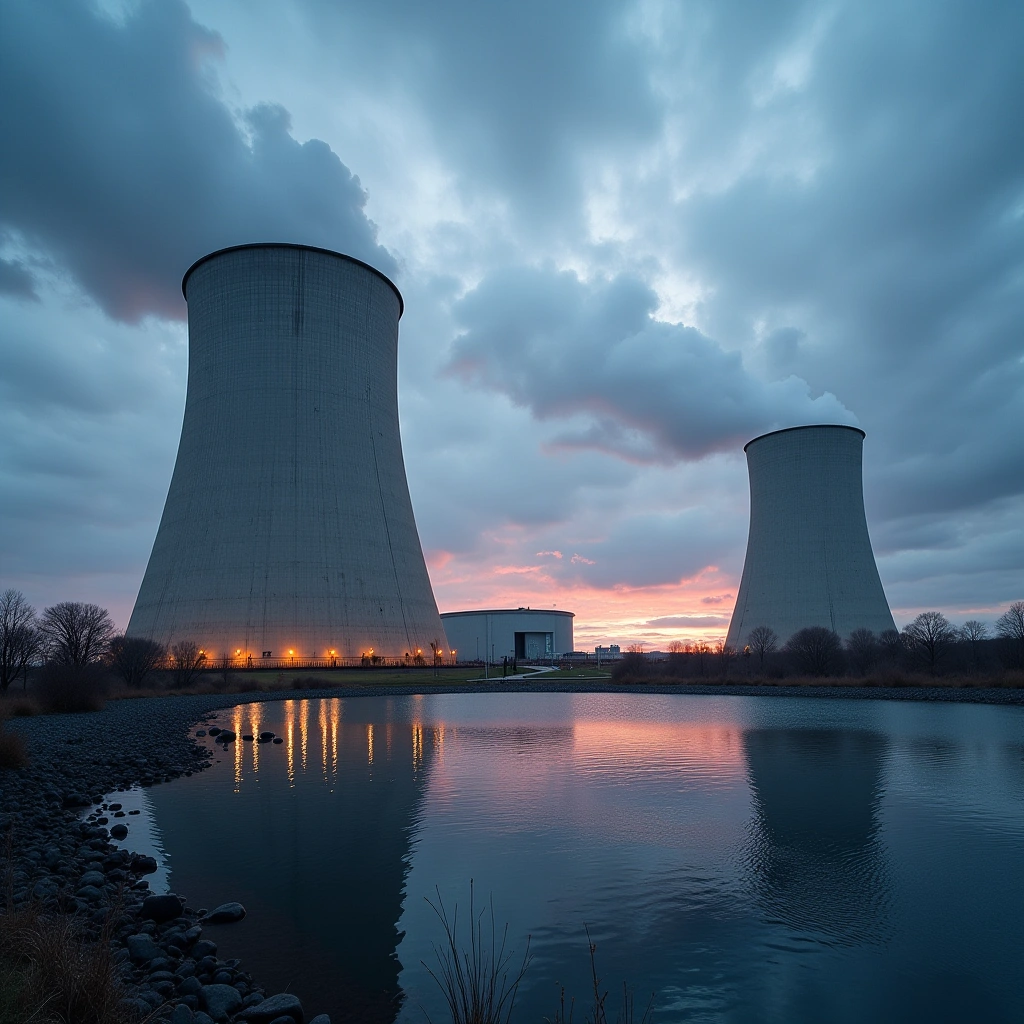
    So, here we are again, folks. Another day, another court decision that makes you question if the people in charge are really looking out for us. This time, it’s about nuclear energy regulation and climate impacts—or rather, the lack thereof. A court has decided that the nuclear regulator can just ignore climate impacts when it comes to future reactor operations. Because who needs to worry about the environment when there’s energy to be produced, right?

    The court’s decision effectively allows the US Nuclear Regulatory Commission to ignore future (or even the clearly present) harsher and more violent climate change impacts on the safe operation of nuclear power plants, to which the NRC is presently awarding license extensions out to 60, 80 and even possibly 100 years.

    Let’s break this down. Nuclear energy is often touted as a clean alternative to fossil fuels. It’s like that friend who always says they’re going to get healthy but keeps showing up with pizza. Sure, nuclear power doesn’t emit carbon dioxide like coal or natural gas, but what about the other little details—like the long-term effects on our climate? Apparently, those details are now optional.

    Imagine this: You’re at a restaurant (let’s call it ‘Nuclear Delights’), and the chef decides to ignore your dietary restrictions. You’re allergic to peanuts, but the chef says, “Nah, let’s just toss some peanuts in there. Who cares about allergies when we can serve more people?” You’d be livid, right? Well, that’s essentially what’s happening here with the court’s decision.

    Ignoring climate impacts is like putting on blinders and pretending that the future doesn’t exist. The nuclear regulator is now free to operate under the assumption that climate change is just a phase—like bell-bottom jeans or the popularity of fidget spinners. But let’s be real; climate change is here to stay, and it’s not going to magically vanish just because we close our eyes.

    The decision raises some serious questions about public safety. If we’re going to allow nuclear reactors to operate without considering potential climate impacts, we might as well start handing out safety goggles and popcorn to everyone living near a reactor. Sure, it might be entertaining to watch, but is it really safe? Spoiler alert: It’s not.

    Let’s not forget about the potential consequences of this decision. Climate change can lead to extreme weather events, rising sea levels, and all sorts of lovely surprises that could impact the operation of nuclear facilities. It’s like playing a game of Jenga while blindfolded—eventually, something is going to come crashing down.

    So, what can we do about this? First off, let’s start by raising our voices. It’s time to remind our regulators and lawmakers that ignoring climate impacts is not just a bad idea; it’s a recipe for disaster. We need to advocate for comprehensive assessments that take into account the long-term effects of climate change on nuclear operations. After all, if we’re going to rely on nuclear energy, shouldn’t we at least ensure it won’t blow up in our faces?

    In conclusion, this court decision is a wake-up call for all of us. We can’t afford to let our regulators operate in a bubble. Climate impacts are real, and they matter. It’s time to hold our leaders accountable and demand a future where public safety isn’t just an afterthought. Because let’s be honest: We all want to live in a world where pizza is the only thing that can give us indigestion, not a nuclear disaster.


    Inspired by: “Court Decision to Allow Nuclear Regulator to Ignore Climate Impacts on Future Reactor Operations Do…” (r/technology)

  • Richmond’s New Flock Cameras: Keeping an Eye on the City (And Probably Your Cat Too)

    Richmond’s New Flock Cameras: Keeping an Eye on the City (And Probably Your Cat Too)

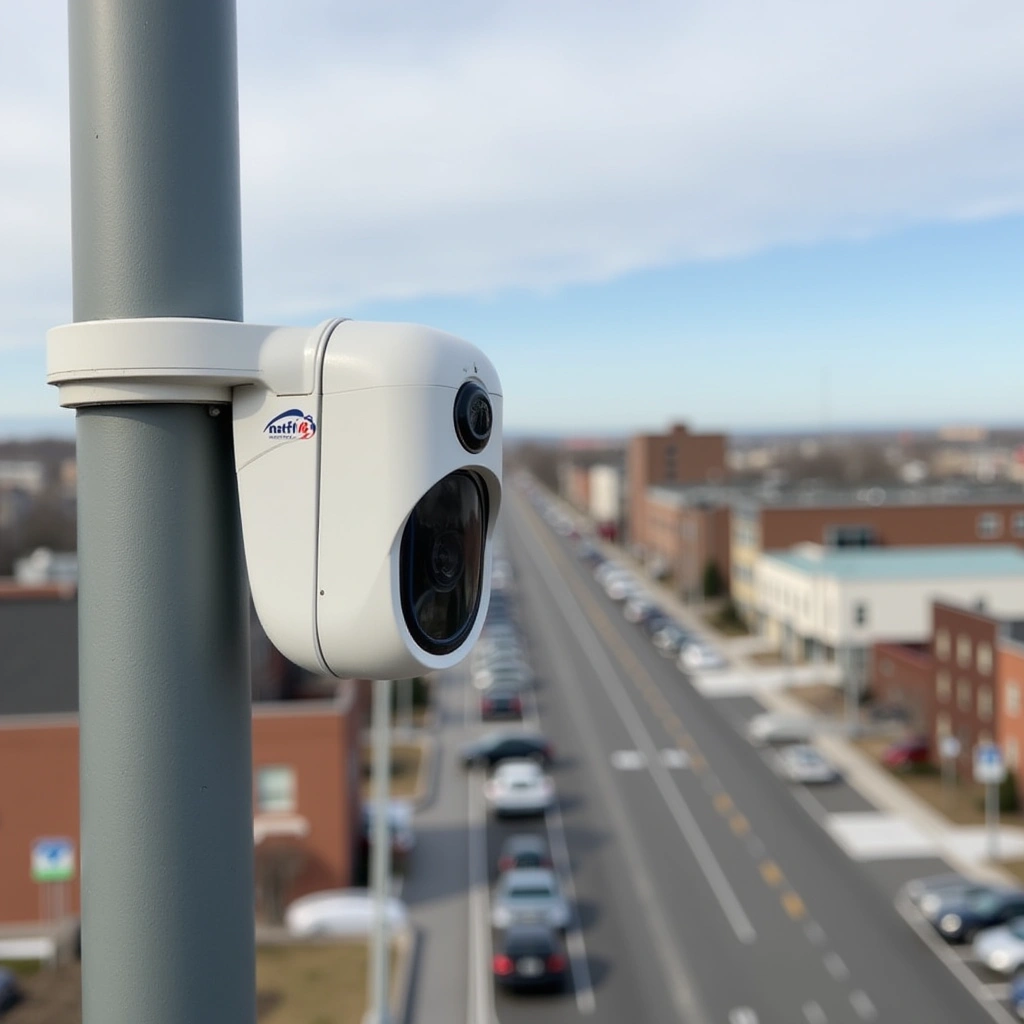
    If you thought the only thing Richmond was known for was its barbecue and a questionable number of hipsters, think again! In an unexpected twist that has everyone talking (and probably rolling their eyes), the city has decided to keep flock cameras in the 2027 budget. Yes, you read that right—ninety-nine cameras are set to be installed across the city.

    Flock Safety cameras can be installed anywhere without existing infrastructure, according to the company. Another interesting function is they don’t require users to comb through 500 hours of footage.

    Now, before you start imagining a dystopian future where every move you make is scrutinized by an all-seeing camera, let’s break down what this actually means for Richmond residents.

    Flock cameras, for those who haven’t been keeping up with the latest in surveillance technology, are high-tech devices designed to capture license plates and monitor traffic patterns. Essentially, they’re like the nosy neighbor who always knows what’s happening on your street but can’t bake cookies to save their life.

    The city government has touted these cameras as a way to enhance public safety. After all, if you can track down a car involved in a hit-and-run faster than you can find your other sock in the morning, that’s a win, right? But let’s be real—there’s always that nagging feeling that this is just one step closer to having robots patrol the streets.

    Of course, the installation of these cameras begs the question: how much privacy are we willing to sacrifice in the name of safety? Richmond residents might find themselves divided on this issue. Some will cheer for the added security, while others will likely grumble about Big Brother watching them walk their dogs.

    And let’s not forget the potential for camera overload. Ninety-nine cameras could mean a lot of footage to sift through. Imagine the poor intern tasked with reviewing all that data—“Hey, do you want to spend your summer watching traffic go by?!” Sounds like a dream job, right?

    While the city is busy installing these cameras, it’s important for residents to stay informed about how the data will be used. Are we talking about just catching criminals or will there be a secret database of everyone who stops at the local coffee shop? (Because let’s be honest, if they did that, I’d be in trouble with my caffeine addiction.)

    In conclusion, Richmond’s plan to install flock cameras is definitely a topic worth discussing. Will they lead to a safer city or a surveillance state? Only time will tell. Meanwhile, if you see a camera pop up on your street, just remember: it might be watching you, but at least it’s not judging your choice of snack. Keep it classy, Richmond!


    Inspired by: “Richmond kept flock cameras in the 2027 Budget. New plan calls for ninety-nine cameras to be instal…” (r/technology)

  • Peter Thiel’s ‘Antichrist’ Theory: A Deep Dive into Tech and Climate Regulation

    Peter Thiel’s ‘Antichrist’ Theory: A Deep Dive into Tech and Climate Regulation

    Ah, Peter Thiel. The man who can turn any conversation into a philosophical debate about the apocalypse—while probably sipping on a mysterious green juice. Recently, he’s been making waves with his so-called ‘Antichrist’ theory, which, spoiler alert, isn’t about a devilish figure in a red suit with horns. Instead, it’s a rather fascinating perspective on the intersection of technology and climate regulation. Let’s unpack this intriguing theory without getting lost in the weeds.

    It exploits the fear of climate change, nuclear war and technological apocalypses to promote the rise of a "world government," a nightmare for libertarians opposed to any form of state regulation.

    Thiel, a billionaire tech mogul and co-founder of PayPal, is no stranger to controversial ideas. He’s often been labeled a futurist, but let’s be honest—sometimes it feels like he’s more of a ‘what-if’ philosopher. In his latest musings, he argues that our current trajectory in tech and climate regulation could lead us to a dystopian future, where regulation becomes the ultimate ‘Antichrist’—a force that stifles innovation and freedom.

    Now, before you roll your eyes and dismiss this as just another billionaire rant, let’s break it down. Thiel suggests that excessive regulation in both technology and climate action could lead us to a society where innovation is hampered, and creativity is snuffed out like a candle in a windstorm. He believes that instead of fostering growth and progress, regulators are acting more like gatekeepers, preventing new ideas from flourishing.

    Imagine a world where every technological advancement must pass through a gauntlet of bureaucratic red tape. Sounds fun, right? It’s like trying to get a refund at a store during the holiday season—frustrating and utterly soul-crushing. Thiel’s point is that if we’re not careful, we might end up with a tech landscape that’s more about compliance than creativity.

    But let’s not forget the climate part of the equation. Thiel argues that while addressing climate change is crucial (and he’s not wrong), the approach taken by many regulators may inadvertently lead to more harm than good. By focusing solely on regulations without considering the innovative solutions that technology can offer, we risk creating a scenario where the very problem we’re trying to solve becomes exacerbated. It’s like trying to fix a leaky faucet by throwing a bucket over it.

    So, what’s the solution? Thiel advocates for a more balanced approach—one that embraces innovation while still addressing the pressing challenges of climate change. He’s calling for a paradigm shift where tech and climate regulation work in harmony rather than against each other. It’s a bold vision and, dare I say, a bit optimistic for someone who often seems to revel in the darker aspects of human nature.

    Of course, Thiel’s ideas aren’t without their critics. Many argue that his perspective is overly simplistic and ignores the complexities of regulatory frameworks. Others fear that his advocacy for less regulation could lead to unchecked corporate power and environmental degradation. It’s a classic case of ‘you can’t please everyone’—but that’s the beauty of a good debate, isn’t it?

    In conclusion, Peter Thiel’s ‘Antichrist’ theory is a thought-provoking take on the future of technology and climate regulation. Whether you agree with him or think he’s just another billionaire with too much time on his hands, it’s clear that the conversation around innovation and regulation is one that needs to happen. So, grab your popcorn and get ready for the show—because this is one debate that’s sure to keep us all entertained (and maybe a little bit worried) for years to come.


    Inspired by: “Peter Thiel just gave the public its closest look yet at his ‘Antichrist’ theory—and it’s a tech an…” (r/technology)

  • The Incredible Journey of the Bar-Tailed Godwit: Nature’s Nonstop Aviator

    The Incredible Journey of the Bar-Tailed Godwit: Nature’s Nonstop Aviator

    Aided by strong tailwinds, they average speeds of 56 km per hour. In 2007, one female (“E7”) completed her 11,680 km journey in just over 8 days, setting the world record for the longest recorded non-stop flight of any bird (Gill et al.

    Have you ever thought about what it would be like to fly 7,250 miles without a pit stop? Well, the bar-tailed godwit has, and it’s not just a casual daydream for this little bird; it’s a reality! In a feat that would make even the most seasoned frequent flyer envious, a female bar-tailed godwit set a record by flying nonstop from western Alaska to New Zealand. And get this—it took her 8.1 days to do it, all while completely ignoring the concept of eating or drinking. That’s right, no snacks, no hydration breaks, just pure, unadulterated flying.

    This remarkable journey, documented by researchers back in 2009, was no one-off event. A total of seven satellite-tagged female godwits participated in this extreme migration, covering distances ranging from 8,117 to 11,680 kilometers. To put that in perspective, the previous record holder, a far eastern curlew, flew a measly 6,500 kilometers. The godwits nearly doubled that distance, and they did it over the vast, unwelcoming expanse of the ocean. Talk about an overachiever!

    Preparing for Takeoff: The Godwit’s Transformation

    Now, before you start thinking that godwits are just nature’s version of a jet plane, let’s break down how they prepare for such a monumental flight. First off, these birds need to pack on the pounds—literally! In the weeks leading up to their departure, they feast on the delightful clams and worms of the Yukon-Kuskokwim Delta. By the time they’re ready to take off, they’ve become walking fuel tanks, with fat making up about 55% of their body mass. Who knew that being a bird could be so much like preparing for a Thanksgiving feast?

    But that’s not all. In a move that sounds like something out of a sci-fi movie, the godwits actually shrink their digestive organs before takeoff. Yes, you heard that right! They effectively trade a portion of their gut for fuel because, let’s face it, they won’t be dining in-flight. I mean, can you imagine a godwit struggling to find an open food court mid-air? Talk about awkward!

    The Energy Burn

    Flying for over eight days burns energy at a staggering rate—about eight to ten times their resting energy level. That’s like running a marathon every day for over a week, but without the water stations or cheering crowds. Researchers noted that the combination of intensity and duration in these flights is essentially unmatched in the animal kingdom. Who knew being a bird could be so exhausting?

    The Art of Timing

    But hold your horses, or in this case, your birds! It’s not just about packing on the pounds and taking off; timing is everything. Godwits are not the type to just wing it (pun intended). They wait for the right weather conditions, specifically the tailwinds from the Aleutian low-pressure systems that sweep into the Gulf of Alaska in autumn. It’s like waiting for the perfect moment to catch a wave if you’re a surfer—except the wave is a gust of wind, and the board is a bird.

    The Return Journey

    When these intrepid travelers finally touch down in New Zealand, they’re not just landing as they were when they took off. They arrive with their fat reserves depleted and their digestive systems in need of a serious reboot. It’s a transformation that runs in reverse: from a fuel tank back to a functional bird. Talk about a post-vacation glow!

    Conclusion

    So, the next time you find yourself grumbling about a long flight or the lack of snacks on board, just remember the bar-tailed godwit. It’s a little bird that takes on the ocean like a champ, proving that sometimes, the journey is indeed the destination—especially when you’re flying nonstop for over a week. Nature sure knows how to put on a show, doesn’t it? Who needs a first-class ticket when you can be a bar-tailed godwit?


    Inspired by: “The Incredible Journey of the Bar-Tailed Godwit: Nature’s Nonstop Aviator”