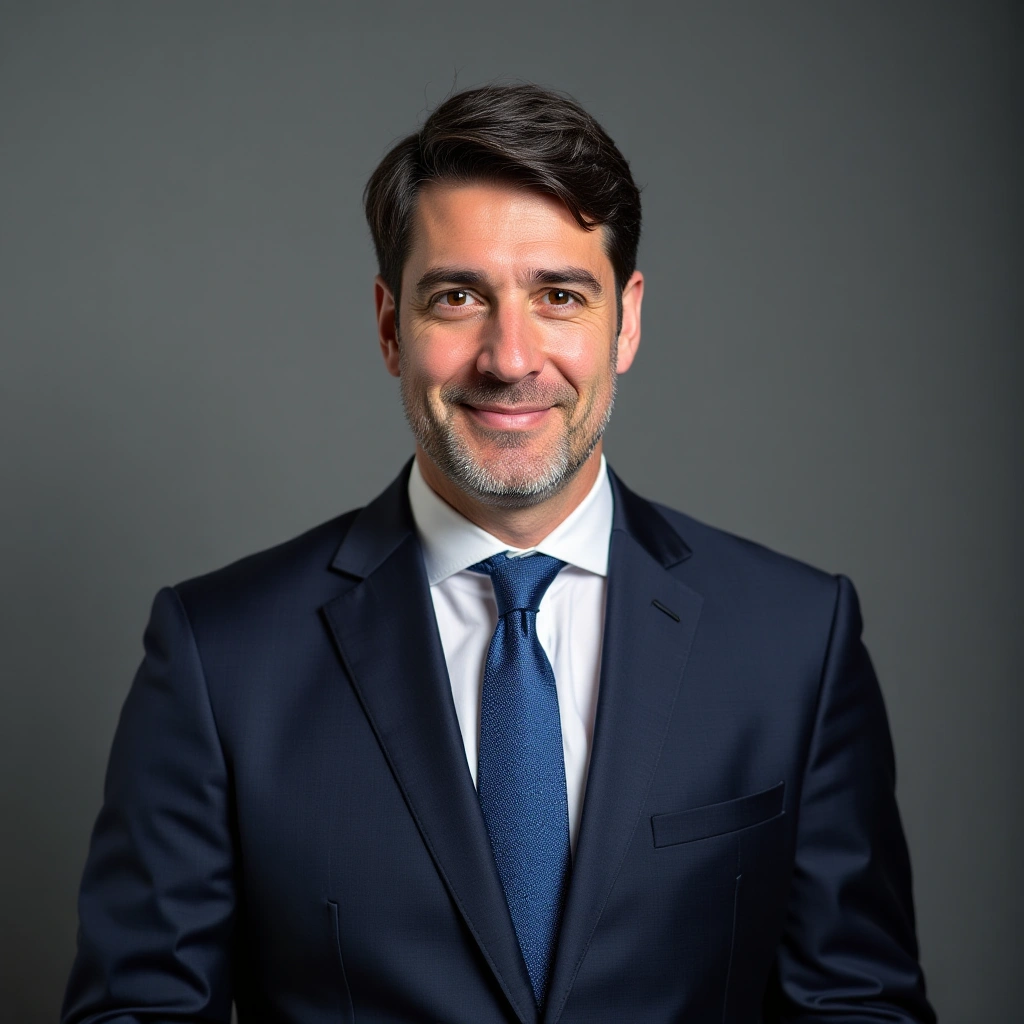
The lack of global governance on artificial intelligence poses an "enormous risk" and "it is past time" to develop frameworks to rein it in , Canadian Prime Minister Mark Carney said Wednesday.
Every few months, someone with a important title stands at a podium and says artificial intelligence is moving faster than the rules meant to govern it. Usually that’s where the conversation ends, and everyone goes back to their inboxes. This time, Canadian Prime Minister Mark Carney made the point at a press conference during the Asia-Pacific Economic Cooperation (APEC) meeting in Shenzhen, China, and he went further than the usual shrug.
Carney described the absence of global governance on AI as an “enormous risk.” He pointed to three areas he considers especially exposed: economic stability, biosecurity, and democratic values. Those are not small things. Economies depend on predictable systems, biosecurity affects public health and safety, and democracies depend on trust in information and institutions. Put AI into any of those areas without shared guardrails, and the potential for trouble grows quickly.
He also said that developing frameworks to manage AI is “past time.” That phrase carries a bit of an edge. It suggests that governments have been talking about this for a while and that the talking has outpaced the doing. If you’ve ever put off a task for months and then realized it’s now overdue, you’ll recognize the feeling.
Carney noted that others share his view, which matters. A single leader calling for rules can sound like a lecture. Several leaders saying the same thing sounds more like a agenda. Still, agreement that rules are needed is not the same as agreement on what those rules should be, who writes them, or who enforces them. That is where things typically get complicated.
Why does “global” governance matter so much? AI tools don’t stop at borders. A model built in one country can be used in another within minutes. A deepfake can circulate worldwide before anyone has time to check whether it’s real. National laws help, but they can be patchy, and companies can sometimes shift operations to wherever the rules are looser. Without some level of international coordination, countries risk ending up in a race to the bottom, where the most permissive rules win the business.
There is also a fairness question. Smaller countries may have little say in how powerful AI systems are developed, yet they will live with the consequences. Discussions held in forums like APEC give countries a chance to raise those concerns and push for approaches that reflect a wider range of interests.
So what would a workable framework look like? Nobody has a perfect answer, and anyone claiming otherwise is probably selling something. Common starting points usually include agreed safety testing for high-risk systems, transparency about how models are trained and evaluated, clear accountability when things go wrong, and some way to share information about emerging threats. None of that will be simple to negotiate, especially among countries with very different political systems and economic priorities.
Carney’s comments are a reminder that the AI debate is no longer only about what the technology can do. It is increasingly about who sets the boundaries and how quickly they do it. Whether his warning leads to real progress or becomes another line in a long list of concerns will depend on whether governments move from agreeing that something must be done to actually doing it. For now, the message from Shenzhen is clear enough: the rules are late, and waiting longer is itself a choice with risks attached.
Inspired by: “Canada PM Says Lack Of Global Governance On AI An "Enormous Risk"” (r/World)