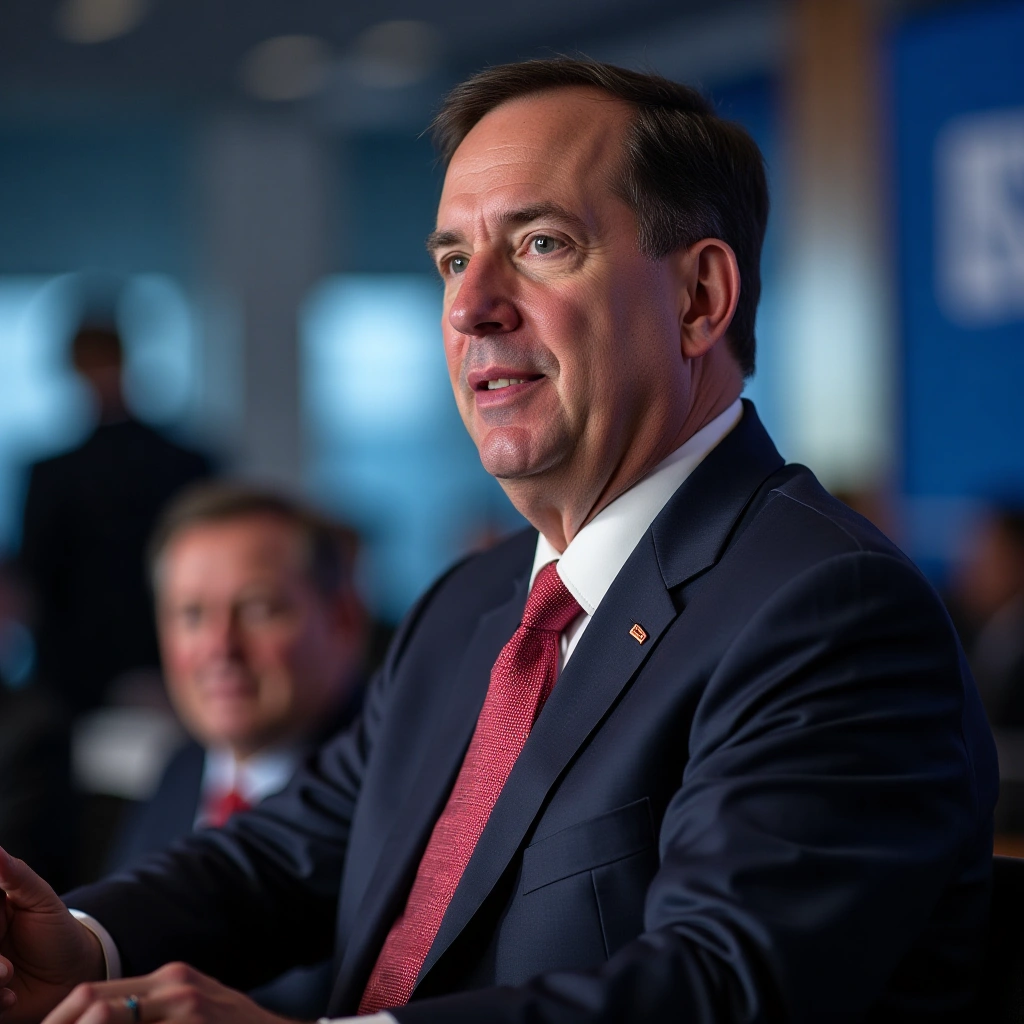
Top House Democrats have asked Lutnick’s company, Cantor Fitzgerald, to share documents showing any communication with the Trump administration and with Nvidia and Megaspeed , companies that allegedly bypassed U.S. export controls and undermined …
Every so often, a story comes along that reminds you how tangled the worlds of Wall Street, Washington, and chip manufacturing can get. This week’s example: Democrats in Congress are preparing to investigate Commerce Secretary Howard Lutnick, and the questions are less about one decision and more about who might have benefited from it.
Here’s the core of the story. Lutnick reportedly made a call to let Nvidia Corp. ship semiconductor chips to Megaspeed International. That decision has drawn concern because of worries about espionage and possible violations of export controls. Export controls exist for good reason. The U.S. government restricts certain advanced technology from leaving the country or reaching particular buyers, especially when national security is on the line. So when a decision about high-end chips raises those red flags, people in Congress tend to pay attention.
But the part that has made this a bigger story is the connection to Cantor Fitzgerald LP. Democrats are targeting the firm’s Nvidia-related business interests as part of their planned probe. According to the Financial Times, lawmakers want to know whether Lutnick’s decision helped Cantor avoid losses tied to Nvidia. Cantor Fitzgerald is a major financial firm, and Lutnick has a well-known history with it, having previously served as its chief executive before taking his government post. That history is exactly why critics are asking whether the public interest and private financial interests might have overlapped.
It’s worth being clear about where things stand. This is a planned investigation, not a finished verdict. Democrats are signaling that they want answers, and the FT’s reporting frames the matter as a question of whether Lutnick helped Cantor. Nobody has established that he did. In Washington, though, the difference between “planning to look into it” and “reaching a conclusion” can take a while to sort out, and the process itself tends to generate plenty of headlines along the way.
Why does this matter beyond the people directly involved? A few reasons stand out. First, export control decisions affect national security, so the public has a stake in whether they’re made on sound grounds. Second, when a cabinet official’s past professional ties could intersect with a government decision, ethics rules and disclosure requirements become important. Nobody wants a situation where a policy call looks like it was made to protect a friend’s bottom line. Third, the Nvidia chip market is enormous right now, which means a lot of money rides on every shipment decision and every regulatory green light.
It’s also a reminder that the same story can look very different depending on where you sit. Supporters of the administration may see this as a politically motivated probe aimed at a high-profile official. Critics may see it as a long-overdue look at conflicts of interest. Most people will probably want to see the actual documentation before deciding, which is a reasonable instinct in a town that runs on press releases.
For now, the takeaway is simple. Democrats plan to look closely at whether Lutnick’s handling of the Nvidia and Megaspeed chip situation was influenced by Cantor Fitzgerald’s interests. Espionage concerns, export control rules, and a former CEO’s continued financial connections are all part of the picture. Whether the probe turns up anything substantial is an open question, and it’s one worth following as more details emerge.
Inspired by: “Democrats Plan Probe of Lutnick, Cantor Fitzgerald’s Nvidia Ties” (r/Politics)