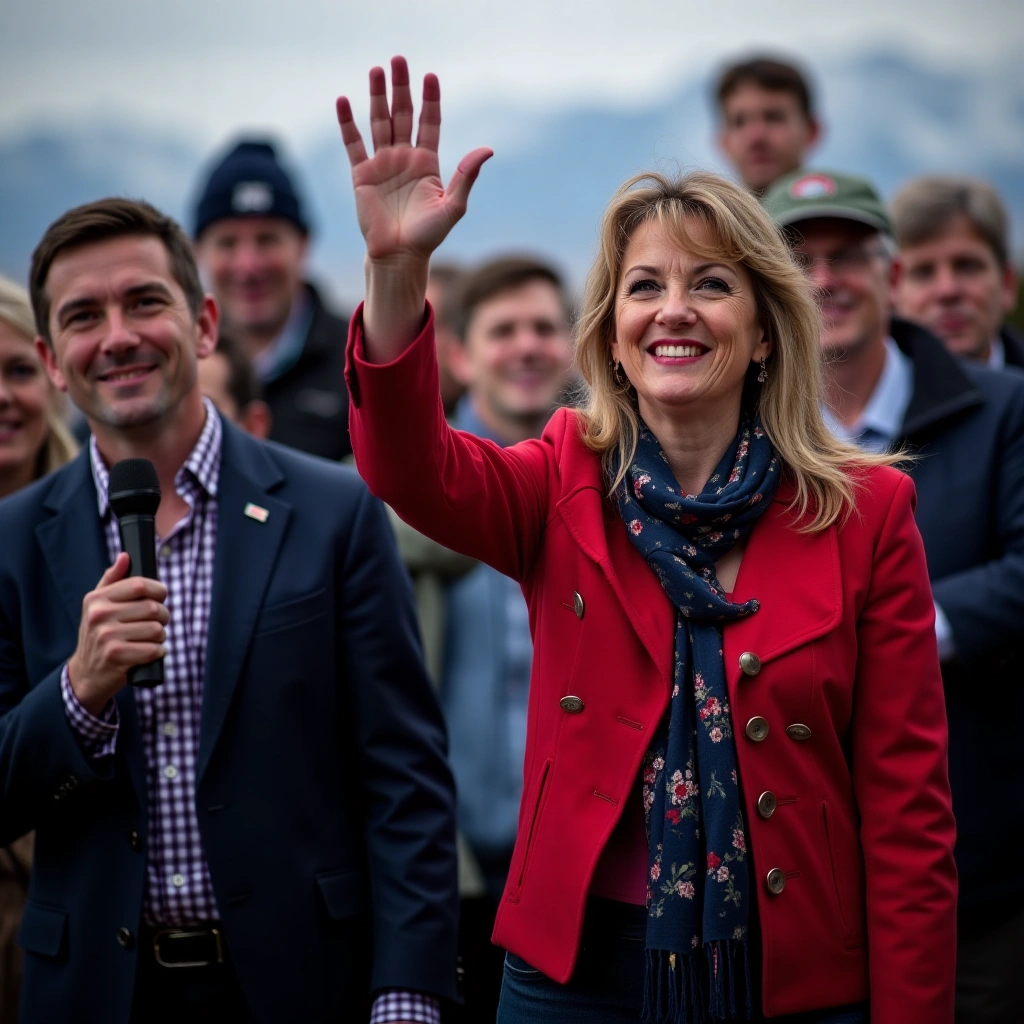
Peltola's victory was welcomed by supporters across Alaska, particularly members of Native communities, who say she understands the difficulties of living in remote villages, including the high cost of living .
Election nights are usually a blur of cable news graphics, nervous refreshing of results pages, and people insisting they ‘already knew’ how it would turn out. Alaska’s Senate race took that to a new level, because for a while the answer was less ‘who won?’ and more ‘when will we know?’
According to the reporting gathered for this story, Democrat Mary Peltola defeated Republican incumbent Dan Sullivan in Alaska’s Senate race. That result, as summarized across several outlets, gave Democrats control of the chamber with a 56-44 majority. Headlines from World Times of India, ABC Australia, Liberty Nation, Euronews, and Al Jazeera all framed the outcome as a major turning point, and one of them described it as a shift that turned Alaska blue in a way few people expected.
The scale of the change is the part that made people sit up. The reporting describes it as the party’s largest gain of seats from Republicans in a midterm election since 1958. Now, I am not a political historian, and I would not trust my memory for that kind of stat, but when a number is that specific and that many outlets repeat it, it is worth reading the original coverage yourself before repeating it at a dinner party.
The wait was its own storyline. The results reportedly took about two weeks after Election Day to finalize. Part of that came down to logistical challenges, which is a polite way of saying Alaska is enormous, many communities are remote, and getting every ballot counted takes patience. Ranked-choice voting added another layer. In that system, voters rank candidates, and if no one wins an outright majority in the first round, lower-ranked choices are redistributed until someone crosses the threshold. It is a fair system in theory, but it also means you cannot call the race the moment the first batch of numbers appears. Anyone who has watched a slow count knows how much suspense that creates, and how quickly it turns into a shared group chat of rumors and screenshots.
So what does a result like this mean for people in Alaska and beyond? Coverage from Al Jazeera, in particular, focused on why the race mattered beyond the state line. A Senate majority affects which bills get votes, which nominees get confirmed, and how much power each party has to shape the agenda for the next stretch of years. For a state that often feels far from Washington, a result that tips the balance in the Senate is a reminder that even small-population places can carry outsized weight in national politics.
The reactions in Alaska, as described in the coverage, ranged from celebration among supporters to the kind of tired resignation you hear from people who have lived through too many close races. That is the thing about politics: every win is someone’s big night and someone else’s bad week, often in the same town.
If you are following this story, my advice is simple. Read a few of the outlets listed in the source material, compare how they describe the margin and the timeline, and pay attention to the details that differ. Good political coverage is less about the headline and more about the fine print. And if someone tells you the answer was obvious from the start, you have my permission to politely ask them to show their work.
Inspired by: “Cheers and reactions in Alaska after Mary Peltola’s Senate win” (r/World)