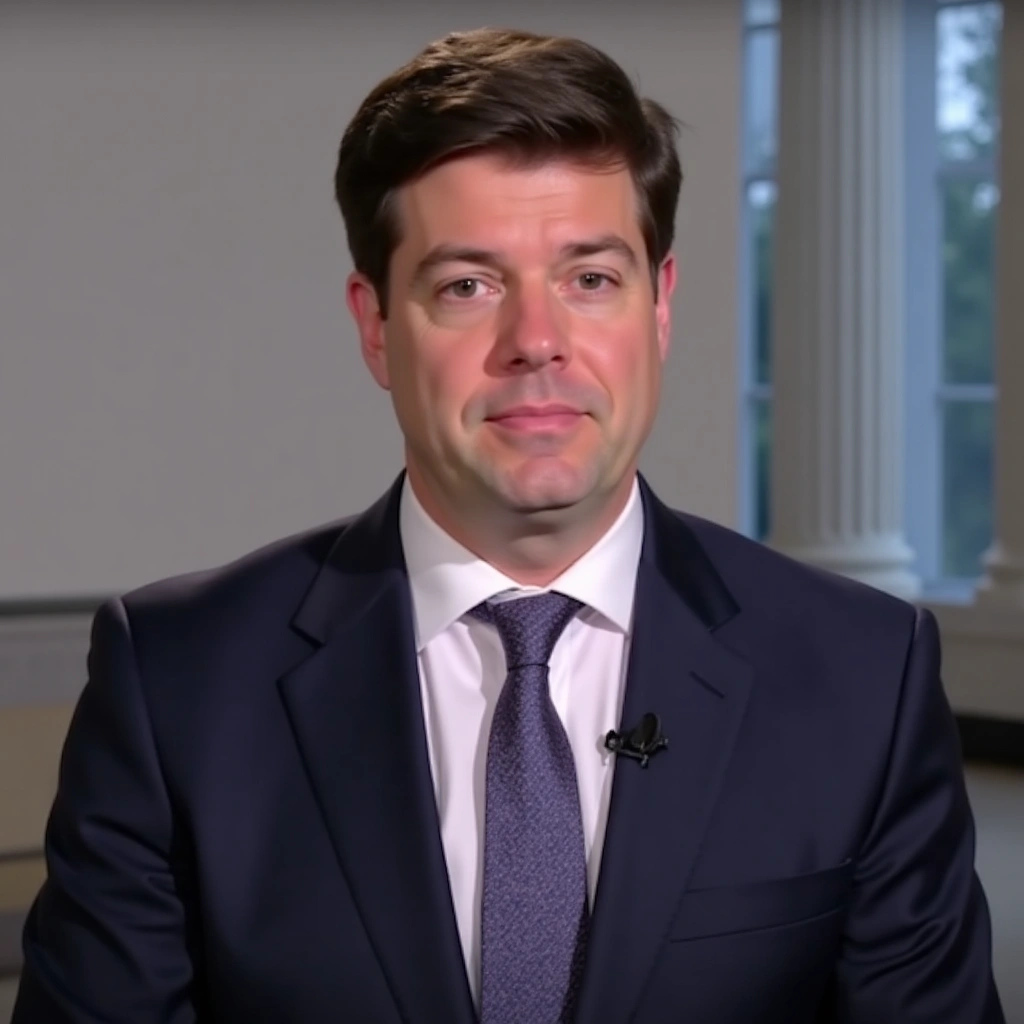
Canadian Prime Minister Mark Carney … Donald Trump, pointing out that Canada primarily exports commodities to China rather than sensitive technologies such as advanced semiconductors …
If you’ve been following Canadian politics lately, you’ve probably noticed that trade headlines have a way of sounding like a soap opera. This week’s episode features Prime Minister Mark Carney, a news conference in Shenzhen, and a message that boils down to: relax, the Americans aren’t really thinking about our China business.
Carney made the remarks while in Shenzhen, China, ahead of the Asia-Pacific Economic Cooperation leaders’ summit. His point was that expanding Canada’s trade relationship with China is not a primary concern for U.S. President Donald Trump. For a country that shares a very long border and a very busy trading relationship with the United States, that’s a notable thing to say out loud, especially when the White House has been publicly critical of Canada’s moves in the region.
So what exactly is Canada selling to China? According to Carney, most of Canada’s exports there are commodities rather than sensitive technologies. Think raw materials and resources rather than cutting-edge gadgets or security-sensitive hardware. That distinction matters a lot in Washington, where officials tend to get twitchy about anything that could help a rival country gain a technological edge. Carney’s argument is essentially that Canada isn’t handing Beijing the crown jewels, just the stuff that gets dug out of the ground and shipped out in bulk.
Whether you find that reassuring depends on how much you trust the line between ‘commodities’ and ‘strategic’ goods. Trade analysts have long argued that the boundaries can get blurry fast, and that critics in any capital are always ready to point at the exceptions. Still, it’s a clear message: Canada wants to be seen as diversifying its trade partners without stepping on the toes of its most important neighbour.
That brings us to the timing. The comments came just before the APEC summit, a gathering where leaders from across the Asia-Pacific region meet to talk trade, economics, and the kind of diplomacy that involves a lot of smiling for photographs. CBC’s coverage framed the trip as a moment when Carney was set to meet with Trump at APEC, which means the China question was never going to stay a side note. Any time a Canadian leader talks about China while also expecting a conversation with the U.S. president, reporters are going to ask whether one relationship is being traded for another.
Carney’s message seems to be that these relationships don’t have to be a zero-sum game. In his telling, Canada can look for more customers abroad while still treating the United States as its most important partner. It’s a reasonable pitch, even if it’s easier to say in a press conference than to prove in a trade deal.
The story also got plenty of attention across the media landscape. Outlets including The Seattle Times, CityNews Toronto, CityNews Kitchener, WTOP News, HuffPost, CBC, and Anadolu Ajansi all picked it up, with slightly different headlines but the same core message. When that many outlets run versions of the same story, it’s a sign that this is more than a passing comment. It’s a snapshot of how Canada is trying to balance its economic ambitions with its very complicated relationship with its southern neighbour.
So, is China really not a concern for Trump? Carney says no, and he’s the one who spent time in Shenzhen saying it. Whether Washington agrees is a different question, and one that will likely keep coming up until the next summit photo op. For now, the takeaway is simple: Canada is trying to grow its trade ties, insists it’s not selling anything too sensitive, and hopes the White House will believe it. Stay tuned, because in trade diplomacy, the sequel is always more complicated than the first episode.
Inspired by: “Carney says Canada’s growing trade ties with China are not a top concern for Trump” (r/News)