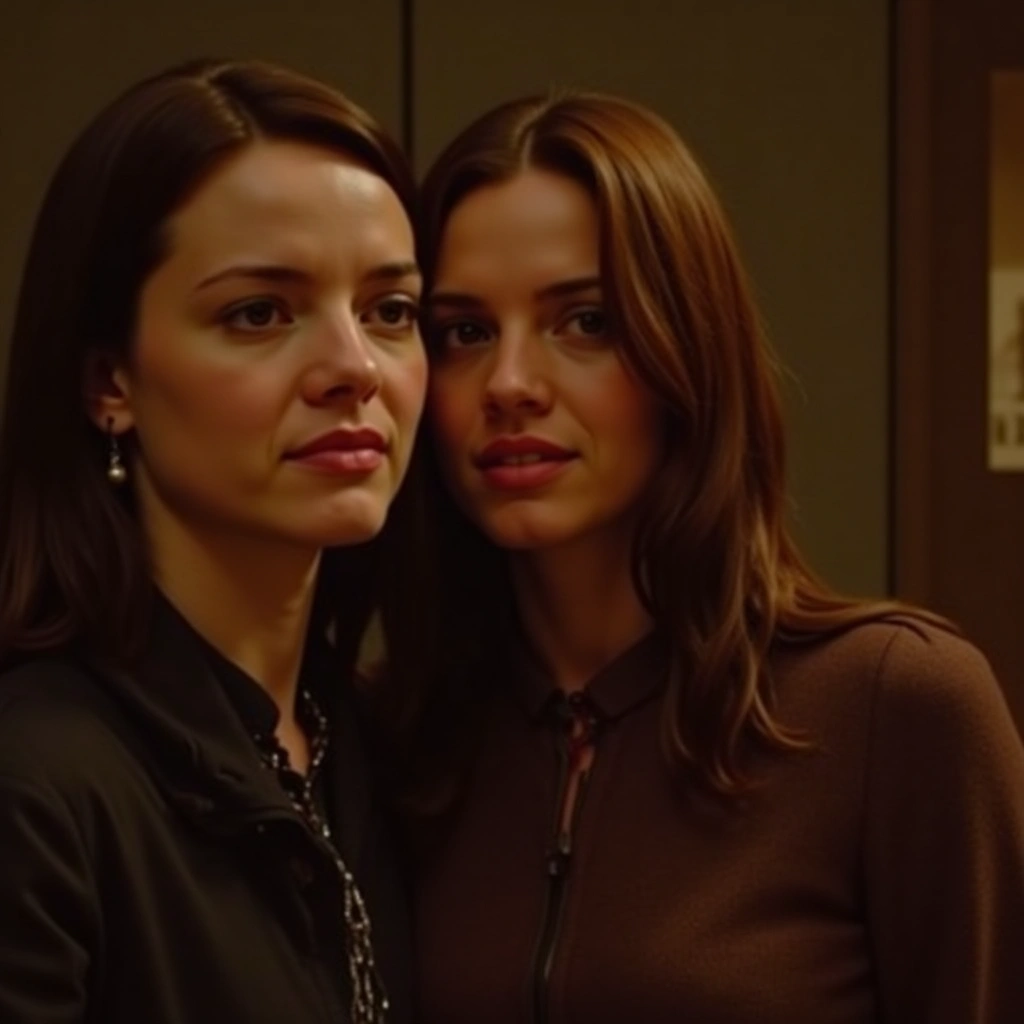
Francis Lawrence’s latest instalment, Sunrise on the Reaping, is a gripping, emotionally bruising prequel that justifies the anticipation and proves that the franchise still has plenty to say .
Every few years, a franchise decides that the most exciting thing it can do next is go backward. The Hunger Games: Sunrise on the Reaping is the latest example, and based on early reactions, critics are split on whether that was a clever move or a slightly unnecessary one.
The film is a prequel based on Suzanne Collins’s book, and it arrives in cinemas on November 20th. It is set 24 years before the events of the original Hunger Games films and follows a young Haymitch Abernathy during the 50th annual Hunger Games, the one he famously won. If you remember Haymitch as the grumpy, whiskey-soaked mentor who spent most of the original series looking like he’d rather be anywhere else, this movie promises to explain how he got that way. Honestly, that’s a fair question to ask. Some people have wondered for years what happened to him, and others were perfectly content to let him stay mysterious.
The cast is a mix of familiar faces and new ones. Jennifer Lawrence, Woody Harrelson, and Josh Hutcherson return from the original series, which gives the film a built-in connection to the earlier movies. Joseph Zada takes on the role of young Haymitch, and Ralph Fiennes plays President Snow. Fiennes is an interesting choice to put in a prequel, since villains tend to be more menacing when we don’t know their full story yet. Whether the film makes Snow more unsettling or simply more tired is one of the questions critics are grappling with.
That brings us to the reception. Coverage from outlets such as indy100 and NME suggests the film is dividing critics. NME put it in a headline that sums up the debate nicely: is this “an origin story nobody wanted” or a genuine highlight of the series? That framing captures the core tension. Some viewers will see a prequel as a thoughtful way to deepen a world they already love. Others will see it as a studio revisiting a story that was already told well enough, and asking audiences to care about a character who was never the main event.
It is worth being fair here. Prequels have a tough job. They have to satisfy longtime fans who already know how things end, while also making a new story feel like it matters. When a prequel works, it adds weight to what came later, and the characters you already know feel more layered. When it doesn’t, it can feel like a collection of callbacks and familiar faces with very little reason to exist. Based on the way critics are talking, this film seems to be landing somewhere in the middle, depending on how much you cared about Haymitch in the first place.
So what should you expect? If you’re a devoted fan who wants more of the Capitol, more of the arena, and more context for the characters you love, this may be exactly what you’re looking for. If you’re more skeptical, you’re not alone, and critics are clearly not in agreement on this one. The best approach is probably to go in with realistic expectations and decide for yourself. It’s a rare chance to watch a franchise argue with itself in public, and that alone makes the debate worth following.
Inspired by: “What are critics saying about ‘The Hunger Games: Sunrise on the Reaping’?” (r/News)