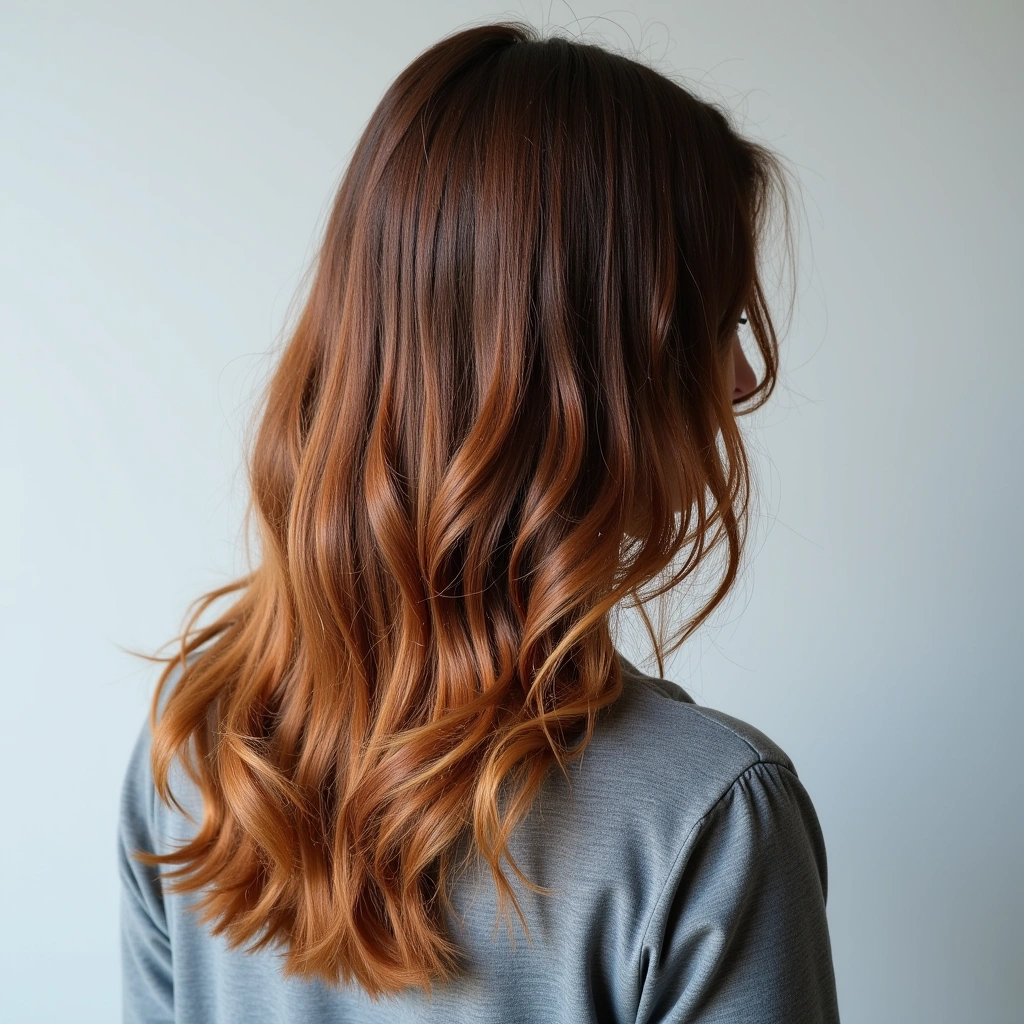
Hey there, hair enthusiasts and curious minds! Let’s dive into a topic that might make you rethink your shampoo choices and your whole hair care routine: hydrophobic hair. Now, before you go thinking that this is some fancy new hairstyle trend that involves standing under a waterfall while dressed as a mermaid, let me clarify. Hydrophobic hair is all about those strands that just refuse to get wet.
What is Hydrophobic Hair?
Hydrophobic hair, as the name suggests, is hair that has a natural aversion to water. Imagine trying to convince a cat to take a bath – that’s your hair when it comes to water! But why does this happen? It all boils down to the structure and composition of your hair.
The Science Behind It
Your hair is made up of a protein called keratin, which is the same stuff that makes up your nails and the outer layer of your skin. Some hair types have more cuticle layers, which can create a kind of protective barrier. This barrier can repel water, leading to the hydrophobic attribute. Think of it as your hair putting on its best raincoat and saying, “No, thank you!” to any drops that dare approach.
Why Does It Matter?
Now, you might be wondering, “So what? Who cares if my hair acts like it’s allergic to rain?” Well, my friend, it matters a lot! Hydrophobic hair can lead to a range of hair care challenges, including difficulty in getting moisture into your strands. If your hair is hydrophobic, it might also mean that it’s prone to dryness and breakage because it’s not absorbing the hydration it needs.
It’s like trying to pour milk into a bowl with a giant hole in it. Good luck getting your hair to drink up that precious moisture!
Can You Change Your Hair’s Hydrophobic Nature?
Ah, the million-dollar question! While you might not be able to flip a switch and transform your hair from a water-repelling fortress to a sponge-like absorbent, there are ways to help. Here are some tips:
1. Use Moisturizing Products: Look for shampoos and conditioners that are specifically designed for dry or damaged hair. These products often contain oils and humectants that can help improve moisture retention.
2. Heat Treatments: Consider using heat (with a protective spray, of course) to help open up the hair cuticles, allowing water and moisture to penetrate better. Just don’t overdo it or you’ll be singing the sad song of heat damage.
3. Stay Hydrated: Just as you need water to survive, your hair also benefits from hydration. Drink plenty of water, and your hair will thank you!
4. Avoid Over-Washing: Too much washing can strip your hair of its natural oils, making it even more hydrophobic. Try to find a sweet spot that works for you.
The Controversial Side: Is Hydrophobic Hair a Blessing or a Curse?
Now, let’s get a bit controversial. Some people argue that hydrophobic hair is a blessing in disguise. Think about it! You can walk through the rain without looking like a soggy mess. No more bad hair days due to unexpected downpours! But on the flip side, the struggle to keep your hair hydrated is real, and it can lead to a constant battle with dryness and frizz.
So, is hydrophobic hair a gift or a curse? That’s for you to decide, but let’s just say that a little balance is key.
In Conclusion
In the grand scheme of things, hydrophobic hair is just one of the many quirks of our beautiful human bodies. Whether you embrace it or fight against it, understanding how your hair works can empower you to take better care of it. So, next time you’re caught in a drizzle, just remember: your hair might be giving a little wink and saying, “Not today, water!”
And hey, if you’ve got any hydrophobic hair hacks, drop them below in the comments! Let’s make this a community effort to conquer the world of water-repelling locks together.
Stay fabulous, my friends!
Inspired by: “Hydrophobic hair” (r/interestingasfuck)