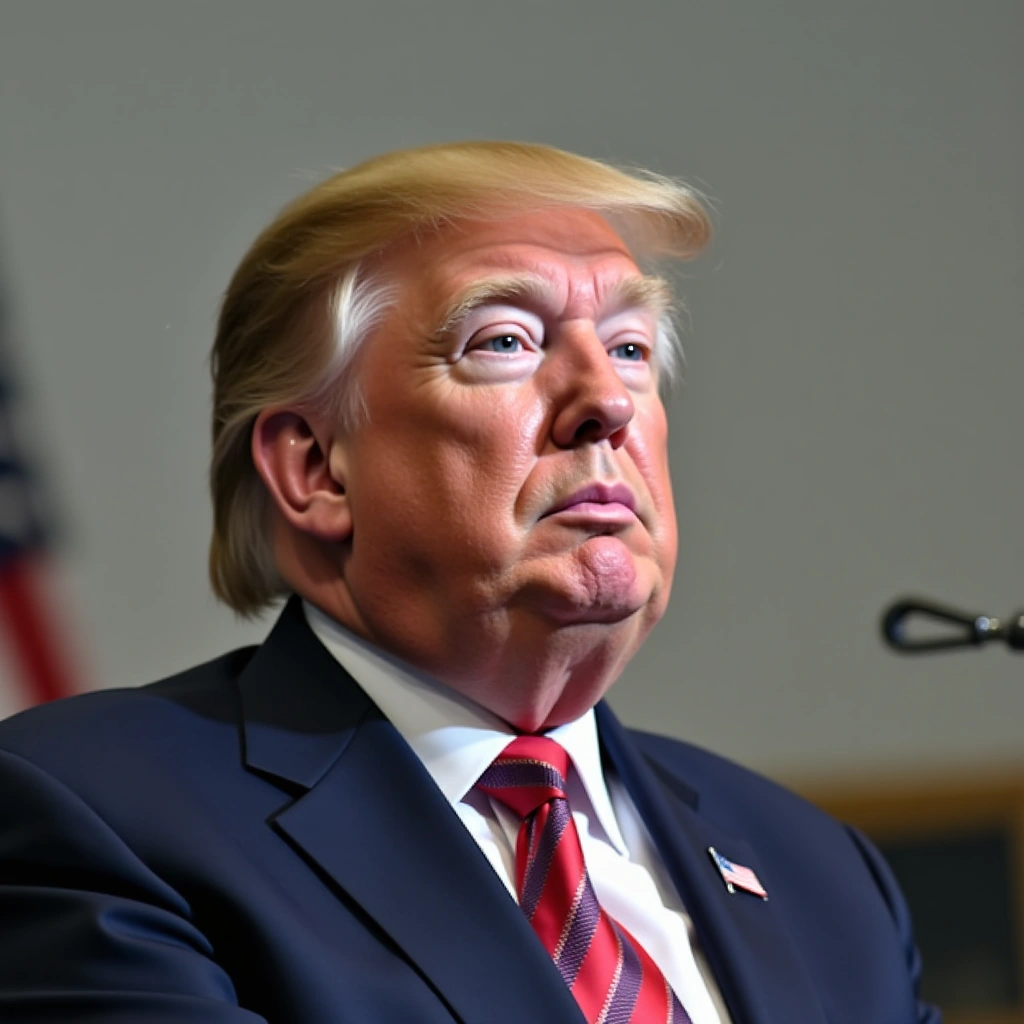
The unsigned ruling in Trump v. Thakur was not explained. No justices dissented. The decision leaves in place a lower court order that reinstated funding for a class of University of California researchers .
Every so often the Supreme Court makes news not by doing something dramatic, but by declining to do anything at all. This is one of those times. The Court has turned down an appeal from President Donald Trump’s administration over its attempt to cancel academic research grants for researchers in the University of California system. The administration had targeted those grants over its opposition to diversity, equity, and inclusion initiatives, commonly shortened to DEI, a term that has become a reliable way to start an argument at any family dinner.
The outcome is that lower court rulings, which found that terminating these grants violated free speech rights, remain in place. So the researchers keep their funding, the administration doesn’t get its do-over, and the Supreme Court goes back to whatever else is on its very full plate.
Let’s walk through what happened, what it means, and what it doesn’t mean.
What Was Actually at Stake
The grants came from two federal agencies: the National Science Foundation (NSF) and the National Endowment for the Humanities (NEH). If you’re not deep in the academic world, these are two of the main ways the federal government funds research. The NSF supports science and engineering work, and the NEH supports the humanities, the fields that study history, literature, philosophy, and how people make sense of the world.
The administration’s move aimed at cutting this funding for University of California researchers, and its stated reason was its opposition to DEI initiatives. In other words, the grants weren’t being cut because the research was bad, the money ran out, or someone misplaced a budget spreadsheet. They were cut because of their connection to an idea the administration opposes.
That detail turned out to matter a lot in court.
How Much Money Are We Talking About?
This is where the coverage gets a little inconsistent, which tells you something about reporting on large funding fights. The summary of the story puts the targeted funding at about $150 million in NSF and NEH grants. Quartz, however, described the case as Trump’s bid to cut $59 million in DEI research grants.
Those are not small differences, so it’s worth being honest about it. The sources don’t line up neatly, and the gap could come from how the grants were counted, which grants were included, or which portion of the dispute was actually before the Court. Without more detail, the safest takeaway is this: it was tens of millions of dollars at minimum, possibly well over a hundred million, and either way it’s far more than the change in your couch cushions. Unless your couch is unusually generous.
Why the Lower Courts Ruled the Way They Did
The central legal finding from the lower courts was that terminating these grants violated free speech rights. That’s the heart of the matter.
Here’s the general idea, in plain English. The government has a lot of leeway in deciding what to fund. It doesn’t have to pay for every project anyone pitches to it. But there’s a difference between choosing priorities and pulling money that has already been awarded because the government dislikes a viewpoint connected to the work. When the reason for cutting funding looks like punishment for the ideas involved, the First Amendment starts to get involved.
The lower courts concluded that this case crossed that line. Canceling grants because of opposition to DEI was treated as a free speech problem, not a routine budget call.
You can agree or disagree with DEI programs as a policy matter, and many people do, loudly and often. But the legal question here wasn’t whether DEI is good. It was whether the government can yank existing research funding because it objects to the ideas behind it. The lower courts said no.
What It Means When the Supreme Court Declines to Hear a Case
This part trips people up constantly, so let’s clear it up.
When the Supreme Court declines to hear an appeal, it is not issuing a big ruling saying the lower court was correct about everything. It’s simply choosing not to take the case. The Court receives far more requests than it could ever handle and agrees to hear only a small fraction of them.
The practical effect, though, is real. When the Court says no, the lower court’s decision stands. Here that means the rulings that found the grant terminations unconstitutional stay in place, and the administration’s attempt to overturn them ends at the Supreme Court’s door.
So is this a resounding endorsement of the researchers’ position by the nation’s highest court? Not exactly. Is it a loss for the administration? Yes. It’s the legal version of asking your manager to overrule a decision and getting back a polite “I’m not getting involved.” Technically neutral. Practically, you lost.
Why This Matters Beyond California
It would be easy to file this under “a fight between the federal government and one university system” and move on. But the principle has broader reach.
Researchers across the country depend on federal grants. If the government could cancel funding already awarded whenever an administration objected to the ideas tied to the work, every researcher would have reason to wonder whether the next political shift might take their project down with it. That’s not a great setup for long-term research, which often runs for years and needs some stability to get anywhere.
The lower court rulings, now left standing, push back on that. They suggest that once funding is in place, the government can’t simply pull it as a way of punishing viewpoints it opposes. That’s a meaningful protection, whatever your feelings about DEI itself.
To be clear, this doesn’t mean every grant is untouchable forever or that governments can never change funding priorities. The decision is about this specific situation, where the cuts were tied to opposition to DEI and the courts found a free speech violation. It isn’t a blanket rule for every funding dispute.
The Bigger Picture
This case fits into a larger story about the administration’s efforts to roll back DEI initiatives in institutions, including universities. Those efforts have produced plenty of legal fights, and this is one where the administration came out on the losing end.
The coverage was wide, with NBC News, CNN, Quartz, and CBS News all reporting it. The headlines differed slightly in wording, some saying the Court “rejected” Trump, others that it “declined” his push or “won’t hear” his bid. They all describe the same result: the Supreme Court took a pass, and the lower court rulings survive.
That range in headlines is a nice reminder to read past the first line. “Rejects” sounds like a dramatic showdown. “Declines to hear” sounds like a procedural shrug. Both are accurate. The difference is mostly about how much energy the headline writer had that morning.
The Bottom Line
The administration tried to cancel tens of millions of dollars, and possibly more than $150 million, in NSF and NEH research grants for University of California researchers because of its opposition to DEI. Lower courts found that doing so violated free speech rights. The administration appealed to the Supreme Court, and the Supreme Court declined to hear it.
The result: the lower court rulings stand, the funding fight ends in the researchers’ favor, and the principle that the government can’t simply pull existing grants to punish ideas it dislikes gets a little sturdier.
It isn’t the flashiest Supreme Court moment of the year. No sweeping majority opinion, no fiery dissent quoted on cable news. Just a decision not to step in, which sometimes says plenty. For the researchers involved, the news is pretty simple: they get to keep doing their work. And that, after all, was the whole point of the grants.
Inspired by: “Supreme Court rejects Trump over academic funding cuts related to DEI” (r/News)