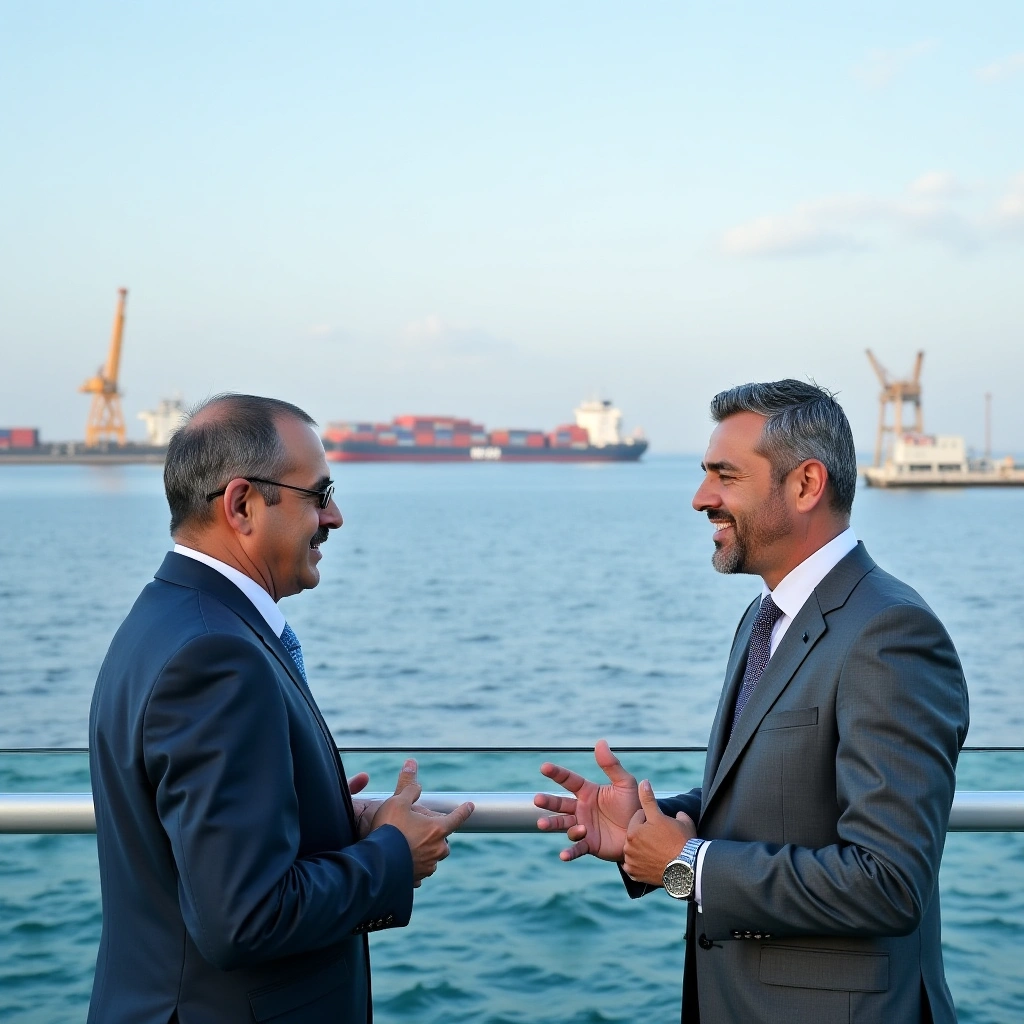
DUBAI, Nov 17 (Reuters) – Oman and Iran discussed on Tuesday safeguarding maritime corridors and ensuring the smooth flow of global shipping and trade, as well as revitalising channels for dialogue and negotiations to prevent escalations , …
Every so often a headline shows up that sounds almost aggressively calm. “Oman, Iran foreign ministers discuss safeguarding maritime corridors” is one of those. No explosions, no dramatic ultimatums, just two diplomats having a conversation about boats. Riveting, right?
But the calm wording is doing a lot of work. The story was picked up by Dawn, Salem Radio Network News, Rappler, and the Hindustan Times, which is a decent sign that people beyond the Gulf are paying attention. The Hindustan Times added the part the other headlines left out: the talks came amid increasing attacks in the Strait of Hormuz. That changes the tone from “routine diplomatic chat” to “routine diplomatic chat that everyone with a fuel tank should care about.”
A quick note before we go further: the available reporting is thin on specifics. We know who talked and roughly what about. We don’t have a detailed transcript, a list of agreements, or a dramatic quote to pull out. So this post won’t pretend to know what was said behind closed doors. It will explain why this conversation matters and why these two countries are the ones having it.
Why the Strait of Hormuz Is Such a Big Deal
The Strait of Hormuz is a narrow stretch of water connecting the Persian Gulf to the Gulf of Oman and, beyond that, the open ocean. If you’re shipping oil or gas out of much of the Gulf region, you go through it. There’s no scenic alternate route and no convenient detour.
That makes it one of the most strategically important waterways on the planet and, as a bonus, one of the most nerve-racking. When something goes wrong there, the effects show up far away, in energy markets, shipping insurance costs, and eventually the mood of drivers staring at gas station price signs.
So when reports mention increasing attacks in the strait, it isn’t a local story. It’s a global one disguised as a regional one.
Why Oman and Iran, Specifically?
Geography answers most of this. Iran sits on one side of the strait and Oman on the other. If any two countries have a direct, unavoidable stake in what happens in those waters, it’s these two. They are, in the most literal sense, neighbors across the hallway.
There’s also the diplomatic angle. Oman has long been known for quiet diplomacy and for keeping lines of communication open with parties that don’t always talk to each other directly. It has often played the role of the reasonable friend at the party who stays on speaking terms with everyone, including the guests who refuse to stand in the same room.
Iran, for its part, sits at the center of many of the region’s tensions and has obvious interests in what happens along its coastline. A conversation between these two foreign ministers is therefore less of a photo opportunity and more of a practical check-in between the two countries that border the most sensitive part of the route.
What “Safeguarding Maritime Corridors” Probably Means
Diplomatic language is famous for saying a lot while committing to very little. “Safeguarding maritime corridors” is a phrase that could cover a whole range of things, and since the reporting doesn’t spell out specifics, it’s worth being honest that we’re talking about the general concept rather than any announced plan.
In broad terms, keeping shipping lanes safe usually means things like:
– Keeping commercial vessels moving without interference
– Reducing the risk of incidents that could spiral into bigger confrontations
– Maintaining communication so that misunderstandings don’t turn into crises
– Reassuring shipping companies, insurers, and trading partners that the route is still usable
That last point is underrated. Shipping runs on confidence. If companies believe a route is dangerous, costs go up whether or not anything else happens. Sometimes the most useful thing diplomats can do is signal that someone is actually paying attention.
The Bigger Picture
It’s easy to be cynical about talks like this. Foreign ministers meet, they “discuss,” a statement goes out, and everyone moves on. If you were hoping for a headline that said “Problem Solved, Everyone Can Relax,” this is not that headline. Sorry.
Still, talking is not nothing. In a region where tensions can escalate quickly, open channels between neighbors are one of the few tools that reliably help prevent a bad situation from getting worse. The alternative, which is countries not talking while incidents pile up, has a much worse track record.
The fact that the story was carried by outlets in Pakistan, the United States, the Philippines, and India also says something. Countries and audiences far from the Gulf have a stake in whether ships can pass safely through Hormuz, because the trade moving through it touches economies around the world.
What to Watch For
Since the initial reports don’t go into detail, the real test is what comes next. Things worth keeping an eye on include:
– Whether the reported attacks in the strait slow down or keep increasing
– Whether these talks lead to further meetings or any concrete arrangements
– How other countries in the region and major shipping nations respond
– Whether shipping companies treat the route as more or less risky in the coming weeks
If the conversation leads to fewer incidents, it’ll be a quiet success, the kind nobody throws a parade for. If incidents continue, this meeting will likely be remembered as one of several attempts to cool things down.
The Bottom Line
Two foreign ministers talking about boats doesn’t sound exciting. But when those boats move through one of the world’s most important and fragile shipping chokepoints, and when reports point to rising attacks there, the conversation matters a lot more than the dull headline suggests.
Oman and Iran share the strait, share the risks, and evidently share an interest in keeping it open. Whether talk turns into real stability remains to be seen. For now, it’s mildly reassuring that someone is at least having the conversation, because in this corner of the world silence tends to be far more expensive.
Inspired by: “Oman, Iran foreign ministers discuss safeguarding maritime corridors” (r/News)