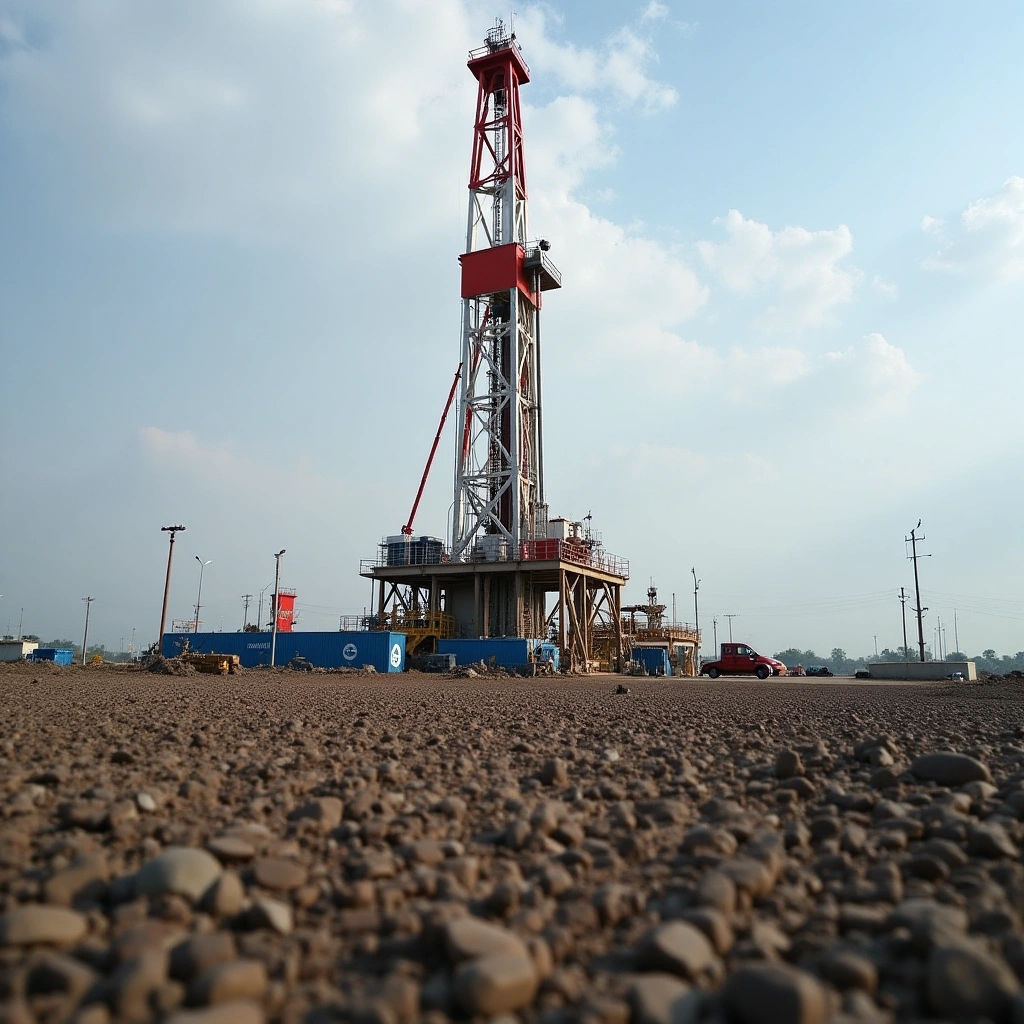
People within one kilometer radius have been alerted.” · Water is sprayed on ONGC's Well-7 near Nagaram in Andhra Pradesh's Konaseema district to cool the site after a gas leak on Tuesday .
There are a few phrases nobody wants to hear about the industrial site down the road. “Routine maintenance” is mostly fine. “Minor hiccup” is a little suspicious. “Major gas leak, residents evacuated” is the one that gets people grabbing their kids, their phones, and possibly the family pressure cooker on the way out the door.
That is roughly where things stand in Konaseema district, Andhra Pradesh, where a gas leak has been reported at an Oil and Natural Gas Corporation (ONGC) well. Let’s go through what has been reported, what it means, and what remains unclear, without inventing details that haven’t been confirmed.
What Happened
According to reports from the Hindustan Times, the Times of India, and The Hindu, the leak occurred at an ONGC well during re-drilling operations. Residents in nearby areas were evacuated as a precaution, and the incident reportedly caused panic among locals.
That panic is easy to understand. Hearing that gas is escaping from a well near your home rarely inspires calm reflection.
The Hindu reported that residents within a 1 km radius were alerted and that a road was closed. ONGC experts and district officials are on site working to contain the leak.
The headlines differ slightly in tone. The Hindustan Times called it a “major” leak, the Times of India went with “massive,” and The Hindu described it simply as a “gas leak.” When three national outlets cover the same incident and the gentlest wording still includes an evacuation, it’s safe to say this was not a small puff of air from a pipe.
Wait, What Is Re-Drilling?
The reports say the leak happened during re-drilling, so it helps to know what that means in general terms.
Re-drilling, or workover activity, is work done on an existing well rather than a brand-new one. Companies do it to restore or improve production, reach a different part of a reservoir, or fix problems inside the well. In other words, the well already exists, and crews go back in to work on it.
That sounds more routine than drilling a fresh hole, and in many cases it is. But any work that opens up a pressurised well carries risk. Underground gas is under pressure, and when the systems meant to control that pressure don’t hold, the gas finds a way out. Gas doesn’t care about schedules, budgets, or anyone’s afternoon plans.
The reports don’t say what caused the leak during this operation, so any specific explanation would be speculation. The confirmed facts are that the well was being re-drilled and that gas escaped. Investigators will need to work out the rest.
Why Evacuate a 1 km Radius?
Evacuations sound dramatic, and they are, but in a situation like this they are also a sensible default.
A gas leak near homes raises a few broad concerns. Gas can catch fire if it meets a spark or flame. Depending on what’s in it, it may be harmful to breathe in large amounts. And conditions can change quickly as wind shifts or pressure varies.
Moving people out of the immediate area gives responders room to work and reduces the number of people exposed if things get worse. Closing the road keeps traffic, and all the potential ignition sources that come with it, away from the site.
Yes, it’s disruptive. Nobody enjoys leaving home on short notice without knowing when they’ll be back. Still, the alternative of “let’s wait and see” has a poor safety record. In emergency planning, being a bit too cautious is much better than being slightly under-cautious.
The Panic Factor
The reports specifically mention that the incident caused panic among locals. That detail matters.
People living near oil and gas infrastructure often know the equipment is there. It’s part of the scenery, much like a water tank or a mobile tower, except with considerably higher stakes. Most days, nobody thinks about it. Then, suddenly, it’s the only thing anyone can think about.
Panic during evacuations is understandable, but it can also cause trouble of its own: confusion about where to go, rumours spreading faster than official updates, and people heading back to check on homes or livestock before it’s safe. That’s why clear, frequent communication from authorities matters almost as much as the technical work at the well.
Who’s Handling It
ONGC experts and district officials are on site and working to contain the leak. ONGC brings the technical knowledge of the well and how to bring it under control, while district officials manage the human side: evacuations, road closures, and public communication.
Containing a gas leak at a well is specialised work, not something solved with a large wrench and good intentions. The exact methods depend on the well and the cause of the problem, and the reports haven’t detailed the approach being used here.
What We Don’t Know Yet
It’s worth being clear about the gaps in the current reporting. Based on the available sources, we don’t have confirmed details on:
– What caused the leak during re-drilling
– How long containment is expected to take
– When evacuated residents might return home
– Whether there has been any lasting effect on the surrounding area
These are the questions residents will reasonably want answered, and the questions officials and ONGC will eventually need to address. Until then, it’s better to wait for confirmed updates than to fill the gaps with guesses. A local rumour mill is enthusiastic, but it is not known for accuracy.
If You’re in the Area
If you live near the affected well or have family there, the standard advice for gas leak situations applies:
– Follow official instructions. If authorities say to stay out of an area, stay out, even if your neighbour’s cousin heard from someone that it’s fine now.
– Avoid ignition sources near the zone. That means no lighting fires, no smoking, and nothing that could create a spark.
– Don’t return early. Wait for the all-clear from district officials.
– Rely on verified updates. Official announcements and reputable news outlets are better sources than forwarded messages with too many exclamation marks.
– Check on vulnerable neighbours. Elderly residents, people with health conditions, and families with small children may need extra help.
The Bigger Picture
Incidents like this bring back a familiar question for any community that lives alongside energy infrastructure: how safe is the operation next door, and how quickly can things be brought under control when something goes wrong?
The response so far, with evacuations, a 1 km alert radius, a road closure, and experts on site, suggests the immediate safety steps were taken seriously. That’s reassuring. The fuller account will come later, once the leak is contained and people start asking how it happened in the first place.
For now, the priority is simple: contain the leak, keep people safe, and get residents home as soon as it’s genuinely safe. Everything else, including the inevitable inquiries and explanations, can come after the gas has stopped escaping.
We’ll be keeping an eye on updates. Hopefully the next headline is a much less exciting one, something along the lines of “Leak contained, residents return home.” In this situation, boring news would be very welcome.
Inspired by: “Major gas leak at ONGC well in Andhra’s Konaseema; residents evacuated” (r/News)