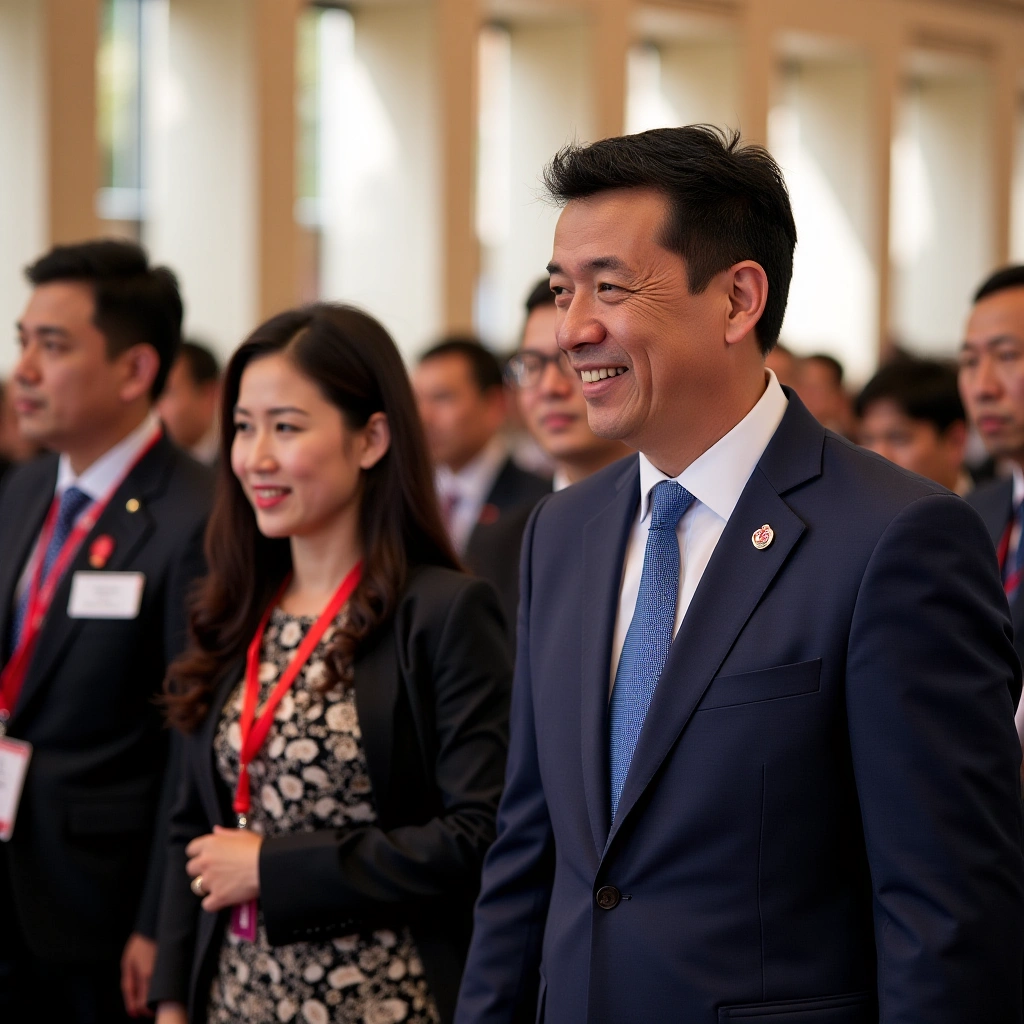
Cambodia is honored to host the 20th Francophonie Summit for the first time in its history. The Summit will be held on November 15 and 16, 2026, in Phnom Penh .
Some people spend their Mondays fighting with the office printer. The Prime Minister is spending this one in Phnom Penh, Cambodia, at the 20th Sommet de la Francophonie. Both involve a lot of sitting through things, but only one comes with a closing ceremony.
The day’s itinerary was reported in listings from the National Post, Financial Post, London Free Press and Windsor Star. Here’s what’s on the schedule and why it’s worth a look, even if your own week contains zero plenary sessions.
The Schedule at a Glance
According to the itinerary, the Prime Minister’s Monday includes:
– A brief media availability
– A meeting with the President of Senegal, Bassirou Diomaye Faye
– Participation in a plenary session of the summit
– Participation in the summit’s closing ceremony
Media coverage of these events will be pooled. That’s a short list, but each item says something about how international summits actually work.
What Is the Sommet de la Francophonie?
The Sommet de la Francophonie brings together leaders from countries and governments that share a connection to the French language. Canada has a natural seat at that table. French is one of its two official languages, and francophone communities are a big part of the country’s identity.
This year’s meeting is the 20th edition, so it’s well past the awkward early years. Twenty summits in, the format is established: leaders gather, hold sessions, take side meetings, and wrap up with a ceremony. Summits like this tend to be less about one dramatic announcement and more about relationships, conversations and showing up. In diplomacy, attendance counts for a lot more than it did in your high school gym class.
The Brief Media Availability
The first item is a “brief media availability.” In plain English, the Prime Minister will take some questions from reporters for a limited time. The word “brief” is doing a lot of work here. It politely tells everyone not to get too comfortable.
These sessions let the public hear directly from the Prime Minister while abroad. They also let reporters ask about whatever is happening back home, because domestic news doesn’t pause just because the Prime Minister is on another continent. A leader can fly halfway around the world and still get asked about issues in their own capital. Travel broadens the mind. It does not shrink the question list.
The Meeting with Senegal’s President
The main bilateral item is a meeting with Bassirou Diomaye Faye, the President of Senegal. Senegal is a French-speaking country, which makes the Francophonie summit a natural place for the two leaders to sit down.
The itinerary doesn’t say what they’ll discuss, and it would be irresponsible to guess at specific outcomes. What we can say is that side meetings like this are one of the main reasons leaders attend big summits. The plenary sessions are the official business. The one-on-one meetings are where leaders get focused time with specific counterparts without arranging a whole separate trip. It’s networking, except the business cards come with flags.
The Plenary Session
Next is the plenary session, where participating leaders gather together to work through the summit’s business. If bilateral meetings are private chats, the plenary is the full group meeting. Everyone attends, everyone has a role, and the goal is to move the shared agenda forward.
Plenary sessions rarely produce viral moments, and that’s fine. Multilateral cooperation is often deliberately unglamorous. It’s where shared positions get shaped and where organizations like the Francophonie actually function as more than a photo op.
The Closing Ceremony
The day ends with the closing ceremony, which formally wraps up the summit. Closing ceremonies are part tradition, part signal. They mark the end of the gathering and usually point ahead to what comes next for the organization.
It’s also the moment when everyone can quietly admit they’re looking forward to going home.
What “Pooled” Coverage Means
The itinerary notes that media coverage of these events will be pooled. That sounds like something involving a swimming pool, but it’s a standard arrangement. Instead of letting every outlet send its own reporters and camera crews into every room, a small group of journalists covers the event and shares the material with other news organizations.
Pooling is common at summits and other events where space and access are limited. It keeps rooms from overflowing with cameras and still gets the news out widely. So if several outlets run very similar photos or quotes from Phnom Penh, that’s why. It’s cooperation, not a lack of imagination.
Why a Day Like This Matters
On paper, this is a modest schedule: a few questions from reporters, one bilateral meeting, a session and a ceremony. But summit days like this make up a large share of a leader’s international work.
For Canada, taking part in the Francophonie reflects the importance of the French language at home and abroad. Meeting leaders such as Senegal’s president builds relationships that can matter later in all kinds of areas. Sitting through the plenary and closing ceremony shows commitment to the group as a whole, not just to the parts with good photo opportunities.
The Takeaway
Monday, November 16, 2026, finds the Prime Minister in Phnom Penh at the 20th Sommet de la Francophonie, working through a schedule that blends public communication, one-on-one diplomacy and multilateral process. It won’t be the most dramatic day in politics, and it doesn’t need to be.
The next time your Monday feels like back-to-back meetings, remember that somewhere a prime minister is doing the same thing, just with more translators, more flags and a closing ceremony at the end. Nobody hands you a ceremony for finishing your inbox, which is frankly an oversight.
Inspired by: “Monday, November 16, 2026” (r/Local)