The full extent of the breach was unclear, but officials emphasized that no classified information was affected . “There have been no disruptions to critical capabilities or classified systems,” an ODNI official told CNN.
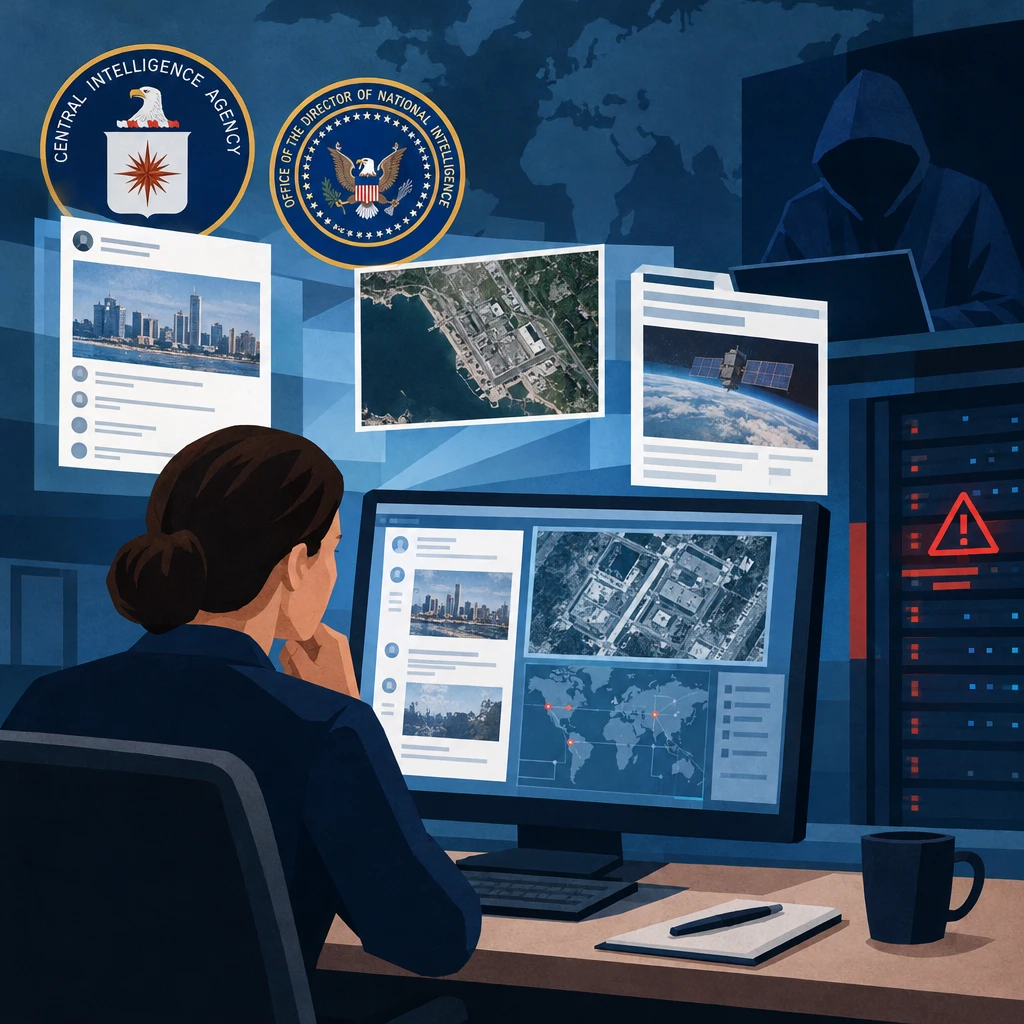
If you were hoping for a quiet week from the world of intelligence agencies, I have some disappointing news. The CIA and the Office of the Director of National Intelligence (ODNI) have reportedly been hit by a cybersecurity breach, and it touched systems that handle open-source intelligence, or OSINT.
So what exactly was targeted? The networks in question are used to analyze publicly available information. That includes things like social media posts and satellite images, which anyone with an internet connection can technically access. Think of it as the spy world’s version of reading the newspaper, scrolling through feeds, and cross-referencing photos. It sounds mundane, but it is a major part of how analysts piece together what is happening around the globe.
Here is the part that should make everyone take a slightly deeper breath. According to officials, the information involved was unclassified. Classified systems were not compromised, at least based on what has been reported so far. That is a meaningful distinction. Unclassified does not mean unimportant, but it does mean the most sensitive secrets were not the ones exposed in this incident.
That said, a lot remains unclear. The scope of the exposed data has not been fully spelled out, and who is responsible for the intrusion is still under investigation. In other words, nobody has handed out a neat explanation yet, and anyone claiming to have all the answers this early is probably guessing or trying to sell you something.
The coverage of the story has been a bit of a mixed bag, which is a nice way of saying the headlines varied quite a bit. Some outlets leaned into the mystery angle, with one calling it a “mystery hack” and another describing intruders breaching a spy system packed with scraped social media data and satellite imagery. Others stuck closer to the official framing, reporting that the exposed material was unclassified and drawn from a network used for intelligence analysis, citing sources rather than public statements. Reading several versions side by side is a good reminder that early reporting on a breach often shifts as more details trickle out.
Why does this matter to people who have never set foot in a government office? For starters, intelligence agencies depend on the integrity of their tools. If analysts cannot trust that their systems are secure, that undermines the work built on top of them. Even when the stolen material is unclassified, it can reveal what agencies are watching, how they collect and organize information, and which sources or methods they rely on. Those details can be valuable to anyone trying to understand or counter U.S. intelligence work.
There is also a broader lesson here about cybersecurity in general. Organizations at every level, government or otherwise, have to protect not just their crown jewels but the everyday systems that sit around them. A breach of unclassified data is still a breach, and it is a reminder that attackers often look for the softer targets first.
For now, the honest takeaway is that the CIA and ODNI were affected, unclassified open-source analysis networks were involved, and classified systems were reportedly not compromised. Everything else, including the full extent of the damage and who is behind it, is still being sorted out. I will be keeping an eye on updates, and if you are the type who likes your spy news with a side of patience, this is one story worth waiting on.
Inspired by: “CIA and ODNI hit by cybersecurity breach of open-source intelligence systems: Report” (r/News)