Category: Human Interest

  • The Great Frankston Line Phone Drop: A Melbourne Mystery

    The Great Frankston Line Phone Drop: A Melbourne Mystery

    The Frankston line is one of Melbourne’s suburban train lines, part of the Cross-city. It runs from Flinders Street to Frankston and serves 32 stations.

    Ah, the Frankston line. A beloved route for commuters, but it seems there’s a new contender for the title of ‘Most Frustrating Experience’ – and no, it’s not the never-ending wait for a train. It’s the notorious phone drop that seems to plague our dear Frankston line. If you’ve ever been on this train and felt your phone suddenly decide it’s on a vacation from the internet, you’re definitely not alone.

    One Reddit user, going by the charming name of BobcatLeather831 (because why not?), recently brought this pressing issue to light in the Melbourne subreddit. The post reads like a classic call for help: ‘Anyone else experience this? Are the other lines the same?’ Spoiler alert: Yes, and yes.

    Now, let’s set the scene. You’re on the Frankston line, perhaps heading to the beach or to visit your second cousin twice removed who lives in a shoebox-sized apartment. The train is rolling along, the scenery is picturesque, and you’re just about to send a text that could change the course of human history – or at least your weekend plans. And then, bam! Your phone drops out of service faster than a politician’s promise.

    What’s happening here? It’s as if the signal gods have conspired against you. The Frankston line, which stretches from the bustling heart of the city to the sandy shores of Frankston, is notorious for its spotty reception. It’s like a game of hide-and-seek, but instead of kids, it’s your precious 4G signal that’s playing hard to get.

    Many Melbourne locals have chimed in on this issue, sharing their own tales of woe. Some have reported that it’s not just the Frankston line; other lines also seem to have their fair share of black holes where phone signals go to die. It’s almost as if there’s a conspiracy brewing among the train lines and mobile service providers.

    So, what can we do about this? Well, aside from joining a support group for those who’ve experienced the trauma of dropped calls, there are a few practical steps you might consider. First, if you know you’re about to embark on a journey down the Frankston line, it might be wise to download any important content ahead of time. Think of it as preparing for a digital apocalypse.

    Secondly, you might want to consider using good old-fashioned methods of communication during your travels. You know, things like carrier pigeons or smoke signals. Just kidding! But maybe a good book or some music downloaded on your device could help pass the time while your phone plays hide-and-seek with the signal.

    In conclusion, while the Frankston line may offer scenic views and the occasional encounter with a fellow human, it’s also a bastion of dropped signals and phone frustration. So next time you find yourself on this line, just remember: you’re not alone in your struggle. And if all else fails, at least you can enjoy the ride and contemplate the mysteries of mobile technology – while trying to ignore the fact that you’ve turned into a modern-day hermit without your beloved phone.

    Happy travels, Melbourne commuters! May your phone service be ever in your favor – especially on the Frankston line.


    Inspired by: “Phone drops out all along the Frankston line” (r/melbourne)
  • Latvia’s Solar Surge: A Bright Future for Electricity Generation

    Latvia’s Solar Surge: A Bright Future for Electricity Generation

    The remarkable growth over the … emissions, and sustainable independence. Solar and wind energy production alone experienced an impressive 92% surge in 2023 compared to 2022 , and this momentum shows no signs of slowing …

    Hey there, fellow eco-warriors! Grab your sun hats and sunscreen because we’re diving into some electrifying news straight from Latvia. Yes, you heard me right—Latvia! This tiny Baltic gem has been making some big waves in the world of renewable energy, and it’s all thanks to our friendly neighborhood sun.

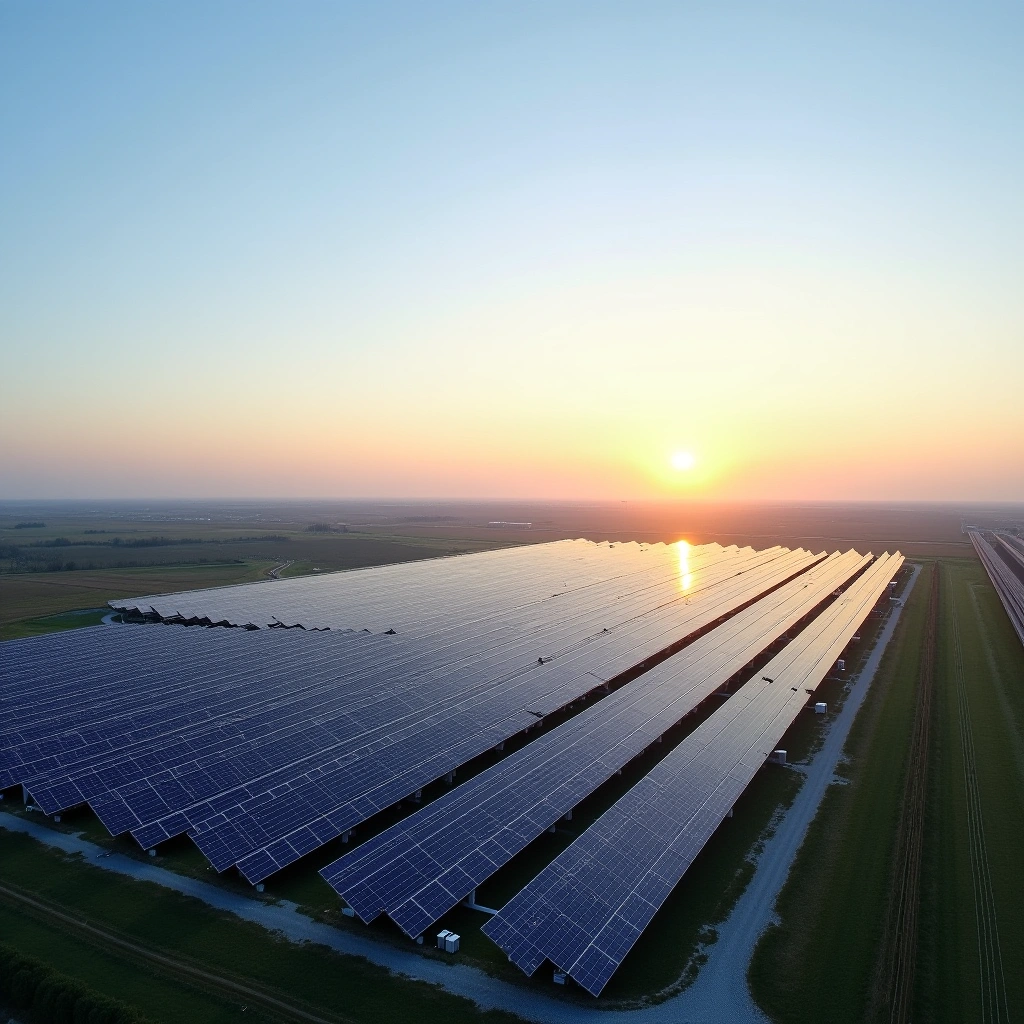
    In July, Latvia proudly announced that solar energy was its largest electricity generator for the third consecutive month, producing a whopping 55% of the total 426 GWh of electricity. That’s right, folks! When it comes to electricity generation, solar is the superstar, and hydropower is just sitting back, sipping a cold drink with its 28% contribution.

    Now, let’s break this down a bit. What does it mean for solar energy to take the lead? For starters, it shows that Latvia is really embracing the sun and all its glory. Installed solar capacity has surpassed 1.8 GW, which is more than double what it was in July 2025. I mean, if that’s not a serious glow-up, I don’t know what is!

    This increase in solar capacity is not just a number on a page; it’s a signal of progress. More solar panels mean more clean energy, and fewer fossil fuels being burned. It’s like Latvia is saying, “Hey, climate change, not today!” And who doesn’t love a good comeback story?

    But wait, it gets better! With this surge in solar energy production, electricity prices have started to drop. Yes, you heard me right. Those pesky energy bills might just be getting a little lighter. Who knew that the sun could help us save money? It’s like finding a dollar in your winter coat pocket—unexpected and totally delightful!

    Now, you might be wondering, why is Latvia’s solar boom important? Well, let’s think globally for a moment. As countries around the world grapple with the effects of climate change, Latvia’s success story serves as an inspiring example of what can be achieved with a little investment in renewable energy. If a small country can harness the power of the sun to meet its energy needs, then maybe, just maybe, larger nations can take a page out of their book.

    And let’s not forget about the environmental benefits. Solar energy is clean, renewable, and doesn’t involve burning dinosaurs (I mean, fossil fuels). It reduces greenhouse gas emissions and helps combat climate change, which is something we can all get behind. So, kudos to Latvia for stepping up and showing the world that sunny days can lead to a brighter future.

    In conclusion, Latvia’s solar energy triumph is more than just a statistic; it’s a beacon of hope in the fight against climate change. With solar power leading the charge, who knows what other amazing things lie ahead? So, let’s raise our glasses (filled with solar-powered lemonade, of course) to Latvia and their solar success. Here’s to more sunshine, more clean energy, and a future that’s not only bright but also sustainable! 🌞


    Inspired by: “Solar was Latvia’s largest electricity generator for the third consecutive month in July, producing…” (r/climatechange)

  • Vietnam’s Renewable Energy Quest: When Promises Fall Flat

    Vietnam’s Renewable Energy Quest: When Promises Fall Flat

    Vietnam's ambitious renewable energy goals have been facing mounting challenges, from inadequate infrastructure to regulatory hurdles , prompting major European investors to rethink their plans.

    So, it turns out that when it comes to renewable energy funding, Vietnam was left holding the bag—an empty one at that. Imagine being promised a shiny new toy only to find out that it was a figment of someone’s imagination. That’s pretty much how Vietnam felt when they didn’t receive the renewable energy money they were counting on. But don’t worry, they didn’t just sit around twiddling their thumbs. No, they decided to get creative and ask someone else for help.

    Let’s set the stage: Vietnam has been making strides in renewable energy, aiming to reduce its carbon footprint and transition from its traditional energy sources. But like a kid asking for a bike and being told to wait, the government found itself in a bit of a pickle when the promised funding didn’t materialize.

    It’s almost like a bad sitcom plot—one where the main character gets ghosted by their investors. And instead of sulking in a corner, Vietnam decided to take matters into its own hands. They started reaching out to alternative sources of funding. Talk about a glow-up! Instead of waiting for the money to come to them, they went out and found new partners who were willing to invest in their renewable energy projects.

    So, who did they turn to? Well, let’s just say Vietnam isn’t shy about exploring new avenues. The country has been actively seeking partnerships with various international organizations and countries looking to invest in clean energy. It’s like they’ve turned into the popular kid at school who everyone wants to be friends with.

    This new approach not only shows resilience but also highlights the importance of adaptability in the face of setbacks. After all, if you can’t get a ride to the party, you might as well walk there and make new friends along the way. And let’s be honest, it’s also a great way to keep the energy initiatives rolling without waiting around for someone else to fulfill their promises.

    Now, I know what you’re thinking: ‘But what’s the big deal?’ Well, renewable energy isn’t just a trendy buzzword; it’s a crucial part of combating climate change. The more countries like Vietnam invest in green energy, the better chance we all have at a healthier planet.

    In conclusion, while the lack of funding is a bummer, Vietnam’s proactive approach to finding new partnerships is commendable. It’s a reminder that sometimes you have to take the bull by the horns—especially when the bull is supposed to be bringing you money for renewable energy. Here’s hoping that they continue to find allies willing to join them on this green journey, because let’s face it, the planet could use all the help it can get!


    Inspired by: “Vietnam Didn’t Get the Renewable Energy Money It was Promised. So It Found Someone Else to Ask” (r/climatechange)

  • Measuring Emissions Cuts: The Good, The Bad, and The Confusing

    Measuring Emissions Cuts: The Good, The Bad, and The Confusing

    Avoiding confusion requires distinguishing between two different points of reference against which “reductions” are assessed . You should be familiar with these relative references, as they correspond to the two types of physical GHG …

    So, you want to measure progress on emissions cuts? Welcome to the club! It’s a bit like trying to measure how much your cat loves you—good luck with that. In theory, it sounds simple: track emissions, cut them, and celebrate with a cake made of kale. But in practice, it’s like herding cats, and not just any cats, but the kind that are constantly moving and changing.

    First off, let’s get to the nitty-gritty of why measuring emissions cuts is so complicated. Companies often have emissions data scattered across various teams, suppliers, and reporting systems. Imagine if every department in your favorite restaurant had its own way of tracking how many burgers it sold. One team might say, “We sold 100 burgers!” while another insists, “No, we only sold 75!” Meanwhile, the kitchen is just trying to figure out how to make a vegan burger that doesn’t taste like cardboard.

    So, how do companies actually measure their emissions? Well, there are a few common tools and processes out there. One of the most popular frameworks is the Greenhouse Gas Protocol, which breaks down emissions into three scopes. Scope 1 includes direct emissions from owned or controlled sources—think of it as the emissions from your company’s own power plant (if you have one, that is). Scope 2 covers indirect emissions from the generation of purchased energy, like the electricity you buy to run your office. And then we have Scope 3, which is where things get really fun. Scope 3 includes all other indirect emissions that occur in a company’s value chain, from the production of raw materials to product disposal. It’s like the ultimate game of emissions tag—good luck catching all that!

    Now, measuring Scope 3 emissions is where many companies throw up their hands and say, “Forget it!” This is because it involves working with suppliers, customers, and even the end-user. Tracking emissions from a supplier’s supplier is like trying to trace your ancestry back to a caveman. You might get some fun stories, but good luck getting accurate data!

    Many companies are now turning to software solutions that help streamline this data collection process. Tools like SAP, Enablon, and EcoAct are designed to help organizations track and report their emissions more effectively. They can pull data from various sources, which can make it easier to get a more holistic view of emissions. It’s like having a personal assistant who can organize your chaotic life—except instead of scheduling your dentist appointment, it’s crunching numbers on carbon emissions.

    But let’s be real: even with these tools, it’s still a challenge. Companies might look great on paper, but if the data isn’t consistent year over year, it’s hard to know if they’re actually making a difference. You can’t just slap a “sustainable” sticker on your product and call it a day. It’s like trying to convince someone you’re a great cook just because you once made toast without burning it.

    So, what can companies do to improve their emissions tracking? Firstly, they need to establish clear communication channels. It’s crucial that everyone involved—from the finance team to the operations team—is on the same page. Regular training and updates can help ensure that everyone understands the importance of accurate data.

    Secondly, setting up a centralized database where all emissions data can be collected and accessed is vital. This would be like creating a family calendar that everyone actually uses, instead of relying on your aunt to remember when everyone’s birthdays are.

    In conclusion, measuring progress on emissions cuts is no easy feat. It requires a combination of the right tools, clear communication, and a commitment to transparency. While companies can say they’re working on sustainability, it’s up to them to back that up with consistent and accurate data. Otherwise, we’ll just be left with a lot of hot air—and not the kind that comes from a well-meaning, yet misguided, sustainability report. So, let’s roll up our sleeves and get to measuring, because Mother Earth is counting on us!


    Inspired by: “How are people measuring progress on emissions cuts?” (r/climatechange)

  • The All You Can Eat Adventure: Melbourne’s Best Buffets

    The All You Can Eat Adventure: Melbourne’s Best Buffets

    People also searched for these in Melbourne: Buffets All You Can Eat Chinese Buffet Chinese Buffet All You Can Eat Seafood Buffet See more buffet all you can eat in Melbourne.

    Good morning fellow avo toast enjoyers! If you’re anything like me, you know that sometimes, life is just better when you can eat whatever you want, as much as you want. There’s something about an All You Can Eat (AYCE) restaurant that makes you feel like a king or queen—until you realize you’re just a mortal with a questionable amount of sushi on your plate. So let’s dive into the best All You Can Eat spots in and around Melbourne, where you can unleash your inner food monster without breaking the bank.

    1. Kisumé

    First up is Kisumé, a modern Japanese restaurant that takes AYCE to a whole new level. If you’re a sushi lover, this is your paradise. They have a reputation for high-quality ingredients, and their sushi is as fresh as the morning dew—okay, maybe not that fresh, but you get the point. The only downside? You might have to wrestle with your conscience when you realize you’ve eaten your weight in sashimi. But hey, calories don’t count when you’re having fun, right?

    2. Chopsticks

    Next on the list is Chopsticks, a haven for those who enjoy a bit of everything. From grilled meats to stir-fried noodles, they have it all. The ambiance is casual, which means you can wear your stretchy pants without judgment. And if you think you can conquer the dessert bar at the end, well, good luck with that. Just remember, there’s a fine line between ‘full’ and ‘I need to be rolled out of here.’

    3. Sushi Train

    For those who prefer their food delivered via conveyor belt (because who doesn’t want to feel like they’re at a miniature amusement park?), Sushi Train is your best bet. This AYCE spot allows you to pick and choose from a variety of sushi dishes as they glide past you. The catch? You have to be quick—those little plates have a mind of their own, and if you blink, your favorite roll might just disappear into the abyss. Plus, the thrill of catching that last piece of tuna is practically a sport.

    4. The Meat & Wine Co

    If you’re in the mood for something a bit more carnivorous, The Meat & Wine Co is where you want to be. Known for its excellent selection of meats, you can chow down on everything from ribs to steak, all while sipping on a glass of something that pairs well with regret (just kidding, it’s delicious). This is definitely a place to bring your ‘meat-loving’ friends and have a feast that will leave you questioning your life choices—like, why didn’t I wear my stretchy pants?

    5. Bistro Guillaume

    And for those who want to class it up a bit, Bistro Guillaume offers an AYCE experience that’s a touch more refined. Think French cuisine with a twist, and yes, you can indulge in all the pastries you can handle. It’s the perfect spot for a fancy date night where you can impress your significant other with your knowledge of French food terms—just make sure you don’t embarrass yourself by mispronouncing ‘croissant.’

    Conclusion

    So there you have it, fellow food enthusiasts! Whether you’re in the mood for sushi, grilled meats, or a little French flair, Melbourne’s AYCE restaurants have something for everyone. Just remember to pace yourself—nobody wants to be the person who has to be rolled home after a buffet. Happy feasting!


    Inspired by: “Best ‘All You Can Eat’ Restaurant” (r/melbourne)

  • Daily Discussion in Melbourne: A Chatty Corner of the Internet

    Daily Discussion in Melbourne: A Chatty Corner of the Internet

    r/melbourne : A subreddit to chat about Melbourne, the greatest city in Australia

    Welcome to another fabulous day in Melbourne, where the coffee is strong, the trams are ever-so-slightly late, and the discussions on Reddit are flowing just as freely as the Yarra River… well, at least on a good day!

    If you haven’t stumbled upon the r/Melbourne subreddit yet, you’re in for a treat. It’s like the local café where everyone knows your name, except it’s online, and instead of coffee, you’re served a piping hot cup of Melbourne gossip, questions, and the occasional meme that will make you chuckle.

    Every day, the r/Melbourne Daily Discussion Thread opens its virtual doors, inviting locals and newcomers alike to share their thoughts about life in this bustling city. You can talk about everything from the latest pop-up food truck that’s taken the city by storm to the best spots for a quick brunch that won’t leave you in the poorhouse.

    One of the best parts about this daily thread? It’s a place for everyone. New users, those who might feel a little shy about jumping into the deep end of Reddit, can dip their toes in the water here. It’s like the kiddie pool of Reddit—safe, shallow, and perfect for making a splash without fear of drowning in the chaos of the larger threads.

    And let’s not forget the FAQs! It’s like a treasure map for those wandering into the subreddit for the first time. Need to know where to find the best coffee in town? Check! Looking for advice on the best time to visit the Royal Botanic Gardens? Check! Want to know if it’s socially acceptable to wear UGG boots outside of your home? Well, that’s a debate for another day, my friend.

    For those who fancy themselves a bit of a researcher, the daily thread also allows for surveys and research requests. Just think about it: you could be the person who helps determine the best pizza toppings in Melbourne (spoiler alert: it’s pineapple, just kidding!).

    Tourists are also welcome to ask questions here, which is a blessing for anyone who’s ever been lost in the city, clutching a map like it’s a life preserver. You can get recommendations from the locals who know the nooks and crannies better than any guidebook.

    And let’s not forget the respectful nod to the Traditional Owners of the land. The subreddit takes a moment to acknowledge the Aboriginal and Torres Strait Islander peoples, reminding us that while we chat about our daily lives, we’re doing so on land with a rich history and culture that deserves our respect. It’s a great reminder that our conversations are part of a much larger story.

    So whether you’re a long-time Melburnian or just visiting, the r/Melbourne Daily Discussion Thread is your go-to for casual chats, advice, and perhaps the occasional heated debate over the merits of Vegemite. Join in the fun, and who knows? You might just find yourself making some new friends—or at least finding out where to get the best flat white in town!


    Inspired by: “It’s the r/Melbourne daily discussion thread [Wednesday 26/08/2026]” (r/melbourne)

  • Why Cities Need to Embrace Nightlife to Combat Rising Temperatures

    Why Cities Need to Embrace Nightlife to Combat Rising Temperatures

    As extreme heat reshapes daily life in more cities, authorities must plan ahead. We will need more research on how cities can best adapt their daily rhythms to rising temperatures. It’s common to think of a city’s nightlife as revellers visiting bars or watching performances.

    As the temperature continues to rise, it seems like the only thing hotter than the weather is the conversation around how cities can adapt. Enter the nightlife scene, which might just hold the key to keeping us cool—or at least cooler than we’d be if we were stuck sweating it out in the sweltering heat.

    Let’s face it: summer days can be brutal. The sun blazes down like it’s auditioning for a role in a remake of ‘Hell: The Movie.’ Meanwhile, the evenings? Oh, they’re like a breath of fresh air, if fresh air were more like a light breeze and less like an oven. So why not leverage those lovely nighttime hours to help us cope with the rising heat?

    The idea is simple: if cities extended their hours of operation, we could shift more of our activities to the cooler evenings. Imagine this: instead of trudging through the heat at noon just to grab a coffee, you could saunter over to your favorite café at 9 PM when the temperature dips and the ambiance is just right. Not only would this help keep us cool, but it would also reduce energy consumption during peak hours when the sun is at its meanest.

    Now, I know what you’re thinking. “But what about the nightlife?” Well, my friend, that’s the beauty of it! Cities could transform into vibrant night hubs, giving a whole new meaning to ‘life at night.’ Picture open-air markets filled with food trucks, live music, and outdoor movie screenings. It’s like a festival every night! And let’s be real, who doesn’t want to enjoy a taco while lounging under the stars instead of sweating through a boring dinner at 5 PM?

    Of course, this isn’t just about avoiding heatstroke while sipping a margarita. It’s about creating a more sustainable urban environment. With more people out and about in the evenings, we could potentially reduce the need for air conditioning, which, let’s be honest, is the real villain in our quest for coolness. Higher energy consumption leads to higher emissions, and we all know that’s not great for the planet.

    Cities like Barcelona and Tokyo have already started experimenting with this concept, keeping their streets alive long after the sun goes down. In Barcelona, for instance, the nightlife is so vibrant that it’s practically a second job for locals. And who wouldn’t want to be paid in tapas and sangria?

    But it’s not just about partying until dawn (though that does sound appealing). It’s about creating a community that thrives in the evenings, where people can socialize, shop, and enjoy the outdoors without feeling like they’re melting into a puddle.

    So, city planners, take note! Let’s start thinking outside the box—or, rather, outside the sun. It might be time to embrace the night and give our cities a makeover that prioritizes both our comfort and the environment. After all, if the sun is going to be relentless, we might as well take our lives to the moonlit streets. And who knows? Maybe we’ll even discover that nightlife isn’t just for the young and reckless, but for everyone who wants to beat the heat—one cool evening at a time.


    Inspired by: “From nightlife to life at night: Cities must stay open later to beat the rising heat” (r/climatechange)

  • A World Losing Its Cool: Understanding Urban Infrastructure and the Hydrological Cycle

    A World Losing Its Cool: Understanding Urban Infrastructure and the Hydrological Cycle

    We conducted the first global survey of the large cities’ water sources, and show that previous global hydrologic models that ignored urban water infrastructure significantly overestimated urban water stress .

    Have you ever thought about how the concrete jungle you call home is messing with Mother Nature? If you haven’t, don’t worry—there’s now an interactive exhibition called ‘A World Losing its Cool’ that’s here to enlighten you (and probably make you feel a tad guilty) about how our modern urban and industrial habits are throwing the earth’s hydrological cycle into disarray.

    Now, before you roll your eyes and think, “Oh great, another guilt trip about my carbon footprint,” let’s break this down in a way that’s both informative and mildly entertaining.

    What’s the Hydrological Cycle Anyway?

    First things first—what even is the hydrological cycle? Essentially, it’s the process by which water moves through the environment, from the sky to the ground and back again. It involves evaporation, condensation, precipitation, and infiltration. Think of it as nature’s version of a never-ending game of musical chairs, except instead of chairs, it’s water molecules trying desperately to find a place to hang out.

    Urban Infrastructure: The Party Crasher

    Now enter urban infrastructure, the uninvited guest that shows up to the party and makes everything awkward. Roads, buildings, parking lots—they’re all great for us humans, but they don’t exactly play nice with the hydrological cycle. When we pave over the ground, we’re basically putting a giant lid on the earth that prevents water from soaking into the soil. This leads to increased runoff, which can cause flooding, erosion, and pollution. Just think about all that rainwater that could have replenished local aquifers but instead is racing down the street, probably cursing the weather gods.

    The Exhibition: A Chance to Get Interactive

    The ‘A World Losing its Cool’ exhibition is designed to show how these changes affect not just our local environment but the planet as a whole. It’s interactive, which is a fancy way of saying you can touch stuff—because who doesn’t love pressing buttons and playing with gadgets? You’ll get to see firsthand how urbanization alters rainfall patterns, increases temperatures, and even impacts local wildlife. Spoiler alert: the wildlife is not thrilled about it.

    In addition to the interactive displays, there are expert talks and workshops that dive deeper into the science behind these changes. You might even walk away with a new appreciation for that little patch of grass you occasionally see between the cracks of the sidewalk.

    Why Should You Care?

    You might be thinking, “This all sounds fascinating, but I’m just one person. What can I do?” Well, my friend, the truth is that every little bit helps. Understanding the implications of urban infrastructure on the hydrological cycle can inspire you to advocate for greener city planning, support sustainable practices, or even just consider the impact of your next home renovation project. Yes, that means you might have to rethink that new driveway you’ve been dreaming about. Sorry, not sorry.

    Conclusion

    So, if you’re in the mood to learn about how our modern lifestyle is affecting the planet—and maybe even do something about it—check out the ‘A World Losing its Cool’ exhibition. You might leave feeling a bit more informed and perhaps a tad guilty, but hey, at least you’ll have some fun along the way. Plus, you can impress your friends with your newfound knowledge of the hydrological cycle. Who knew being eco-conscious could also make you the life of the party?

    In the end, let’s face it, the planet could use a little more coolness, and it’s up to us to help bring it back.


    Inspired by: “‘A World Losing its Cool’ Interactive Exhibition on how modern urban/industrial infrastructure is m…” (r/climatechange)

  • The Carbon Footprint of AI: Are We Building a Digital Future or Digging Our Own Grave?

    The Carbon Footprint of AI: Are We Building a Digital Future or Digging Our Own Grave?

    Not at all. The footprint varies enormously. Training a model like GPT-5 requires orders of magnitude more energy than training a small model designed for medical diagnostics or traffic prediction. Choosing the right model for the right job is one of the simplest ways to cut down on unnecessary emissions.

    Alright, folks, let’s talk about something that’s been buzzing around like a pesky fly at a picnic: the environmental impact of artificial intelligence (AI) data centers. You may have heard the buzz that all these shiny new data centers under construction could emit as much CO₂ as 24 million cars. Yes, you read that right—24 million! That’s a number so big, it might as well be the total amount of times I’ve hit the snooze button this week.

    Now, before we dive into the nitty-gritty, let’s clarify what a data center is. Imagine a giant warehouse filled with rows and rows of servers, humming away like a room full of caffeinated bees. These servers process everything from your cute cat videos to complex AI algorithms that can probably predict what you’ll have for breakfast tomorrow. But all that processing power doesn’t come cheap—especially when it comes to Mother Earth.

    According to recent reports, the energy consumption of these data centers is staggering. We’re talking about massive amounts of electricity needed to keep those servers running and cool. And if that electricity is generated from fossil fuels, which let’s face it, it often is, then we’re back at square one with CO₂ emissions. It’s like trying to lose weight by eating cake every day—just doesn’t add up, does it?

    So, what’s the deal with those 24 million cars? That figure comes from estimates of the total emissions produced by all the AI data centers that are currently under construction. Picture it: 24 million cars idling in traffic, spewing exhaust fumes while you’re stuck in a jam, wondering if you should have just taken the bus. It’s a visual that’s hard to shake off, right?

    Now, before you start blaming your favorite streaming service or the latest AI chatbot for the impending climate crisis, let’s remember that this is a systemic issue. The demand for AI technology is skyrocketing, and with it, the need for data centers is increasing. Businesses want to harness AI for everything from optimizing supply chains to predicting the weather (which, let’s be honest, they still get wrong half the time). But the more we rely on these technologies, the more energy we consume. It’s a vicious cycle, much like my relationship with my couch on lazy Sundays.

    But all hope is not lost! There’s a growing movement towards sustainability in tech. Many companies are now investing in renewable energy sources to power their data centers. Solar panels, wind turbines, and even hydroelectric power are becoming the new norms. It’s like the tech world is finally realizing that the planet is not just a place to dump our waste and call it a day.

    Moreover, there’s a push for more efficient technologies and practices within these data centers. Think of it as a fitness boot camp for servers: they’re getting leaner, meaner, and more energy-efficient. Companies are implementing advanced cooling systems, optimizing server usage, and even utilizing AI itself to manage energy consumption more effectively. Talk about a tech-savvy workout!

    In conclusion, while the numbers are indeed alarming, they also serve as a wake-up call. We need to balance our love for all things AI with a healthy dose of environmental responsibility. So, the next time you’re enjoying a mindless scroll through social media or engaging with your favorite virtual assistant, remember that there’s a whole world of servers humming away behind the scenes. Let’s make sure they’re not just contributing to our digital lives, but doing so in a way that doesn’t put the planet in a chokehold. After all, we only have one Earth—and it’s not just a giant server farm.

    So, here’s to a more sustainable digital future! And maybe one where we can enjoy our cat videos without feeling guilty about it.


    Inspired by: “All AI Data Centers Under Construction Could Emit as Much CO₂ as 24 Million Cars” (r/climatechange)

  • The Insect Apocalypse: What Happens When Bugs Go Bye-Bye?

    The Insect Apocalypse: What Happens When Bugs Go Bye-Bye?

    It is 50 years since I first collected those caterpillars in the school playground, and every year that has passed there have been slightly fewer butterflies, fewer bumblebees – fewer of almost all the myriad little beasts that make the world go round. These fascinating and beautiful creatures are disappearing, ant by ant, bee by bee, day by day. Estimates vary and are imprecise, but it seems likely that insects have declined in abundance by 75% or more since I was five years old.

    Let’s take a moment to appreciate the little critters that scuttle, buzz, and crawl around us every day. Yes, I’m talking about insects—the tiny, often overlooked creatures that play a massive role in our ecosystem. But here’s the kicker: they’re in trouble. Due to climate change, insect populations are declining, and the consequences could be catastrophic. So, what’s at stake? Buckle up, because we’re diving into the insect apocalypse.

    The Pollination Predicament

    First off, let’s talk about pollination. You know, the process that turns flowers into fruit and makes your brunch avocado toast possible? Around 75% of the world’s crops depend on insect pollination. Yes, that’s right—without our buzzing friends, we might have to rethink our breakfast choices. Imagine a world without strawberries, almonds, or coffee. The horror!

    When insects like bees and butterflies start to dwindle, the fruits and vegetables we rely on for nutrition could become scarce. This could lead to food shortages, skyrocketing prices, and let’s be honest, a lot of very unhappy Instagram feeds. Nobody wants to see photos of sad, empty plates.

    The Food Chain Fiasco

    Insects are a vital part of the food chain. They serve as food for birds, small mammals, reptiles, and even some larger mammals. If insects start disappearing, it’s not just the plants that will suffer; it’s a whole cascade of consequences. Imagine a world where your favorite birds are singing a little less cheerfully because they can’t find enough bugs to eat. The circle of life would be more like a sad, lopsided triangle.

    Soil Health and Nutrient Cycling

    Insects also help keep our soil healthy. They break down organic matter, recycle nutrients, and aerate the soil. Think of them as nature’s little gardeners. Without these tiny workers, soil health would decline, leading to poor crop yields and less fertile land. Suddenly, that backyard vegetable garden you’ve been dreaming about might turn into a barren wasteland. No tomatoes for your summer salads? Sacrilege!

    The Rise of Pests

    Now, you might be thinking, “Good riddance to those pesky bugs!” But hold on there, my friend. When beneficial insects decline, it creates an opportunity for harmful pests to thrive. Yes, the very pests you despise could become a bigger problem. Think about it: fewer ladybugs to eat aphids means more aphids for your plants to suffer. It’s like inviting the party crashers to take over your house while the good guests are out.

    Climate Change: The Insect’s Worst Enemy

    So, what’s causing this decline? You guessed it—climate change. Rising temperatures, altered rainfall patterns, and habitat loss are all contributing to the dramatic drop in insect populations. It’s not just a bad hair day for insects; it’s a full-blown crisis. As their habitats change, many species are unable to adapt quickly enough, leading to extinction.

    What Can We Do?

    Now that we’ve established that the decline of insects is a big deal, you might be wondering what you can do to help. For starters, plant native flowers and create habitats for these little guys. Skip the pesticides—they’re like the party poopers of the insect world. Support sustainable farming practices and educate others about the importance of insects. Every little bit helps, and who knows, you might just become the local insect hero.

    Final Thoughts

    In conclusion, the decline of insects is no laughing matter. Their absence could lead to food shortages, disrupted ecosystems, and a whole lot of unhappy animals (and humans). So, let’s give a round of applause to our tiny friends and work towards protecting them. After all, a world without insects is a world that’s a bit less colorful, a lot less tasty, and frankly, just plain sad. Let’s not let that happen, shall we?


    Inspired by: “quais as consequências do declinio dos insetos?” (r/climatechange)