Category: Human Interest

  • The Chocolate Mystery: What’s Really in That KitKat Tanker Truck?

    The Chocolate Mystery: What’s Really in That KitKat Tanker Truck?

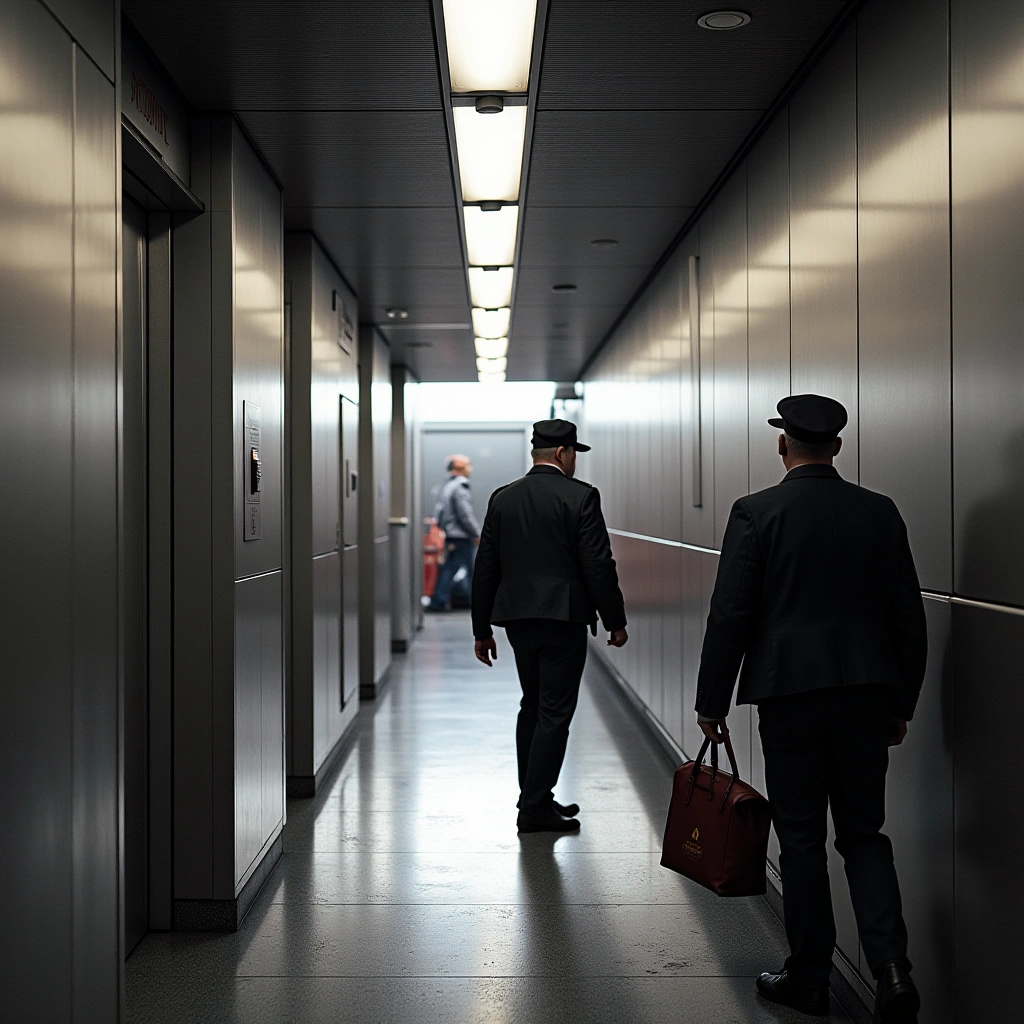
    Public reports said thieves stole a truck carrying more than 12 tons of KitKat bars after it left a production site in central Italy on a route ultimately heading to Poland. The shipment was reported as containing 413,793 bars.

    Have you ever been cruising along the M80, minding your own business, when suddenly you spot a giant KitKat branded tanker truck? If you’re like me, you’ve probably found yourself wondering what in the world is inside that thing. Is it filled with molten chocolate? A secret stash of crunchy wafer? Or maybe it’s just a really elaborate marketing scheme to get us all craving a break? Let’s dive into this delicious mystery!

    First off, let’s address the obvious question: what’s in that truck? The speculation runs wild. Some folks think it’s transporting hot chocolate, while others believe it’s just a clever way to get us to think about our favorite chocolate bar at all times (because who doesn’t want KitKat on the brain?). But let’s be real—if they’re carting around molten chocolate, isn’t that just a recipe for disaster? I mean, imagine the cleanup if there’s a spill! Talk about a sticky situation!

    Now, while it’s tempting to think that the tanker is filled with the sweet, sweet nectar of cocoa, the reality is likely a bit more mundane. According to industry insiders (or at least that one guy I met at a party who claimed to know everything about chocolate), the tanker is probably transporting some kind of liquid ingredient used in the production of KitKats or other Nestlé products. It could be anything from chocolate syrup to some mysterious dairy product that makes our favorite bars taste oh-so-good.

    But here’s where it gets interesting. The tanker’s placards suggest it carries something hot. Now, before you start daydreaming about a Willy Wonka-esque factory where rivers of chocolate flow, let’s ponder the logistics. It’s more likely that the tanker is transporting a heated mixture, maybe a chocolate blend that needs to stay warm for processing. Because let’s face it, nobody wants to deal with cold chocolate. That’s just wrong on so many levels.

    And let’s not forget the route this truck takes. With its frequent trips off at Sydney Rd and heading north, it seems to have a destination in mind. Most likely, it’s headed to the Nestlé factory, where the magic happens. But why the dual tank? Maybe they are mixing different ingredients on the go, or perhaps it’s just to keep the chocolate and the secret ingredient separate. Who knows? Maybe they’re trying to keep us guessing.

    If you think about it, the very existence of this tanker is a brilliant marketing ploy. It’s a moving advertisement, sparking curiosity and cravings among everyone who sees it. It’s like a mobile billboard that makes you wonder if you should just pull over and grab a KitKat right then and there.

    In conclusion, while we may never know the exact contents of that KitKat tanker truck, one thing is for sure—it’s definitely stirring up a lot of thoughts (and cravings) among Melbourne drivers. So, the next time you spot that iconic truck on the ring road, just remember: it’s probably not filled with molten chocolate, but rather the delicious secrets that make our beloved KitKats irresistible. And who knows, maybe it’s just a reminder that we all deserve a break (and a chocolate bar) every now and then.

    Happy snacking, Melbourne!


    Inspired by: “What’s in the KitKat branded tanker truck that travels the ring road?” (r/melbourne)

  • Melbourne’s Winter Night Sky: A Celestial Love Affair

    Melbourne’s Winter Night Sky: A Celestial Love Affair

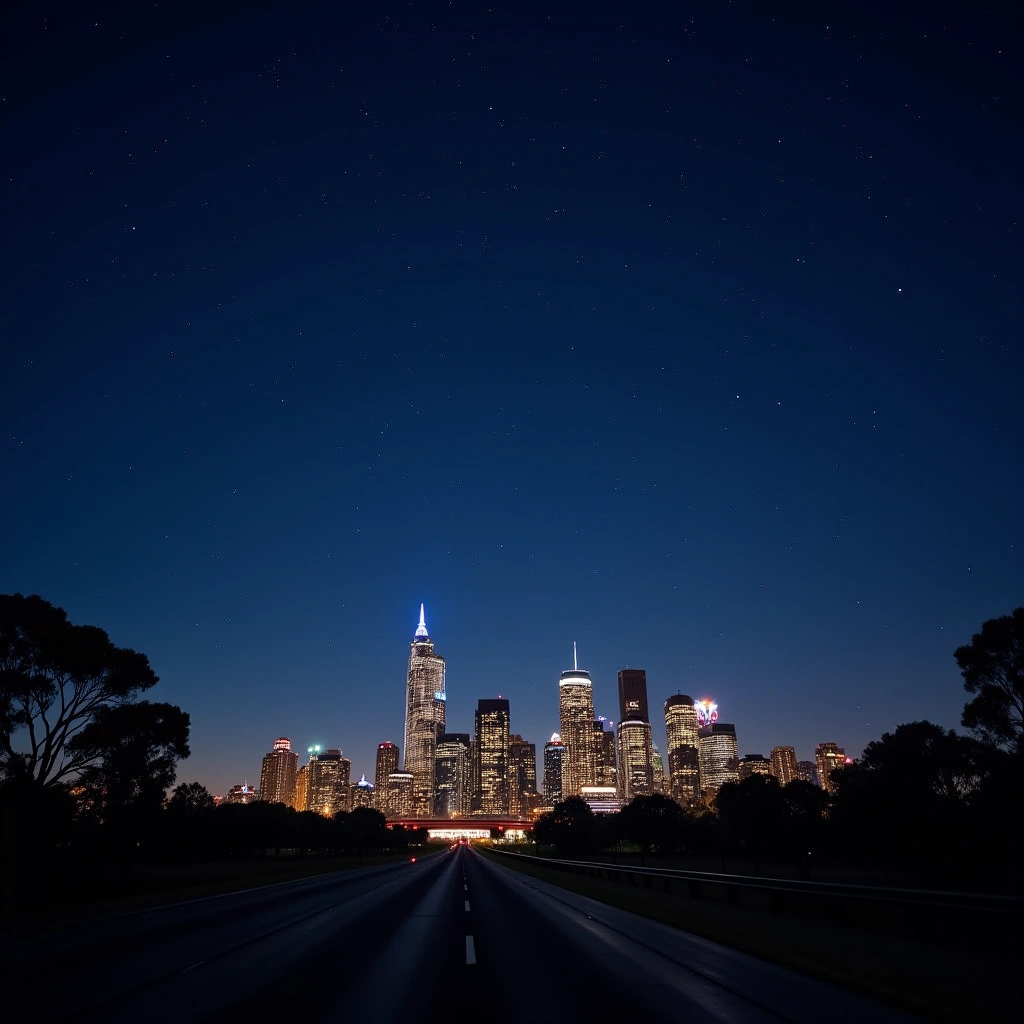
    Our dazzling state erupts into a glittering minefield on clear nights, so stargazers young and old can look to the sky for a taste of outer-space . Come winter in Victoria, where dark-sky locations are the window to the galaxy.

    Ah, Melbourne in winter. While some might be busy complaining about the cold and the relentless drizzle, others are out there soaking up the beauty that the city has to offer—especially when it comes to the night sky. I mean, have you ever just stopped to look up? If you haven’t, you’re missing out on a free show that’s way more entertaining than scrolling through your phone.

    Let’s talk about the aura of the Melbourne night sky during winter, as our Reddit friend /u/Positive_Elk_3814 so eloquently pointed out from their vantage point in front of the Malthouse. Yes, the Malthouse! Where the arts collide with good food, and where you might just bump into a hipster contemplating the meaning of life over a craft beer. But I digress.

    Winter in Melbourne means more than just wearing layers that would make a Michelin man proud. It’s a time when the skies clear up (somewhat), and the stars twinkle like they’re in a celestial dance-off. If you’re lucky, you might even catch a glimpse of the Southern Cross, which is basically the VIP section of the night sky for us down under. Just be prepared for a few cloudy nights, because, let’s face it, Melbourne weather can be as unpredictable as your friend who always changes their dinner plans at the last minute.

    But when those clear nights do arrive, the city transforms into a canvas of twinkling lights and cosmic beauty. The contrast between the dark sky and the city lights creates a magical atmosphere that makes you feel like you’re in a romantic movie—minus the dramatic soundtrack and the love interest, of course. Just you, the stars, and maybe a hot chocolate if you’re feeling fancy.

    You might find yourself wandering along the Yarra River, where the reflections of the city lights dance on the water, creating a picturesque view that could make even the most jaded Melburnian stop and take a selfie. (Let’s be honest, how many photos of the Yarra do we really need? But here we are, snapping away like it’s the last sunset on Earth.)

    And let’s not forget about the sheer joy of seeing friends huddled together, trying to keep warm while gazing upwards, sharing stories about how they once saw a shooting star—only to realize it was probably just a plane. But who cares? It’s the thought that counts!

    In conclusion, if you haven’t taken the time to appreciate Melbourne’s winter night sky, you’re really missing out. So grab a warm drink, find a cozy spot, and look up. You might just fall in love with the city all over again—or at least get a good story to tell your friends later. Just remember to dress warmly; the stars may be shining, but that chilly Melbourne air can be quite the buzzkill. Happy stargazing, folks!


    Inspired by: “I do love the aura of Melbourne night sky during winter” (r/melbourne)

  • The Suburban Rail Loop: Melbourne’s Bold New Adventure

    The Suburban Rail Loop: Melbourne’s Bold New Adventure

    The Suburban Rail Loop (SRL) is a rapid transit system currently under construction in Melbourne, the capital of Victoria and second largest city of Australia. The system is divided into three distinct sections (counterclockwise from southeast): SRL East, SRL North and SRL West, connected by …

    Ah, Melbourne! A city known for its coffee culture, unpredictable weather, and now, a grand plan to revolutionize public transport: the Suburban Rail Loop. If you’ve ever been stuck in traffic while dreaming of a world where you could just hop on a train and zip around town, then this is the project for you. So, grab your coffee (or tea, if that’s your jam) as we delve into what this ambitious rail project is all about.

    What is the Suburban Rail Loop?

    The Suburban Rail Loop (SRL) is a proposed rail line designed to connect the outer suburbs of Melbourne with the central business district (CBD) and various other key areas. Think of it as a giant circle that’s going to make commuting less of a nightmare. The project aims to alleviate congestion, reduce travel times, and most importantly, make it easier for Melburnians to get to work, school, or that hip new café they’ve been dying to try.

    Why Do We Need It?

    Let’s face it: Melbourne’s public transport system is like that friend who promises to help you move but never shows up. With a growing population and more cars on the road than ever, traffic congestion is becoming a serious issue. The SRL is expected to take thousands of cars off the roads, allowing you to finally enjoy that leisurely drive home without feeling like you’re starring in your very own episode of Survivor: Traffic Edition.

    The Auditor-General’s Take

    Now, you might be wondering what the Victorian Auditor-General’s Office has to say about all this. Well, they’re the folks tasked with ensuring that our tax dollars are being spent wisely. And let’s be honest, we all want to know that our hard-earned cash isn’t going to fund some questionable project that ends up being a glorified train set for children. The Auditor-General’s report on the SRL outlines the potential benefits, risks, and challenges involved in delivering this massive infrastructure project. Spoiler alert: it’s not all sunshine and rainbows, but it’s mostly good news!

    The Challenges Ahead

    Of course, with any major infrastructure project, there are hurdles to overcome. Funding is always a hot topic, and the SRL is no exception. Plus, let’s not forget the logistics of construction. Picture a giant hole in the ground where your local park used to be, or the sound of jackhammers at 7 AM on a Saturday morning. But fear not! The government is committed to working through these challenges, and with a bit of luck (and maybe some divine intervention), we might just see this project come to life.

    Conclusion: A Bright Future?

    So, is the Suburban Rail Loop the answer to all of Melbourne’s transport woes? While it’s certainly not a magic wand that will fix everything overnight, it’s a step in the right direction. Melburnians can look forward to a more connected city, reduced travel times, and perhaps even a moment of peace while commuting. And who knows? Maybe one day, we’ll be able to brag about our public transport system to our friends in other cities.

    Until then, let’s keep our fingers crossed and our coffee cups full as we await the next chapter in Melbourne’s transport saga. After all, isn’t that what being a Melburnian is all about?


    Inspired by: “Delivering the Suburban Rail Loop | Victorian Auditor-General’s Office” (r/melbourne)

  • Get Ready for a Cultural Extravaganza: 18,000 Free Tickets for Housewarming at Ian Potter State Theatre!

    Get Ready for a Cultural Extravaganza: 18,000 Free Tickets for Housewarming at Ian Potter State Theatre!

    Labor is delivering the upgraded … schedule. 18,000 free tickets are now up for grabs for Housewarming, in what will be the first major milestone of the $1.7 billion Melbourne Arts Precinct Transformation project ….

    Hey there, Melbourne! Have you heard the news? The Ian Potter State Theatre is back and better than ever, and they’re throwing a massive housewarming party to celebrate. And guess what? They’re giving away a whopping 18,000 free tickets! Yes, you read that right—18,000! That’s more zeros than I have in my bank account, and trust me, that’s saying something.

    Now, before you get too excited and start planning your outfit (because let’s be real, we all want to look fabulous even if it’s just to sit in a theater), let’s chat about what this event actually entails. The Housewarming performance will feature a stellar lineup of artists that will make your heart sing and your feet tap. We’re talking about The Australian Ballet, Opera Australia, and the Melbourne Theatre Company. If you’re not at least a little bit excited about seeing some of the best in the biz, then I’m not sure we can be friends anymore.

    But wait, there’s more! If you think that’s impressive, how about a sprinkle of Circus Oz? Yes, that’s right—prepare to be dazzled by some jaw-dropping acrobatics and possibly a clown or two (don’t worry, the scary ones are usually in the movies). And let’s not forget about the Victorian College of the Arts, Emma Donovan, Eliza Hull, and The Listies—because who doesn’t love a good mix of talent?

    Now, before you rush off to grab your free ticket, let me warn you: there’s a queue. Yes, a queue. Because nothing says ‘I love free stuff’ like standing in line with a bunch of other eager beavers, right? But hey, it’s free! And if you’re patient enough, you’ll get to experience a night filled with culture, creativity, and maybe even a few surprises.

    If you’re more of the ‘I just want to know what’s happening’ type, you can always check out the press release for all the juicy details. But let’s be real, who doesn’t want to be part of the action? So grab your friends, your family, or even that random person you met at the café last week, and make plans to experience this incredible event.

    In conclusion, Melbourne, mark your calendars and get ready for a night you won’t forget (or at least one you’ll remember fondly while scrolling through your phone the next day). With 18,000 free tickets up for grabs, this is your chance to immerse yourself in the vibrant arts scene that our beautiful city has to offer. Just don’t forget to wear your most comfortable shoes—you’ll probably be doing a lot of standing and applauding. Happy housewarming!


    Inspired by: “18,000 free tickets available for Housewarming performance at re-opened and upgraded Ian Potter Sta…” (r/melbourne)

  • The Mystery of the Sulphur Smell in Melbourne’s Southeast Suburbs

    The Mystery of the Sulphur Smell in Melbourne’s Southeast Suburbs

    Sulphur smell like stagnant water I detect when there is a change in the wind and it comes in from the south .

    If you’ve been wandering around the southeast suburbs of Melbourne lately and found yourself questioning whether you’ve accidentally walked into a giant egg factory, you’re not alone. A peculiar sulphur or eggy smell has been reported across areas like Doncaster, Nunawading, and Ringwood. Let’s dive into this olfactory enigma and see if we can figure out what’s cooking—or rather, what’s stinking up the air.

    First off, let’s acknowledge the obvious: nobody wants to smell like they’ve just stepped into a bad science experiment. The scent of sulphur typically resembles rotten eggs, and while that might be appealing to a certain breed of prankster, for the rest of us, it’s just plain unpleasant. So, what’s the source of this sudden whiff of egg in the air?

    Theories abound, of course. Some locals have suggested that it could be linked to nearby sewage treatment plants. Yes, folks, when it comes to unpleasant smells, sewage plants are the reigning champions. Others have pointed fingers at industrial activities in the area. Maybe someone is experimenting with a new type of egg salad that’s gone horribly wrong? Who knows?

    But before you start calling your local health department or preparing to evacuate, let’s consider some less apocalyptic explanations. It could simply be a natural occurrence. Sulphur is often released during geological activities, and while Melbourne isn’t exactly known for its volcanoes, we do have a lovely layer of geology underfoot that could be coming into play. Or maybe someone’s just hosting a really, really bad barbecue.

    Of course, there’s always the chance that it’s just a temporary issue—a little atmospheric hiccup that will pass as quickly as it arrived. But if the smell sticks around longer than your cousin’s last visit, it might be worth keeping an eye on. Residents have taken to social media, particularly Reddit, to share their experiences and seek answers. If you’re not already following the Melbourne subreddit, you might want to consider it. It’s like the town square for modern-day Melbourne, complete with gossip and the occasional existential crisis.

    While the smell may be disconcerting, it’s also a reminder of how interconnected our urban environment is. Whether it’s industry, nature, or just a particularly ambitious cooking experiment, the air we breathe is influenced by a multitude of factors. So next time you catch a whiff of that sulphur smell, take a moment to appreciate the complex web of life and industry that makes up this beautiful city.

    In the meantime, if you have any theories or have experienced the smell yourself, feel free to share your insights. Let’s solve this mystery together—after all, we can’t let a little eggy smell get in the way of our Melbourne pride. And who knows, maybe we’ll discover that it’s just a sign of something delicious cooking nearby. Or, you know, just more bad egg salad.


    Inspired by: “Sulphur / egg smell around S/E suburbs?” (r/melbourne)

  • From Snow Days to Fire Days: A Love Letter to Peavine Mountain

    From Snow Days to Fire Days: A Love Letter to Peavine Mountain

    Stuck indoors for a week, the Whittiers do puzzles, play games, and tell stories about New England and Quaker history . Whittier’s snowstorm scares children during the night, with “the shrieking of the mindless wind”— but when the sun …

    Ah, Peavine Mountain. The crown jewel of our winter wonderland, where the snow used to fall like confetti at a New Year’s Eve party. Kids would race down slopes, laughter echoing through the trees, and hot cocoa was practically a food group. But now? Now, it seems like we’re trading in our snow boots for fire retardant gear. So, let’s have a little chat about how we went from snow days to fire days and what that means for our beloved Peavine.

    First off, let’s address the elephant in the room—or should I say the wildfire in the forest? Climate change is real, folks. It’s like that one friend who shows up to the party uninvited and starts rearranging your furniture. One minute, we’re slinging snowballs, and the next, we’re watching the smoke rise as flames dance like they’re auditioning for a reality show.

    Peavine Mountain has always been a sanctuary for nature lovers and snow enthusiasts alike. With its breathtaking views and endless trails, it was the place to be when winter rolled around. But as temperatures rise and snow becomes a distant memory, we’re left mourning what once was. Those pristine snow days are being replaced with the ominous crackle of fire, and it’s not just a bummer; it’s a full-on tragedy.

    Let’s not forget the impact this has on our local wildlife. Imagine being a deer, happily munching on some grass, when suddenly the ground beneath you turns into a flaming inferno. Talk about a bad day! The ecosystem is feeling the heat (pun intended), and it’s not just the critters that are suffering. Our community, our air quality, and our overall well-being are all taking a hit. Who knew that enjoying a day on the slopes could be so tied to the fate of our planet?

    So, what can we do about it? Well, for starters, we need to stop pretending that climate change is just a myth. It’s as real as that awkward moment when you realize you’ve been talking to someone who isn’t actually listening. We need to advocate for sustainable practices, support reforestation efforts, and maybe even invest in some good old-fashioned fire prevention measures. And let’s not forget to vote for leaders who actually care about the environment. It’s time to put our money where our mouth is—unless, of course, you’re planning to buy a one-way ticket to a dystopian future.

    As we sit here reminiscing about snow days, let’s not forget that we still have the power to change our future. Peavine Mountain doesn’t have to become just another casualty in the climate crisis. We can still enjoy the beauty of this place, but it requires all of us to step up and take action. So, the next time you’re tempted to roll your eyes at climate change discussions, remember Peavine Mountain. Remember those snow days, and let’s work together to ensure that fire days are nothing but a distant memory.

    In conclusion, let’s raise a glass (of hot cocoa, of course) to Peavine Mountain. Here’s to hoping we can turn back the clock on climate change and bring back those cherished snow days. Because if we don’t, we might just find ourselves trading in our winter gear for firefighting suits—and nobody wants to be the one who shows up to the party dressed for the wrong occasion.


    Inspired by: “Snow days to fire days: The mourning of Peavine Mountain (opinion)” (r/climatechange)

  • The Great Frankston Line Phone Drop: A Melbourne Mystery

    The Great Frankston Line Phone Drop: A Melbourne Mystery

    The Frankston line is one of Melbourne’s suburban train lines, part of the Cross-city. It runs from Flinders Street to Frankston and serves 32 stations.

    Ah, the Frankston line. A beloved route for commuters, but it seems there’s a new contender for the title of ‘Most Frustrating Experience’ – and no, it’s not the never-ending wait for a train. It’s the notorious phone drop that seems to plague our dear Frankston line. If you’ve ever been on this train and felt your phone suddenly decide it’s on a vacation from the internet, you’re definitely not alone.

    One Reddit user, going by the charming name of BobcatLeather831 (because why not?), recently brought this pressing issue to light in the Melbourne subreddit. The post reads like a classic call for help: ‘Anyone else experience this? Are the other lines the same?’ Spoiler alert: Yes, and yes.

    Now, let’s set the scene. You’re on the Frankston line, perhaps heading to the beach or to visit your second cousin twice removed who lives in a shoebox-sized apartment. The train is rolling along, the scenery is picturesque, and you’re just about to send a text that could change the course of human history – or at least your weekend plans. And then, bam! Your phone drops out of service faster than a politician’s promise.

    What’s happening here? It’s as if the signal gods have conspired against you. The Frankston line, which stretches from the bustling heart of the city to the sandy shores of Frankston, is notorious for its spotty reception. It’s like a game of hide-and-seek, but instead of kids, it’s your precious 4G signal that’s playing hard to get.

    Many Melbourne locals have chimed in on this issue, sharing their own tales of woe. Some have reported that it’s not just the Frankston line; other lines also seem to have their fair share of black holes where phone signals go to die. It’s almost as if there’s a conspiracy brewing among the train lines and mobile service providers.

    So, what can we do about this? Well, aside from joining a support group for those who’ve experienced the trauma of dropped calls, there are a few practical steps you might consider. First, if you know you’re about to embark on a journey down the Frankston line, it might be wise to download any important content ahead of time. Think of it as preparing for a digital apocalypse.

    Secondly, you might want to consider using good old-fashioned methods of communication during your travels. You know, things like carrier pigeons or smoke signals. Just kidding! But maybe a good book or some music downloaded on your device could help pass the time while your phone plays hide-and-seek with the signal.

    In conclusion, while the Frankston line may offer scenic views and the occasional encounter with a fellow human, it’s also a bastion of dropped signals and phone frustration. So next time you find yourself on this line, just remember: you’re not alone in your struggle. And if all else fails, at least you can enjoy the ride and contemplate the mysteries of mobile technology – while trying to ignore the fact that you’ve turned into a modern-day hermit without your beloved phone.

    Happy travels, Melbourne commuters! May your phone service be ever in your favor – especially on the Frankston line.


    Inspired by: “Phone drops out all along the Frankston line” (r/melbourne)

  • Latvia’s Solar Surge: A Bright Future for Electricity Generation

    Latvia’s Solar Surge: A Bright Future for Electricity Generation

    The remarkable growth over the … emissions, and sustainable independence. Solar and wind energy production alone experienced an impressive 92% surge in 2023 compared to 2022 , and this momentum shows no signs of slowing …

    Hey there, fellow eco-warriors! Grab your sun hats and sunscreen because we’re diving into some electrifying news straight from Latvia. Yes, you heard me right—Latvia! This tiny Baltic gem has been making some big waves in the world of renewable energy, and it’s all thanks to our friendly neighborhood sun.

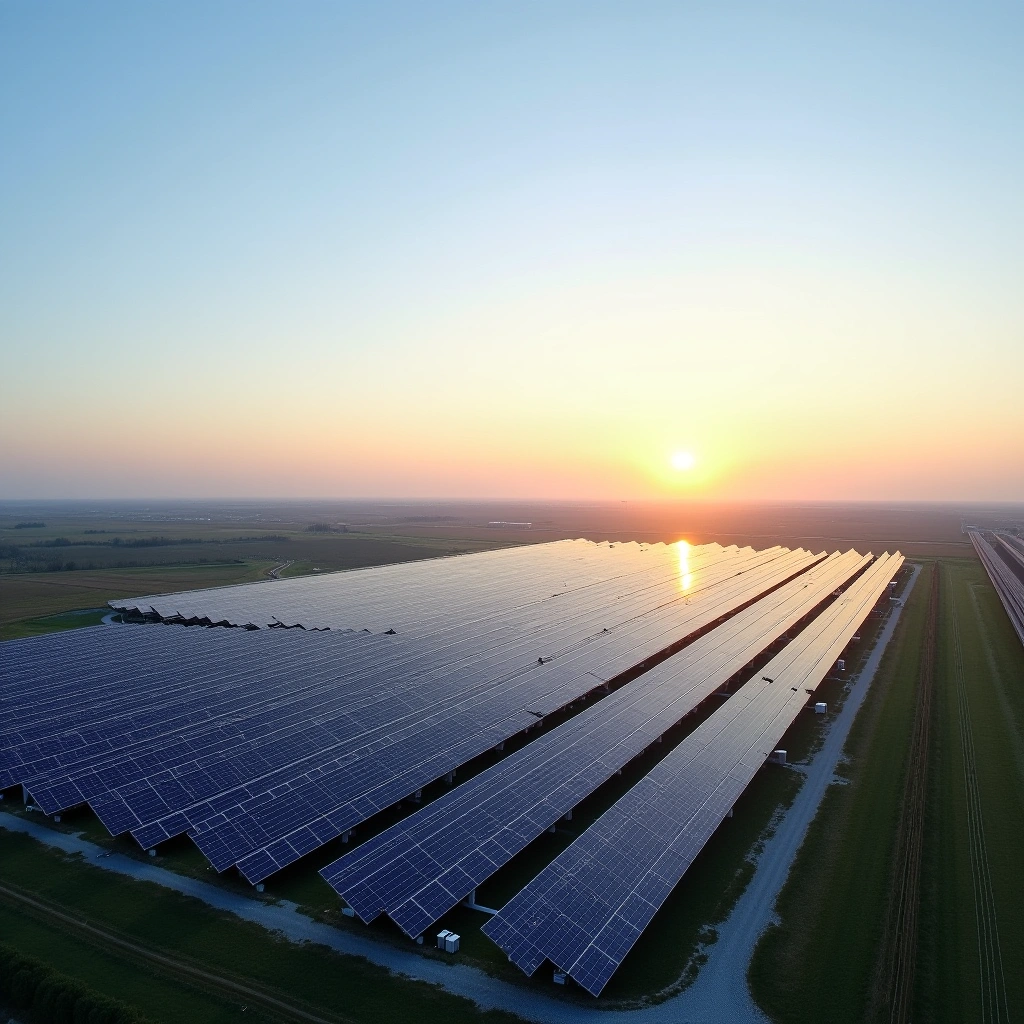
    In July, Latvia proudly announced that solar energy was its largest electricity generator for the third consecutive month, producing a whopping 55% of the total 426 GWh of electricity. That’s right, folks! When it comes to electricity generation, solar is the superstar, and hydropower is just sitting back, sipping a cold drink with its 28% contribution.

    Now, let’s break this down a bit. What does it mean for solar energy to take the lead? For starters, it shows that Latvia is really embracing the sun and all its glory. Installed solar capacity has surpassed 1.8 GW, which is more than double what it was in July 2025. I mean, if that’s not a serious glow-up, I don’t know what is!

    This increase in solar capacity is not just a number on a page; it’s a signal of progress. More solar panels mean more clean energy, and fewer fossil fuels being burned. It’s like Latvia is saying, “Hey, climate change, not today!” And who doesn’t love a good comeback story?

    But wait, it gets better! With this surge in solar energy production, electricity prices have started to drop. Yes, you heard me right. Those pesky energy bills might just be getting a little lighter. Who knew that the sun could help us save money? It’s like finding a dollar in your winter coat pocket—unexpected and totally delightful!

    Now, you might be wondering, why is Latvia’s solar boom important? Well, let’s think globally for a moment. As countries around the world grapple with the effects of climate change, Latvia’s success story serves as an inspiring example of what can be achieved with a little investment in renewable energy. If a small country can harness the power of the sun to meet its energy needs, then maybe, just maybe, larger nations can take a page out of their book.

    And let’s not forget about the environmental benefits. Solar energy is clean, renewable, and doesn’t involve burning dinosaurs (I mean, fossil fuels). It reduces greenhouse gas emissions and helps combat climate change, which is something we can all get behind. So, kudos to Latvia for stepping up and showing the world that sunny days can lead to a brighter future.

    In conclusion, Latvia’s solar energy triumph is more than just a statistic; it’s a beacon of hope in the fight against climate change. With solar power leading the charge, who knows what other amazing things lie ahead? So, let’s raise our glasses (filled with solar-powered lemonade, of course) to Latvia and their solar success. Here’s to more sunshine, more clean energy, and a future that’s not only bright but also sustainable! 🌞


    Inspired by: “Solar was Latvia’s largest electricity generator for the third consecutive month in July, producing…” (r/climatechange)

  • Vietnam’s Renewable Energy Quest: When Promises Fall Flat

    Vietnam’s Renewable Energy Quest: When Promises Fall Flat

    Vietnam's ambitious renewable energy goals have been facing mounting challenges, from inadequate infrastructure to regulatory hurdles , prompting major European investors to rethink their plans.

    So, it turns out that when it comes to renewable energy funding, Vietnam was left holding the bag—an empty one at that. Imagine being promised a shiny new toy only to find out that it was a figment of someone’s imagination. That’s pretty much how Vietnam felt when they didn’t receive the renewable energy money they were counting on. But don’t worry, they didn’t just sit around twiddling their thumbs. No, they decided to get creative and ask someone else for help.

    Let’s set the stage: Vietnam has been making strides in renewable energy, aiming to reduce its carbon footprint and transition from its traditional energy sources. But like a kid asking for a bike and being told to wait, the government found itself in a bit of a pickle when the promised funding didn’t materialize.

    It’s almost like a bad sitcom plot—one where the main character gets ghosted by their investors. And instead of sulking in a corner, Vietnam decided to take matters into its own hands. They started reaching out to alternative sources of funding. Talk about a glow-up! Instead of waiting for the money to come to them, they went out and found new partners who were willing to invest in their renewable energy projects.

    So, who did they turn to? Well, let’s just say Vietnam isn’t shy about exploring new avenues. The country has been actively seeking partnerships with various international organizations and countries looking to invest in clean energy. It’s like they’ve turned into the popular kid at school who everyone wants to be friends with.

    This new approach not only shows resilience but also highlights the importance of adaptability in the face of setbacks. After all, if you can’t get a ride to the party, you might as well walk there and make new friends along the way. And let’s be honest, it’s also a great way to keep the energy initiatives rolling without waiting around for someone else to fulfill their promises.

    Now, I know what you’re thinking: ‘But what’s the big deal?’ Well, renewable energy isn’t just a trendy buzzword; it’s a crucial part of combating climate change. The more countries like Vietnam invest in green energy, the better chance we all have at a healthier planet.

    In conclusion, while the lack of funding is a bummer, Vietnam’s proactive approach to finding new partnerships is commendable. It’s a reminder that sometimes you have to take the bull by the horns—especially when the bull is supposed to be bringing you money for renewable energy. Here’s hoping that they continue to find allies willing to join them on this green journey, because let’s face it, the planet could use all the help it can get!


    Inspired by: “Vietnam Didn’t Get the Renewable Energy Money It was Promised. So It Found Someone Else to Ask” (r/climatechange)

  • Measuring Emissions Cuts: The Good, The Bad, and The Confusing

    Measuring Emissions Cuts: The Good, The Bad, and The Confusing

    Avoiding confusion requires distinguishing between two different points of reference against which “reductions” are assessed . You should be familiar with these relative references, as they correspond to the two types of physical GHG …

    So, you want to measure progress on emissions cuts? Welcome to the club! It’s a bit like trying to measure how much your cat loves you—good luck with that. In theory, it sounds simple: track emissions, cut them, and celebrate with a cake made of kale. But in practice, it’s like herding cats, and not just any cats, but the kind that are constantly moving and changing.

    First off, let’s get to the nitty-gritty of why measuring emissions cuts is so complicated. Companies often have emissions data scattered across various teams, suppliers, and reporting systems. Imagine if every department in your favorite restaurant had its own way of tracking how many burgers it sold. One team might say, “We sold 100 burgers!” while another insists, “No, we only sold 75!” Meanwhile, the kitchen is just trying to figure out how to make a vegan burger that doesn’t taste like cardboard.

    So, how do companies actually measure their emissions? Well, there are a few common tools and processes out there. One of the most popular frameworks is the Greenhouse Gas Protocol, which breaks down emissions into three scopes. Scope 1 includes direct emissions from owned or controlled sources—think of it as the emissions from your company’s own power plant (if you have one, that is). Scope 2 covers indirect emissions from the generation of purchased energy, like the electricity you buy to run your office. And then we have Scope 3, which is where things get really fun. Scope 3 includes all other indirect emissions that occur in a company’s value chain, from the production of raw materials to product disposal. It’s like the ultimate game of emissions tag—good luck catching all that!

    Now, measuring Scope 3 emissions is where many companies throw up their hands and say, “Forget it!” This is because it involves working with suppliers, customers, and even the end-user. Tracking emissions from a supplier’s supplier is like trying to trace your ancestry back to a caveman. You might get some fun stories, but good luck getting accurate data!

    Many companies are now turning to software solutions that help streamline this data collection process. Tools like SAP, Enablon, and EcoAct are designed to help organizations track and report their emissions more effectively. They can pull data from various sources, which can make it easier to get a more holistic view of emissions. It’s like having a personal assistant who can organize your chaotic life—except instead of scheduling your dentist appointment, it’s crunching numbers on carbon emissions.

    But let’s be real: even with these tools, it’s still a challenge. Companies might look great on paper, but if the data isn’t consistent year over year, it’s hard to know if they’re actually making a difference. You can’t just slap a “sustainable” sticker on your product and call it a day. It’s like trying to convince someone you’re a great cook just because you once made toast without burning it.

    So, what can companies do to improve their emissions tracking? Firstly, they need to establish clear communication channels. It’s crucial that everyone involved—from the finance team to the operations team—is on the same page. Regular training and updates can help ensure that everyone understands the importance of accurate data.

    Secondly, setting up a centralized database where all emissions data can be collected and accessed is vital. This would be like creating a family calendar that everyone actually uses, instead of relying on your aunt to remember when everyone’s birthdays are.

    In conclusion, measuring progress on emissions cuts is no easy feat. It requires a combination of the right tools, clear communication, and a commitment to transparency. While companies can say they’re working on sustainability, it’s up to them to back that up with consistent and accurate data. Otherwise, we’ll just be left with a lot of hot air—and not the kind that comes from a well-meaning, yet misguided, sustainability report. So, let’s roll up our sleeves and get to measuring, because Mother Earth is counting on us!


    Inspired by: “How are people measuring progress on emissions cuts?” (r/climatechange)